Silkscreen
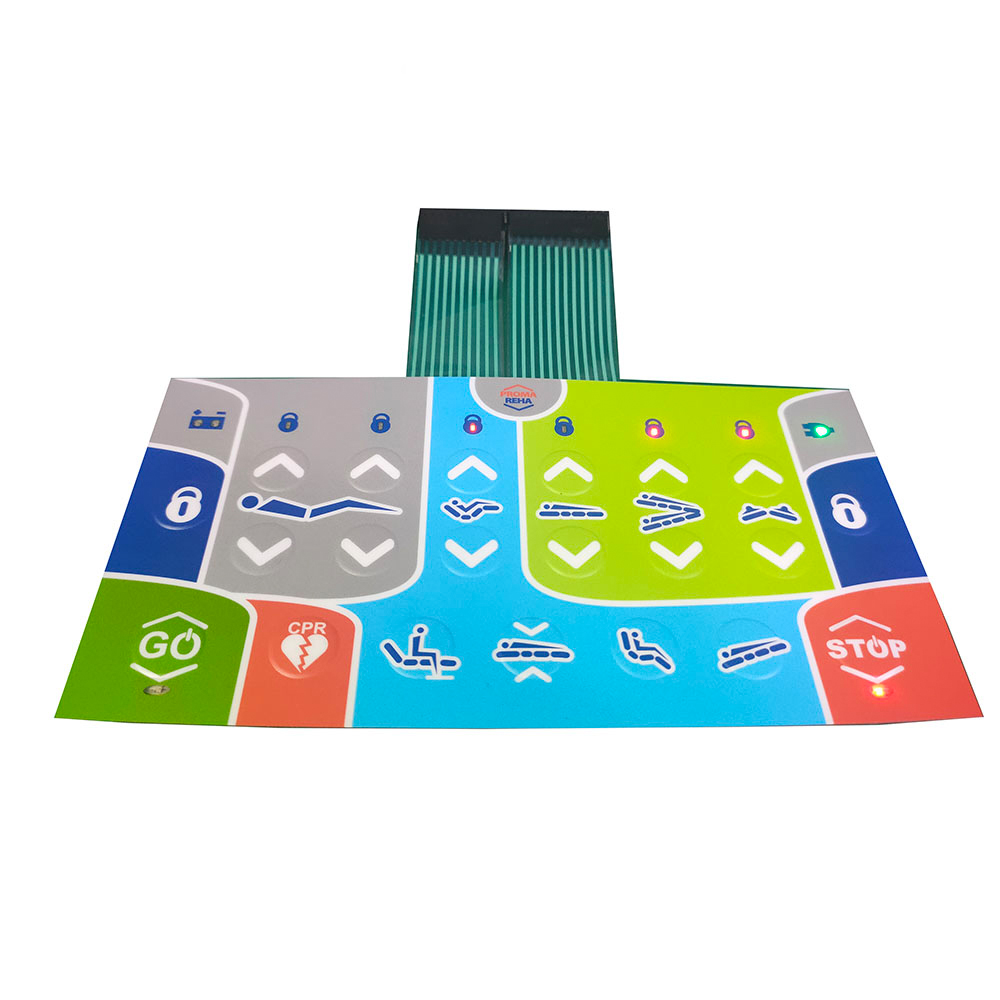
Direct OEM manufacturing from our automated cleanroom facilities to western France. Below are eight engineered human-machine interface assemblies and precision keyboard solutions tailored for harsh industrial, maritime, and laboratory environments.
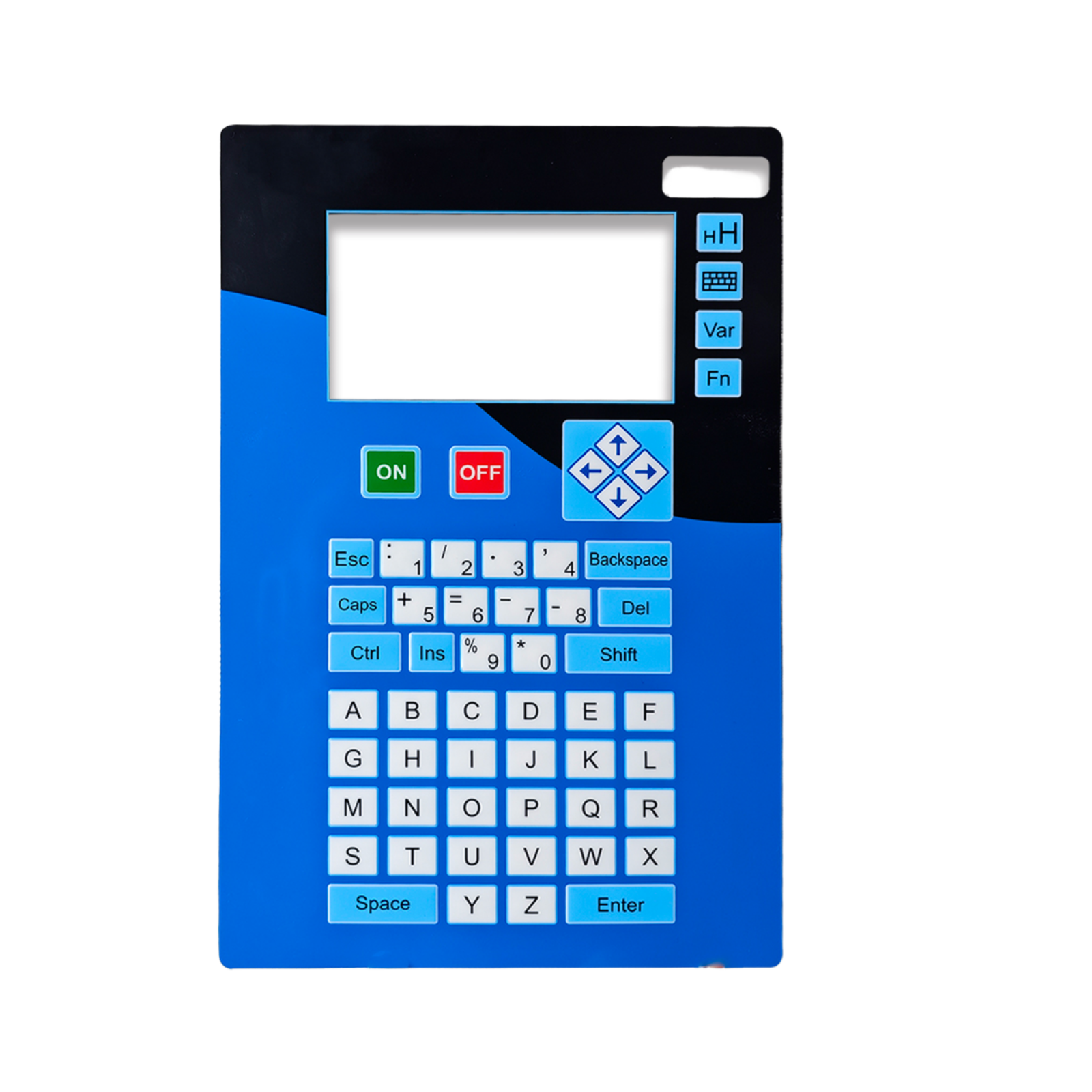
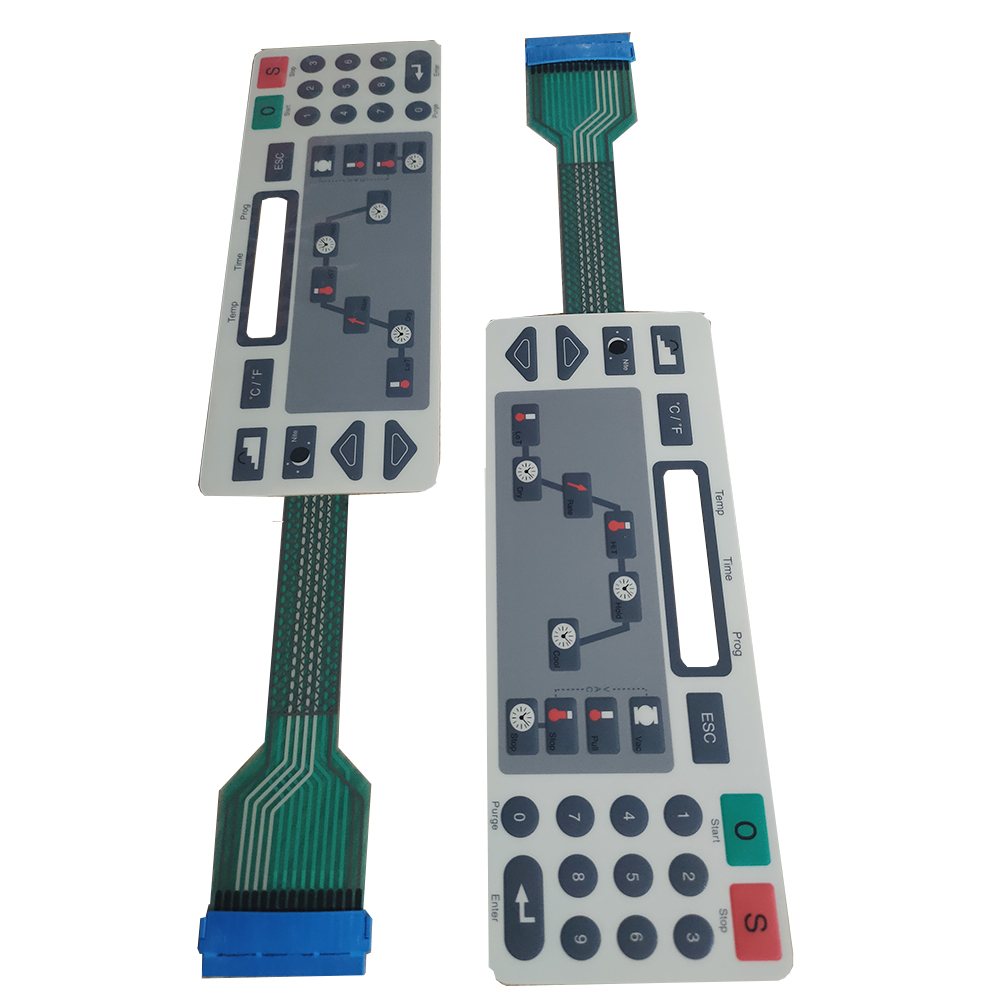
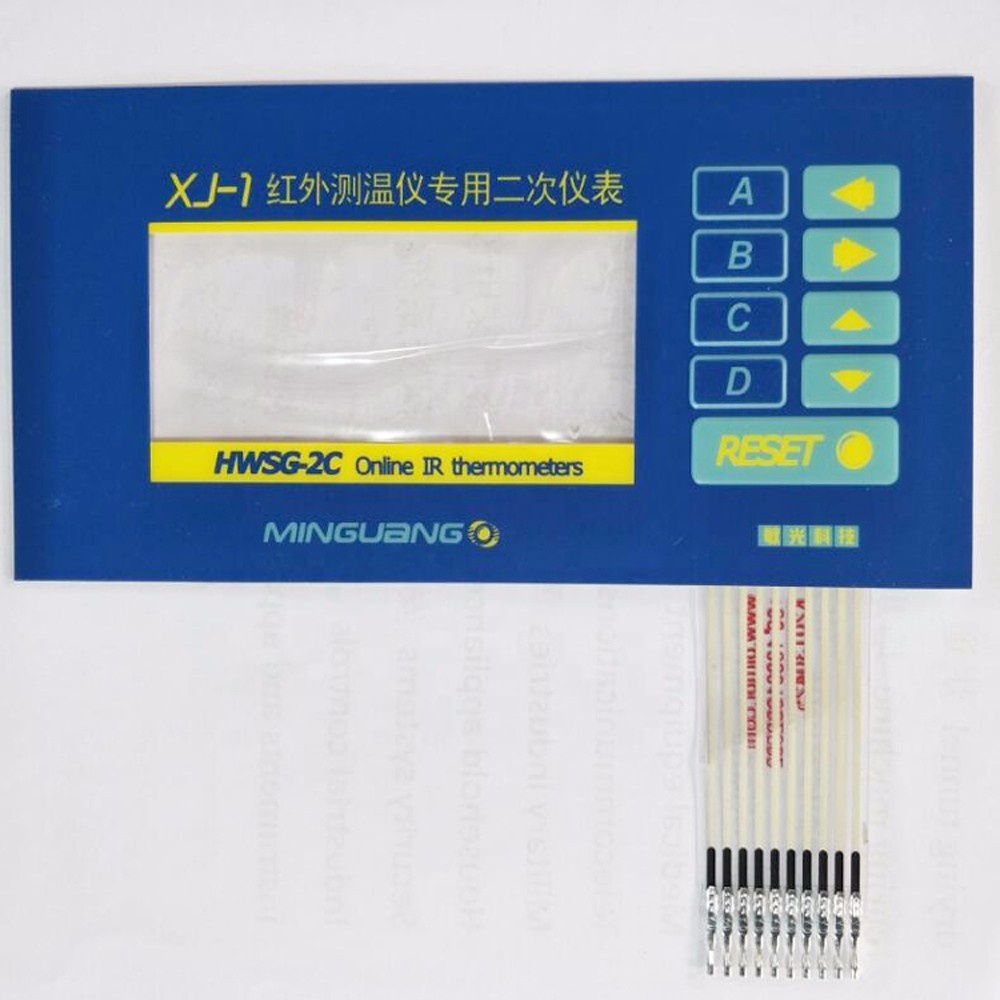
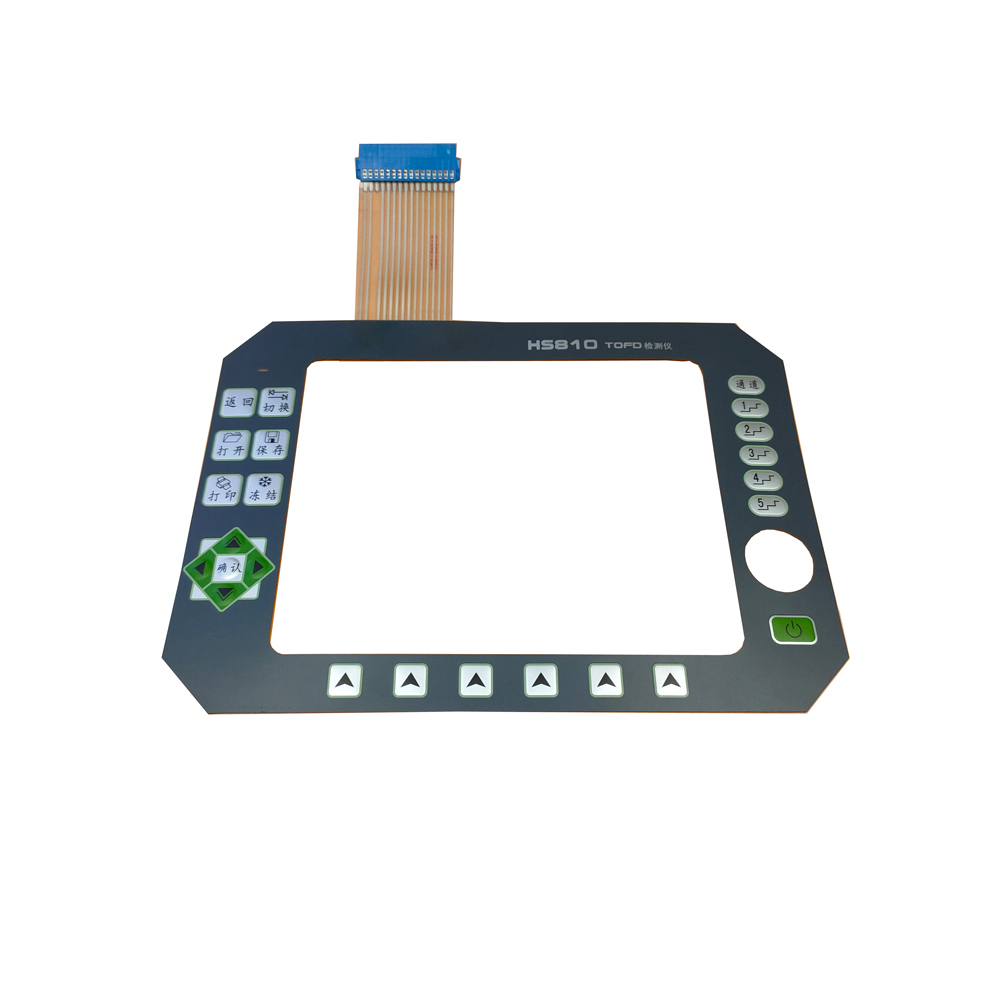
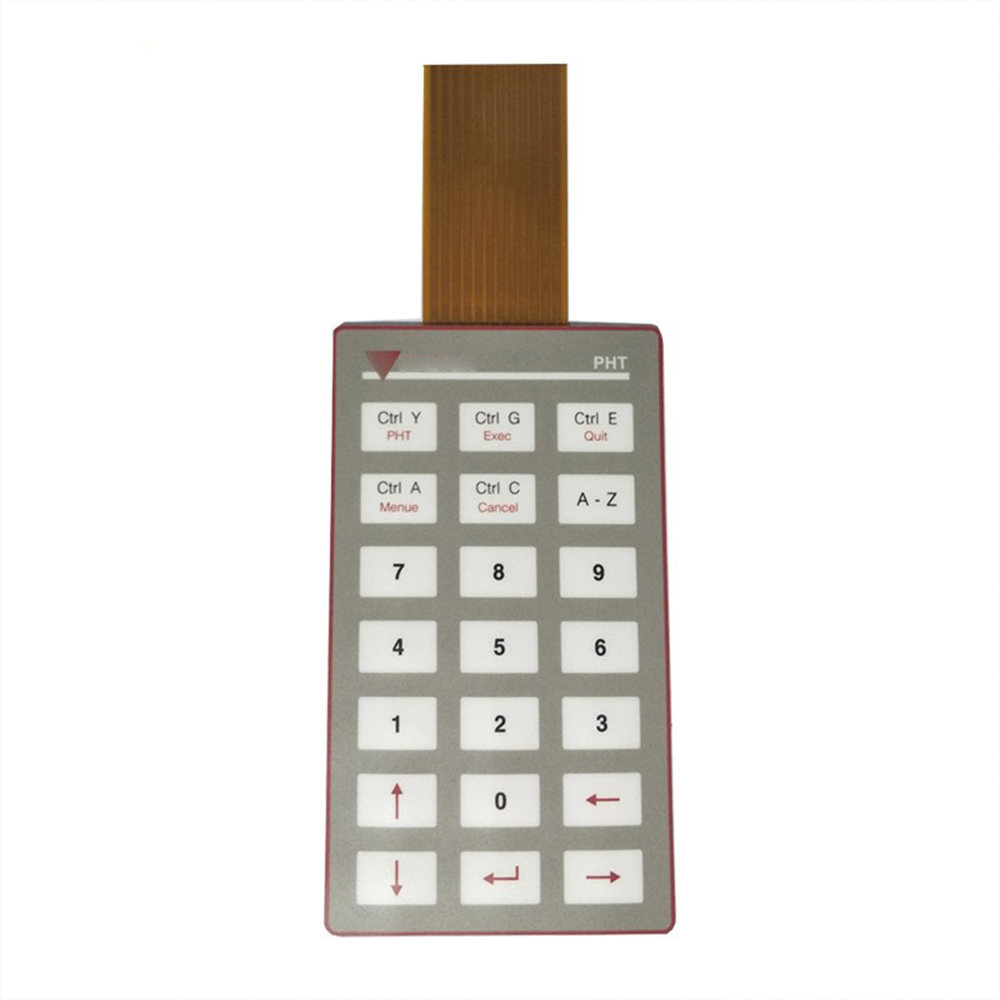
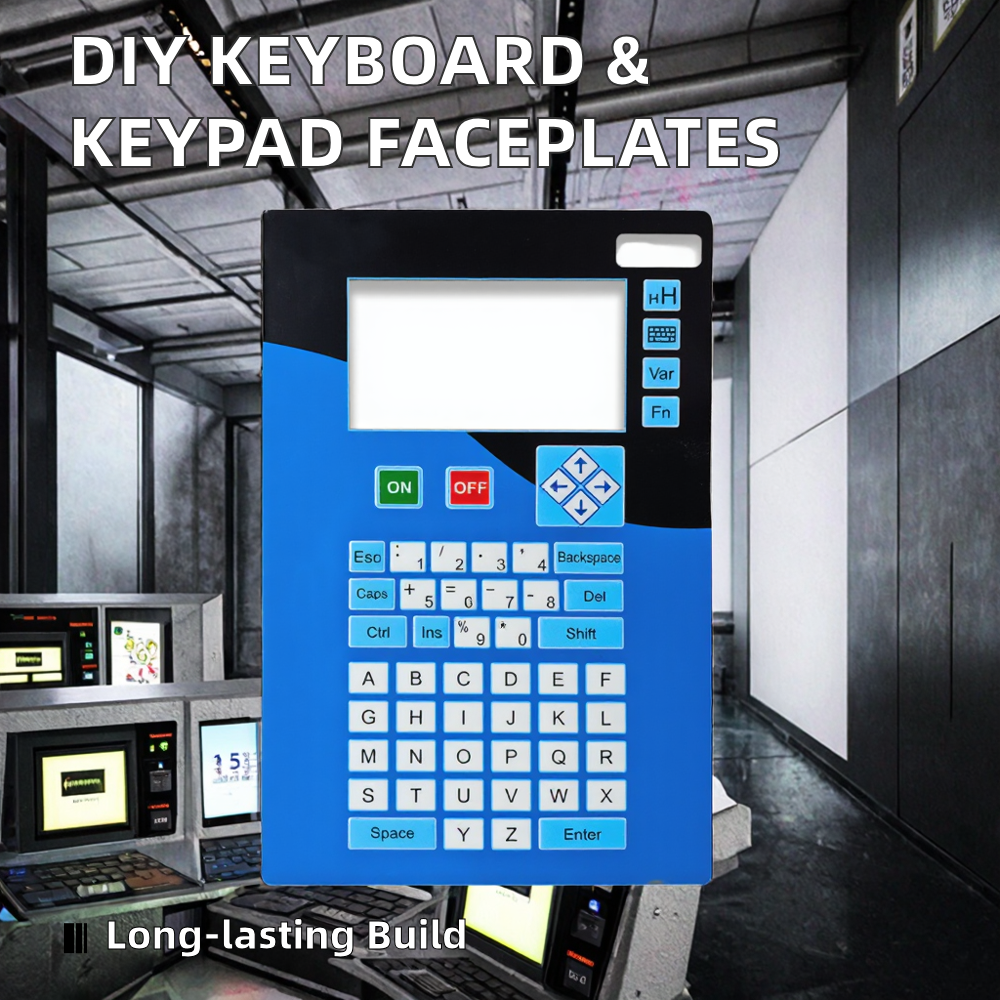
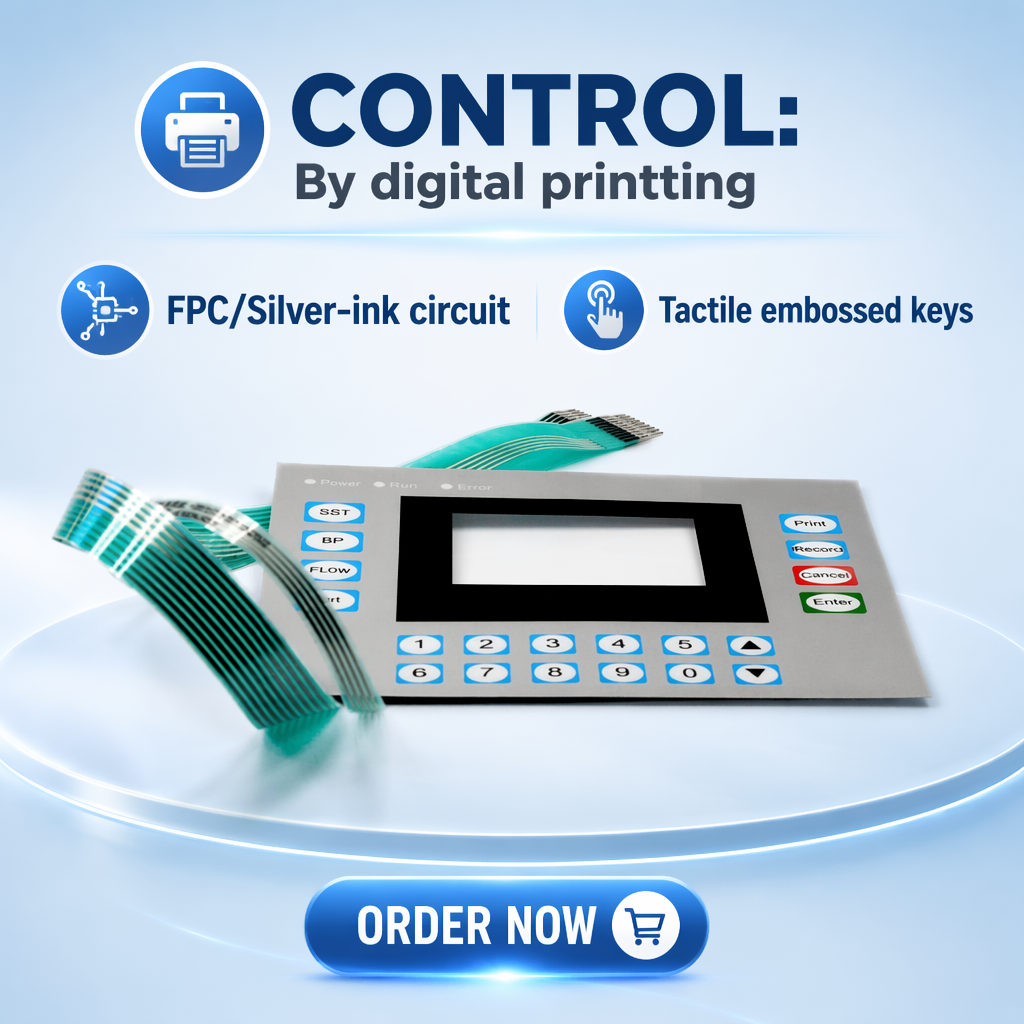
Modern human-machine interfaces deployed in Loire-Atlantique demand high structural integrity, optical purity, and zero visual distortion. Sourcing directly from an established manufacturing partner provides European OEMs with advanced customization of polymethyl methacrylate (PMMA) and chemical-grade polycarbonate windows.
Cell-cast optical grade acrylic achieves total luminous transmittance rates up to 92.5%, surpassing traditional sodalime float glass while reducing component mass by 50%. Ideal for OLED, TFT-LCD, and vacuum fluorescent instrumentation displays.
Untreated acrylic exhibits susceptibility to micro-scratches (ASTM D3363 pencil hardness ~HB). Our proprietary dip-coat and flow-coat polysiloxane hardcoating systems elevate surface scratch resistance up to 5H-6H, withstanding aggressive abrasive cleaning.
Utilizing high-performance modified acrylic and acrylic foam pressure-sensitive adhesives (3M 467MP, 468MP, 3M VHB series), our bonded acrylic windows form hermetic liquid barriers impervious to coastal humidity, steam degreasing, and industrial chemicals.
Selecting the optimum substrate configuration requires balancing luminous efficiency, impact deflection, weight, and environmental exposure characteristics.
| Physical & Optical Metric | Optical Cast PMMA (Acrylic) | Polycarbonate (Lexan/Makrolon) | Chemical Strengthened Glass |
|---|---|---|---|
| Luminous Transmission (%) | 92.0% – 93.0% (Optimum) | 86.0% – 89.0% | 91.0% – 91.8% |
| Specific Density (g/cm³) | 1.19 (Ultra-Lightweight) | 1.20 (Lightweight) | 2.50 (Heavy) |
| Standard Surface Hardness | 2H (Uncoated) / 4H-6H (Hardcoated) | HB (Uncoated) / 2H-3H (Hardcoated) | 7H – 9H (Brittle) |
| Impact Resistance (Charpy kJ/m²) | 12 – 16 (Shatter-Resistant) | 60 – 80 (Extreme Anti-Vandal) | Low Ductility (Risk of Sharding) |
| UV Degradation / Yellowing Index | ΔYI < 1.5 after 5,000 hrs Xenon Arc | Prone to yellowing without UV stabilizer | Inert (ΔYI < 0.5) |
| CNC Machining & Beveling Precision | ±0.05 mm (Diamond Edge Polish) | ±0.10 mm (Prone to burrs) | Tooling restrictive / costly post-hardening |
| Anti-Glare (AG) / Anti-Reflective (AR) | Chemical Etch & Sol-Gel Compatible | Texture Embossed or Wet Coated | Vacuum Sputtered Multi-layer AR |
The Loire-Atlantique basin represents France's premier cluster for maritime navigation, aeronautical structures, agri-food processing, and cutting-edge robotics. Sourcing components with strict dimensional tolerances and climate-proven reliability directly supports local technical teams.
The maritime corridor between Nantes and Saint-Nazaire is home to Europe's most rigorous naval construction, offshore wind turbines (Chantiers de l'Atlantique ecosystem), and commercial marine navigation electronics. Acrylic display windows installed on bridge consoles, winch controllers, and deck sonar screens must endure relentless exposure to saline fog, hydrostatic water pressure, and high solar UV irradiance.
Centered around Airbus Bouguenais and the Jules Verne Manufacturing Academy, the greater Nantes area spearheads advanced metallic and composite aerospace production. Flight test diagnostic modules, ground support instrumentation, and cockpit cabin controllers require lightweight, shatterproof, non-outgassing display lenses.
As a European leader in dairy, meat processing, bakery automation, and beverage packaging, Nantes factories implement strict Clean-In-Place (CIP) regimes. HMI display windows and membrane overlays on packing lines face caustic soda, peracetic acid, and hot steam washdowns daily.
The French industrial landscape is pivoting toward decarbonization, circular life cycles, and intelligent automation. Engineering leaders in Clisson, Carquefou, Saint-Herblain, and Nantes center their component procurement on four structural priorities.
Traditional air-gap tape window designs are being phased out across western France in favor of full OCA (Optically Clear Adhesive) and LOCA wet bonding. Optical bonding eliminates internal dew condensation caused by humid oceanic weather changes in the Loire estuary while increasing display contrast by 300%.
Industrial machinery builders are unifying the protective front acrylic window with projected capacitive (PCAP) touch sensors. By integrating screen-printed conductive ITO traces, silver mesh, or discrete flex circuits (FPC) beneath the 2mm-4mm PMMA lens, systems gain seamless single-glass interfaces.
In accordance with France's AGEC law (anti-waste for a circular economy) and EU REACH/RoHS mandates, tier-1 French suppliers require total material traceability. We supply 100% monomer-recoverable PMMA substrates free from halogens, phthalates, and restricted flame retardants, backed by full IMDS reporting.
A frequent failure mode observed by Nantes design bureaus when integrating acrylic windows into cast aluminum or stainless-steel chassis is mechanical warping or adhesive shear failure under fluctuating thermal gradients (-20°C winter offshore to +55°C internal cabinet temperature). PMMA possesses a linear thermal expansion coefficient of ~70 × 10⁻⁶ /K, compared to aluminum's 23 × 10⁻⁶ /K. Our engineering team applies Finite Element Analysis (FEA) to engineer localized expansion tolerances, using stress-absorbing visco-elastic modified acrylic foam tapes (0.8mm to 1.6mm thickness) with low modulus parameters to guarantee permanent perimeter hermeticity without lens distortion.
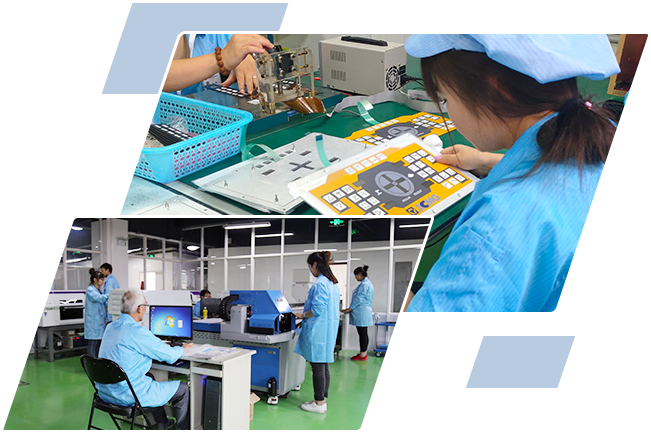
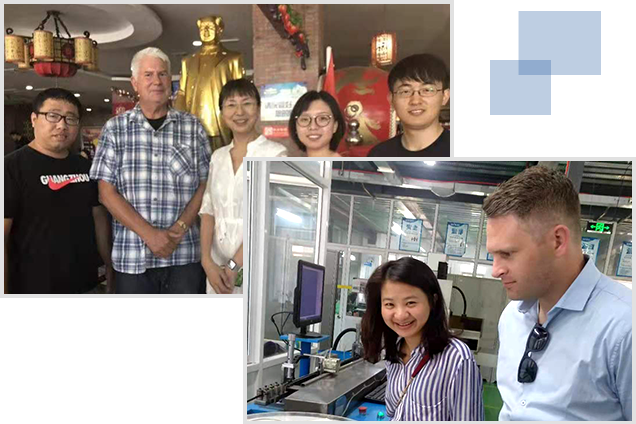
Operating with heritage dating back to 1990, our dual-base production facilities in the Xianghe Robot Industry Port (Hebei) and Huizhou (Guangdong) eliminate intermediary trading markups. Onsite assessed by Intertek and governed by strict ISO 9001:2015 frameworks, all processing steps remain internal.
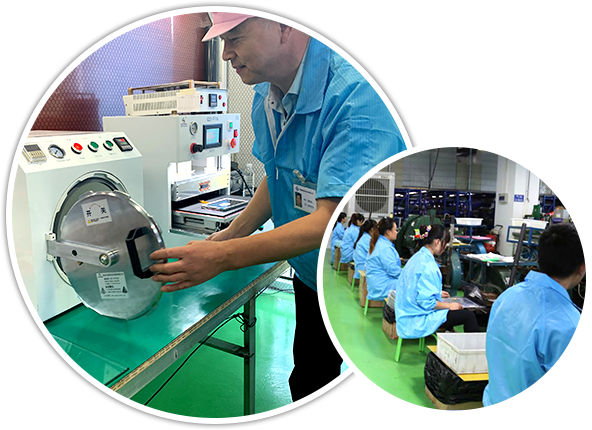
Unlike broker agencies that outsource cutting, printing, and bonding to disparate sub-vendors, our plant integrates every technological step under certified cleanroom management. This closed loop ensures strict batch-to-batch colorimetric repeatability (Pantone / RAL ΔE < 0.8) and dimensional precision.
Automated NSS/CASS corrosion test verifying 1000h+ marine resistance.
Full-spectrum solar radiation testing to prevent yellowing.
Standardized ASTM D3363 hardness and CS-10F wheel wear verification.
100% electrical open/short pin-out screening for integrated keypads.
Addressing critical technical, regulatory, logistics, and prototyping inquiries direct from industrial project managers in France.
Whether you require a hardened, beveled optical acrylic window for a marine helm, a clean-in-place panel for food automation, or a fully integrated backlit membrane switch assembly in Nantes, our engineering department provides rapid DFM (Design for Manufacturability) analysis and competitive factory-direct quotations.