IP67 Waterproof
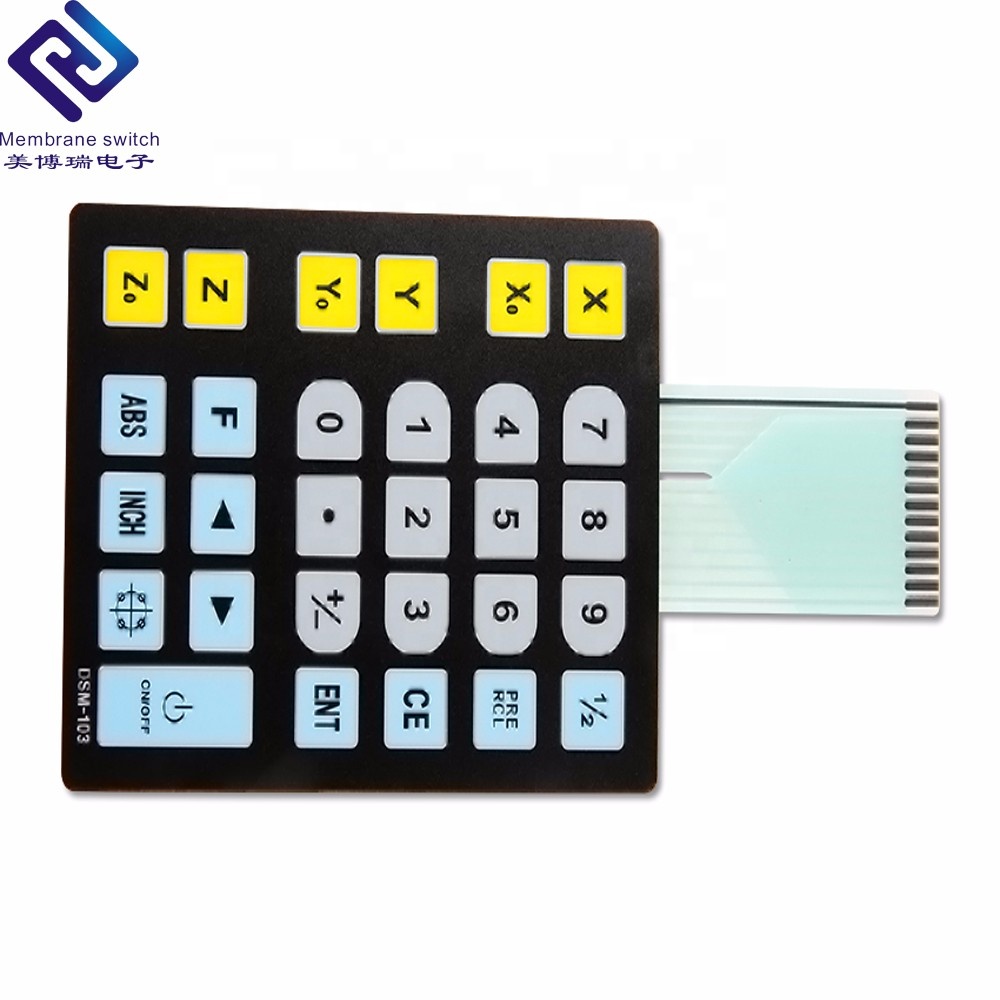
Discover high-reliability tactile and illuminated interface solutions manufactured under strict ISO 9001 guidelines, delivering IP67 sealing, positive tactile travel, and laser-etched silicone longevity to Belgian assembly plants.
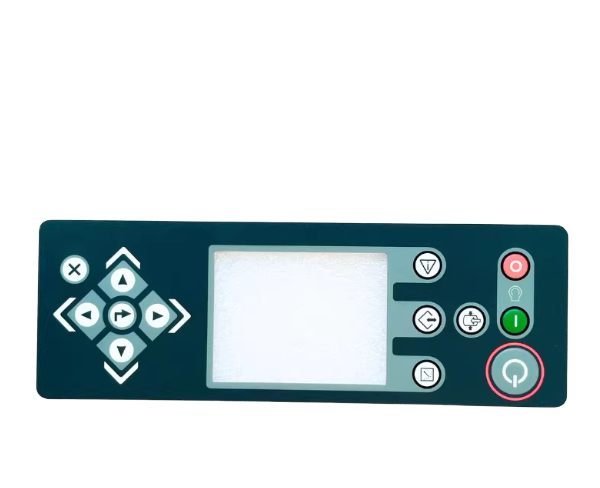
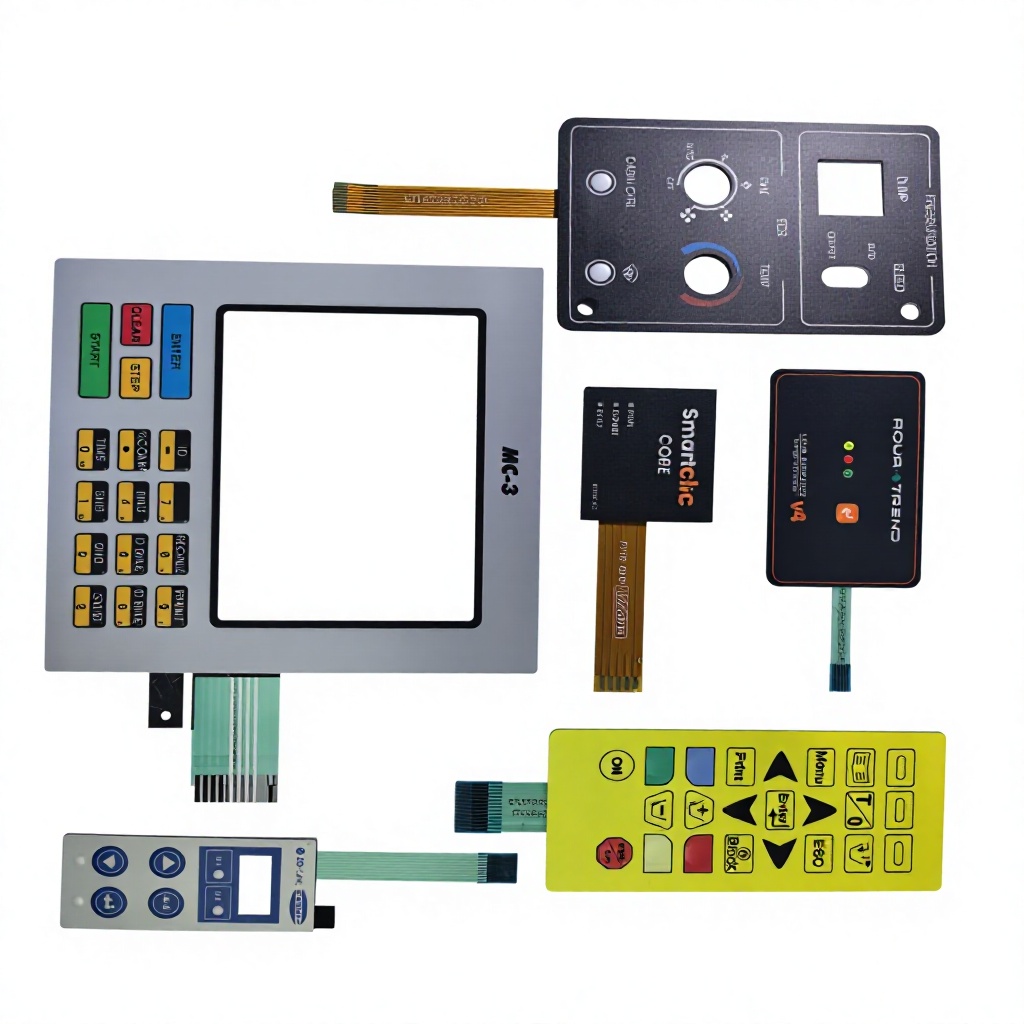
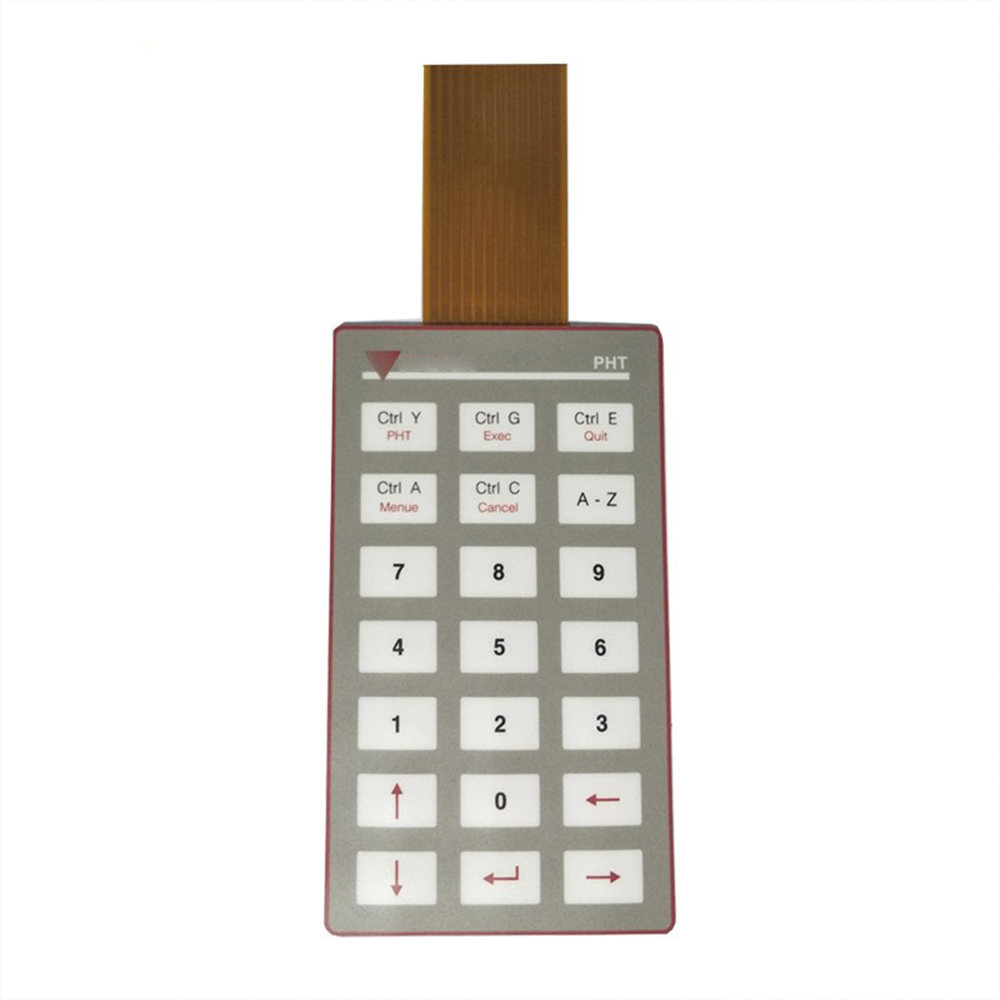
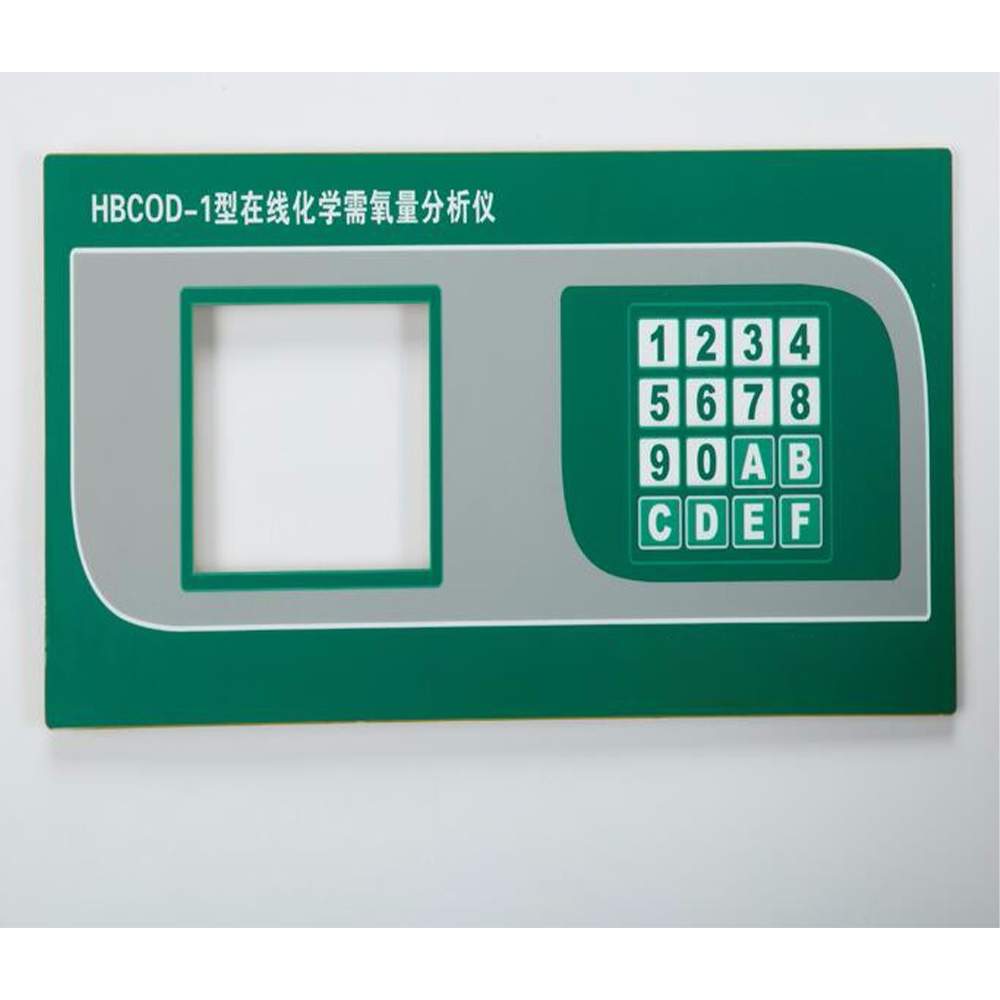
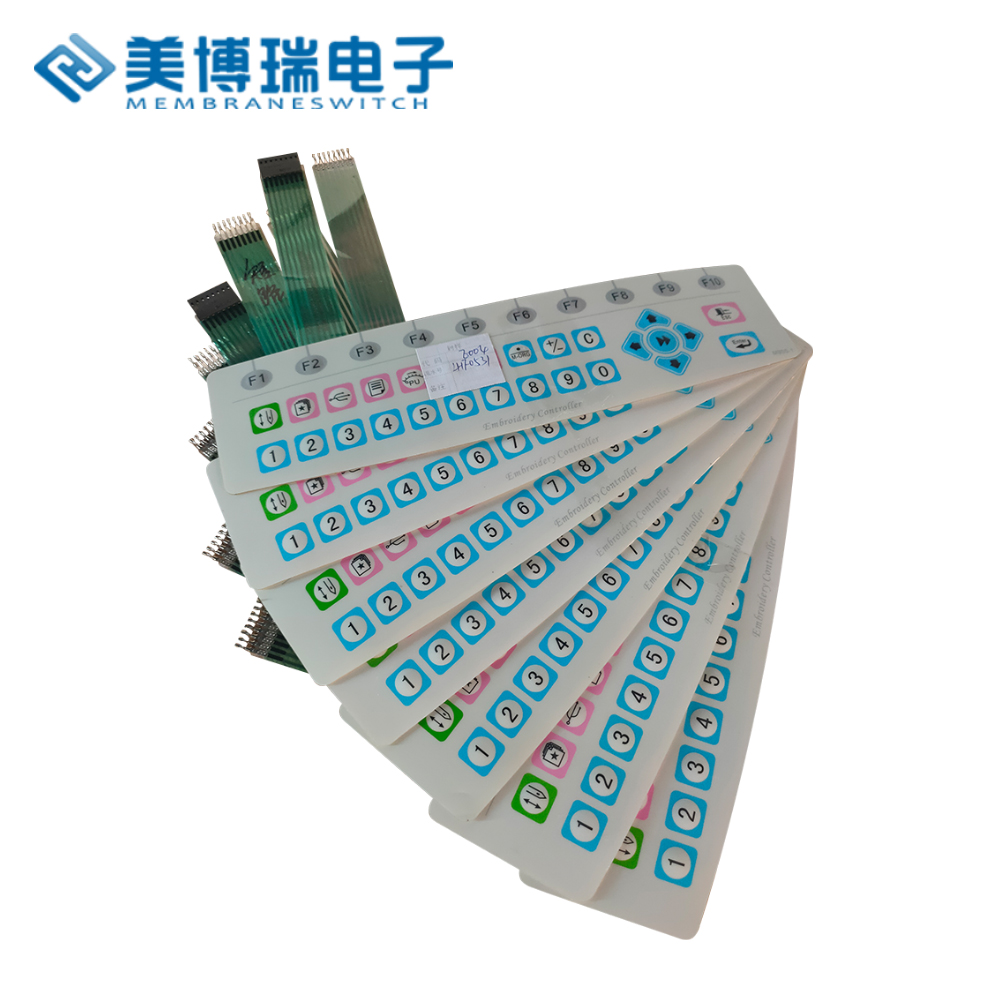
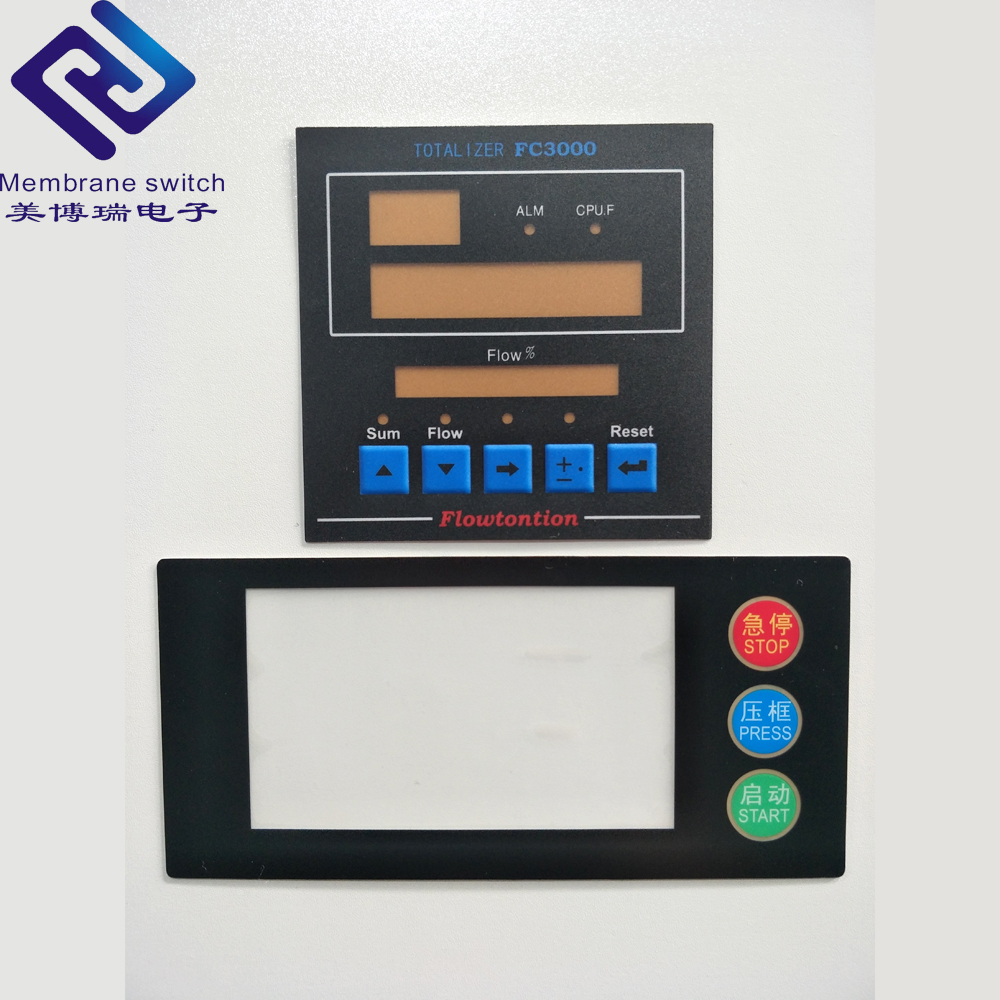
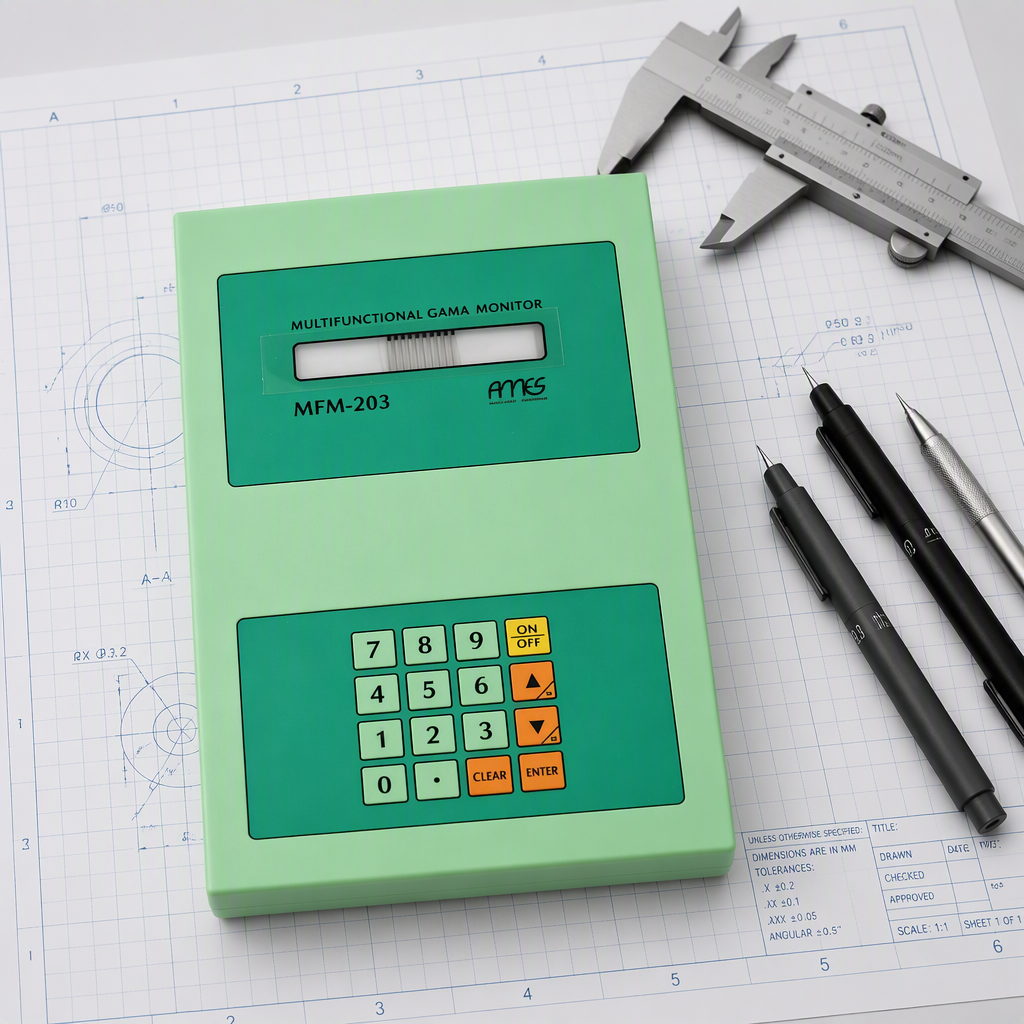
A comprehensive engineering analysis of elastomeric light integration, compression tooling tolerances, and supply chain logistics for Flemish original equipment manufacturers.
In the rapidly evolving industrial corridor of Ghent, East Flanders, the convergence of automated port operations along the North Sea Port (Ghent-Terneuzen Canal), advanced automotive production clusters (notably the Volvo Cars Ghent manufacturing footprint), and cutting-edge biopharmaceutical fabrication at Tech Lane Ghent Science Park has fundamentally transformed human-machine interface (HMI) specifications. Equipment designers no longer accept simple off-the-shelf pushbuttons that suffer from light bleed, tactile fatigue, or environmental degradation caused by industrial washdowns and marine salt-fog exposure. Sourcing managers and electromechanical engineers in Ghent require high-reliability backlit rubber buttons and integrated silicone membrane keypads that marry mechanical robustness with optical precision.
Engineering Criterion for Flemish OEMs: Backlit silicone keypads must maintain uniform luminance (typically ≥80 cd/m² with luminance variation below 20%), survive thermal swings from -40°C to +85°C without key-web embrittlement, and guarantee hermetic ingress sealing up to IP67/IP68 under DIN EN 60529 standards.
As an established Chinese manufacturing authority with heritage stretching back to 1990, operating a 2,219-square-meter verified facility with 111+ precision-trained specialists and long-standing technical alliances with German tooling houses, we provide Ghent systems integrators with direct factory-tier access to custom-molded elastomeric keypads, Light Guide Film (LGF) modules, and complete membrane switch sub-assemblies.
Utilizing micro-dot pattern embossed optical polycarbonate or TPU films (0.125mm to 0.250mm) to direct side-firing surface-mount LEDs uniformly across complex key arrays with zero light bleeding between adjacent legends.
Multi-stage spray finishing combining translucent base coats, opaque color masks, and ultra-durable polyurethane (PU) or UV-cured topcoats. High-speed CNC fiber laser etching precisely exposes legends with sub-millimeter edge definition.
Calculated snap ratios between 40% and 65% engineered directly into the elastomeric silicone web or enhanced via integrated stainless steel nickel-plated metal domes (300g to 500g force) for unmistakable tactile snap through heavy industrial gloves.
The baseline substrate for our backlit rubber button products is high-grade translucent silicone rubber gum (Shore A durometer 40 to 70), formulated for high tear resistance, low compression set (≤15% after 22 hours at 175°C), and strict chemical neutrality. When backlighting is required, translucent or transparent food- and medical-grade liquid silicone rubber (LSR) or high-consistency rubber (HCR) is vacuum-vulcanized under multi-cavity hardened tool-steel dies maintained on 60 CNC-machined mold systems.
To achieve crisp, illuminated legends on a midnight-black or dark-gray automotive console, buttons undergo robotic multi-pass spray coating. First, a white or color-tinted translucent silicone layer is sprayed and heat-bonded to the molded keypad. Next, an opaque topcoat—formulated to block 100% of internal LED light transmission—is applied. Finally, high-precision laser ablation machines selectively vaporize the opaque layer to expose the translucent legend. An anti-abrasion hard-coat (PU or matte silicone lacquer) is cured as the final barrier, achieving over 200 Norman RCA cycles and surpassing ASTM D4060 Taber abrasion benchmarks.
Selecting the optimal switch topology requires balancing mechanical travel, tactile crispness, ambient ingress levels, and illumination complexity:
| HMI Configuration | Actuation Force | Key Travel | Rated Lifespan | Backlighting Efficiency | Ideal Ghent Application |
|---|---|---|---|---|---|
| Laser-Etched Silicone + LGF | 180g – 350g | 0.8mm – 1.8mm | > 2,000,000 cycles | High (>85% uniformity) | Maritime Crane Cabs & In-Vehicle Nav |
| Tactile Metal Dome Membrane | 250g – 500g | 0.3mm – 0.6mm | > 1,000,000 cycles | Moderate (LED windowed) | Port Automation Cabinets & Subsea Systems |
| Rigid PCB Backed Elastomer | 200g – 400g | 1.0mm – 2.2mm | > 5,000,000 cycles | Superior (Direct SMD LED) | Volvo Supplier Test Equipment & Robotics |
| Capacitive PET Front Overlay | Zero-travel (0g) | 0.0mm | Solid-State | Full Surface Backlit Diffuser | Tech Lane Biotech & Cleanroom Controls |
Ghent is not a generic consumer market; it is one of Europe's premier multimodal industrial hubs. Sourcing backlit rubber buttons in this region requires an intimate understanding of the operating parameters dictated by local industries:
Bulk cargo handlers, gantry cranes, and vessel mooring control panels along the Terneuzen-Ghent sea lock encounter severe North Sea salinity, torrential rain, and round-the-clock shift operation. Our IP67/IP68 sealed silicone button mats utilize 3M 300LSE/468MP high-tack adhesives and integral perimeter sealing gaskets that prevent salt water ingress, backed by 5% neutral salt spray testing (ASTM B117) exceeding 96 hours without contact resistance drift.
Suppliers feeding the automotive plant in Kennedylaan require night-driving compliant HMI modules. Laser-etched rubber keypads integrated with side-firing SMD LEDs ensure non-dazzling night illumination, zero glare, anti-rattle dampening, and compliant operating torque across extreme Belgian winter chills (-20°C) and intense engine-compartment thermal soak (+80°C).
Pharmaceutical processing skids, fermentation bioreactors, and laboratory analysis equipment in Zwijnaarde demand seamless, non-porous elastomeric surfaces capable of withstanding daily wipe-downs with isopropyl alcohol (IPA), hydrogen peroxide vapor, and caustic cleaning solutions. Flush-fit membrane buttons and laser-etched silicone overlays eliminate bacteria-harboring crevices.
ArcelorMittal's steel operations and circular green chemical plants situated along the Ghent canal utilize robotic teach pendants and outdoor sorting consoles. These systems demand backlit silicone buttons with high tactile travel (up to 2.0mm) so heavy-duty Kevlar or leather glove wearers receive positive mechanical confirmation of every command entered.
European supply chain legislation is driving profound shifts in component procurement across Belgium. Sourcing professionals in Ghent are navigating tighter carbon accounting, stringent chemical declarations, and increasing electronic convergence:
1. Chemical Compliance & RoHS 3 / REACH: Under EU Regulation (EC) No 1907/2006 (REACH) and Directive 2011/65/EU as amended by Directive (EU) 2015/863 (RoHS 3), every raw silicone compound, conductive carbon pellet, and pigment must be certified 100% free of Substances of Very High Concern (SVHC) like phthalates, polybrominated diphenyl ethers, and specific siloxanes (D4, D5, D6). Our factory supplies full material certification, ICP testing reports, and IMDS documentation to guarantee friction-free customs clearance and regulatory sign-off.
2. Integration of Flexible Printed Circuits (FPC): Moving away from bulky wire harnesses, Ghent automation manufacturers are standardizing on copper flex FPC substrates combined with silicone keypads. Gold-plated connector contacts, fine trace spacing (down to 0.1mm), and surface-mounted ultra-miniature 0402 LEDs eliminate assembly labor while drastically reducing panel thickness.
3. Direct Eurasian Export Logistics: By offering standard EXW, FOB, CIF, and fully delivered DDP (Delivered Duty Paid) air cargo directly into Brussels Airport (BRU) or multimodal ocean shipping to the Port of Antwerp-Bruges and North Sea Port Ghent, we provide Flemish buyers with factory-direct pricing, clear customs handling, and compressed lead times (7–10 days for rapid prototypes, 3–4 weeks for production tooling).
Vertical in-house manufacturing, German technical collaboration, and verified testing procedures remove intermediary risks for international OEM procurement.
From CAD drawing conversion, tooling fabrication, silicone compounding, and screen/UV printing to laser etching, dome array placement, and 100% electrical continuity testing—no sub-processes are outsourced. Quality stays entirely under one roof.
Long-term technical exchange with a specialized German membrane switch producer ensures that our compression tooling tolerances, laser etching micro-calibration, and aesthetic finishes match rigorous European mechanical expectations.
With primary processing bases in Xianghe Economic Development Zone (Robot Industry Port, Hebei) and secondary manufacturing lines in Huizhou (Guangdong), orders are routed strategically to guarantee on-time delivery despite regional supply fluctuations.
Our workshop floor houses 60 CNC mold-making machining centers, 37 precision screen printing lines, 4 Mimaki digital UV flatbeds, 18 laser cutters, and 7 automated CNC engravers, enabling rapid prototype iteration within 5 to 7 days.
Factory premises, trade authenticity, and quality management systems are verified on-site by Intertek. We operate full-batch traceability with automated testing machines verifying contact resistance, bounce time, and actuation force on every batch.
Every design is qualified inside our in-house environmental test lab, featuring programmable temperature/humidity chambers, xenon arc aging chambers, automatic salt fog spray chambers, and million-cycle key endurance stroke testers.
Clear, transparent engineering and commercial guidance for purchasing managers and mechanical engineers across East Flanders.
To deliver a definitive DFM (Design for Manufacturability) review and quote, we require a 3D step file (.STEP or .IGS) showing key geometry, stroke travel, and web angle, alongside 2D mechanical drawings (.PDF or .DXF) with critical tolerances. For the backlit legends, vector artwork (.AI or .CDR) with Pantone color codes, clear indication of translucent vs. opaque zones, circuit schematics (pin-out definition), and operating temperature ranges are required. Our 10-person engineering department can assist in converting prototype sketches into production-ready tooling files.
For complex layouts with high key counts, point-source LEDs placed underneath each key often cause uneven hot spots. We resolve this by integrating an engineered Light Guide Film (LGF) layer (0.125mm to 0.25mm) directly under the elastomeric keypad. Micro-grooves or dot matrices printed on the LGF extract and channel light from side-mounted ultra-thin LEDs uniformly across all legends. In addition, internal opaque silicone light walls are molded directly into the silicone underside to isolate discrete keys, preventing optical crosstalk and light bleed between neighboring functions.
Unlike rigid volume manufacturers who demand thousands of units per run, we support pilot builds, R&D trials, and specialized machinery runs with flexible minimum quantities (often starting at 50 to 100 pieces for prototype qualification). Single-cavity prototype tooling is typically completed in 7 to 10 working days, with initial first-article inspection (FAI) samples dispatched by DHL/FedEx directly to Ghent. Production multi-cavity hardened molds take 15 to 20 days, followed by standard batch production of 2 to 3 weeks depending on laser etching complexity.
We formulate silicone keypads specifically for aggressive outdoor and industrial use. The outer surface is sealed with an aliphatic polyurethane hardcoat or UV-cured silicone lacquer that prevents yellowing, chalking, and softening when exposed to sunlight and salt fog. Our materials undergo automated salt fog chamber testing (ASTM B117) and xenon lamp aging tests to ensure that laser-etched markings and surface hydrophobicity remain intact after years of continuous deployment at harbor crane cabins and maritime distribution centers.
We routinely support EXW, FOB (Shanghai/Shenzhen), CFR, CIF, and full DDP (Delivered Duty Paid) terms into Belgium. For prototype samples and high-priority pilot lots, direct air courier to Brussels Zaventem (BRU) takes 3 to 5 business days. For volume manufacturing replenishment, consolidated ocean freight into the Port of Antwerp-Bruges or direct barge routes into North Sea Port Ghent offers an optimal balance between freight cost and supply predictability. All consignments include complete commercial invoices, packing lists, HS code classifications (typically under 8537.10 or 8538.90), and EU certificates of origin.
Yes. Many of our Ghent and European tier-one clients prefer turnkey human-machine interface assemblies. We supply the backlit silicone button mat pre-bonded to rigid FR4 PCB motherboards or aluminum/steel support plates, complete with surface-mounted LEDs, resistors, pin headers, optically bonded clear LCD/OLED windows, and EMI shielding layers. This delivers a plug-and-play electromechanical module ready for direct chassis drop-in on your Ghent assembly line, dramatically cutting down your internal assembly overhead.
Connect directly with our senior electromechanical engineering staff. We provide rapid DFM analysis, 3D mold flow validation, Pantone color match samples, and transparent factory-direct pricing for your next equipment build in Ghent.