High-Durability Keypads & Integrated Control Interfaces
Engineered to withstand tropical UV degradation, corrosive high-salinity air, and intensive tactile cycles. Every assembly is custom molded, precision-printed, and environmentally sealed.
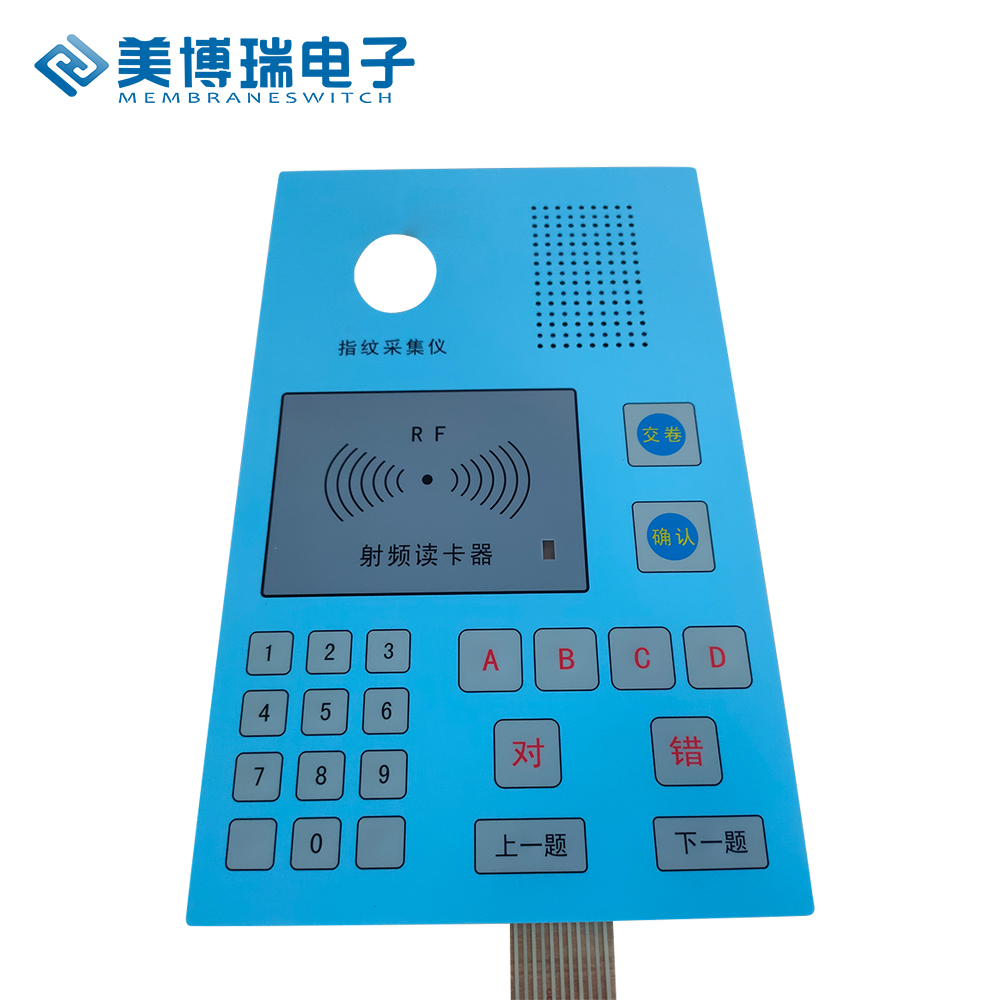
MBR ISO9001 Sealed Membrane Switch Keypad
Engineered with 3M 300LSE adhesive and silver conductive tracks on PET/PC. Impervious to tropical moisture intrusion and direct spray.
Technical Details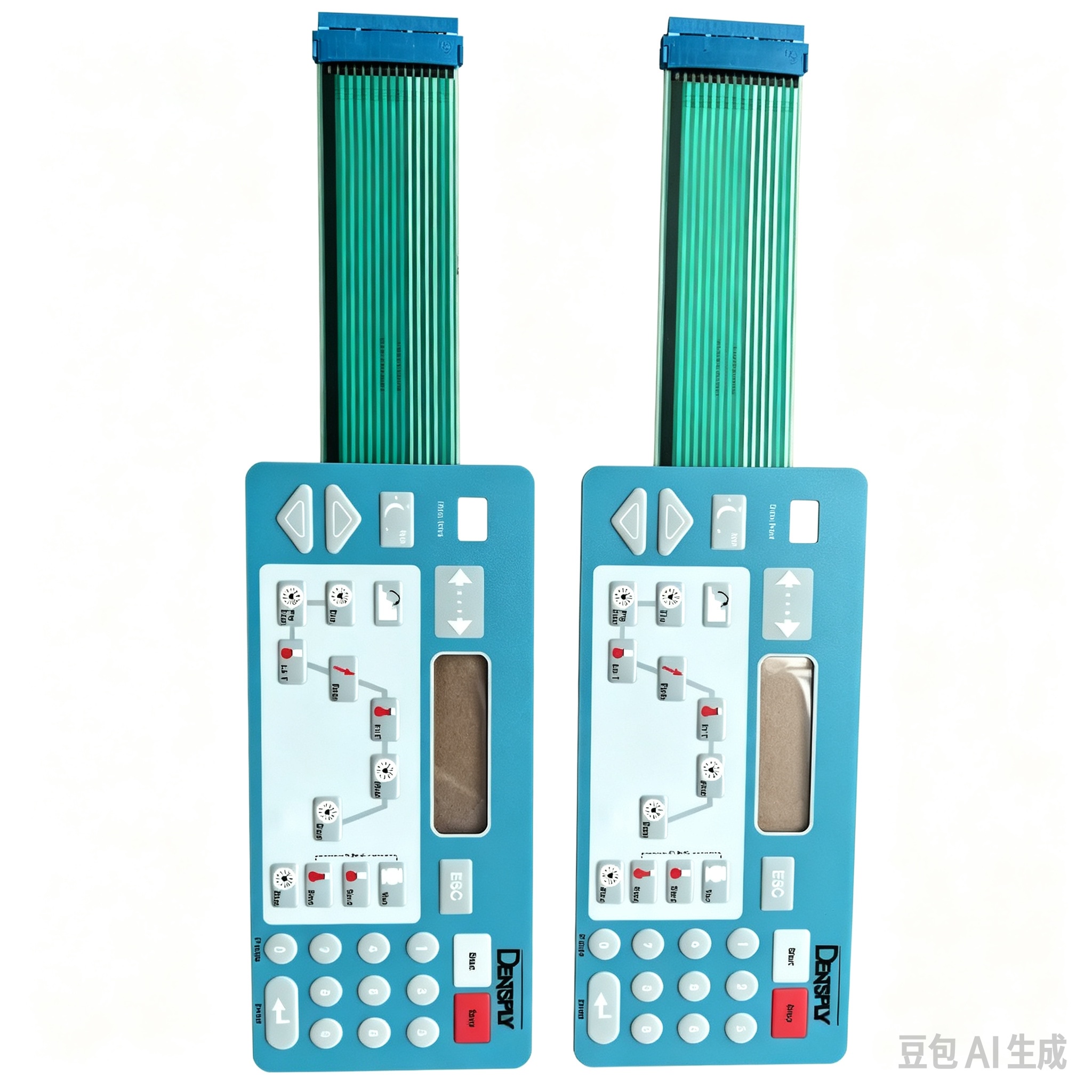
Custom Waterproof Polyester Switch Panel
Embossed tactile buttons featuring robust polyester overlay layers that resist cleaning solvents, petroleum runoff, and saltwater staining.
Technical Details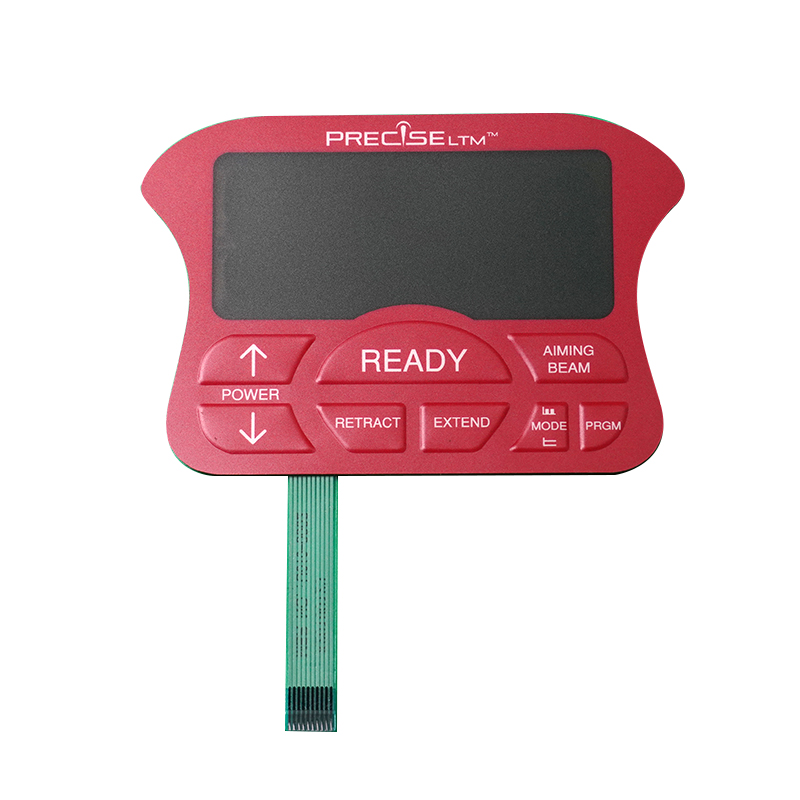
Anti-Interference Locomotive Control Panel
High-temperature resistant PET structure with integrated copper/aluminum EMI shielding to prevent radio and marine transceiver crosstalk.
Technical Details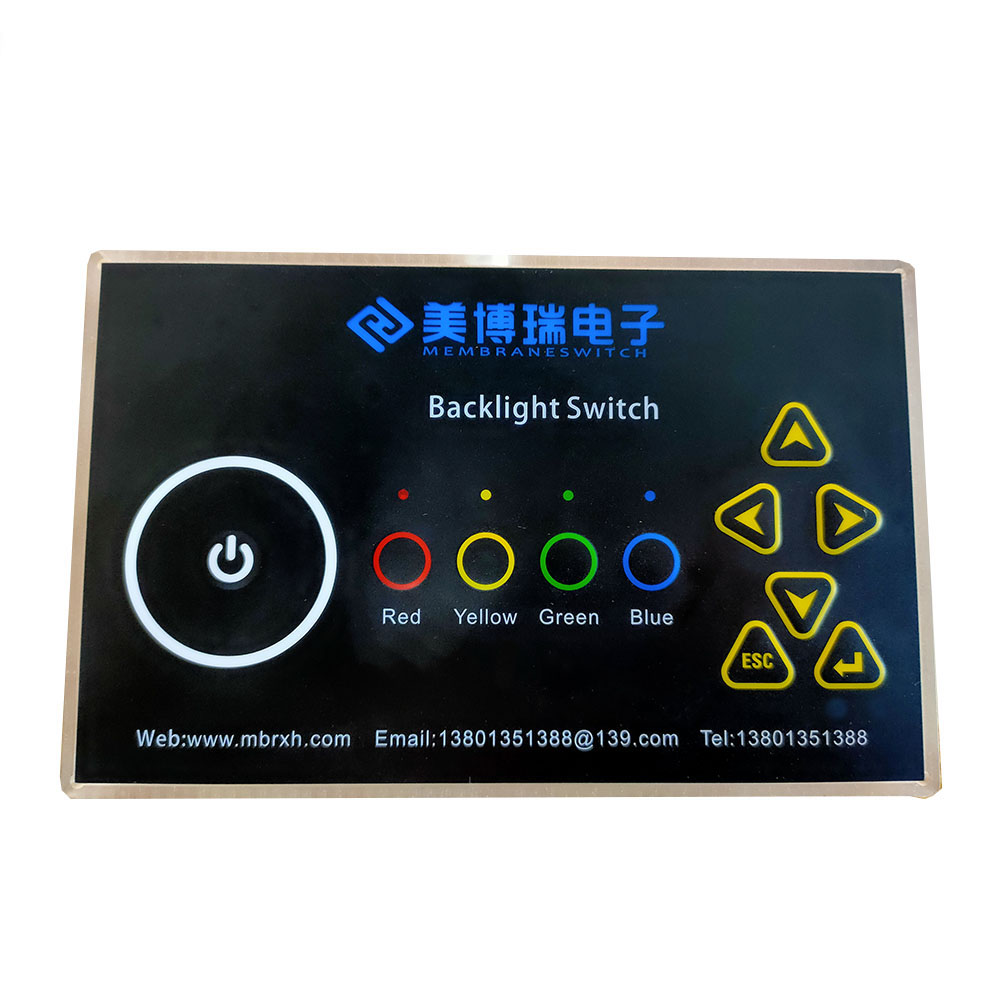
MBR PBT Wear-Resistant Custom Keycaps
Silkscreen-printed, dye-sublimated replacement keys fabricated from robust PBT polymers to withstand extreme UV degradation without shine.
Technical Details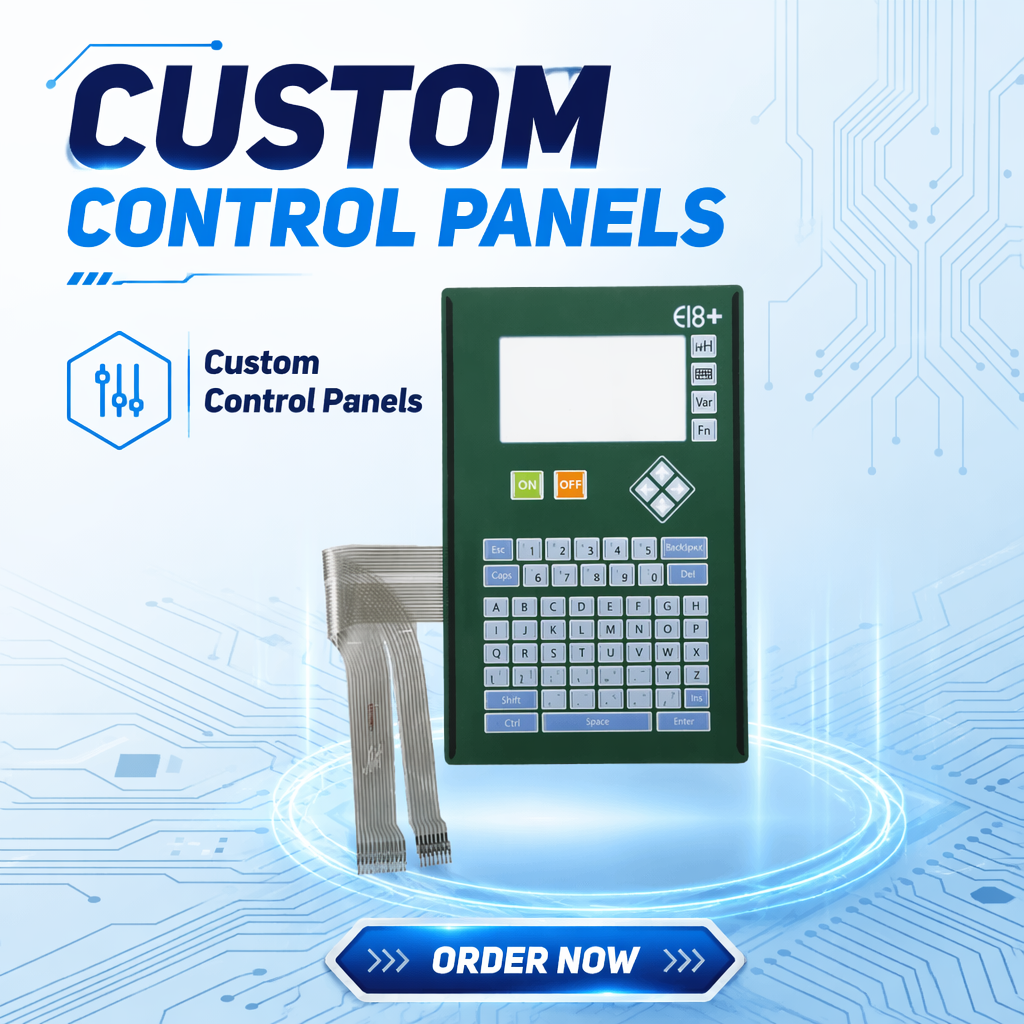
OEM PBT Compatible Actuator Assembly
Tailored 2.54mm pitch connectors combined with ergonomic silicone travel profiles suitable for navigation computers and marine engine consoles.
Technical Details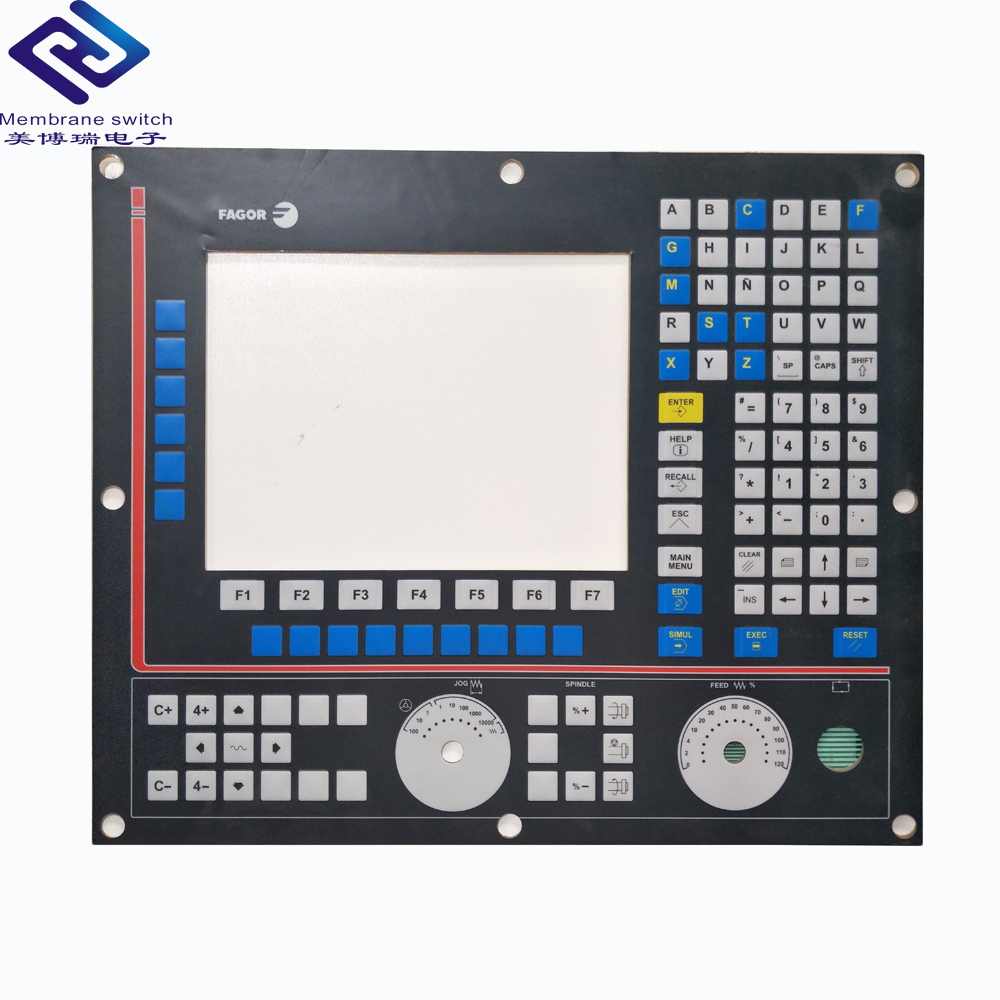
CNC Machine Keypad Membrane Panel
Ruggedized front control panel with snap-acting tactile metal domes delivering positive feedback to operators working with heavy maritime machinery.
Technical Details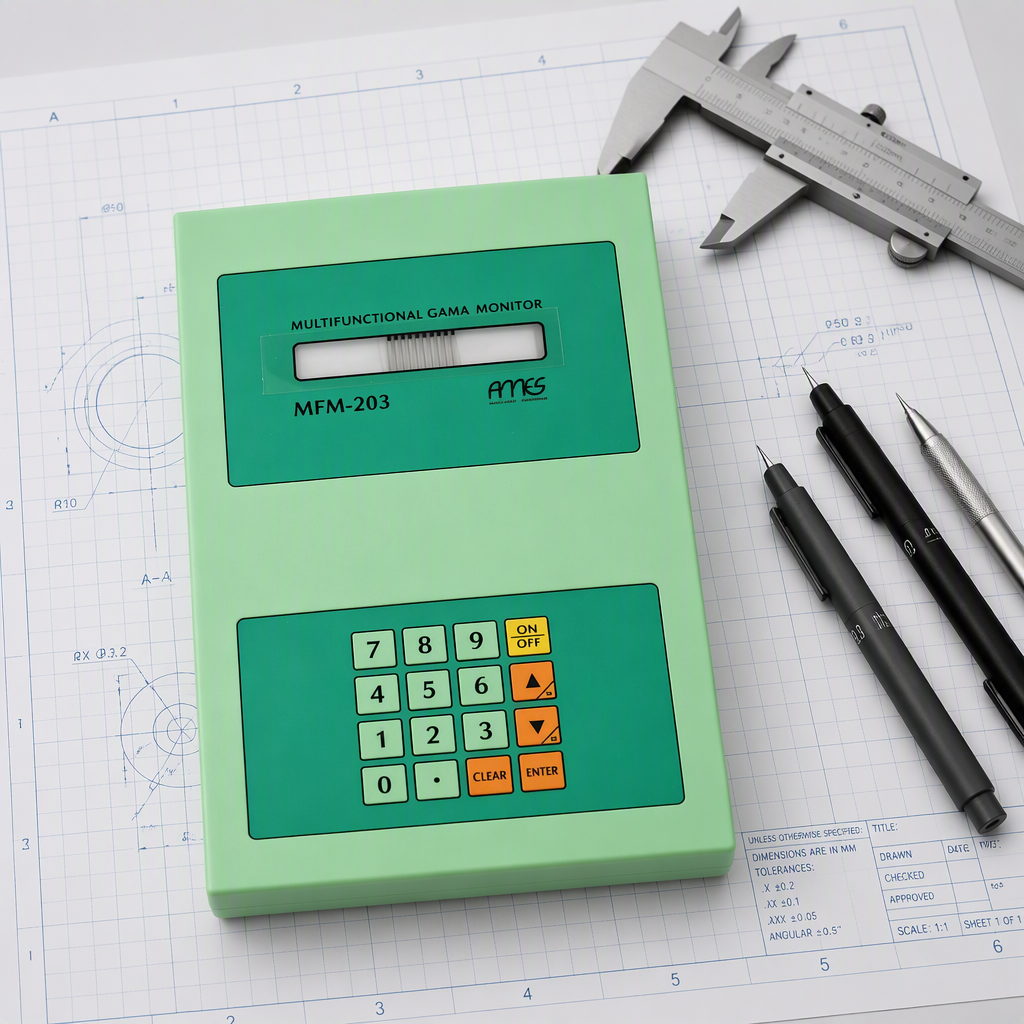
MBR IP67 Industrial Keyboard Overlay
Hermetically bonded perimeter seal tailored for VHF marine telecommunication consoles, bridge systems, and port telemetry hubs.
Technical Details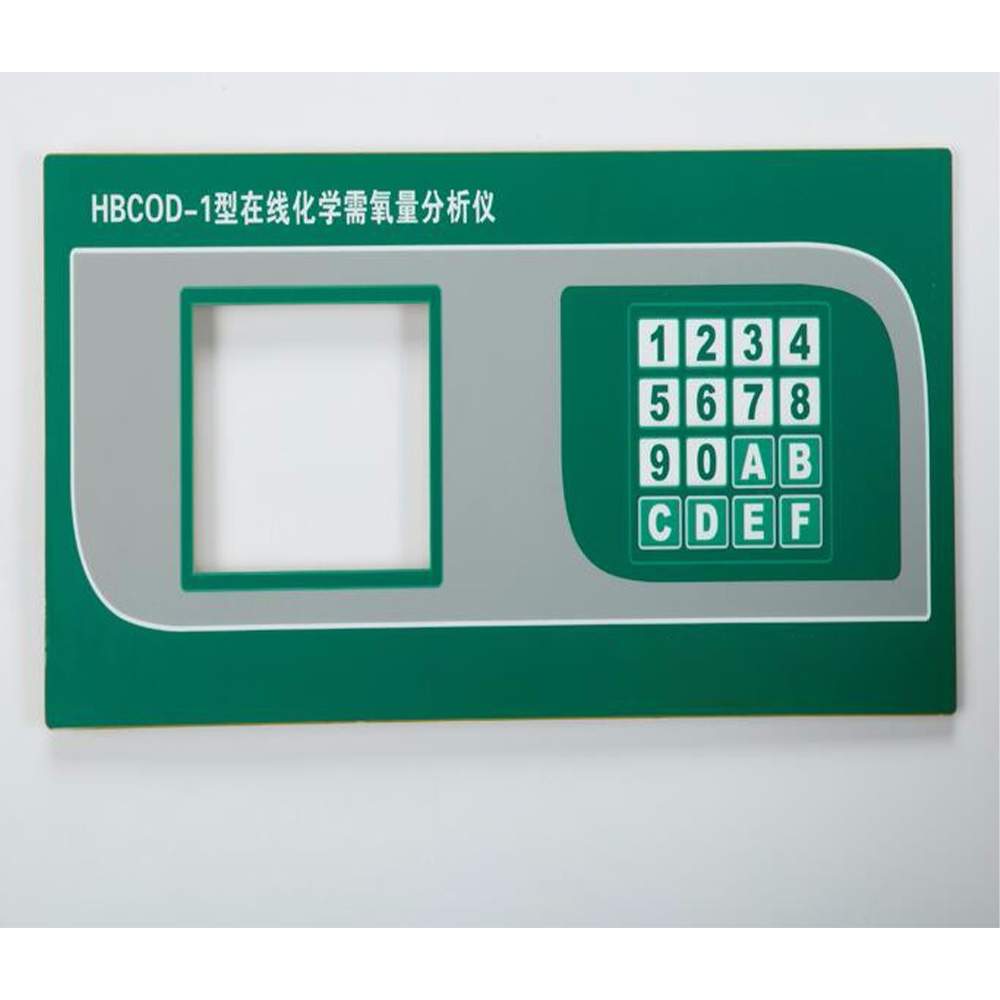
High-Spec PET/PC Membrane Keyboard
Full Pantone color-matching with integrated LED indicators, diffuse dead-front graphics, and precision laser cutting for rapid chassis mounting.
Technical DetailsOvercoming Harsh Maritime & Remote Island Operational Hazards
Neiafu, serving as the primary commercial and maritime hub of the Vava'u archipelago, presents unique environmental stressors that rapidly degrade generic electronic components.
Saline Atmosphere & Fog Infiltration
Continuous coastal salt mist induces accelerated galvanic corrosion on bare copper traces and promotes salt crust formation under switch cavities. Our keypads utilize specialized perimeter barrier gaskets, micro-sealed silicone boots, and selective silver-carbon paste crossovers verified via automated salt fog chamber tests up to 96 hours.
Solar UV-C & High Thermal Cycling
Tropical insolation causes chalking, embrittlement, and micro-cracking on standard rubber and polycarbonate overlays. TAVO utilizes automotive-grade, organosilicon elastomeric formulations with ultraviolet stabilizers, maintaining elasticity between -40°C and +120°C and eliminating sticky elastomer breakdown under direct sunshine.
Night Navigation & Uniform Luminance
Maritime outposts require non-glare, uniform night backlighting for vessel monitoring, sonar displays, and communication repeaters. We combine precision laser etching of black-translucent silicone buttons with thin Light Guide Film (LGF) or embedded side-fire surface-mount LEDs, ensuring zero hotspotting and negligible current draw.
Deployments in Marine, Tourism & Off-Grid Systems
Neiafu’s Port of Refuge represents one of the Pacific's most protected deep-water harbors, serving international yachts, domestic inter-island cargo ferries, and regional eco-tourism operators. The push for modernized maritime telemetry, remote clean energy storage, and localized food preservation infrastructure has driven a surge in durable HMI demand.
Our backlit rubber button assemblies serve vital roles in marine VHF transceivers, depth sounders, diesel auxiliary control units, and solar-diesel microgrid inverter controllers installed across outlying Vava'u islands. The integration of tactile snap feedback allows skippers and station engineers to operate controls securely even while wearing wet gloves in rough waters.

Modern Trends: Sealed Capacitive & Hybrid Interfaces
As remote telemetry hubs transition toward IoT-enabled automation, procurement teams are actively migrating from failure-prone electromechanical switches toward unified silicone-membrane hybrid enclosures. These modern assemblies eliminate gaps where tropical dust and saline moisture collect.
By pairing precision laser-ablated silicone keys with flexible copper FPC circuits and capacitive touch sensing layers, TAVO provides an ultra-low-profile form factor that drops directly into IP67 and IP68 cast-aluminum enclosures, maximizing field service intervals and reducing costly replacement supply chains to remote Pacific island locations.
Direct Manufacturer Advantages: End-to-End Control
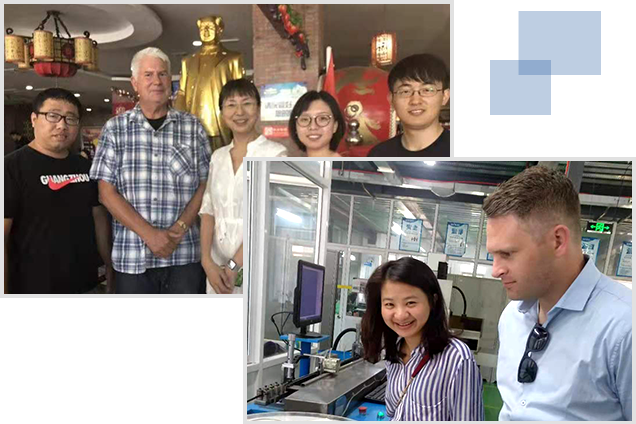
Unlike trading intermediaries, TAVO oversees every production phase within our Langfang and Huizhou processing bases, ensuring complete quality containment from raw resin to finished functional assembly.
ISO 9001 & Intertek Onsite Audited
Our facilities are verified by Intertek and governed strictly under ISO 9001 quality management protocols. Every keypad batch undergoes comprehensive circuit continuity verification, contact resistance testing, and dimensional micrometer calibration.
In-House Tooling & 37 Screen Lines
Equipped with 60 CNC mold-making suites, 4 Mimaki precision UV printing centers, 18 laser profiling cutters, and 37 silkscreen lines, we minimize lead times on customized elastomer compression molds and membrane overlays.
German Partnership & High-Rel Pedigree
With an engineering heritage extending back to 1990 and continuous technical exchanges with European HMI manufacturers, our components have supported Tier-1 global projects for industrial leaders like Siemens, ABB, and Haier.
Frequently Asked Questions for Neiafu & Regional Buyers
Clear, direct technical insights addressing international shipping, environmental sealing, durability, and customization requirements.
How do you guarantee keypad longevity in humid, high-salt marine air?
We seal the internal contact matrix using proprietary perimeter gasketing bonded with moisture-impervious 3M acrylic adhesive systems (such as 3M 467MP or 9448A). Circuitry is screen-printed with stabilized conductive silver ink covered with dielectric carbon coatings, or fabricated on polyimide (Kapton) FPC copper traces to prevent galvanic dendritic growth.
What engineering files are necessary to initiate a custom prototype?
We accept 2D mechanical outlines (AutoCAD DWG/DXF), 3D volumetric step models (STEP/IGES) for rubber webbing travel analysis, and vector artwork (Adobe Illustrator AI/PDF) with specified Pantone or RAL color codes. Our 10-person engineering department translates these into full production tooling drawings within 48 hours.
Can you provide small batches or prototypes for repair and maintenance?
Yes. TAVO accommodates lower minimum order quantities (MOQs) than typical commodity producers. For proof-of-concept units or localized replacement runs for island utilities and fleet operators, we utilize rapid CNC prototype silicone tooling and digital UV printing to deliver functional units swiftly without heavy steel tooling overhead.
What backlighting technologies are recommended for night-vision interfaces?
For low power draw and even diffusion, we integrate Light Guide Film (LGF) placed directly under translucent laser-etched silicone keys. This system distributes light from edge-lit micro LEDs across every button legend evenly, preventing hotspots and accommodating red or green NVIS night-vision compatibility for ship bridge consoles.
How are export shipments safely routed to Neiafu and the South Pacific?
All export consignments are packed with moisture-absorbing desiccant canisters and vacuum-sealed inside antistatic, heat-sealed barrier bags within reinforced multi-wall cartons. Shipments can be consigned under FOB, CIF, or DDP terms via DHL/FedEx Express for urgent air cargo, or consolidated ocean freight via primary Pacific routes.
How is tactile snap ratio tuned for operators wearing protective gloves?
We customize the silicone rubber actuation wall (webbing) angle, thickness, and dome return profile to achieve snap ratios between 40% and 65% with actuation forces spanning 150g to 450g. For positive tactile confirmation through thick offshore work gloves, we can additionally embed stainless-steel metal domes underneath the rubber actuators.
Initiate Your Custom Keypad Specification Today
Connect with our technical design team for rapid DFM evaluation, custom stack-up schematics, and an engineering-grade sample quotation.
Get Catalog