HOT SELLER
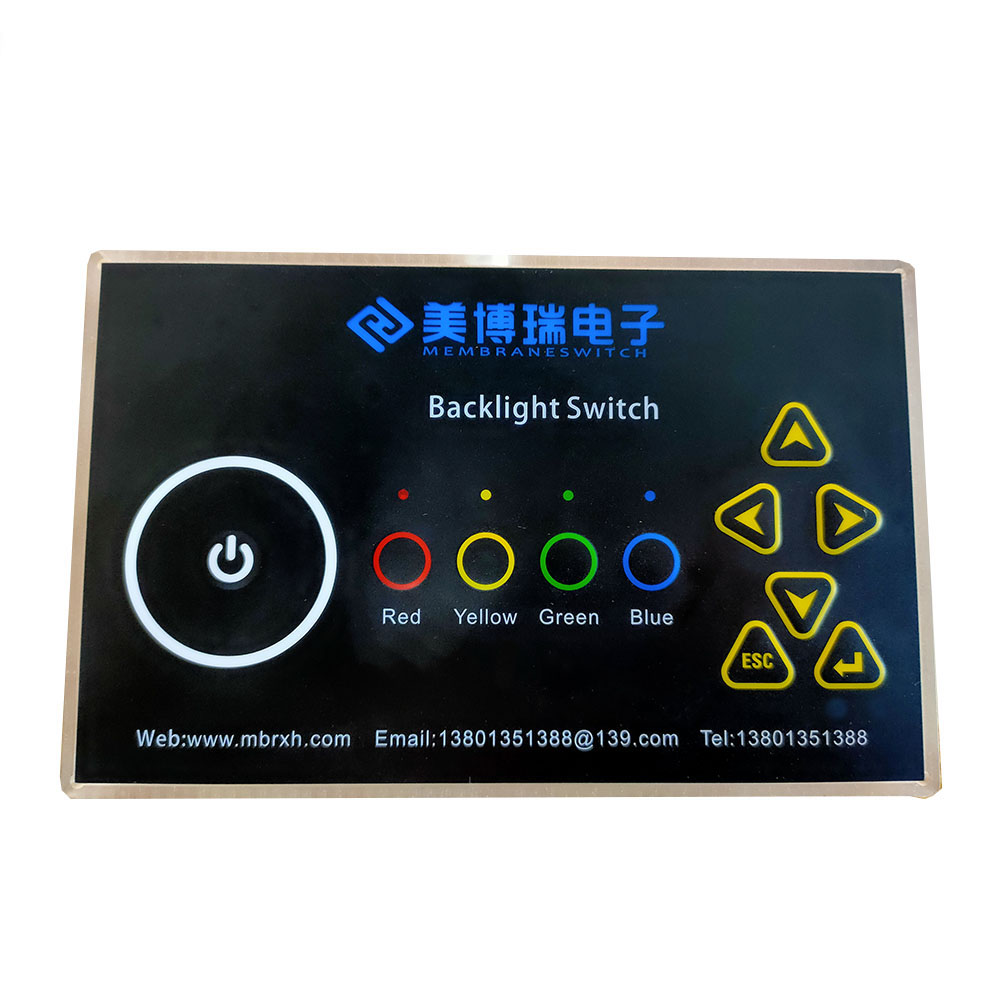
MEIBORUI MBR PBT Keyboard Cap PET Membrane Keypad
Durable PBT & Autotex PET
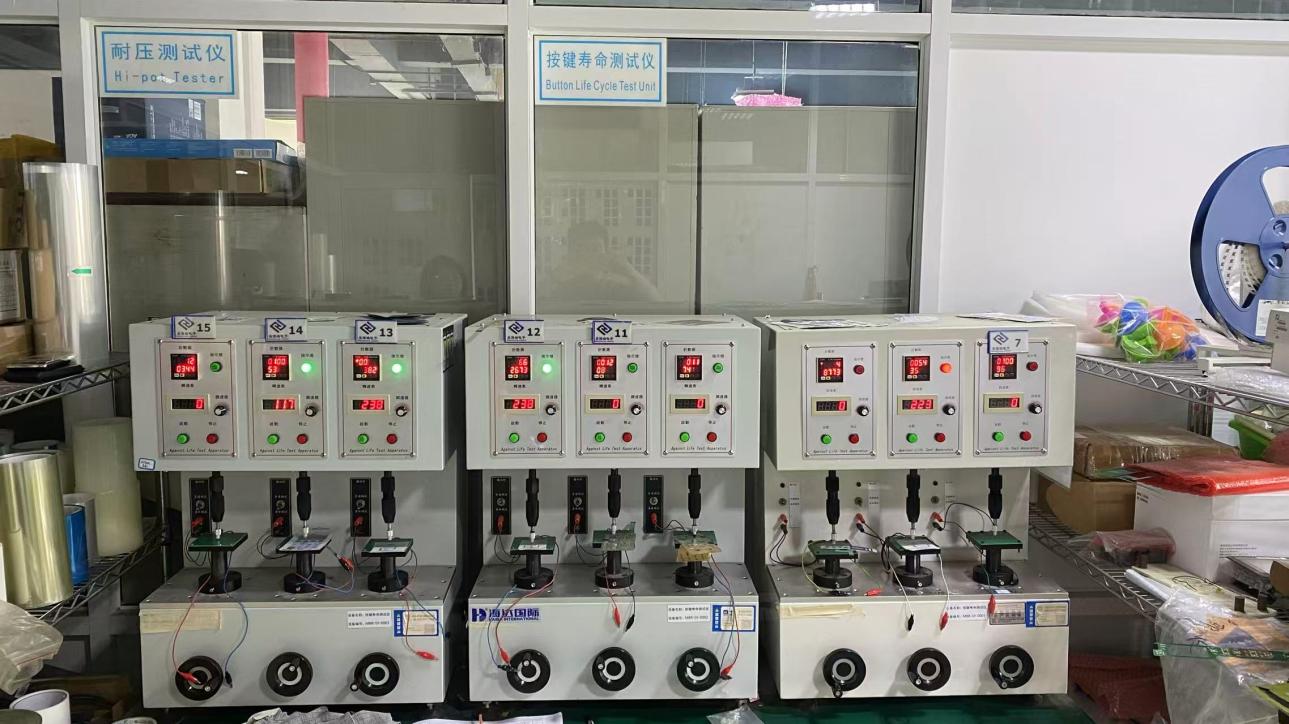
5,000,000 Actuation Cycles
Custom-to-spec human-machine interface solutions engineered for severe environments, high actuation lifecycles, and IP67/IP68 ingress protection across Tiraspol and the wider European industrial corridor.
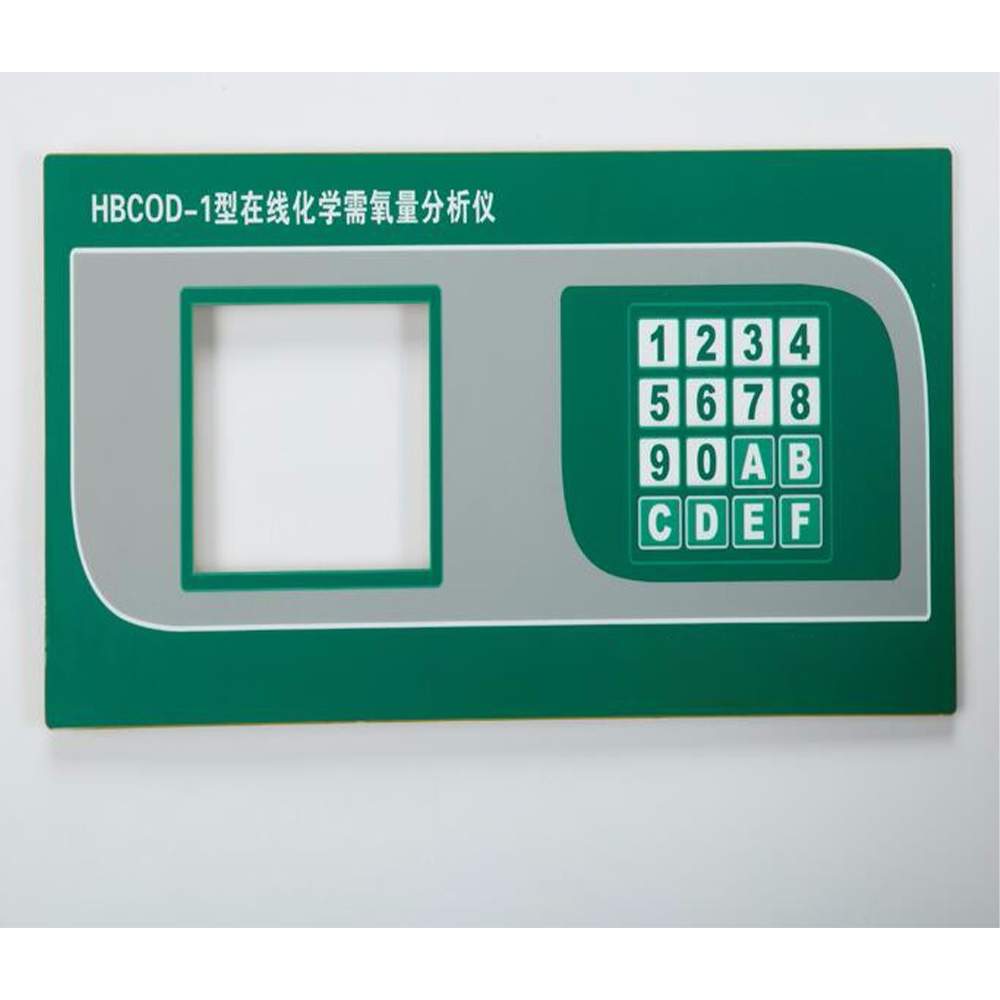
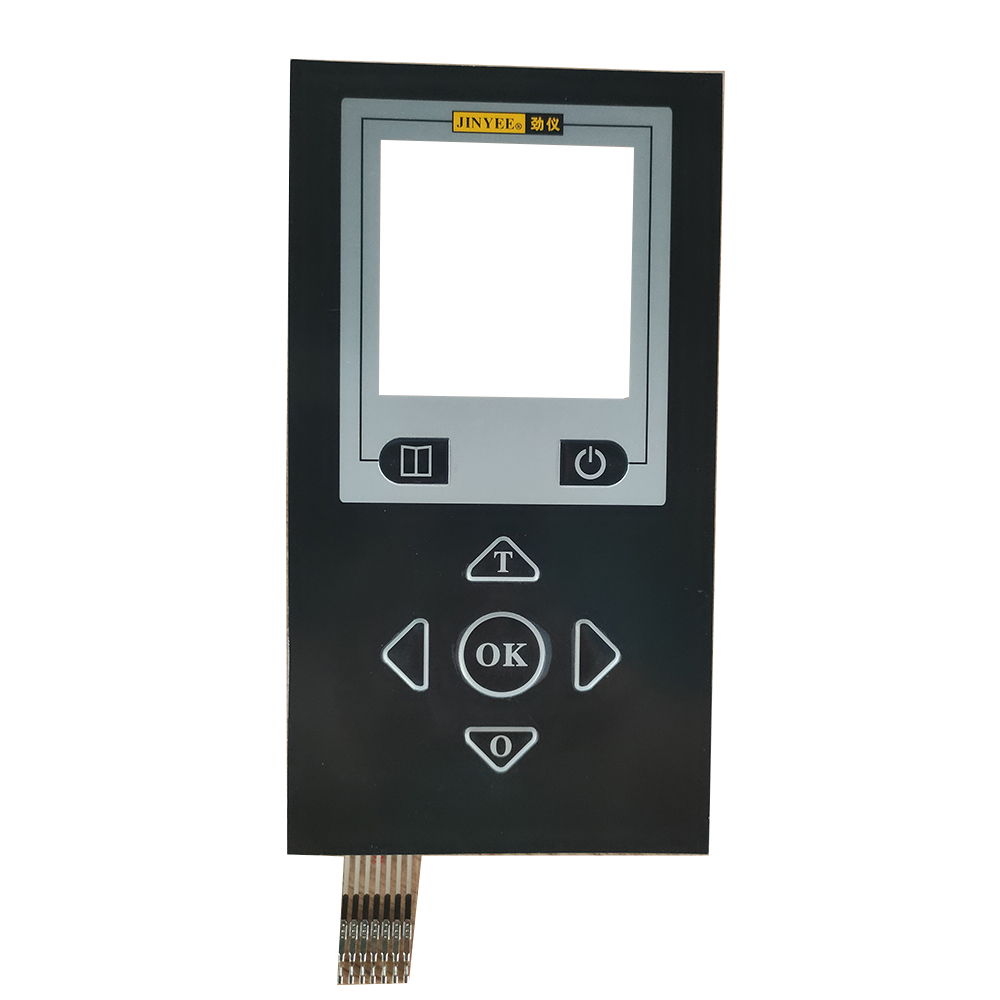
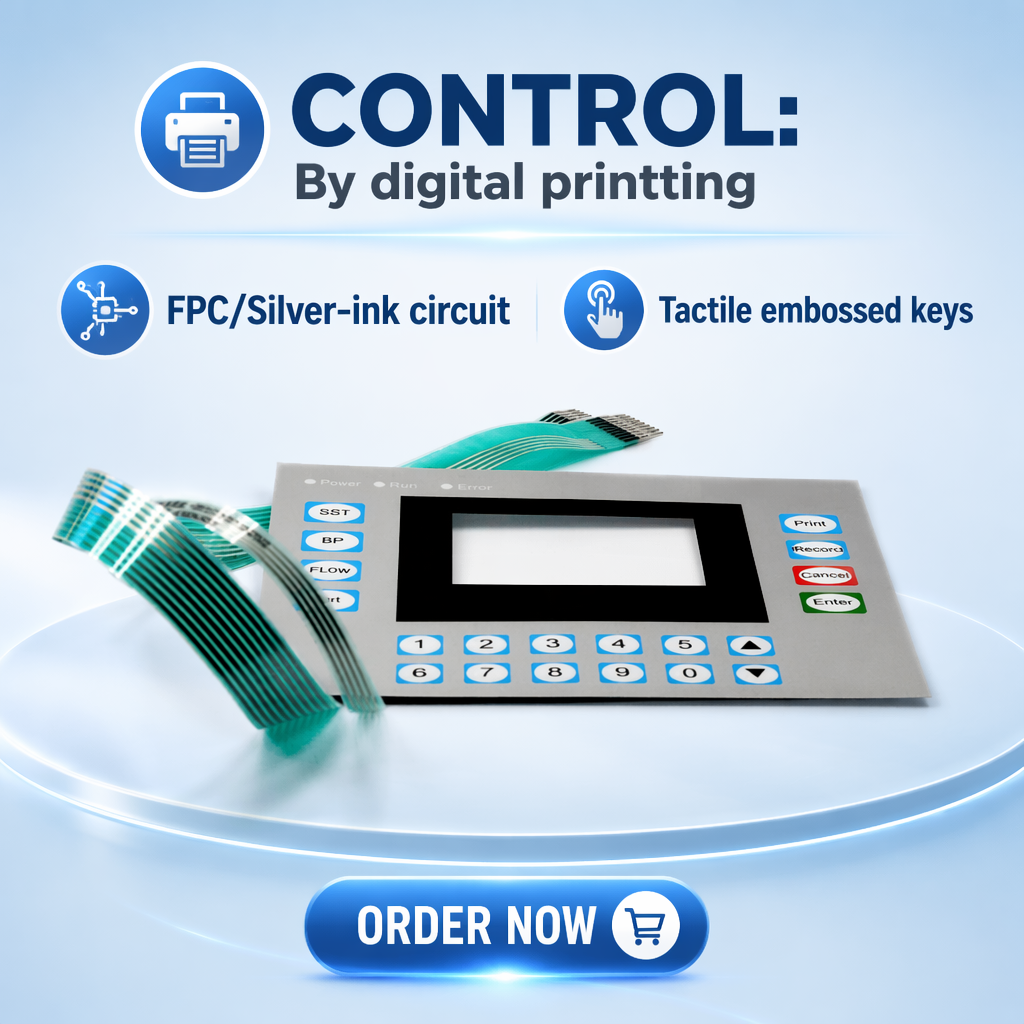
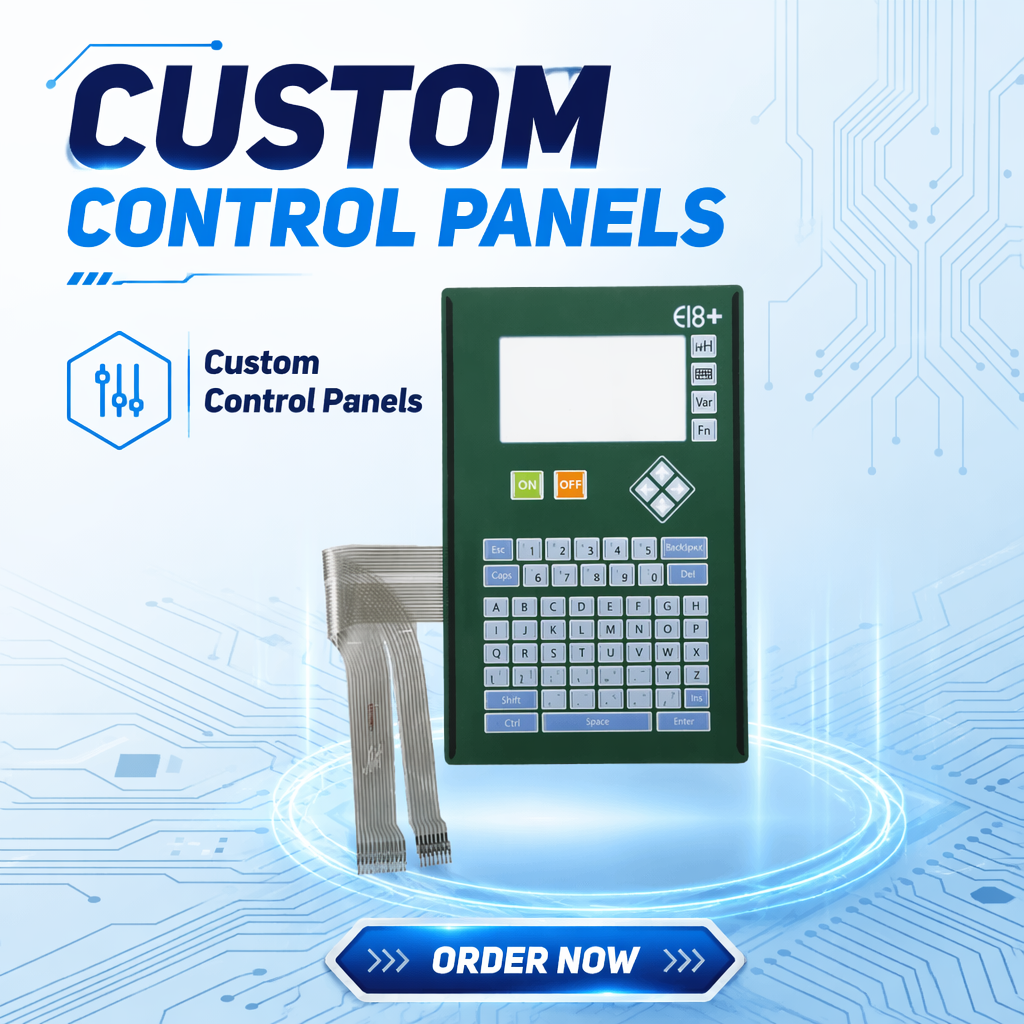
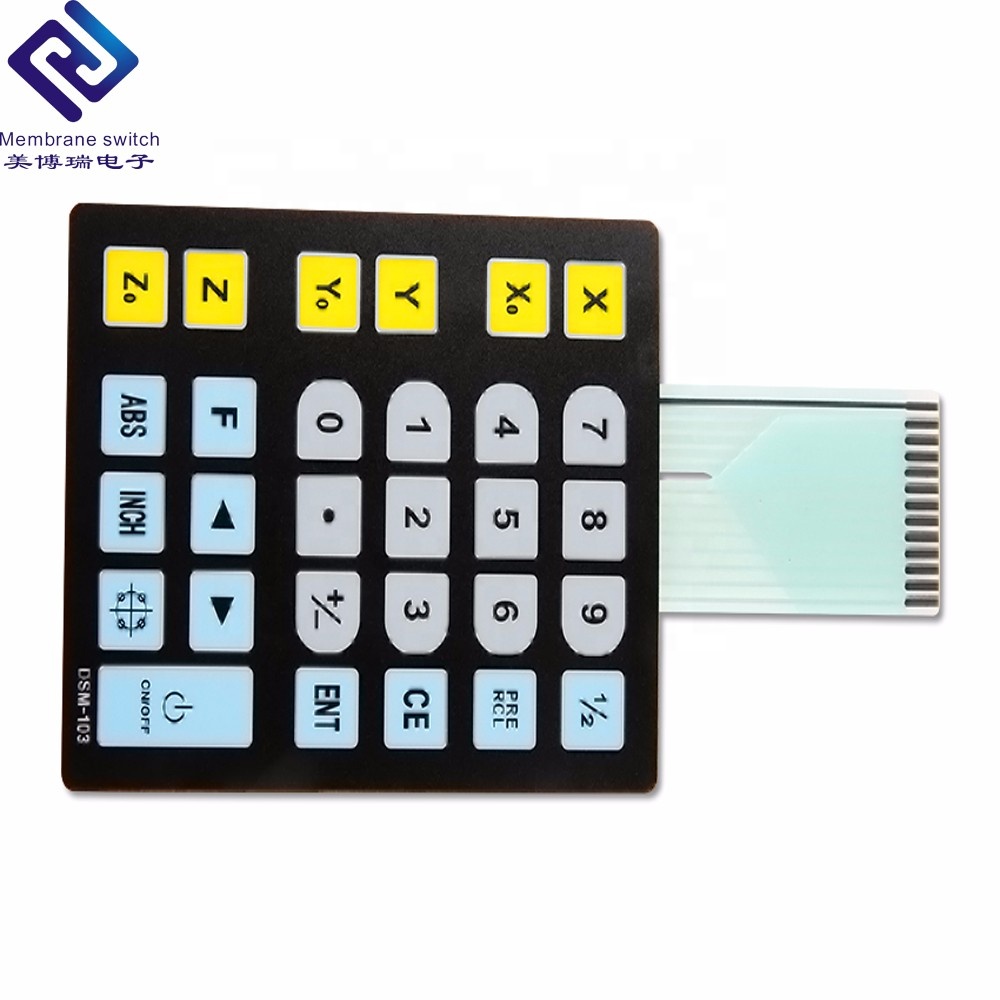
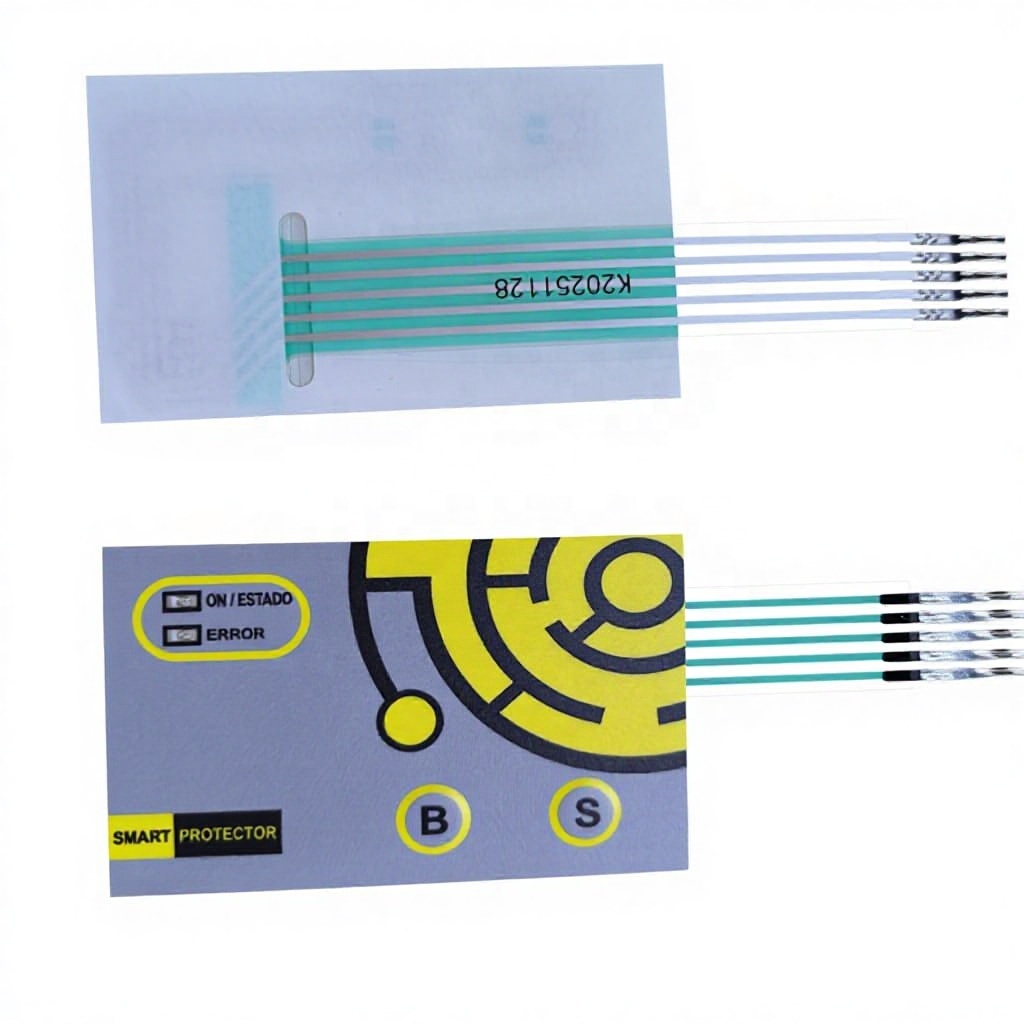
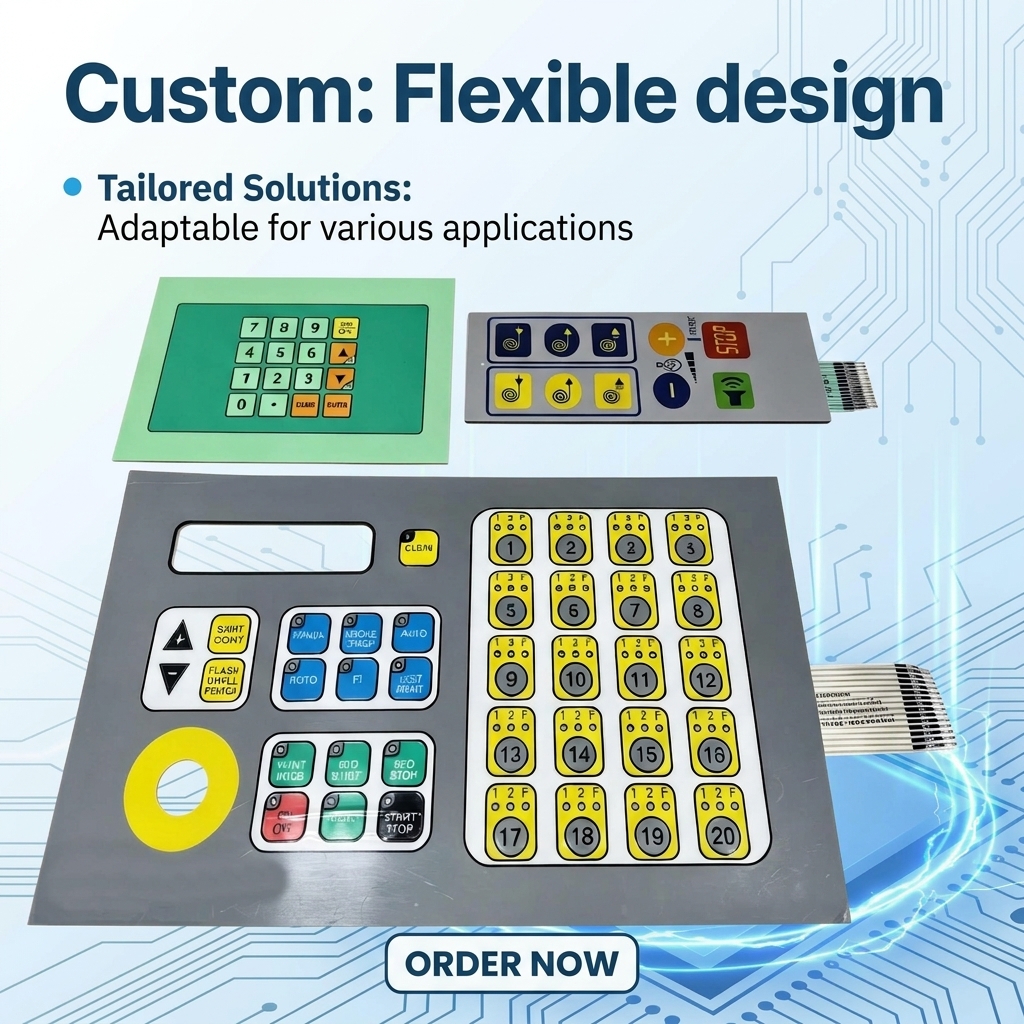
Modern industrial equipment demands human-machine interface (HMI) modules that marry positive tactile response with unmistakable visual state cues under zero-light conditions, dense dust, aggressive cooling lubricants, and mechanical vibration. When sourcing backlit rubber button suppliers & exporters in Tiraspol, engineering procurement managers must balance optical clarity, photometric luminance uniformity, and elastomeric resistance against regional operating temperatures ranging from harsh winter freezing (-25°C) to intense summer thermal peaks (+40°C).
Traditional backlit keypads suffered from point-source LED "hot-spotting"—a defect where buttons directly above surface-mount diodes glowed blindingly while adjacent legends remained dim and muddy. In high-reliability instrumentation, our manufacturing processes implement micro-prismatic Light Guide Films (LGF) ranging from 0.125mm to 0.25mm thickness. By side-firing ultra-thin reverse-mount bi-color or RGB LEDs (0603 or 0805 footprints) into an optical-grade polycarbonate or PMMA light sheet, internal light rays undergo controlled Total Internal Reflection (TIR). Laser-etched micro-dot arrays calibrated across the X-Y coordinate plane redirect optical fluxes upwards into the translucent silicone keycap legends, attaining greater than 85% luminance uniformity across all keys while conserving power consumption up to 60% compared to brute-force LED clustering.
The ergonomic feel of a rubber button is governed by the geometry of the elastomeric web and its Shore A hardness rating (typically 40° to 65° Shore A). Our engineering design optimizes the travel distance (0.8mm to 2.5mm) and actuation force ($F_a$) against the return force ($F_r$) to deliver an optimal Snap Ratio of 45% to 55%:
Snap Ratio (%) = [(Fa - Fr) / Fa] × 100%
This dynamic ensures machine operators wearing heavy industrial protective gloves receive crisp, unmistakable tactile feedback, preventing double-triggering or missed keystrokes on critical production machinery, electrical substations, and automated textile control desks.
| Performance Parameter | Standard Specification Range | Test Methodology & Compliance Standards | Engineering Value for Tiraspol Operators |
|---|---|---|---|
| Base Elastomer | High-Purity Methyl Vinyl Silicone Rubber (VMQ) | ASTM D2000 / RoHS 3 / REACH SVHC Compliant | Maintains elasticity from -40°C to +180°C without embrittlement |
| Actuation Force ($F_a$) | 80g to 450g (±20g tolerance per customer matrix) | Automated Button Force-Displacement Analyzer | Customized for glove-friendly operations or fine lab controls |
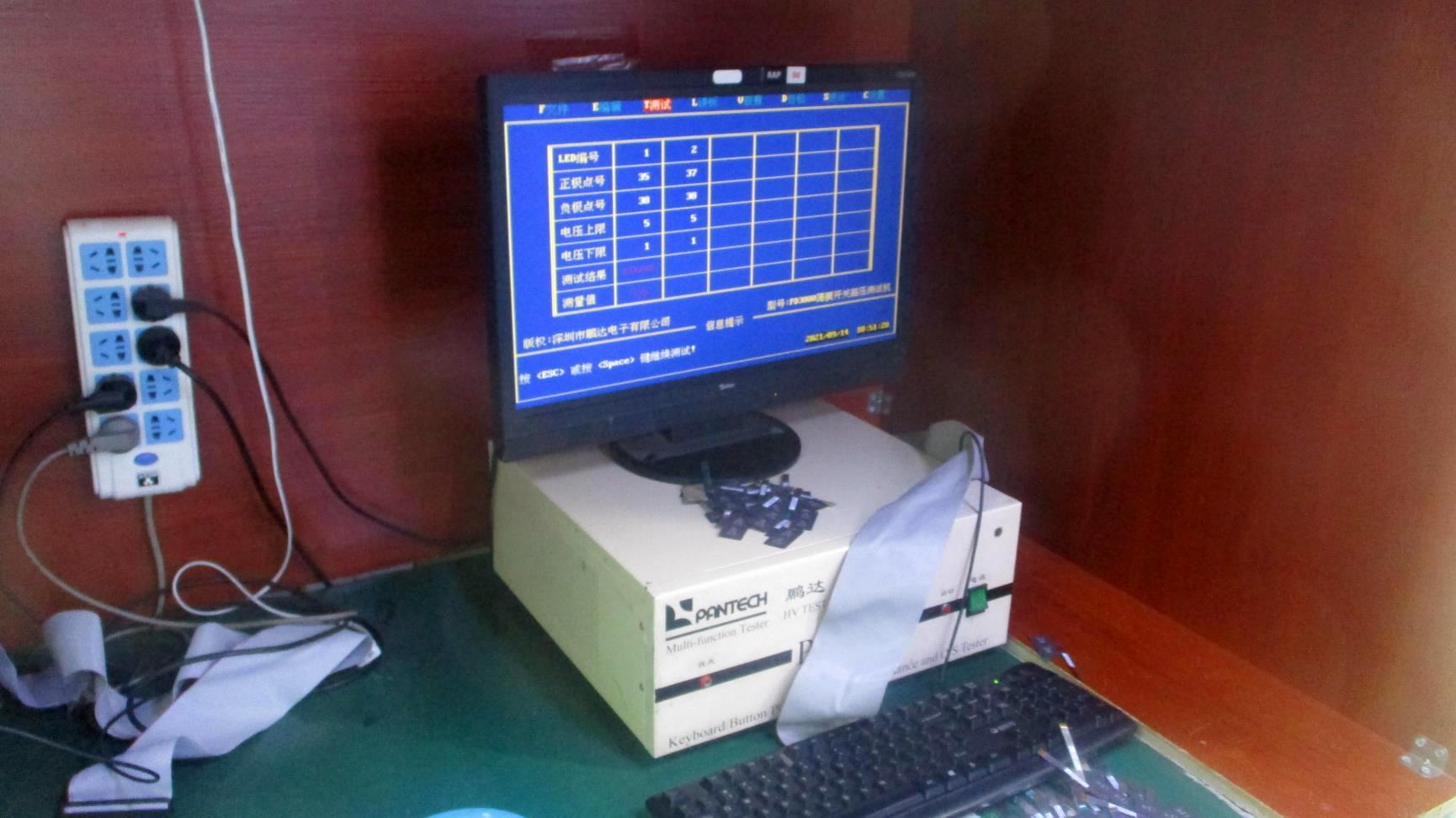
| Contact Resistance | < 50 Ω (Conductive Carbon Pill); < 0.5 Ω (Gold Dome) | Computer Circuit Continuous Resistance Meter | Zero-bounce digital signal integration with modern MCU inputs |
| Illumination Options | Micro LGF, Fiber Optic Mesh, SMT LED direct potting | Spectrophotometer & Photometric Luminance Array | Homogeneous visual identification under 0 to 100,000 lux ambient |
| Surface Protection | UV-Cured Polyurethane (PU) Matte/Gloss Coating | RCA Abrasion > 300 cycles (ASTM F2357); Solvent Wipe | Protects graphic legends against grease, isopropyl alcohol & friction |
| Circuit Substrate | Polyimide Flexible Circuit (FPC) or FR-4 Rigid Backer | IPC-6013 Class 2 / IPC-A-610 Class 3 Soldering | High density track routing, integrated ESD shielding, zero copper fatigue |
To fabricate crisp backlit legends that never scrape off over decades of relentless service, the rubber keypad begins as high-clarity translucent silicone. Keycaps are subjected to an automated pneumatic spray coating process applying a dense translucent white base layer, followed by a secondary light-blocking opaque black or industrial grey top coat. Using high-precision automated CO2 or fiber laser etching machines with spot diameters under 0.05mm, the top layer is vaporized with micrometer accuracy, revealing the underlying translucent white character profile. Finally, an abrasion-resistant, anti-fingerprint polyurethane (PU) or silicone overcoat is cured via ultraviolet irradiation, shielding the buttons from machine coolants, hydraulic oils, and high-concentration cleaning solutions.
Examining how our rugged backlit rubber switches, tactile membrane keyboards, and FPC assemblies solve engineering challenges across regional power generation, electrical machinery, textile automation, and agricultural processing facilities.
Tiraspol stands as a strategic energy nexus, situated adjacent to major thermal power infrastructure such as the Moldavskaya GRES power complex at Dnestrovsk and regional high-voltage grid dispatch centers. These critical infrastructure command rooms require 24/7 continuous human supervision under varying ambient illumination regimes.
Our backlit silicone keypads, combined with metal dome tactile feedback and hermetic gasket seals, deliver failure-free circuit trip commands, breaker switching, and telemetric monitoring. The integrated LGF illumination guarantees distinct color-coded LED annunciators (Red for Energized, Green for Isolated, Amber for Alarm) visible across wide viewing angles without reflective glare on SCADA monitors.
With major electrical manufacturing heritage anchored by enterprises like the Elektromash plant in Tiraspol—producers of heavy AC/DC industrial electric motors, explosion-proof drive equipment, and mining ventilation powerheads—the factory-floor environment is dominated by airborne metal particulate, magnetic interference, and heavy mechanical vibration.
Standard consumer keyboards and fragile touchscreens quickly malfunction in these settings. Our silicone rubber keypads, vulcanized with carbon pill contacts and backed by 2.0mm aluminum plates, withstand direct physical impact, oil splashing, and high electromagnetic noise (EMC/EMI), ensuring test-bench instrumentation and CNC winding equipment perform with zero downtime.
Tiraspol hosts one of the largest integrated textile complexes in Eastern Europe—the renowned Tirotex textile conglomerate. Modern spinning frames, automated weaving looms, and continuous chemical dyeing lines generate high airborne cotton lint fibers, elevated ambient humidity, and chemical vapor exposures.
Our IP67 waterproof membrane switches and silicone keypads feature seamless perimeter adhesive channels using genuine 3M 300LSE adhesive. The smooth, wipe-clean silicone surfaces prevent lint infiltration and withstand regular solvent washdowns, while crisp backlit key legends guide operators during night shift transitions without requiring overhead factory illumination that alters fabric dye inspection perception.
The Transnistrian agro-industrial sector, noted for high-capacity wine and brandy distilleries (such as KVINT in Tiraspol) and automated canning/packaging operations, demands HMI panels that meet strict food safety, sanitation, and washdown criteria.
Our food-grade biocompatible silicone rubber keypads eliminate crevices where bacteria or food residue can accumulate. The non-porous PU-coated keys resist organic acids, alcohol vapours, steam sterilizations, and caustic soda sanitizing cycles, while providing responsive tactile travel for rapid line speed adjustments and emergency stops.
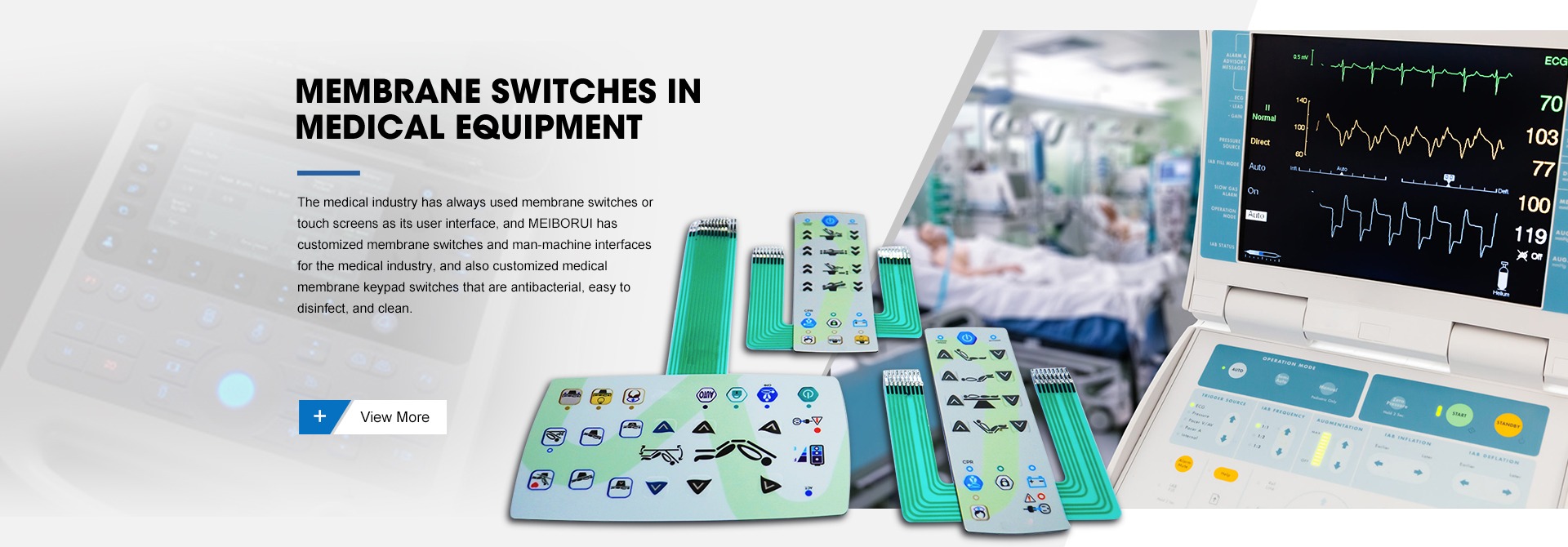
The industrial landscape in Tiraspol and the wider Dniester basin is navigating an aggressive transition toward digital manufacturing modernization. Driven by the need to replace legacy Soviet-era analog toggle switches, incandescent pilot bulbs, and bulky rotary selectors, factory operators are actively re-engineering legacy equipment panels to incorporate streamlined, energy-efficient solid-state HMIs.
With industrial energy management becoming an urgent priority across regional production plants, replacing high-draw incandescent panel bulbs with low-voltage (3.3V/5V) SMD LEDs integrated into flexible copper circuits (FPC) slashes console power consumption by up to 80% while extending lighting lifespans beyond 50,000 continuous hours.
Tiraspol engineering teams increasingly demand hybrid interfaces: combining smooth capacitive touch glass or PET overlays for numerical parameter inputs with mechanical tactile backlit rubber push buttons for safety-critical functions like Emergency Stop, Reset, and Motor Start.
Sourcing engineers in Tiraspol prioritize overseas manufacturing partners offering seamless multimodal freight documentation compliant with both Transnistrian customs requirements and Moldovan/EU regulatory clearance via Chisinau international air cargo and Romanian Constanța port routing.
Combining three decades of precision membrane switch heritage, German technical cooperation, dual-facility manufacturing agility, and end-to-end in-house quality control.
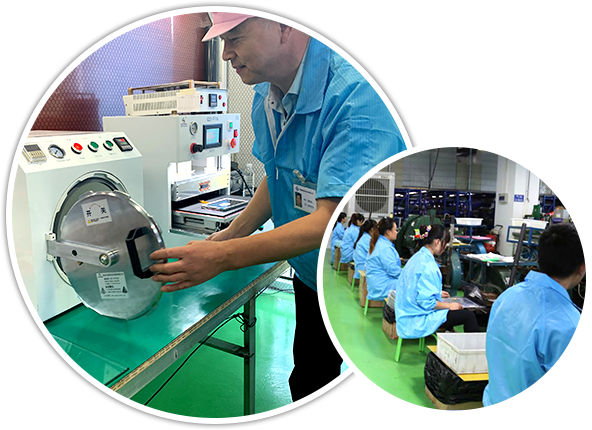
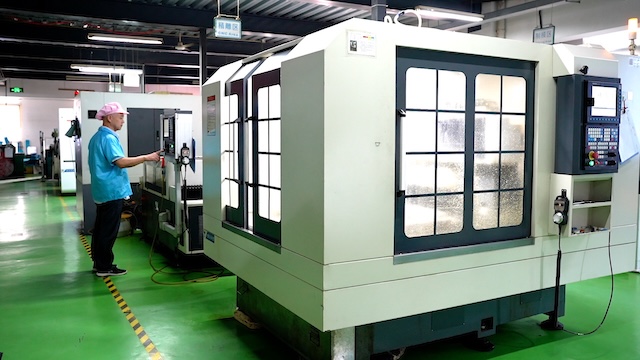
Operating a primary automated center in the Robot Industry Port of Xianghe (Hebei) alongside a secondary mass-production facility in Huizhou (Guangdong). With over 2,219 m² of verified floorspace and 111+ specialists, your orders are dynamically scheduled across the ideal equipment matrix without bottlenecks.
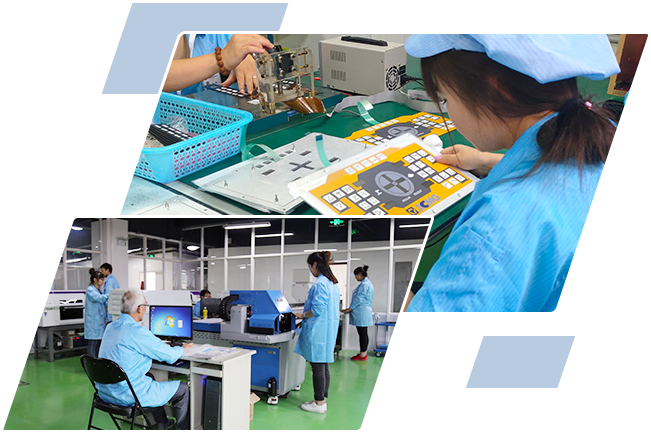
From CAD drawing conversion, mold CNC engraving, precision silkscreen and Mimaki digital UV printing to rubber compression molding, laser ablation, clean-room optical bonding, and SMT assembly—every step occurs within our certified facilities, ensuring strict confidentiality and zero quality leakage.
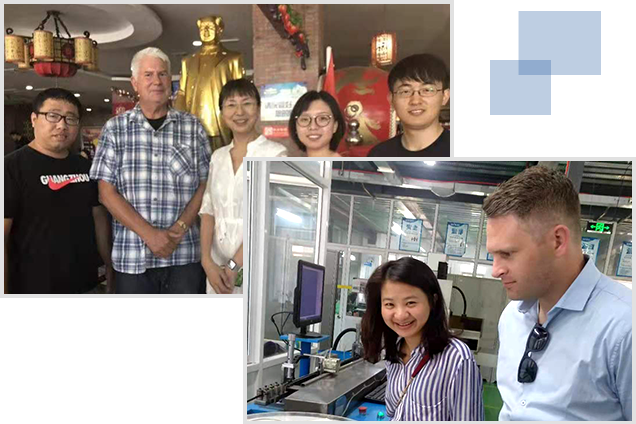
Benefiting from long-term technical cooperation with German membrane switch engineers spanning tooling technology, laser calibration, and technician training. Certified to ISO 9001 and rigorously audited onsite by Intertek, our products serve industry leaders including Siemens, ABB, and Haier.
Comprehensive answers addressing technical compatibility, CAD format ingestion, customs shipping to Eastern Europe, and minimum order quantities.
To provide a rapid 24-hour technical feasibility assessment and price quotation, please supply: (1) A 2D/3D mechanical vector file (DXF, DWG, STEP, or vector PDF) detailing key geometries, pitch, and travel; (2) Graphic artwork in Adobe Illustrator (.AI) or CorelDRAW (.CDR) with Pantone Solid Coated references; (3) Schematic or pin-out diagram for LED circuits and carbon pill / metal dome matrix routing; and (4) Expected operational parameters (temperature range, IP rating, operating voltage).
Unlike conventional manufacturers that impose rigid minimum order quantities of 5,000+ units, TAVO Meiborui offers dedicated rapid prototyping lanes. Utilizing our 4 Mimaki digital UV printers and 18 precision laser cutting machines, we create sample overlay panels and laser-cut prototype rubber buttons in small test batches (10 to 100 pcs) without demanding expensive steel hard tooling upfront, accelerating your project schedule.
Yes. In multi-color illuminated consoles (e.g., Red Stop, Green Run, White Select), light bleed-through can cause hazardous operational confusion. We prevent optical crosstalk through three methods: (1) Integrating light-blocking opaque silicone barrier walls molded directly between keycaps; (2) Applying printed carbon-black isolation grids on the light-guide film (LGF); and (3) Precision recessing of SMD LEDs with optical potting resin, restricting light strictly to the designated key aperture.
We routinely manage export logistics to Eastern Europe under Incoterms 2020 including FOB, CFR, CIF, and EXW. Shipments to Tiraspol typically route via expedited air freight to Chișinău International Airport (KIV) or via consolidated ocean cargo through Constanța / European transit ports, accompanied by full commercial invoices, packing lists, Certificate of Origin (CO), and material test reports to guarantee smooth customs clearance.
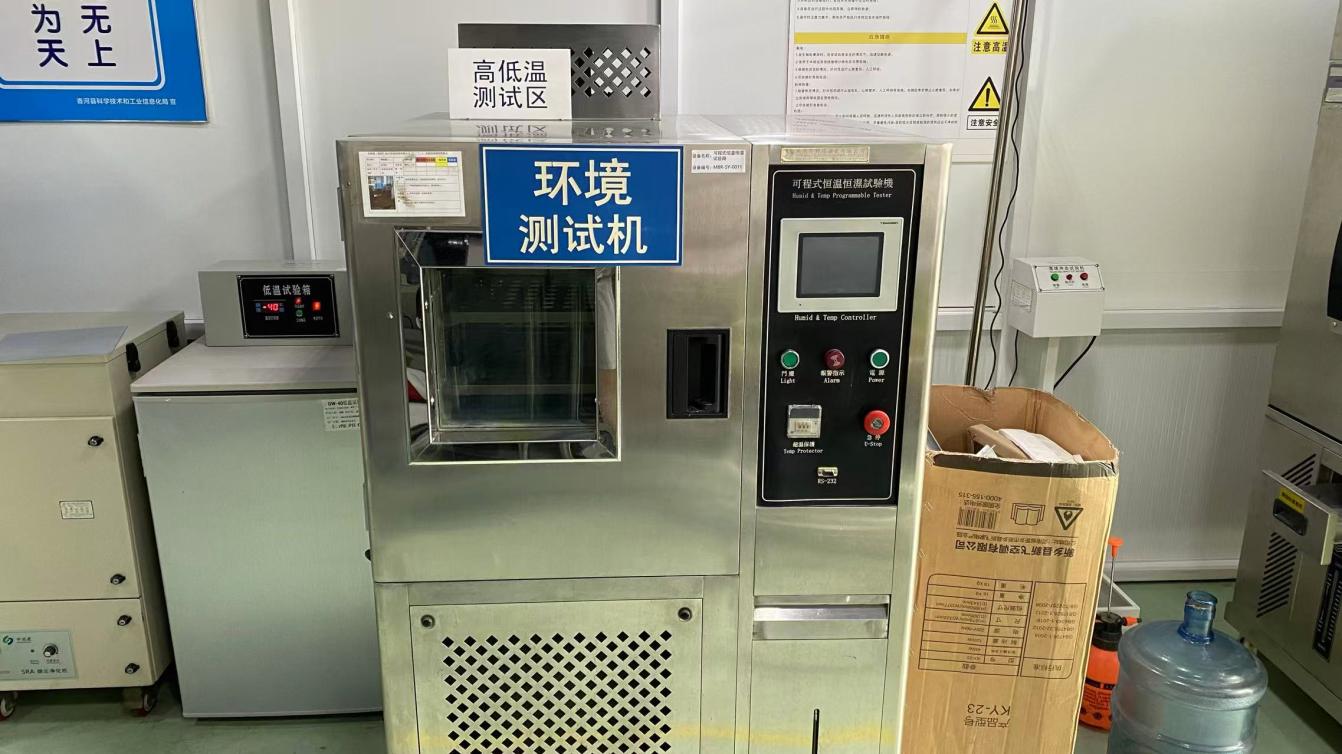
We formulate our keypads exclusively with high-purity methyl vinyl silicone rubber (VMQ) stabilized for extreme thermal transitions. Unlike natural rubber, PVC, or cheap thermoplastic elastomers that turn brittle and crack below freezing, our cured silicone maintains stable elasticity, flexibility, and snap ratio down to -40°C. Contact resistance and tactile travel remain fully within specification even in unheated substations and outdoor mobile equipment.
Yes. We excel at complete sub-system integration. We assemble rubber keypads directly onto FR-4 multi-layer rigid PCBs or flexible copper polyimide circuits (FPC) complete with SMT LEDs, resistors, microcontrollers, and standardized ZIF/LIF connectors. We also optically laminate transparent polycarbonate or chemically strengthened glass display windows using OCA (Optically Clear Adhesive) for seamless LCD and OLED screen protection.