Curated Engineering Showcase
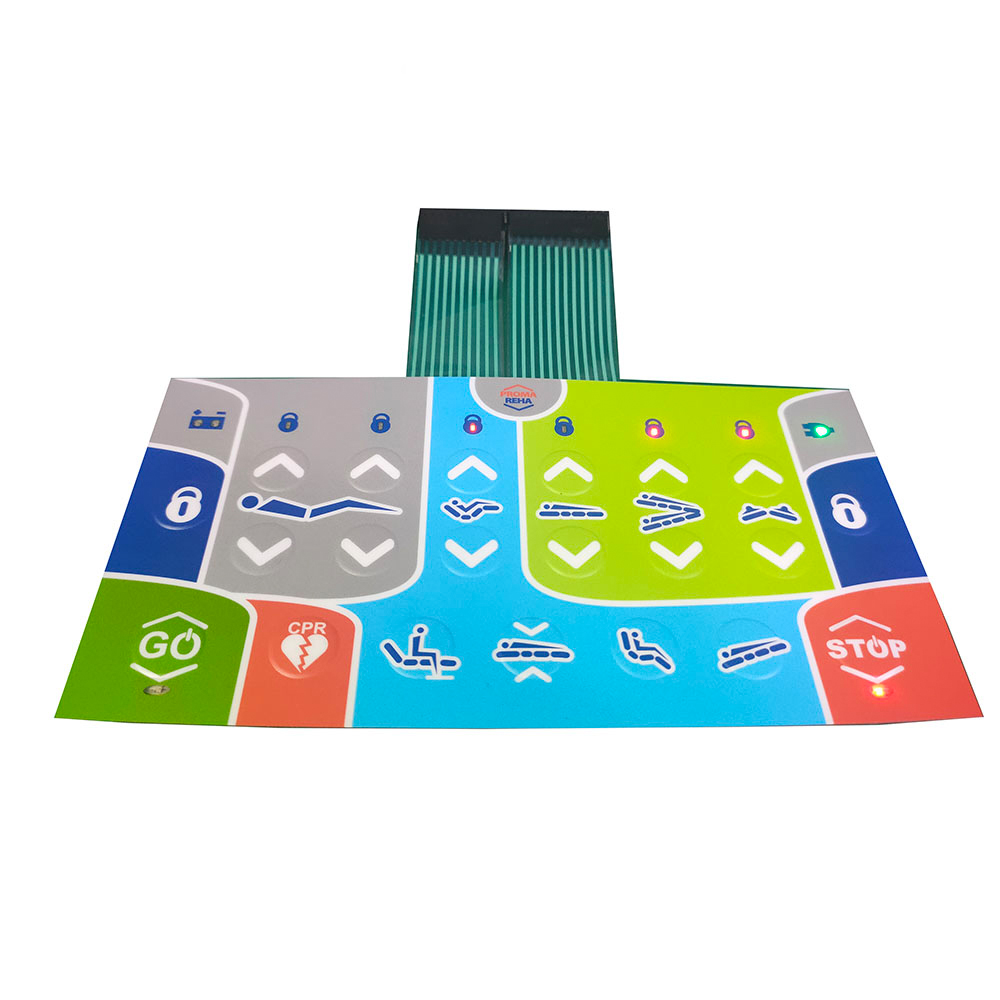
High-Reliability Switch & Keypad Assemblies
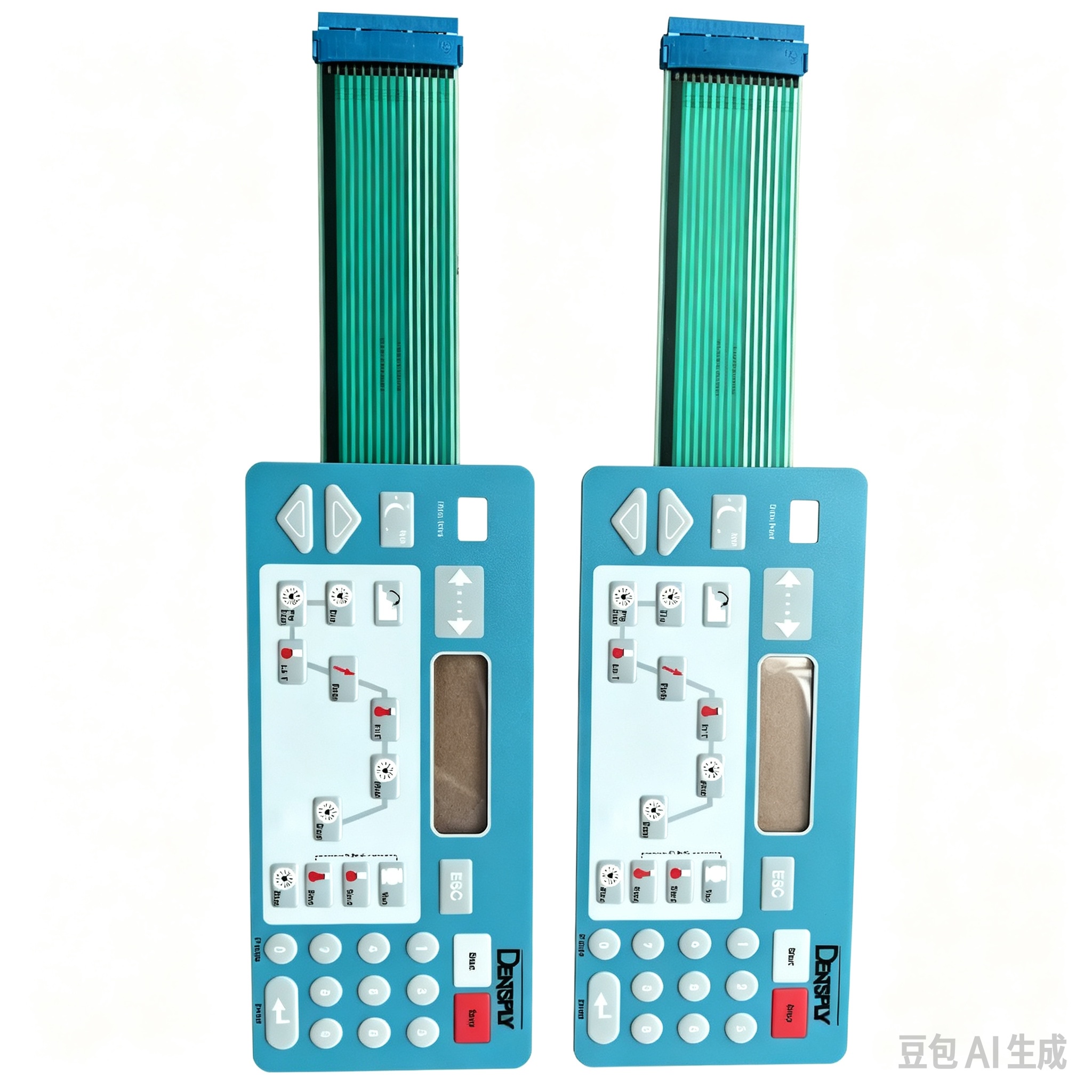
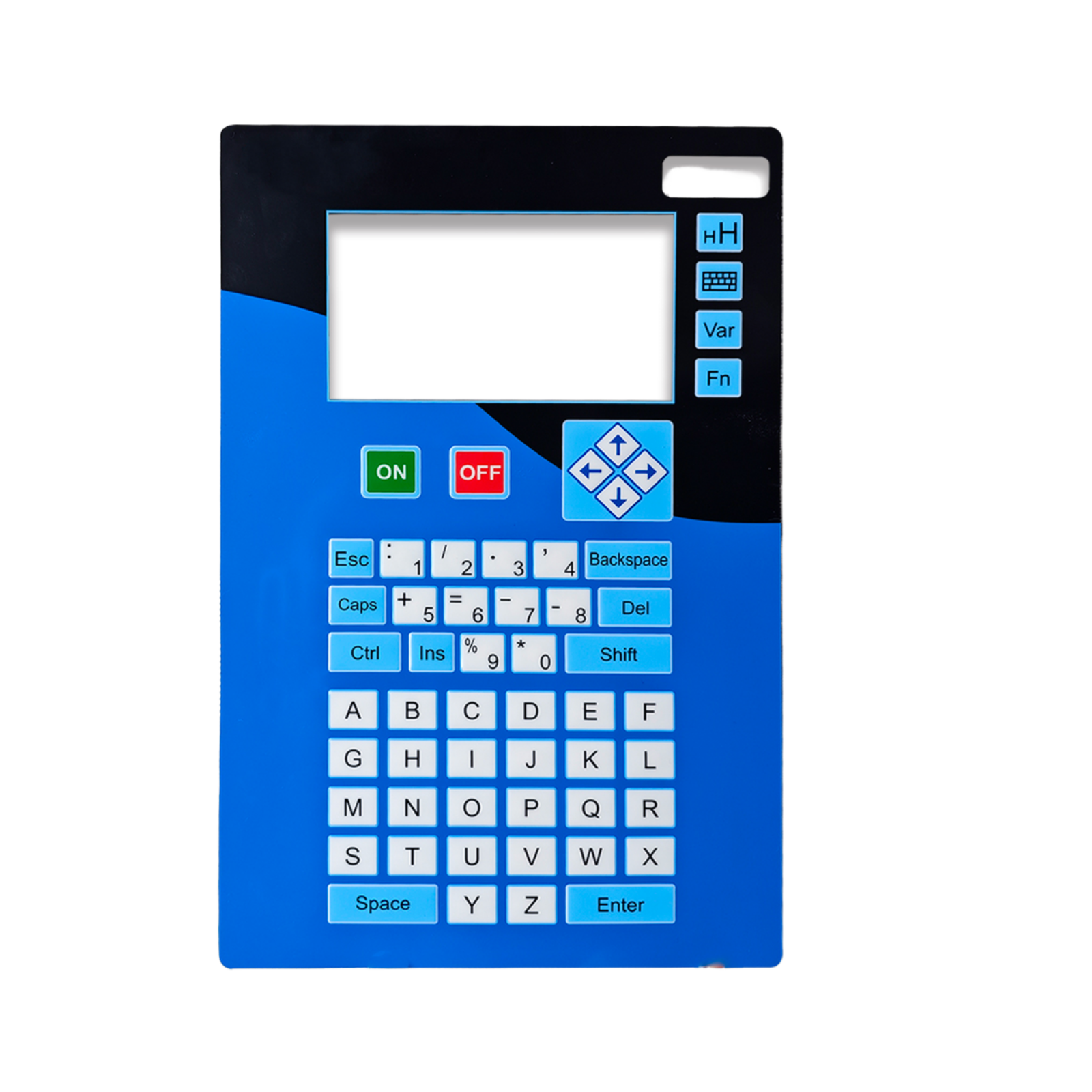
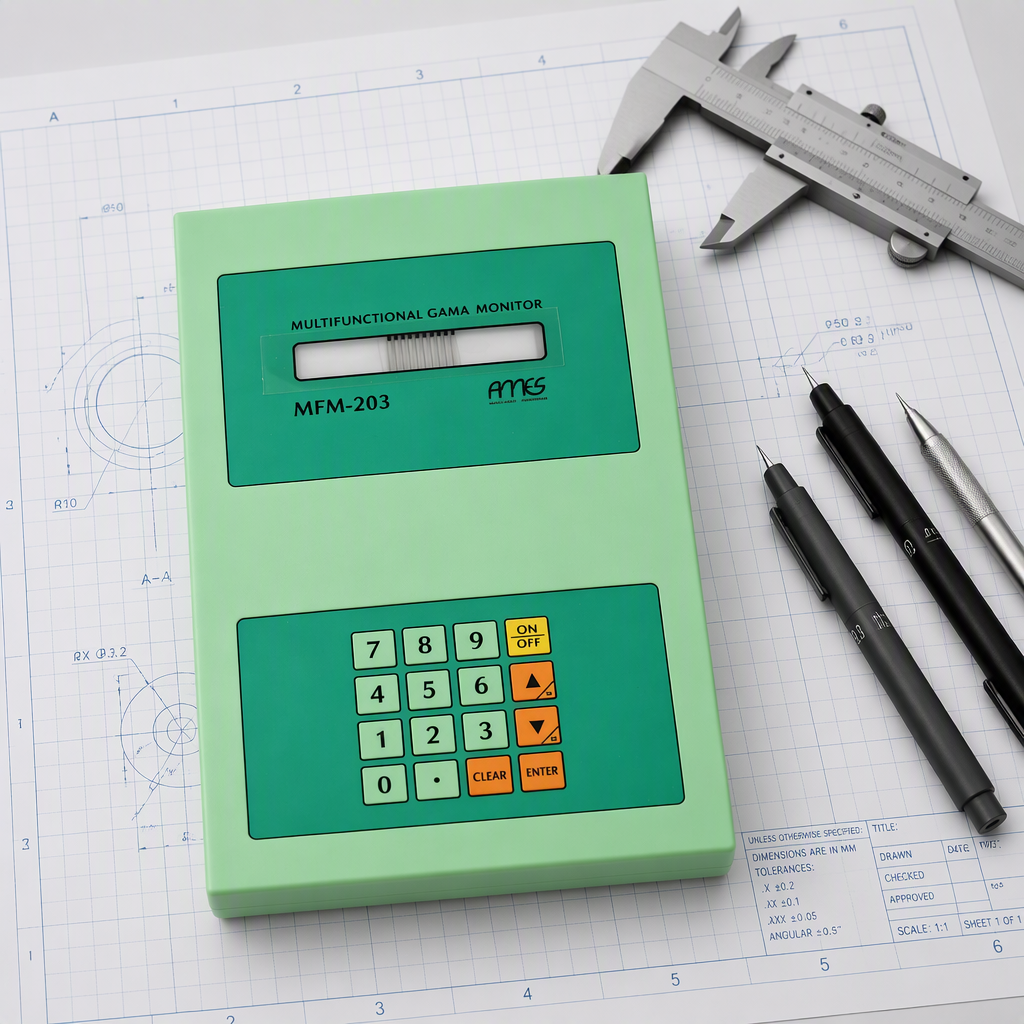
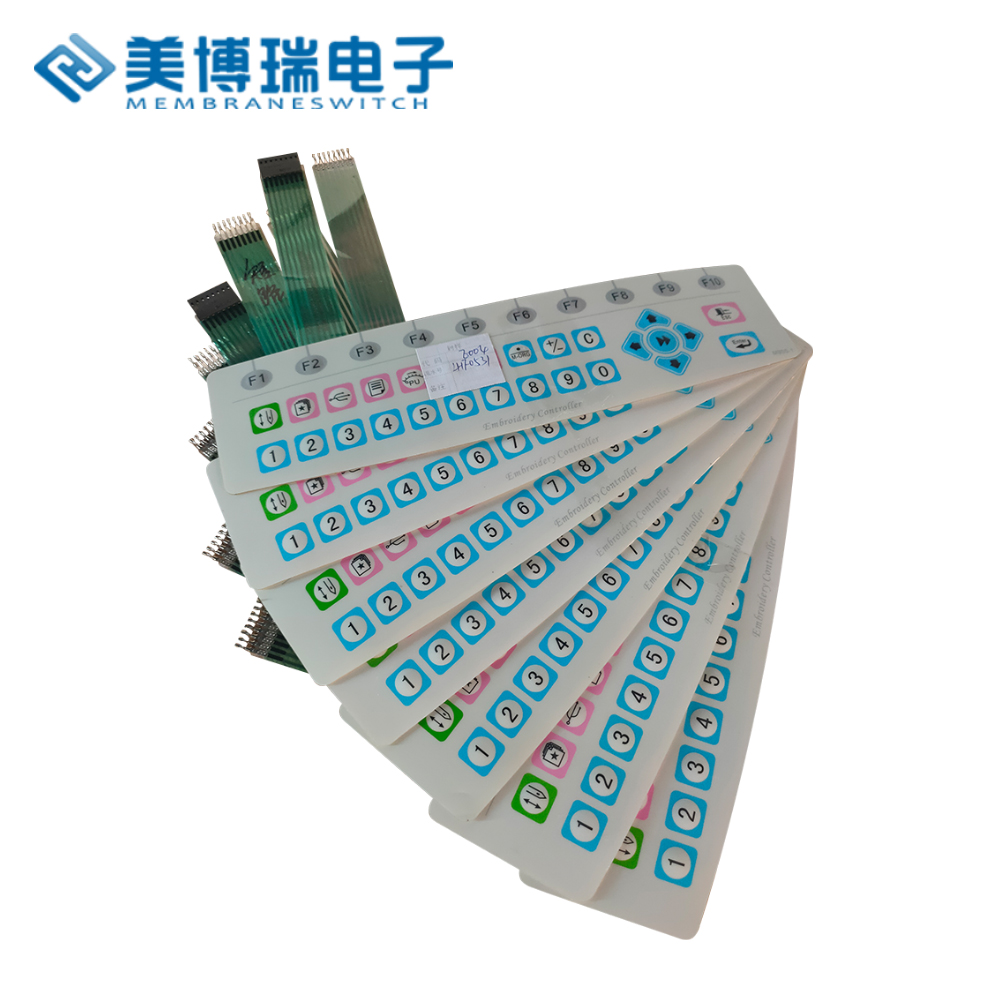
Manufactured under verified ISO 9001:2015 quality frameworks, integrating laser-cut polyester membranes, tactile metal domes, micro-pitch copper FPC circuits, and custom backings engineered for harsh industrial duty cycles.
Engineering Whitepaper
Solid-State Capacitive Sensing Technology for Flemish Industrial HMIs
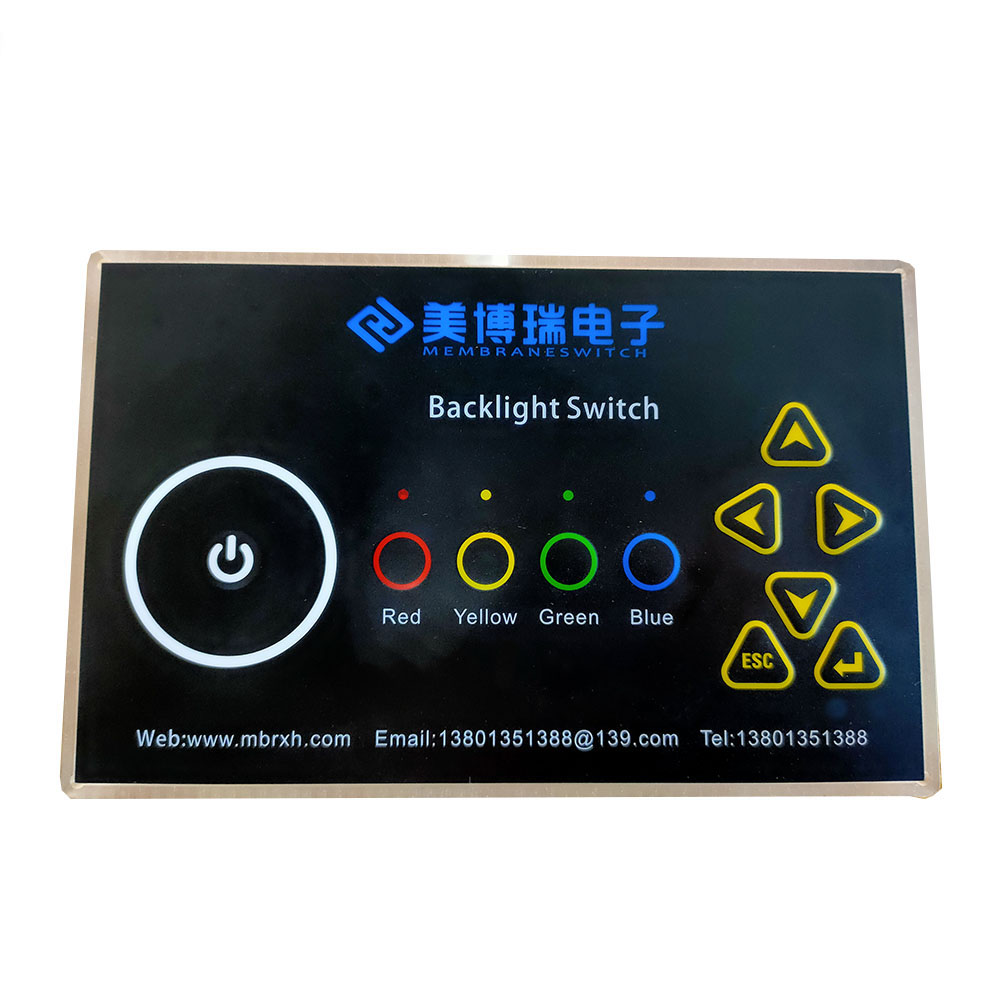
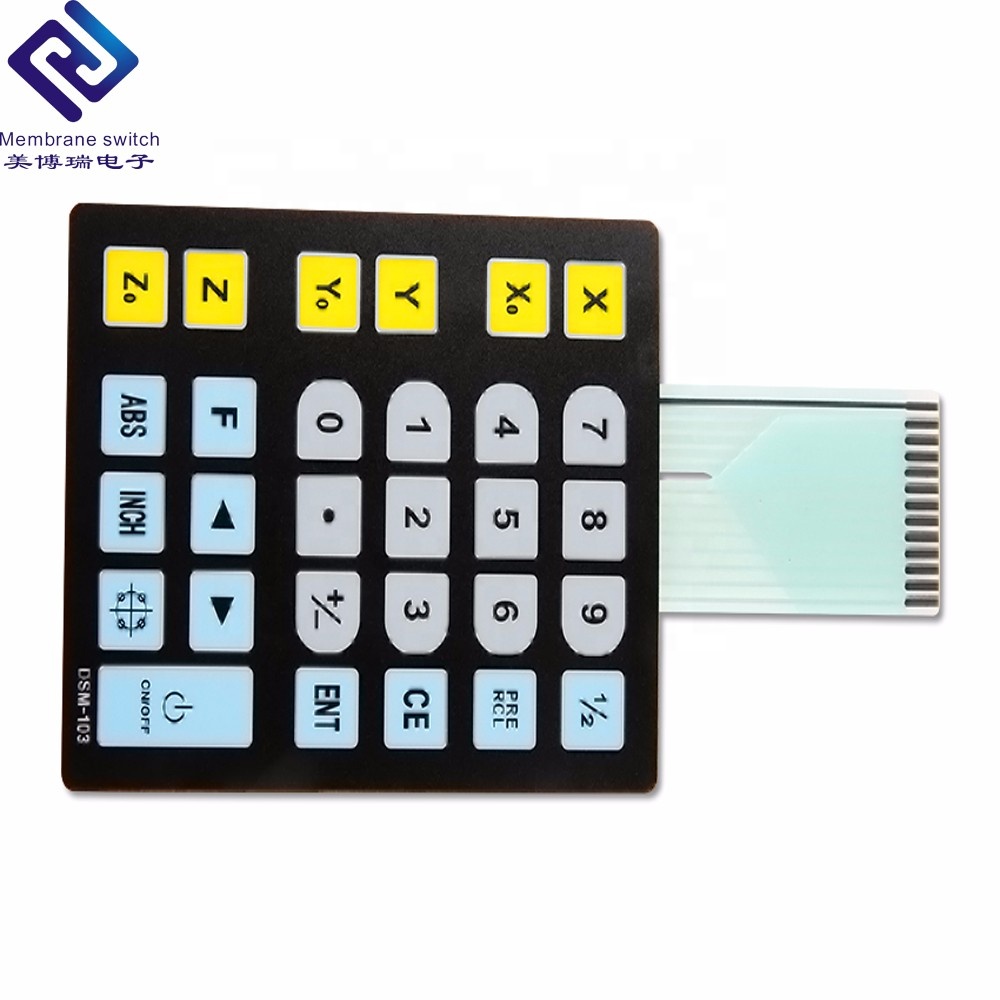
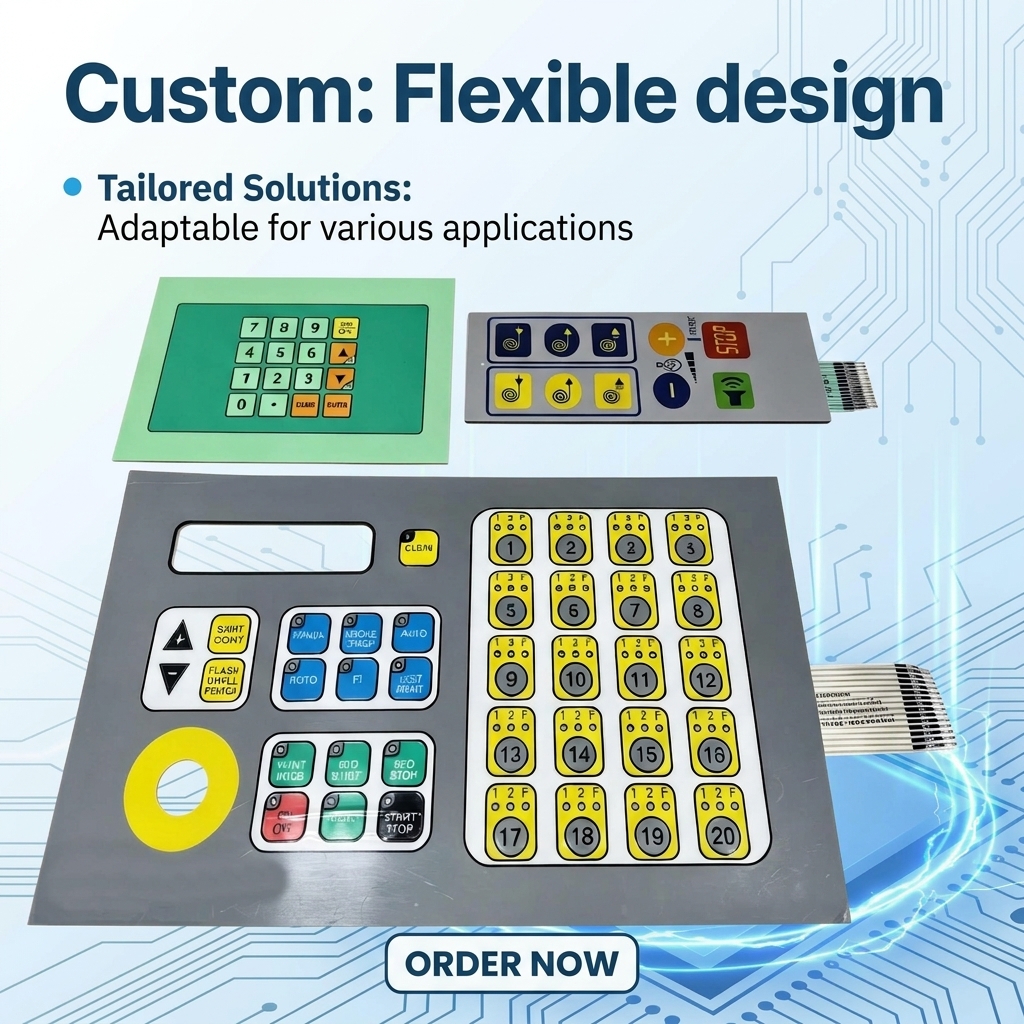
A technical examination of projected capacitive sensing principles, multi-layer stack architectures, and electrostatic field modulation designed for mission-critical operations in Northern European operating climates.
In modern industrial automation, the human-machine interface (HMI) serves as the primary operational link between complex embedded control logic and industrial operators. For decades, mechanical push-buttons and conventional tactile membrane switches relying on physical metal snap-domes have functioned as the industry standard across Antwerp's maritime, petrochemical, and pharmaceutical industries. However, modern process environments require touch interfaces free from mechanical fatigue, moisture vulnerability, particulate ingress, and chemical degradation. Capacitive touch membrane switch panels eliminate moving physical parts entirely, transitioning mechanical switching to high-reliability solid-state electrostatic field detection.
At an engineering level, a capacitive touch membrane switch operates by establishing an alternating electrical field across an array of patterned transparent conductors or printed micro-traces—commonly executed using conductive polymer inks, silver nanoparticle formulations, or copper traces etched on flexible polyimide (FPC). When a conductive mass, such as an operator's finger (or specialized conductive gloved finger), encroaches upon the fringe electric field, it acts as a secondary capacitor plates in parallel, shunting a fraction of the electric flux lines to earth ground. The onboard microcontroller unit (MCU) senses this infinitesimal alteration in parasitic capacitance (typically picofarad to femtofarad deviations), evaluates signal-to-noise ratios (SNR), executes moisture-rejection algorithms, and generates deterministic logic output commands (such as I2C, SPI, UART, or raw discrete digital pins).
Critical Reliability Advantage: Absolute Ingress Protection
Because capacitive sensing works effortlessly through continuous, non-perforated front overlay substrates (such as hard-coated polyester or chemical-resistant polycarbonate up to 3.0mm thickness), the interface creates an uninterrupted, seamless planar barrier. This allows full IP67, IP68, and high-pressure steam-jet IP69K sealing against corrosive salt aerosols common in the Port of Antwerp-Bruges, as well as aggressive CIP (Clean-in-Place) caustic sanitization washes used in Flanders pharmaceutical cleanrooms.
Furthermore, by pairing advanced Light Guide Film (LGF) backlighting with sub-surface optical clear adhesive (OCA) window bonding, capacitive membrane switch panels achieve exceptional legibility under fluctuating environmental illumination—ranging from the high ambient glare of outdoor dockside bulk handling cranes to the low-lux environments of enclosed automated control rooms.
Overlay Substrate Engineering
Utilizing premium biaxially oriented polyethylene terephthalate (PET, such as Autotex XE) or hard-coated optical-grade polycarbonate (PC). Engineered for exceptional flexural endurance, anti-glare micro-textures, and high resistance against industrial chemical attack.
- Autotex XE UV-resistant outdoor formulations
- 3H to 7H surface pencil hardness finishes
- Sub-surface reverse silkscreen & digital printing
- Scratch, chemical, and solvent barrier integrity
Sensor Circuit Architecture
Engineered via precision silver ink screen printing or flexible copper printed circuits (FPC). Capable of multi-channel mutual capacitance or self-capacitance sensing, configurable to reject water droplet false triggers and operate with work gloves.
- High-conductivity pure silver conductive traces
- Polyimide-based rolled annealed copper FPC
- ESD shielding ground loops (up to 15kV air discharge)
- Surface mount LED and driver component integration
Mechanical & Adhesive Bonding
Selecting application-specific pressure-sensitive acrylic adhesives (PSAs), notably 3M 467MP, 468MP, or VHB structural tapes. Provides hermetic mechanical adhesion across aluminum, powder-coated steel, and high/low surface energy plastics.
- Temperature stability: -40°C to +105°C continuous
- Shear resistance against coastal humidity & vibrations
- OCA optical window laminations for LCDs and OLEDs
- Rigid FR4 or anodized aluminum backer plate integration
Regional Industrial Deployment
Capacitive Touch Applications Across the Antwerp Industrial Basin
Tailored HMI manufacturing aligned with the operational, environmental, and regulatory parameters of Western Europe's largest integrated petrochemical and maritime transport cluster.
Port of Antwerp-Bruges Marine Terminals
Antwerp handles millions of TEUs annually along the brackish Scheldt estuary. Dockside container handling gantry cranes, automated guided vehicles (AGVs), and ship-to-shore fueling interfaces are continually subjected to dense saline spray, wind-driven rain, and broad thermal swings (-15°C winter freezes to +45°C direct sun exposure). Our capacitive touch panels feature Autotex XE outdoor-grade films and hermetic IP67 3M VHB perimeter seals, completely eliminating the corrosion and key-sticking common in mechanical assemblies.
ASTM B117 500-Hour Salt Spray Tested
UV-Stable Sub-Surface Printing
Gloved Hand Touch Sensing
Petrochemical & Chemical Processing Platforms
As host to the largest integrated petrochemical cluster in Europe, the Antwerp port area houses immense refining, polymer synthesis, and chemical storage facilities (BASF, TotalEnergies, ExxonMobil). HMIs operating within these process environments face continuous atmospheric exposure to aromatic hydrocarbons, acids, and VOCs. Our solid-state capacitive panels feature chemical-impervious multi-layer barrier substrates and spark-free solid-state construction suitable for integration into ATEX Zone 2/22 explosion-proof enclosures.
ATEX Zone 2 / 22 Compatibility
Aromatic Hydrocarbon Resistant
Solid-State No-Spark Interface
Flemish Pharmaceutical & Cleanroom Biotechnology
The pharmaceutical corridor connecting Antwerp, Mechelen, and Puurs-Sint-Amands demands strict aseptic compliance under GMP and FDA standards. Control interfaces on bioreactors, lyophilizers, and robotic fill-finish lines require frequent decontamination using isopropyl alcohol (IPA), hydrogen peroxide vapor (VHP), and bleach solutions. Our flush-mounted capacitive touch panels possess zero tactile crevices or particulate-trapping seams, facilitating rapid, residue-free sanitation.
FDA 21 CFR Compliant Surface
IP69K High-Pressure Washdown
IPA & Sporicide Immunity
Diamond Tech & High-Precision Instrumentation
In Antwerp's world-renowned Diamond District (Diamantkwartier), laser cutting, robotic gem profiling, and spectrophotometric sorting machinery depend on compact, ultra-precise micro-control interfaces. Our capacitive membrane switch assemblies support high-density sub-millimeter touch pad layouts, multi-zone slider controls, integrated miniature status LEDs, and EMI-shielded flexible circuits that operate immaculately adjacent to high-power industrial laser drivers.
Custom Capacitive Sliders & Wheels
EMC EN 61000-6-2 Immune
Sub-millimeter Sensor Pitch
Technical Benchmark Matrix
Interface Comparison: Capacitive Membrane vs. Alternative Technologies
A rigorous specification evaluation demonstrating why capacitive touch membrane architectures are replacing mechanical keypads and standard touch displays across heavy European industrial applications.
| Evaluation Parameter | Capacitive Touch Membrane Switch | Standard Tactile Metal Dome Switch | Commercial Resistive / Projected Glass Touchscreen |
|---|---|---|---|
| Mechanical Wear & Actuation Life | > 50 Million cycles (No physical mechanical wear) | 1 to 3 Million actuations (Fatigue limit of dome) | Glass susceptible to impact cracking / ITO wear |
| Surface Cleanness & Ingress Sealing | Full planar IP67 / IP68 / IP69K continuous film | IP65 typical (Air venting paths required for domes) | Gasket sealing required; edge cracks risk moisture entry |
| Operating Environment & Temperature | -40°C to +85°C continuous operating range | -30°C to +75°C (Adhesive migration under high heat) | -10°C to +60°C (Display and glass driver limitations) |
| Chemical, Solvent & Salt Resistance | Superior (PET/PC layer protects all internal circuitry) | Moderate (Embossing seams susceptible to pooling) | High glass resistance, but fragile peripheral sealant |
| Vibration & Shock Resilience | Extremely High (Zero moving mass, solid-state) | Susceptible to chatter under heavy marine resonance | Glass vulnerable to industrial shock and shatter hazards |
| Backlighting & Ergonomic Feedback | Uniform LGF, RGB LEDs & audio/haptic buzzer trigger | Edge LED illumination with tactile snap | Full LCD backlight; software audio click feedback |
| Unit Cost & Tooling Economy | High cost-efficiency for custom short & mid runs | Low tooling cost, economical high-volume production | Substantial NRE / tooling costs for custom glass tooling |
Industry 4.0 & Regulatory Alignment
Emerging Flemish & European HMI Engineering Trends
Adapting manufacturing parameters to satisfy European Union directives, eco-design regulations, and evolving operational requirements across the Benelux region.
Smart Factory & Fieldbus Integration
Modern machine builders in Antwerp and Flanders are phasing out discrete point-to-point switch wiring. Our custom capacitive switch assemblies integrate compact micro-controllers on rear FPC or rigid FR4 boards, transforming raw touch data directly into Modbus RTU, CANopen, IO-Link, or USB/I2C communication protocols.
- On-panel MCU signal processing & de-bouncing
- Direct integration with Siemens, Beckhoff, & ABB PLCs
- Reduced harness weight and faster cabinet assembly
CE, RoHS & REACH Compliance
Exporting to Belgium demands rigorous adherence to chemical safety directives. All raw materials—from Autotex polyesters and conductive silver/carbon inks to 3M acrylic adhesive transfer films—are fully verified under EU RoHS Directive 2011/65/EU and REACH Regulation (EC) No 1907/2006 (SVHC substance vetting).
- Zero banned plasticizers, halogen-free options
- Full traceability documentation with each batch
- Intertek-assessed manufacturing and testing
EMC & Immunity Hardening
Operating adjacent to heavy variable frequency drives (VFDs), maritime radio transmitters, and chemical induction furnaces exposes HMIs to severe electromagnetic interference. Our capacitive panels integrate full perimeter conductive Faraday ground shields and micro-filtering circuitry to satisfy EN 61000-6-2 and EN 61000-6-4 standards.
- Continuous printed silver/carbon grid grounding
- High immunity against fast electrical transients (EFT)
- Prevents false capacitive actuations from RF noise
Manufacturing Excellence
Direct-from-Factory Infrastructure & Technical Assets
Over three decades of specialized human-machine interface fabrication, combining deep engineering heritage, complete in-house equipment, and strict quality control.
Since our founding heritage began in 1990, our manufacturing engineering division has focused entirely on one core technical discipline: the design, processing, and advanced testing of membrane switches, graphic overlays, flexible printed circuits, and capacitive touch sensors. Rather than functioning as a trading middleman, we operate a 2,219 m² verified manufacturing plant located within the high-tech Robot Industry Port in Hebei, backed by a second strategic processing base in Huizhou, Guangdong.
Every phase of our production workflow—from mechanical drawing review, photolithography film output, precision screen printing, and Mimaki digital UV printing to CNC embossing, laser die-cutting, cleanroom OCA bonding, component SMT placement, and functional testing—is performed strictly 100% in-house. This closed-loop fabrication eliminates subcontractor delays and quality leakage.
Our operational management operates in strict accordance with the ISO 9001:2015 quality system and has been thoroughly verified through onsite audits by Intertek. Furthermore, our longstanding technical cooperation with a veteran German membrane switch factory—encompassing production engineering standards, specialized tooling methodologies, and cross-trained technical staff—ensures that every export batch delivered to Antwerp aligns seamlessly with European engineering expectations.
37
Silkscreen Printers
4
Mimaki UV Printers
60
CNC Mold Machines
18
Laser Cutters
8
IR Curing Lines
7
Digital Engravers
In-House Reliability Testing Laboratory
Every production lot undergoes rigorous validation: Computerized circuit continuity and loop resistance analysis, automated key-actuation life-cycle testers, programmable temperature/humidity chambers (-40°C to +150°C), xenon lamp UV aging chambers, and ASTM B117 automated salt fog corrosion test units.
Procurement Guide
Frequently Asked Questions by Antwerp Engineers & Buyers
Concrete commercial, logistical, and technical insights addressing the key considerations of Belgian procurement directors and HMI systems engineers.
What engineering files are required to initiate a custom capacitive membrane switch project?
To start technical engineering evaluation, please provide your mechanical outline drawings (in DXF, DWG, STEP, or vector PDF), graphic artwork files (Adobe Illustrator .AI or CorelDraw with Pantone matching system codes), and the electrical schematic or pin-out definition of your sensor circuit. If you have specific tail connection requirements (such as 1.0mm, 2.54mm pitch FCI/Nicomatic connectors or ZIF interfaces), please specify. Our 10-person CAD engineering team converts your project data into detailed fabrication drawings and layer stack-up proposals for formal sign-off prior to tooling.
How are international shipments, customs clearance, and delivery handled for Antwerp facilities?
We offer comprehensive international trade terms including FOB, CFR, CIF, and complete DDP (Delivered Duty Paid) directly to your production site or warehouse in Antwerp, Ghent, Brussels, or across the Benelux region. For fast-turnaround prototyping and emergency replenishment, we utilize expedited air express (DHL/FedEx/UPS), delivering in 3 to 5 business days door-to-door. For mass production volumes, consolidated sea freight directly into the Port of Antwerp provides optimal freight economy. All shipments include commercial invoices, packing lists, CE/RoHS declarations, and certificates of origin.
Can your capacitive switch panels function reliably through thick protective front glass or plastics?
Yes. Our capacitive sensor circuits and micro-controller tuning parameters can be calibrated to detect electrostatic changes through non-conductive dielectric materials up to 3.0mm thick polyester/polycarbonate overlays, or up to 6.0mm thick tempered front safety glass. This makes them ideal for anti-vandal industrial terminals, outdoor public kiosks, and marine bridge consoles located in harsh Antwerp port environments.
How do you guarantee capacitive touch stability against water droplets and high coastal humidity?
Water film accumulation can sometimes cause parasitic capacitance shifts that fool basic capacitive sensors into registering phantom touches. To eliminate this in the high-humidity Belgian coastal climate, we engineer our sensor grids with mutual capacitance sensing architectures and differential electrode layouts. Our onboard firmware executes active water-rejection algorithms that differentiate between the localized conductive dielectric shift of a human finger and the diffuse conductive film of rain or condensing salt moisture.
What is your minimum order quantity (MOQ) and sample prototyping lead time?
Unlike many rigid tier-1 manufacturers, TAVO maintains flexible, lower minimum order thresholds to support European engineering prototyping, design verification runs, and mid-tier specialized machine builds. Engineering prototype samples are typically fabricated, assembled, and 100% electrically tested within 7 to 12 working days following drawing approval. Mass production runs generally dispatch within 2 to 3 weeks depending on batch complexity and raw material specifications.
Do you support integration of rigid backing plates, EMI shielding, and surface mount LEDs?
Yes. We regularly deliver complete, turn-key human-machine interface sub-assemblies. This includes integrating CNC-milled anodized aluminum backer plates (complete with threaded studs for direct enclosure mounting), rigid FR4 printed circuit boards, surface-mount (SMT) bi-color/RGB LEDs, buzzer modules, and printed silver/carbon grid layers or aluminum foil shielding for comprehensive electrostatic discharge (ESD) and electromagnetic compatibility (EMC) protection.
Connect with our Senior HMI Application Engineers
Whether you require a harsh-environment capacitive touch front panel for an Antwerp chemical plant or a high-durability marine terminal controller, our 30+ year factory engineering team is ready to evaluate your layout, provide stack-up advice, and furnish a detailed quotation within 24 hours.