Precision HMI & Touch Interface Assemblies
Engineered human-machine interface components designed to solve harsh environment operational challenges across Greater Glasgow, North Lanarkshire, Renfrewshire, and the Central Belt.
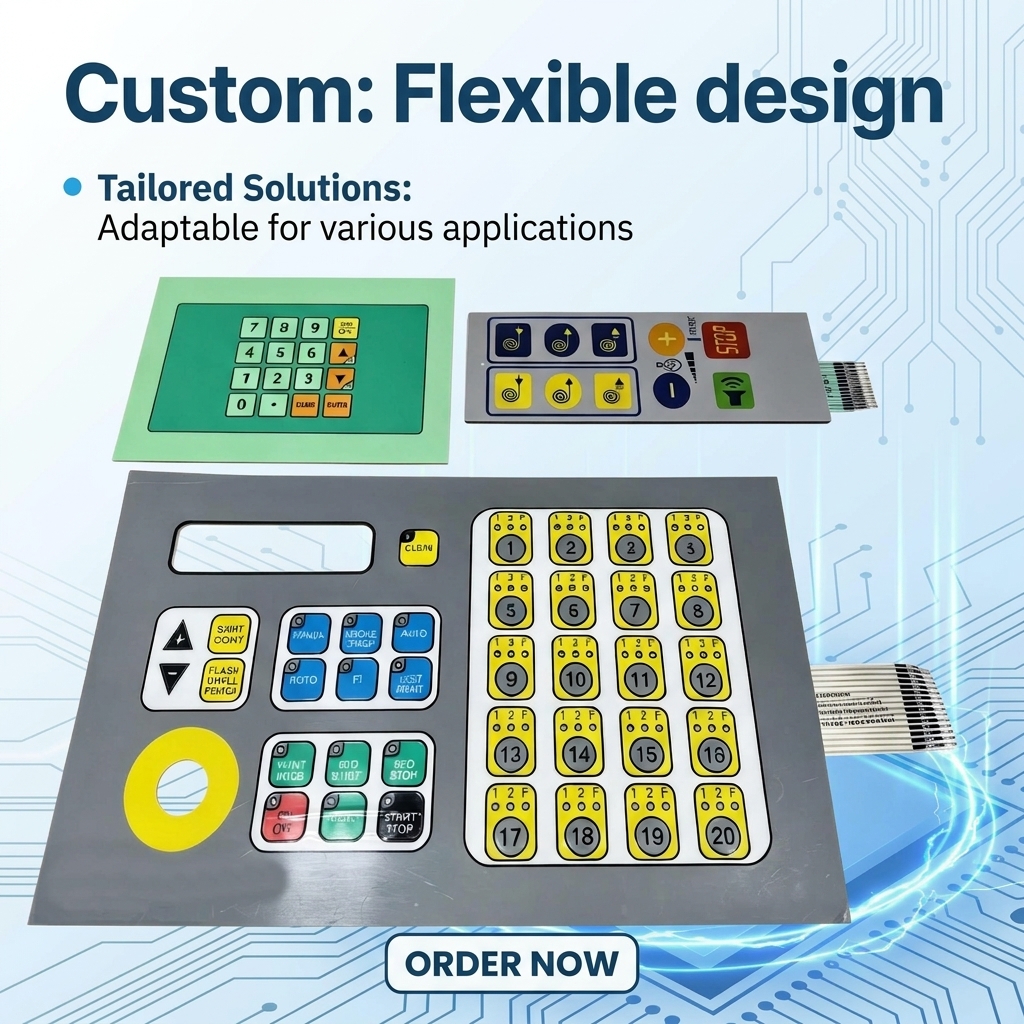
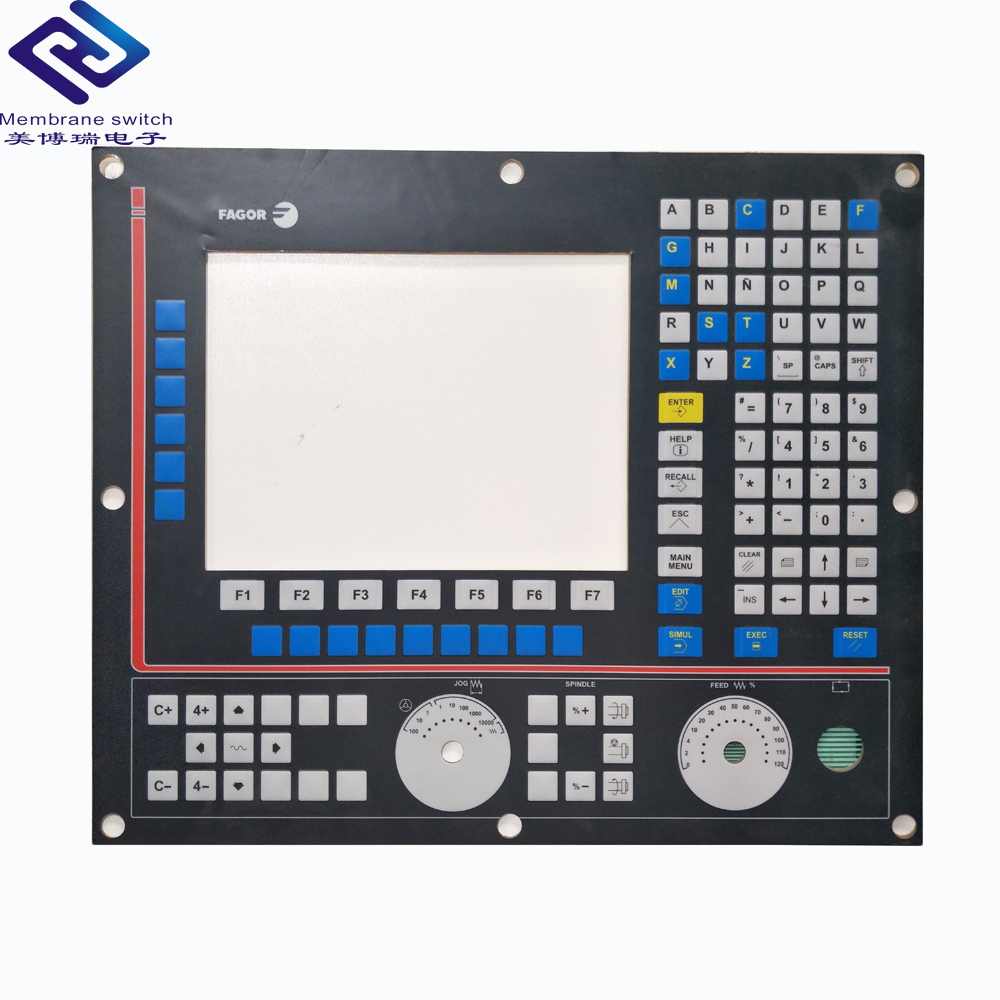
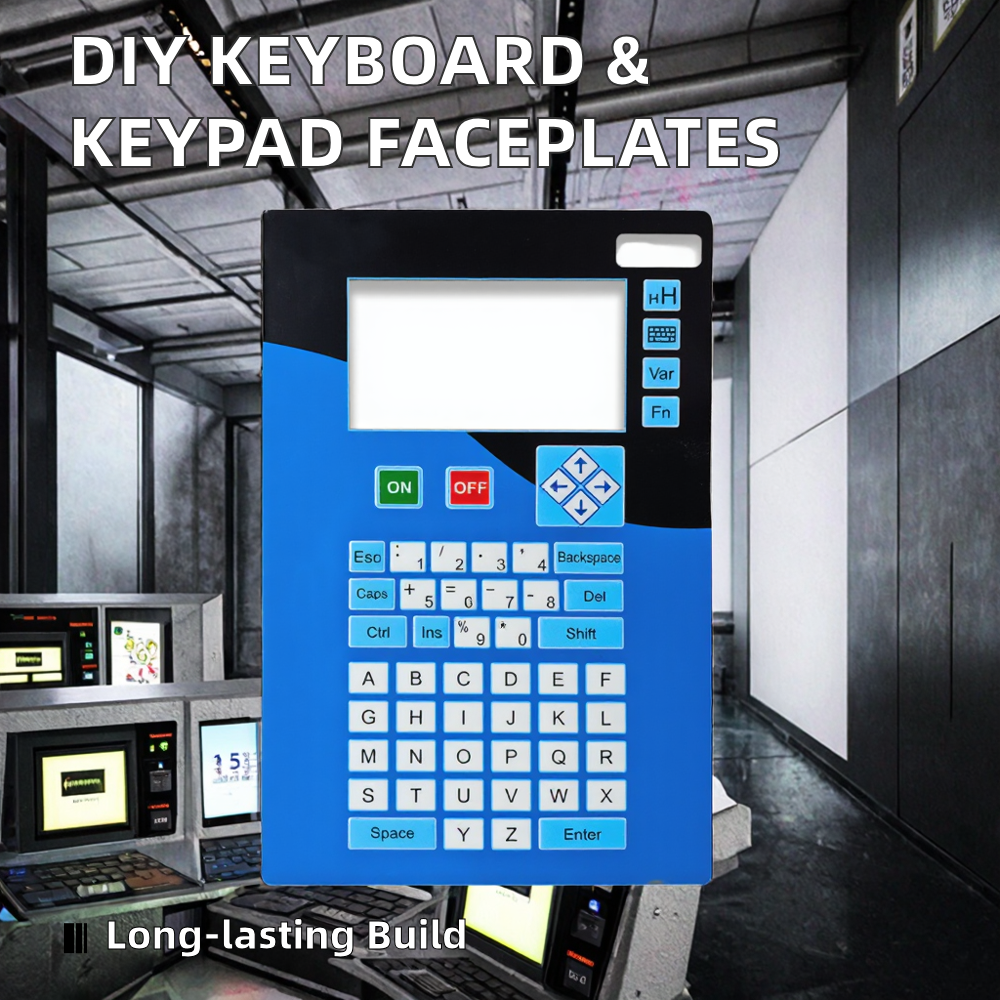
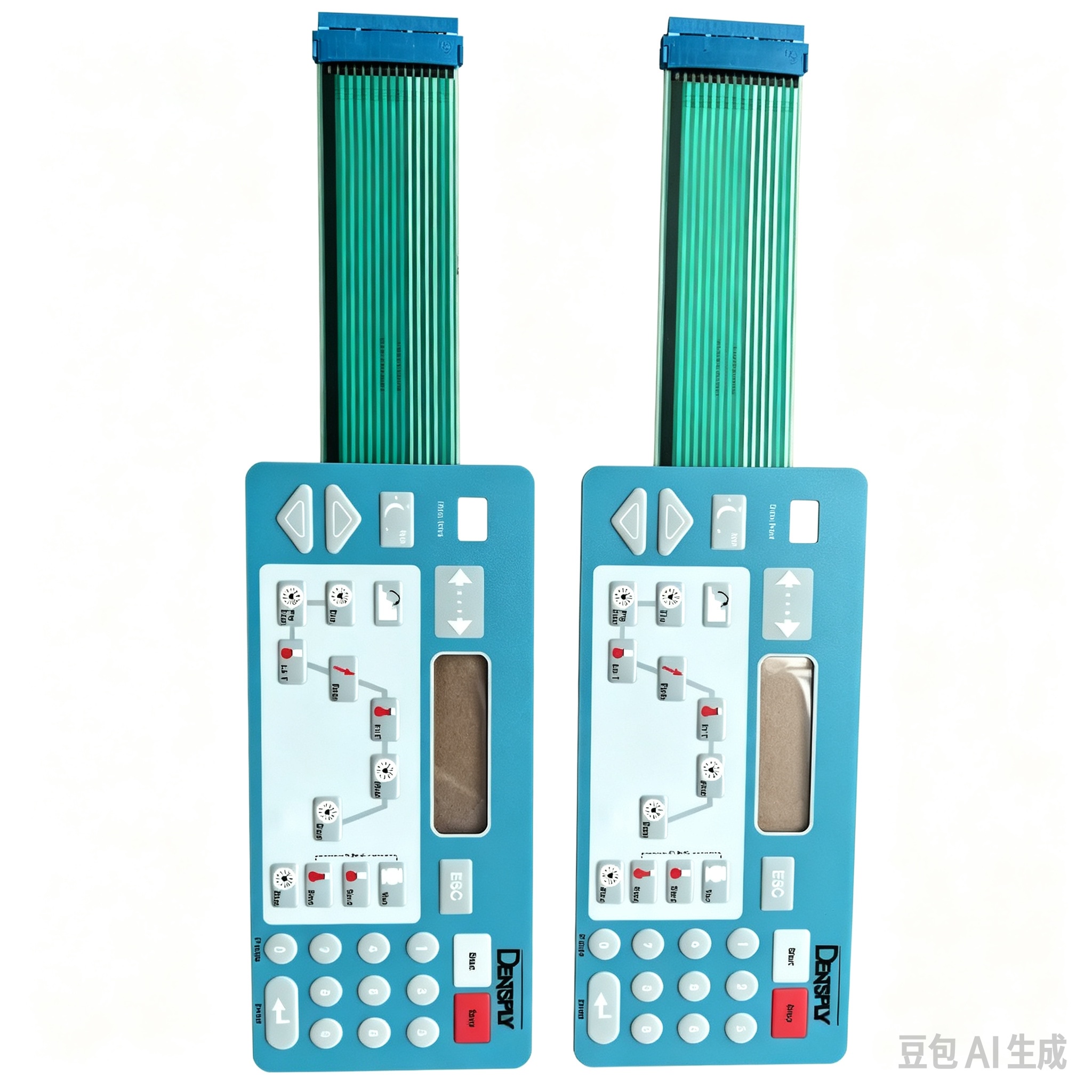
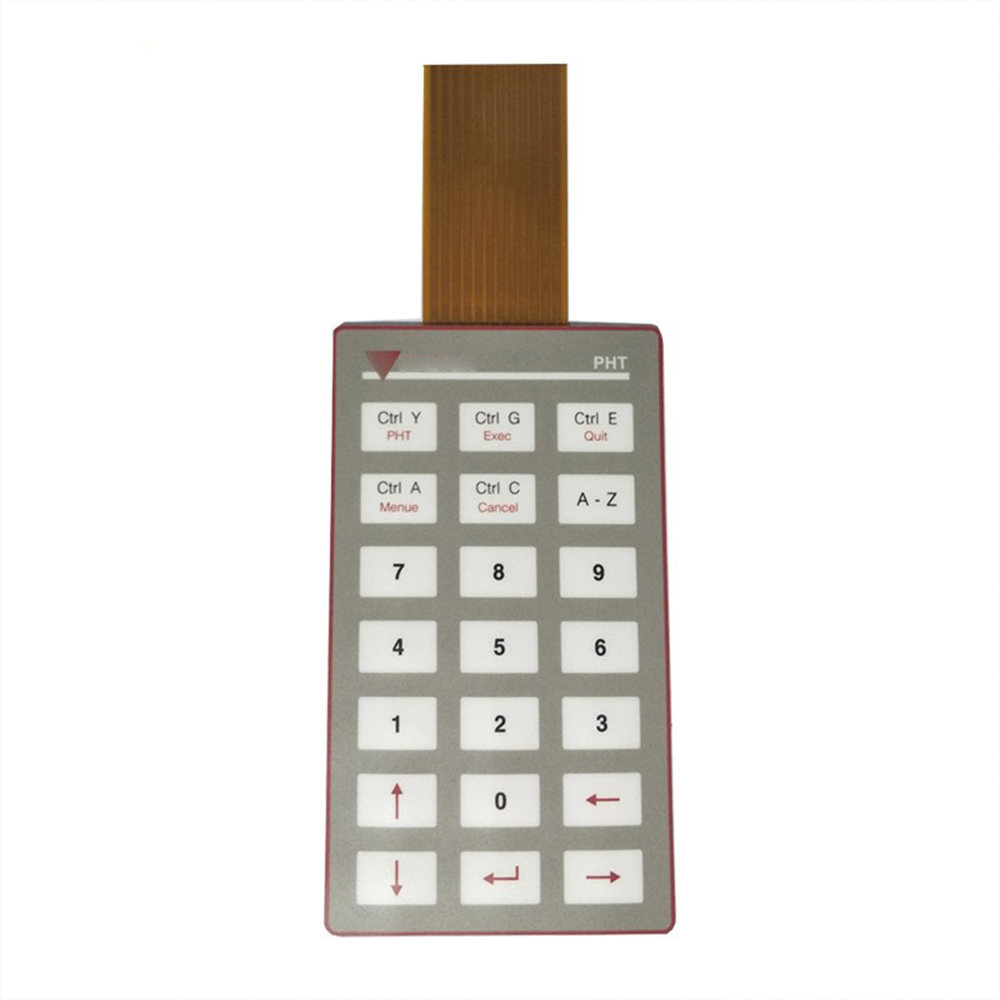
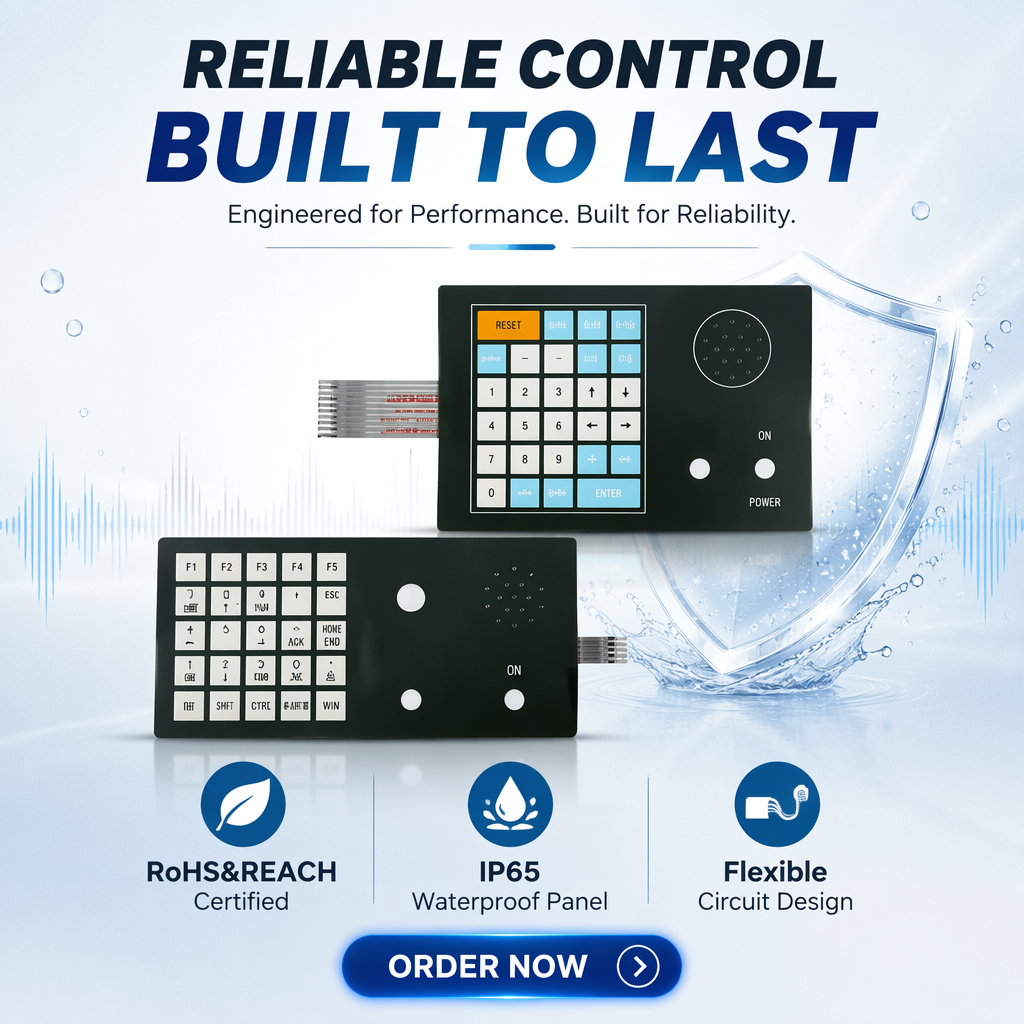
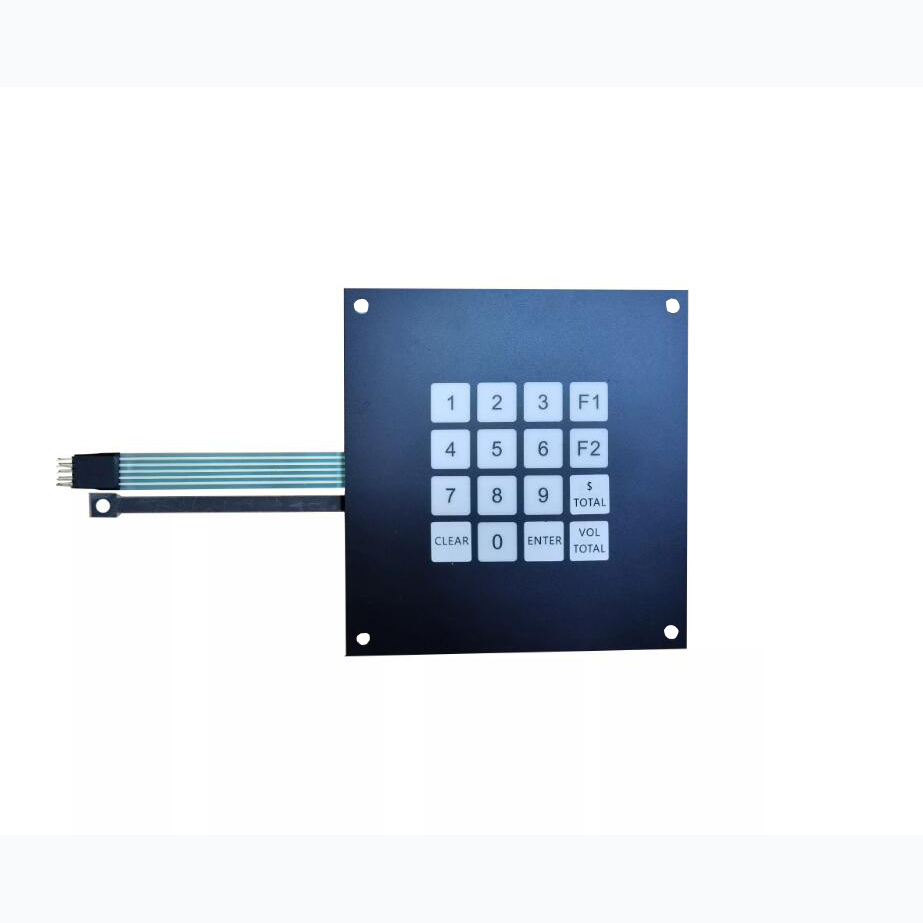
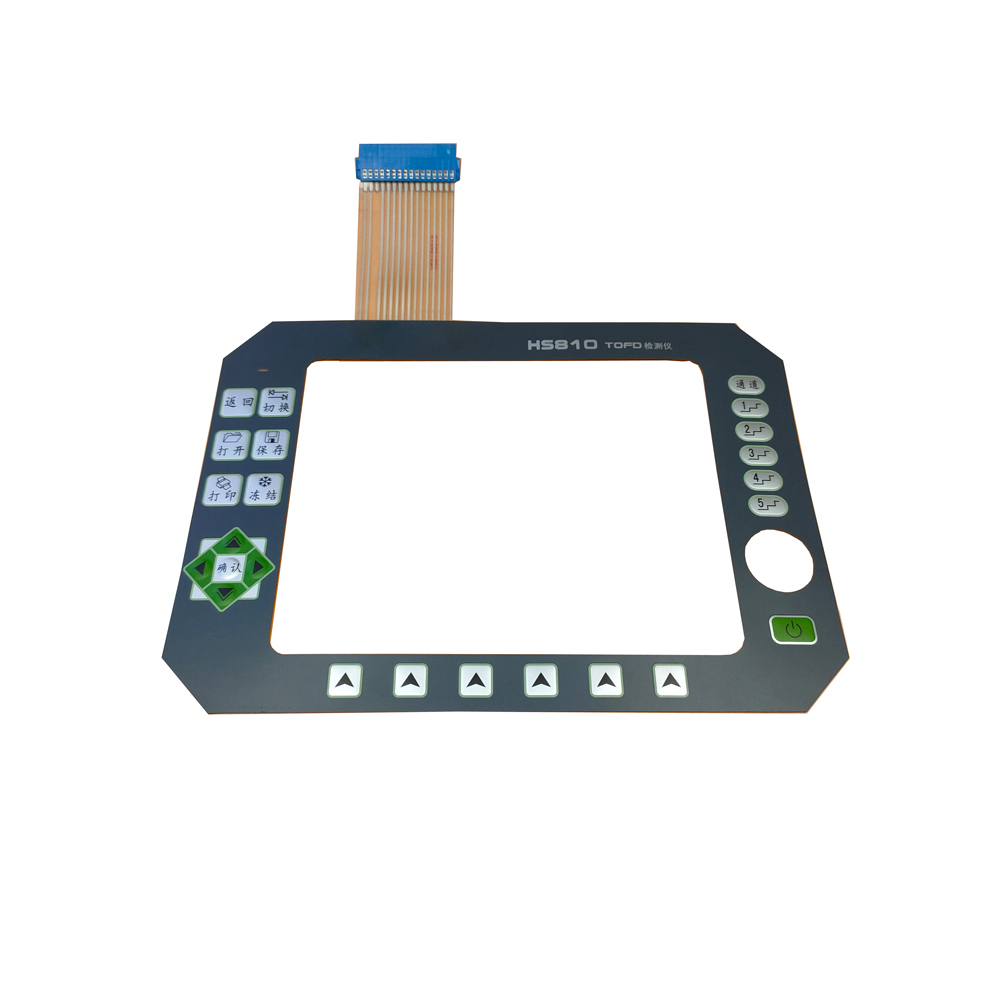
Capacitive Touch Architecture: Bridging Advanced PCAP and Tactile Assemblies
A comprehensive examination of sensor stack-ups, optical bonding protocols, and electromagnetic compliance for Scottish engineering systems operating under severe environmental stressors.
The Demands of the Scottish Operating Environment
Specifying human-machine interfaces (HMI) for original equipment manufacturers (OEMs) across the Greater Glasgow basin, Renfrewshire shipyards, and Lanarkshire industrial parks requires an acute understanding of unique operating stresses. From saline atmospheric drift blowing in along the River Clyde to corrosive CIP (Clean-In-Place) washdown chemicals in Scotch whisky distilleries, standard consumer-grade touch panels degrade within months.
For high-reliability equipment builders, Projected Capacitive (PCAP) Touch Panels and Hybrid Capacitive Membrane Assemblies represent the gold standard of modern interface architecture. Unlike resistive panels that rely on mechanical deflection of an outer film layer—vulnerable to puncture, plasticizer migration, and optical haze—PCAP sensors operate by sensing micro-variations in mutual or self-capacitance beneath chemically toughened cover glass.
At TAVO Electronic Information Technology Co., Ltd., our engineering methodology addresses the three critical pain points common to Scottish device builders: water droplet immunity, heavy industrial gloved operation, and conducted RF emissions common to high-power electric drives.
Cross-Sectional Architecture: Industrial PCAP vs Membrane
A robust touch assembly for industrial Glasgow hardware typically integrates the following laminated stack-up:
- Surface Cover Lens: 1.1mm to 6.0mm Chemically Strengthened Glass (CSG) or Gorilla® Glass, achieving IK08 to IK10 impact resistance with custom Anti-Glare (AG) etching.
- Optical Bonding Interlayer: 150µm to 250µm Optically Clear Adhesive (OCA) or liquid OCR resin eliminating air gaps and preventing internal dew formation during Scottish seasonal thermal swings.
- Capacitive Sensor Core: Glass-Film-Film (GFF) or Glass-Film (GF) matrix with ITO (Indium Tin Oxide) or Copper Metal Mesh lithography for ultra-low trace impedance.
- FPC Controller Tail: Gold-plated polyimide flex tails hosting high-noise-immunity controller ICs (EETI, Ilitek, Microchip) tuned for glove touch and water droplet rejection.
- Rigid Carrier Backer: Optional 1.5mm to 3.0mm CNC-machined 6061-T6 aluminum or FR4 substrate plate with PEM studs for torsion-free chassis mounting.
| Evaluation Parameter | Industrial PCAP Touch Panel | Tactile Membrane Switch Keypad | Capacitive Membrane Hybrid |
|---|---|---|---|
| Operating Mechanism | Electrostatic field variation (Mutual/Self-Cap) | Mechanical contact of metal snap domes | Capacitive proximity sensor PCB/PET layer |
| Sealing Rating (Ingress) | IP68 / IP69K (Hermetic perimeter gasket) | IP65 to IP67 (Adhesive channel seal) | IP67 / IP68 (Flat wipeable surface) |
| Glove Actuation Support | Supported (Firmware algorithm calibration required) | Native (Direct tactile spring depression) | Supported (Sensitivity tuned to glove dielectric) |
| Moisture / Spray Immunity | Water rejection algorithms prevent false triggers | Immune (Physical force required to actuate) | Immune with differential self-capacitance sensing |
| Impact Resistance (IK Rating) | Up to IK10 (Dependent on front glass thickness) | IK04 to IK06 (Polycarbonate/PET overlay) | Up to IK09 (Rigid backer + thick overlay) |
| Life Cycle Rating | >50 Million continuous touches | 1 to 5 Million actuations per key | >30 Million touch activations |
Strategic Application Scenarios Across Greater Glasgow
From Govan and Scotstoun naval yards to Cumbernauld life science parks, capacitive and membrane HMI hardware must be engineered to match distinct operational workflows.
Naval Vessel Bridge & Damage Consoles
Naval architecture in Glasgow requires IP68 front panels compliant with DEF STAN and Lloyd's Register naval vibration spectra. Touch sensors feature electromagnetic compatibility (EMC) shielding meshes that block MIL-STD-461 radiated emissions, while optical bonding guarantees zero condensation inside wheelhouse control panels exposed to North Atlantic sea fog.
Wind Turbine & Subsea Power Stations
Scotland’s pioneering offshore wind installations and subsea connector hubs demand human-machine interfaces that survive continuous thermal cycling from -30°C to +75°C. Utilizing automotive-grade UV-blocking front glass and broad-temperature conductive inks ensures keypads and PCAP sensors never suffer adhesive delamination or trace cracking.
Brewery CIP & Washdown Automation
The Scotch whisky industry in the Central Belt relies on high-speed automated bottling and distillation lines. These panels undergo daily caustic hot water spraydowns and ethanol vapor exposure. TAVO utilizes Autotex XE hard-coated polyesters and sealed PCAP glass that resist alcohol dissolution, caustic soda, and high-pressure steam jetting.
Medical Diagnostics & Cleanroom HMI
Glasgow’s biotechnology corridor along the Queen Elizabeth University Hospital and Lanarkshire medical hubs require entirely flat, antimicrobial interfaces. Capacitive glass panels eliminate dirt-collecting seams and tactile gaps, allowing aggressive cleaning with bleach, hydrogen peroxide, and isopropyl alcohol without degrading legends.
Navigating the Transition from Legacy Keypads to Capacitive Glass in Glasgow
Many Scottish machinery builders have historically relied on traditional mechanical pushbuttons or basic membrane keypads. However, export requirements across Western Europe and North America now demand intuitive, smartphone-like touch navigation, multi-touch gesture support (pinch-to-zoom for CAD schematics on CNCs), and sealed flush installations that comply with modern industrial design aesthetics.
TAVO's engineering department regularly assists Glasgow design consultancies in migrating legacy equipment. We supply hybrid prototypes combining capacitive touch displays for dynamic UI navigation with physical tactile metal dome buttons positioned along the perimeter for emergency stop (E-stop), pump priming, or safety override functions that require tactile certainty.
Emerging Procurement Trends in the Scottish HMI Market
How Glasgow purchasing managers, electronic engineers, and systems integrators are navigating component resilience, UKCA certification, and supply chain redundancy.
Demand for UKCA & CE Electromagnetic Conformity
Following regulatory shifts, Glasgow OEMs producing equipment for both the domestic UK market and EU export require touch screen assemblies with verified low EMI emissions and robust immunity against high-voltage surges (BS EN 61000-4-4/5 electrical fast transient/burst testing).
Obsolescence Mitigation & Direct Factory Ties
Sourcing via multi-tier catalog distributors often exposes Scottish manufacturers to sudden component end-of-life (EOL) announcements. Working directly with an established custom manufacturer ensures guaranteed tooling custody, pin-to-pin controller firmware backwards compatibility, and guaranteed 10+ year product life cycles.
Integrated Sub-Assemblies Over Loose Parts
To reduce cleanroom assembly costs in Scottish production plants, purchasing teams are actively phasing out individual display, sensor, and bezel sourcing. Turnkey sub-assemblies—featuring optically bonded LCDs, capacitive panels, CNC aluminum frames, and integrated FPC tails—drastically shorten final cabinet assembly time.
Why Sourcing Directly From TAVO Delivers Proven Value
More than three decades of specialized industrial interface fabrication, combining deep Chinese manufacturing scale with rigorous German technical cooperation.
Dual-Plant Infrastructure & Technical Discipline
Since our inception in 1990, TAVO Electronic Information Technology Co., Ltd. has developed into a dedicated leader in custom membrane switches, capacitive touch sensors, and human-machine interface assemblies. Rather than acting as a broker or trading house, our operations are 100% vertically integrated across our primary manufacturing base in the Xianghe Economic & Technological Development Zone (Hebei) and our high-volume secondary production plant in Huizhou (Guangdong).
This dual-facility structure gives Glasgow procurement teams complete capacity elasticity. Prototype batches, NPI (New Product Introduction) engineering runs, and fast-turn membrane sample assemblies are handled with agile tooling, while large scheduled production runs are scaled effortlessly without machine queue bottlenecks.
Our long-standing technical collaboration with our German partner factory ensures that European quality protocols, material formulations, and tolerance thresholds are built directly into our standard operating procedures.
Core Factory Hardware & Metrology Assets
Closed-Loop Reliability & Environmental Testing Lab
Xenon Arc & UV Weathering Chamber
Accelerated solar degradation simulation ensuring front graphic films and cover glass print legends withstand intense UV exposure without yellowing, chalking, or bond failure.
Cyclic Salt Fog Corrosion Chamber
Continuous ASTM B117 salt mist testing verifying that silver circuit traces, copper FPC pins, and metal backers resist galvanic degradation in Clyde maritime atmospheres.
Programmable Thermal Shock Chamber
Rapid thermal cycling between -40°C and +85°C to confirm the structural integrity of differential expansion materials (glass-to-adhesive-to-aluminum) under extreme shocks.
Frequently Asked Questions for Glasgow OEM Purchasers
Straightforward answers addressing design-for-manufacture (DFM), batch flexibility, shipping to Scotland, and technical customization.
What engineering design files are required to initiate a custom capacitive panel or membrane switch quotation? +
- Mechanical Enclosure / Stack-up 2D/3D Drawings: DXF, DWG, STEP, or PDF files displaying exterior envelope dimensions, cutouts, mounting studs, and tail exit locations.
- Graphic Artwork: Vector files (Adobe Illustrator .AI, CDR, or vectorized PDF) with explicit Pantone PMS or RAL color designations and window transparency rules.
- Electrical Schematic / Pinout: Circuit diagram detailing pin assignments, matrix array architecture, ground shielding pins, and connector housing part numbers (e.g., Nicomatic, FCI, Hirose).
- Environmental Scope: Temperature extremes, IP sealing thresholds (IP65, IP67, IP68), chemical exposure risks, and whether gloved or wet-finger touch sensing is required.
Can your capacitive touch panels be calibrated to operate reliably through thick gloves and water washdown? +
What minimum order quantity (MOQ) applies to new prototype designs for Glasgow development teams? +
How are shipments managed from your manufacturing centers to facilities in Greater Glasgow and Central Scotland? +
How do you resolve EMI / EMC conducted noise interference from adjacent frequency drives or heavy machinery? +
- Internal Sensor Mesh Shielding: Integrating a transparent conductive ground layer (ITO or copper grid) directly beneath the capacitive sensor.
- Frequency Hopping Algorithms: The touch controller IC dynamically detects baseline noise spikes and switches operational sensing frequencies to a clean spectrum.
- Faraday Carbon / Silver Cage: On membrane assemblies, we print continuous perimeter ground rings and solid cross-hatch printed shields connected to chassis ground.
What certifications govern your manufacturing processes and raw material sourcing? +
Request an Engineering Review & Quotation for Your Glasgow Project
Whether you are developing next-generation subsea instrumentation, upgrading CNC milling machine consoles, or designing washdown-ready food processing HMI hardware, our 10-person CAD design team and experienced application engineers are ready to evaluate your schematics and optimize your stack-up.
Instant access to technical sales engineers • ISO 9001 certified manufacturing facilities