Featured HMI & Membrane Interface Assemblies
Explore our high-reliability capacitive switches, silicone tactile matrices, and industrial membrane control panels custom-built to strict ISO 9001 and European CE engineering specifications.
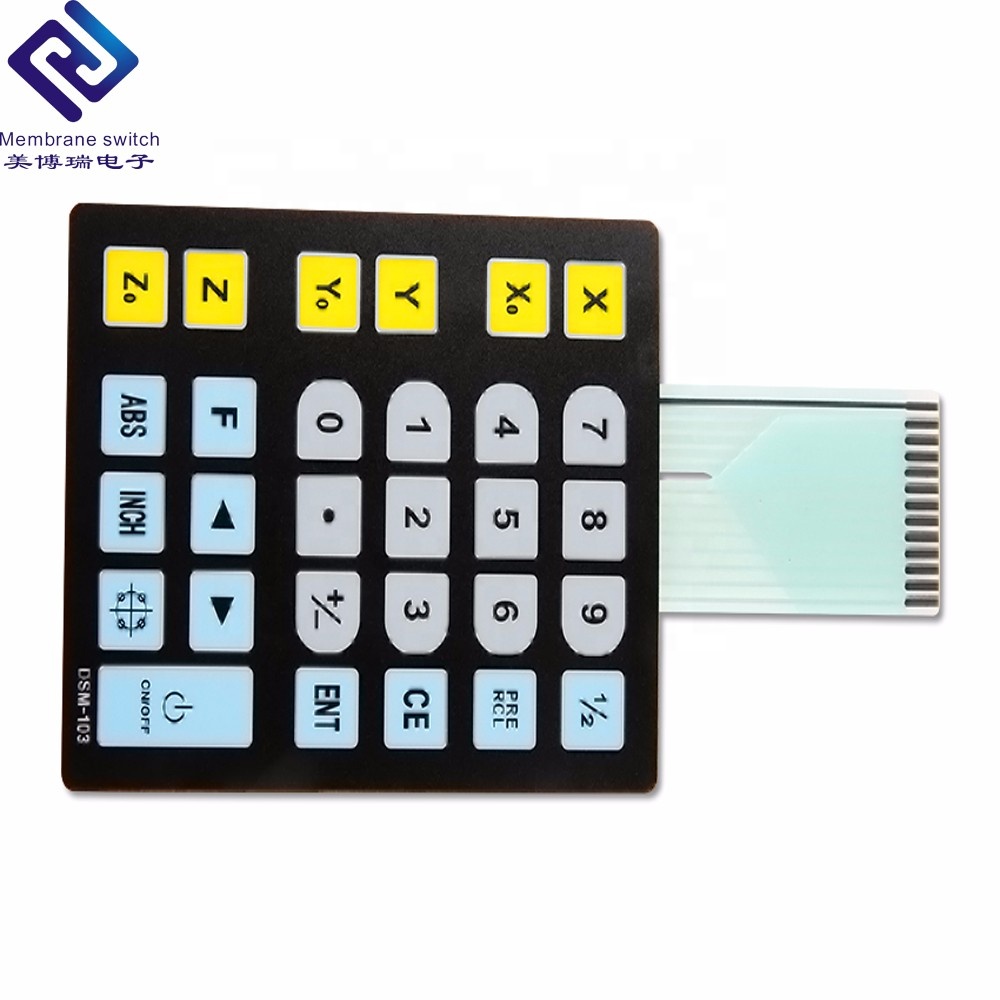
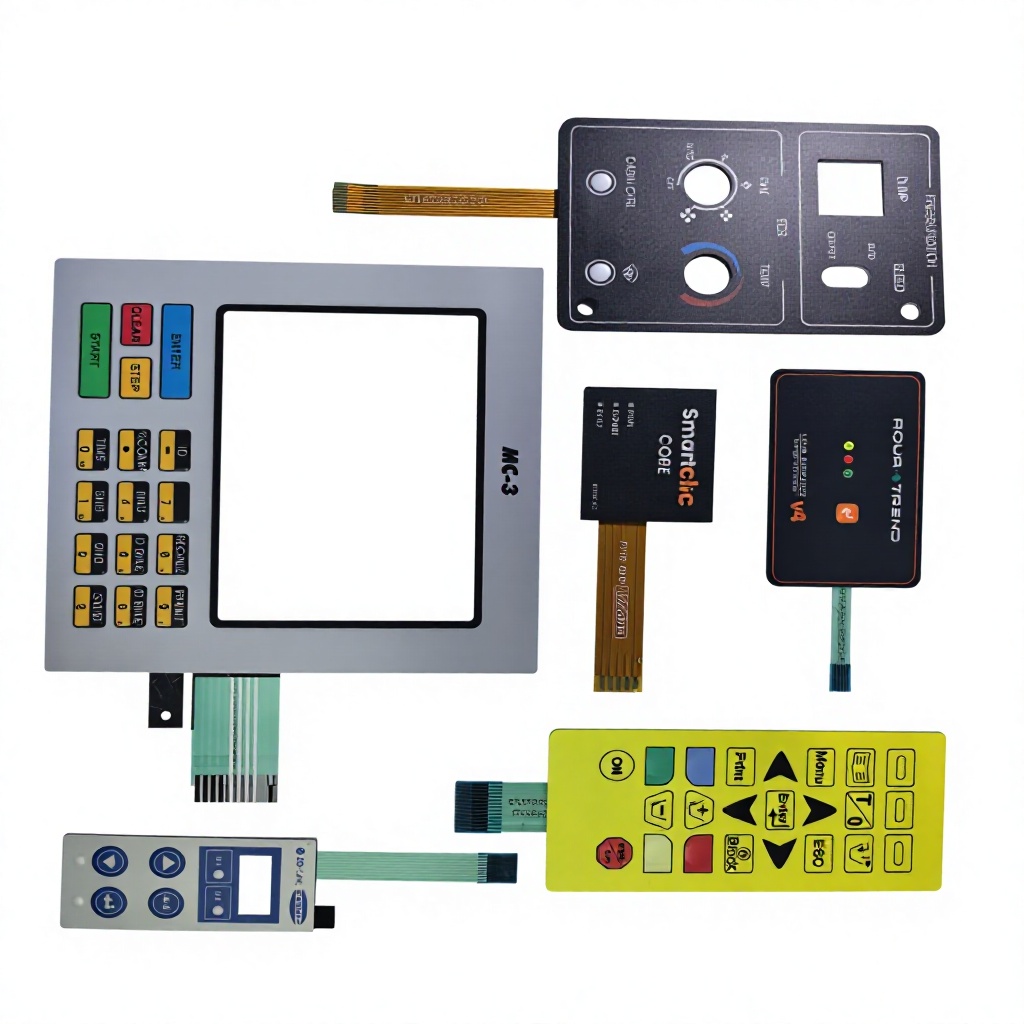
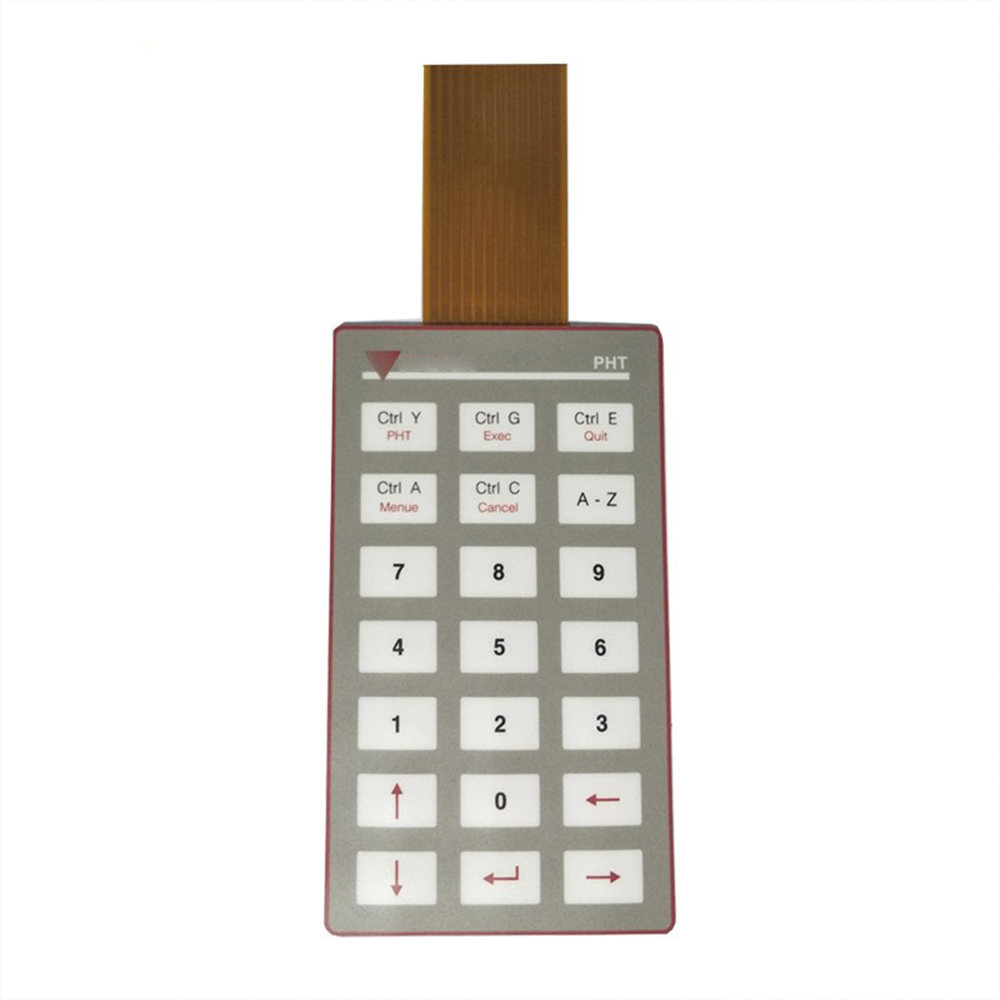
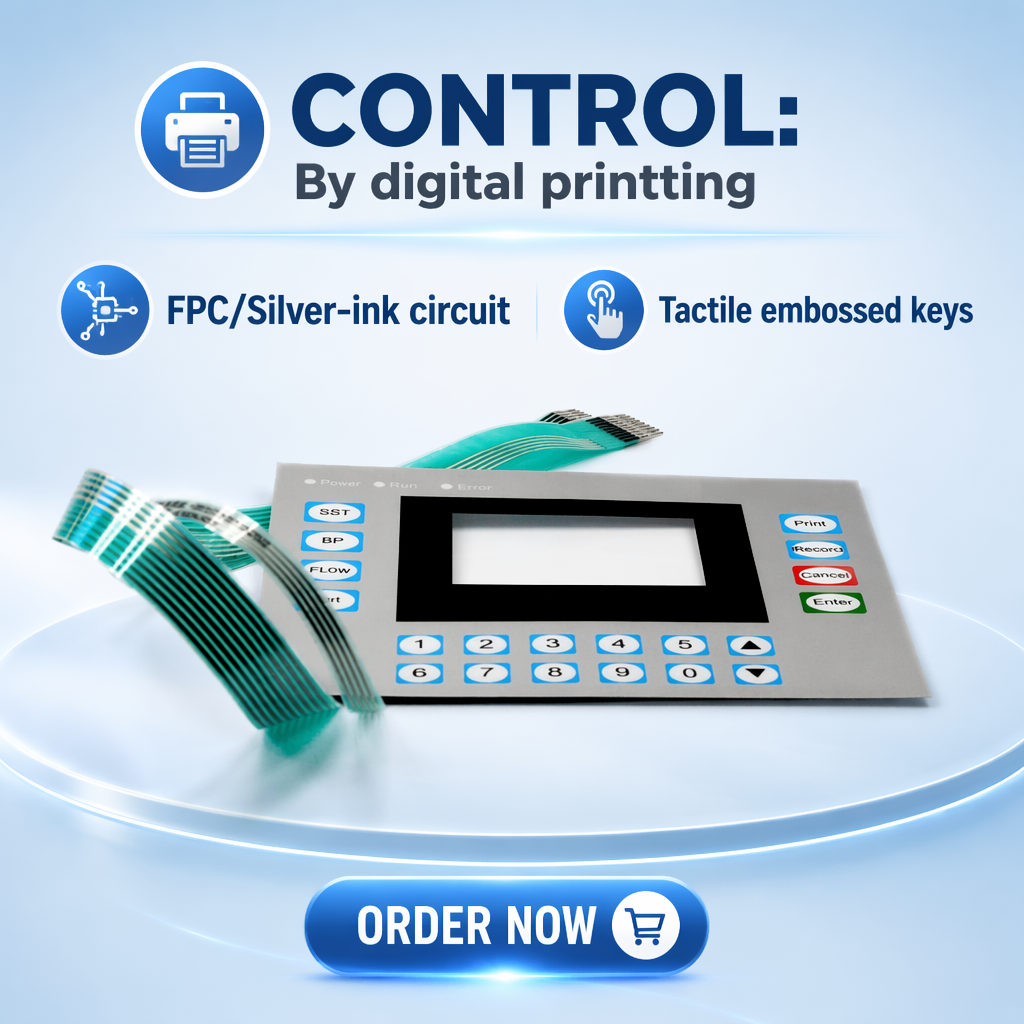
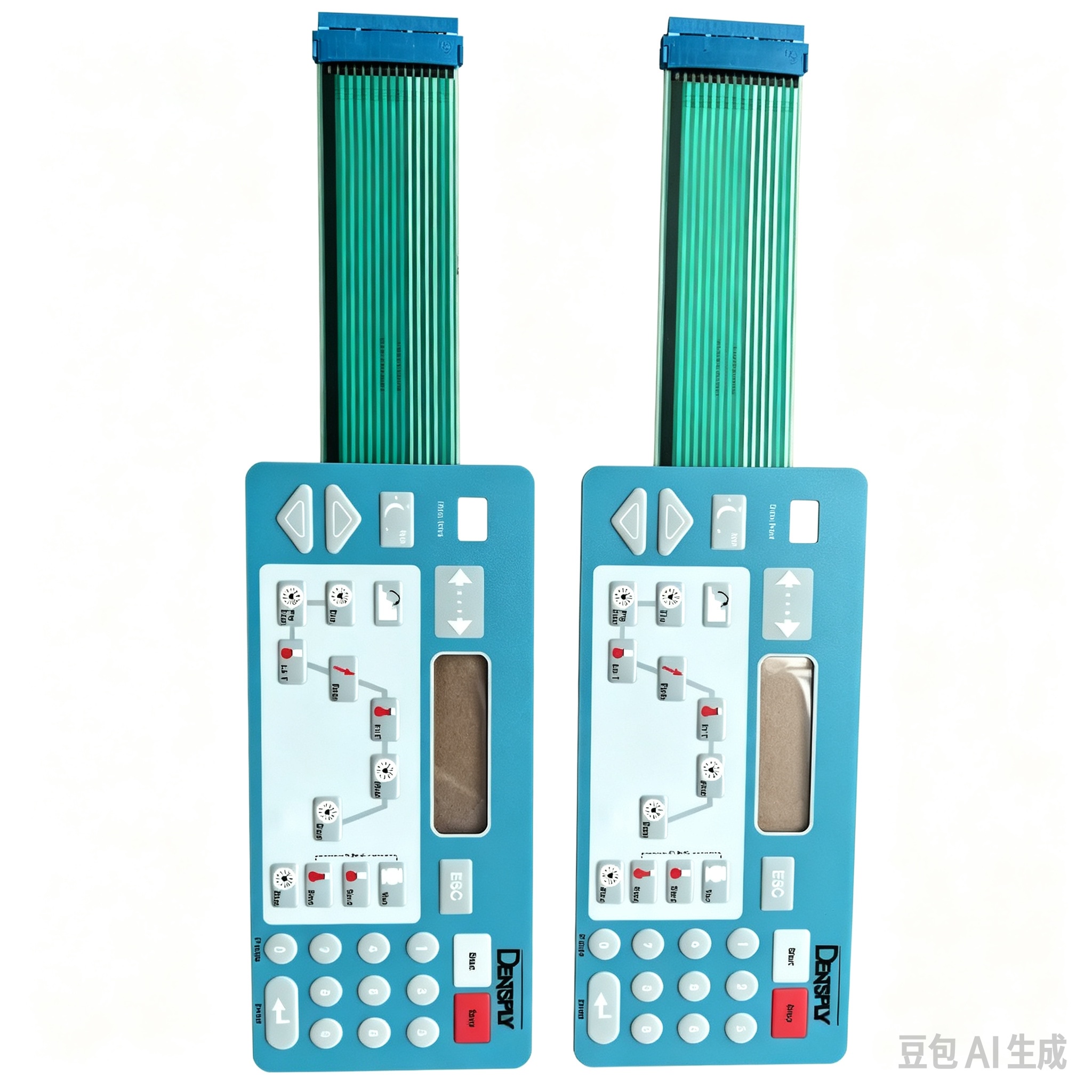
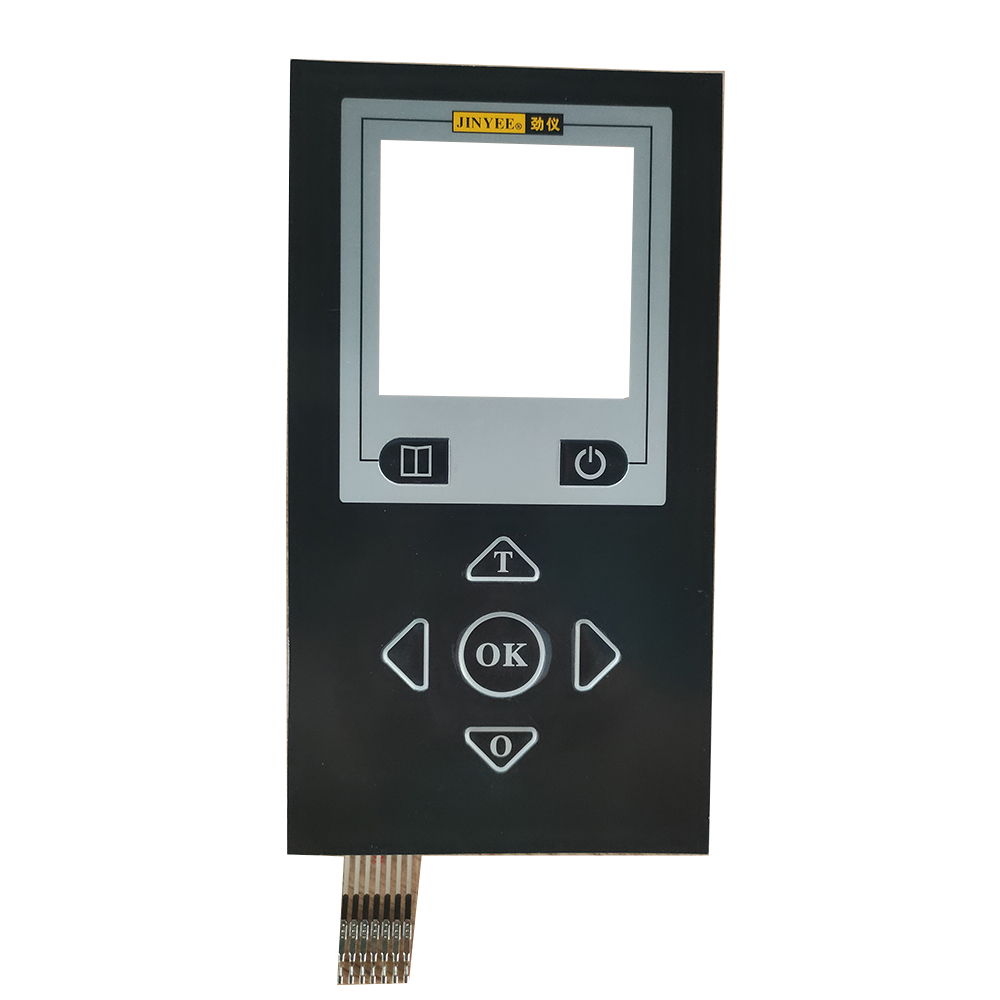
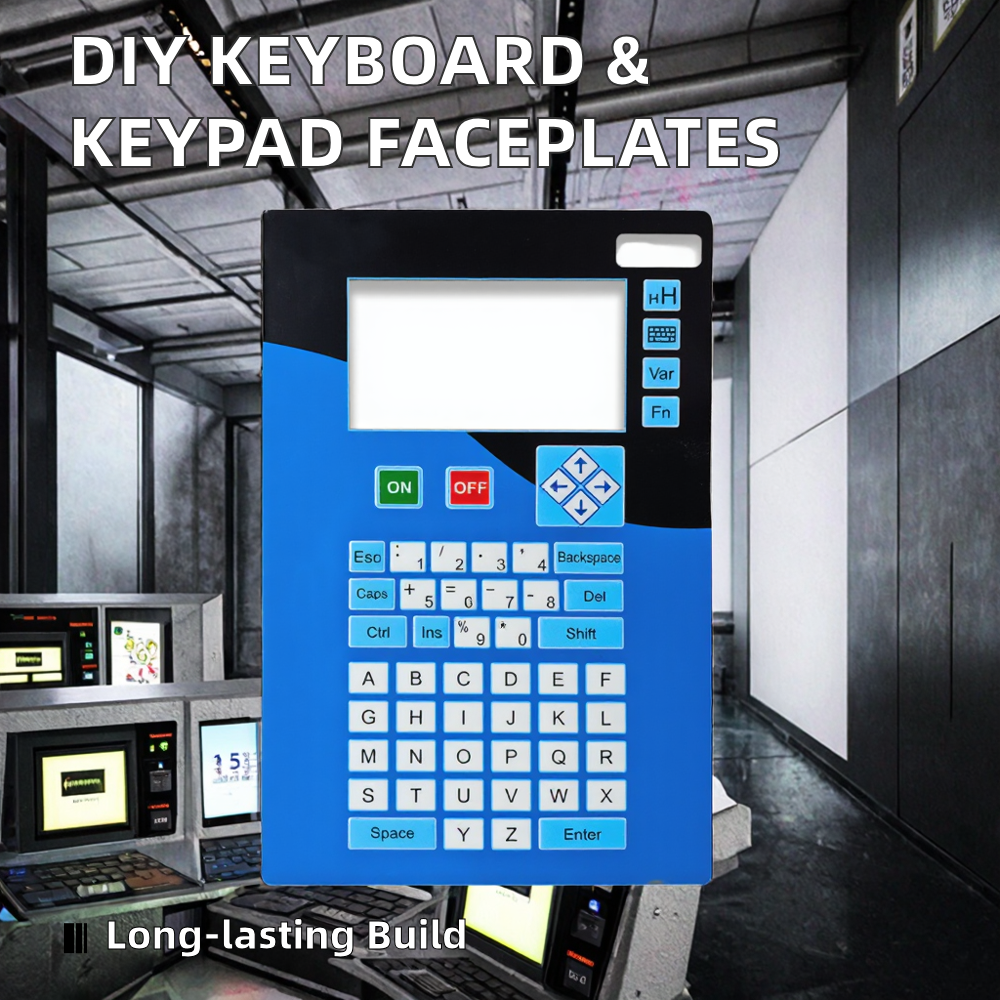
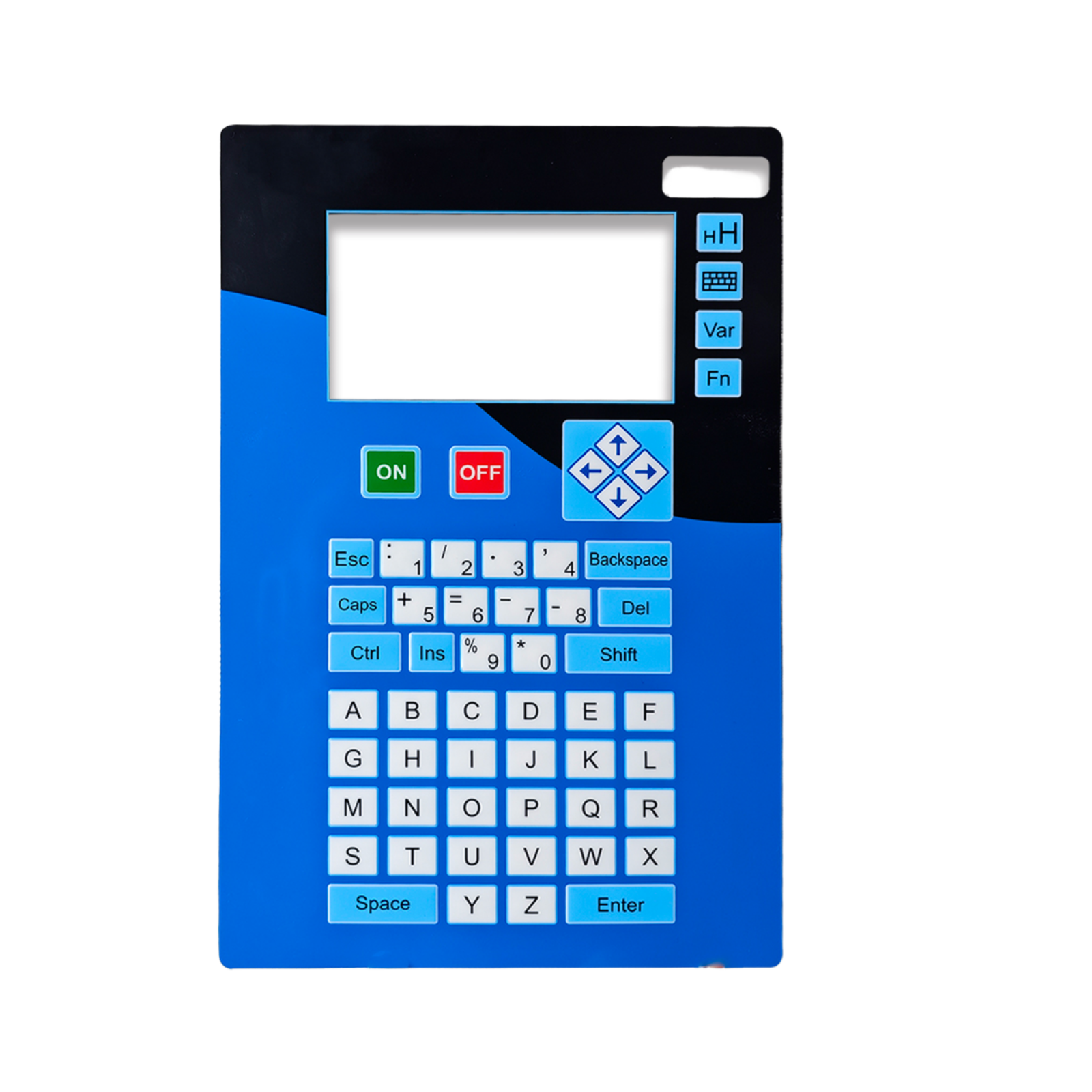
Engineering Projected Capacitive (PCAP) Panels for Budapest’s Advanced OEM Sector
A comprehensive examination of sensor architecture, signal-to-noise ratio optimization, optical bonding physics, and compliance engineering across the Hungarian manufacturing corridor.
The manufacturing landscape across Budapest and the broader Pest County region has undergone an intensive paradigm shift. Known historically as a pivotal bridge for high-end European precision engineering, the area hosts critical Tier-1 automotive integrators, electronic manufacturing services (EMS), and high-reliability biomedical device clusters. From automation facilities situated in the industrial zones of Csepel, Dunakeszi, and Budaörs to the wider automotive supply chain radiating toward Győr, Székesfehérvár, and Debrecen, interface engineers are systematically replacing mechanical push-buttons with sealed, solid-state projected capacitive touch panels (PCAP) and hybrid human-machine interfaces (HMI).
Unlike standard consumer-grade touchscreens, capacitive touch hardware deployed in heavy machinery, clinical environments, and public outdoor infrastructure throughout Hungary must conquer acute physical challenges. Designers face severe ambient electromagnetic noise (conducted and radiated emissions from variable-frequency drives, switch-mode power supplies, and heavy servo motors), extreme seasonal temperature swings ranging from sub-zero continental winters (-25°C) to scorching mid-summer factory floor operations (+45°C), and demanding requirements for operation while wearing thick synthetic or leather work gloves.
Technical Insight for Hungarian Sourcing Engineers: Implementing industrial-grade PCAP in high-noise environments requires choosing between self-capacitance and mutual-capacitance matrix topologies. While mutual capacitance enables true 10-point multi-touch and complex gestures, self-capacitance provides superior immunity against stray capacitance introduced by thick front glass (up to 10mm) and standing surface water pools common in food and beverage processing facilities along the Danube basin.
As a seasoned custom manufacturer rooted in interface technology since 1990, TAVO Electronic Information Technology Co., Ltd. bridge the gap between bespoke engineering precision and scalable production economics. By maintaining complete in-house control over raw sensor deposition, conductive printing, high-temperature sintering, cleanroom optical bonding, and firmware tuning, we furnish Budapest procurement teams and embedded systems integrators with fully validated, drop-in touch solutions configured to the exact dimensional, electrical, and aesthetic tolerances dictated by European CE standards.
High-Stress Application Scenarios Across Hungary’s Key Sectors
Targeted touch interface solutions designed to solve application-specific engineering constraints in Central Europe.
Automotive & EV Fast Chargers
Designed for public roadside EV charge-points and automotive manufacturing plants along the M0 ring and M1/M5 expressways. Features IK09/IK10 vandal-resistant cover glass, chemically tempered front panels, and anti-reflective/anti-UV surface treatments preventing solar yellowing and high-ambient glare.
Biomedical & Cleanroom Diagnostics
Tailored for Budapest’s thriving pharmaceutical and healthcare device innovators. Sealed smooth-surface cover glass completely bonded with Optically Clear Adhesive (OCA), eliminating bacterial traps, resisting bleach, isopropyl alcohol, and hospital sterilizers, with surgical and latex glove tracking firmware.
Heavy SCADA & CNC Industrial Cabinets
Constructed for harsh machine shop floors in Pest industrial clusters. Featuring integrated aluminum backer plates, high-density copper FPC interfaces, and controller chips configured for severe EMC immunity (conforming to EN 61000-4-6 conducted disturbances up to 10 Vrms).
Smart Metering & Energy Distribution
Optimized for Central European power utility grids, telemetry units, and commercial building HVAC automation. Ultra-low power sleep states, long-term UV resistance, capacitive touch slider/wheel geometries, and backlighting through micro-thin light guide films (LGF).
Comparative Performance: PCAP vs. Alternative HMI Technologies
Evaluating electrical, mechanical, and environmental metrics to assist Budapest system architects in technology selection.
| Evaluation Parameter | Projected Capacitive (PCAP) | 5-Wire Resistive Touch | Tactile Membrane Switch Panel | TAVO Hybrid Integrated HMI |
|---|---|---|---|---|
| Operating Principle | Electrostatic field perturbation | Mechanical contact of conductive layers | Physical collapse of metal/polyester dome | Capacitive sensing with mechanical backup |
| Front Surface Hardness | Up to 9H (Tempered Gorilla / Dragontrail) | 2H to 3H (Prone to scratching) | 3H (Hard-coated PET/PC overlay) | Up to 9H cover glass or 3H Autotex PET |
| Optical Clarity / Transmission | >88% to 92% (OCA bonded) | 75% – 82% (Air-gap internal reflections) | N/A (Typically opaque window) | >90% transparent window integration |
| Actuation Lifespan | >50,000,000 touches per location | ~10,000,000 point presses | >1,000,000 to 5,000,000 cycles | >30,000,000 combined cycle rating |
| Water & Moisture Resilience | Advanced DSP water-rejection tuning | Immune to water but degrades over time | Hermetic sealing to IP67/IP68 | IP68 hermetic front sealing + DSP logic |
| Glove Operation Capability | Yes (Supported up to 5mm heavy leather) | Yes (Pressure-dependent) | Yes (Tactile force activation) | Seamless support for industrial gloves |
| Chemical Disinfectant Resistance | Impervious to acids, alcohols, bleaches | Degraded by harsh solvents | Resistant via textured polyester (PET) | Exceptional resistance across glass & PET |
| Electromagnetic Immunity (EMC) | Requires advanced frequency hopping ICs | Inherently high passive immunity | High immunity via aluminum/mesh shielding | Shielded ground planes + tuned controller |
Key Technology Trends Shaping the Budapest HMI Marketplace
Market dynamics, technological evolutions, and regulatory benchmarks steering Central Europe's interface procurement.
1. Shift to Full OCA Optical Bonding
Hungarian industrial equipment engineers are systematically abandoning traditional perimeter "tape-bonding" in favor of cleanroom full optical bonding with Optically Clear Adhesives (OCA). By replacing the internal refractive index boundary and eliminating the trapped air pocket between the TFT panel and the capacitive touch sensor, optical bonding eliminates internal condensation during sudden thermal drops along the Danube valley, while concurrently increasing sunlight readability and overall impact resistance.
2. Dynamic Water & Salt Mist Rejection
With industrial machinery washing down with pressurized hot detergents, and outdoor infrastructure subjected to heavy rain and road salt mist, false touch events represent a safety and efficiency concern. Budapest R&D teams are requesting dynamic controller firmware (integrating Ilitek, EETI, and Microchip touch ICs) that switches dynamically between mutual-capacitance multi-touch scanning and self-capacitance baseline tracking to suppress water pool capacitive loading.
3. Strict EU Eco-Design & Traceability
Operating inside the European single market requires total regulatory transparency. Sourcing teams in Budapest are bound by strict European Union directives including RoHS 3 (Directive 2015/863/EU), REACH (EC 1907/2006 SVHC substances), and WEEE directives. Buyers demand documented raw material traceability, halogen-free flexible circuits, and lead-free SMT processes that guarantee zero friction during CE conformity declarations.
Why Tier-1 European OEMs Rely on TAVO’s Capabilities
Three decades of interface engineering expertise backed by audited quality control and closed-loop in-house manufacturing.
Complete In-House Process Control: What separates an authentic industrial manufacturer from an intermediary trading brokerage is total process sovereignty. At TAVO, every production phase—from mechanical CAD drafting, film photolithography, precision screen printing, and digital UV printing to CNC cover glass cutting, embossing, laser profiling, cleanroom optical bonding, and 100% automated continuity inspection—is conducted within our controlled manufacturing facilities in the Xianghe Robot Industry Port and Huizhou.
German Technical Cooperation & Quality Rigor: Our production line philosophy and engineering standards are rooted in a foundational, long-term technical cooperation with a prominent German membrane switch and HMI fabrication plant. This alliance instilled European-standard precision tooling practices, DIN-standard environmental testing regimens, and strict operating management verified by onsite Intertek audits and our certified ISO 9001 Quality Management System.
Comprehensive In-House Test Laboratory: Before a batch departs for Budapest, components undergo exhaustive verification inside our specialized reliability lab. Our equipment roster includes programmable thermal and humidity shock chambers (-40°C to +150°C), xenon arc ultraviolet aging chambers for lightfastness verification, automated salt fog chambers for ASTM B117 corrosion simulation, high-cycle key actuation robotic testers (validating mechanical domes past 5 million cycles), and comprehensive computerized pin-out circuit testers.
Industrial Machinery Fleet
Our facility houses 60 CNC precision mold-making machines, 4 Mimaki industrial UV flatbed digital printers, 18 high-accuracy laser cutting machines, and 37 precision screen printing systems capable of maintaining strict micro-tolerance registration across multi-layer membrane arrays.
Engineering & Trade Team
A specialized engineering department comprising over 30 senior technical specialists each averaging 15+ years of membrane and touch panel fabrication experience. Supported by a 20-person international trade department operating within European business hours to provide immediate DDP/FOB project quotes.
Global OEM Validation
Our human-machine interface assemblies have earned qualification inside global enterprises such as Siemens, ABB, and Haier, with deployments across mission-critical railway locomotive controls, high-voltage substations, medical infusion devices, and aerospace ground terminals.
Budapest Engineering & Sourcing FAQ
Practical technical and commercial answers addressing customs, EMC tuning, lead times, and European compliance.
How are logistics and customs handled for shipments directly into Budapest or regional Hungary? +
How do you calibrate PCAP controllers against heavy industrial electromagnetic noise (EMC/EMI)? +
Can your touch panels and keypads be customized for thick winter gloves and water spills? +
What documentation and certifications are provided for EU compliance (CE, RoHS, REACH)? +
What is the standard turnaround time for custom prototyping versus high-volume series runs? +
Does TAVO support lower minimum order quantities (MOQs) for pilot runs or specialized equipment? +
Accelerate Your Custom Touch Panel Design
Consult directly with our interface engineering team. Send us your CAD mechanical drawings (DXF/DWG/STEP), graphic artwork (AI/PDF), or electrical schematics for a rigorous manufacturability analysis, thermal stack-up simulation, and a competitive European DDP/FOB quotation.