CNC & HEAVY MACHINERY
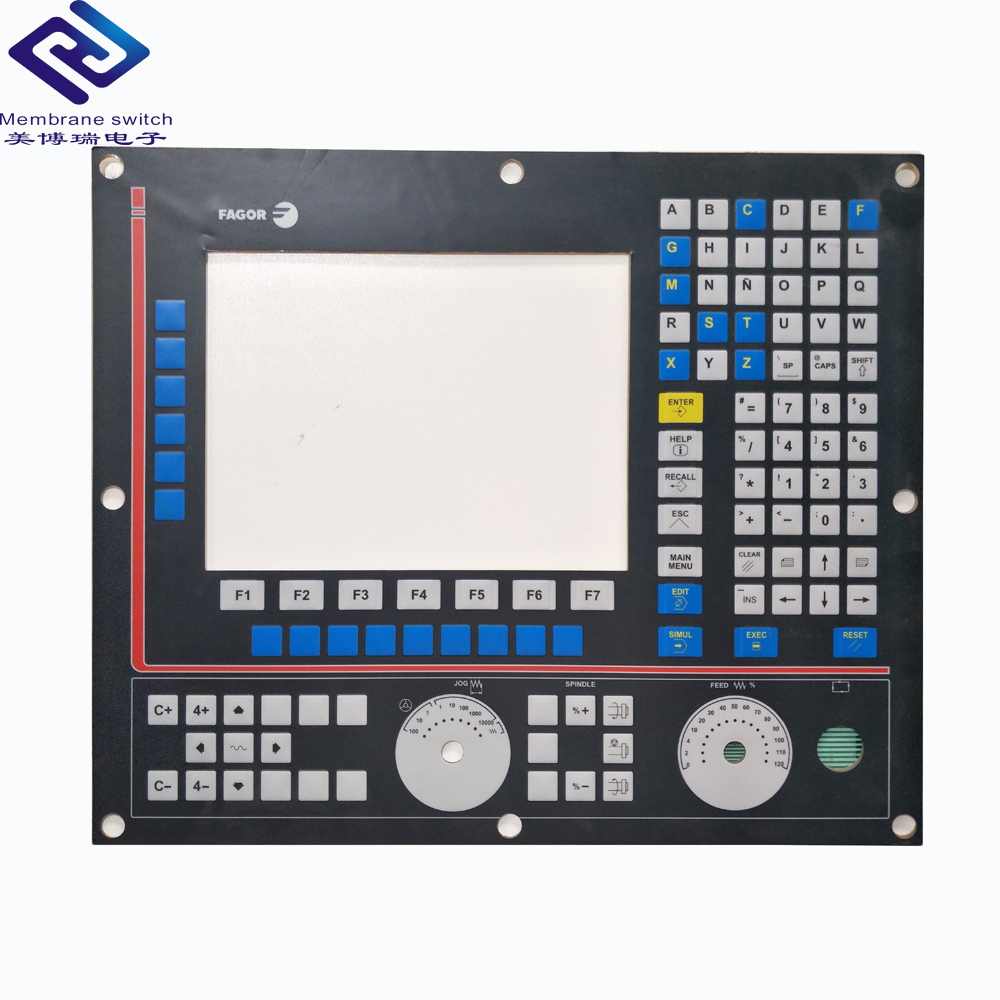
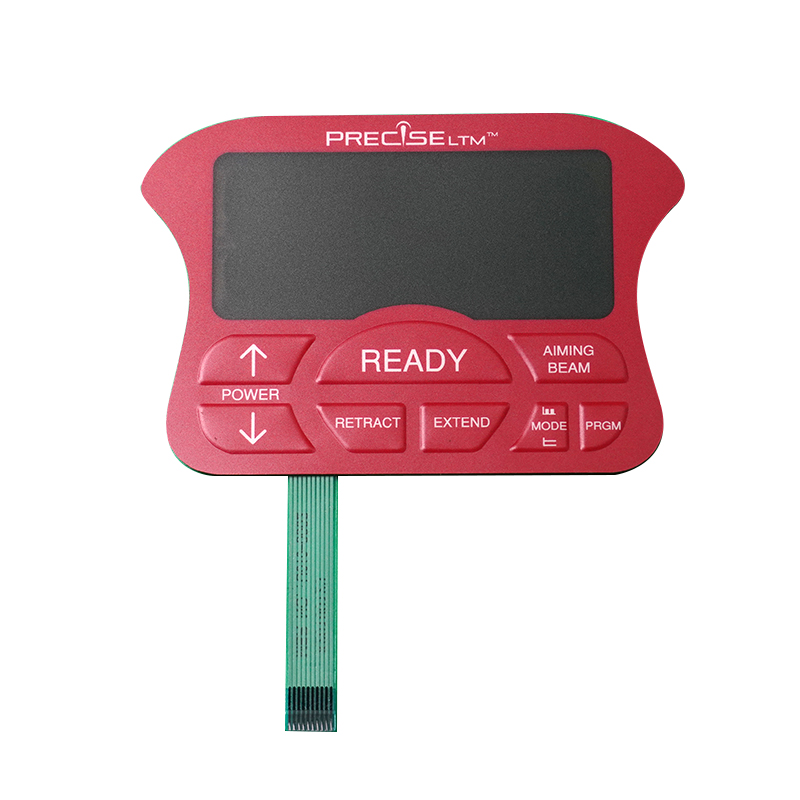
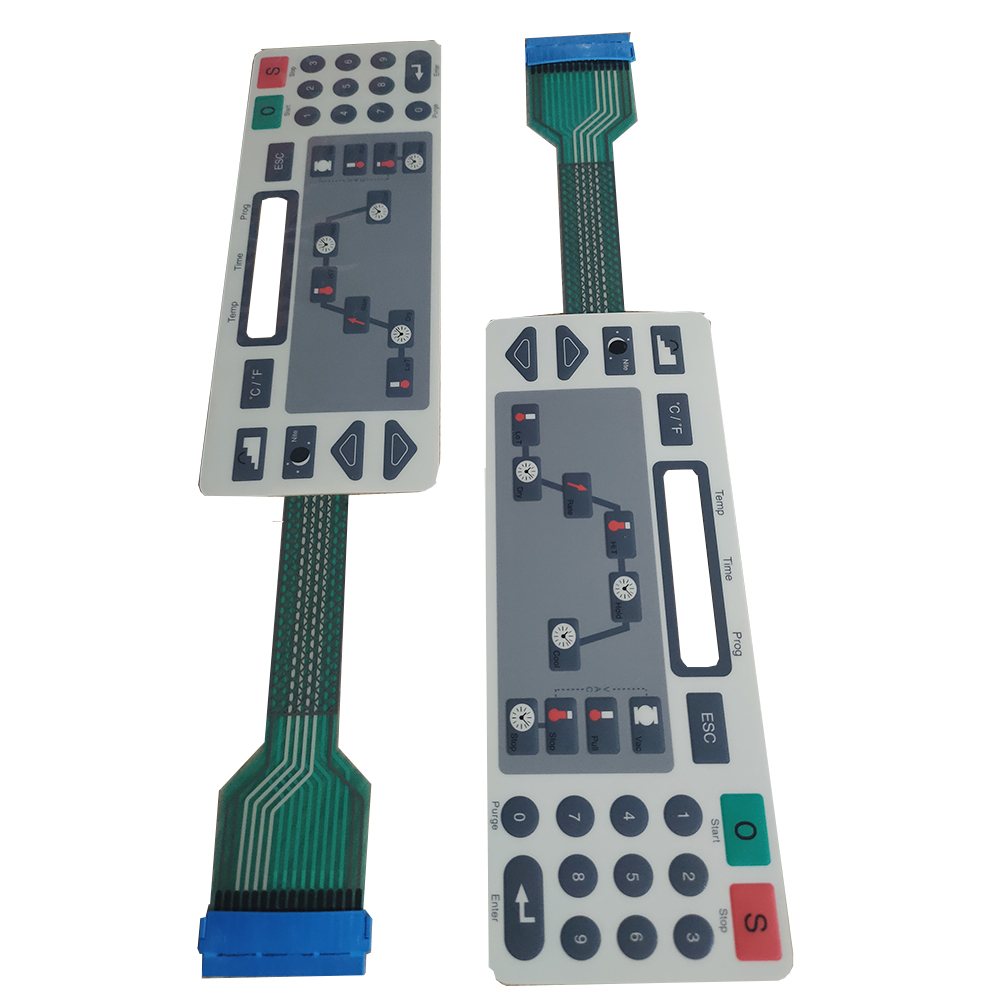
CNC Milling Machine Keypad Membrane Control Panel for Industrial CNC Panel
Chemical Resistant
Tactile Metal Dome
Get a Quote
Explore our export-certified capacitive sensor panels, industrial membrane switches, and tactile interface assemblies manufactured under strict ISO 9001 precision protocols for harsh deployment conditions.
A comprehensive examination of dielectric substrate selection, optical clarity matching, and electro-magnetic shielding engineered specifically for mission-critical Australasian hardware developers.
The operational fidelity of projected capacitive touch (PCAP) panels relies strictly on dielectric permittivity (εr) stability. When industrial controllers transition across fluctuating outdoor thermal cycles, cheap substrate materials cause parasitic capacitance drift and ghost touches.
By specifying tightly calibrated sub-millimeter adhesive spacers, we maintain continuous charge-discharge signal curves even under mechanical vibration.
Locomotive traction systems, heavy variable frequency drives (VFDs), and high-output dairy pumping units generate severe electro-magnetic radiated noise. Sub-standard capacitive touch controllers suffer from high false-trigger rates in these environments.
Our capacitive sensor stacks regularly exceed EN 61000-4-3 radiated immunity criteria (10 V/m from 80 MHz to 1 GHz), safeguarding industrial plant continuity.
Internal condensation is the primary failure mode of HMI equipment installed across maritime oceanic climates. Air gaps between the sensor glass and display panel allow dew point crystallization, ruining readability and sensitivity.
Optical bonding achieves 99.2% light transmittance, cutting reflections by 82% and ensuring outdoor daylight readability under 100,000 lux southern sun exposure.
New Zealand's core economic drivers—agritech, dairy automation, marine electronics, clean infrastructure, and geothermal power generation—demand human-machine interfaces that withstand environmental conditions rarely seen in standard consumer markets.
New Zealand’s industrial dairy sector—centered in the Waikato, Canterbury, and Southland basins—operates under aggressive clean-in-place (CIP) washdown procedures. Keypads on pasteurizers, milking carousels, and curd processing units are exposed daily to high-pressure hot caustic water sprays and aggressive chemical sanitizers containing sodium hydroxide and nitric acid.
Traditional mechanical switches with micro-gaps collect bacteria and fail when seals crack under 1,500 PSI steam cleanings. Our capacitive sensor panels feature continuous monolithic front overlays constructed from hard-coated, texturized Autotex® PET laminated with specialized 3M 300LSE acrylic adhesives.
Integrated capacitive logic controllers are calibrated with custom water-droplet rejection algorithms, preventing false trigger activations when milky fluid or hot condensing mist washes across the interface surface.
From commercial fishing fleets operating out of Nelson and Lyttelton to luxury superyachts berthed in Auckland’s Waitematā Harbour, marine instrumentation faces a punishing combination of salt aerosol corrosion, constant UV bombardment, and heavy spray.
Salt deposits left behind after seawater evaporation create conductive bridges across switch surfaces, causing ordinary capacitive sensors to register continuous accidental touches. Our engineering team combats this using dual-channel mutual capacitive tracking arrays coupled with hydrophobic and oleophobic nano-coatings.
| Test Parameter | Standard Commercial Grade | TAVO Marine/NZ Export Spec |
|---|---|---|
| Salt Fog Resistance (ASTM B117) | 48 Hours | 96 - 168 Hours Certified |
| UV Solar Aging (Xenon Arc) | 200 Hours ΔE > 3.0 | 1,000+ Hours ISO 4892-2 No Yellowing |
| Glove Operation Compatibility | Bare Finger Only | 5mm Neoprene & Nitrile Glove Support |
| Operating Temp Envelope | 0°C to +50°C | -30°C to +85°C Extended Thermal Range |
These specifications ensure navigational charts, sonar controllers, and deck winch consoles remain perfectly responsive even when wet with ocean water or operated with heavy fishing gloves.
New Zealand's geothermal energy facilities surrounding the Taupō Volcanic Zone—such as Wairakei, Ngawha, and Kawerau—expose instrumentation to ambient airborne Hydrogen Sulfide (H2S), sulfur dioxide, and extreme geothermal humidity. Standard silver-ink flex circuits suffer from severe silver migration and sulfide dendritic shorting within months of installation.
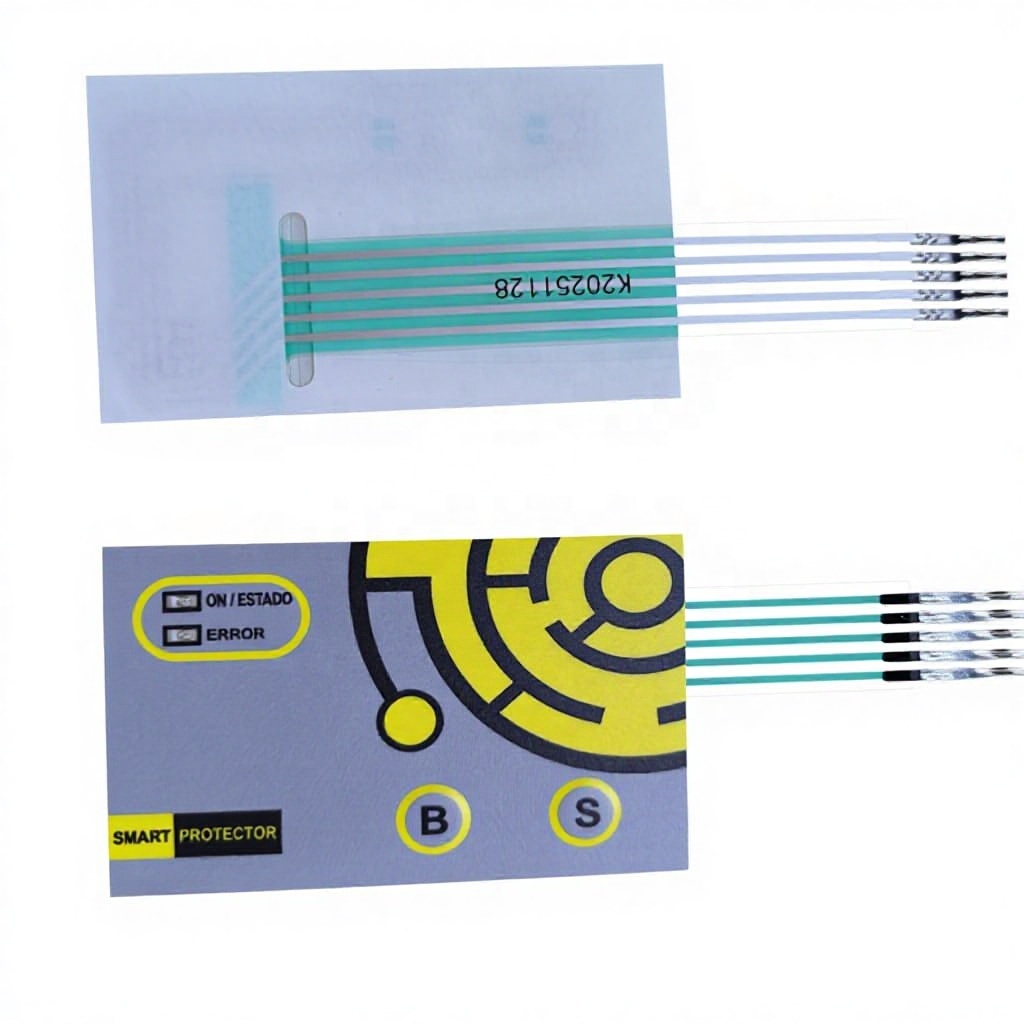
To eliminate atmospheric sulfur attack, we construct specialized high-density FPC (Flexible Printed Circuit) membrane switches utilizing rolled annealed copper conductors protected by electroplated immersion gold (ENIG) contacts and solid polyimide coverlays, completely isolating the electrical paths from airborne volcanic gas infiltration.
For forestry loaders and mill processors in the Bay of Plenty and Hawke's Bay, these assemblies are bonded to 3mm anodized aluminum backers capable of absorbing repeated multi-axis shock and heavy operator vibration.
Smart agriculture startups in Canterbury and automated vineyard machinery developers across Marlborough are rapidly deploying autonomous tractor implements, GPS soil samplers, and precision fruit sorting machinery. These systems require intuitive, ultra-compact control interfaces that survive sub-zero Central Otago winter frosts as well as blazing UV-heavy South Island summer days.
We supply local equipment builders with sunlight-readable projected capacitive touch sensors optically bonded to ultra-high brightness TFT panels. Integrated tactile feedback can be incorporated using miniature haptic vibration drivers, giving operators definitive actuation confirmation even through rugged tractor cab vibrations or winter utility gloves.
A strategic overview of evolving compliance mandates, smart connectivity integration, and environmental sustainability driving touch sensor design choices across Australasian engineering departments.
The Electrical Safety Regulatory Management Authority requires industrial devices to bear the Regulatory Compliance Mark (RCM). Touch sensor panels linked to microcontrollers must meet strict AS/NZS CISPR 32 standards for conducted and radiated emissions.
Our integrated sensor FPCs incorporate dedicated edge EMI shielding, ferrite choke trace routing, and ESD suppression rings rated for ±15kV air discharge and ±8kV contact discharge, dramatically shortening your timeline through certified Auckland and Christchurch test laboratories.
While consumer devices rely 100% on flat projected touchscreens, heavy industrial operators demand physical tactile assurance for high-risk operations like emergency stops, winch control, and blade speed manipulation.
The newest trend across New Zealand engineering is the "Hybrid HMI": combining a central multi-touch capacitive display window with perimeter tactile metal dome buttons embossed directly into a continuous monolithic graphic overlay. This delivers modern digital flexibility while retaining mechanical tactile feedback.
With global supply line disruptions threatening hardware prototype cadences, New Zealand OEM product development teams can no longer tolerate 16-week lead times or exorbitant 10,000-piece Minimum Order Quantities (MOQs) from inflexible suppliers.
TAVO solves this through rapid New Product Introduction (NPI) workflows. By utilizing Mimaki heat-setting digital UV printers alongside 60 CNC precision mold-making machines, we deliver fully verified, production-grade custom functional samples to Auckland, Wellington, or Christchurch in as few as 7 business days.
Direct from our dual-facility manufacturing bases in Hebei and Guangdong, TAVO combines thirty years of switch manufacturing heritage with German technical collaboration and advanced Intertek-inspected quality controls.
Unlike trading intermediaries who broker orders across disparate workshops, every critical phase of your interface assembly is performed strictly in-house at TAVO facilities. From initial CAD drawing conversion, photo-tooling, and precision screen printing to digital UV reproduction, laser cutting, cleanroom laminating, and 100% automated circuit verification, our complete manufacturing process lives under one unified quality management umbrella.
Our long-term technical collaboration with a premier German membrane switch manufacturer ensures our tooling tolerances, conductive ink formulations, and actuation lifecycle test protocols meet the highest European and Australasian industrial expectations.
Clear, technical, and transparent answers regarding logistics, import documentation, compliance testing, and custom prototyping for New Zealand manufacturers.
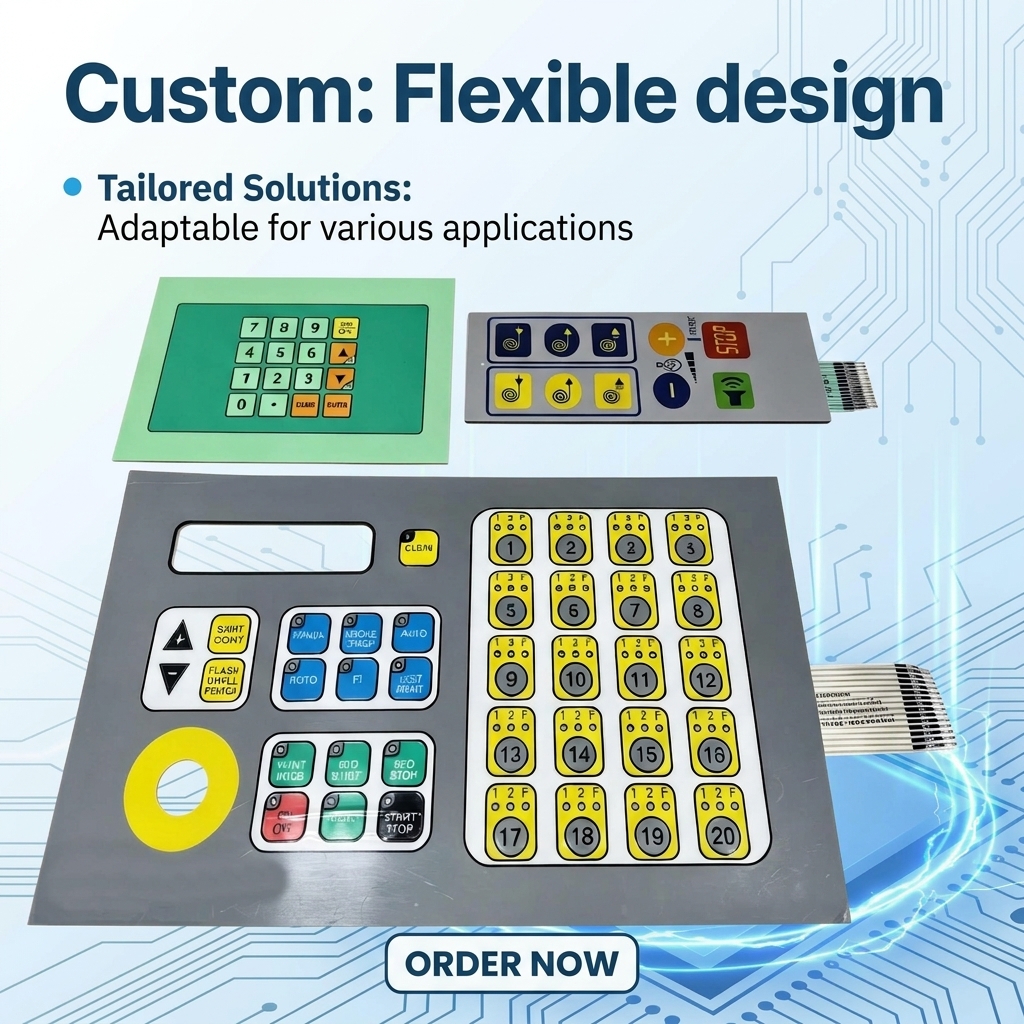
Collaborate directly with senior membrane switch and touch sensor architects who understand your industry requirements. Send us your project CAD files, graphic designs, or performance specifications for an immediate manufacturability audit and customized quotation.
Connect with our technical sales division now to discuss prototypes, material samples, or immediate volume procurement.
Get a Quote Response Guaranteed within 12 Hours Across NZ Timezones