IP65 Ingress
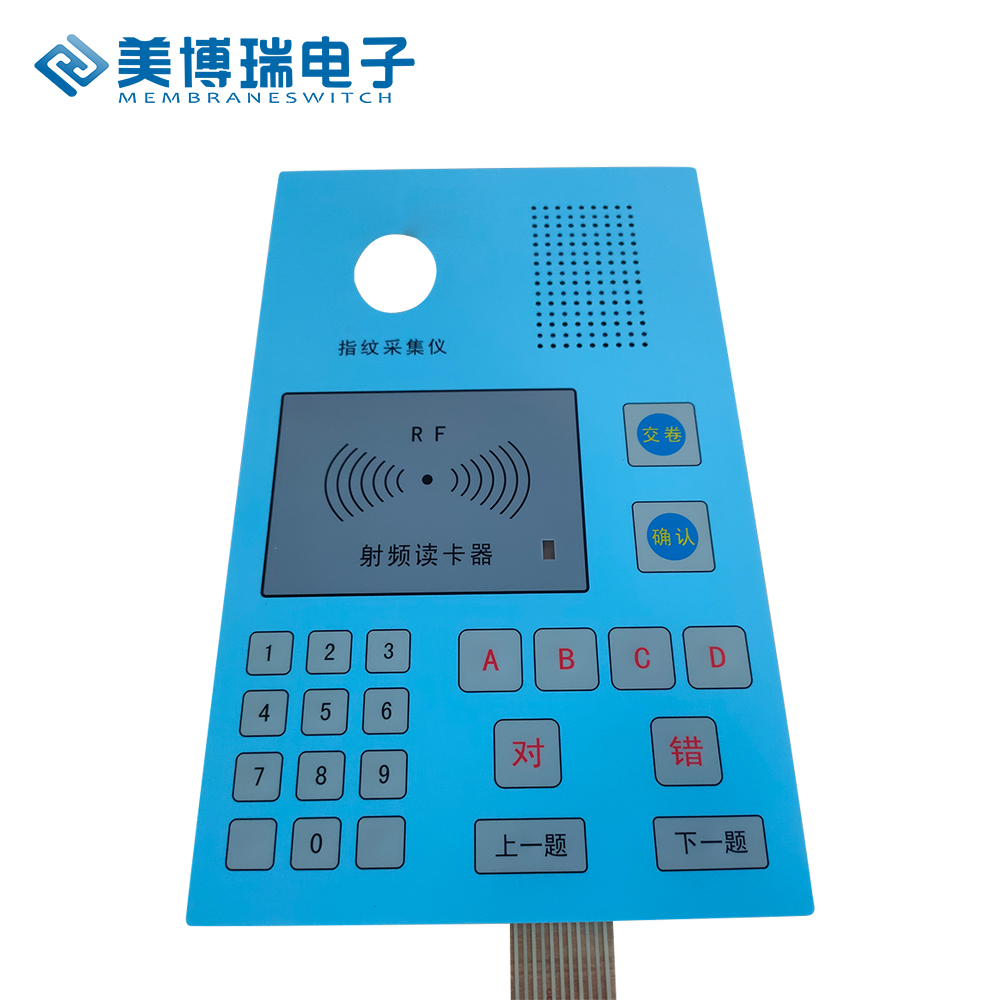
High-Precision Optical Grade Acrylic (PMMA) & Polycarbonate HMI Protection Windows, Anti-Glare Surface Treatments, and Conductive Sealed Interfaces for Industrial & Medical OEMs across North West England.
Explore our complete portfolio of CE-certified transparent acrylic display windows, optical bonding graphic overlays, and environmentally sealed control panels tailored for harsh British engineering environments.
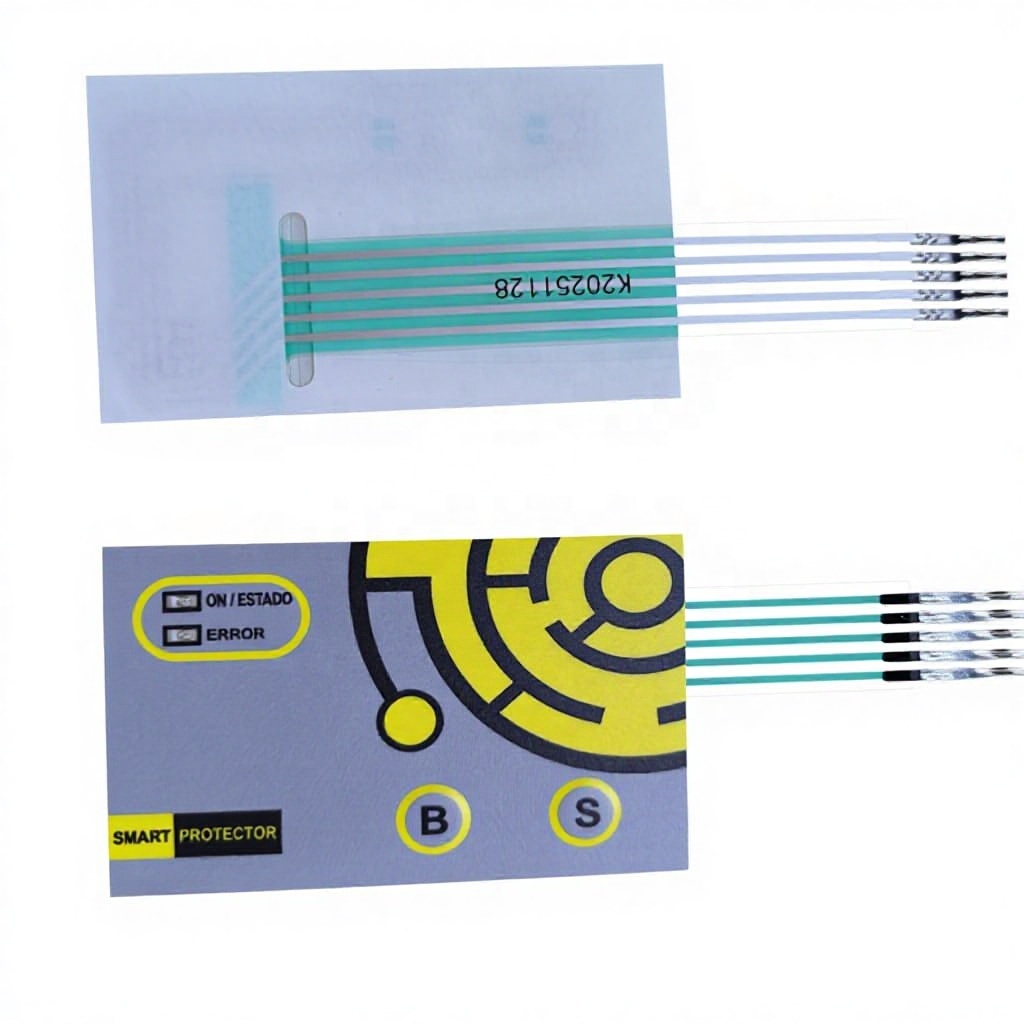
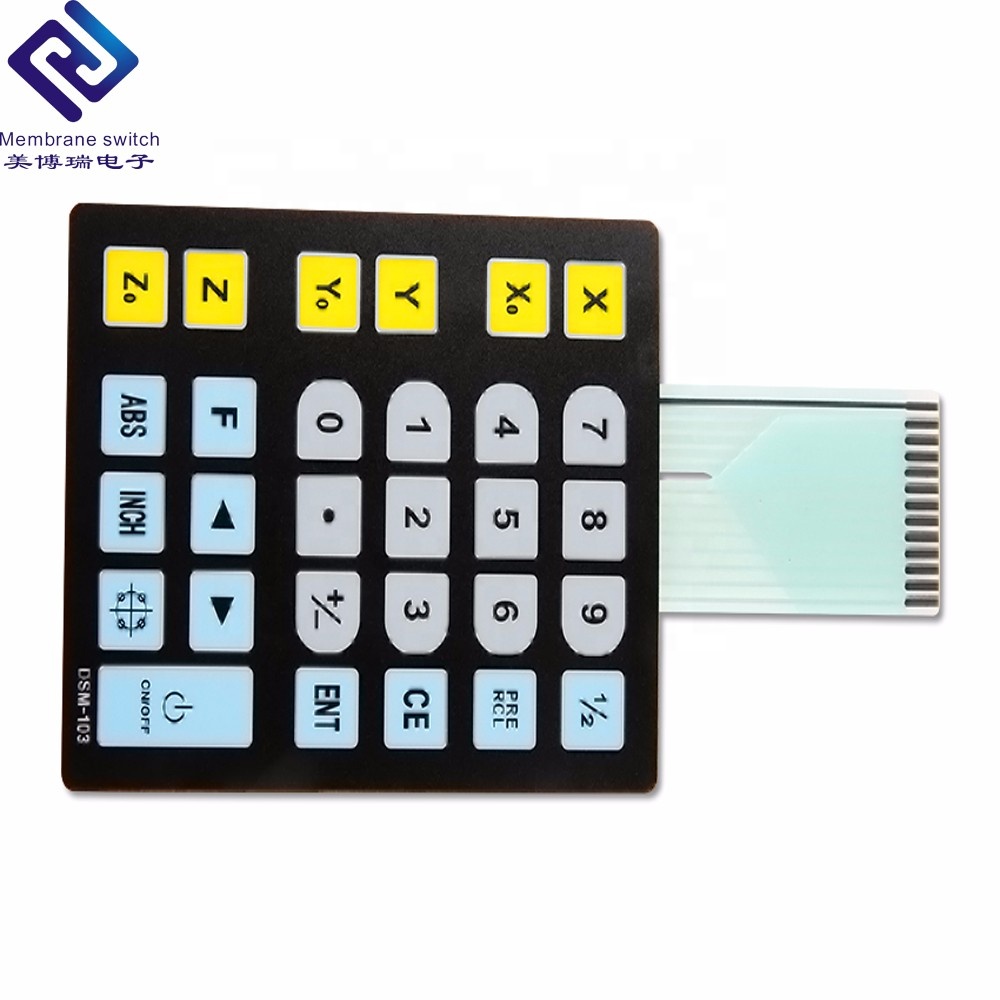
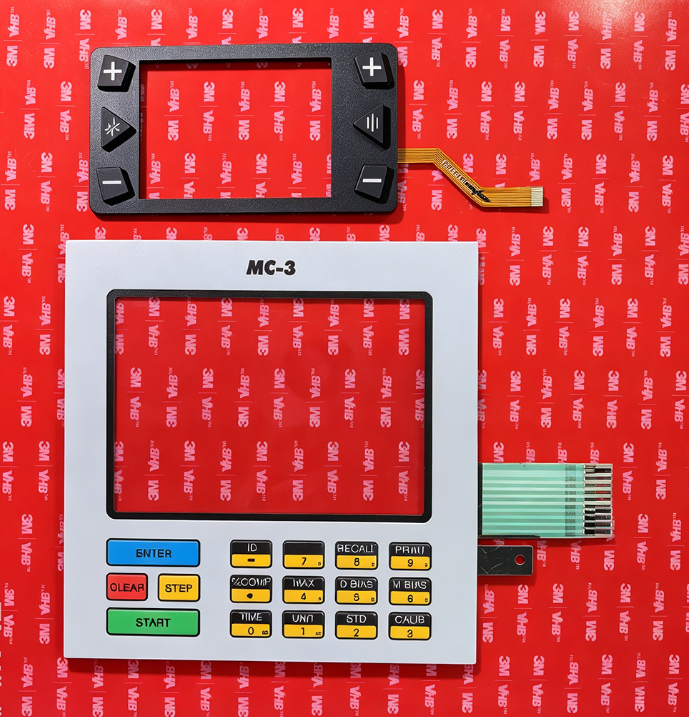

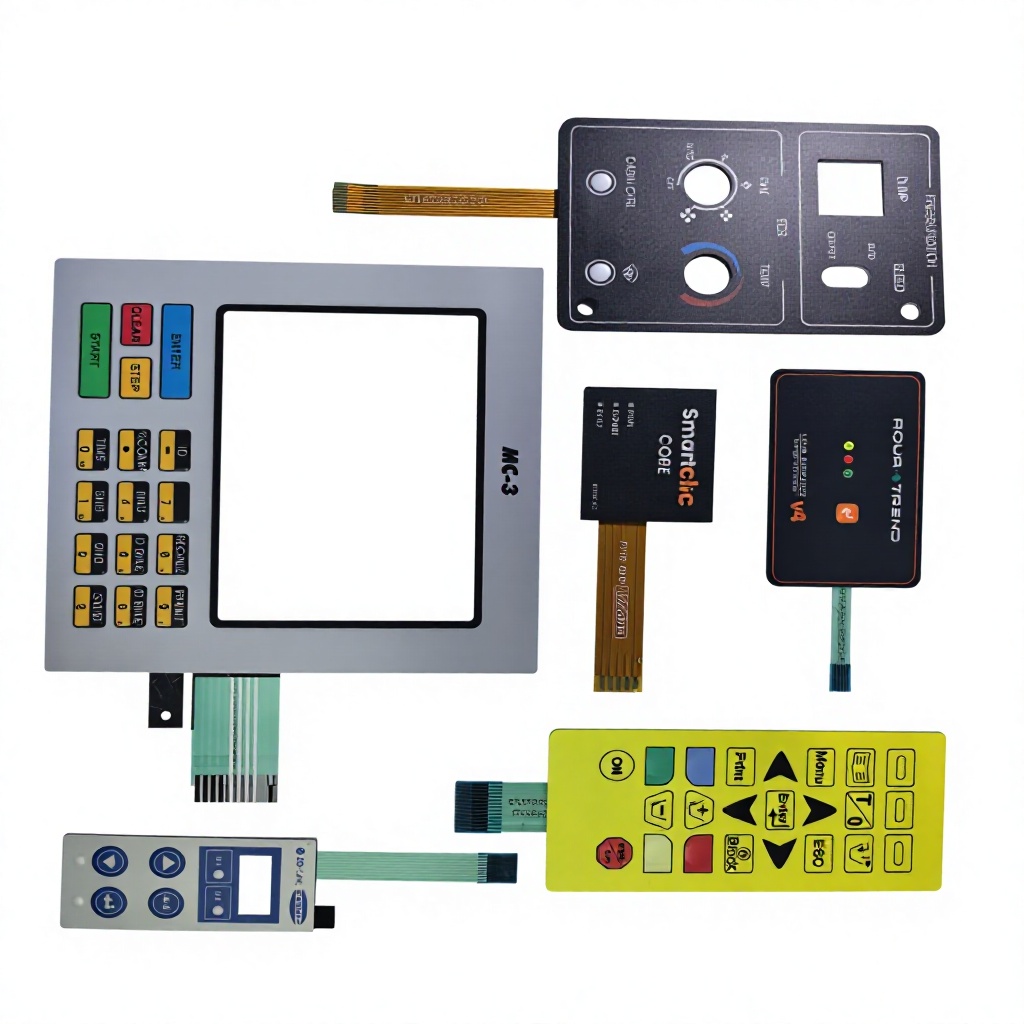
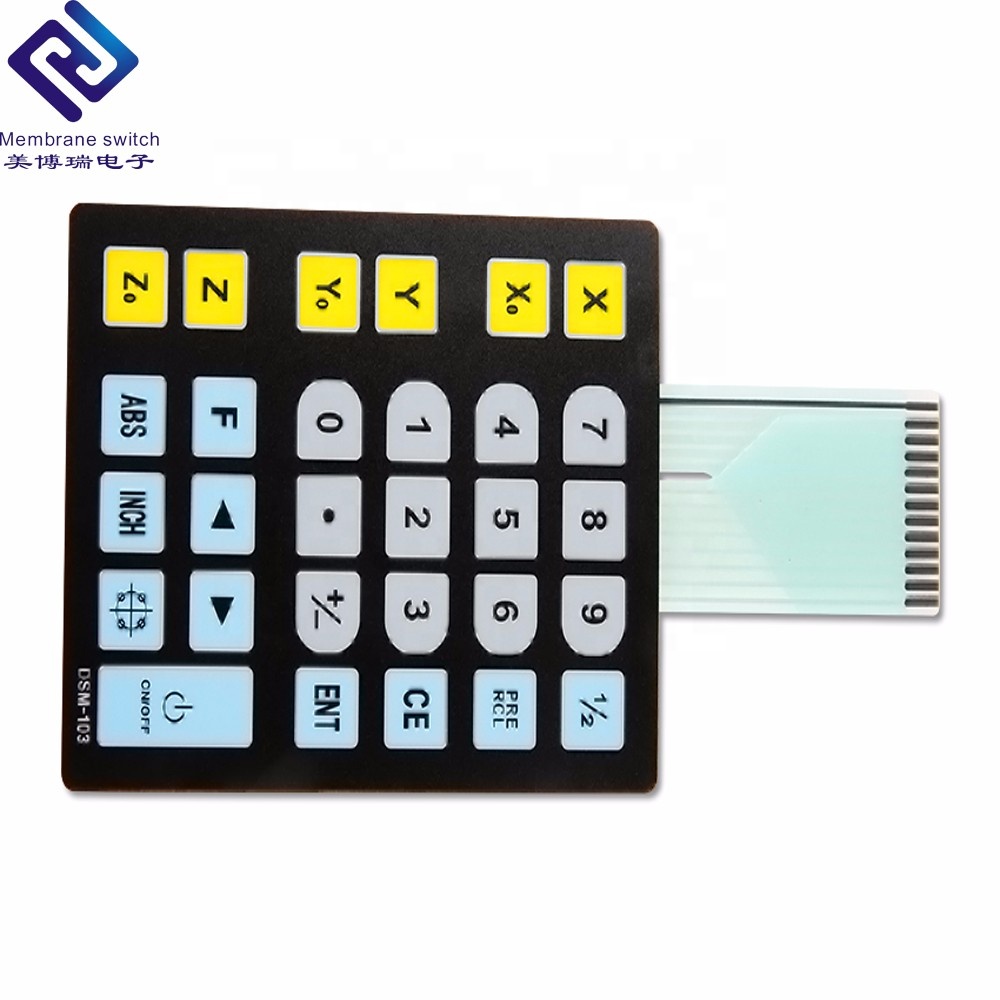
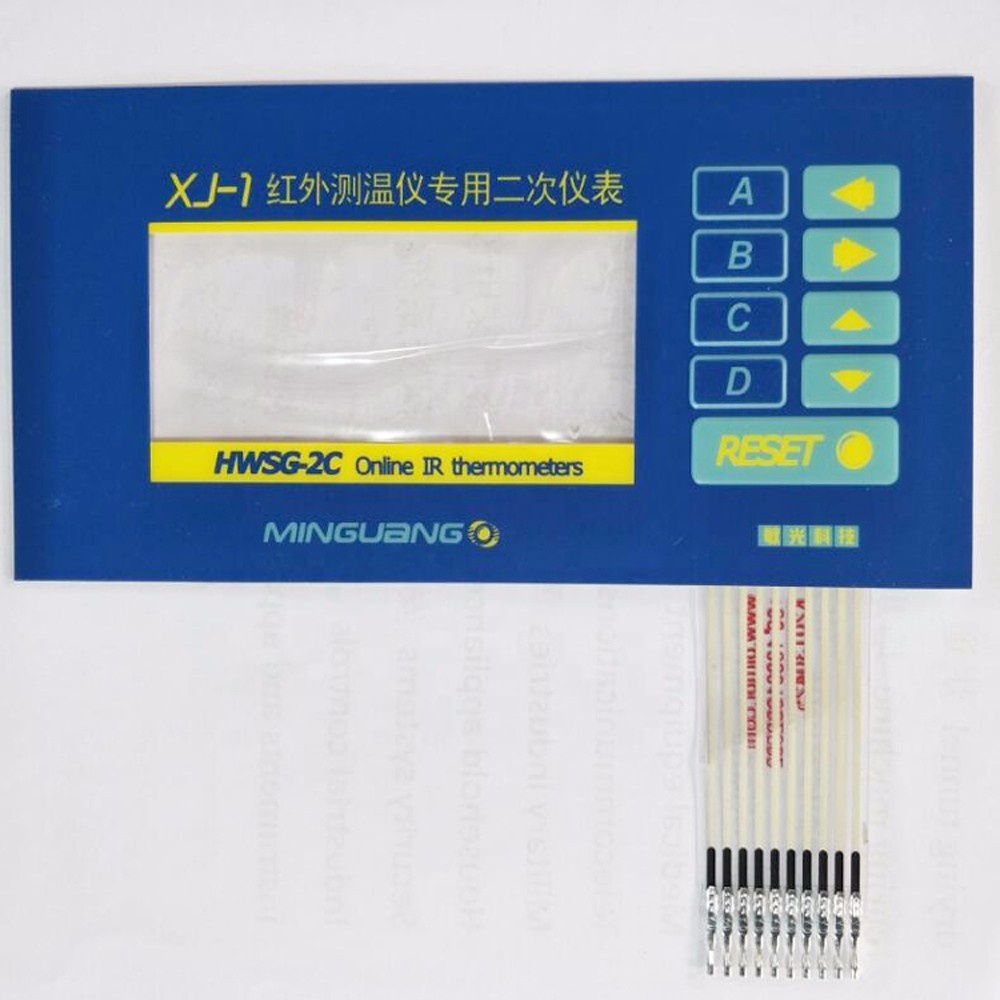
In modern industrial Human-Machine Interfaces (HMI), digital instrumentation, and medical diagnostic consoles, the display window is neither a passive component nor a simple aesthetic cover. It serves as the primary environmental barrier safeguarding vital LED, LCD, OLED, and TFT displays against mechanical impact, chemical cleaning agents, particulate ingress, and moisture. For procurement teams and design engineers serving Greater Manchester, Trafford Park, and the North West manufacturing hub, specifying display windows requires strict adherence to CE safety directives, UKCA standards, and rigorous mechanical tolerances.
At TAVO Electronic Information Technology Co., Ltd., we fabricate custom acrylic (PMMA - polymethyl methacrylate) display windows and polycarbonate (PC) front overlays engineered to balance pristine optical clarity with relentless structural resilience. Incorporating technical expertise honed through decades of German technical cooperation, our windows withstand the aggressive cleaning chemicals common in pharmaceutical facilities and food processing plants across the UK.
Selecting between acrylic and polycarbonate depends on optical requirements, scratch exposure, impact risk, and UV exposure:
| Physical & Optical Metric | Cast / Extruded Acrylic (PMMA) | Polycarbonate (PC) Resin | TAVO Engineered Hardcoated PMMA |
|---|---|---|---|
| Luminous Transmission (ASTM D1003) | 92% – 93% (Near-glass clarity) | 86% – 89% | > 92.5% (High clarity optically matched) |
| Surface Hardness (Pencil Test ASTM D3363) | 2H – 3H | HB – B (Prone to hairline micro-scratches) | Up to 6H – 8H (Silicon nano hardcoat) |
| Impact Resistance (Izod Notched kJ/m²) | 1.5 – 2.0 | 60.0 – 75.0 (Virtually unbreakable) | 4.5 – 6.0 (Optimized for heavy HMI bezels) |
| Refractive Index (nD @ 20°C) | 1.491 | 1.586 | 1.490 (Optically transparent, OCA bonded) |
| Chemical & IPA Cleanability | Moderate; vulnerable to solvents | Sensitive to aliphatic hydrocarbons | Superior: Resistant to IPA, ethanol, and acids |
| CE & Environmental Compliance | RoHS 2011/65/EU, REACH SVHC | RoHS 2011/65/EU, REACH SVHC | Full CE, UKCA, REACH, and UL94 Flammability |
For electronic equipment marketed across the UK and the European Economic Area, CE marking requires compliance with the Low Voltage Directive (LVD) 2014/35/EU, Electromagnetic Compatibility (EMC) Directive 2014/30/EU, and RoHS Directive 2011/65/EU. Our display windows support these directives through tailored properties:
Manchester is the beating heart of the UK's Northern Powerhouse. From the heavy distribution centers of Trafford Park to the biomedical research facilities on the Oxford Road Corridor, local manufacturers demand display interfaces engineered to endure regional operating conditions.
Trafford Park and Salford logistics hubs rely on our IP65 sealed acrylic panels for forklift-mounted terminals, PLC monitoring systems, and automated sorting conveyors. Windows endure constant physical vibration and heavy dust while maintaining crystal-clear barcode and display visibility.
Serving laboratories and diagnostic device builders across Manchester's Life Sciences cluster. Our optical windows integrate anti-microbial hardcoats and seamless OCA bonding, withstanding aggressive disinfectant washes with Isopropyl Alcohol (IPA) and bleach without fogging or crazing.
In humid industrial food production environments across Lancashire and Cheshire, glass breakage represents a critical contamination risk. Our shatterproof acrylic and polycarbonate display windows meet British Retail Consortium (BRC) foreign-body contamination standards with washdown-proof seals.
The manufacturing landscape in the North West of England is advancing rapidly toward digital decarbonization, automated factories, and strict ergonomics. Our engineering and technical teams have identified three key shifts defining regional OEM display procurement:
To eliminate occupational hazards and fragile transport liability, UK system designers are replacing soda-lime glass with 6H hardcoated PMMA. This reduces tare weight by 50% while delivering 92% optical clarity and drop impact resilience under EN 62262 (IK07/IK08 rating).
Modern HMI consoles in high-ambient lighting require Optically Clear Adhesive (OCA) full lamination between the display window and the TFT/OLED display. This eliminates the internal air gap, cutting reflective surface loss from 8.5% down to under 0.5% and ending condensation risks.
Factory environments across Manchester feature mixed overhead LED illumination that can blind operators. Chemical etching and multi-layer vacuum sputtering reduce specularity, enabling wide viewing angles and touch accuracy under diverse lighting conditions.
Selecting an offshore fabrication partner for optical windows requires verifiable credentials, process accountability, and rigorous testing capabilities. Here is why blue-chip engineering teams like Siemens, ABB, and Haier partner directly with TAVO:
We run an integrated production model: CAD drafting, precision silk-screening, Mimaki digital UV flatbed printing, cleanroom OCA window laminating, laser profiling, and multi-axis CNC routing are all performed under one roof. No outsourced contractors, no hidden quality vulnerabilities.
With a lineage reaching back to 1990 and long-term technical cooperation with a German membrane interface partner, our tooling and quality control processes align precisely with European DIN and ISO specifications.
Our on-site test facility includes computerized circuit continuity testers, automated button actuation cycle rigs (1,000,000+ clicks), programmable humidity/temperature chambers, xenon UV accelerated weathering devices, and salt spray fog testers.
Our operations span twin advanced hubs: Langfang Robot Industry Port (Hebei) and Huizhou (Guangdong). With dual-facility production balancing, your manufacturing schedules are shielded against local line bottlenecks.
Clear, definitive answers addressing procurement rules, lead times, optical specifications, and import considerations for engineering buyers in Greater Manchester and the UK.
Connect directly with our senior HMI engineering team. Receive comprehensive design review, material sample kits, optical transmission specifications, and rapid quotations for your Manchester or global manufacturing projects.