Recommended Backlit & Tactile Membrane Switches for Cluj-Napoca OEMs
Direct manufacturer supply of custom-designed human-machine interface assemblies engineered to withstand rigorous actuation cycles, industrial contaminants, and dynamic optical requirements.
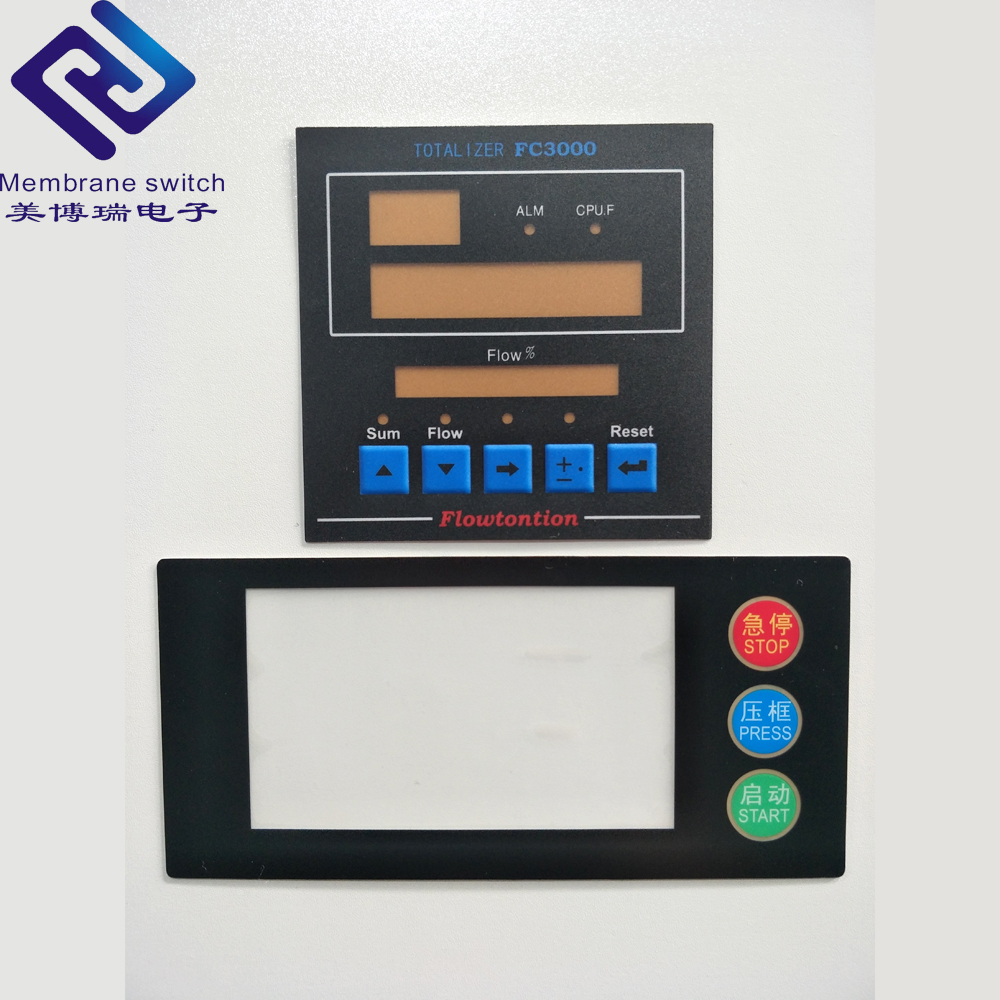
IP67 Waterproof Metal Dome LCD Membrane Keypad
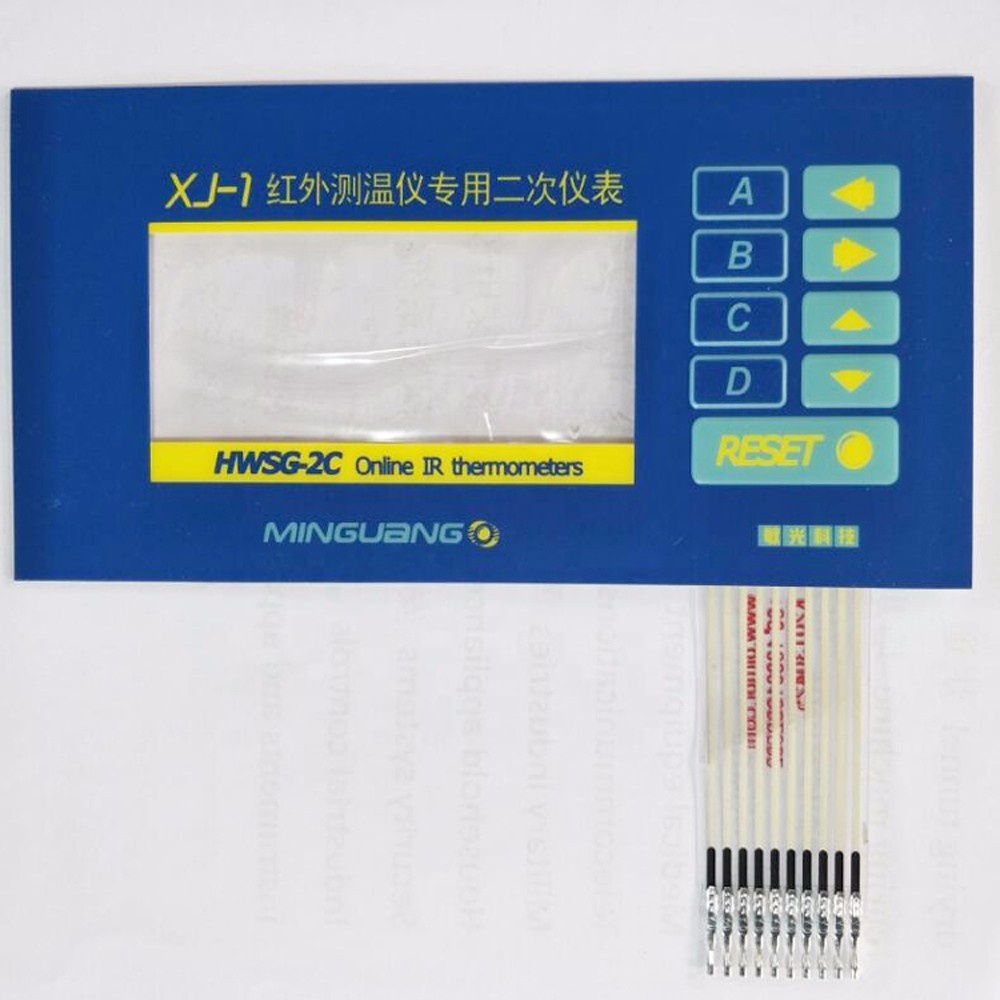
OEM PBT Keycaps Mechanical Switch Compatible
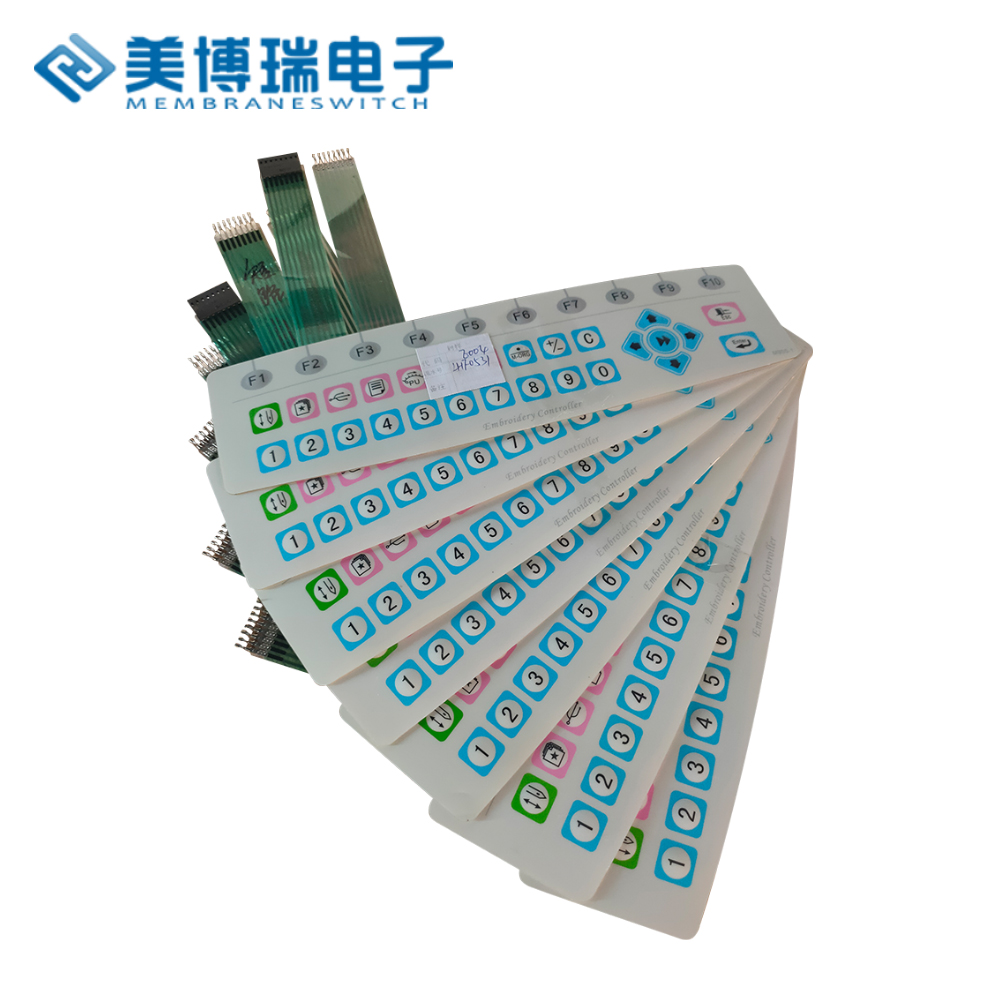
Flexible Waterproof Anti-Dust Membrane Control Panel
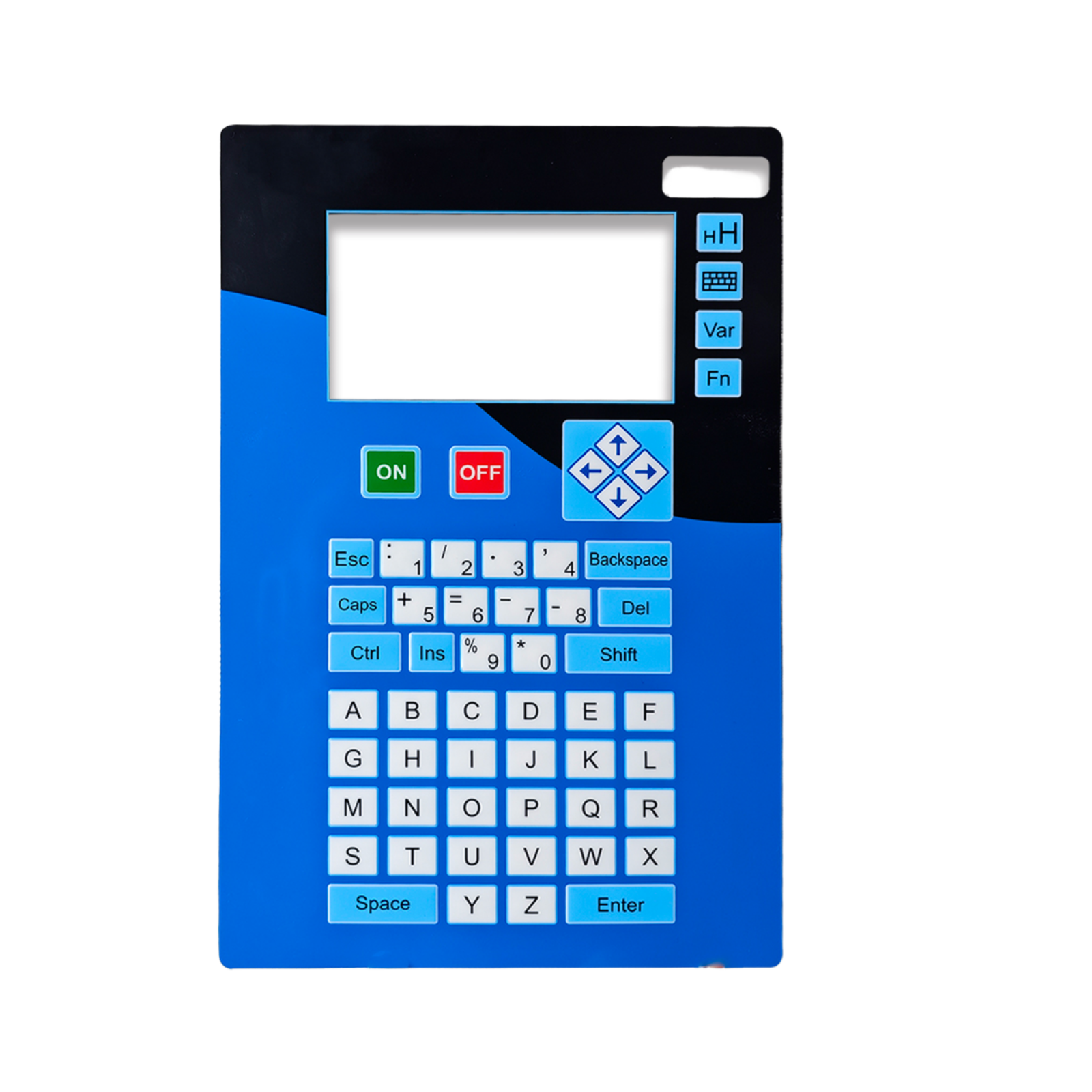
Embossed Metal Dome Waterproof Membrane Keypad
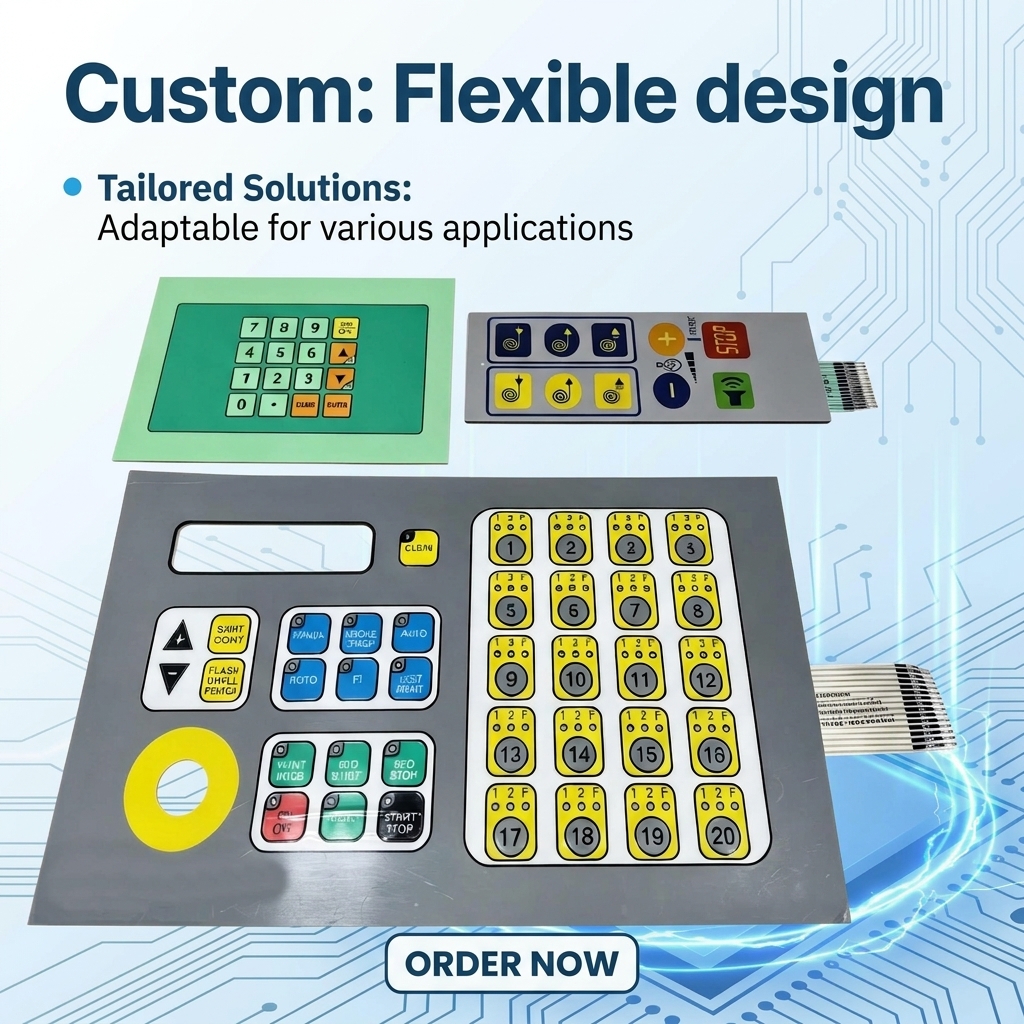
FPC LED Backlit Keypad for Locomotive Control
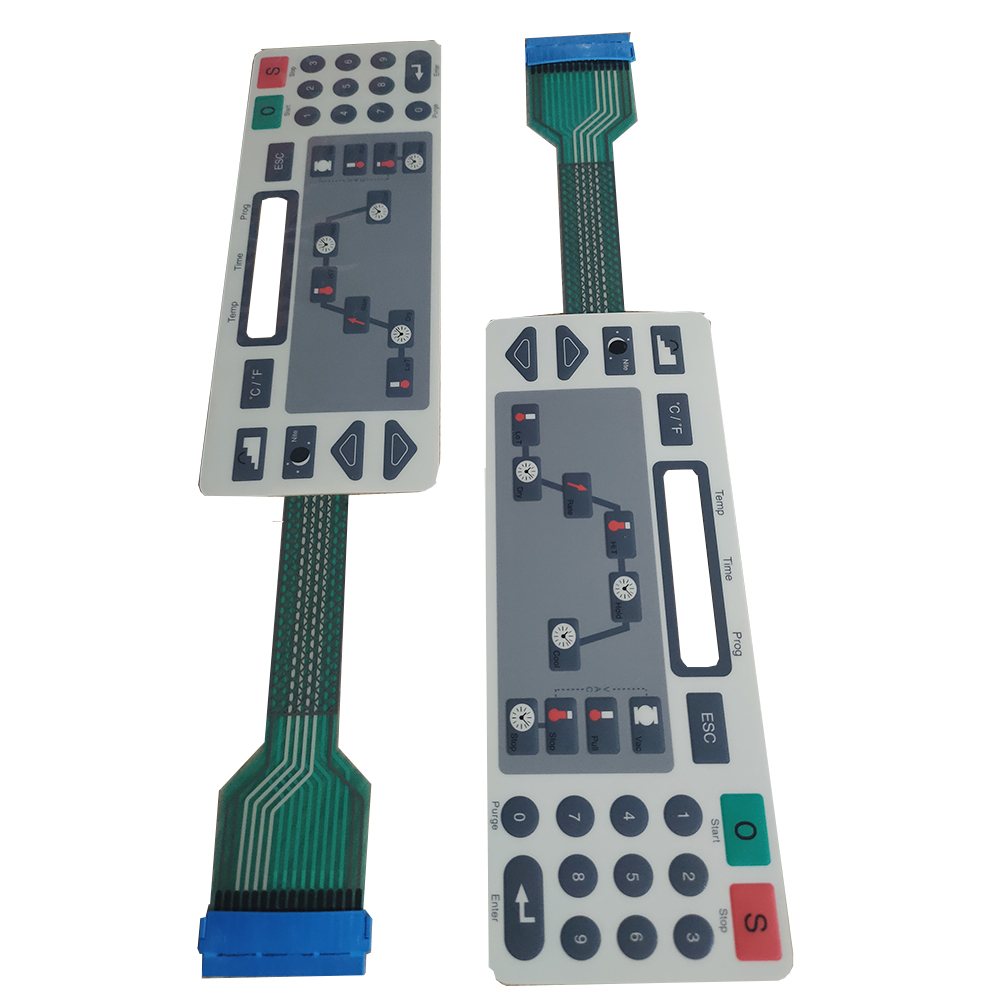
Acrylic Window IP67 Waterproof Membrane Switch
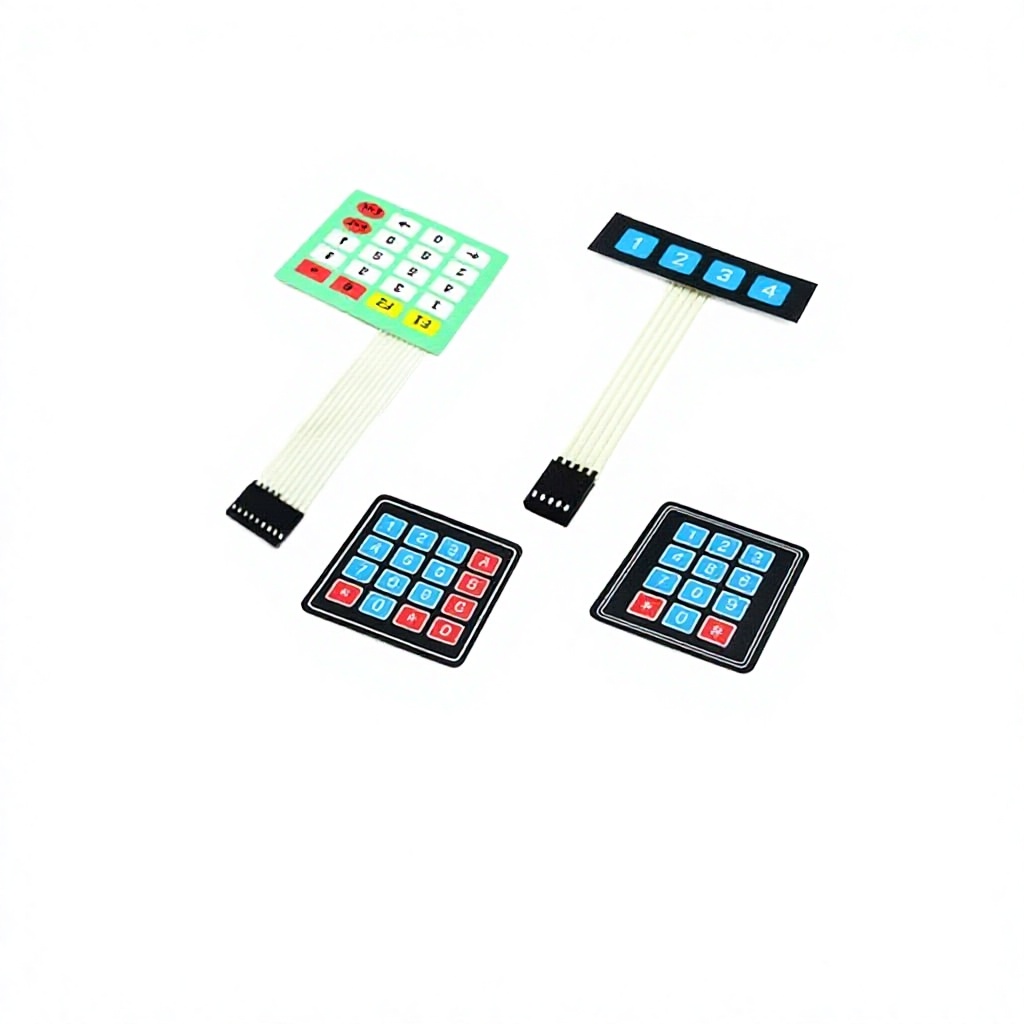
High-Reliability FPC Circuit Keypad for Test Benches
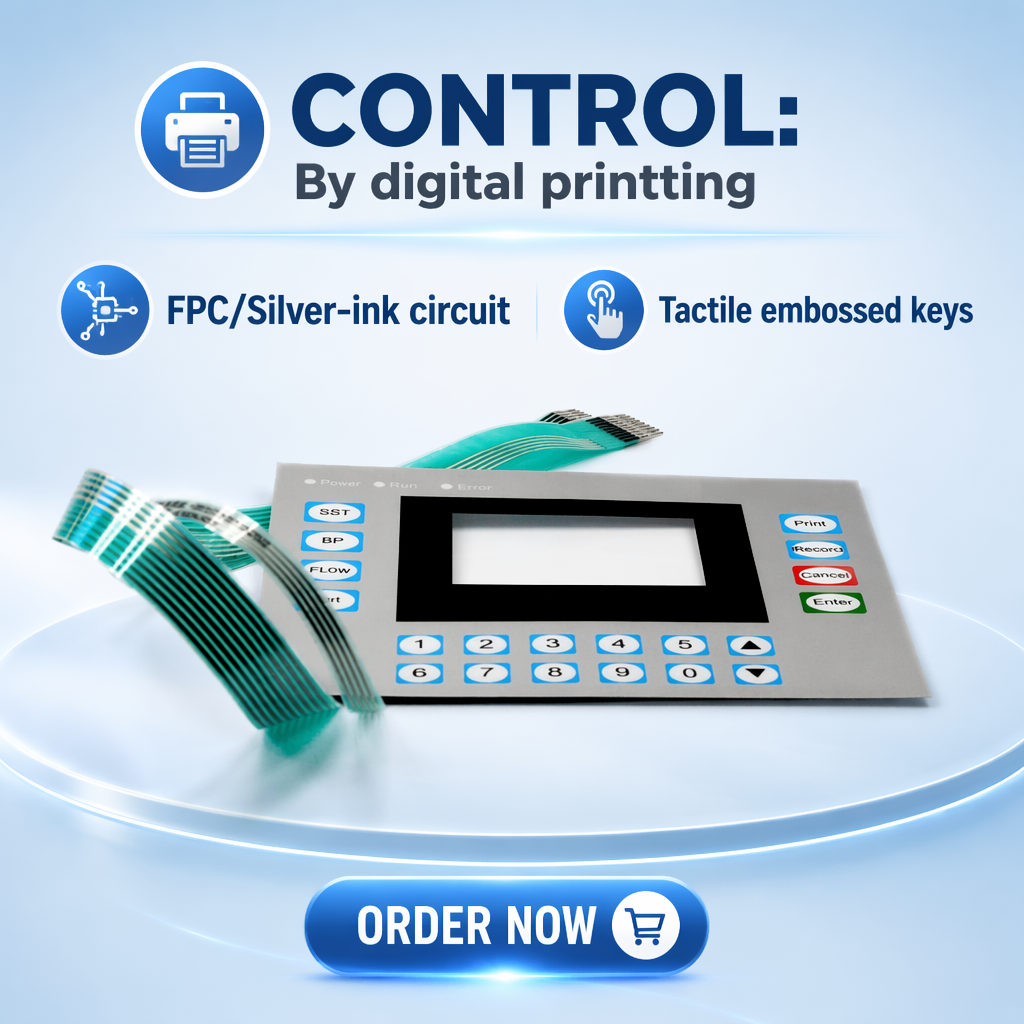
Embedded LED Backlight FPC Keypad for Smart HMI
Cluj-Napoca’s Industrial Transformation: The Strategic Role of Advanced HMI Systems
Historically celebrated as Transylvania's cultural capital, Cluj-Napoca has decisively emerged as the Silicon Valley of Eastern Europe. Driven by prestigious academic institutions like the Technical University of Cluj-Napoca (UTCN) and supported by regional technology clusters like the Cluj IT Cluster and Transilvania IT, the metropolitan region hosts a rapidly accelerating industrial hardware base. Sourcing professionals and hardware engineers in industrial zones such as Tetarom I, II, and III, as well as suburban manufacturing centers like Jucu and Apahida, are navigating a major transition: moving away from conventional off-the-shelf electro-mechanical switches toward custom, integrated, CE-marked human-machine interface (HMI) architectures.
The regional manufacturing profile is anchored by heavy capital investments in automotive electronic control units (ECUs), precision medical instruments, industrial IoT gateway devices, cleanroom monitoring systems, and automated consumer equipment. As Romanian production facilities transition toward Industry 4.0 paradigms, HMI components are no longer merely aesthetic faceplates; they are critical functional subsystems required to execute millions of reliable switching operations while presenting clear optical status feedback in challenging, high-ambient-noise, or dim operator environments.
Stringent CE Compliance
Romanian OEMs integrating HMIs into export-bound systems require unambiguous certification: compliance with the EMC Directive 2014/30/EU, Low Voltage Directive (LVD) 2014/35/EU, and strict adherence to RoHS 2011/65/EU & (EU) 2015/863 and REACH (EC 1907/2006).
Transylvania’s Tech Corridors
From automotive suppliers in Tetarom III to industrial machinery assemblers across the Cluj Metropolitan Area, demand has shifted toward sealed, backlit interfaces that protect sensitive logic boards from hydraulic mist, lubricants, and particulate contamination.
Next-Gen Backlighting Integration
Low-light testing rooms, railway cabs, and medical surgical suites demand zero "hot-spotting." Light Guide Film (LGF) and precision side-firing SMD LEDs deliver uniform key illumination without inflating thickness or power consumption profiles.
Engineering Deployments in the Cluj-Napoca Industrial Cluster
To satisfy the exacting specifications of procurement specialists and product design leads across the Cluj region, membrane keypads must address concrete environmental challenges. Below are the core localized engineering environments where backlit membrane interfaces play a vital mission-critical role:
1. Automotive Test Benches & Production-Line Programming Terminals
With Cluj functioning as a major Tier-1 development outpost for automotive embedded software, sensor calibration, and wire harness assembly, engineering teams build high-frequency test fixtures and end-of-line (EOL) programming benches. Membrane switches deployed here must endure over 1,000,000 tactile actuations using corrosion-proof stainless steel metal domes (nickel- or gold-plated) while resisting contact with cutting fluids, mineral oils, and cleaning solvents. Backlit legends allow operators working in dimly lit acoustic or vibration testing enclosures to immediately verify test sequence statuses without parallax error.
- • Substrate: Hard-coated Autotex XE Polyester with anti-glare finish.
- • Actuation Force: 300g to 420g crisp tactile snap feedback.
- • Shielding: Full aluminum or copper foil EMI/RFI grounding layer.
2. In-Vitro Diagnostic (IVD) & Hospital Laboratory Instrumentation
Cluj-Napoca’s vibrant biomedical startup ecosystem and university hospital research facilities require medical-grade membrane control interfaces. Keypads in these environments face daily sanitization protocols involving harsh agents like isopropyl alcohol, quaternary ammonium, and bleach solutions. Ingress protection to IP65 or IP67 standards prevents liquid migration into the internal switch circuitry. Furthermore, selective dead-front backlighting conceals diagnostic alarm indicators until a critical threshold is reached, streamlining emergency medical operator workflows.
- • Overlay Material: Antimicrobial Microban-infused polyester or MacDermid Autotex.
- • Illumination: Ultra-thin Light Guide Film (LGF) with dual-color SMD LED indicators.
- • Window Clarity: Scratch-resistant optical-grade clear windows for graphic OLED/TFT displays.
3. Smart Industrial Automation & Process Control Cabinets
Inside automated logistics distribution hubs and automated packaging facilities across Cluj County, control keypads are integrated directly into PLC enclosures, motor drives, and robot teach pendants. Extreme mechanical shock, ambient vibrations, and wide thermal swings (from Romanian winter temperatures of -20°C in unheated warehouses to +60°C inside sealed industrial cabinets) can cause standard adhesives to delaminate. TAVO utilizes genuine 3M 467MP, 468MP, or 300LSE acrylic adhesives specifically formulated to anchor keypads to painted steel, anodized aluminum, and low-surface-energy (LSE) molded plastics without bubble formation.
4. Rail Infrastructure & Smart Energy Grid Gateways
Building on experience supplying locomotive control interfaces, TAVO provides FPC-based backlit switches for regional rail signaling networks and renewable photovoltaic inverter cabinets installed throughout Central and Eastern Europe. These systems demand dielectric breakdown voltages exceeding 1.5kV DC, UV-stabilized graphic overlays impervious to solar yellowing, and flame-retardant polyimide circuits meeting UL 94-V0 ratings to ensure passenger safety and operational continuity.
Backlighting Technologies: LGF vs. Discrete LED vs. Electroluminescent (EL)
For hardware architects in Cluj-Napoca evaluating human interface aesthetics, readability, and power budgets, selecting the optimal backlighting modality is paramount. The table below outlines technical criteria derived from our ISO 9001 factory test laboratory data:
| Performance Parameter | Light Guide Film (LGF) Backlighting | Discrete Surface-Mount LED Backlighting | Electroluminescent (EL) Lamps | Fiber Optic Woven Panel |
|---|---|---|---|---|
| Luminous Uniformity | High (85% - 95%) Micro-dot extraction array | Localized / Spot highlights, potential hot-spotting | Ultra-High (>90%) Uniform planar glow | High (75% - 85%) Uniform distribution |
| Stack-Up Profile Impact | 0.125mm – 0.250mm ultra-slim film layer | Requires spacer cavity (0.8mm – 1.5mm) | 0.200mm – 0.350mm thin profile | 0.300mm – 0.500mm optical bundle |
| Operating Voltage / Driver | Low DC (2.0V – 3.4V) Standard microcontroller drive | Low DC (2.0V – 3.4V) Direct logic pin | High AC (60V – 120V AC, 400Hz) Inverter required | Low DC (driven via external high-power LED) |
| Operational Half-Life (L50) | > 50,000 – 100,000 Hours (SMD LEDs) | > 50,000 – 100,000 Hours | 3,000 – 8,000 Hours (Phosphor decay) | > 50,000 Hours (LED light source dependent) |
| EMI / RFI Generation | Zero Emissions DC circuitry | Zero Emissions DC circuitry | Moderate to High (Inverter AC switching hum) | Zero Emissions (Pure optical transport) |
| Tactile Actuation Feel | Maintains crisp snap feel through thin flexible film | Requires careful LED placement outside dome perimeter | Soft cushion, negligible dome displacement | Slightly stiffens tactile feel under key centers |
| Optimal Cluj-Napoca Application | Medical diagnostics, handheld instruments, smart panels | Status indicator pins, numeric pushbuttons | Legacy avionics (Phased out due to short lifespan) | Explosion-proof hazardous environment HMIs |
Enterprise Strengths: TAVO Electronic Information Technology Co., Ltd.
Combining German engineering disciplines with advanced domestic manufacturing infrastructure across Hebei and Huizhou.
Closed-Loop In-House Production
Every critical phase is conducted on-site without subcontracting: CAD drawing conversion, laser photoplotting, screen preparation, precision automated printing, digital UV flatbed imaging, CNC tactile embossing, high-speed laser die-cutting, cleanroom laminar assembly, and 100% computerized electrical continuity testing.
Dual-Factory Capacity & Redundancy
We operate dual production complexes in the Robot Industry Port of Xianghe Development Zone (Hebei) and Huizhou (Guangdong). This distributed capacity guarantees our European clients uninterrupted supply chain resilience, flexible batch scaling, and disaster recovery insurance that single-site suppliers cannot provide.
German Engineering Technical Partnership
Our long-term technical cooperation with a German membrane switch factory encompasses direct technology transfers, calibrated tooling standards, and reciprocal engineer training. This alliance ensures our circuit designs, trace pitch tolerances (down to 0.5mm), and tactile consistency align seamlessly with DIN and ISO industrial expectations.
Rigorous In-House Quality Assurance & Environmental Reliability Testing Lab
Rather than relying on generic batch declarations, every custom production lot is subjected to comprehensive optical, mechanical, and climatic stresses in our dedicated testing facility before dispatch to Cluj-Napoca:
Automated multi-station button life cycle test machines stress tactile domes continuously up to 5,000,000 actuations at calibrated angles, recording snap-ratio degeneration and electrical contact bounce.
Programmable humidity-temperature chambers cycle samples between -40°C and +85°C at 95% relative humidity to ensure no adhesive shear, ink bubbling, or trace resistance degradation occurs.
Automated salt spray fog chambers expose switch seals to continuous 5% NaCl aerosol tests, while xenon lamp aging chambers verify overlay polyester resistance to solar discoloration.
Frequently Asked Questions by Cluj-Napoca Engineering & Sourcing Teams
Real-world technical, logistical, and commercial inquiries answered by our senior applications engineering team.
How does TAVO ensure full CE certification and RoHS compliance for exports entering Romania?
What CAD files and technical documents are required to initiate custom HMI tooling?
- Graphic Overlay Artwork: Vector files formatted in Adobe Illustrator (.AI), CorelDRAW (.CDR), or Vector PDF, with colors specified using Pantone Matching System (PMS) codes or RAL references.
- Mechanical Layer Stack-Up: Outline drawings in AutoCAD (.DXF or .DWG) designating overall dimensions, cutout tolerances, display window locations, embossing styles (rim, pillow, or dome), and adhesive boundary relief.
- Circuit Schematic & Pin-Out: Schematic detailing common bus vs. XY matrix configurations, tail exit orientation, pitch requirements (standard 2.54mm, 1.27mm, or 1.0mm/0.5mm ZIF), and female housing types (such as FCI, Nicomatic, or Amphenol).
Can your factory accommodate low-volume prototype builds and small-batch pilot runs?
How do you achieve uniform backlighting across expansive key clusters without significant heat or thickness?
What are the typical logistics lead times and incoterms available for shipments to Cluj County, Romania?
How does TAVO prevent silver migration and maintain low contact resistance in humid operating conditions?
- Over-Printed Carbon Masks: On standard PET silver circuits, every contact point and high-voltage adjacent trace is fully encapsulated with an overlapping screen-printed conductive carbon ink layer, preventing moisture ionization of silver particles.
- Polyimide FPC Alternative: For high-density, mission-critical instrumentation, we replace printed silver pastes entirely with flexible printed circuits (FPC) utilizing etched rolled-annealed (RA) copper tracks plated with immersion nickel and electroless gold (ENIG). FPC traces remain impervious to dendrite migration and deliver loop resistances below 1Ω, ideal for sensitive analog sensor integration.