Precision Conductive Films & HMI Hardware for Scandinavian Industry
Each component is manufactured under controlled cleanroom conditions utilizing German-aligned printing tolerances, low-temperature polymer thick film (PTF) inks, and strict CE (EMC/RoHS/REACH) regulatory conformance to sustain harsh Nordic operating environments.
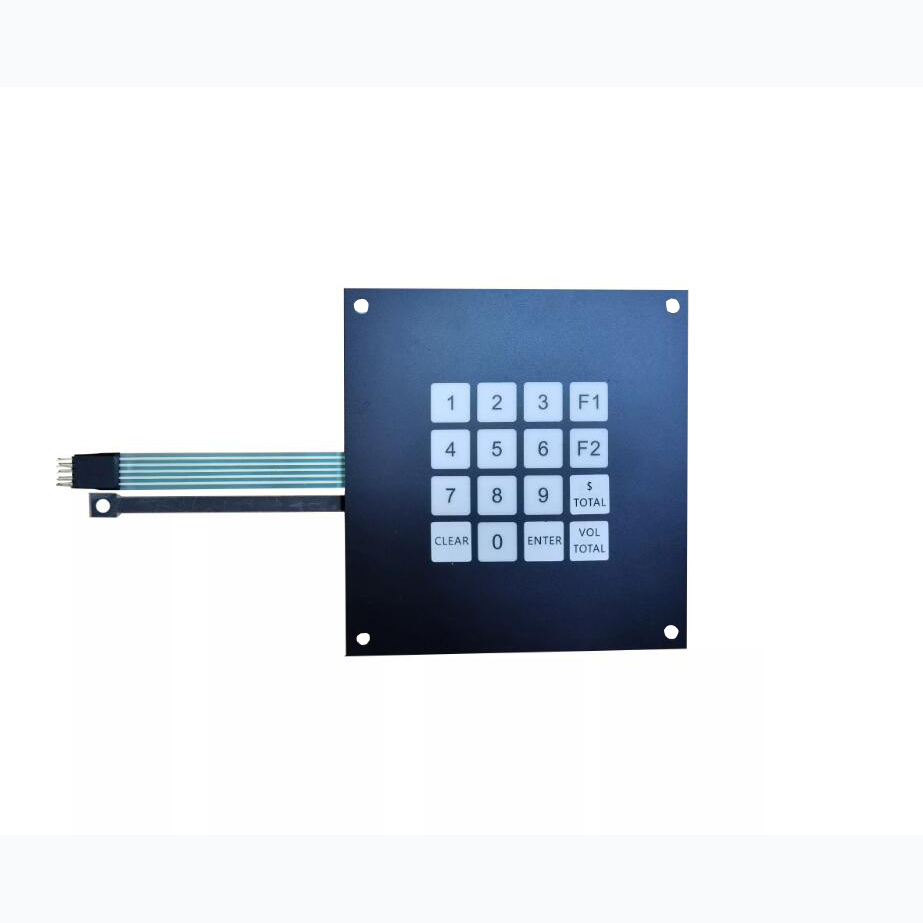
Custom Fuel Dispenser Oiling Machine with Membrane Keypad and Remote Controller Durable Design ISO9001 Certified
- Conductive Carbon Matrix EMI Grounding
- Hydrocarbon & UV Solvent Resistant
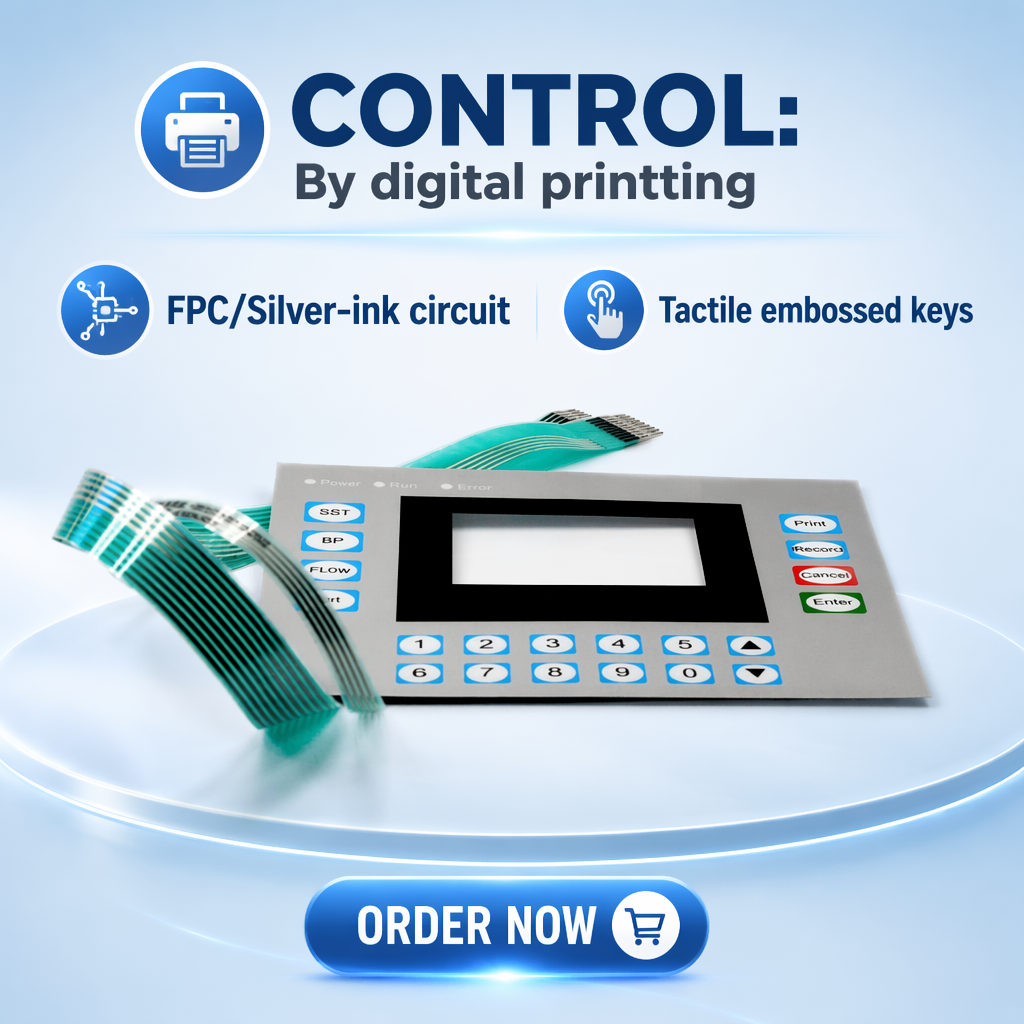
Custom FPC Membrane Switch With Embedded LED Backlight Flexible Circuit Keypad for Smart Home Appliance Control OEM
- Carbon Over-Print Cross Protection
- Integrated SMT Micro-LED Channels
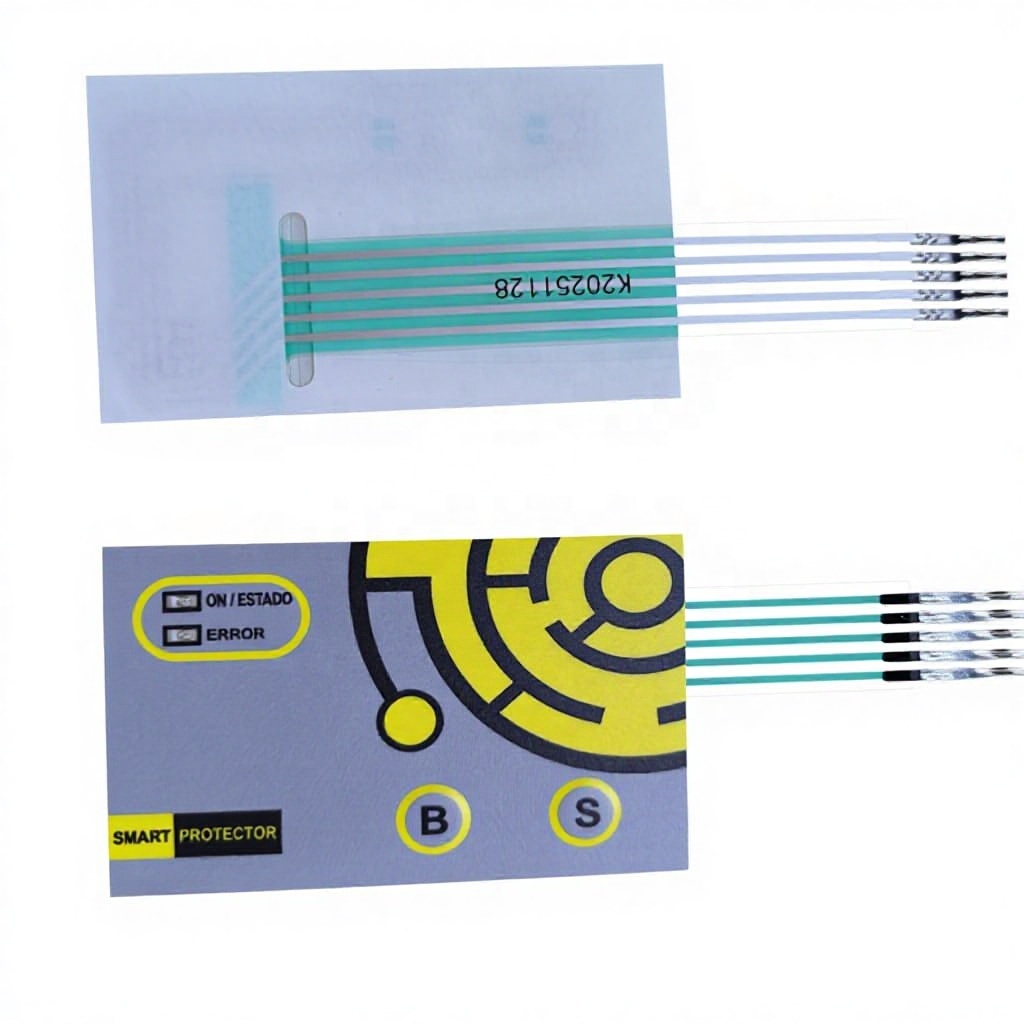
Fast Delivery OEM Waterproof Membrane Keyboard PBT Keyboard Cap Mechanical Switch Compatible Factory Direct Supply Free Sample
- High-Wear Conductive Carbon Traces
- PBT Chemical Immune Housing
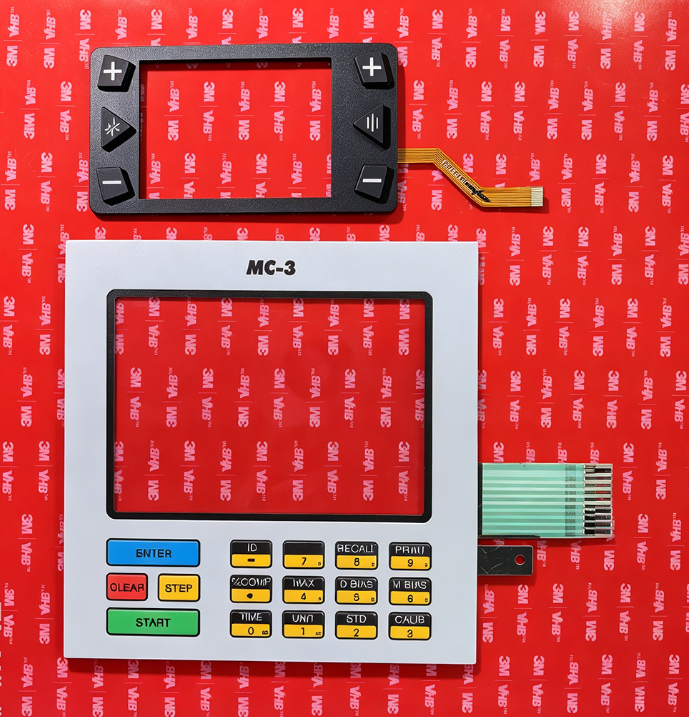
MBR High Quality IP67 Waterproof 3M Adhesive Flexible Cable Membrane Keypad PVC/PET/PC Dome Buttons Custom Cable Length Keypad
- Marine Grade 3M VHB Lamination
- Sealed Carbon Non-Oxidizing Contacts
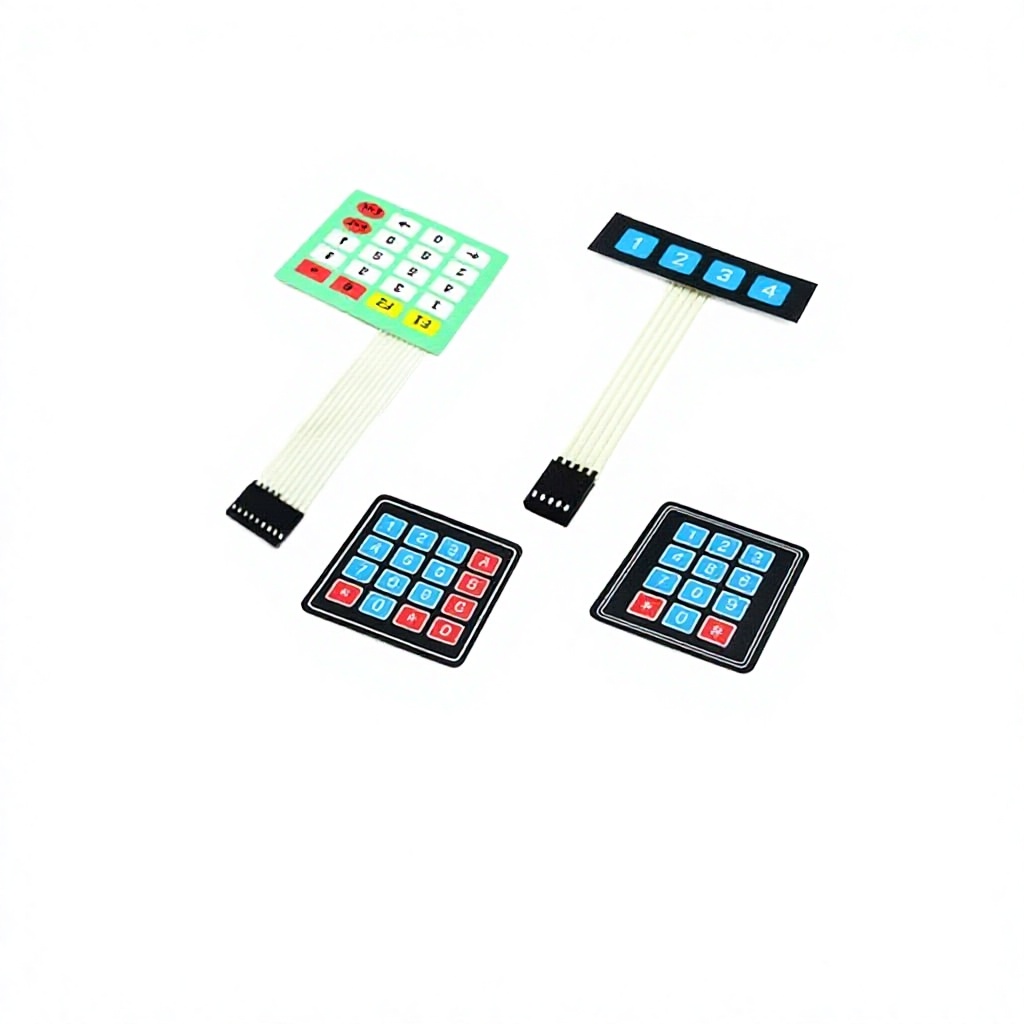
High Reliability Custom FPC Membrane Switch Flexible Printed Circuit Keypad for Test and Measurement Equipment
- Stable Sheet Resistance (<10 Ω/□)
- Gold-Flashed Carbon Contact Interface
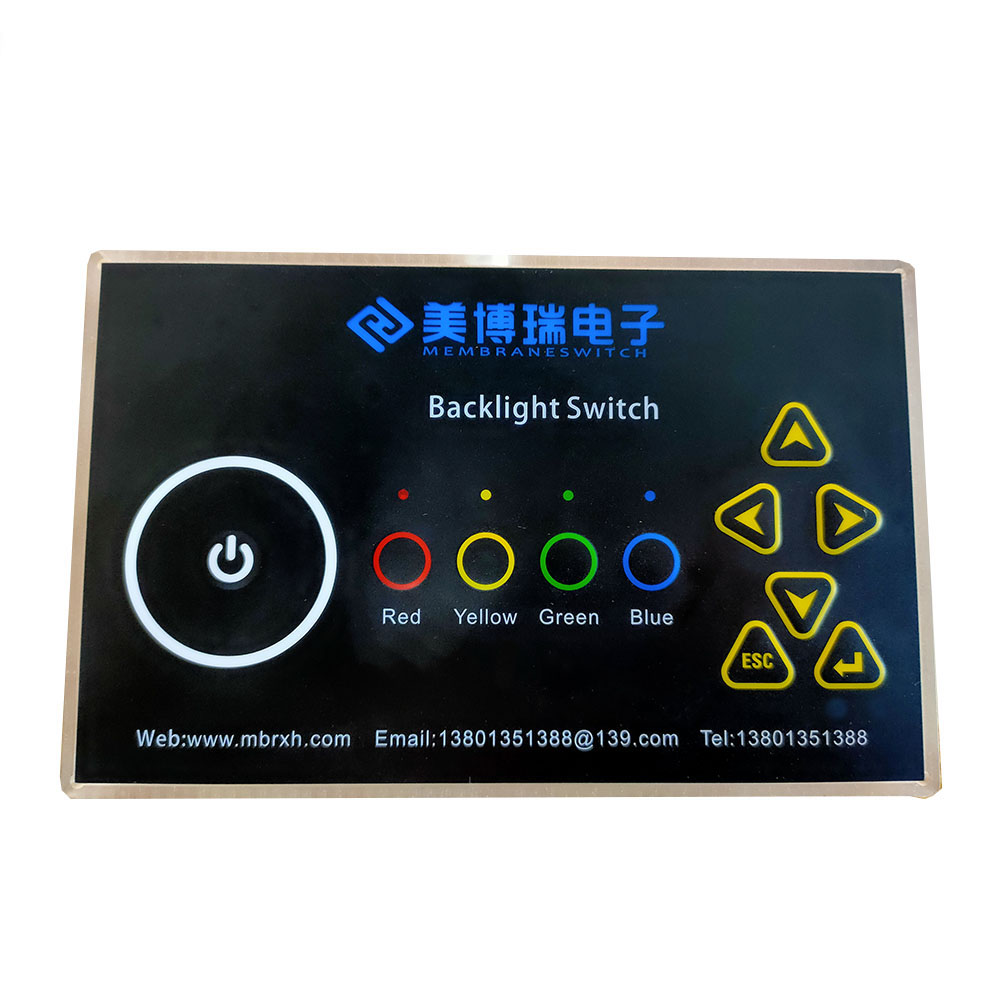
MEIBORUI MBR PBT Keyboard Cap PET Membrane Keypad Custom Color Silkscreen Sticker Printing Replacement Keycaps for
- Screen-Printed Anisotropic Carbon Lines
- Extreme Wear PBT Sub-Surface Graphics
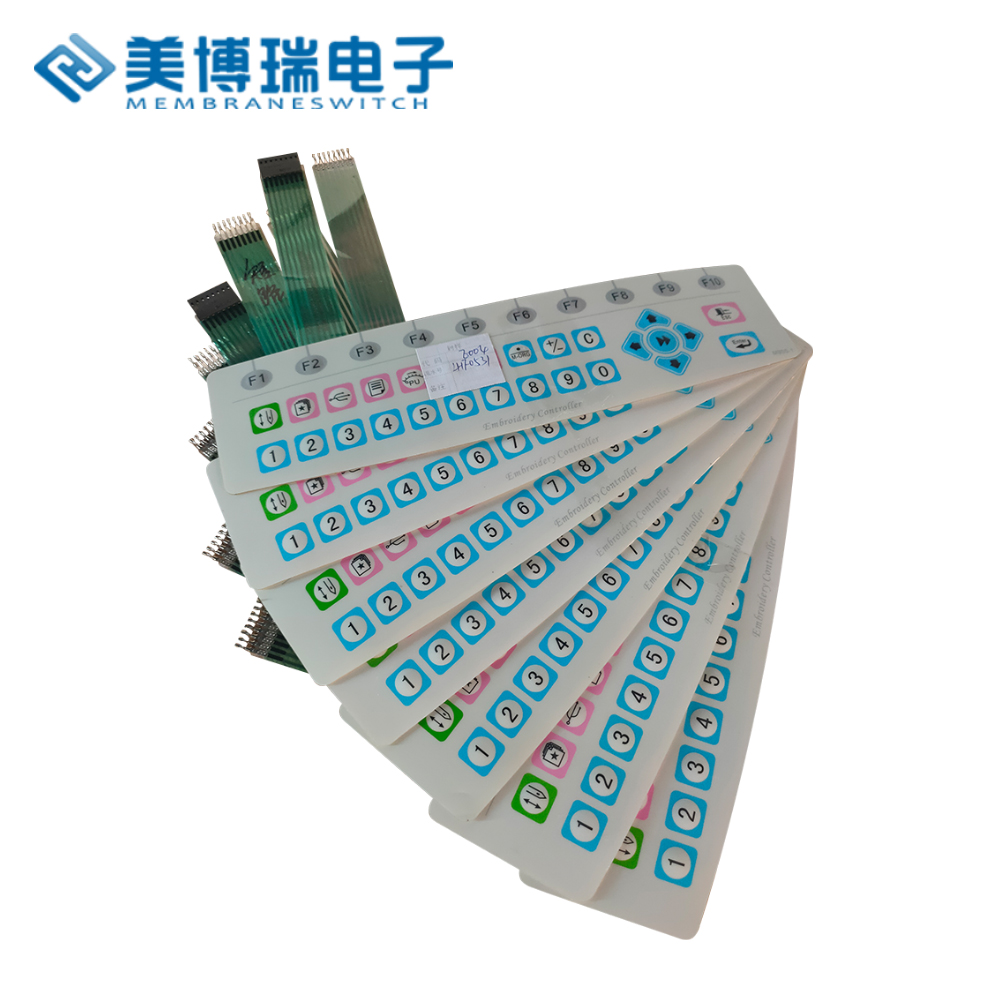
Custom MBR OEM Flexible Waterproof Membrane Keypad Anti-Dust Moisture Proof Control Panel PET+Silver Circuit 1 Keyboard Keyboard
- Double Carbon-Shield Barrier Layer
- Zero Humidity Oxidation Construction
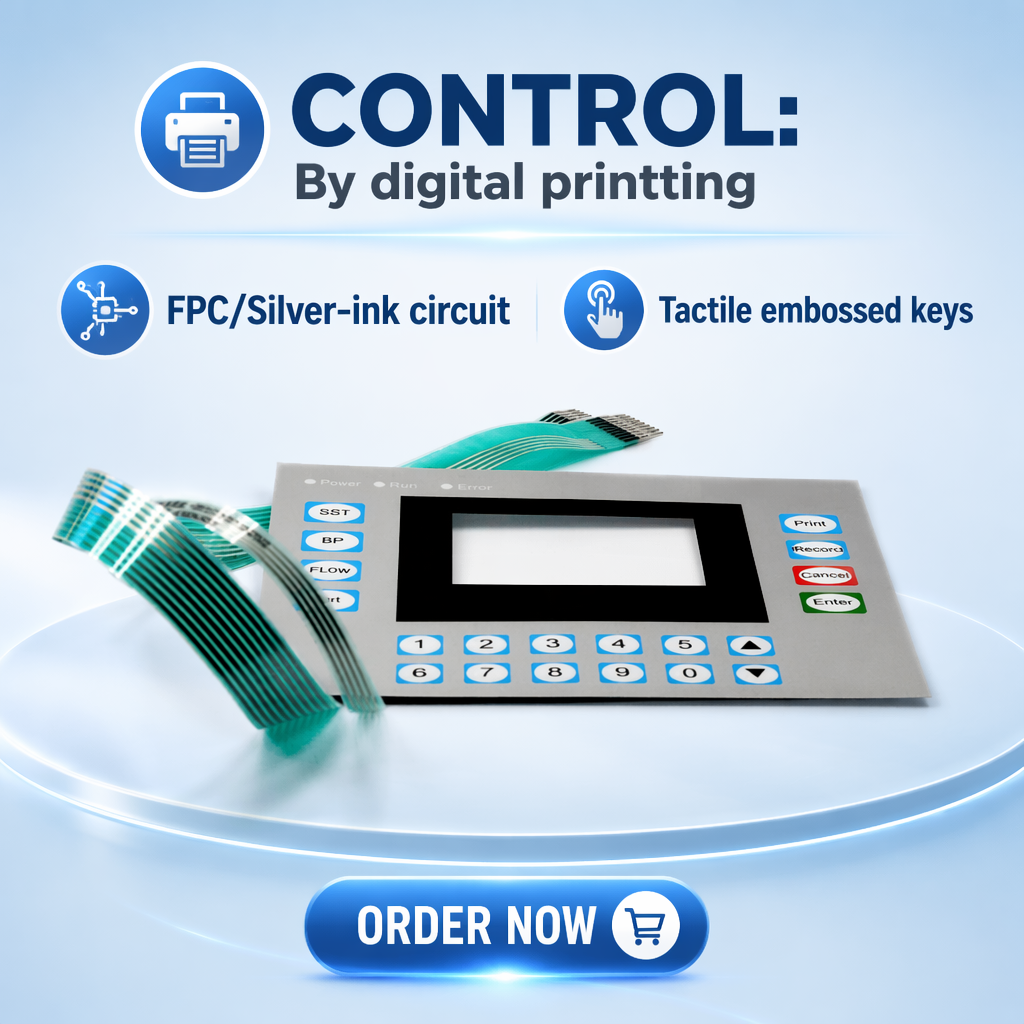
MEIBORUI Fast Turnaround Waterproof Durable Eco-friendly ISO9001 Certified PCB Prototyping Service Accept Sample Order Custom
- Rapid 72-Hour Nordic Prototyping
- Eco-Friendly RoHS Cured Resins
Conductive Carbon Film Technology for Arctic & Coastal Reliability
Evaluating polymeric carbon paste matrixes, silver migration inhibition, and electrostatic discharge protection under stringent Nordic mechanical standards.
Conductive carbon film technology represents the foundational backbone for high-durability flexible electronics, piezoresistive force sensors, and membrane switch keyboards deployed in Norway's demanding climates. Unlike untreated metallic tracks that oxidize rapidly when exposed to the high-humidity, salt-laden ambient air of the Oslofjord, conductive carbon inks consist of micronized graphite crystals and high-purity carbon black suspended within thermoplastic or thermosetting polymer binders. This carbonaceous matrix provides chemical inertness, high lubricity, and superior mechanical wear resistance across repetitive contact actuations exceeding 5,000,000 cycles.
In high-reliability industrial assemblies, screen-printed conductive carbon serves an indispensable dual function: serving as an anisotropic resistor and acting as a protective overprint shield across silver (Ag) traces. Known as "silver migration," moisture combined with DC voltage bias can cause dendritic dendrite growth between adjacent silver conductors, triggering catastrophic short circuits. By encapsulating conductive silver conductors with an impermeable layer of polymer thick film (PTF) carbon paste, electrochemical dendritic growth is thoroughly suppressed even under condensing humidity test conditions at 85°C and 85% RH.
For electronic designers in Oslo developing smart city infrastructure and maritime diagnostics, electromagnetic compatibility (EMC) and electrostatic discharge (ESD) suppression are legally governed by the European Union EMC Directive 2014/30/EU. Conductive carbon film layers provide sheet resistances tunable from 10 Ω/sq up to 50 kΩ/sq. When applied as a grounded blanket film across flexible printed circuits (FPC) or graphic overlays, it functions as an efficient Faraday shield, safely absorbing static charges up to 15 kV without component damage.
Our formulation incorporates specialized fluoropolymer-modified binding agents that match the thermal expansion coefficient of optical-grade polyethylene terephthalate (PET) and polyimide (Kapton) substrates. This prevents micro-cracking and resistive drift caused by the intense thermal fluctuations characteristic of Northern European winter cycles.
Field-Proven Deployment Scenarios Across the Greater Oslo Region
From autonomous electric ferry networks to subsea robotics and green heating grids, explore how our CE-certified conductive carbon films drive Norwegian innovation.
Maritime & Subsea Telemetry
Oslo's maritime ecosystem along the Pipervika and Lysaker corridors leads the world in autonomous marine monitoring. Our IP67/IP68-rated conductive carbon film assemblies provide non-corrosive sensor junctions inside acoustic pingers, oceanographic data buoys, and ROV winch consoles subjected to relentless saline fog (IEC 60068-2-52) and hydrostatic stress.
EV Charging & Electrified Ports
As the EV Capital of the World, Oslo's urban charging network requires user interfaces that function through frozen winters. Our conductive carbon film switches feature custom gold or carbon-dome contact points that eliminate mechanical freezing, guaranteeing tactile responsiveness on roadside DC rapid chargers from -40°C to +85°C.
Gaustad MedTech Diagnostics
Partnering with medical innovation hubs near Oslo University Hospital (Rikshospitalet), we produce biocompatible conductive carbon electrode films. These disposable, screen-printed biosensors are utilized in blood coagulation meters, ECG signal pads, and transdermal diagnostic strips complying with EU MDR biocompatibility mandates.
Smart HVAC & Radiant Heating
In accordance with Norway’s TEK17 energy-efficiency standards, low-voltage Positive Temperature Coefficient (PTC) conductive carbon films are installed within timber flooring and architectural ventilation dampeners, preventing condensation and delivering uniform infrared radiant heat without energy waste.
Industrial Robotics in Kongsberg
Serving precision instrumentation manufacturers throughout the Viken and Kongsberg industrial corridor, our flexible carbon sensor arrays deliver reliable tactile feedback and piezoresistive pressure mapping inside robotic grippers and CNC machining pendant controllers resistant to cooling lubricants.
Clean-Tech Waste & Hydro Plants
For municipal recycling hubs like Klemetsrud and small-scale hydroelectric turbines in surrounding valleys, our conductive carbon film control panels provide total immunity to sulfurous air, caustic detergents, and heavy continuous vibration without trace delamination.
Standard Carbon Film & Flexible Membrane Characteristics
Parametric comparison of engineering substrates for Norwegian OEM procurement teams.
| Parameter / Metric | Polymer Carbon (PTF) on PET | High-Density Carbon on Polyimide (PI) | Silver-Carbon Hybrid Matrix |
|---|---|---|---|
| Standard Sheet Resistance | 15 Ω/□ – 150 Ω/□ (Custom Tunable) | 8 Ω/□ – 50 Ω/□ | < 0.5 Ω/□ (Silver base + Carbon Cap) |
| Operating Temperature Range | -35°C to +85°C | -50°C to +150°C | -40°C to +105°C |
| Contact Bounce Duration | < 5 ms | < 2 ms | < 3 ms |
| Salt Spray Resistance (ISO 9227) | Passed 96 Hours Direct Exposure | Passed 240 Hours Continuous Mist | Passed 168 Hours with Perimeter Seal |
| Actuation Lifetime (Cycles) | > 3,000,000 cycles | > 5,000,000 cycles | > 2,000,000 cycles |
| European Regulatory Marks | CE, RoHS Directive 2011/65/EU | CE, RoHS, REACH (EC 1907/2006) | CE, RoHS, REACH Compliant |
Why Oslo Procurement Specialists Choose Our Dual-Facility Model
Traceable manufacturing rooted in 1990 craftsmanship, refined through technical cooperation with German membrane switch engineers and validated by Intertek onsite audits.
Xianghe High-Tech Base
Located in the Robot Industry Port of Xianghe Economic Zone, covering 2,219 m² of Intertek-audited production space specializing in complex membrane switch assemblies and automated CNC tooling.
- 60 CNC precision mold-making units
- 18 Precision laser cutting workstations
- 4 Mimaki digital UV printers
Huizhou Electronics Base
Our dedicated South China processing facility balances volume allocation. Scalable reel-to-reel and semi-automatic silkscreen lines guarantee production continuity without bottleneck risks.
- 37 Semi-automatic silkscreen printers
- 8 Continuous thermal curing tunnels
- 7 High-speed digital engraving units
German Quality Synergy
For more than 15 years, our technical personnel have engaged in technical exchanges with German membrane switch factories, adopting European DIN tolerance standards and rigorous quality gate checks.
- Programmable temp/humidity testing
- Xenon aging & automatic salt fog rigs
- 100% Computerized circuit testing
Frequently Asked Questions for Norwegian Buyers
Direct answers to the regulatory, environmental, and logistics queries most frequently posed by Scandinavian sourcing directors.
All our conductive carbon film assemblies carry genuine CE conformity declarations, complying fully with the EU Low Voltage Directive (LVD) 2014/35/EU, Electromagnetic Compatibility (EMC) Directive 2014/30/EU, and RoHS Directive 2011/65/EU. We ensure that our conductive pastes and raw polymers are devoid of all hazardous chemical agents listed in the ECHA REACH SVHC candidate list, facilitating seamless customs clearance via the Norwegian Environment Agency (Miljødirektoratet).
We support FOB, CFR, CIF, and DDP delivery terms. For urgent prototype batches or small pilot runs for Norwegian engineering teams, air express shipments arrive at Oslo Airport Gardermoen (OSL) within 4 to 6 business days via DHL/FedEx. For larger sea freight volumes, consolidated containerized shipments land via the Port of Oslo (Sjursøya terminal) or Brevik with complete customs packing lists, commercial invoices, and EUR.1 movement certificates.
Our in-house environmental test lab utilizes programmable climatic chambers that cycle between -45°C and +85°C. Samples undergo 1,000 continuous hours of thermal shock cycling followed by 500,000 automated key-switch actuations inside the chamber. Resistance is measured continuously using four-wire Kelvin probes to verify that resistive fluctuation remains below ±3% without conductive layer delamination or micro-fissuring.
Yes. Unlike standard mass-production factories with rigid high MOQs, our dual-facility setup includes rapid laser-cutting workstations and digital UV printing beds. This allows us to manufacture functional prototyping lots as small as 25 to 100 units for proof-of-concept testing, design validation, and venture-backed tech incubators across StartupLab Oslo and Forskningsparken.
In coastal regions like the Oslofjord, airborne moisture acts as an electrolyte. Under DC voltage, silver atoms ionize and migrate toward the cathode, forming conductive microscopic dendrites that short the circuit. We apply a dense, high-purity carbon barrier mask completely encapsulating the silver traces. Because carbon does not ionize or migrate under direct electric fields, the circuit remains permanently protected from bridging failure.
To initiate production drawings, our engineering team requires: (1) Vector CAD geometry in DXF, DWG, or STEP format; (2) Graphic overlay artwork in Adobe Illustrator or vector PDF with specified Pantone/RAL color codes; (3) Circuit schematic or netlist showing pin-out assignments and resistive value requirements; (4) Tail pitch requirements (typically 1.0 mm, 1.27 mm, or 2.54 mm ZIF/FCI connectors); and (5) Specific environmental ratings (e.g. IP67, salt-fog, UV resistance).
Accelerate Your Custom Conductive Carbon Project
Consult directly with our senior application engineers to review manufacturability, verify low-temperature resilience, and request customized sample kits for the Oslo and Nordic markets.