Featured Flexible Circuits & Membrane Interface Assemblies
Precision-fabricated interconnects and graphic control assemblies calibrated for industrial automation, diagnostic medical equipment, and harsh outdoor operation across Canada.
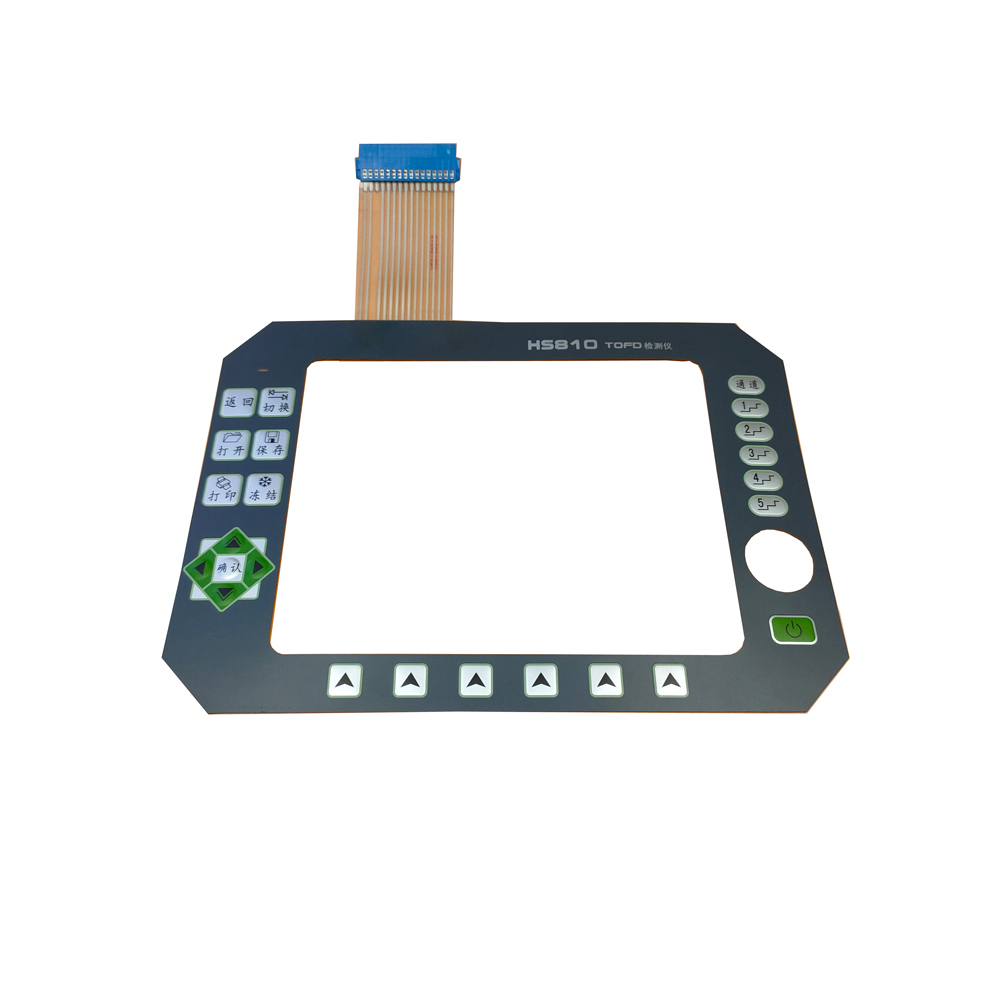
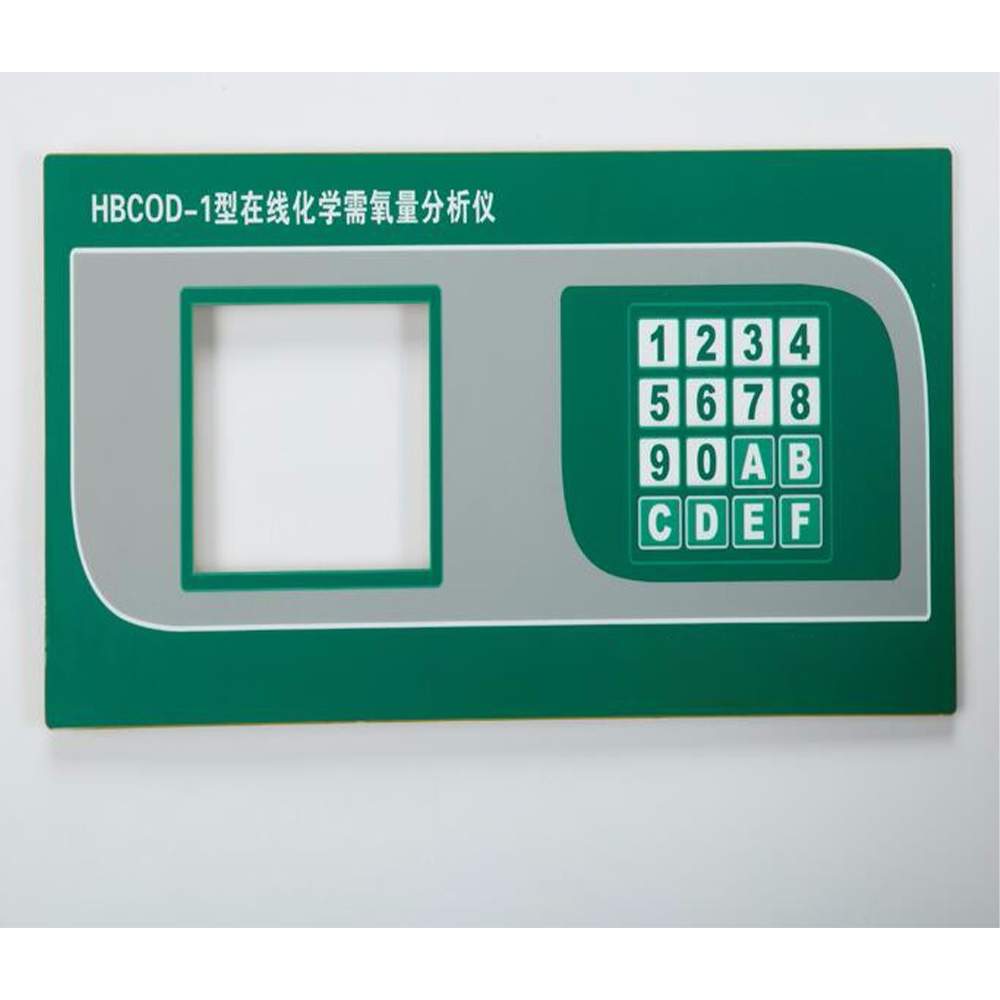
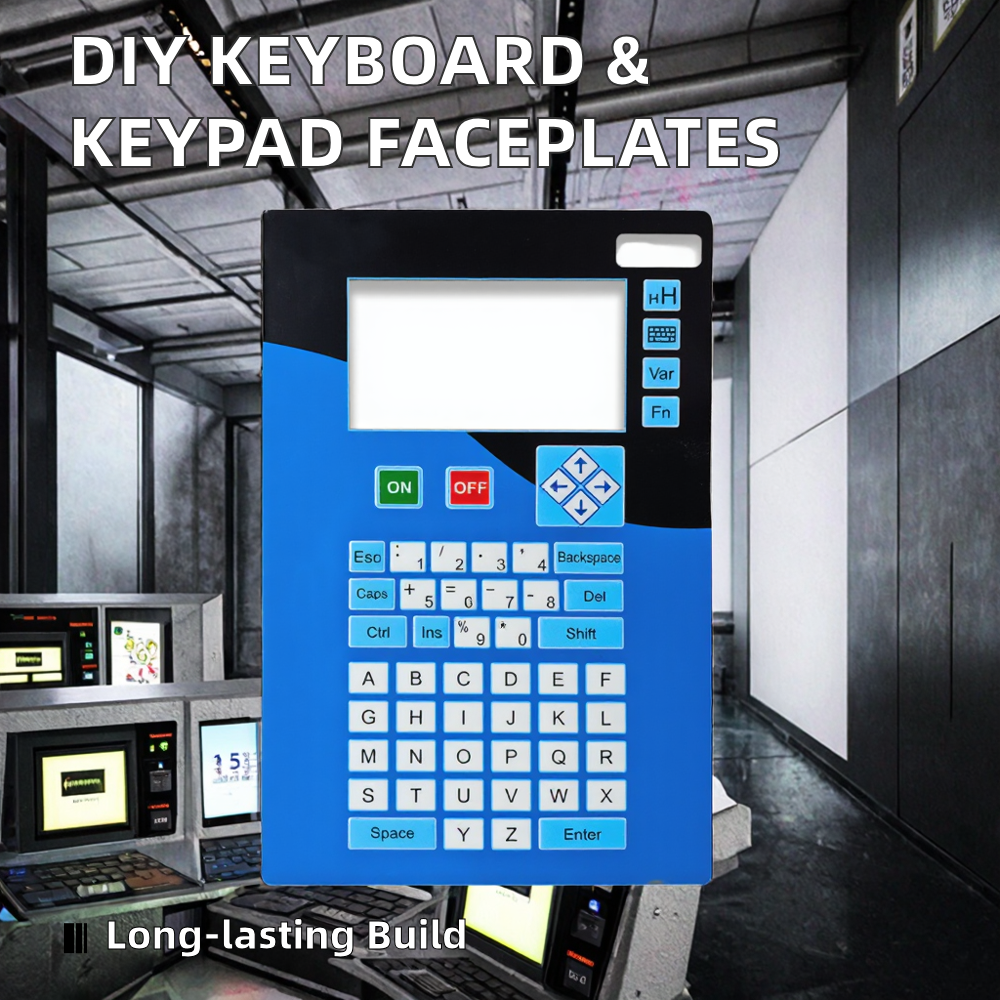
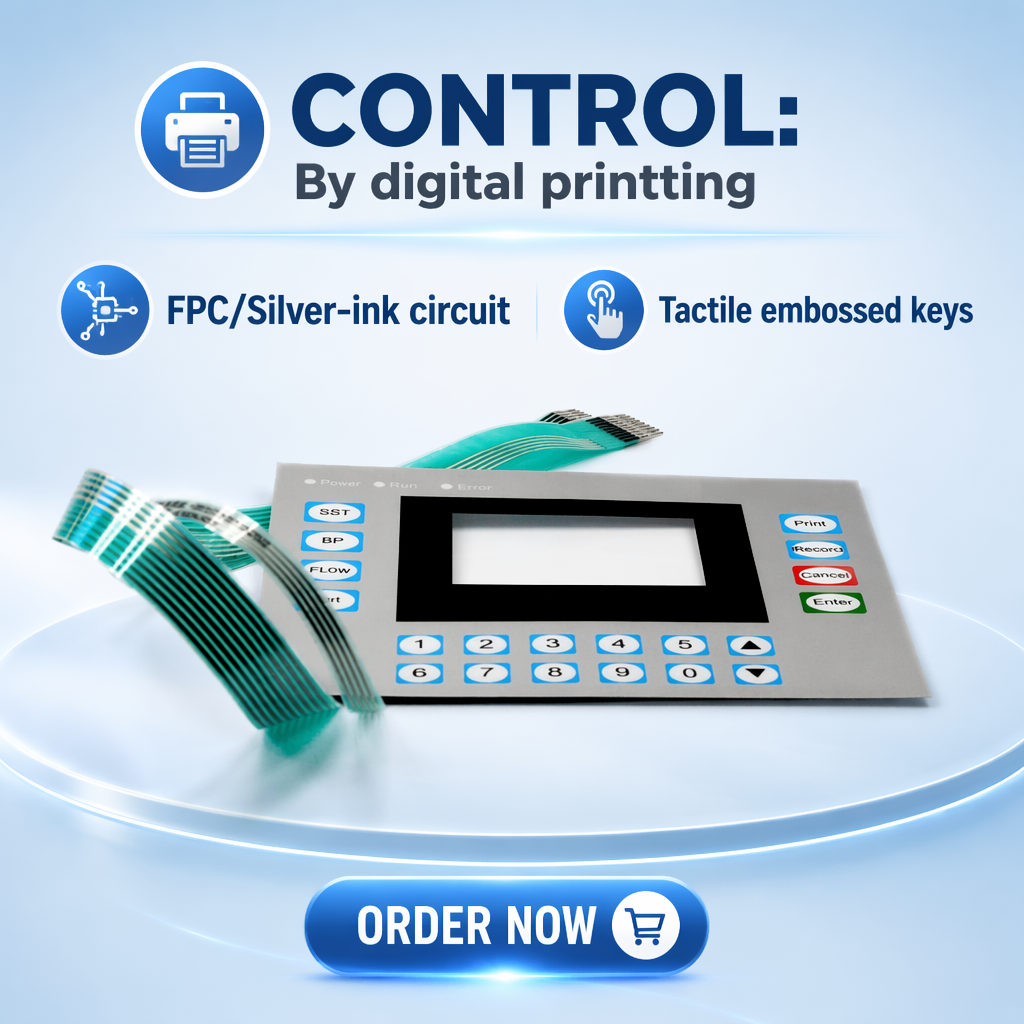
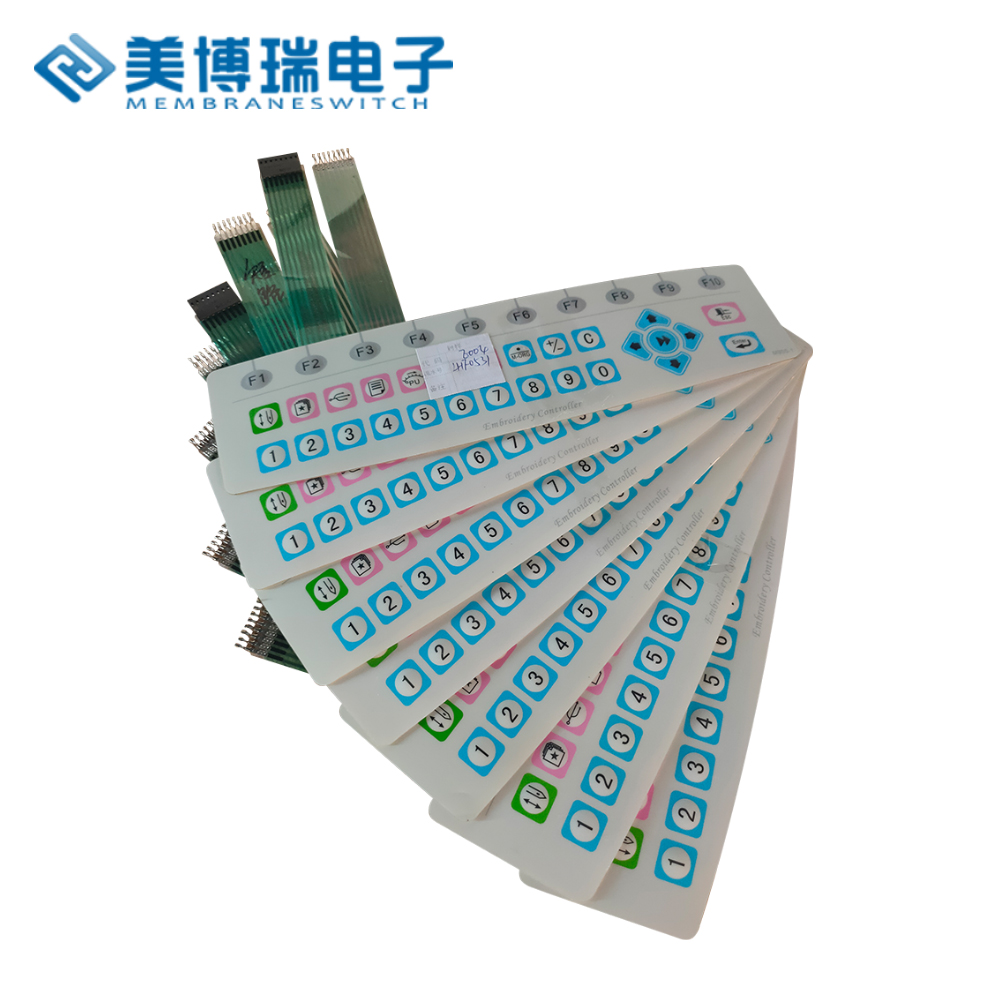
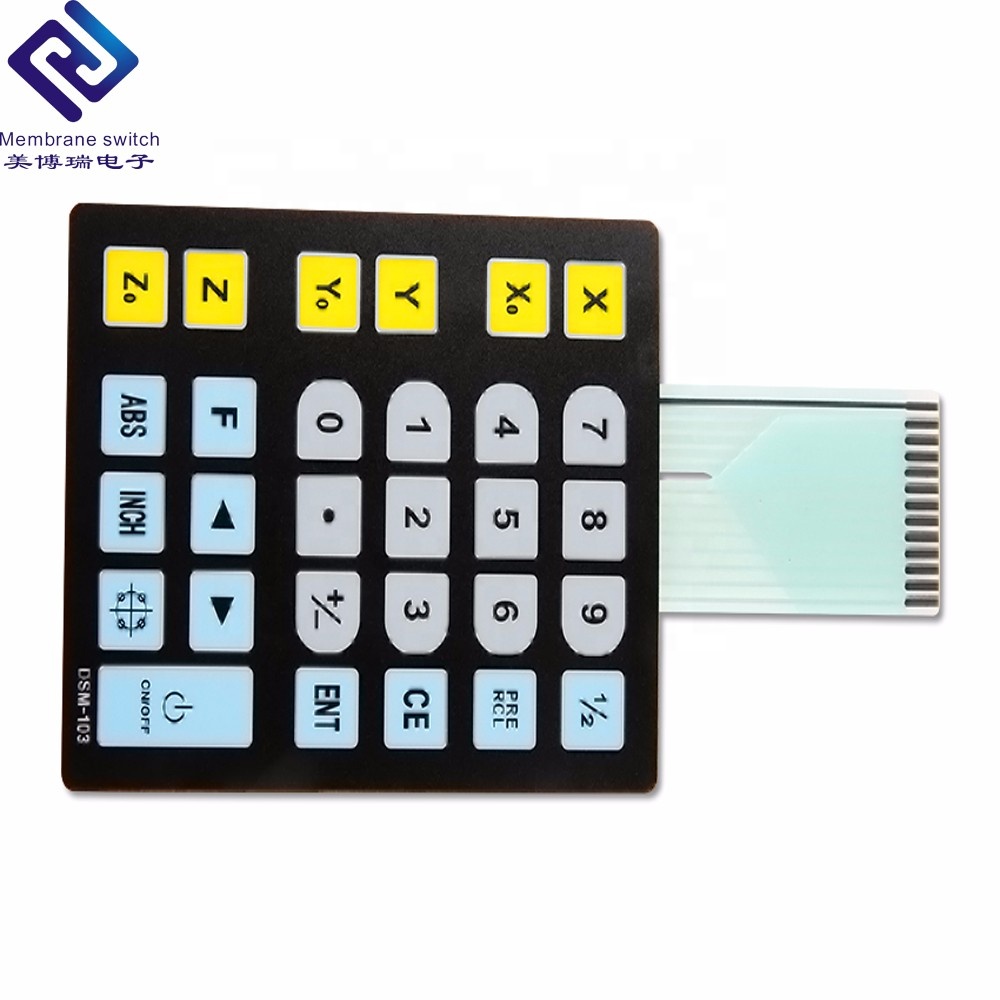
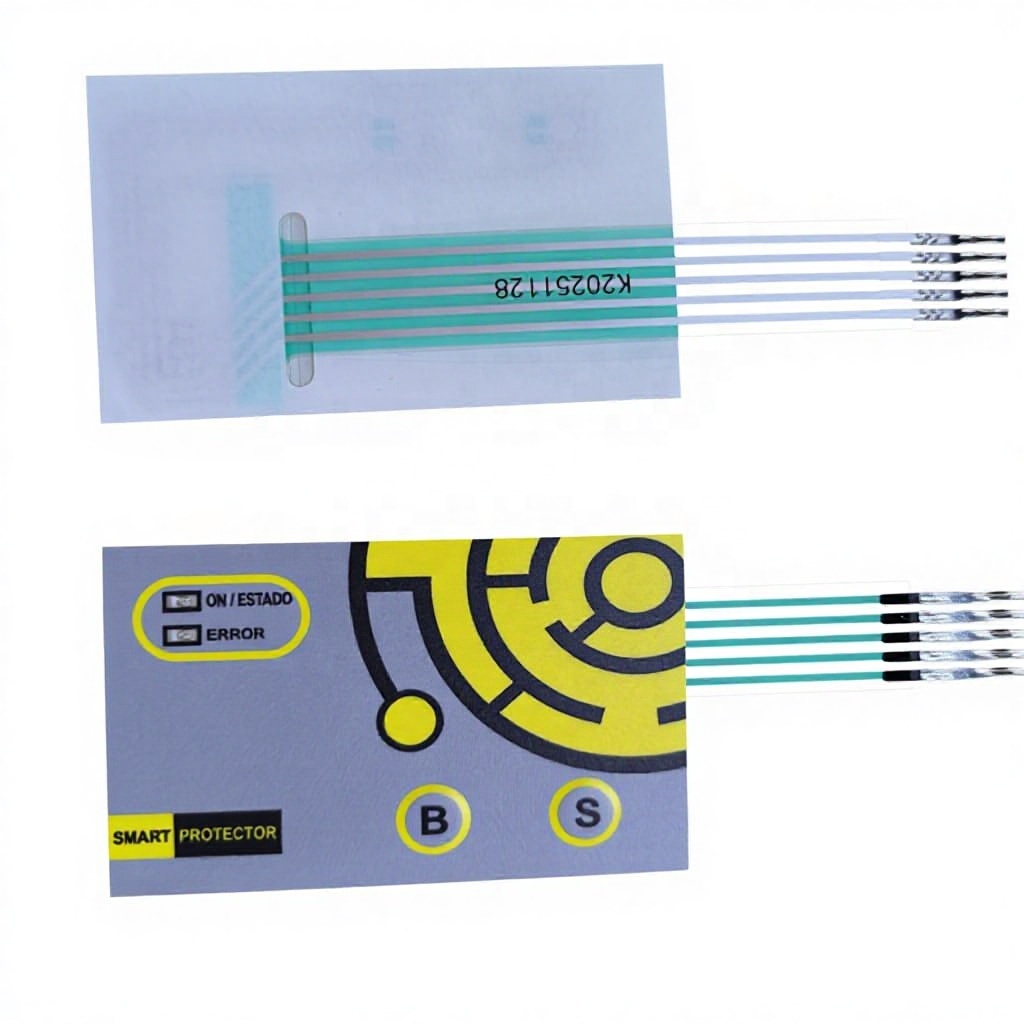
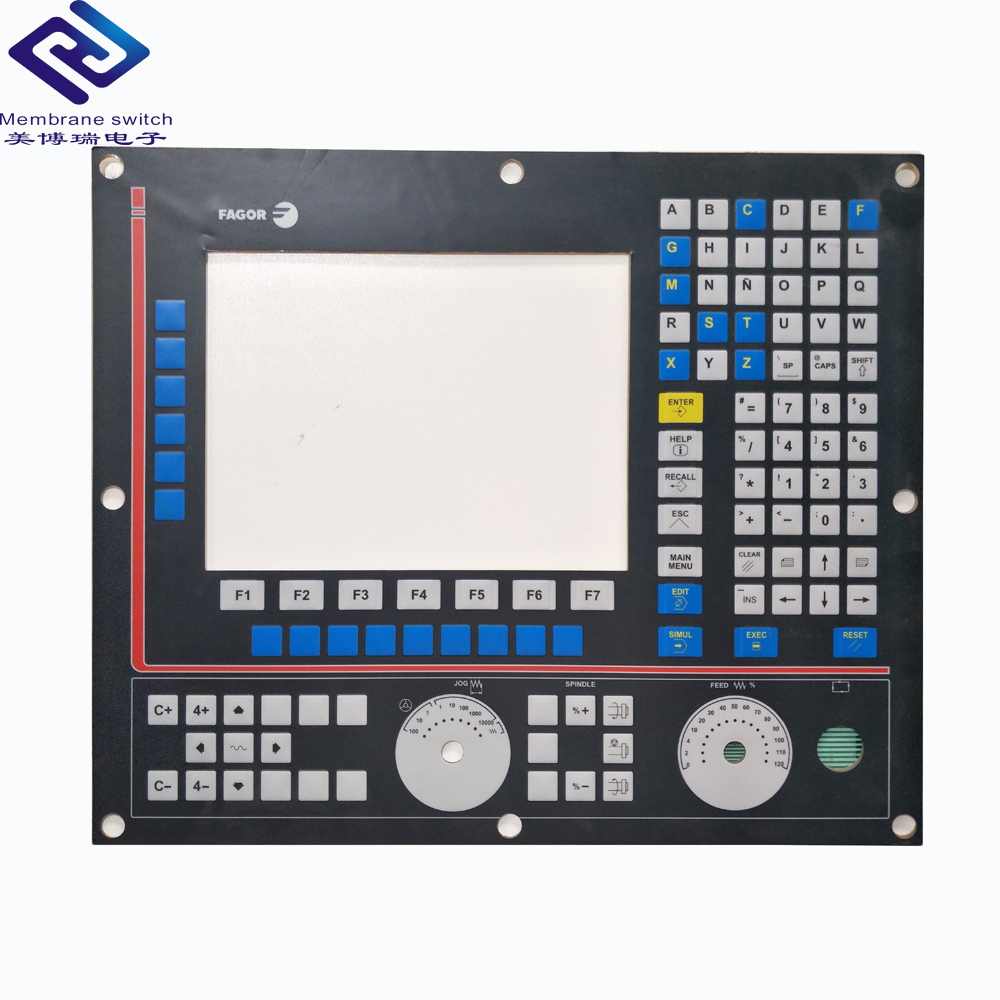
High-Density Interconnects & CE Harmonized Standards
A rigorous review of structural stack-up, metallization dynamics, and electrostatic compliance required by Canadian OEMs exporting to global regulated markets.
Substrate Integrity and Dynamic Flex Fatigue Resistance
Flexible Printed Circuits (FPC) serve as the nervous system of modern, space-constrained electronic assemblies. Unlike conventional rigid printed circuit boards (FR-4), our FPCs are fabricated utilizing high-grade polyimide (PI) base dielectric films—primarily genuine DuPont™ Kapton® or equivalent halogen-free polyimide systems. For dynamic flexing applications, such as robotic arm gantries, automated machinery, and medical scanning optics, base copper selection is critical. We utilize Rolled Annealed (RA) copper foil rather than standard Electro-Deposited (ED) foil. RA copper exhibits an elongated horizontal grain boundary structure that allows circuits to withstand over 10 million continuous flex cycles at a tight bend radius without micro-crack propagation or resistance drift.
In static "flex-to-install" implementations, such as instrument dashboard interconnects or dense avionics rack cabling, electro-deposited copper provides superior adhesion with thermal bond adhesives. Every panel layout engineered for Canadian procurement accounts for neutral axis bend mechanics, staggering copper traces across double-sided polyimide substrates to eliminate localized shear strain during assembly.
Harmonized CE Certification & IPC-6013 Class 3 Reliability
When Canadian equipment manufacturers export finished hardware to the European Union or tender bids for mission-critical infrastructure within Canada, CE conformity (including EMC Directive 2014/30/EU and RoHS Directive 2011/65/EU as amended by 2015/863) is non-negotiable. Our manufacturing facility implements IPC-6013 Class 3 performance standards—the apex specification for military, aerospace, and life-critical commercial electronics where continuous performance or performance-on-demand is imperative.
Our flexible circuit layouts undergo rigorous thermal stress verification (solder float testing at 288°C for 10 seconds), chemical resistance profiling, and dielectric breakdown evaluation. Solid grounding planes, embedded cross-hatched shield layers (printed conductive silver or sputtered copper), and custom ferrite bead integration on flexible tails ensure electromagnetic compatibility (EMC) attenuation, preventing radiated emissions and safeguarding susceptibility against harsh external electromagnetic interference (EMI).
| Design Parameter | Standard Capability | Advanced / Precision High-Density (HDI) | Compliance Reference |
|---|---|---|---|
| Base Substrate | Polyimide (PI) 12.5μm to 50μm (0.5 to 2.0 mil) | Adhesiveless Polyimide / Low-loss LCP | IPC-4204A / UL94V-0 |
| Conductor Foil | 0.5 oz (18μm) / 1.0 oz (35μm) RA or ED Copper | 0.33 oz (12μm) ultra-thin rolled annealed foil | IPC-4562 |
| Min. Line Width / Spacing | 0.075 mm / 0.075 mm (3 mil / 3 mil) | 0.038 mm / 0.038 mm (1.5 mil / 1.5 mil) | IPC-6013 Class 3 |
| Surface Finishing | Electroless Nickel Immersion Gold (ENIG) | Immersion Tin, Hard Gold Plating, OSP | IPC-4552B (RoHS/CE) |
| Coverlay / Solder Mask | Thermal Polyimide Coverlay (25μm/25μm) | Photo-imageable Flexible Solder Mask (LPI) | IPC-SM-840E Class H |
| Operating Temperature | -40°C to +85°C | -55°C to +125°C (Continuous Military Grade) | IEC 60068-2-1 / -2 |
| Dielectric Strength | ≥ 1,000 V AC / mil | ≥ 2,500 V AC spark tested | ASTM D149 / CE LVD |
Material Chemistry Note for Canadian Winter Deployments
Standard flexible adhesives experience glass transition (Tg) phase shifts when subjected to Canadian sub-zero ambient conditions (-40°C to -50°C in Northern Ontario, Alberta, and Quebec). We specify modified acrylic and thermosetting epoxy bonding adhesives that retain ductile flexibility without brittle micro-fracturing under sustained mechanical vibration.
Mission-Critical Applications Across Canadian Industrial Corridors
From the medical tech clusters of Southern Ontario to Alberta's remote energy basins, our custom circuits and HMIs power critical national infrastructure.
Ontario & Quebec Medical Diagnostics
Health Canada compliance demands stringent sterility, chemical resistance, and non-destructive surface wipedown capabilities. In medical hubs across Toronto, Mississauga, and Montreal, our biocompatible membrane front panels and high-density copper FPCs are integrated into portable blood analyzers, clinical infusion pumps, and patient monitoring stations. Circuits are sealed against isopropyl alcohol, glutaraldehyde, and hospital-grade quaternary disinfectants, preventing fluid ingress and short circuits.
Alberta Energy & Resource Telemetry
Operating in remote bitumen extraction sites, gas pipelines, and offshore mining camps requires electronics capable of withstanding explosive gas atmospheres and deep freeze cycles down to -45°C. We engineer intrinsically safe flexible circuits with potted SMT components, paired with Class I Division 2 certified front panel overlays. By utilizing moisture-impermeable 3M 467MP/468MP laminating adhesives and silver polymer circuitry with graphite overcoats, sulfur vapor corrosion and silver migration are thoroughly prevented.
Quebec Aerospace & Defense Avionics
Within the aerospace cluster surrounding Greater Montreal, weight minimization and space optimization represent primary engineering drivers. Our ultra-lightweight multilayer FPCs replace bulky traditional round-wire wiring harnesses, slashing interconnect mass by up to 70%. These circuits feature gold-plated Zero Insertion Force (ZIF) tails, embedded micro-SMD LEDs, and FR-4 or stainless steel backing plates, delivering high mechanical stability under severe G-force shock and turbulence vibration profiles.
Automotive Corridor EV Battery Management
As Ontario transforms into a premier North American hub for Electric Vehicle (EV) assembly and battery gigafactories (Windsor, Oakville, St. Thomas), flexible printed circuits have supplanted standard copper busbar harnesses. Our custom large-format FPCs incorporate cell-voltage monitoring, integrated surface-mount NTC thermistors, and aluminum backing for direct bonding onto lithium-ion cell modules, operating reliably under extreme thermal fluctuation and battery charging currents.
Heavy Machining & CNC Milling Controls
Industrial tool builders in Waterloo and Vancouver incorporate our sealed membrane keypad panels featuring tactile metal domes and aluminum backer plates. These interfaces guarantee crisp tactile feedback through heavy work gloves, withstand continuous exposure to cutting coolants, petroleum lubricants, and abrasive swarf, and carry an IP67 rating with a mechanical actuation lifespan exceeding 5,000,000 cycles.
Emerging Procurement Trends in Canada's Hardware Ecosystem
How supply chain resilience, total cost of ownership (TCO), and stringent ESG compliance are driving bilateral manufacturing partnerships.
1. De-risking Dual-Sourcing via Direct-Factory Exporters
Canadian original equipment manufacturers have systematically transitioned away from unverified domestic brokers and third-party traders who insert markup without technical ownership. Sourcing professionals are actively establishing direct engineering relationships with tier-1 export manufacturers that maintain verified cleanrooms, full internal tooling (molds, laser cutters, SMT lines), and direct DFM (Design for Manufacturability) support. This structure reduces engineering iteration cycles from weeks to hours and minimizes unit costs by 30% to 45%.
2. Convergence of Rigid-Flex and Capacitive Touch
The boundary between conventional membrane switch keypads and advanced flexible circuits is collapsing. Engineers in Ottawa's telecom and IoT design clusters increasingly demand hybrid constructions: copper-etched FPC backbones combined with capacitive touch sensor fields, optical clear adhesive (OCA) bonded display windows, and uniform Light Guide Film (LGF) backlighting. This architecture yields sleek, glass-like HMI aesthetics with absolute physical sealing against outdoor moisture and cleaning chemicals.
3. Frictionless Logistics via Trans-Pacific Air Express
With modern direct logistics routing between East Asian manufacturing hubs and major Canadian clearance points—such as Toronto Pearson (YYZ), Vancouver International (YVR), and Montreal-Trudeau (YUL)—rapid prototyping times now mirror or exceed domestic fabricators. Prototypes clear Canadian Border Services Agency (CBSA) customs under tariff classification 8534.00 (Printed Circuits) in as little as 3 to 5 business days, enabling Canadian hardware startups and agile OEMs to hit tight production milestones without domestic factory backlog.
End-to-End Vertical Integration: The TAVO Engineering Advantage
Eliminating subcontracting bottlenecks through closed-loop manufacturing, European technical alignment, and precision in-house verification.
30+ Years of Focused Interface Heritage
Tracing our roots back to 1990, we have dedicated over three decades exclusively to researching, formulating, and manufacturing membrane switches, graphic overlays, and flexible printed circuits. Rather than outsourcing specialized steps, every phase of production—including circuit artwork scaling, CAD film output, automated screen printing, digital UV flatbed imaging, hydraulic embossing, precision laser profiling, cleanroom laminate bonding, and electrical continuity verification—is conducted directly within our facilities.
German Technical Transfer & Equipment Standards
Our production workflow incorporates an active, long-term technical cooperation agreement with a premier German membrane switch manufacturer. This collaboration governs our technical tolerances, chemical formulations, and quality verification standards. Operating with two synchronized manufacturing campuses—our core facility in the Xianghe Robot Industry Port (Hebei) and our southern processing hub in Huizhou (Guangdong)—orders are allocated dynamically to prevent production bottlenecks.
Heavy Manufacturing Plant & Advanced Machinery
Our production infrastructure is independently audited by Intertek and certified under ISO 9001. We maintain a verified fleet of industrial hardware capable of handling high-mix low-volume prototypes through high-volume production:
- 60 CNC Mold-Making Machines: Ultra-precise tooling of embossing dies and steel punch sets.
- 37 Silkscreen Printing Lines: Semi-automatic and fully automated micro-gap screen printers.
- 18 High-Speed Laser Cutters: Clean burr-free profiling of complex contour geometries.
- 4 Mimaki Digital UV Flatbed Printers: High-resolution micro-inkjet printing for complex photo gradients.
- 7 Precision Digital Engraving Units & 8 UV Curing Tunnels: Instant polymerization of conductive traces.
Comprehensive In-House Reliability & QC Laboratory
Frequently Asked Questions for Canadian Engineering Buyers
Direct answers addressing documentation, lead times, international trade terms, and electrical validation protocols.
What engineering files and specifications are required to initiate an FPC or membrane switch RFQ?
- Circuit Data: Gerber (RS-274X), ODB++, DXF, or detailed netlist schematic identifying trace widths, pitch, and pin-out definitions.
- Mechanical Layer Stack-up: Outer contour drawings including cut-outs, stiffener locations (FR-4, aluminum, or polyimide), and tail bend radii.
- Graphic Artwork: Adobe Illustrator (.AI), CorelDraw (.CDR), or vector PDF specifying Pantone or RAL color codes, window transparencies, and embossing geometries.
- Environmental Scope: Target operating temperatures, chemical exposure expectations, and ingress protection (IP) ratings.
How does CE certification apply to flexible printed circuits being imported into Canada?
Can you handle low-volume prototypes alongside high-volume continuous replenishment?
What incoterms, currency options, and logistics routes serve Canadian delivery addresses?
How do you ensure circuit continuity and prevent silver migration in humid Canadian coastal environments?
Ready to Accelerate Your Flexible Circuit Engineering?
Connect directly with our 20-person international engineering trade desk. Receive rapid DFM evaluations, stack-up guidance, and firm prototype quotes tailored to Canadian OEM delivery schedules.