IP67 Waterproof
Custom IP67 Waterproof Metal Dome LCD Overlay Switch
- 3M 467MP / 468MP High-Bond Adhesive
- Anti-Glare LCD Display Window
Camagüey's industrial infrastructure—spanning agro-industrial plants, pharmaceutical labs, heavy machinery workshops, and dairy and sugar refining complexes—demands human-machine interface (HMI) display window overlays that withstand high humidity, extreme ultraviolet radiation, airborne contaminants, and frequent sanitization. As an ISO 9001 certified and Intertek-audited Chinese manufacturer, we deliver ruggedized graphic panels engineered for long-term operational resilience.
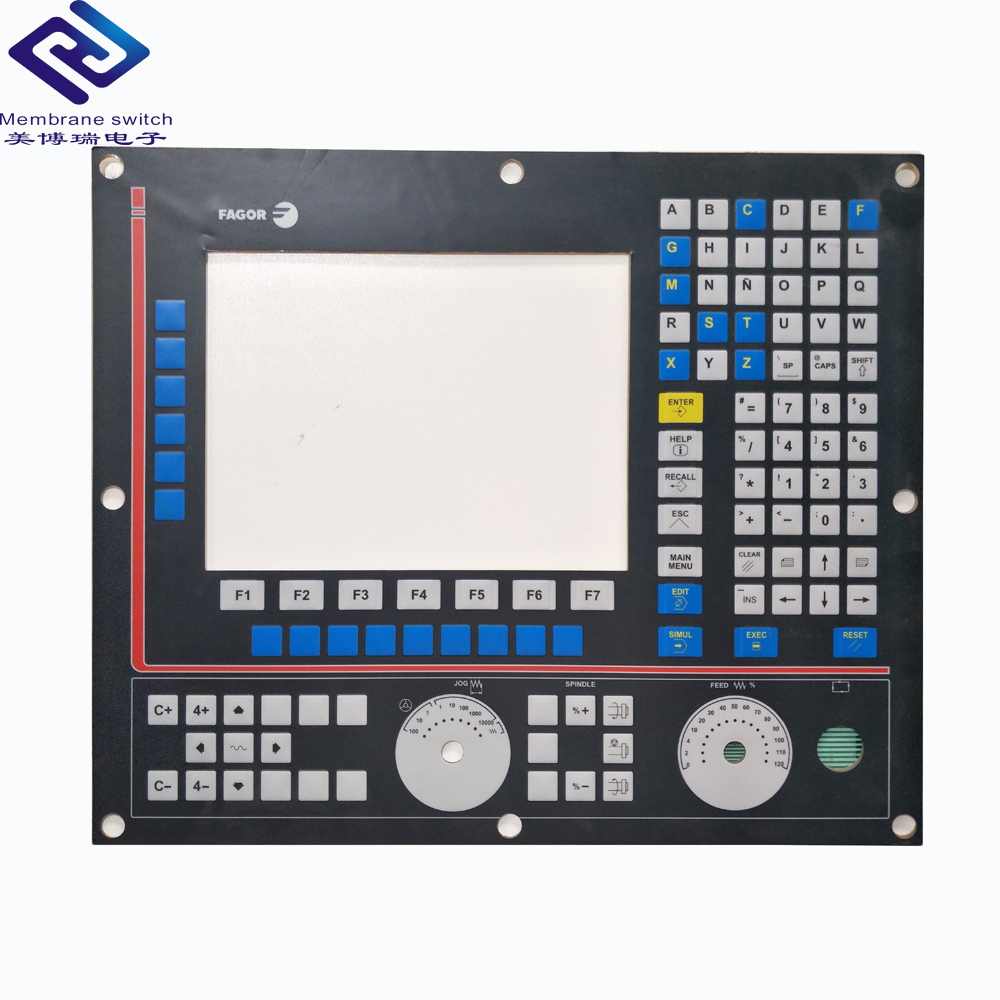
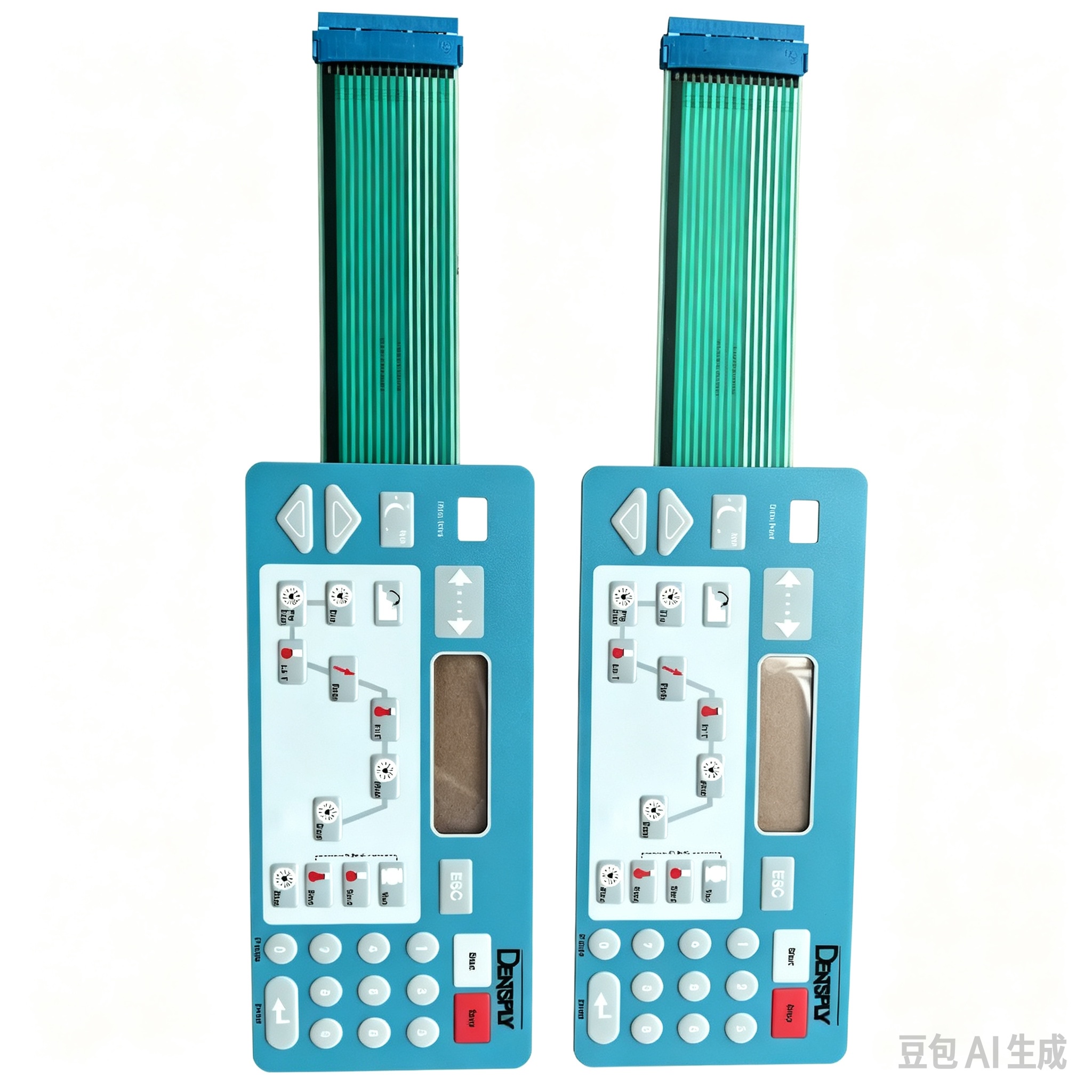
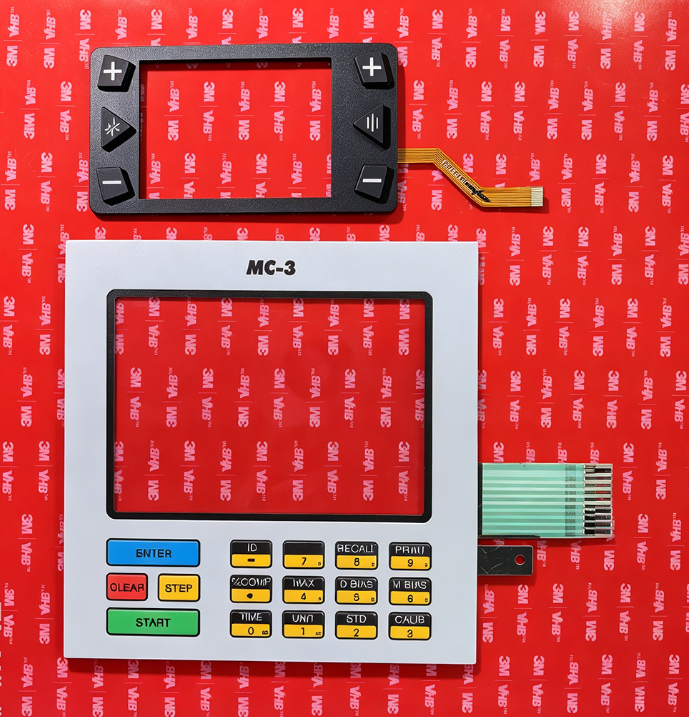
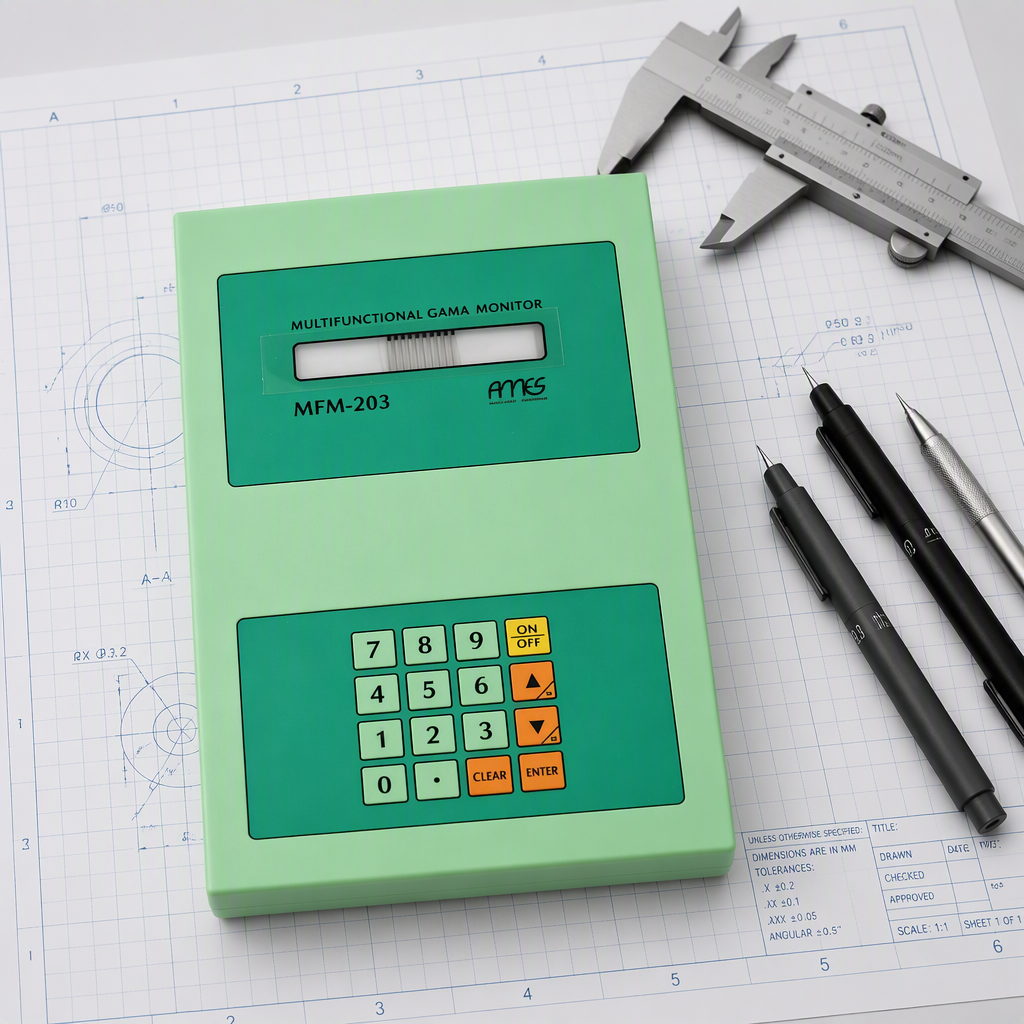
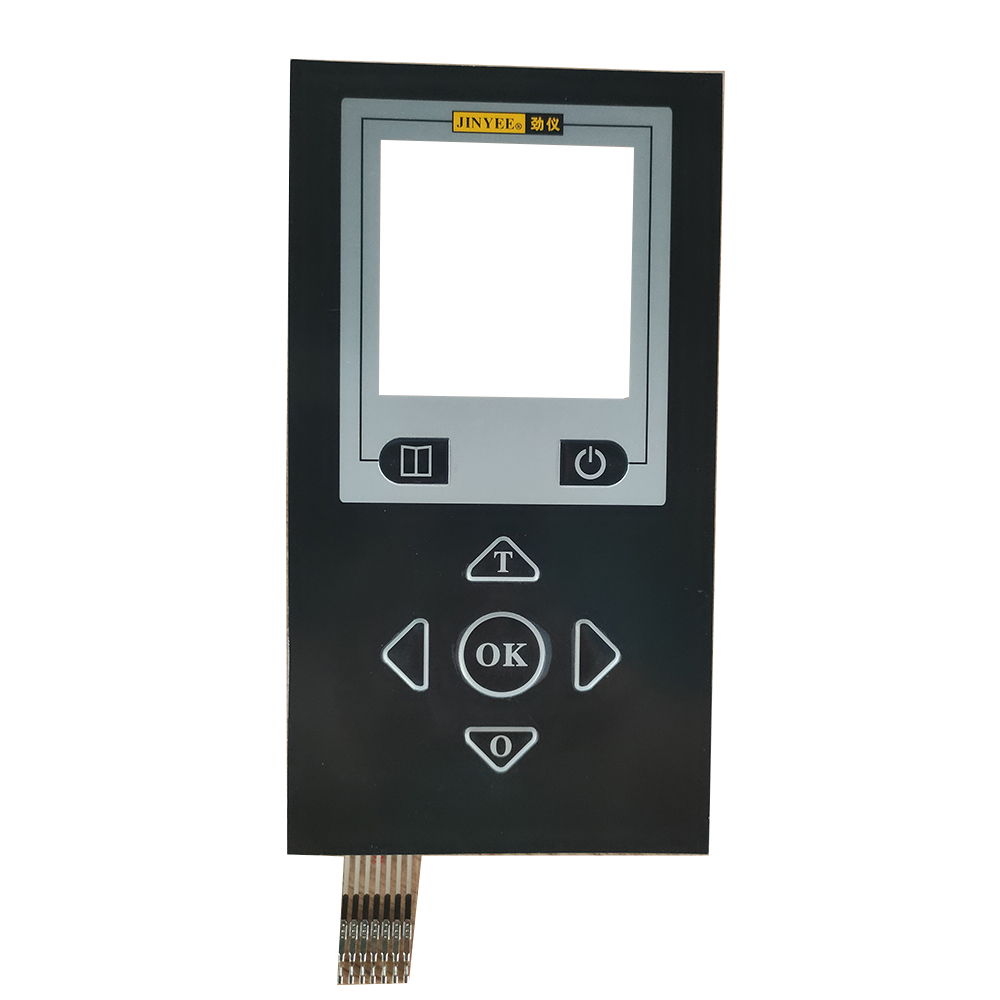
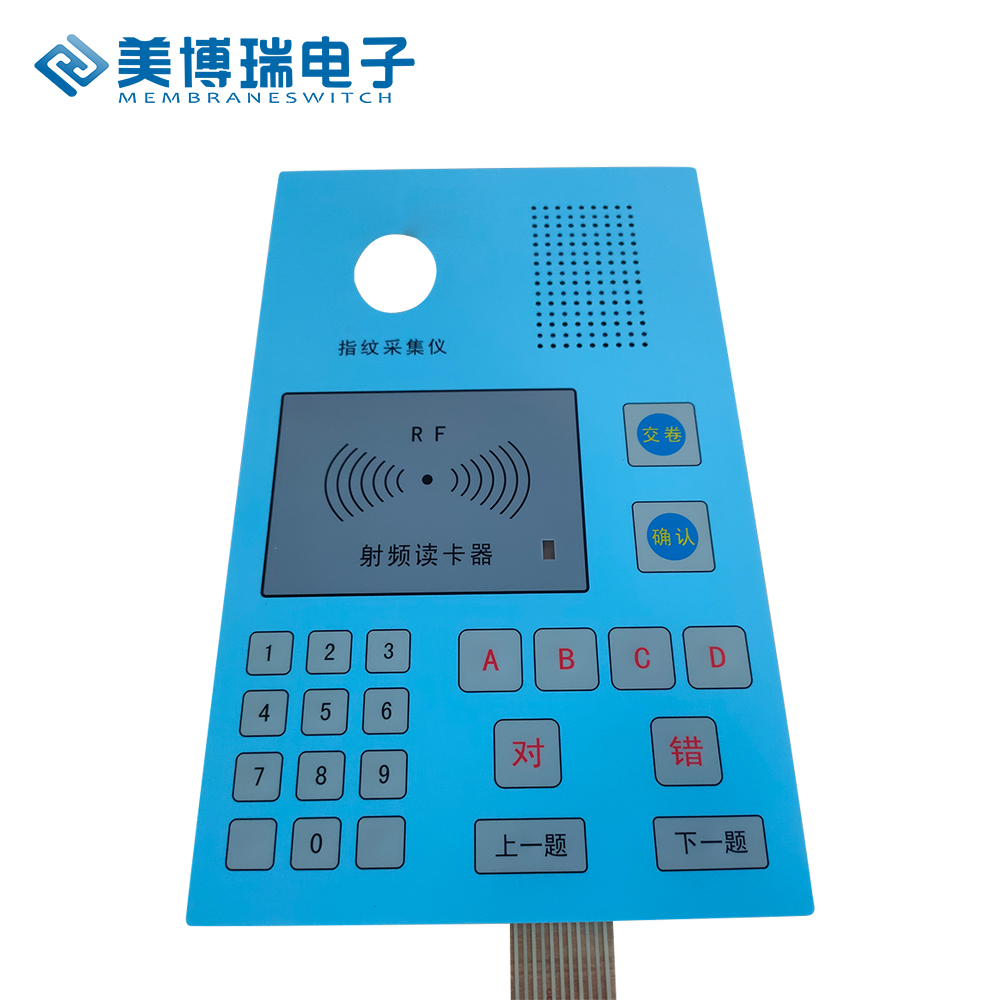
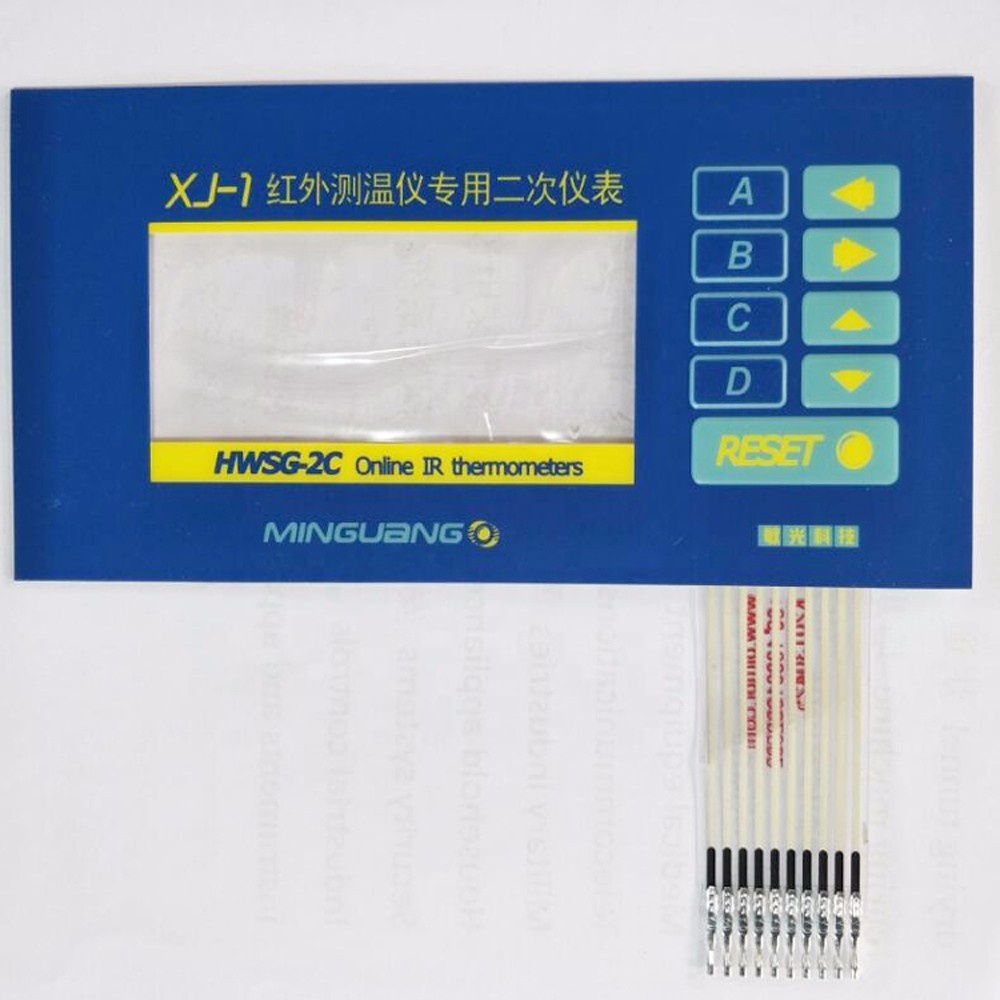
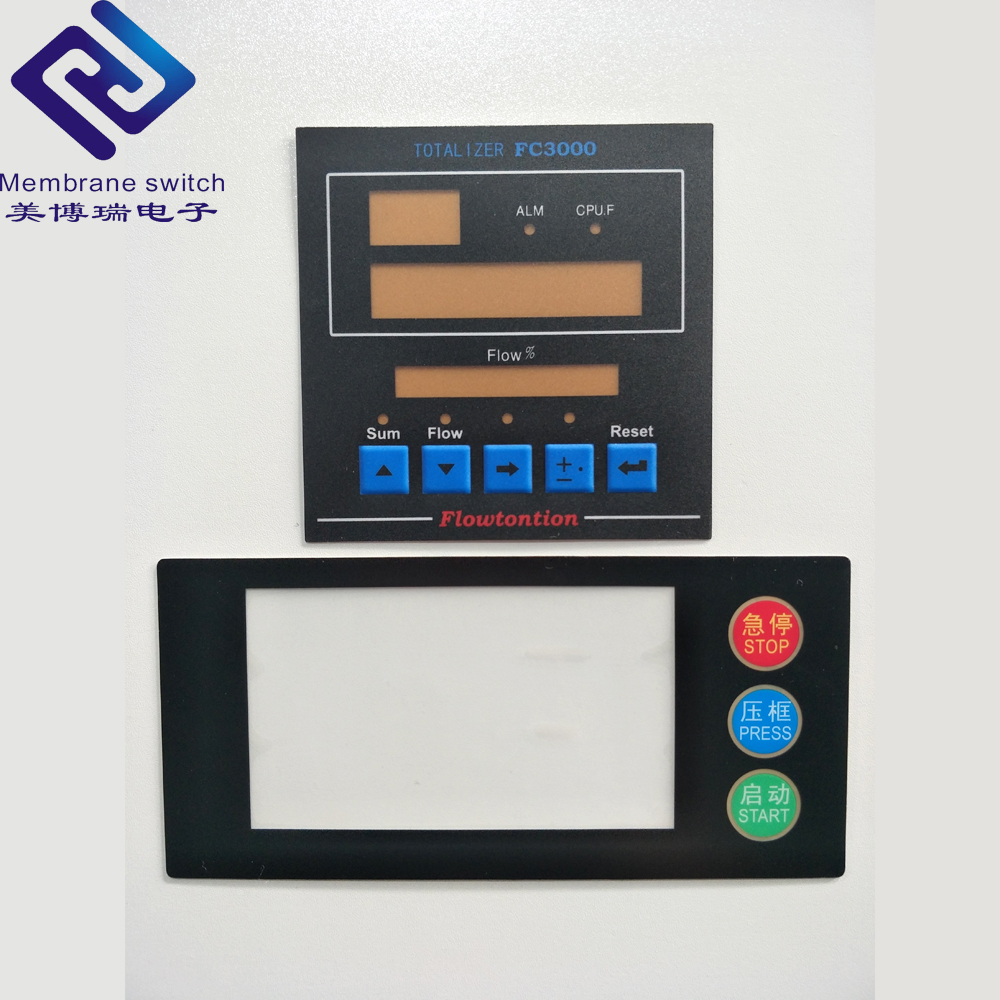
A precision display window overlay does not operate merely as a decorative front face; it acts as a functional protective shield for underlying LCD, VFD, OLED, and seven-segment LED displays. Our layer stacks are engineered to eliminate parallax, prevent Newton’s rings, and resist aggressive industrial cleaning agents.
Using premium biaxially oriented PET (Autotex XE/Autotype) or Lexan Polycarbonate (8010/HP92S), our overlays incorporate selective texturing. We print durable matte or fine-grain textures across the user interface surface while masking the display apertures with optically clear, gloss, or anti-glare coatings, achieving greater than 92% light transmission.
For modern diagnostic panels, our sub-surface digital UV and precision screen printing capabilities support deadfront illumination. Indicators and warning symbols remain invisible until illuminated from behind by embedded LEDs, preventing operator distraction in low-light environments common in heavy process plants.
We deploy high-performance acrylic adhesive transfer tapes, primarily 3M 467MP, 468MP, and 3M 300LSE for low surface energy plastics or powder-coated cast aluminum enclosures. A continuous perimeter barrier protects sensitive electronic circuits against tropical rains, saline ambient mist, and pressurized washdown cycles.
Camagüey stands as a cornerstone of Cuban primary production, transportation, and industrial transformation. Equipment stationed throughout the province must survive high ambient temperatures, sustained tropical humidity, and supply chain constraints that make component longevity paramount.
Camagüey is Cuba's cattle and dairy heartland. Pasteurizers, centrifugal separators, and homogenization units in facilities like the Combinado Lácteo require frequent CIP (Clean-in-Place) sanitization with caustic soda and chemical detergents. Our polyester overlays resist delamination and color degradation under continuous sanitization.
Centrales azucareros throughout the province expose control consoles to fine bagasse dust, steam, and abrasive particulates. Our sealed display window panels prevent particulates from bypassing the enclosure and settling on delicate numeric counters or programmable logic controllers (PLCs).
Hospitals such as Hospital Universitario Manuel Ascunce Domenech depend on medical diagnostic instruments, incubators, and laboratory autoclaves. We manufacture medical-grade graphic overlays featuring antimicrobial coatings and clear windows compatible with alcohol and bleach sterilants.
As home to the central locomotive workshops (Talleres Ferroviarios de Camagüey), the regional rail grid relies on heavy-duty diesel engine diagnostic displays and cab control interfaces. Our aluminum-backed, tactile dome membrane switches provide crisp mechanical feedback even when operators wear protective gloves.
Municipal water networks, hydraulic reservoirs, and irrigation complexes across the Camagüey plains require outdoor telemetry interfaces. We build overlays using UV-stabilized Autotex XE films specifically engineered to prevent yellowing, embrittlement, and cracking under intense Caribbean sun exposure.
Vibration and continuous mechanical stress from grinding machinery require robust contact solutions. By integrating nickel-plated stainless steel metal domes rated up to 1,000,000 to 5,000,000 actuations, our assemblies outlast conventional mechanical pushbuttons in dusty settings.
Industrial procurement in Cuba is evolving toward total cost of ownership (TCO) optimization and localized equipment retrofitting. Sourcing teams look for durable interface assemblies that extend the working life of legacy machinery.
With an extensive base of legacy European, Soviet, and Asian equipment, industrial engineers in Camagüey frequently need direct-replacement membrane panels for obsolete controls. Our CAD team can reverse-engineer sample parts, scans, or dimensioned drawings to recreate matching overlays and circuits with upgraded materials.
While Polycarbonate (PC) was historically selected for its low raw-material cost, procurement engineers are steadily transitioning to engineered Polyester (PET) for display windows and switch keypads. PET offers superior chemical resistance to aggressive solvents and exceptional flexural fatigue resistance under heavy actuation cycles.
Procuring graphic overlays, printed circuit boards (PCBs), metal backing plates, and display windows from disparate vendors increases assembly overhead. Cuban buyers increasingly source complete plug-and-play HMI modules—combining rigid backer plates, integrated display lenses, and pre-soldered FPC tails—to simplify final assembly.
Operating dual manufacturing hubs in Xianghe (Robot Industry Port, Hebei) and Huizhou (Guangdong), TAVO Electronic Information Technology Co., Ltd. controls every stage of graphic overlay and membrane switch fabrication in-house.
Practical technical answers to help sourcing directors, instrumentation technicians, and import specialists specify the right display window overlay.
Polycarbonate (PC) is easy to die-cut, cost-efficient, and offers optical clarity up to 0.5mm-1.0mm thickness. However, it can crack under continuous switch flexing and degrades when exposed to aggressive industrial solvents. Polyester (PET) costs slightly more, but it provides superior flex endurance (over 5 million cycles), excellent resistance to cleaning chemicals, and extended performance in humid tropical environments.
Every overlay with an optical window is laminated on both the front and rear faces with low-tack protective masking film immediately after printing and die-cutting. This barrier prevents scuffing during transit across international shipping routes and can remain on the part during enclosure assembly until final commissioning at the customer site.
Yes. By printing translucent tinted inks (red, green, blue, smoke grey, or amber) on the sub-surface of the display aperture, we can increase the contrast of numeric LED readouts or LCD panels. This cuts down glare and makes displays easier to read in both sunlit outdoor pumping stations and dimly lit plant control rooms.
To provide an accurate technical quote and design-for-manufacture (DFM) assessment, we request vector artwork (Adobe Illustrator .AI, CorelDRAW .CDR, or vector .PDF) indicating Pantone/RAL color codes, along with a mechanical layout (.DXF, .DWG, or .STP) showing overall dimensions, cutouts, window areas, embossing requirements, and rear adhesive boundaries.
Standard adhesives can lift over time on textured casting surfaces or low surface energy (LSE) powder-coated metal common in heavy machinery enclosures. We address this by specifying modified acrylic adhesive systems, such as 3M 300LSE or high-tack 3M 468MP, providing peel-adhesion strength that resists high humidity, thermal cycling, and continuous vibration.
Custom graphic overlay and membrane switch prototypes are typically ready within 7 to 10 working days following final engineering drawing sign-off. Full volume production runs average 2 to 3 weeks, depending on batch quantity and layer complexity. Finished consignments are packaged in moisture-barrier cartons suited for international air or sea freight.
Are you specifying a new equipment series or retrofitting a legacy control interface in Camagüey? Share your drawing files and operating specifications with our engineering team for an in-depth DFM evaluation, custom material recommendation, and factory-direct quotation within 24 hours.