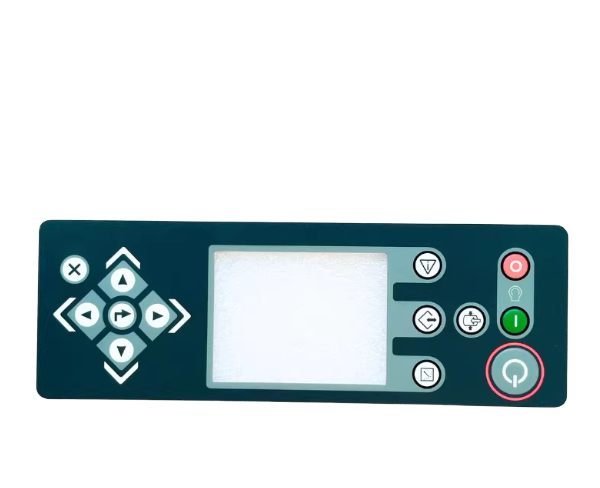
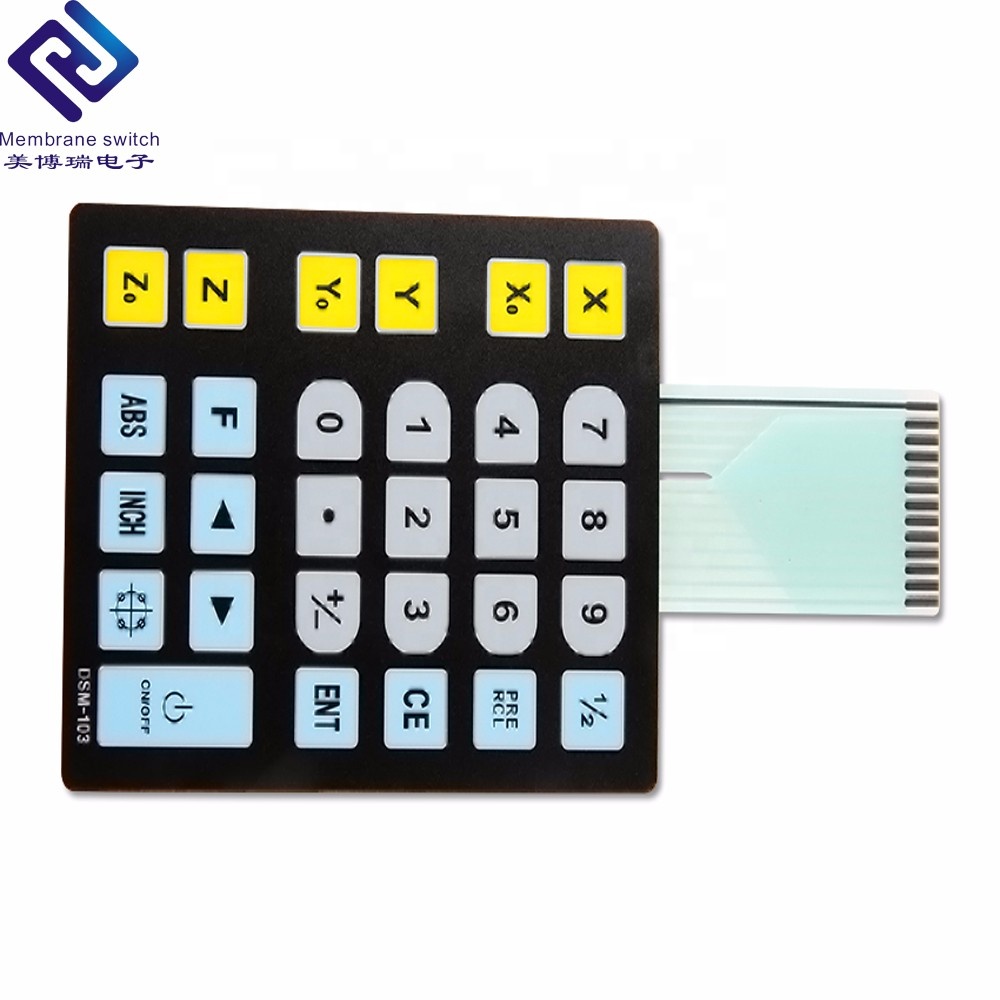
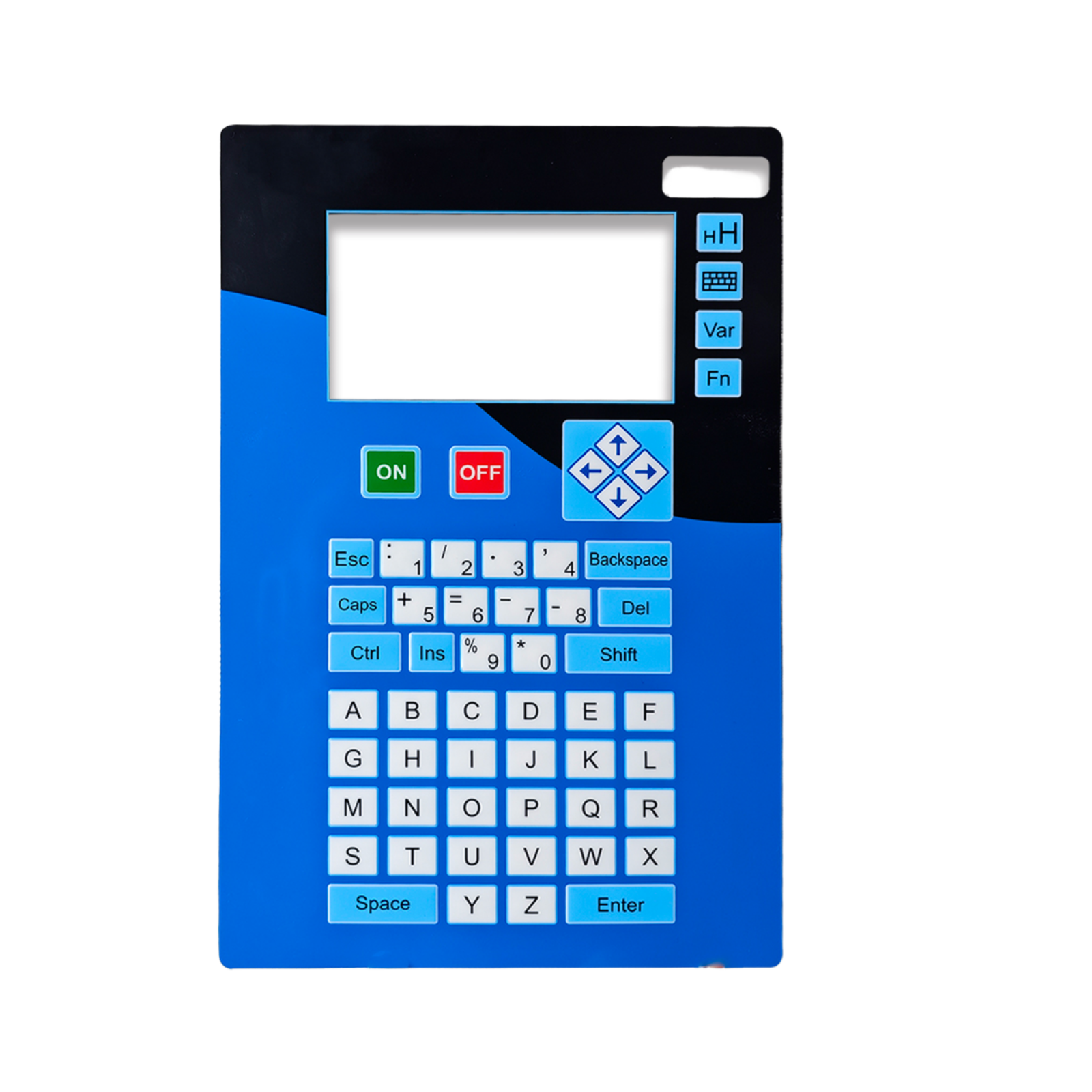
In modern industrial electronics, human-machine interface (HMI) modules frequently operate under unforgiving ambient conditions. In maritime transport hubs and coastal processing ecosystems like Zadar, Croatia, control interfaces face prolonged exposure to salt spray aerosols, intense ultraviolet (UV) radiation, dramatic ambient temperature swings, and chemical washdowns. Specifying an off-the-shelf mechanical switch panel under these circumstances usually leads to early contact oxidation, elastomeric embrittlement, and ingress-related short circuits.
Engineering Core Concept: TAVO eliminates oxidation vulnerabilities through fully encapsulated Polyethylene Terephthalate (PET) and Flexible Printed Circuit (FPC) copper sub-layers, backed by continuous edge sealing using acrylic structural adhesives (3M 300LSE / 468MP) rated to IP67 and IP68 standards under EN 60529 testing.
1. Capacitive Touch vs. Tactile Metal Dome Matrices in High-Moisture Settings
When engineering panels for the Zadar market, system architects generally weigh two flexible technologies: Tactile Membrane Switches with Stainless Steel Domes and Projected Capacitive (PCAP) Flexible Touch Sensors.
Tactile metal dome assemblies rely on four-legged or round nickel/gold-plated stainless steel domes (actuation force 220g to 450g). They provide crisp sensory feedback through gloves, essential for maritime deck winches, nautical navigation consoles, and food-processing equipment where operators must feel positive confirmation. Conversely, flexible capacitive touch switches operate without physical contact closure. Instead, etched copper or screen-printed conductive polymer meshes detect dielectric variations generated by an operator's finger.
To overcome spurious actuation triggered by coastal condensing humidity or salt spray water film, TAVO applies specialized multi-channel touch controllers programmed with baseline drift tracking and differential noise thresholding. This allows reliable glove touch and wet-surface tracking without false triggers.
2. Material Selection Science: Hardcoated PET vs. Polycarbonate (PC) Overlays
The outermost layer dictates UV resistance, optical transmission, and chemical endurance:
• Autotype Autotex / XE Polyester (PET): Offers superior mechanical flex life (>5 million switch cycles without flex fatigue), superior resistance to diesel fuel, industrial hydraulic fluids, cleaning reagents, and exceptional UV stability for outdoor marine terminals along the Adriatic coastline.
• Lexan Polycarbonate (PC): Excels in impact resistance and high thermal deflection thresholds, making it suitable for sheltered control enclosures and interior medical apparatus. We implement second-surface sub-surface digital UV and silkscreen printing, encapsulating the pigment under the clear polymer substrate to prevent scratching, fading, or chemical wiping degradation.