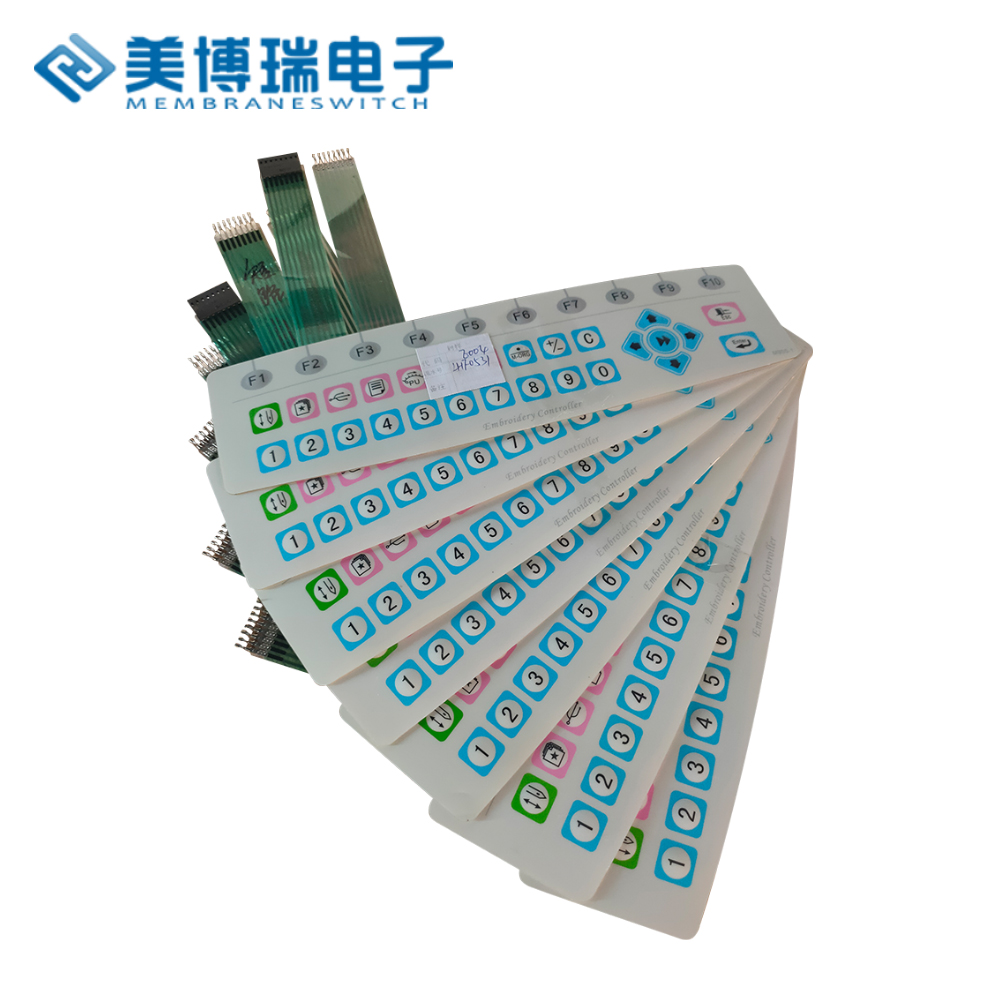
Factory-Direct Product Selection
Engineered Membrane Switch & Keypad Assemblies
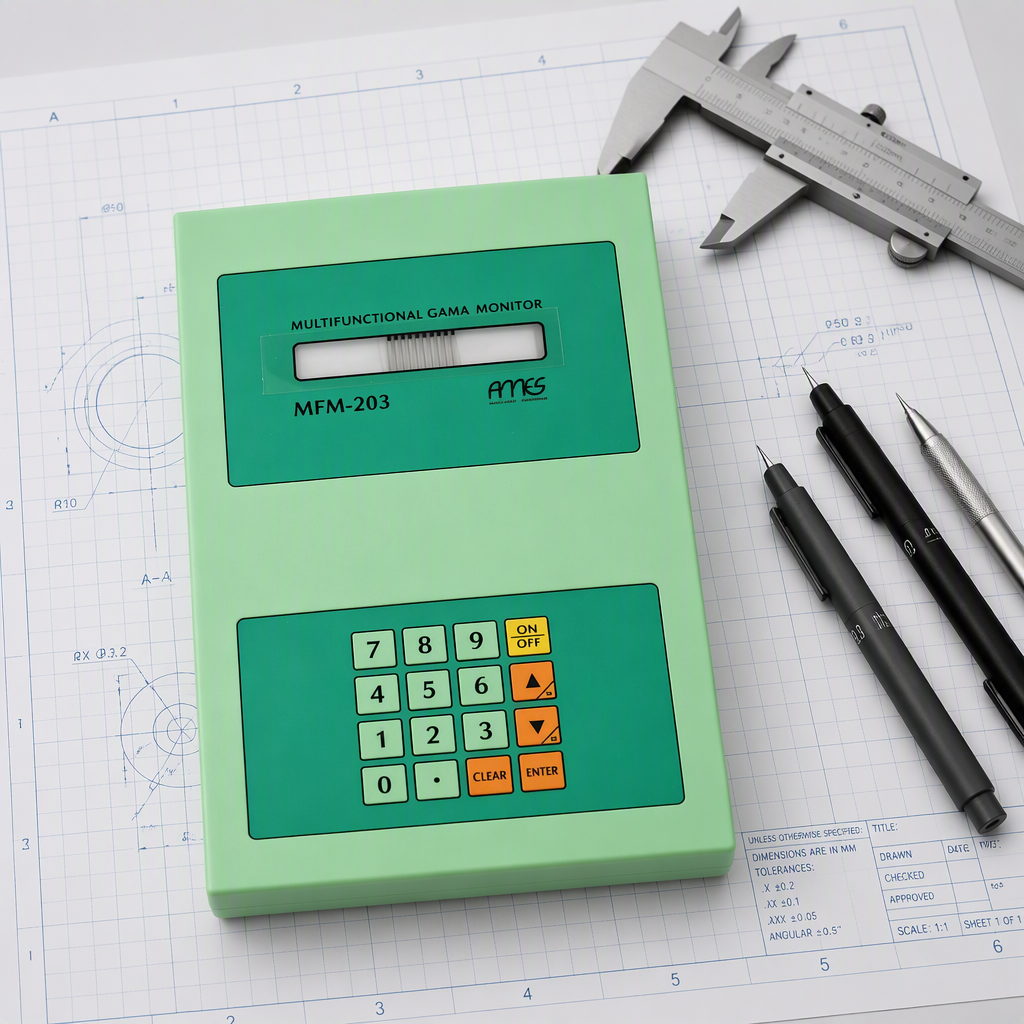
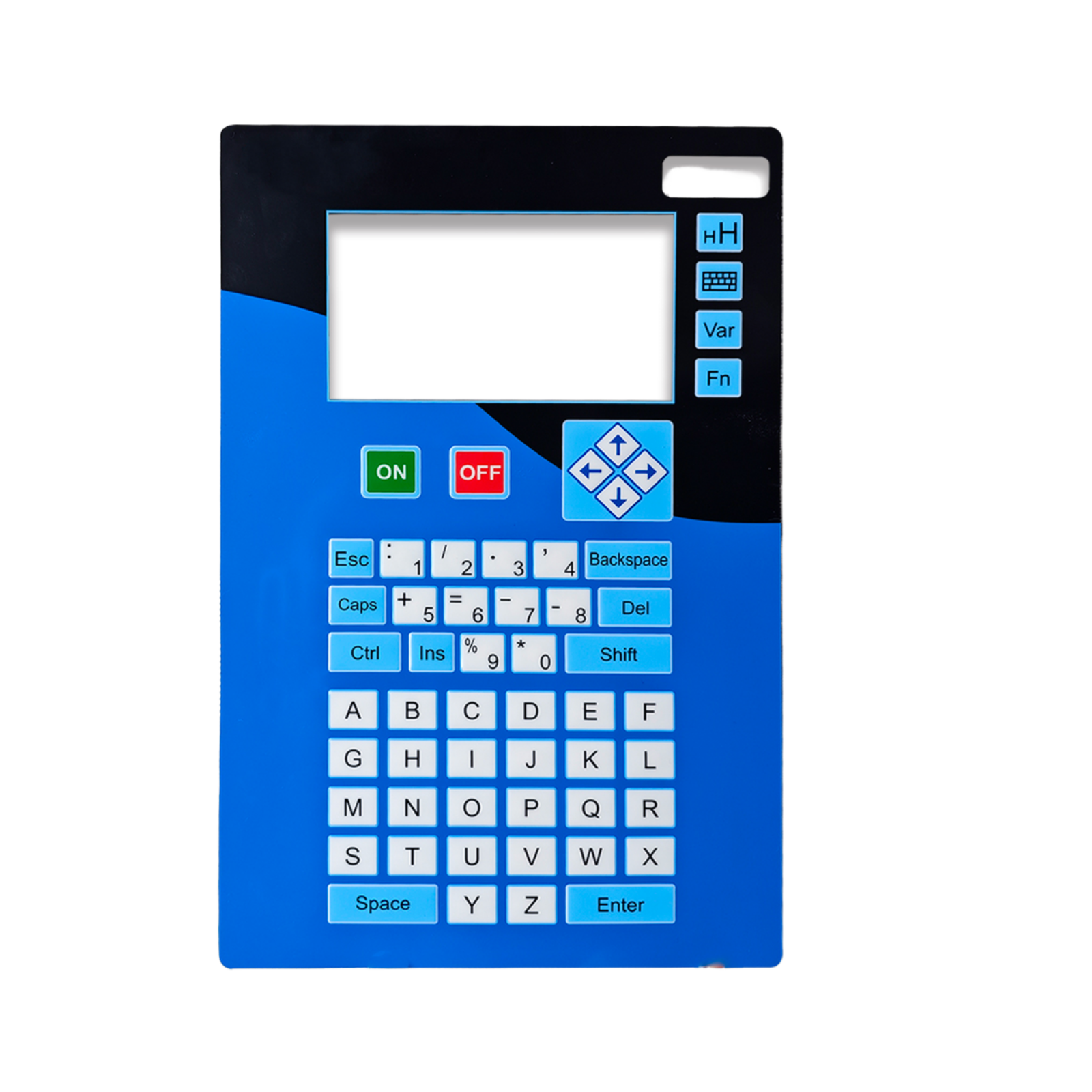
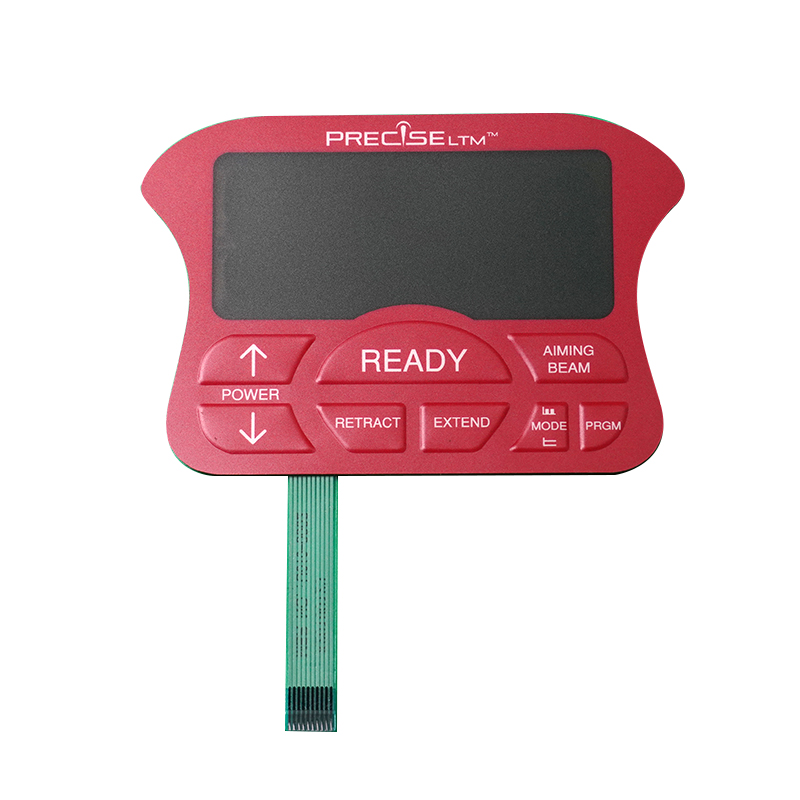
Explore our certified range of waterproof, LED-integrated, and tactile membrane switch keyboards engineered for industrial control panels, automation hardware, and instrumentation.
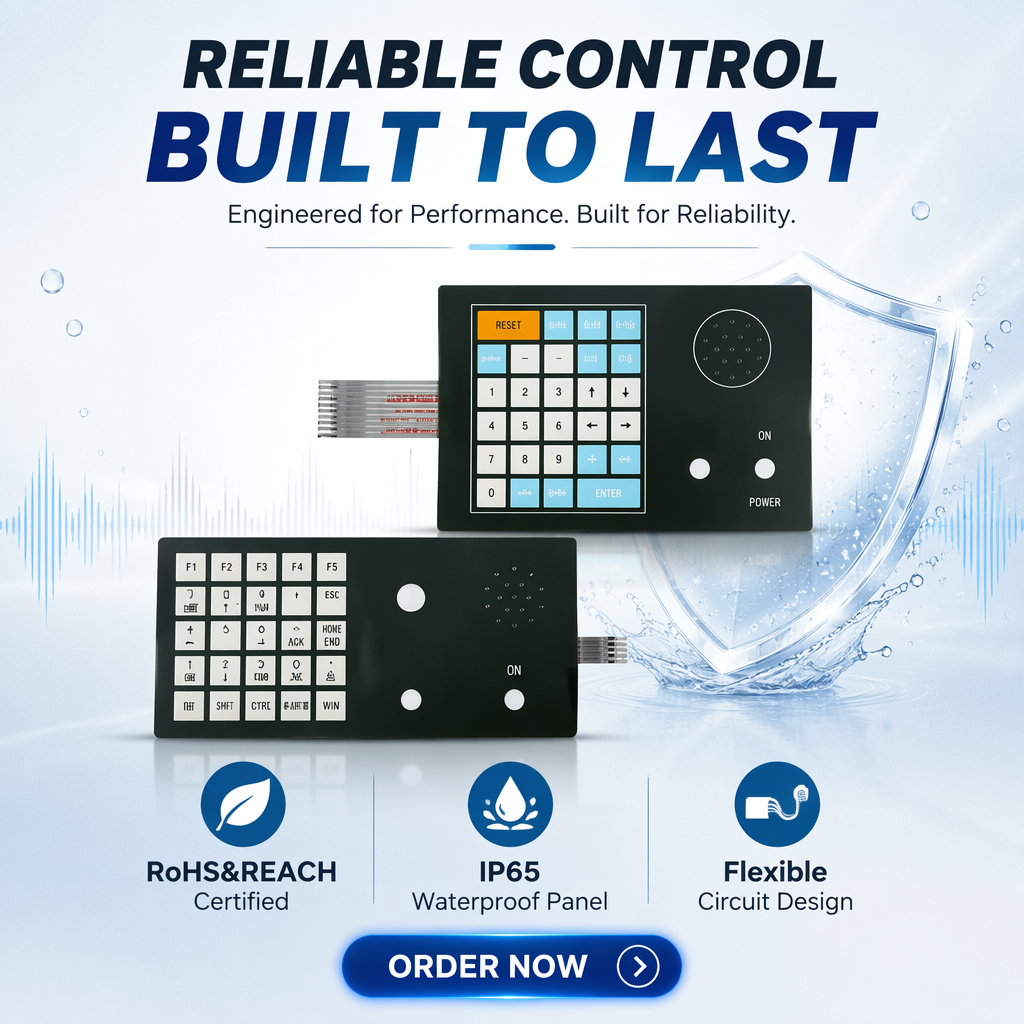
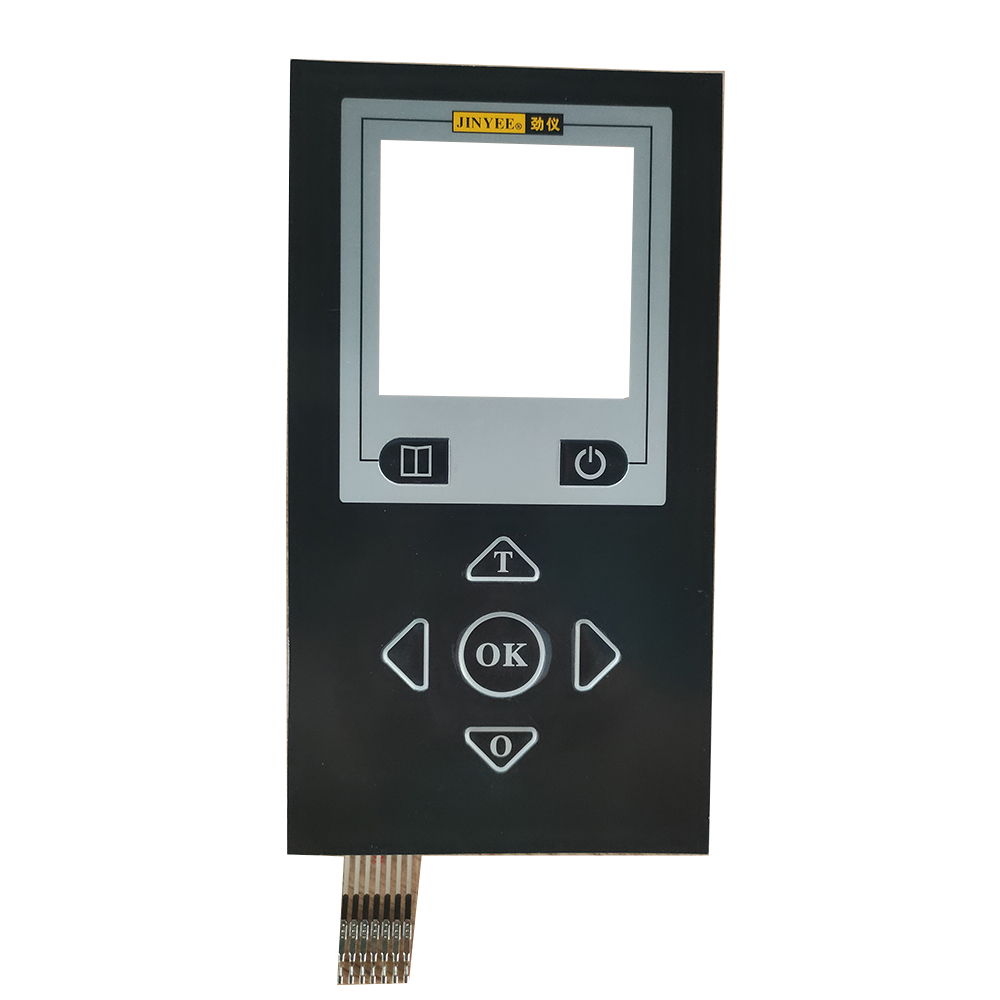
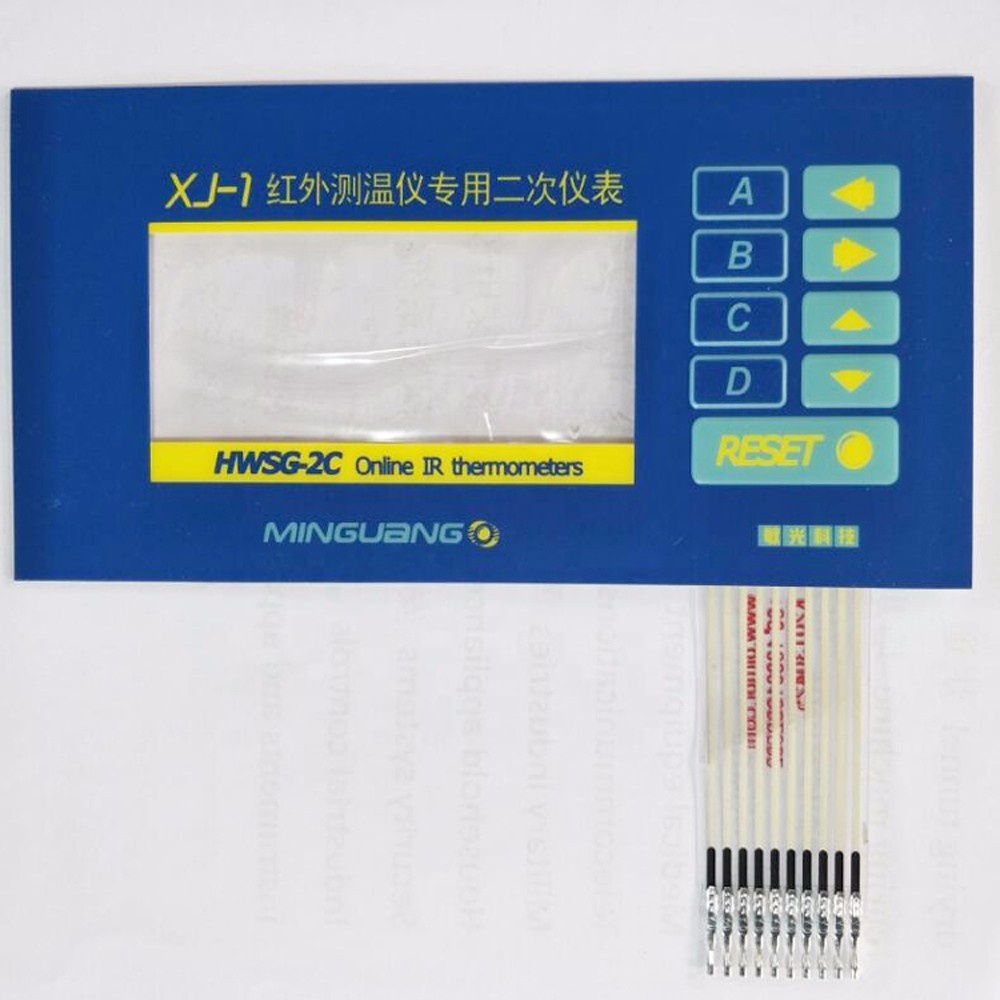
Technical Engineering Whitepaper
High-Efficiency Light Guide Film (LGF) Membrane Switch Integration
A rigorous examination of optical scattering, component thickness minimization, and thermal management in modern tactile switch assemblies designed for high-reliability applications.
Optical Dot-Matrix Microlithography & Uniformity Metrics
Traditional discrete surface-mount LED backlighting in membrane panels inevitably suffers from distinct chromatic hot-spots, uneven luminescent intensity across wide key spans, and an inherently tall Z-axis stack-up (>1.5mm). By integrating precision-molded or micro-embossed Light Guide Film (LGF) layers (0.125mm to 0.250mm optical-grade PC or PMMA), illumination from high-efficiency side-emitting LEDs (such as 0603 or 0802 packages) is internally reflected and uniformly extracted toward specific key legends and functional iconography.
Our micro-lens distribution algorithm modulates dot density inversely relative to distance from the LED emission point. This eliminates the standard logarithmic falloff of photon density, resulting in an overall panel luminance uniformity index surpassing 85% (ANSI 9-point photometric measurement). Moreover, the physical detachment of the lateral light source from the direct vertical actuation axis guarantees that tactile metal domes—ranging from nickel-plated stainless steel to gold-plated domes (actuation forces from 180g to 450g)—preserve their snappy tactile feedback without dampening tactile ratios.
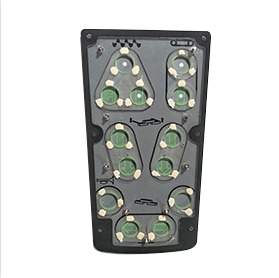
Material Layer Architecture: LGF Stack-Up Performance Benchmarks
Graphic Overlay Substrate
Autotex XE / F150 / F200 Fine-Grain Textured PET or Makrofol Polycarbonate (Anti-glare, chemical-resistant, UV stabilized)
LGF Optical Core Layer
0.125mm - 0.25mm High-transmittance Polycarbonate (PC) with computerized micro-indentation gradient dotting
Actuation Domes
Stainless Steel SUS301 / Nickel Plated / Gold Plated (Tripod, Four-leg, or Round domes; 1,000,000 to 5,000,000 cycles)
Circuitry Trace Matrix
Conductive Silver Ink (<0.05 Ω/sq/mil) over stabilized PET, or Flexible Printed Circuit (Polyimide FPC with 1oz/0.5oz Cu traces)
Shielding Layer
Full-coverage Carbon Ink, Printed Silver Grid, or Aluminum/Copper Foil grounded for strict EMI/ESD attenuation (>40dB)
Lamination Adhesives
Genuine 3M 467MP / 3M 468MP / 3M 300LSE (Engineered for bare metals, high-surface energy and low-surface energy plastics)
Localized Engineering Context
Deployment Scenarios Across Domagnano & the San Marino Industrial Basin
Engineered thin-film interfaces customized for regional mechanical engineering, automated packaging lines, laboratory equipment, and outdoor environmental monitoring installations.
Specialty Mechatronics & Packaging Automation
Domagnano sits along San Marino’s vital industrial spine, tightly linked with Emilia-Romagna’s packaging and mechatronics network. High-speed packing equipment and wrapping cells operate in demanding factory environments where wash-downs, aerosol lubricants, and mechanical vibration are constant. Our IP67-sealed membrane switches, constructed with Autotex polyester graphic overlays, survive aggressive cleaning agents (alcohols, degreasers, dilute acids) without micro-cracking or ink delamination.
Precision Diagnostic & Analytical Instrumentation
Local electronics development, medical device prototypes, and laboratory test chambers require compact user inputs with tactile certitude. By employing LGF (Light Guide Film) backlit keypads paired with 0.1mm polyimide FPC circuits, Sammarinese OEMs achieve completely illuminated keys that do not produce RF interference or emit excessive heat, maintaining total mechanical precision in low-ambient lighting environments.
Harsh Topographical & Outdoor Marine-Bordering Monitoring
Positioned on Mount Titano's dynamic climatic gradients, outdoor control panels and commercial building access consoles must endure extreme thermal cycling (-30°C to +75°C) and elevated humidity. Our custom silicone-bonded membrane systems, fortified with 3M 300LSE adhesive matrices and integrated breathable Gore vents, equalize internal barometric pressure while halting condensation dead in its tracks.
Technological Forecast
Emerging HMI Engineering Trends for San Marino OEMs
How the shift toward Industry 4.0, hybrid user input topologies, and European environmental directives are transforming control panel manufacturing.
Capacitive Touch Fusion
Modern machine builders are moving away from purely mechanical or purely touch displays. We see a strong increase in hybrid architectures: combining edge-lit capacitive touch sliders with physical emergency-stop membrane keys for guaranteed tactile safety.
Sub-Millimeter Profile Optimization
As equipment housings become sleeker, industrial designers can no longer allocate 20mm inside cabinets for front-panel assemblies. Our LGF-infused assemblies condense switches, backlighting, and FPC jumpers down to an incredible 0.8mm total thickness.
Rigorous EMC & CE Compliance
With tighter European electromagnetic compatibility regulations, industrial panels require superior suppression. Full-plane copper and printed carbon shielding attenuate noise from nearby inverter drives, frequency converters, and industrial servo motors.
Eco-Designed Lifecycle Systems
In accordance with evolving EU directives on industrial waste, our engineering focuses on solvent-free UV-curable dielectric inks and halogen-free substrate films, ensuring effortless post-service reclamation and reduced carbon footprints.
Factory Pedigree & Manufacturing Depth
End-to-End In-House Processing Under One Roof
Direct from our manufacturing facility in the Robot Industry Port of Xianghe and second production base in Huizhou, Guangdong. No sub-contracting, zero information loss, absolute quality ownership.
Full In-House Infrastructure
From initial CAD/CAM layout drawing, film generation, silkscreen and digital UV printing on Mimaki systems, down to automated embossing, CNC laser cutting, and final lamination, all procedures are executed in-house. Our toolset includes 60 CNC mold-making units, 37 precision screen printers, and 18 industrial laser cutting machines.
German Technical Collaboration & Auditing
We operate in strict conformity to ISO 9001 quality standards, independently assessed onsite by Intertek. Since our origins in 1990, sustained engineering and technical exchange with German manufacturing partners ensures our tolerances, adhesive alignments, and circuit testing meet the most rigorous European procurement criteria.
Battle-Tested Global Engineering Support
With an engineering team where over 30 core technicians each bring more than 15 years of thin-film interface experience, we have successfully delivered for global giants like Siemens, ABB, and Haier, as well as critical control systems for high-speed locomotives, aerospace initiatives, and the Three Gorges hydro-electric installation.
Engineering & Logistics Q&A
Procurement FAQ for Domagnano & European Buyers
Clear, direct answers to common queries regarding files, minimum order thresholds, customs clearance, and electrical testing.
What engineering files are required to initiate tooling and prototyping?
To start your project without delay, provide vector mechanical outlines (DXF, DWG, STEP, or 1:1 PDF), graphic design layers with explicit Pantone / RAL color callouts (Adobe Illustrator .AI or CorelDRAW .CDR), and a schematic pin-out diagram mapping keys to tail connector terminals. Our engineering department handles DFM (Design for Manufacturability) verification and provides a comprehensive fabrication proof for sign-off prior to production.
How does shipping and customs handling work for Domagnano, San Marino?
Orders destined for Domagnano and the wider Republic of San Marino ship smoothly under standard Incoterms (DAP, DDP, FOB, or CIF). Because San Marino shares a customs union with the European Union, air express parcels (DHL, FedEx, UPS) routing via Bologna (BLQ) or Rimini (RMI) clear effortlessly with standard T1 transit declarations and custom invoices. We supply comprehensive commercial invoices, packing lists, HS code specifications (typically 8537.10), and Certificates of Origin.
Can you support low-volume pilot builds or prototype runs before mass production?
Absolutely. Unlike commodity volume suppliers that require minimum orders of 5,000+ units, our digital UV printing and high-precision laser profiling workflows allow us to produce pilot batches as small as 10 to 50 units. This significantly slashes R&D risk, cuts initial tooling costs, and lets your team evaluate tactile responsiveness, LED luminance, and fitment directly on your physical enclosures in Domagnano.
How is electrical integrity and environmental reliability verified in your lab?
Every switch assembly undergoes 100% automated electrical testing for contact resistance (typically <100 Ω with silver traces, <1 Ω with copper FPC), dielectric breakdown (>500V DC), and contact bounce (<5ms). For validation, our in-house test center utilizes automated pneumatic actuation testers (cycling domes past 1,000,000 presses), programmable thermal-humidity test chambers (-40°C to +85°C), xenon weatherometers for overlay UV aging, and salt fog chambers for harsh marine/industrial durability.
Can you integrate rigid aluminum plates, PCBs, or display lenses into the membrane switch?
Yes. We routinely fabricate full turnkey HMI front assemblies. This includes bonding the membrane switch directly onto CNC-machined and anodized aluminum backer plates with pressed mounting studs, laminating transparent display windows using optical clear adhesives (OCA) to prevent refraction, and integrating surface-mount discrete passive devices, LEDs, and ZIF-connector tails into a unified plug-and-play assembly.
Accelerate Your HMI Development Cycle
Collaborate directly with senior thin-film interface engineers. Send your mechanical blueprints, overlay artwork, or target schematic parameters for rapid DFM evaluation and custom quotations tailored to your exact manufacturing needs.
Get a Quote
Direct Response within 24h • Complete NDA Protection