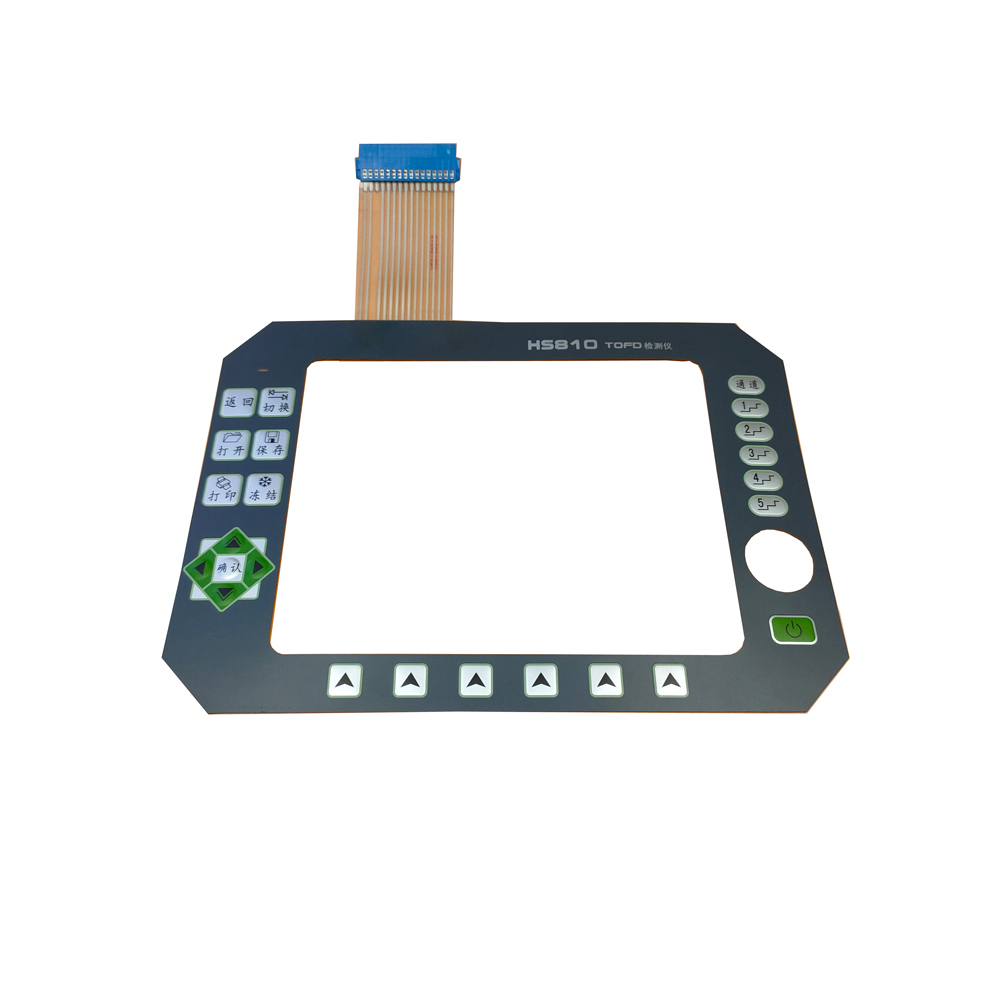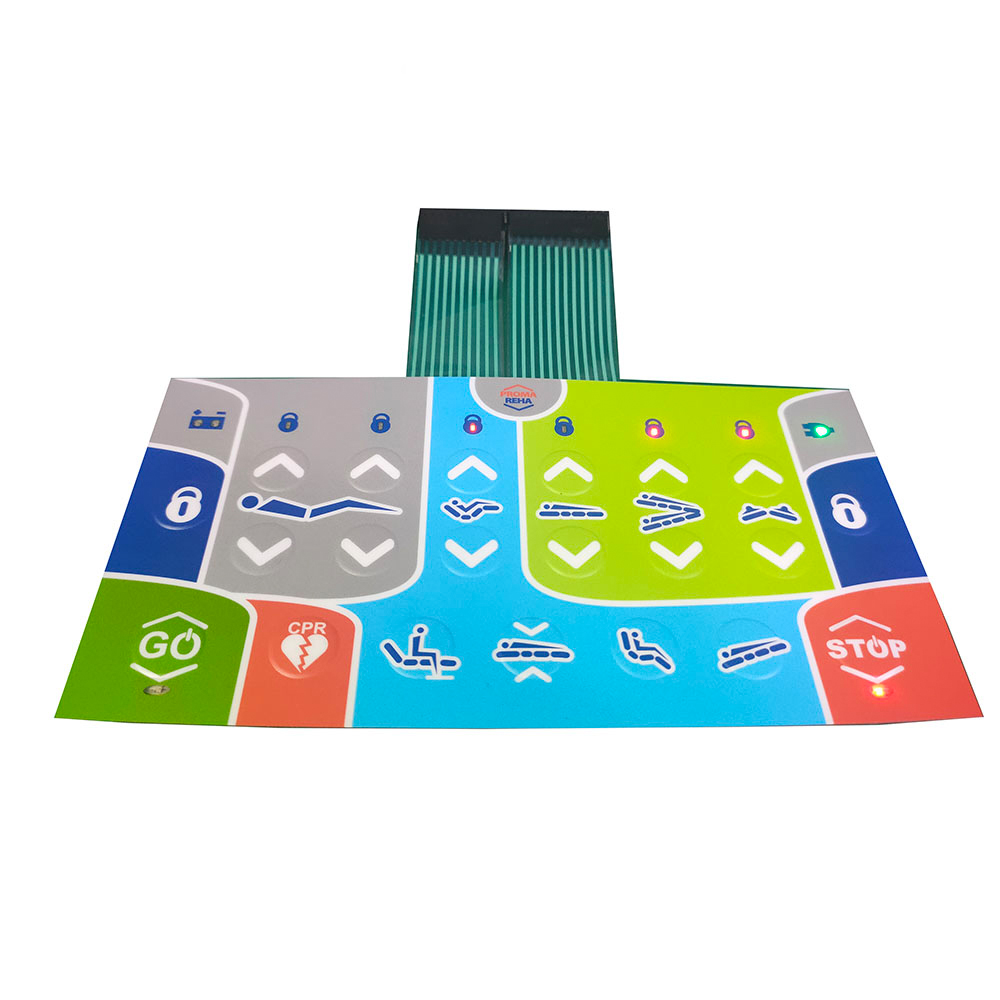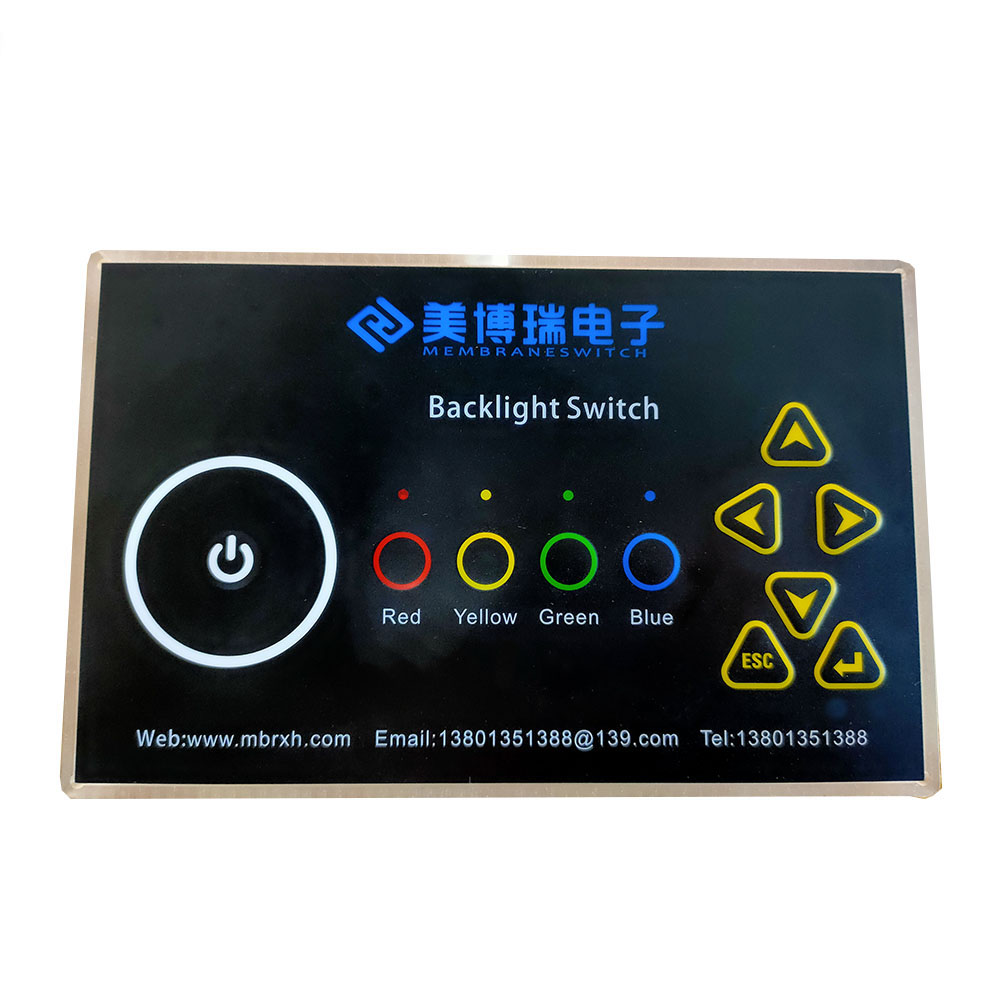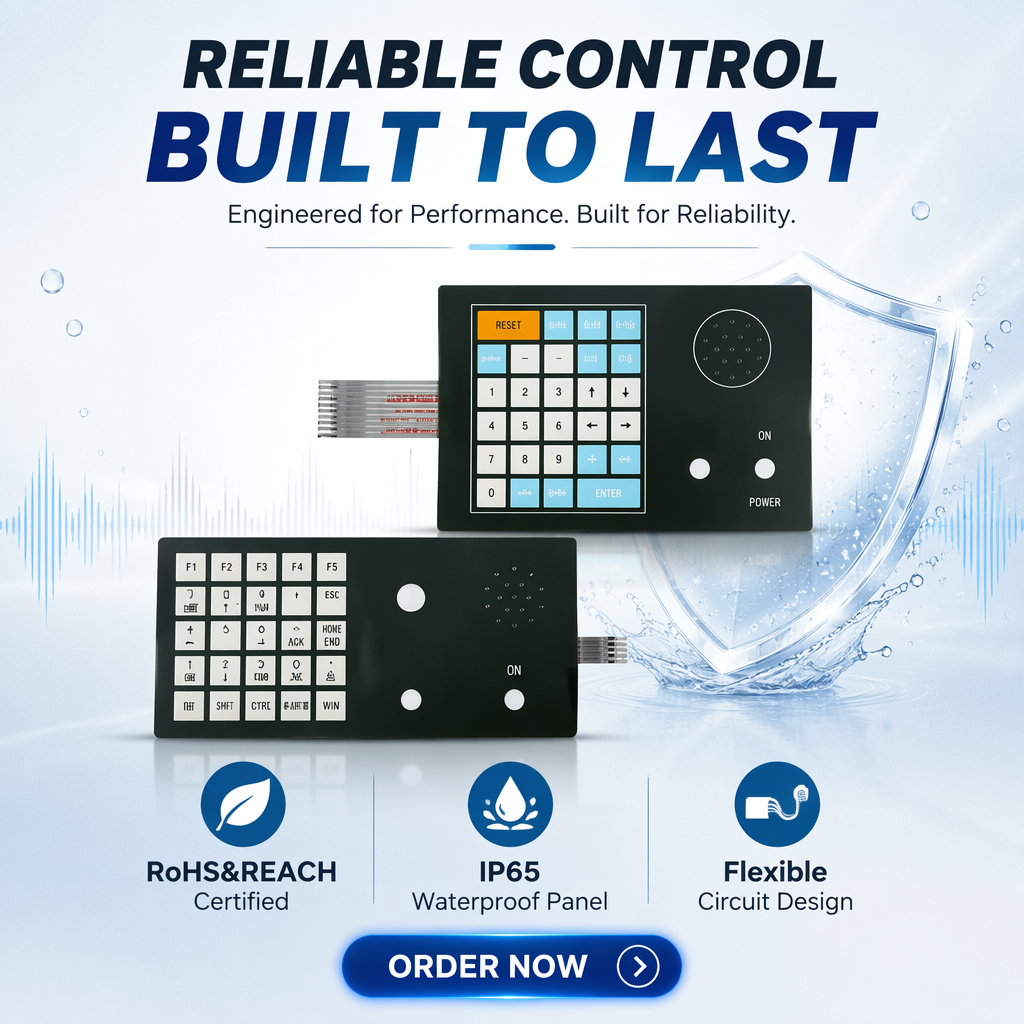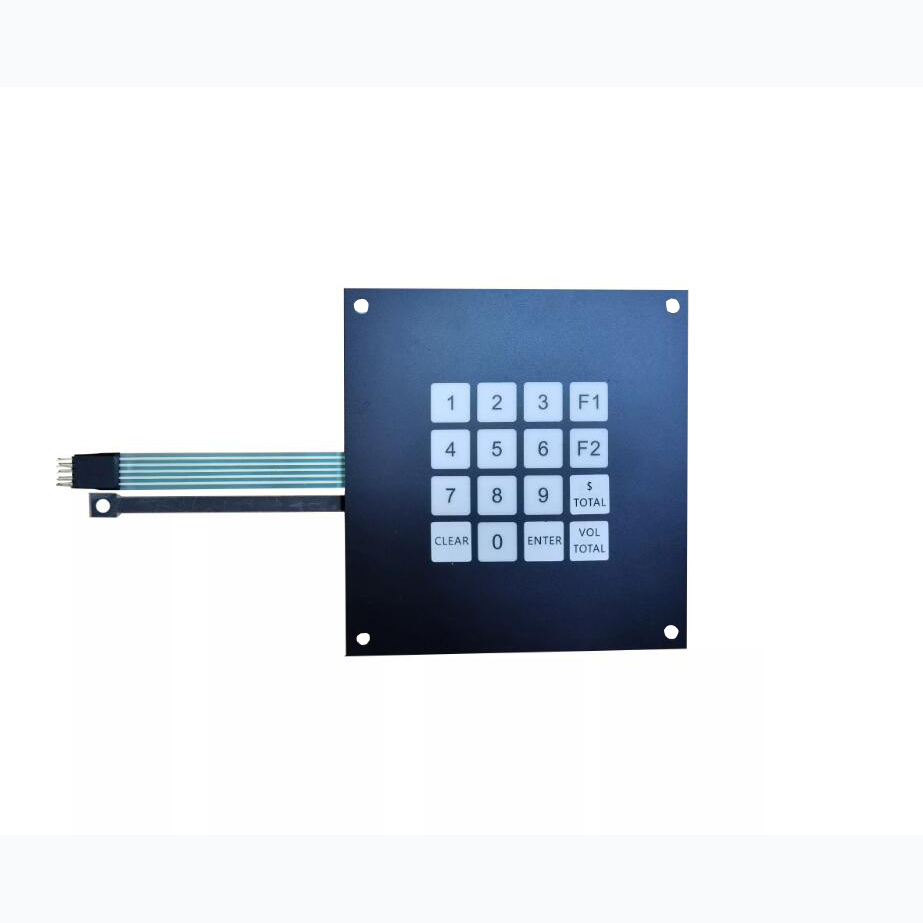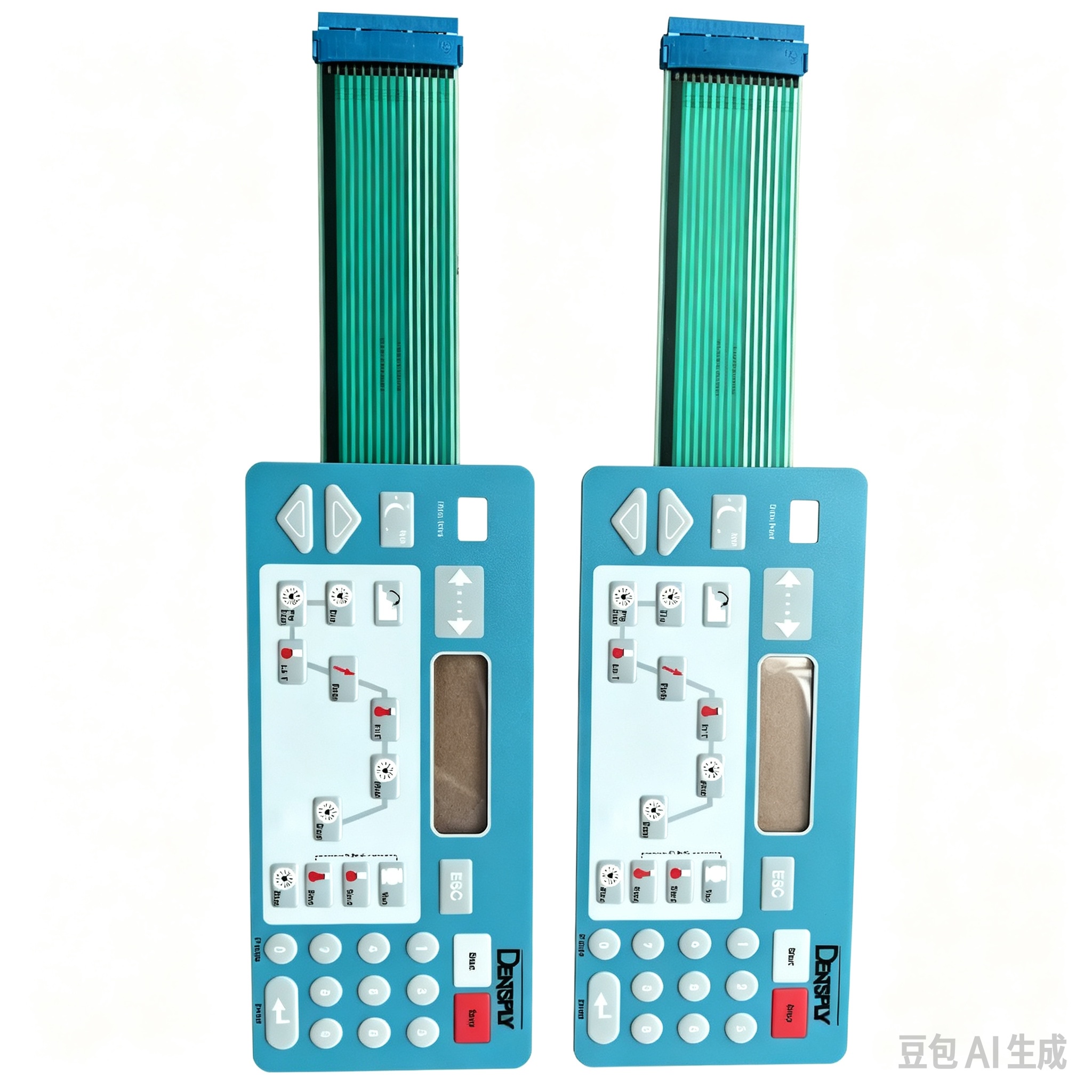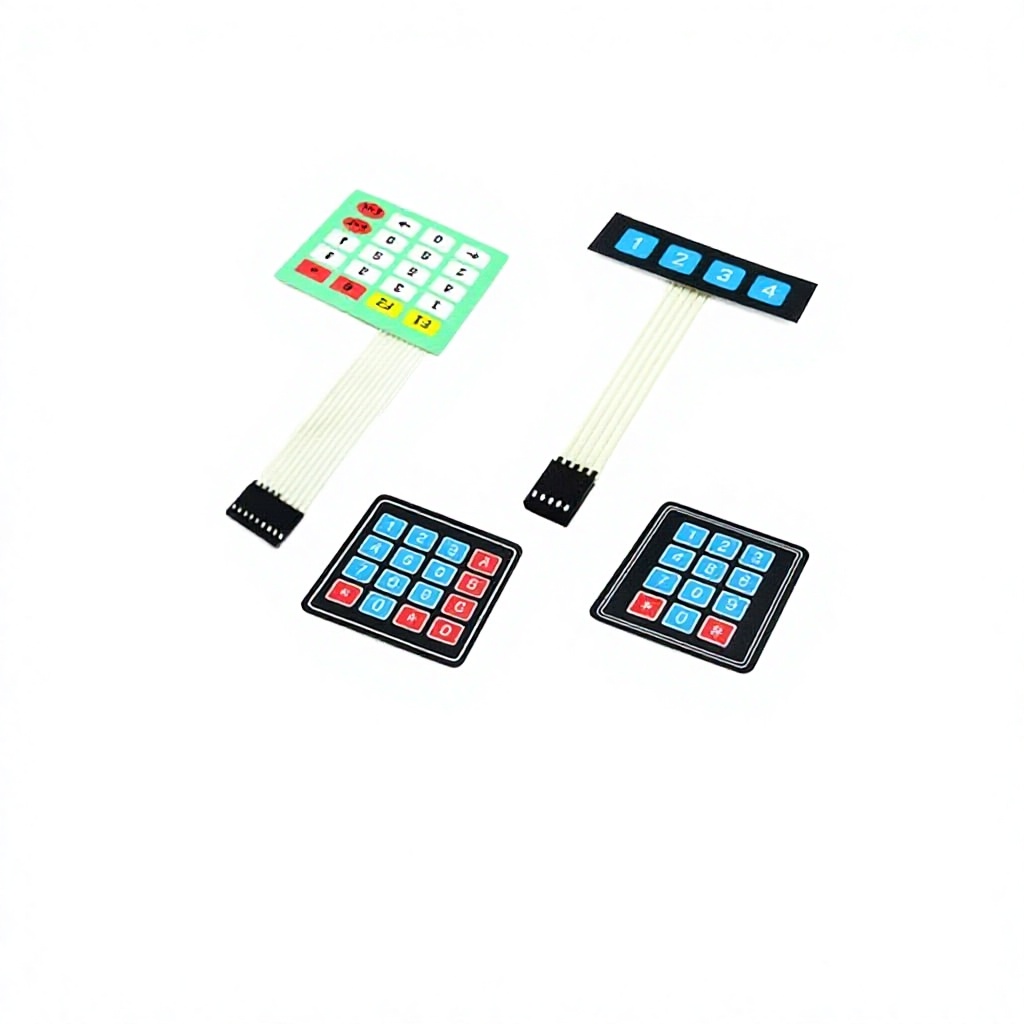
High Reliability Custom FPC Membrane Switch Flexible Printed Circuit Keypad for Test and Measurement Equipment
- Substrate: Polyimide Copper FPC
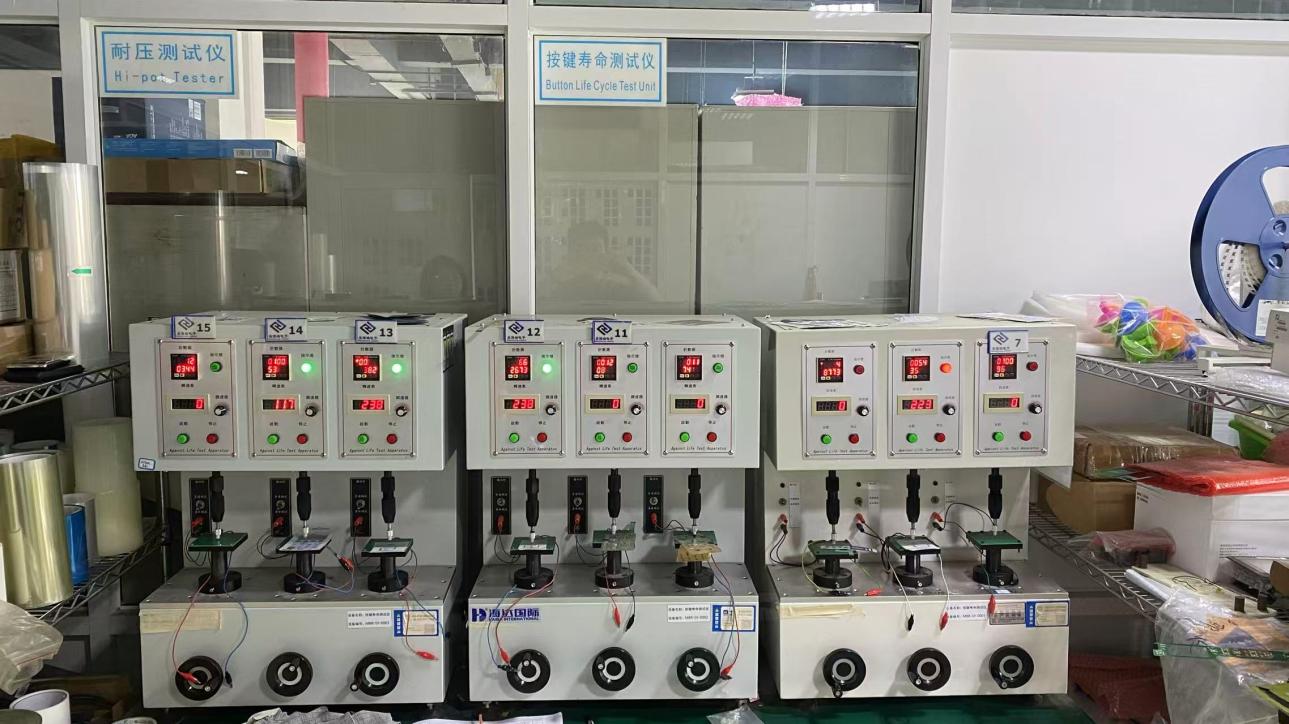
- Actuation Life: > 5,000,000 cycles
- IP67 hermetic perimeter seal
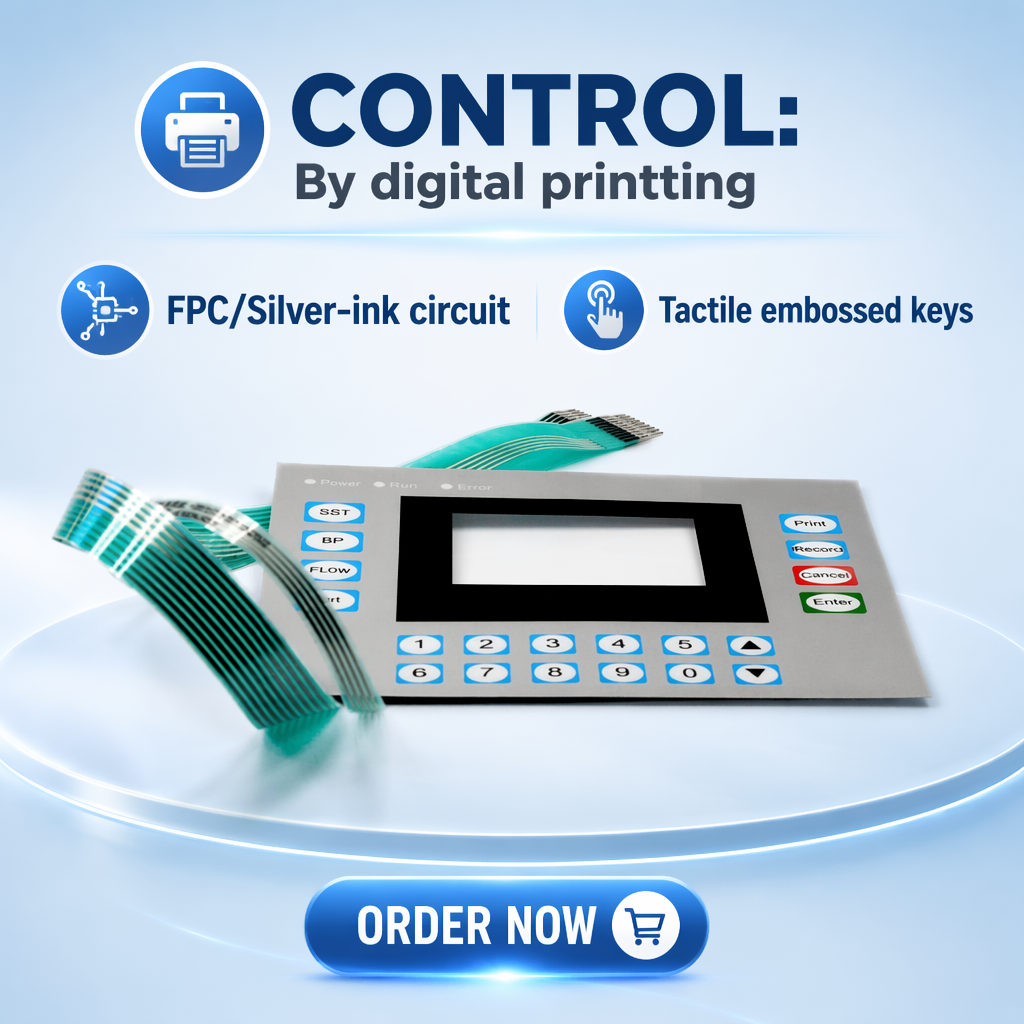
Explore our certified industrial human-machine interface assemblies engineered with sealed multi-layer PET constructions, flexible printed circuits (FPC), and robust anti-corrosive overlays.
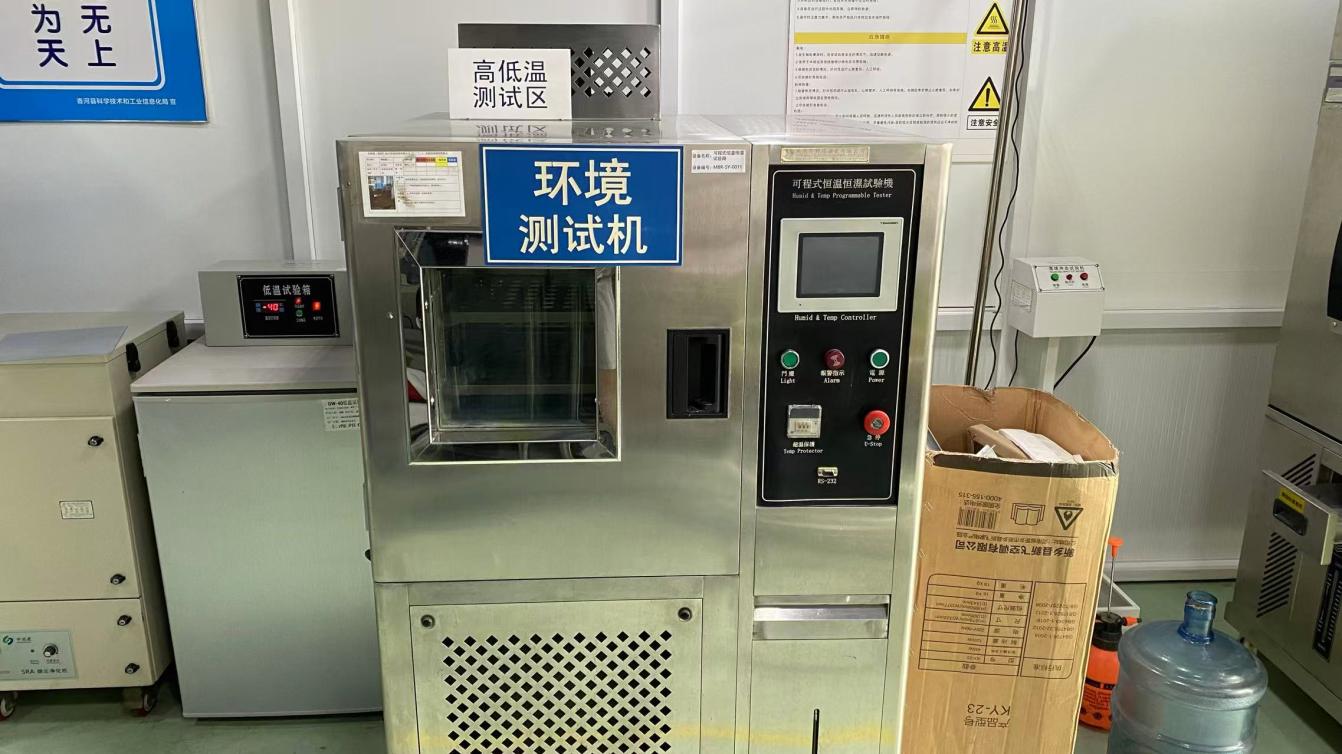
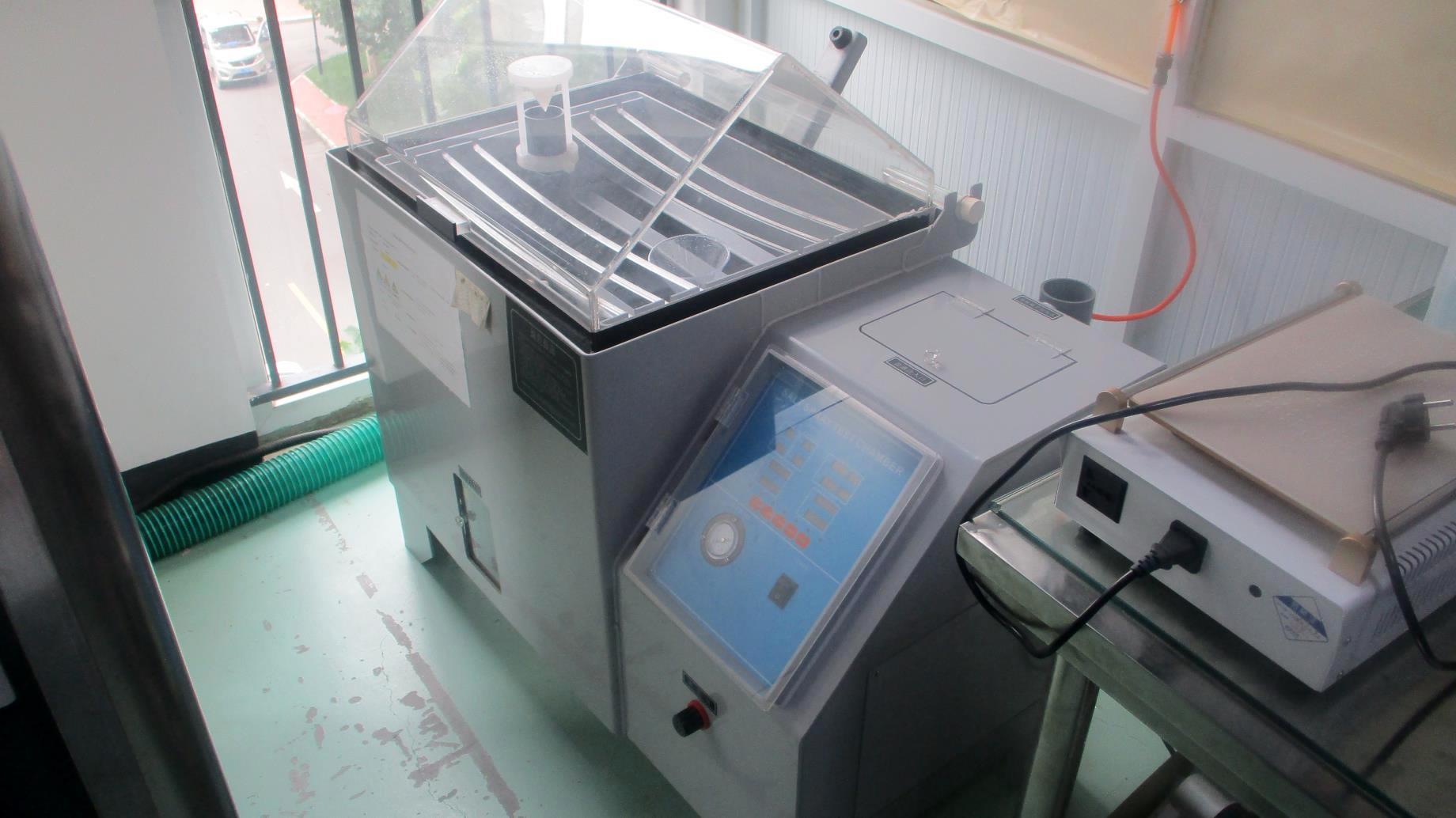
Strategic human-machine interface components designed specifically to overcome high humidity, saline sea spray, fungal proliferation, and intense UV degradation in coastal Momase Region.
Madang serves as one of Papua New Guinea's foremost maritime logistics hubs, processing heavy cargo through its deep-water port, managing large-scale tuna canning facilities, handling copra and cocoa exports, and running continuous agricultural milling. These operating environments present a critical engineering challenge: continuous relative humidity frequently exceeding 85%, aggressive airborne salt aerosol from the Bismarck Sea, and frequent washdown protocols utilizing sanitizing chemicals.
In standard tactile membrane switches, the mechanical actuation relies on stainless steel or polyester snap domes. While domes deliver tactile snap feedback, they contain internal air cavities that flex repeatedly. Under Madang’s tropical thermal cycling, these voids undergo differential pressure breathing—pulling humid, salt-laden ambient air past micro-porosities in perimeter adhesives. Once trapped, moisture causes electrochemical silver migration, bridging circuit traces and causing catastrophic short circuits. In contrast, non-tactile membrane switches feature a completely solid-state, flat laminated profile. The upper and lower conductive traces are separated by an ultra-thin die-cut insulating spacer (typically 0.05mm to 0.125mm) with zero internal dome cavities. When sealed with high-performance 3M 200MP or 300LSE acrylic adhesives, non-tactile assemblies create a 100% void-free, hermetic barrier that completely locks out Madang’s saturated maritime atmosphere.
Madang Port handles intensive container discharging, inter-island coastal barges, and copra bulk carriers. Crane pendants and winch operator stations are constantly exposed to direct sunlight, tropical rainstorms, and ocean salt spray. Our non-tactile panels use hard-coated, UV-stabilized Autotex polyester with sub-surface silkscreen printing that will never flake, peel, or fade under equatorial UV exposure.
Commercial tuna canning and coastal cold storage operations require strict sanitary hygiene. Traditional pushbuttons and tactile switch edges harbor organic residue, bacterial biofilm, and fish oils that degrade internal contacts. Non-tactile switches offer a continuous, flush, dead-flat surface that can be blasted with high-pressure chlorinated washdowns and steam cleaning agents without fluid ingress.
Drying plants, sorting facilities, and copra expellers throughout Madang province generate fine vegetable dust and operate under elevated ambient temperatures. Non-tactile membrane keypads eliminate mechanical friction points where particulate abrasives can settle, ensuring flawless millions-of-cycles switching reliability without contact jamming or electrical sparking.
As industrial automation expands across PNG's natural resource and manufacturing sectors, human-machine interface designs are shifting toward integrated electronic substrates and intuitive feedback architectures.
Traditional printed silver ink traces are susceptible to micro-fissuring under continuous temperature swings and silver dendrite growth under excessive PNG humidity. Madang industrial procurement is rapidly transitioning to Flexible Printed Circuits (FPC) with chemically etched polyimide-copper tracks and gold/tin electroplated pads. Copper FPC handles higher current densities, allows SMT micro-component soldering, and offers virtually unlimited flex fatigue life.
Because non-tactile switches do not feature the mechanical "click" of snap domes, high-noise industrial facilities—such as timber processing plants, marine engine compartments, and packaging lines in Madang—are deploying multi-sensory feedback. Our engineering integrates micro-SMD LEDs embedded within internal spacer channels alongside programmable piezoelectric audio beepers mounted on backing rigid PCBs.
Modern hygiene mandates in food processing and coastal clinics across Momase Region demand graphic overlays treated with textured, anti-microbial hard coats. These specialized films actively inhibit fungal spores and bacterial reproduction on the switch fascia while resisting aggressive cleaning chemicals like sodium hypochlorite, isopropyl alcohol, and diesel fuel residues.
A technical assessment comparing traditional mechanical switches, tactile membrane constructions, and TAVO non-tactile sealed assemblies in high-moisture maritime environments:
| Performance Metric | Traditional Mechanical Pushbuttons | Tactile Dome Membrane Switch | TAVO Sealed Non-Tactile Switch |
|---|---|---|---|
| Ingress Protection (Dust/Liquid) | IP40 - IP54 (Gasket degrades rapidly) | IP65 (Air cavities can breathe moisture) | IP67 - IP68 Complete Hermetic Barrier |
| Actuation Lifespan | 100,000 - 500,000 operations | 1,000,000 operations (dome fatigue) | > 5,000,000 Actuations (Solid State) |
| Corrosion Resistance (Salt Spray) | Low (Exposed metallic contacts oxidise) | Moderate (Dome plating subject to pitting) | Exceptional (Complete Sub-Surface Seal) |
| Sanitization & Flush Washdown | Poor (Dirt traps around bezel collars) | Fair (Embossed edges catch debris) | Seamless 100% Flat Easy-Wipe Profile |
| Mechanical Shock & Vibration | Moderate (Contact chatter under vibration) | Good (Internal dome retention) | Maximum (Zero Moving Mechanical Elements) |
TAVO Electronic Information Technology Co., Ltd. eliminates broker overhead and quality disconnects by executing every engineering, printing, stamping, and testing phase within our own verified facilities.
Tracing our membrane switch roots back to 1990, our engineers have dedicated over three decades solely to human-machine interface development. We maintain long-term technical cooperation with German engineering specialists, adopting rigorous European DIN/IEC fabrication standards for every custom production run.
Our primary facility operates in the Robot Industry Port of Xianghe Economic and Technological Development Zone (Hebei), complemented by an advanced high-capacity plant in Huizhou (Guangdong). Work orders are strategically routed between sites based on capacity, ensuring zero factory bottleneck delays for your delivery schedule.
We outsource zero critical production processes. Our plant operates 60 CNC precision mold-making machines, 4 Mimaki heat-setting digital UV printers, 37 precision silkscreen printing presses, 18 automated laser-cutting stations, 7 digital engraving systems, 8 thermal curing lines, and specialized high-precision circuit laminators.
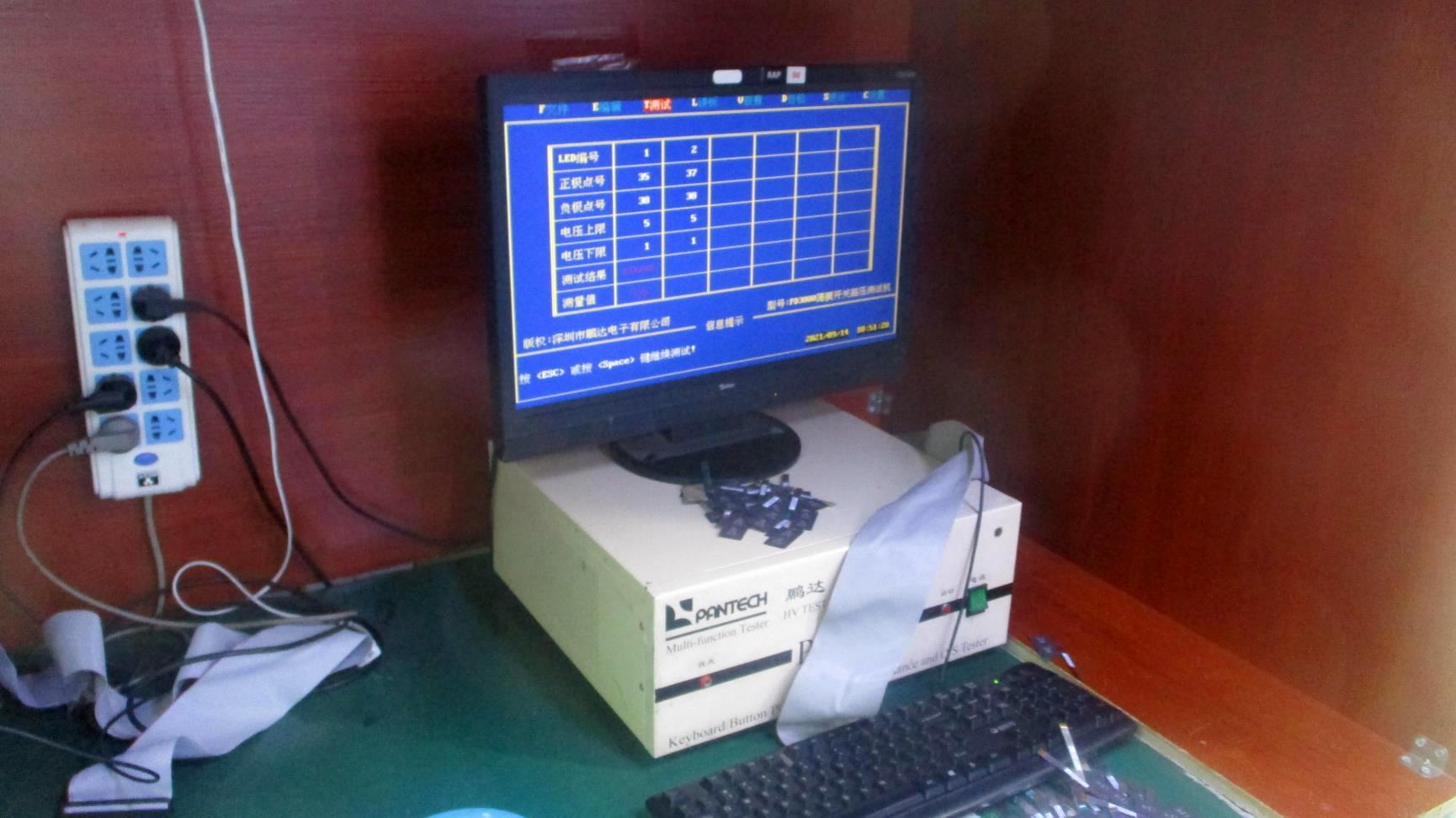
TAVO has undergone rigorous on-site factory audits by Intertek testing inspectors. We enforce closed-loop quality control across raw material incoming inspection (IQC), in-process circuit continuity tracking (IPQC), and 100% computerized final functional testing (FQC) prior to export packaging.
Our membrane interfaces operate inside mission-critical equipment manufactured by industry leaders including Siemens, ABB, and Haier. TAVO panels have been deployed in high-speed rail locomotives, the Three Gorges hydro project, Xugong Group heavy machinery, and defense-grade aerospace control consoles.
Unlike rigid manufacturers requiring 5,000-unit minimums, TAVO supports pilot prototype runs, urgent replacement batches for Madang processing lines, and scheduled OEM mass volumes. We arrange door-to-door express air delivery (DHL/FedEx) direct to Madang Airport or consolidated ocean freight via Lae and Madang Port.
Expert engineering responses to the most critical inquiries raised by Papua New Guinea operations managers, procurement officers, and maintenance engineers.