Recommended Industrial Membrane Keypads & Polycarbonate Overlays
Explore our precision-crafted interface components featuring sub-surface Lexan™ screen printing, high-durability tactile metal domes, embedded LEDs, and industrial 3M adhesives tested for demanding field applications in the Greater Edmonton Region.
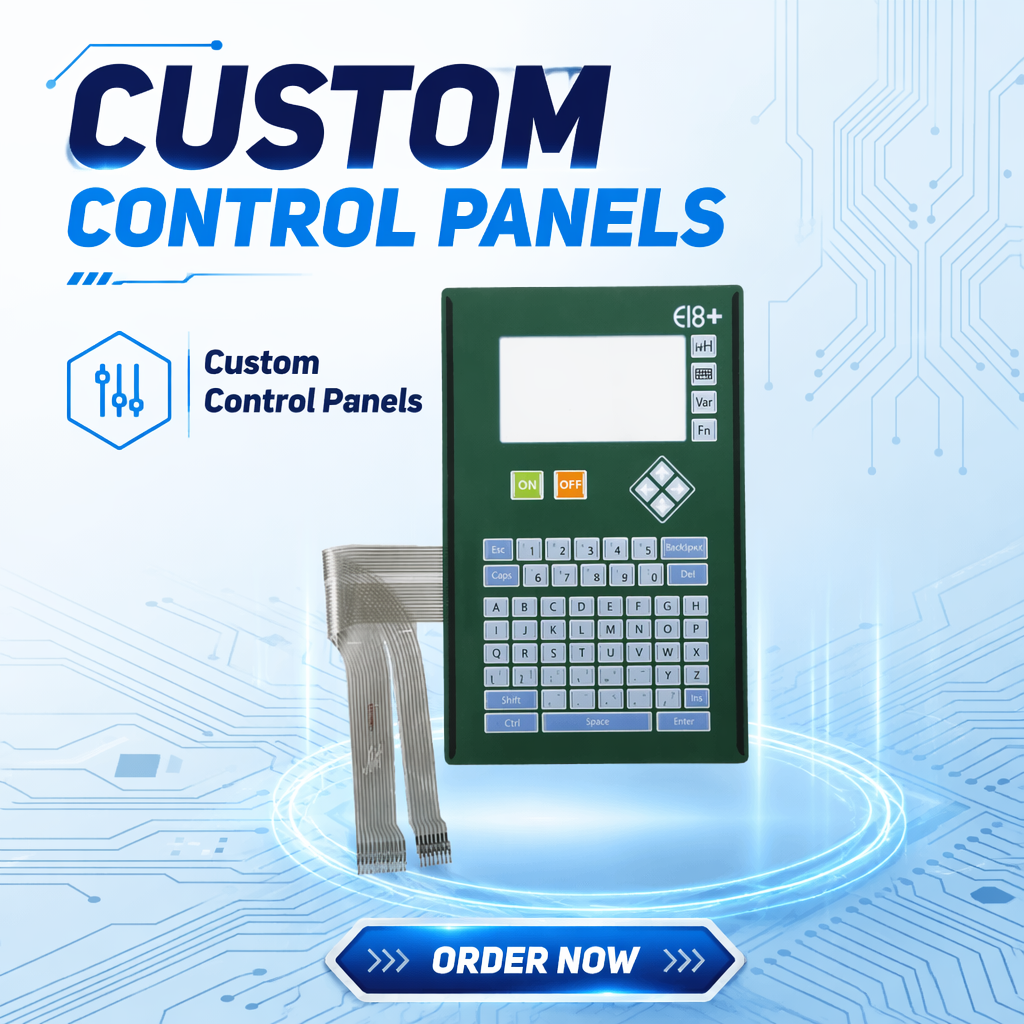
Fast Delivery OEM PBT Keyboard Cap Mechanical Switch Compatible Silkscreen Printed Customized Designs 2.54mm Pitch Factory
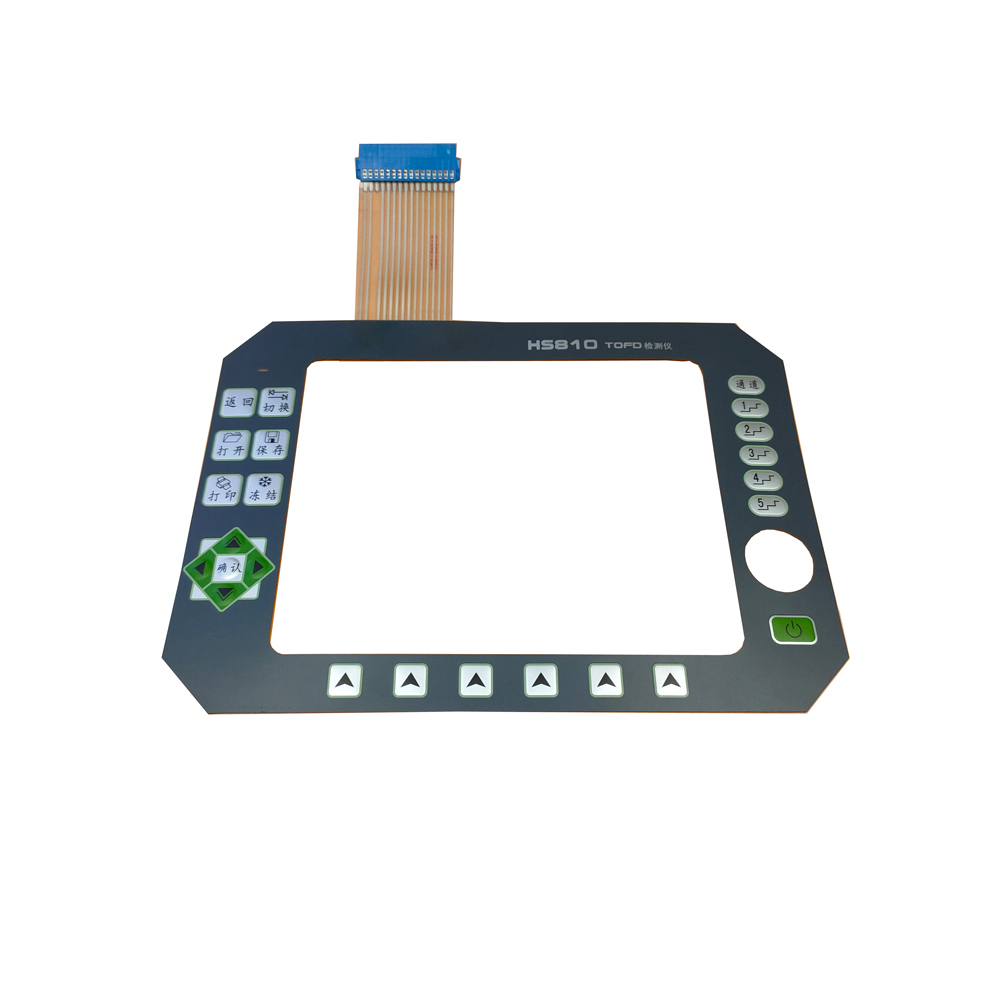
Meiborui Custom PBT Keyboard Cap Silkscreen Printed Waterproof Adhesive Sticker Durable Eco-friendly Computer Keyboard Parts
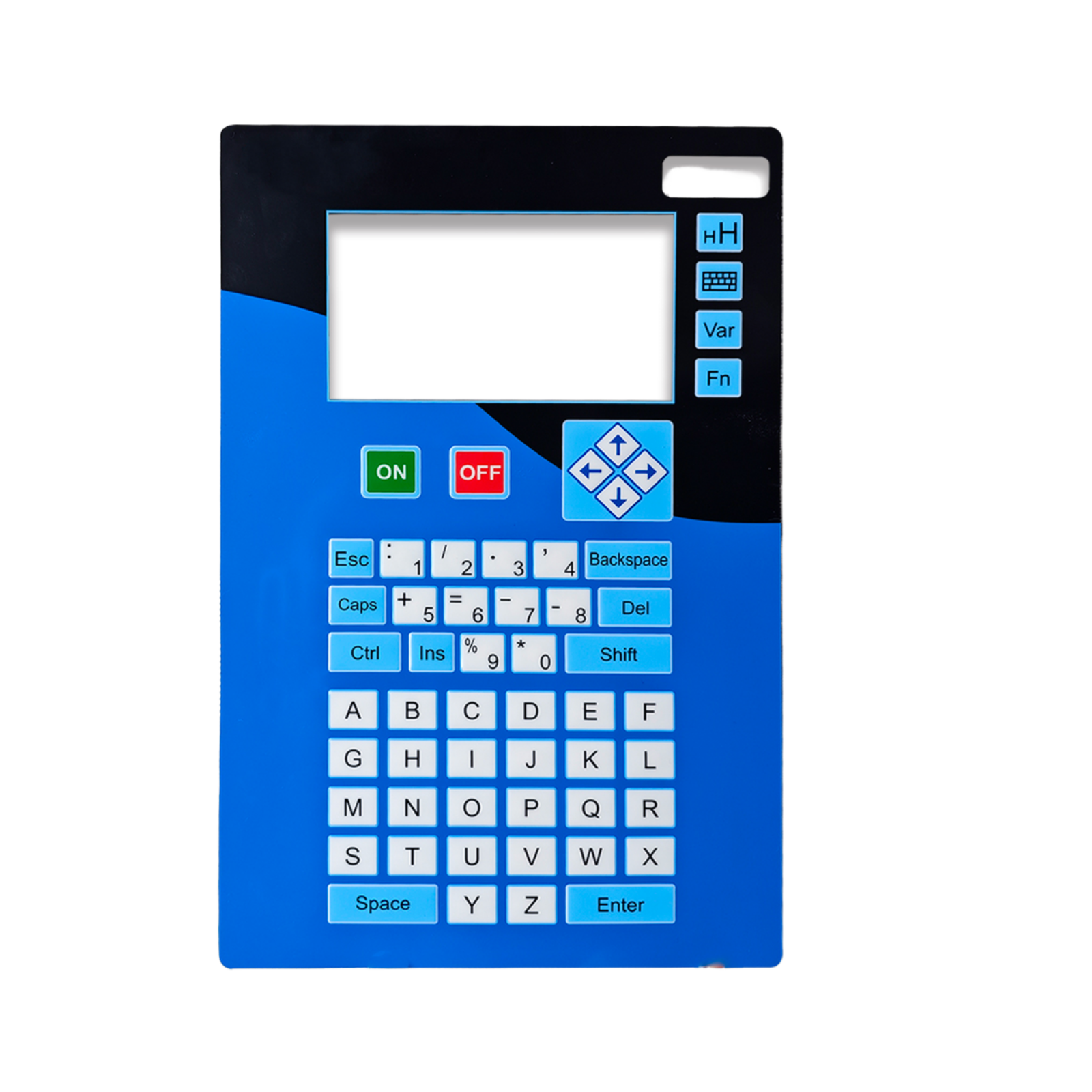
China MEIBORUI Manufacturer Custom Printed Membrane Switch Embossed Metal Dome Keypad Water-proof Home Appliance Use 3M Adhesive
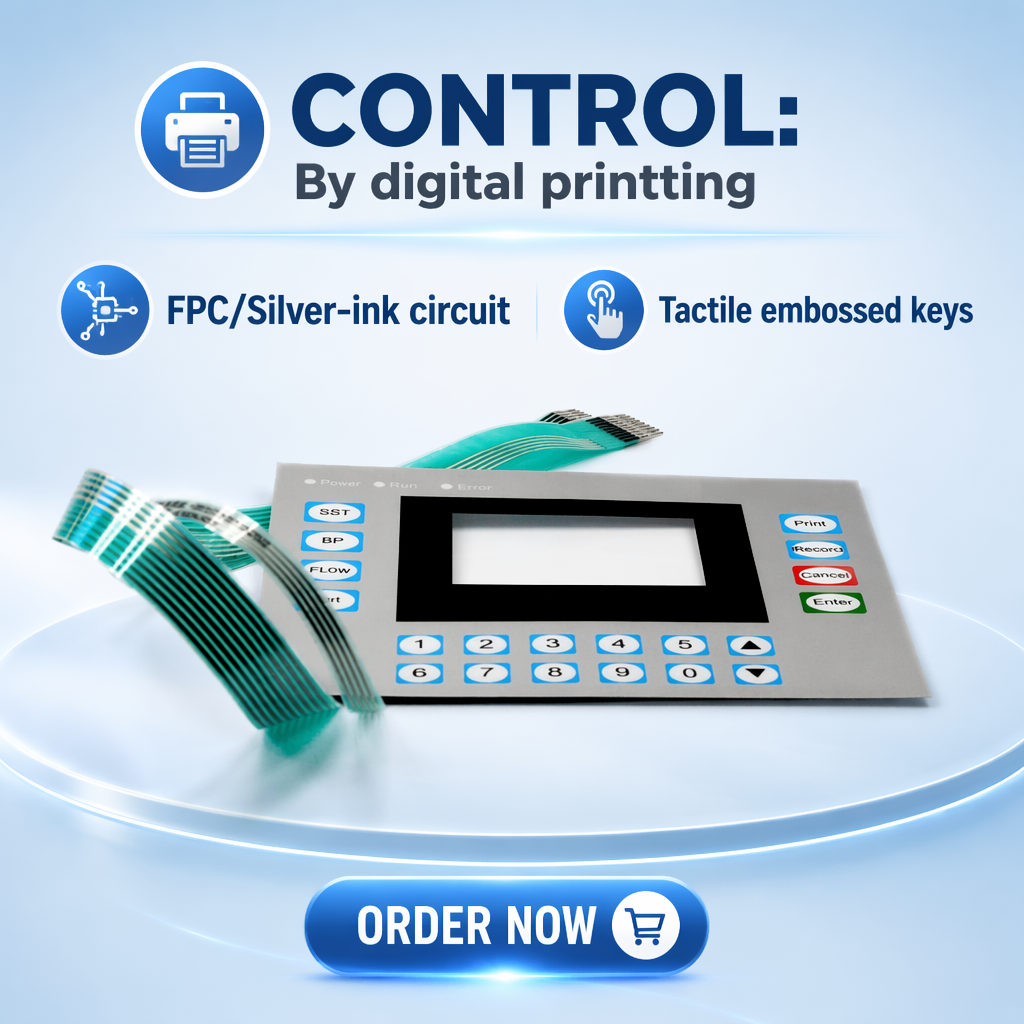
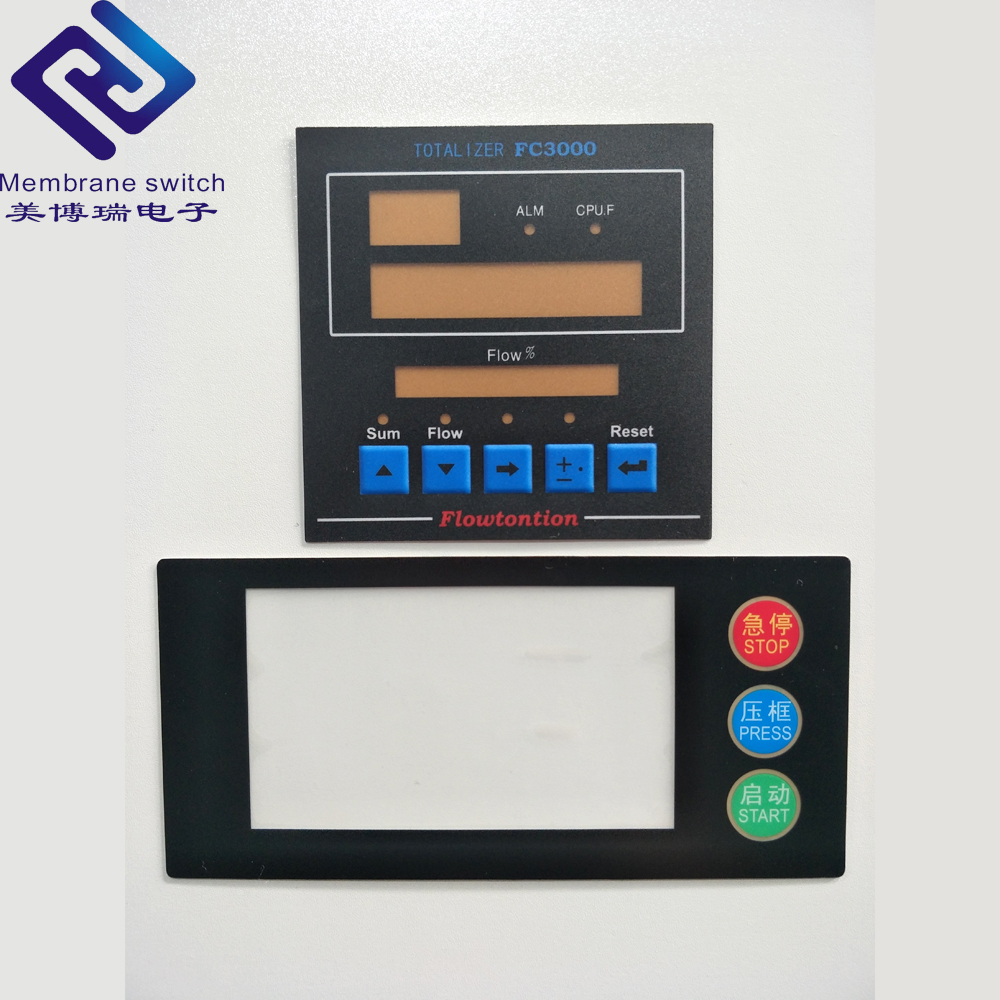
High Quality IP67 Waterproof 3M Adhesive Metal/Poly Dome LCD Membrane Switch Custom Keypad Flexible Cable Telecommunication
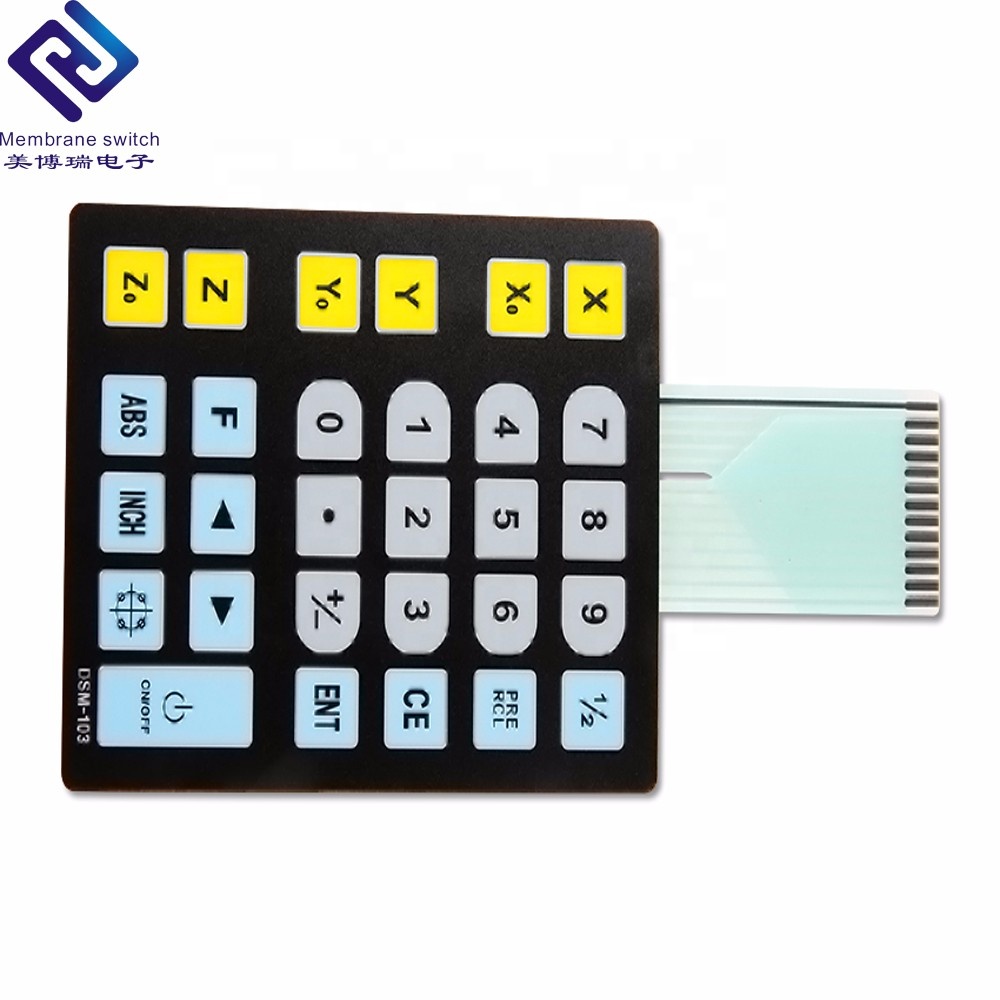
MBR High Quality IP67 Waterproof 3M Adhesive Flexible Cable Membrane Keypad PVC/PET/PC Dome Buttons Telecommunication Keypad
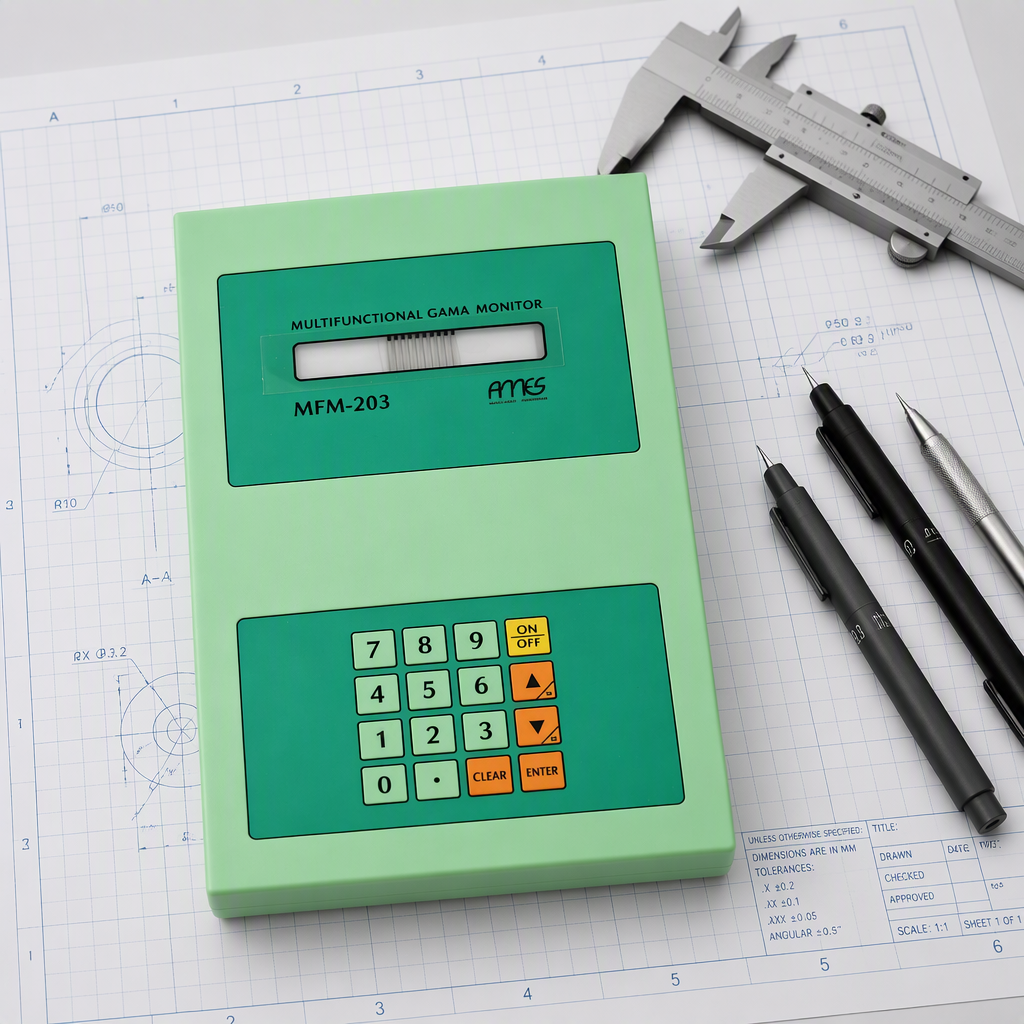
MEIBORUI Fast Turnaround Membrane Keyboard Prototyping Service PET/PVC Materials Custom Colors Sizes ISO Certified Sample Orders
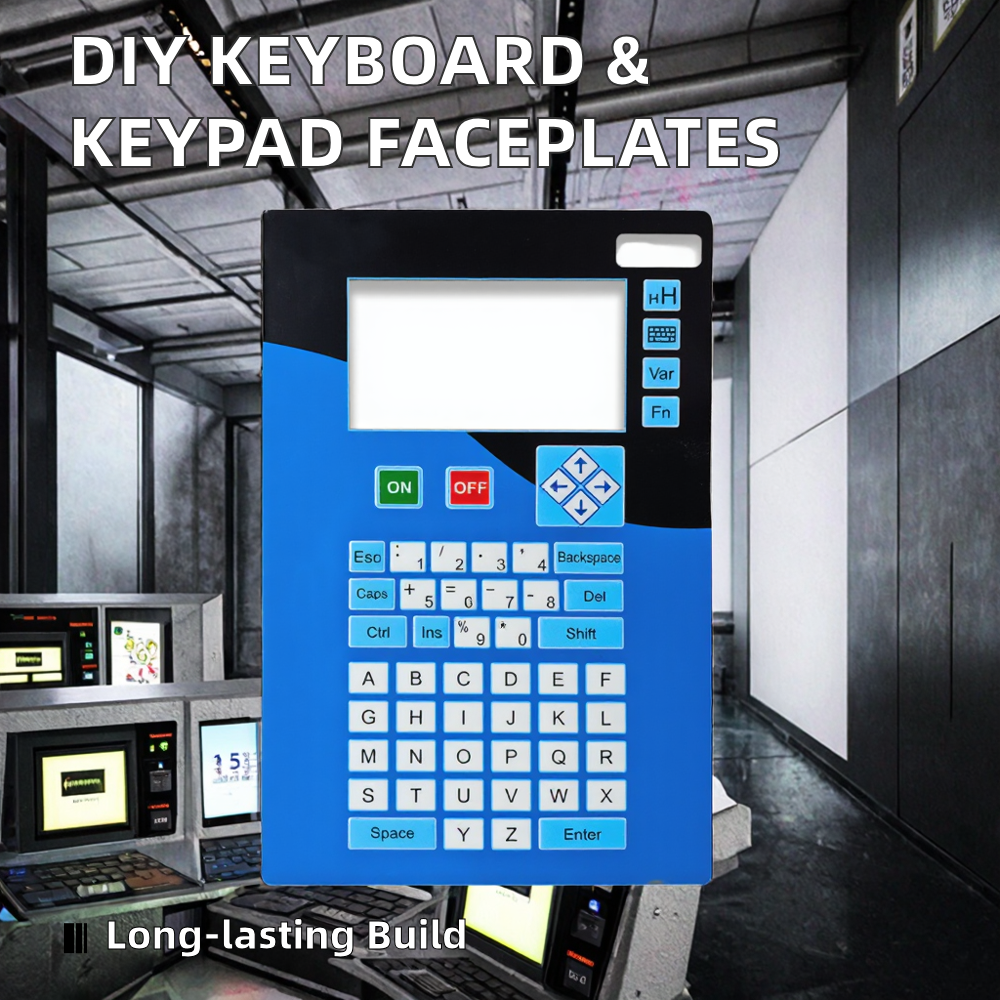
Custom Embossed Tactile Key Membrane Switch/Keypad/Keyboard Backlight LED Water-proof Panel Mounting ISO9001 Certified
Polycarbonate Graphic Overlays in Edmonton: Tackling Thermal Shocks, Mechanical Abuse, and Harsh Petrochemical Exposures
A comprehensive engineering guide for Canadian OEM instrumentation designers, plant automation engineers, and procurement specialists operating across Northern Alberta.
When specifying Human-Machine Interface (HMI) front panels for severe northern climates, hardware engineers are confronted with wide ambient operating temperature fluctuations ranging from -45°C during Alberta sub-arctic cold snaps to +40°C under direct solar radiation in the summer. Ordinary front-panel vinyls and unhardened films quickly embrittle, suffer adhesive shear failure, craze around tactile embossed rims, or turn cloudy under intense ultraviolet radiation.
As one of China’s leading custom HMI and graphic overlay panel manufacturers with a heritage spanning over three decades (since 1990), TAVO Electronic Information Technology Co., Ltd. (operating advanced facilities alongside the MEIBORUI engineering umbrella) delivers high-reliability polycarbonate (Lexan™ / Makrofol®) graphic overlay panels specifically configured to meet North American industrial specifications. Our overlays integrate sub-surface screen-printed graphics, high-shear acrylic adhesives (such as 3M 467MP, 468MP, and 300LSE for low surface energy powder coatings), custom optical display filtering, and rugged environmental perimeter gaskets achieving IP65, IP67, and NEMA 4X ingress protection.
Information Gain Insight: Polycarbonate (PC) maintains an exceptional heat deflection temperature (HDT) up to 135°C and retains high Izod impact resistance even at -40°C. However, in hydrocarbon-dense petrochemical processing environments common to Strathcona County, selective surface texturing, hard-coat lacquers, or hybrid PET-PC composite constructions are engineered to resist chemical washdowns and hydraulic fluid spillages.
Through full in-house vertical manufacturing—encompassing CAD/CAM engineering, computerized laser film plotting, 37 precision screen-printing presses, 4 high-definition Mimaki digital UV machines, automated embossing, and cleanroom lamination—we empower Edmonton equipment builders to shorten their prototyping timelines from months to days while lowering BOM tooling costs by up to 45% compared to local domestic converting shops.
Where Our Graphic Overlay Panels & Keypads Operate Across Greater Edmonton
From remote upstream wellhead telemetry to heavy machinery cabs and refinery automation, our overlays provide durable tactile interfaces across Alberta's key economic engines.
Oil Sands & Upstream Wellhead Instrumentation
Mounted on solar-powered telemetry RTUs, field flow meters, and separator controllers throughout the Western Canadian Sedimentary Basin and Athabasca pipeline spurs. Our Lexan overlays utilize high-tack 3M 300LSE adhesive to stay bonded on textured cast-aluminum enclosures during -40°C winter winds without edge lifting.
Nisku & Acheson Modular Skid Manufacturing
Edmonton’s Nisku Industrial Park is home to world-renowned modular process skid fabricators. We supply complete HMI assemblies combining rigid aluminum backer plates, tactile stainless-steel dome membrane circuits, and sub-surface printed polycarbonate front fascias rated for Class I, Div 2 hazardous location control cabinets.
Heavy Machinery & Municipal Fleet Controls
Applied on municipal snowplows, agricultural grain harvesters, and forestry equipment cabs operating throughout Central and Northern Alberta. Designed with pronounced key rim embossing (0.3mm to 0.5mm height) and 450g high-actuation force metal domes to ensure decisive tactile feedback through thick insulated winter gloves.
Petrochemical Refining (Strathcona Industrial Area)
Refinery cracking units, chemical dosing skids, and catalyst control rooms require overlay fascias resistant to splashing fuels, lubricants, and caustic cleaning agents. We apply hard-coated textures (1H to 3H pencil hardness) and chemical-barrier seal layers to prevent cosmetic deterioration and label delamination.
Cold Storage Logistics & Food Processing Facilities
Automated sorting conveyors and freezers in Edmonton's logistics corridors experience high-pressure steam and hot water washdown cycles alongside freezing temperatures. Our IP67 sealed membrane keypads prevent moisture ingress into internal silver conductor traces, avoiding electrical shorts.
Hydrogen, Clean Tech & Carbon Capture HMIs
As Edmonton pioneers commercial hydrogen blending and carbon capture projects, next-generation monitoring equipment demands clean aesthetic interfaces with anti-glare display windows, dead-front warning indicators, and integrated capacitive touch sensing designed for 24/7 continuous process validation.
Technological & Procurement Shifts Shaping the Alberta Industrial Interface Landscape
Strategic supply chain dynamics driving the transition toward factory-direct Chinese manufacturing partnerships for engineered polycarbonate panels.
1. Transition from Bulky Discrete Pushbuttons to Sealed HMI Membranes
Traditional industrial control consoles across Alberta historically relied on discrete 22mm pilot lamps and electromechanical pushbuttons. These legacy designs are notorious for accumulating ice, grease, and moisture in outdoor enclosures. OEM machine builders in Edmonton are shifting rapidly toward monolithic, IP67-rated polycarbonate membrane switches with surface-mounted LEDs and integrated FPC tails, slashing assembly labor costs while eliminating leak points.
2. Demand for Dead-Front Graphics and Dynamic LED Backlighting
Modern SCADA systems and monitoring gear deployed across Nisku’s industrial facilities require streamlined front panels where warning icons remain invisible ("dead-front") until backlit by smart multi-color LEDs. By leveraging ultra-thin Light Guide Film (LGF) and precision selective tinting on optical-grade polycarbonate, we deliver uniform illumination across button perimeters without hot spots or battery-draining power consumption.
3. Agile Prototyping & Near-Tooling-Free Short-Run Production
Industrial equipment development in Edmonton often operates in small-to-medium batch sizes (runs of 50 to 5,000 units per year). High domestic North American tooling costs often render custom overlay production cost-prohibitive. TAVO bridges this gap by combining Mimaki high-resolution digital UV printing with CNC laser profile cutting, eliminating upfront hard-tooling steel die expenses and delivering fully tailored samples within 5 to 7 working days.
Material Selection Matrix for Severe Cold Climate HMIs: Polycarbonate vs. Polyester vs. Acrylic
Review the technical performance attributes to select the ideal substrate for your Edmonton engineering and manufacturing applications.
| Performance Parameter | Polycarbonate (Lexan™ 8010 / 8B35) | Biaxially-Oriented PET (Autotex®) | Industrial Cast Acrylic (PMMA) |
|---|---|---|---|
| Operating Temperature Range | -40°C to +130°C (-40°F to +266°F) | -40°C to +100°C (-40°F to +212°F) | -30°C to +80°C (-22°F to +176°F) |
| Sub-Zero Impact Resistance | Exceptional (Non-shattering, high ductile strength) | High (Flexible film, tear-resistant) | Poor (Brittle at sub-zero temperatures, prone to cracking) |
| Embossing & Tactile Retention | Excellent for hydro-forming & thermal die embossing | Industry standard for high switch cycle life (>5M) | Not embossable (Rigid sheet only) |
| Chemical & Solvent Resistance | Moderate (Requires hard-coat against fuels/aromatics) | Outstanding (Resists MEK, acetone, acids, alkalis) | Moderate (Prone to crazing from alcohol & hydrocarbons) |
| Optical Window Clarity | High (>88% VLT; clear, tinted, or anti-glare matte) | High (>89% VLT; requires gloss print clearing) | Superior (>92% VLT; exceptional optical clarity) |
| UL Flammability Rating | UL94 V-0 or V-2 options available | UL94 VTM-2 | UL94 HB (Combustible) |
| Ideal Edmonton Application | Outdoor SCADA, Heavy Machinery, Drill Panels | High-cycle Membrane Keypads, Lab Instruments | Static Display Bezel Lenses, Indoor Meters |
Factory-Direct Capabilities & Verified Engineering Infrastructure
Our ISO 9001 certified and Intertek-audited production facilities bridge precision manufacturing with cost efficiencies for North American OEM clients.
In-House Manufacturing Ecosystem
Unlike export trading intermediaries, every production step—from artwork conversion, film generation, and cleanroom screen-printing to laser profiling, SMT LED placement, and final adhesive lamination—is completed under our own roof. Our primary plant is situated in the Robot Industry Port of Xianghe (Hebei), complemented by our secondary processing base in Huizhou (Guangdong).
Decades of German Technical Collaboration
Since the 1990s, our engineering division has maintained long-term technical partnerships with prominent German HMI specialists, exchanging tooling design techniques, color calibration standards, and production line automation. This European standard of process rigor is ingrained in every graphic overlay exported to Edmonton.
Advanced Industrial Machinery Fleet
Our modern 2,219㎡ facility operates 37 silkscreen printing presses, 4 Mimaki high-resolution digital UV printers, 60 CNC precision mold-making machines, 18 precision laser cutting lines, and 7 computerized digital engraving systems. This redundant equipment infrastructure eliminates production bottlenecks and ensures timely delivery.
Rigorous Environmental Testing Lab
Every custom overlay panel undergoes strict validation in our on-site laboratory. Our testing apparatus includes computer-controlled circuit analyzers, button actuation testers (validated beyond 1,000,000 cycles), programmable -50°C to +150°C climatic chambers, xenon arc UV weatherometers, and automatic salt fog corrosion chambers.
Recognized by Global OEM Giants
Our membrane switches and polycarbonate overlays have been verified and integrated by global Fortune 500 enterprises including Siemens, ABB, and Haier. Furthermore, our HMI products serve mission-critical applications such as Chinese High-Speed Rail locomotive consoles, the Three Gorges energy station, and XCMG heavy construction equipment.
Seamless Canadian Logistics & NDA Protection
Our 20-person international trade department provides English-fluent technical coordination aligned with Western Canadian Mountain Time (MST). We support bilateral Non-Disclosure Agreements (NDAs), provide full customs and import documentation (HS Code 8537.10 / 3926.90), and manage DDP air express shipments directly to Edmonton International Airport (YEG).
Frequently Asked Questions by Edmonton B2B Engineers & Buyers
Key practical details regarding material selection, cold-weather adhesion, lead times, and custom prototype development.
Why should we select Polycarbonate (Lexan™) instead of Polyester (PET) for our Edmonton outdoor panels?
How do sub-zero Alberta winters (-40°C) affect adhesive backing and mounting security?
Can your graphic overlays and membrane keypads be operated while wearing thick work gloves?
What printing processes do you utilize, and how do you guarantee exact Pantone/RAL color matches?
How do you create transparent LCD/OLED display windows without scratching or glare?
What design files and technical documentation are needed to initiate a prototype quotation?
What is the turnaround time for sample delivery to Edmonton, Alberta?
Do you accommodate low-volume, high-mix custom production orders?
Are your graphic overlays compliant with Canadian and North American safety standards?
How do you protect sensitive silver printed circuits from silver migration in moist freeze-thaw cycles?
Engineer Your Next-Generation Industrial Interface with TAVO
Whether you are developing a ruggedized wellhead monitor in Nisku, retrofitting municipal control consoles in Edmonton, or designing advanced agri-tech instrumentation, our engineering team provides complimentary DFM reviews, rapid physical prototyping, and factory-direct pricing.