High-Reliability Automotive & Industrial Keypad Assemblies
Verified tactile response, multi-layer environmental sealing, high-durability PBT keycaps, and precision FPC interconnects tailored for demanding North American automotive, rail, and telecommunication systems.
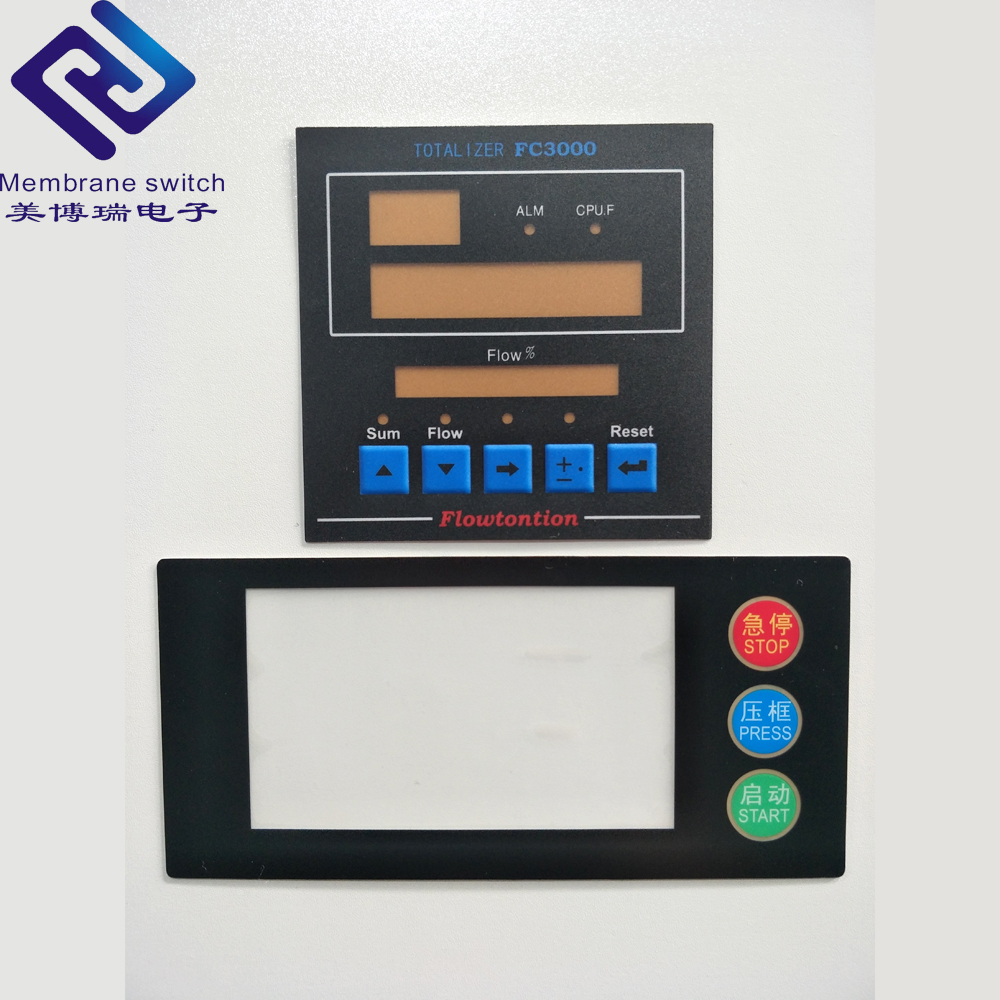
IP67 Waterproof 3M Adhesive Metal/Poly Dome LCD Membrane Switch Keypad
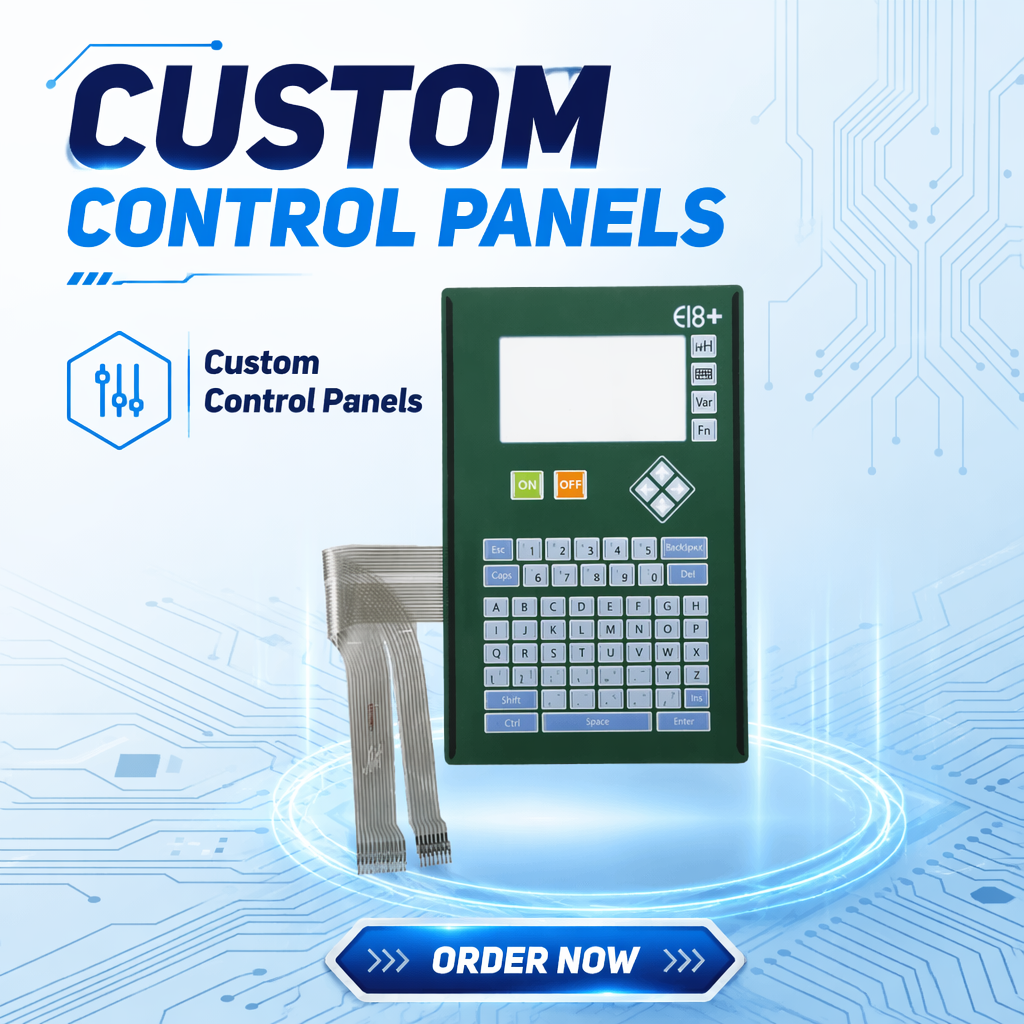
OEM PBT Keyboard Cap Silkscreen Printed Mechanical Switch Keycaps
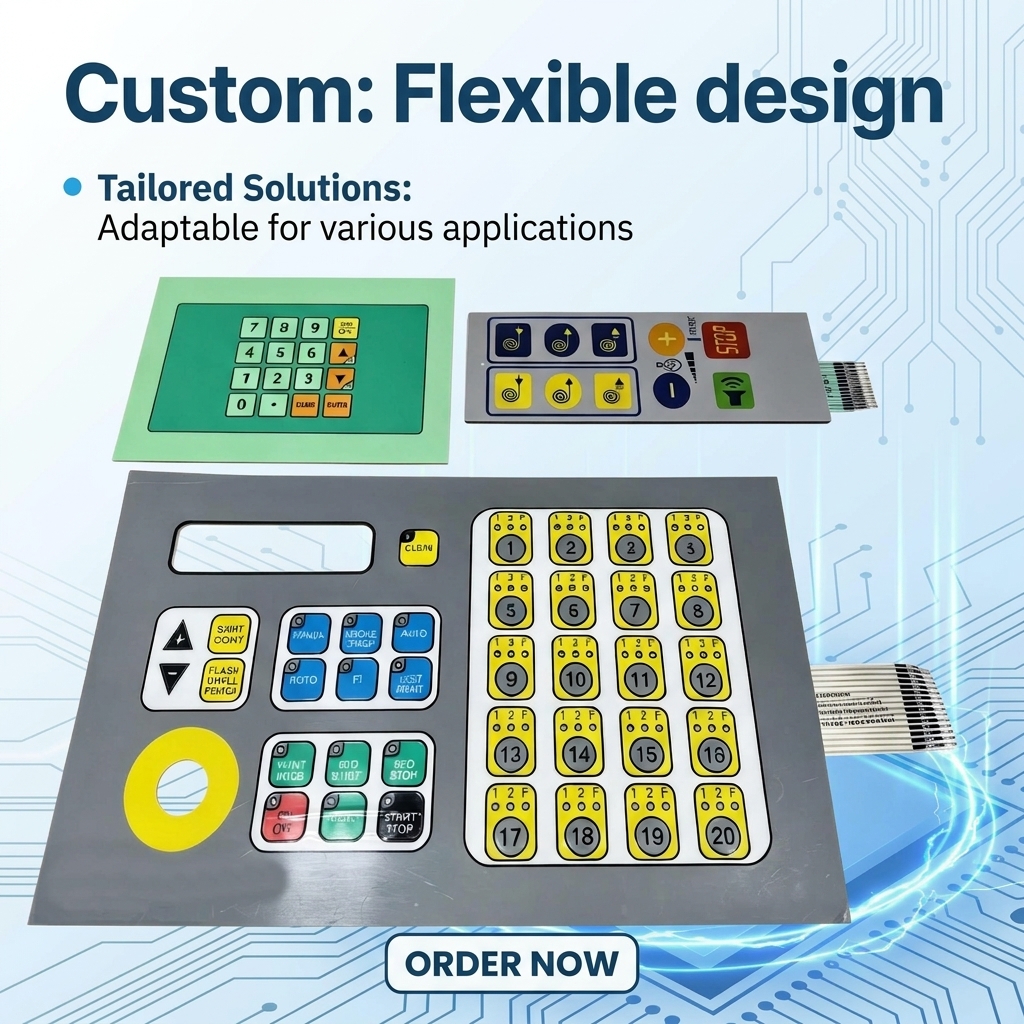
FPC Membrane Switch Flexible Circuit with LED for Locomotive Cabin
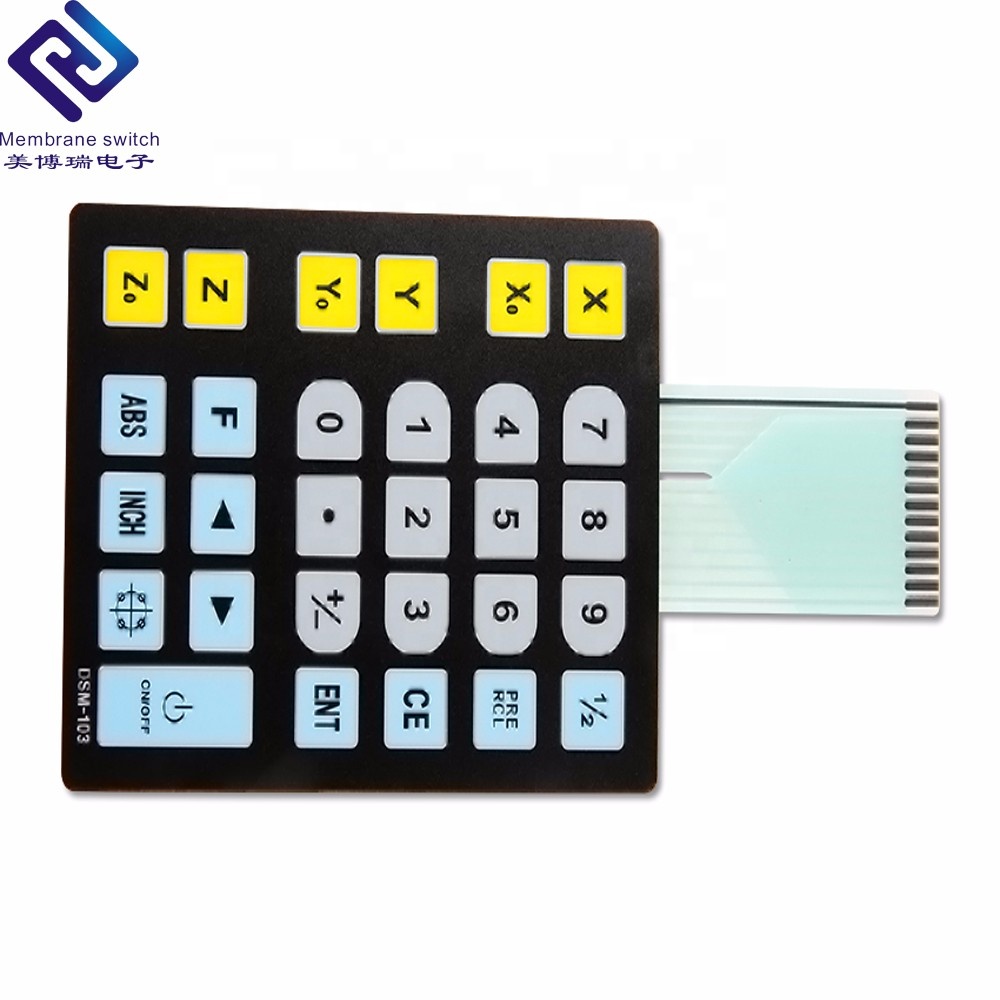
MBR IP67 Waterproof 3M Adhesive PET/PC Dome Buttons Membrane Keypad
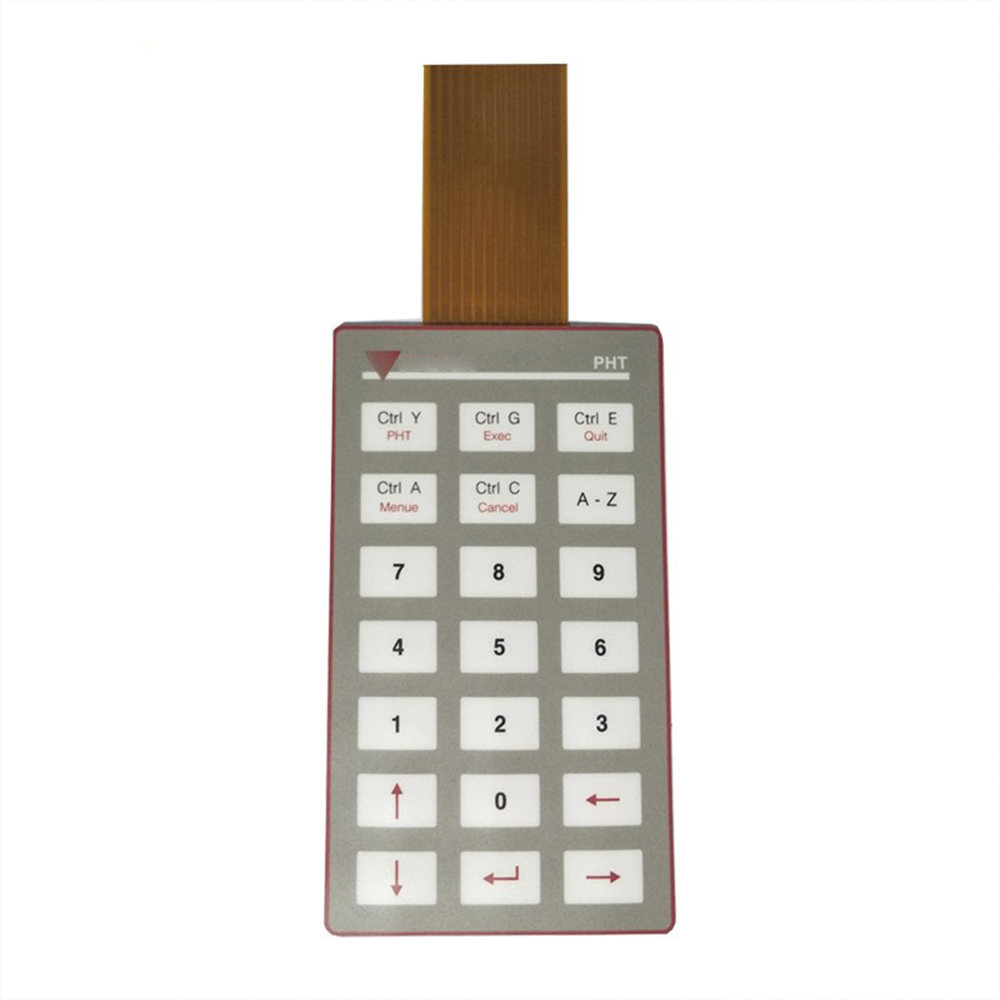
Waterproof Temperature Control Keypad Touch Switch Panel PET/PC
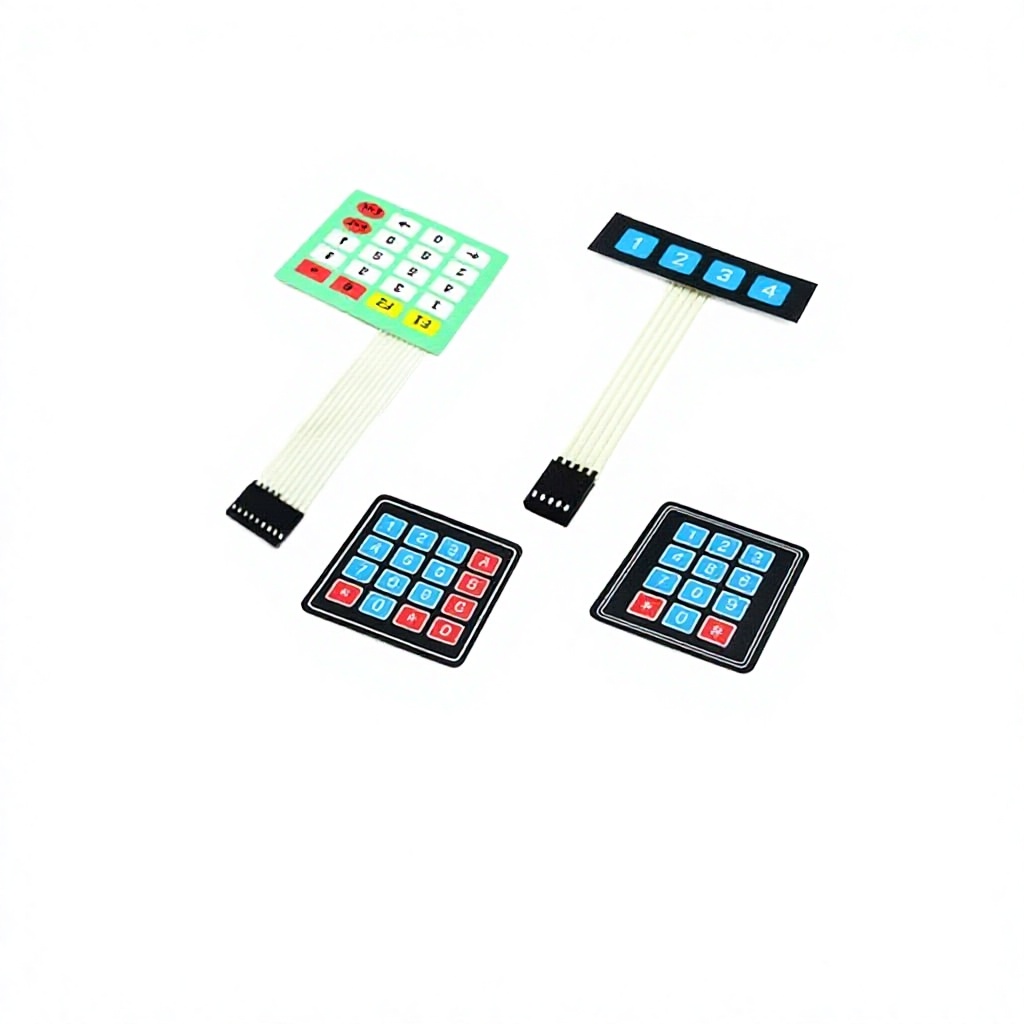
High Reliability Custom FPC Membrane Switch Flexible Keypad Assembly
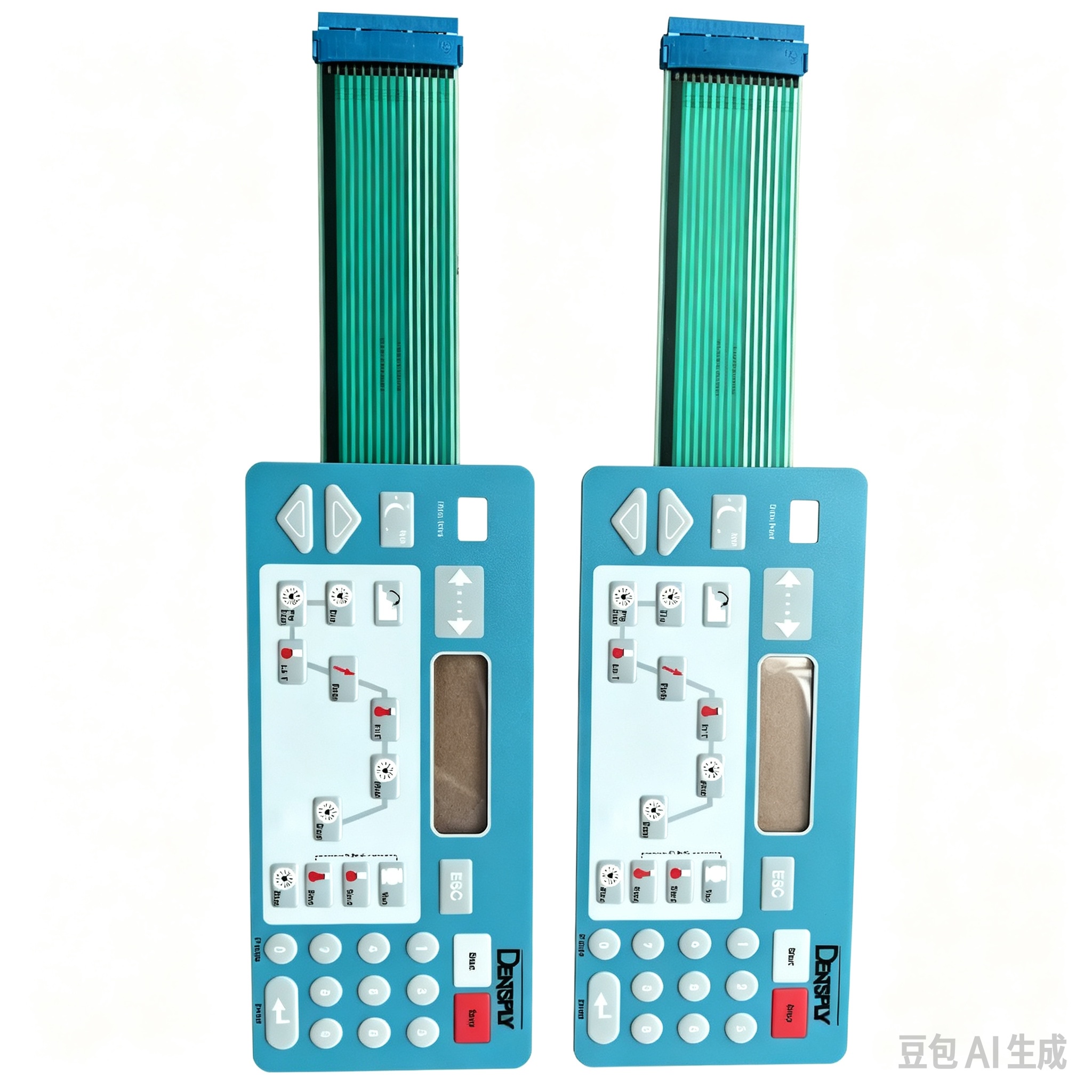
Factory Custom Waterproof Polyester Membrane Switch On-Off Panel
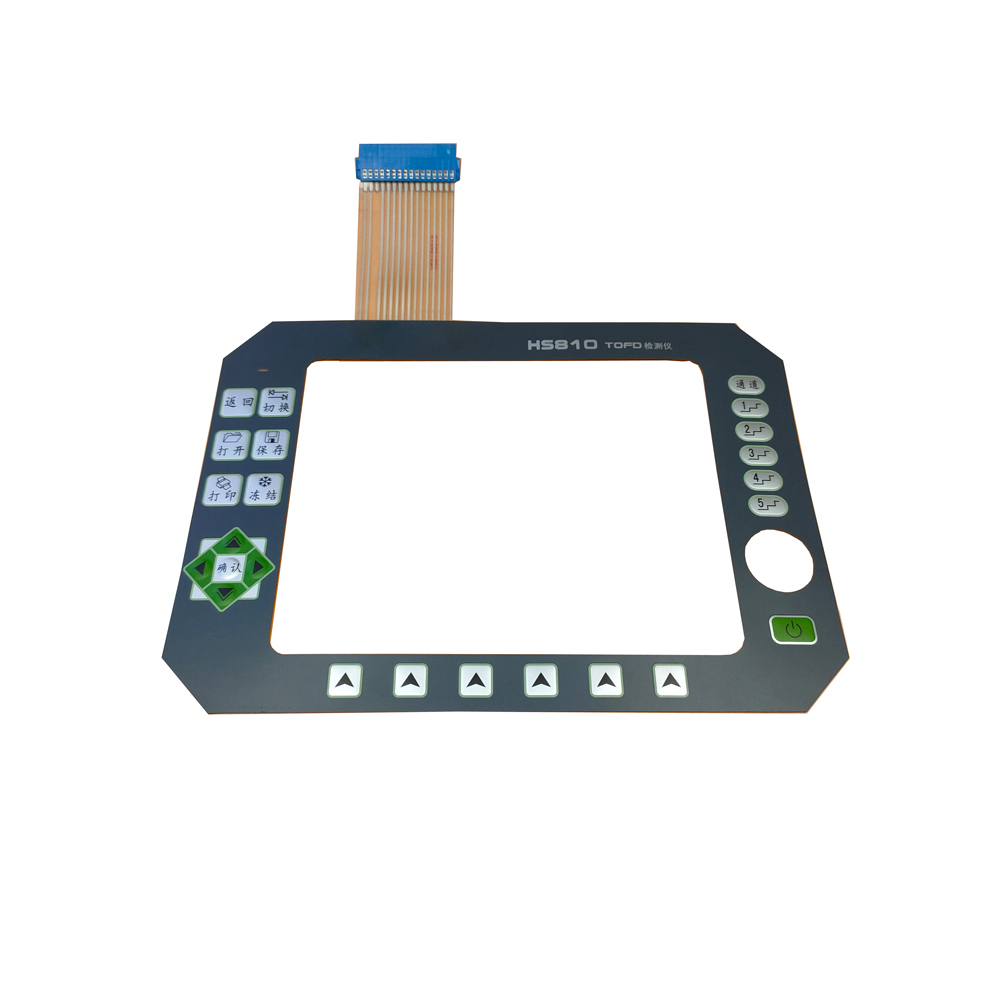
Meiborui Custom PBT Keyboard Cap Silkscreen Printed Adhesive Overlay
High-Reliability Automotive Keypad Switches: Architecture & Environmental Protection
In modern commercial vehicle cabs, heavy industrial equipment, and electric utility platforms, the human-machine interface (HMI) serves as the primary operational gateway. Standard consumer electronic switches inevitably fail when exposed to prolonged mechanical vibration, diesel soot, hydraulic washdown, chemical degreasers, and extreme thermal swings. As an ISO 9001-certified and Intertek-assessed manufacturer operating since 1990, we engineer high-reliability membrane keypads and custom automotive switches that conform to rigorous automotive testing paradigms including ISO 16750, SAE J1455, and MIL-STD-810G.
The structural anatomy of an automotive-grade keypad switch relies on precision-laminated stack-ups. At the surface level, our graphic overlays are reverse-printed on premium Autotype MacDermid textured polyester (PET) or GE Lexan polycarbonate (PC) using specialized UV-curable and solvent-based dielectric inks. Reverse printing safeguards critical graphic legends and regulatory pictograms beneath the polymer film, guaranteeing that abrasive gloved operation, chemical wiping, and UV sun-bleaching will never degrade operator legibility.
Technical Reliability Takeaway: For automotive and locomotive applications, silver-printed conductive circuits can be prone to electromigration under elevated humidity and direct voltage bias. Our engineering division integrates Flexible Copper Printed Circuits (FPC) with polyimide (PI) substrates and gold/tin electroplated contacts. This completely eliminates silver dendritic migration, enhances current carrying capacity for surface-mount LED illumination, and withstands harsh commercial vehicle chassis vibration.
Tactile mechanical feedback is critical for cabin safety, enabling operators to confirm switch actuation without diverting their eyes from the road or worksite. We incorporate precision-stamped nickel-plated or gold-plated stainless steel metal domes (four-leg, oblong, or circular geometries) calibrated to actuation forces between 250g and 550g. When bonded with 3M 300LSE or 3M 467MP high-cohesion acrylic adhesives, our sealed keypad switch modules maintain an IP67 or IP69K ingress protection barrier, completely preventing moisture, condensation, and particulate intrusion.
| Design Parameter | Standard Commercial Membrane Switch | TAVO Automotive-Grade FPC Keypad | Heavy-Duty Port/Marine Keypad |
|---|---|---|---|
| Base Conductor Material | Screen-Printed Silver Ink on PET | Rolled Annealed Copper Foil on Polyimide (FPC) | Double-Sided Heavy Copper FPC + SMT Diodes |
| Operating Temperature | -10°C to +60°C | -40°C to +85°C (Cabin Grade) | -40°C to +105°C (Under-hood / Marine) |
| Ingress Protection Rating | IP54 Dust & Splash Resistant | IP67 Complete Dust & Immersion Seal | IP69K High-Pressure Steam Washdown Seal |
| Tactile Life Expectancy | 500,000 Actuations | 1,000,000 to 2,000,000 Cycles | 3,000,000+ Cycles (Stainless Steel Domes) |
| Salt Spray Resistance (ASTM B117) | 24 Hours Standard | 96 Hours Continuous Salt Fog Chamber | 168+ Hours Coastal/Marine Exposure Tested |
| Backlighting Architecture | Discrete Point LEDs (Uneven Glow) | LGF (Light Guide Film) Multi-Color Backlit | OCA Optical Bonded LGF + NVIS Night Vision |
Localized Applications Across Baltimore's Industrial & Transportation Corridors
From the bustling roll-on/roll-off (Ro-Ro) terminals at the Port of Baltimore to regional transit networks and Chesapeake commercial marine fleets, our automotive keypad switches deliver unfailing precision under severe local operational conditions.
Port of Baltimore Ro-Ro & Material Handling
The Helen Delich Bentley Port of Baltimore handles more automotive, light truck, and roll-on/roll-off farm and construction equipment than any other U.S. port. Terminal tractors, container top-picks, and straddle carriers operating at Seagirt and Dundalk marine terminals require ruggedized IP67 cab consoles that survive salt air, continuous diesel fumes, and 24/7 rough operator handling.
I-95 Commercial Freight & Telematics
Baltimore sits at the heart of the Mid-Atlantic freight spine along the I-95 corridor. Long-haul refrigerated freight carriers, box trucks, and local intermodal drayage fleets deploy our custom cab keypad panels for digital tachographs, cold-chain temperature monitoring units, liftgate hydraulic controllers, and telematics navigation units that require responsive tactile feedback through heavy work gloves.
Emergency & Municipal Service Vehicles
Emergency medical services, Baltimore City police cruisers, fire rescue pumpers, and Maryland Department of Transportation (MDOT) snowplow fleets require fail-safe auxiliary switch panels. Our dual-color backlit membrane keypads enable rapid siren toggle, lightbar flash-pattern control, and salt-spreader hydraulic regulation with illuminated deadfront legends that prevent nighttime driver distraction.
Chesapeake Maritime & Coastal Defense Vessels
Positioned along the upper Chesapeake Bay and near the historic Curtis Bay Coast Guard Yard, Baltimore marine electrical engineers mandate naval-standard corrosion resistance. Our marine keypad switches utilize 3M marine-grade adhesive backers, silicone elastomer perimeter gaskets, and gold-flashed FPC traces to combat electrolytic degradation caused by brackish water and high atmospheric humidity.
Transit Bus & Rail Cab Modernization
With major light rail, MARC commuter rail lines, and MTA Maryland transit bus operations centered in Baltimore, transportation modernization requires long lifecycle control interfaces. Having engineered locomotive control panels for high-speed rail manufacturers, we supply drop-in replacement keypad assemblies that withstand over 3 million actuations and satisfy strict flame-retardant UL94-V0 compliance.
EV Charging Infrastructure & Utility Trucks
As the Greater Baltimore region accelerates commercial fleet electrification and high-power DC fast-charging deployment along transit hubs, public-facing and maintenance HMI keypads encounter unmonitored outdoor weather and vandalism risks. Our robust PBT and hard-coated PET keypad modules resist UV discoloration, scratching, pressure washing, and wide seasonal temperature shifts.
Emerging Trends Reshaping Automotive Keypad Procurement in Maryland
The automotive and specialty transportation manufacturing sector across Baltimore and the broader Chesapeake region is undergoing rapid structural transformation. Sourcing directors and chief electrical engineers are shifting away from standalone mechanical toggle switches and bulky rocker banks in favor of consolidated, smart, solid-state keypad control modules. Three dominant engineering trends are defining next-generation RFQs across the Mid-Atlantic corridor:
1. Transition from Mechanical Switch Clusters to Integrated Smart CAN-Bus Keypads: Traditional dashboard harnesses require individual copper wire pairs for every switch, resulting in thick, heavy wire bundles prone to chafing and assembly errors. Baltimore specialty vehicle converters—such as vocational utility truck upfitters and transit vehicle builders—are increasingly demanding unified membrane keypad assemblies that integrate surface-mount resistors, diodes, and microcontrollers directly onto rigid-backed PCBs or multi-layer FPCs. This allows the keypad to communicate directly with vehicle J1939 CAN-bus networks, reducing harness weight by up to 65% and vastly accelerating cabin assembly time.
2. Uniform LED Backlighting and Light Guide Film (LGF) Integration: Fleet safety regulations mandate intuitive night-time cab visibility. Older HMI panels with uneven LED hotspots or bulbs that burn out after 5,000 hours are no longer acceptable. Baltimore commercial operators require slim-profile Light Guide Film (LGF) integration. By channeling side-firing ultra-bright SMD LEDs through micro-etched optical acrylic films just 0.125mm thick, our keypad assemblies achieve 95%+ surface luminance uniformity with zero heat accumulation and an operational lifespan exceeding 50,000 hours.
3. Severe Coastal Atmospheric Sealing & Chemical Resistance: Baltimore's maritime proximity exposes vehicles to high concentrations of sodium chloride aerosol, industrial particulate fallout, and road de-icing brine (calcium/magnesium chloride) applied during winter nor'easters. Sourcing engineers now enforce ASTM B117 salt spray exposure tests beyond 96 hours and IP67 ingress testing on all switch tails and connector junctions. Our hermetically sealed tail exit geometries and closed-cell adhesive gaskets prevent capillary moisture creep into interior electronics.
Need Custom Automotive Keypad Prototypes for Your Baltimore Fleet?
Our engineering division converts your CAD drawings, pinout schematics, and graphic vectors into fully functional production samples in as fast as 7 business days. Full ISO 9001 documentation, first-article inspection (FAI) reports, and DDP shipping to Baltimore marine terminals or BWI air cargo facilities.
Consult with our Senior HMI Application Specialists today:
Send an InquiryWhy Tier-1 OEMs Worldwide Partner with TAVO Electronic Information Technology
Decades of continuous specialization, verified onsite by Intertek, with fully integrated closed-loop manufacturing across Hebei and Huizhou industrial bases.
Heritage & German Technical Alliance
Founded in 1990, TAVO has concentrated on membrane switch, keypad, and HMI research for over three decades. Our long-standing technical and equipment cooperation with a premier German membrane switch manufacturer ensures European precision engineering standards across all toolsets.
- German equipment calibration & technician training
- Trusted by Siemens, ABB, and Haier
- Validated in high-speed rail locomotive cab cockpits
Complete 100% In-House Processing
We eliminate quality vulnerabilities by maintaining every single production discipline under our own roofs—from initial engineering layout, film plotting, silkscreen and digital printing to CNC embossing, laser cutting, optical bonding, and 100% circuit verification.
- 37 high-precision silkscreen printing lines
- 4 Mimaki heat-setting digital UV printers
- 60 CNC mold-making & 18 laser cutting units
ISO 9001 & In-House Environmental Lab
Product reliability is never left to assumption. Our onsite test laboratory subjects batch samples to comprehensive climatic, mechanical, and electrical stresses prior to international export release.
- Automatic salt fog chambers (ASTM B117)
- Programmable temp/humidity chambers (-60°C to +150°C)
- Automated button cycle life testers (up to 10M hits)
Dual Production Base Capacity
With primary manufacturing facilities located in the Robot Industry Port of Xianghe Development Zone (Hebei) and a secondary base in Huizhou (Guangdong), orders are scheduled dynamically across facilities based on capacity, guaranteeing zero single-point factory bottleneck.
- 2,219+ m² verified production floorspace
- Over 111 verified skilled technicians
- Annual export capacity exceeding 1,000,000 pcs to USA & EU
Rapid Prototyping & Agile MOQ
Unlike rigid mass-commodity producers that demand 10,000-unit minimums, we maintain low MOQs for pilot runs, custom prototypes, and specialty vehicle retrofit batches, dramatically reducing time-to-market for equipment innovators.
- Engineering prototypes delivered in 5 to 7 days
- Flexible pilot runs for field testing
- Seamless scaling from 50 to 500,000 units
Direct Port of Baltimore Logistics & Trade Assurance
Our dedicated 20-person international trade department maintains 93.7%+ real-time response rates, providing end-to-end export documentation, custom tariff Harmonized System (HS) classification, and smooth ocean/air clearance directly into Maryland.
- DDP, CIF, FOB, and EXW incoterms
- Secure anti-static moisture-barrier packaging
- Comprehensive non-disclosure agreements (NDAs)
Frequently Asked Questions for Baltimore Sourcing & Engineering Teams
In-depth technical answers addressing material selection, environmental survivability, lead times, and customs compliance for Maryland automotive equipment buyers.
How do your automotive keypad switches prevent silver electromigration in high-humidity coastal environments like Baltimore?
What engineering drawings and schematic files do we need to provide to obtain a rapid DFM review and tooling quotation?
Can you manufacture custom keypad switches with integrated metal or FR4 rigid backers for direct dashboard panel mounting?
How do you achieve uniform backlighting across the keypad without creating hot spots or overheating the switch assembly?
What are the standard shipping arrangements and customs logistics for delivery into Baltimore, Maryland?
How do your testing protocols verify that keypads will survive sub-zero winter temperatures and summer cab greenhouse effects?
Accelerate Your Automotive HMI Sourcing with China's Top Keypad Manufacturer
From initial rapid prototyping to automated high-volume production, our engineering and export teams provide seamless collaboration for Baltimore's vehicle manufacturers, fleet integrators, and industrial apparatus builders. Submit your project requirements today for immediate engineering analysis and competitive direct-factory pricing.
Ready to start your custom keypad build?
Send an Inquiry