Precision Interface Solutions for the Mount Hagen Industrial Corridor
Discover our field-tested switch configurations featuring high-durability Polyimide copper circuits, tactile metal domes, mechanical keycap integrations, and hermetic IP67 ingress barriers.
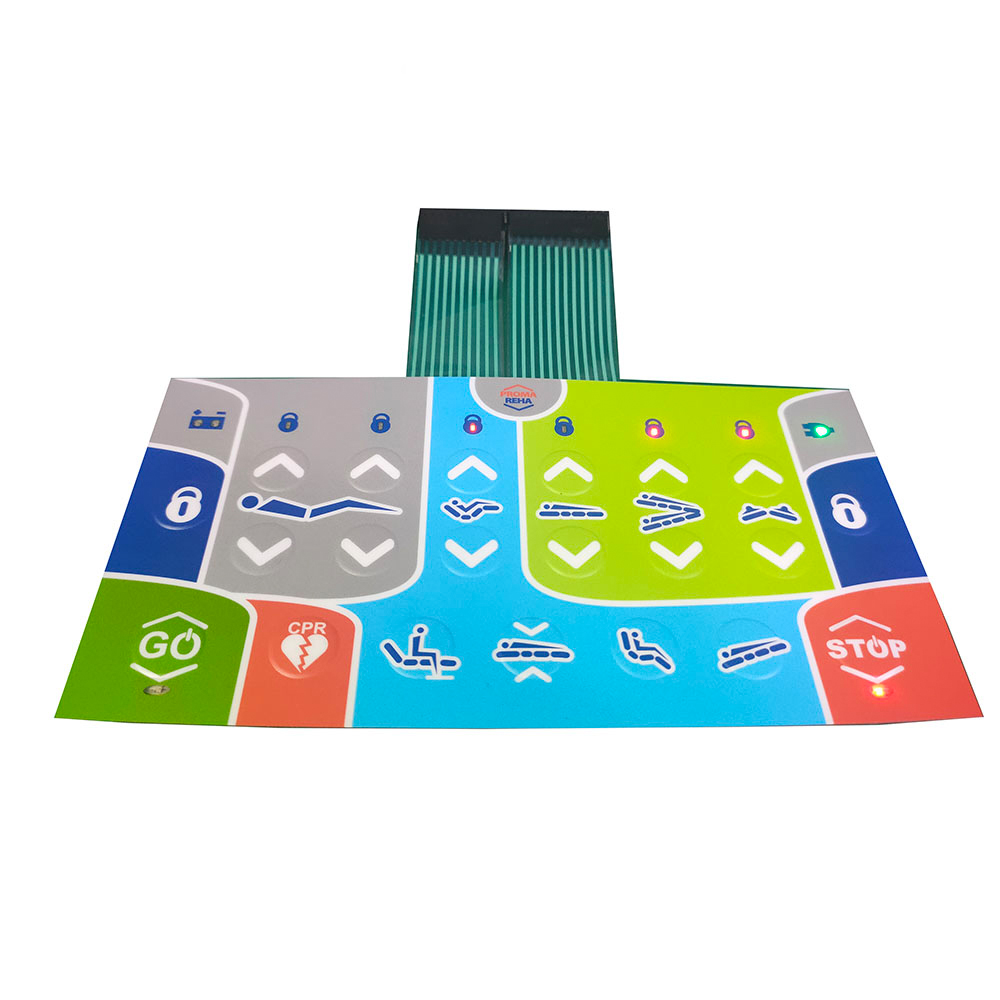
High Quality PBT Keyboard Cap Customized Color & Size Silkscreen Printing ISO9001:2015/ROHS Certified Fast Delivery Meiborui
Heavy-duty PBT keycaps engineered for high-duty cycle control desks, featuring thermal sublimation and silkscreen printing that prevents character erasure in gritty highland mill sites.
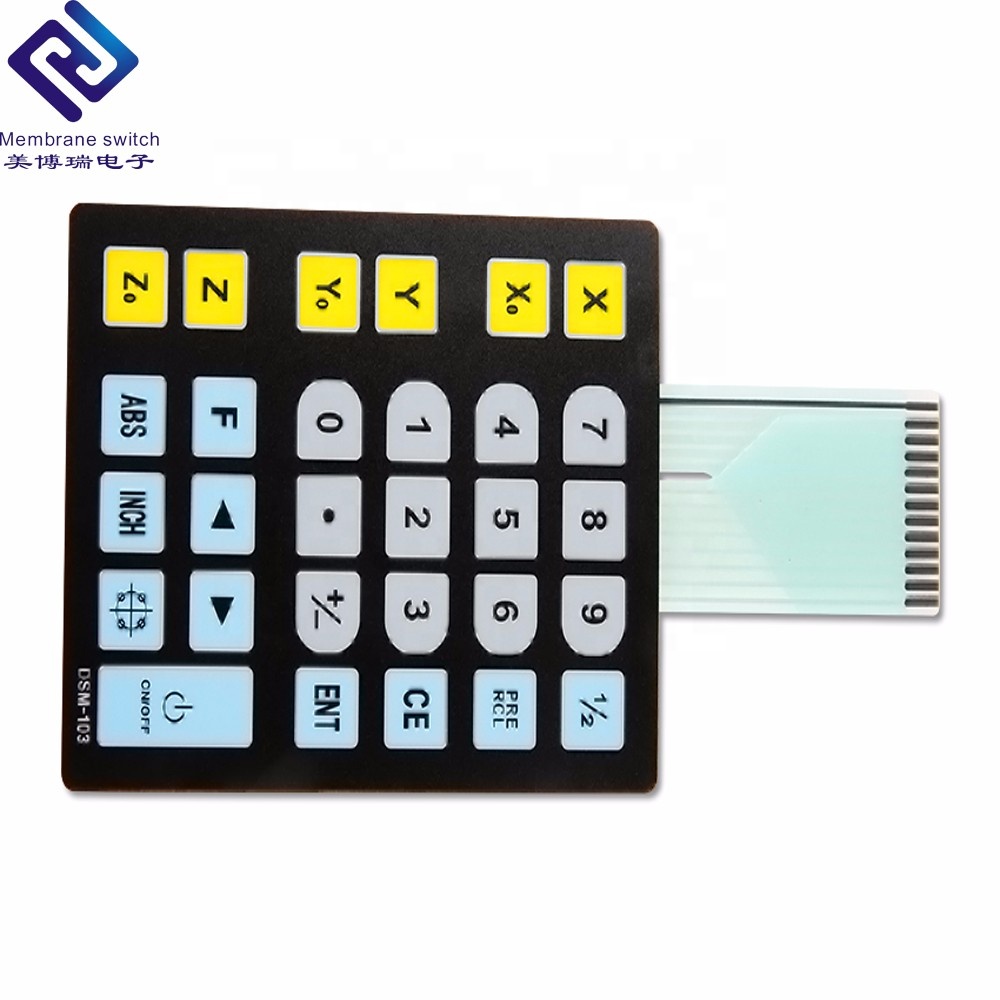
MBR High Quality IP67 Waterproof 3M Adhesive Flexible Cable Membrane Keypad PVC/PET/PC Dome Buttons Telecommunication Keypad
Full hermetic perimeter seal with 3M acrylic adhesive layers and stainless-steel tactile snap domes, providing uninterrupted reliability under torrential tropical rainfall conditions.
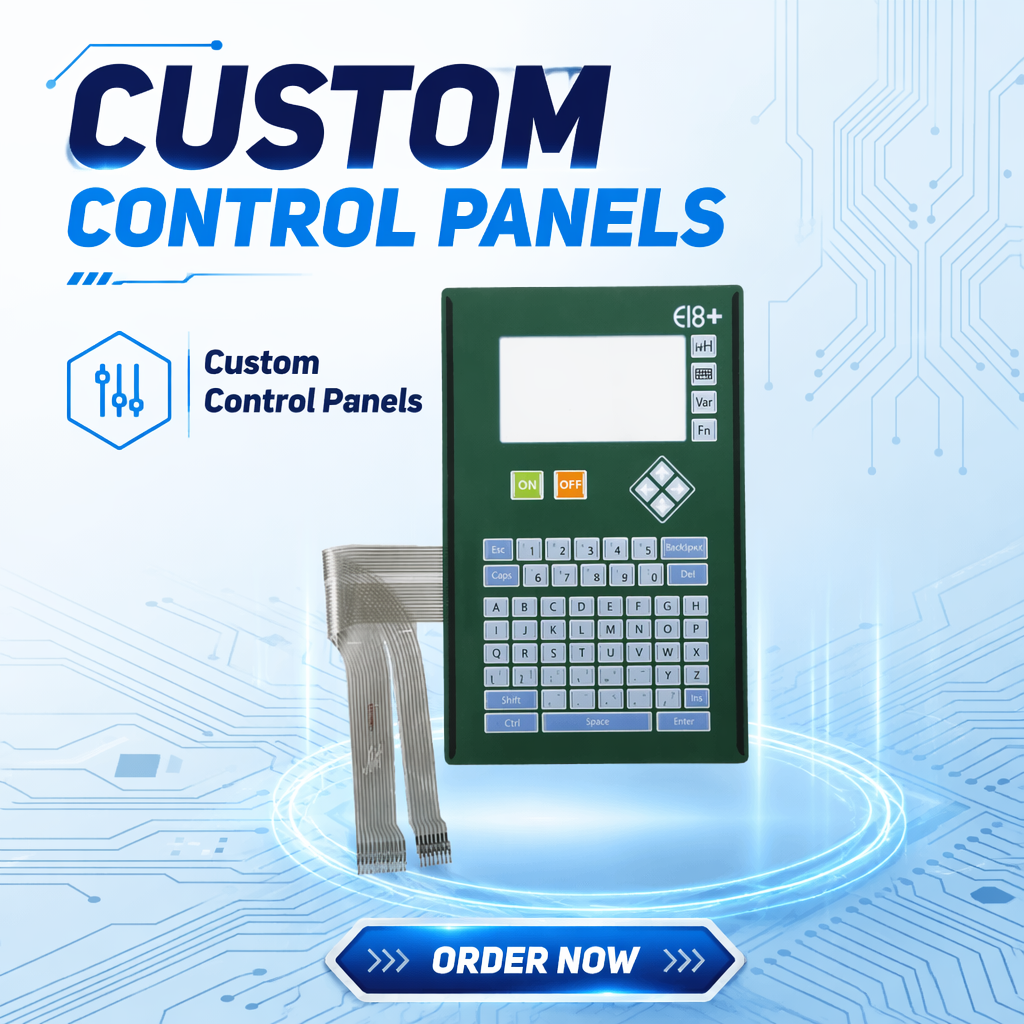
Fast Delivery OEM PBT Keyboard Cap Mechanical Switch Compatible Silkscreen Printed Customized Designs 2.54mm Pitch Factory
Precision-molded mechanical switch keycaps matched for 2.54mm pin header pitches, optimized for ruggedized data entry terminals and computerized weighing instrumentation.
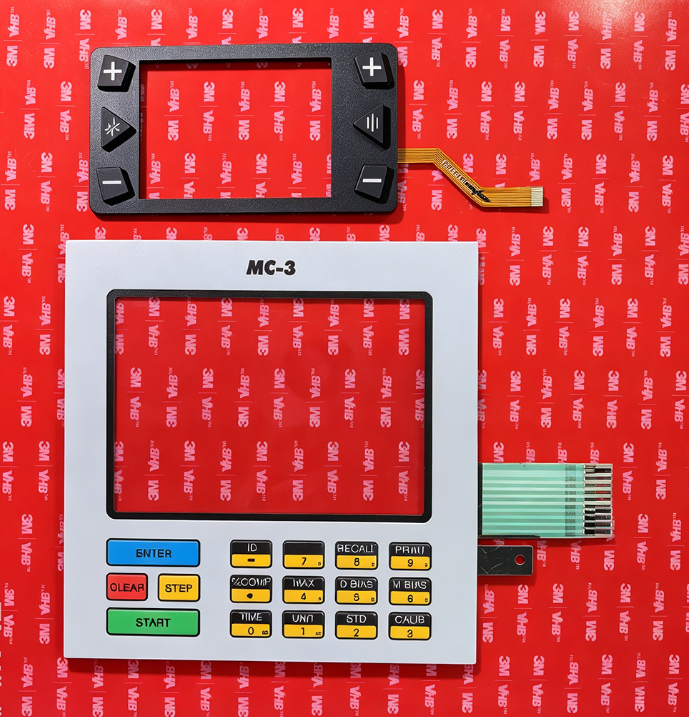
MBR High Quality IP67 Waterproof 3M Adhesive Flexible Cable Membrane Keypad PVC/PET/PC Dome Buttons Custom Cable Length Keypad
Flexible tail extension options tailored to deep enclosure mountings, featuring reinforced copper termination points to prevent signal attenuation and mechanical trace cracking.
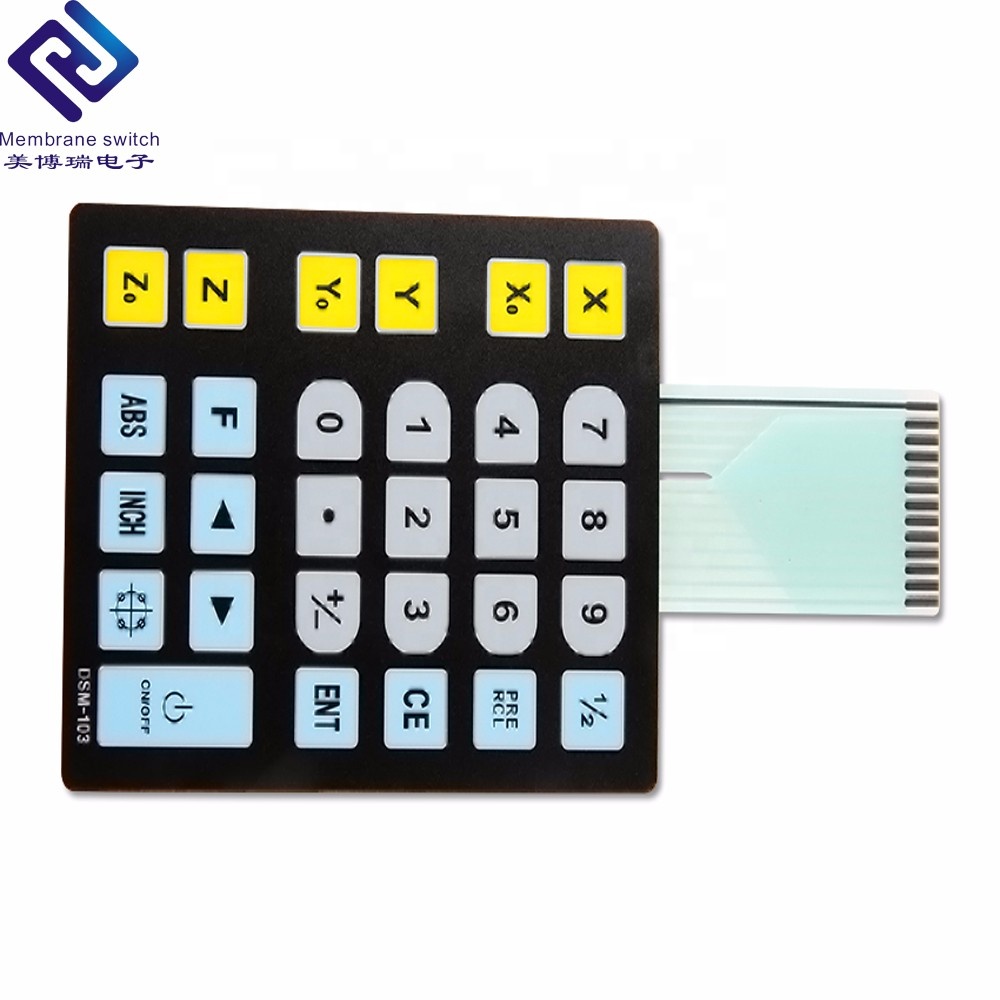
Factory Membrane Switch Keypad with Rubber Buttons 4*4/1*4/3*4/4*5 Layout MCU Expansion Electronic Keyboard
Silicone elastomer keys coupled with internal conductive pills or snap domes, providing gloved-hand tactile confirmation for sorting equipment and industrial batch mixers.
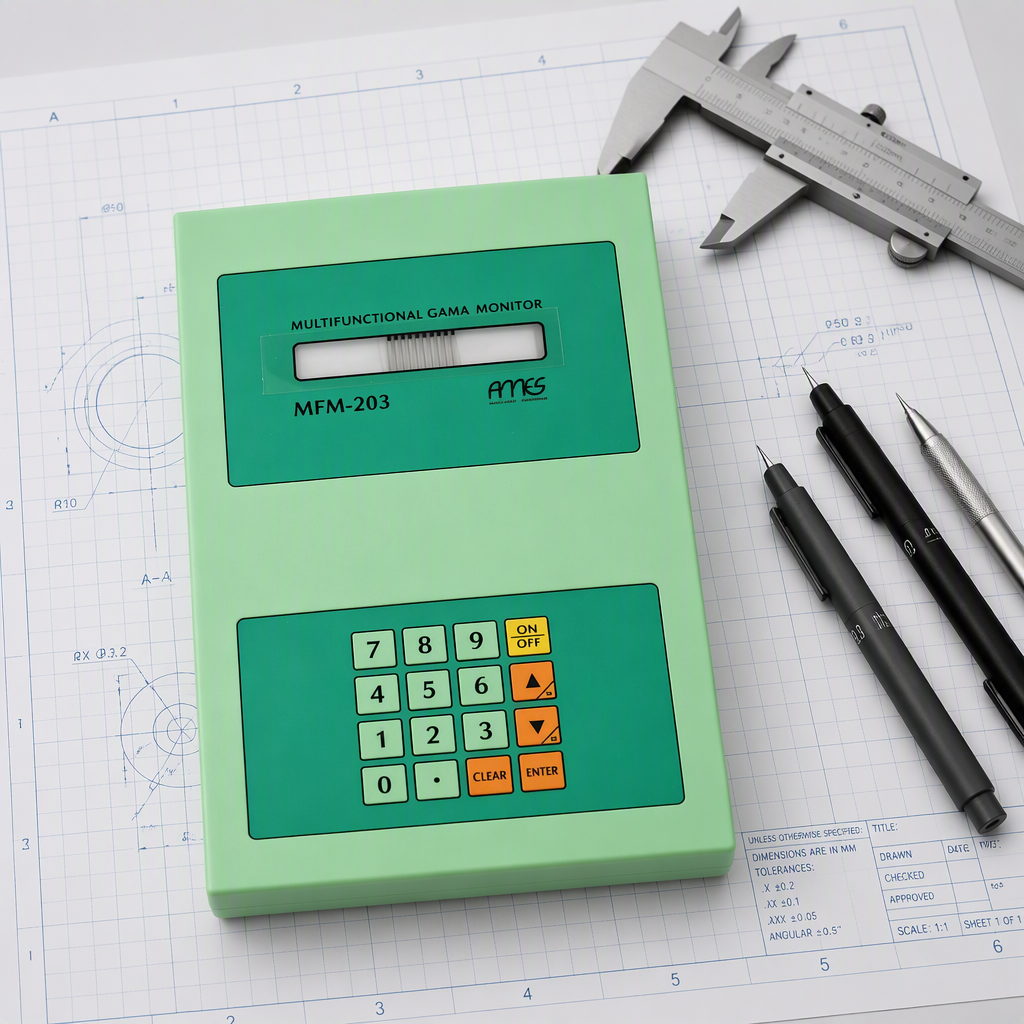
MBR IP67 Waterproof Industrial Membrane Keyboard PET Overlay for Telecommunication Equipment (OEM/ODM Model)
Hard-coated chemical and UV-resistant polyester (PET) graphic overlay that prevents chemical breakdown from agricultural oils, diesel degreasers, and highland sunlight.
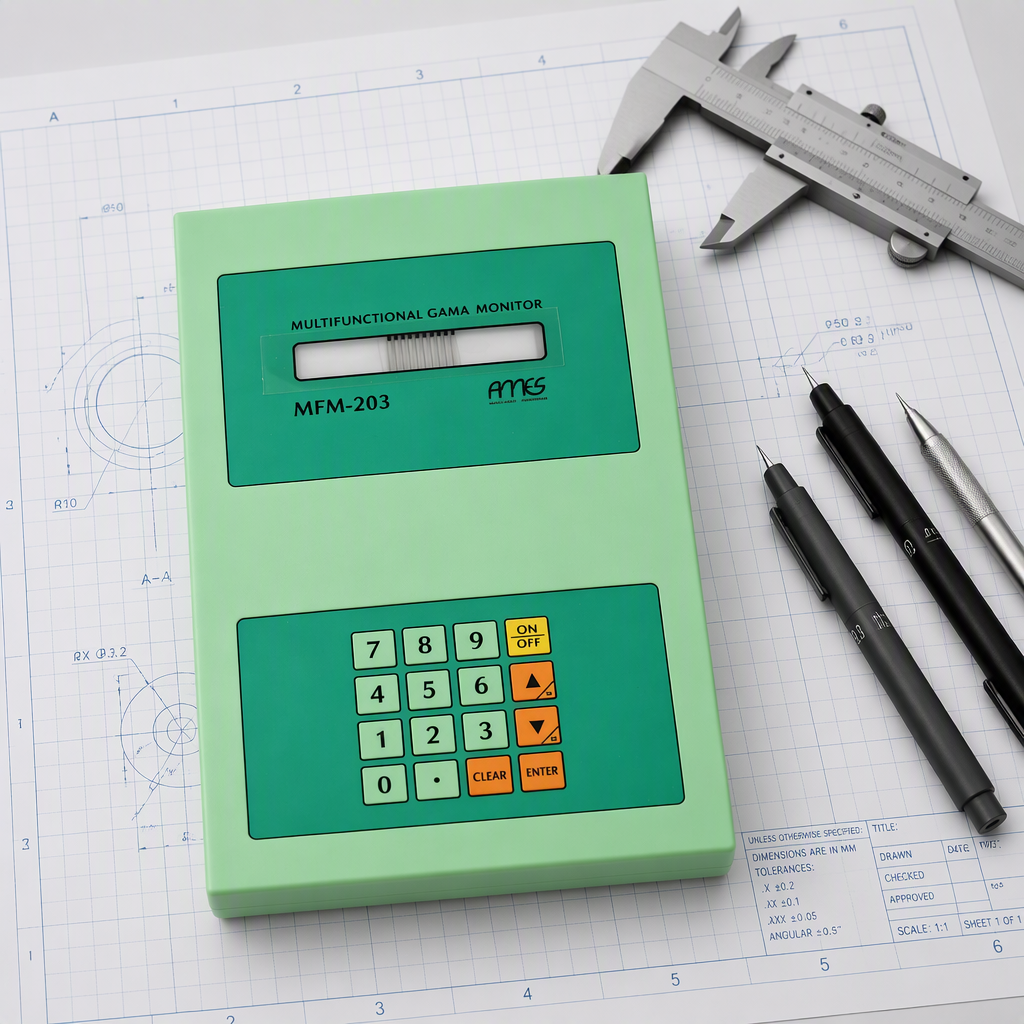
MEIBORUI Fast Turnaround Membrane Keyboard Prototyping Service PET/PVC Materials Custom Colors Sizes ISO Certified Sample Orders
Low Minimum Order Quantity (MOQ) prototyping pipeline allowing Mount Hagen equipment integrators to validate custom switch matrices and pin-out configurations before full production runs.
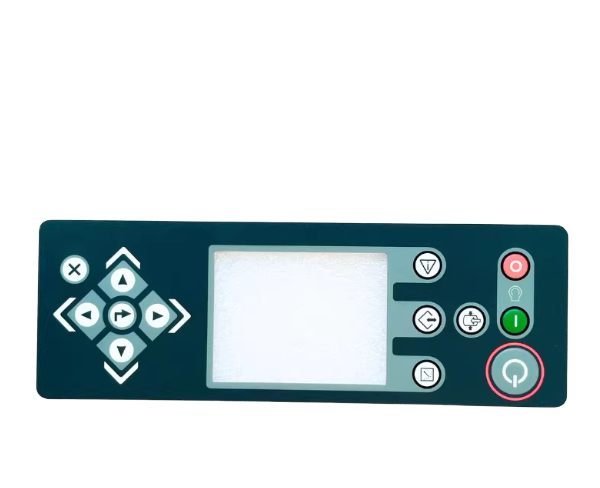
Custom Flexible Temperature Touch Control Keypad Membrane Panel Clear Transparent Window Waterproof Eco-friendly PET HMI
Optically transparent display windows bonded with OCA adhesive, coupled with capacitive touch sensing layers for next-generation digital temperature controllers in cold chain logistics.
The Technical Imperative: Why Polyimide Copper FPC Outperforms Silver Ink in Mount Hagen's Ecosystem
Mount Hagen, the commercial epicentre of Papua New Guinea's Western Highlands Province, is situated at an elevation of approximately 1,677 metres within the fertile yet climatically demanding Wahgi Valley. Sourcing electronic control assemblies for this geographic zone requires an intimate understanding of environmental degradation kinetics. Unlike coastal environments dominated by ocean aerosol salinity, Mount Hagen's highland climate poses a dual threat: persistent relative humidity fluctuating between 75% and 95%, combined with dramatic diurnal temperature swings that trigger internal dew point condensation inside non-sealed enclosures.
In conventional Human-Machine Interfaces (HMIs), conductive circuitry is screen-printed onto polyester films using polymer thick film (PTF) silver paste. While economically viable for indoor commercial electronics, PTF silver ink exhibits catastrophic failure modes when deployed in highland tropical zones. Under constant DC bias voltage and continuous ambient moisture, silver atoms undergo galvanic ionization, migrating across dielectric gaps to form dendritic crystalline filaments. This electrochemical phenomenon—known as silver migration—inevitably results in high-resistance bridging, phantom button activations, and eventual complete short circuits.
Zero Dendritic Migration
Polyimide (PI) copper flex circuits utilize solid Rolled Annealed (RA) or Electrodeposited (ED) copper foil etched beneath a permanent polyimide coverlay. Copper lacks the electrochemical mobility of silver, completely neutralizing dendritic short circuits even under sustained 95% RH testing.
Ultra-Low Trace Resistance
Etched copper conductors yield trace resistances below 0.05 Ω/sq (compared to 15–30 Ω/sq for printed silver ink). This ultra-low impedance allows long tail routing across heavy machinery chassis without signal attenuation or logic threshold drops.
True SMT Component Soldering
Polyimide copper FPC tolerates reflow and manual soldering temperatures up to 260°C. Surface Mount Technology (SMT) miniature LEDs, optical sensors, and resistors are mechanically and metallurgically fused using lead-free solder alloys rather than conductive epoxies.
Mechanical Dynamic Fatigue Life
The Wahgi Valley's heavy agro-logistics and mining fleet subject operator panels to relentless low-frequency vibration. Copper FPCs withstand over 5,000,000 flexural cycles without micro-fissuring, whereas brittle silver ink flakes under sustained engine oscillation.
| Performance Characteristic | Standard Silver Printed Circuit (PET) | Engineered Copper FPC Switch (Polyimide) | Mount Hagen Operating Repercussion |
|---|---|---|---|
| Base Conductor Material | Silver particle polymer paste (~10-15 µm) | 1/2 oz or 1 oz Solid Etched Copper Foil | Structural integrity under continuous switch hammering |
| Conductor Loop Resistance | High (>20 Ω to 100+ Ω depending on tail length) | Negligible (<0.5 Ω per run) | Zero false triggers on 3.3V/5V low-power microcontrollers |
| Moisture / Silver Migration | Critical vulnerability; dendrites bridge at >70% RH | Immune; non-migratory base copper matrix | Crucial for unheated processing sheds during monsoon rains |
| Component Bonding Method | Conductive adhesive paste (brittle under vibration) | Reflow / Wave Soldered Alloy (Solder joint IPC Class 3) | Zero failure of indicator LEDs on rugged mining plant vehicles |
| Operating Temperature Window | -10°C to +60°C (Dielectric breakdown occurs) | -40°C to +105°C (Military-grade continuous rating) | Maintains tensile elasticity across cold nights and midday sun |
| Expected Service Life in PNG | 6 to 18 Months (Frequent site downtime) | 7 to 10+ Years Uninterrupted Duty Cycle | Maximizes uptime; minimizes air-freight replacement costs |
Deploying Engineered Interfaces in Western Highlands Sectors
From coffee processing mills along the Highlands Highway to remote mining staging hubs, our Copper FPC solutions are customized for Mount Hagen's primary economic drivers.
Agri-Tech: Coffee & Tea Mills
Mount Hagen serves as the nerve center for PNG’s premium Arabica coffee and highland tea trade. Wet mills, hulling machinery, bean sorters, and rotary drying kilns generate extreme organic dust, volatile humic acids, and water spray. Our Copper FPC keypads utilize Autotex textured polyester overlays and hermetic 3M 300LSE adhesive perimeter barriers to withstand aggressive daily washdowns, acidic moisture, and continuous bean-sorting vibrations.
Mining Staging & Heavy Plant Transport
Mount Hagen acts as the crucial transshipment gateway supplying major gold and mineral extraction projects across Enga Province and the Southern Highlands. Mobile hydraulic cranes, gravel screening plants, and generator control panels are exposed to mud, diesel soot, and high mechanical shock. We build thick aluminum backers (1.5mm–3.0mm) integrated directly into tactile FPC switch layers, offering unyielding panel rigidity and EMI/RFI shielding from heavy alternator interference.
Highland Solar & Telecom Microgrids
Remote telecommunication repeaters and mini-grid solar installations perched on the ridges surrounding Mount Hagen experience extreme day-to-night thermal cycling and persistent dense fog. Standard interfaces suffer internal adhesive delamination and trace oxidation. Our polyimide copper switches undergo environmental thermal cycling tests (-40°C to +85°C) and utilize hydrophobic venting membranes that equalize internal pressure without permitting atmospheric moisture penetration.
Mount Hagen Sourcing Trends: Transitioning from Disposable to Industrial-Grade HMIs
Historically, system integrators and maintenance managers in Mount Hagen relied heavily on generic imported replacement membrane panels sourced second-hand through regional intermediaries. However, the high freight costs associated with transit along the Highlands Highway from Lae Port, combined with steep air-cargo rates into Mount Hagen Kagamuga Airport (HGU), have made frequent component failures economically untenable. Plant managers in Papua New Guinea are executing a distinct transition toward Direct-from-Manufacturer OEM Engineering.
Key procurement trends shaping the 2025–2030 Mount Hagen industrial purchasing cycle include:
- Standardization on IP67 Sealed Perimeter Matrices: Buyers increasingly demand double-perimeter gasket venting designs that eliminate moisture capillary draw induced by diurnal temperature drops in the Wahgi basin.
- Integration of High-Feedback Metal Domes: Operators wearing heavy protective industrial gloves in coffee mills and unpaved aggregate quarries require positive tactile feedback. We employ four-legged stainless-steel snap domes delivering 350g to 500g actuation forces with rated operational lifespans exceeding 1,000,000 actuations.
- Demand for Integrated Backer Assemblies: Sourcing complete sub-assemblies—featuring FPC switches factory-laminated to CNC-machined aluminum backers with pre-installed threaded mounting studs—reduces onsite assembly errors and accelerates field replacement in remote locations.
Our Precision Engineering & Production Infrastructure
Rooted in membrane switch engineering excellence since 1990. Operating advanced facilities in Xianghe Robot Industry Port and Huizhou with direct German technical collaboration.
End-to-End In-House Production Ecosystem
Unlike trading intermediaries that broker different production stages across multiple sub-contractors, TAVO executes every manufacturing phase under a single quality audit trail. From circuit CAD schematic layout, optical film generation, precision screen printing, and Mimaki high-resolution digital UV printing, to class-10,000 cleanroom lamination, laser perimeter cutting, and computerized circuit verification, we maintain total control over mechanical and electrical tolerances.
Our dual-base operational infrastructure—spanning Xianghe (Hebei) and Huizhou (Guangdong)—ensures continuous capacity allocation, protecting your supply chain against regional factory bottlenecks or logistics disruptions.
Rigorous Environmental Lab Validation
Every switch designed for export to high-humidity markets like Papua New Guinea is verified within our comprehensive onsite testing laboratory before sign-off. Our quality verification protocols encompass:
- Programmable Temperature & Humidity Testing: Sustained exposure at 85°C and 85% RH to eliminate delamination risks.
- Automatic Salt Fog Corrosion Chambers: Assessing gold (ENIG) and nickel connector finishes against accelerated tarnishing.
- Automated Actuation Life Testing: Automated pneumatic fingers stress-test switch tactile domes past 1,000,000 cycles.
- Xenon Arc UV Accelerated Weathering: Validating graphic overlay ink stability against high-altitude tropical sun radiation.
Frequently Asked Questions for Mount Hagen B2B Buyers
Clear, direct answers regarding technical engineering, logistics transit to the PNG Highlands, payment mechanisms, and custom prototyping.