High-Performance Graphic Overlays & Membrane Interfaces
Built strictly to precision engineering tolerances with medical-grade cleanroom precision, high-chemical resistance, and over 1,000,000 actuation cycle tactile resilience.
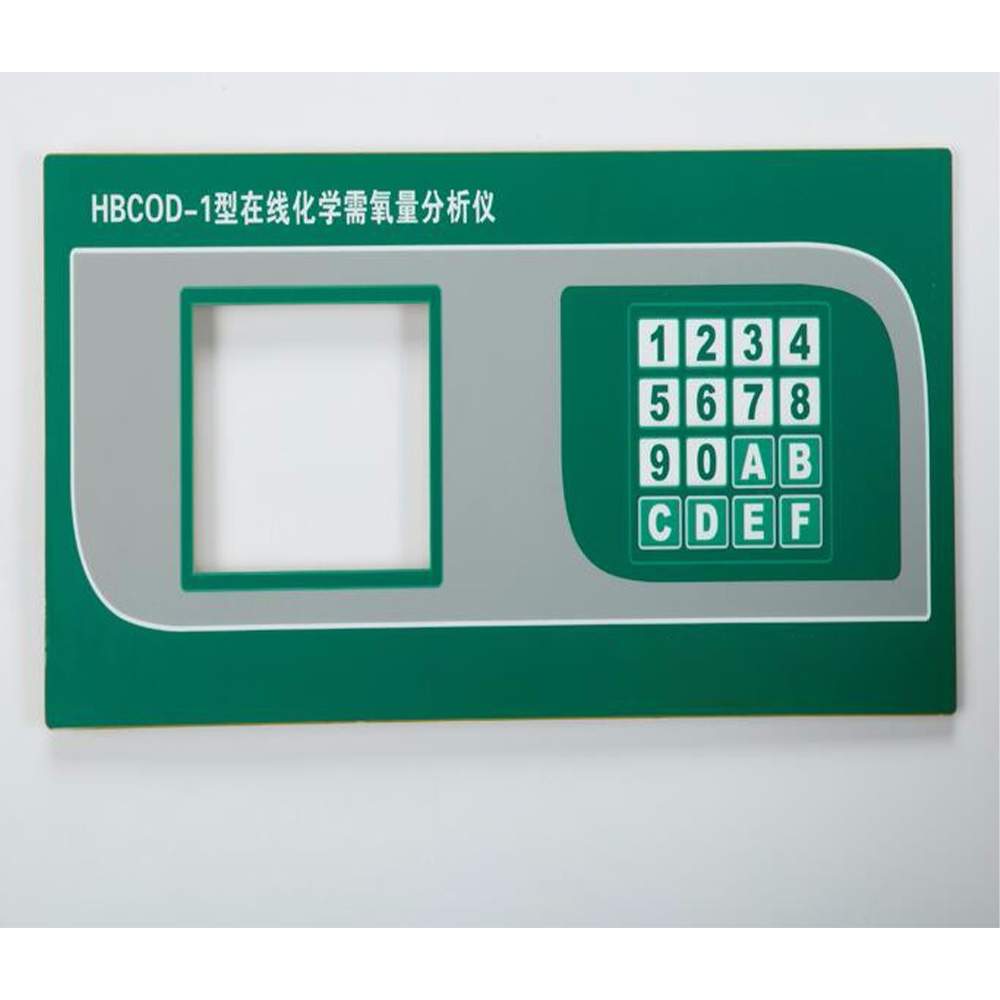
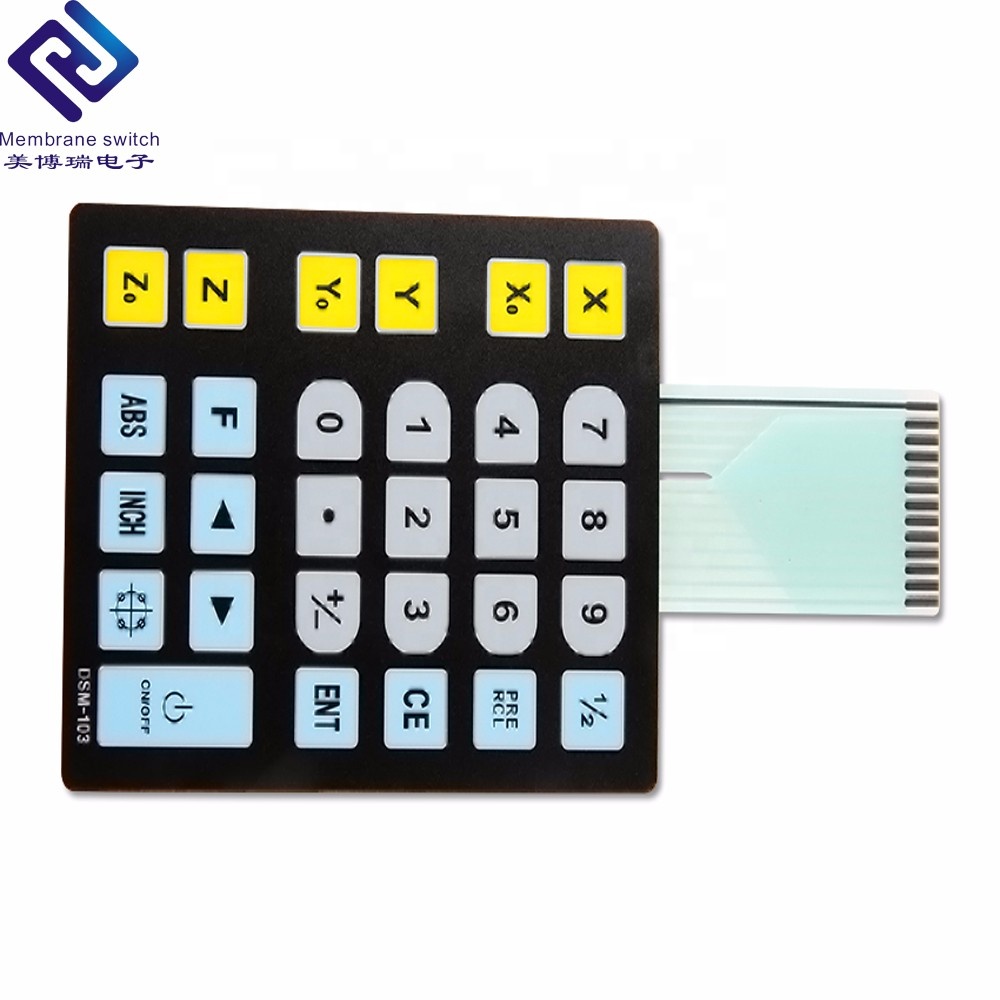
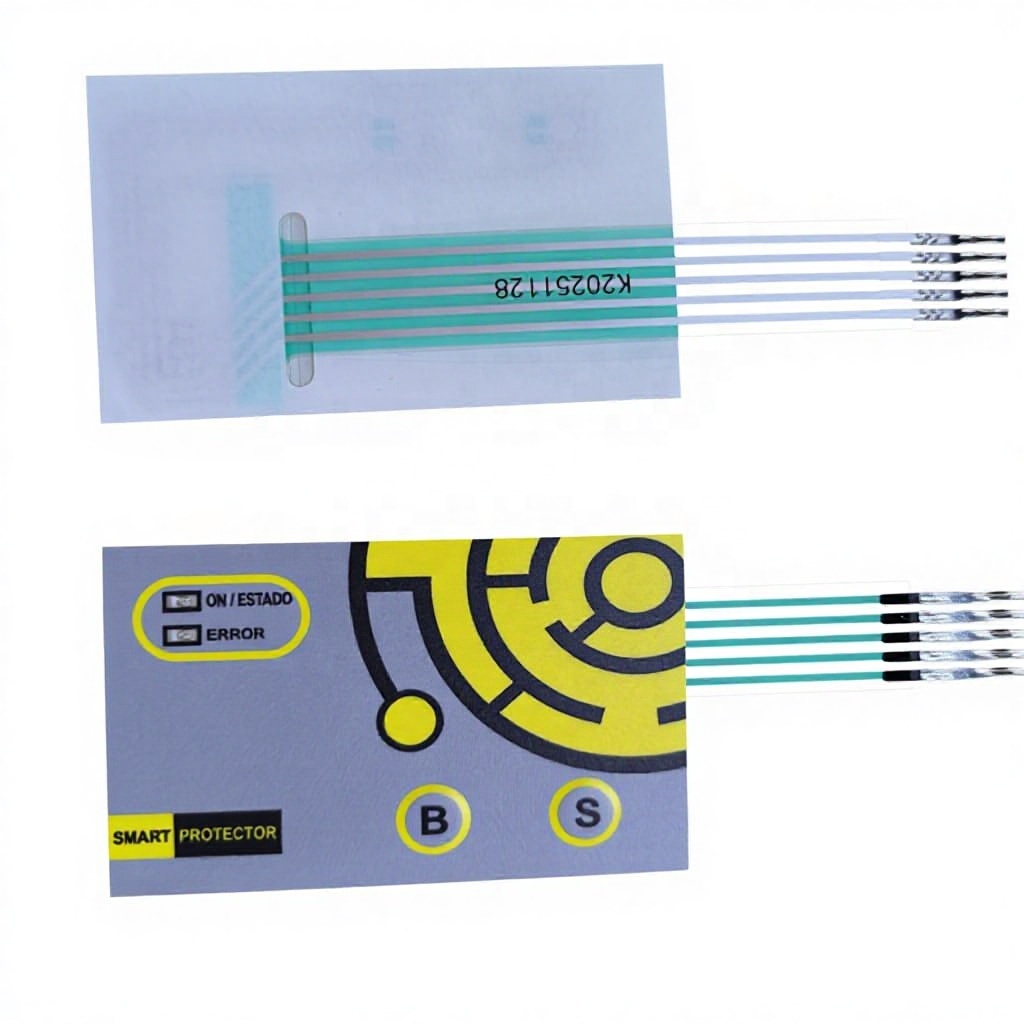
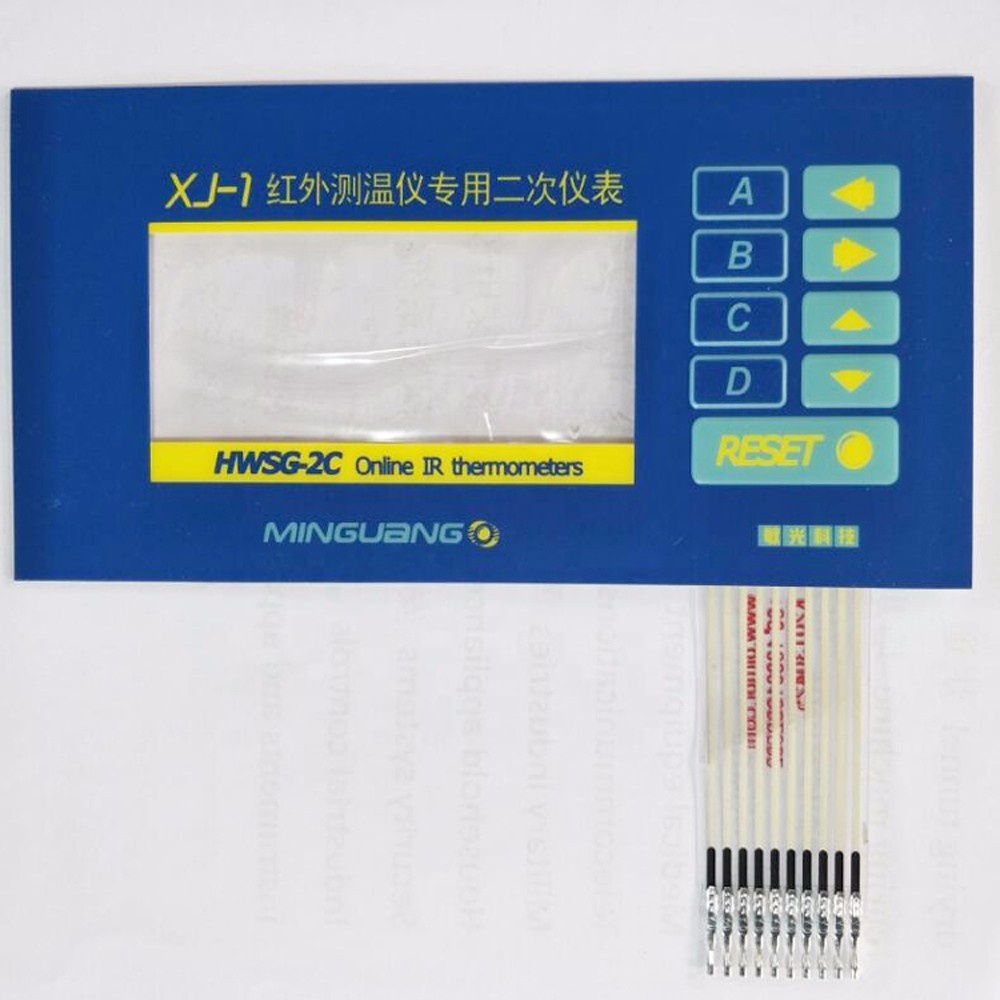
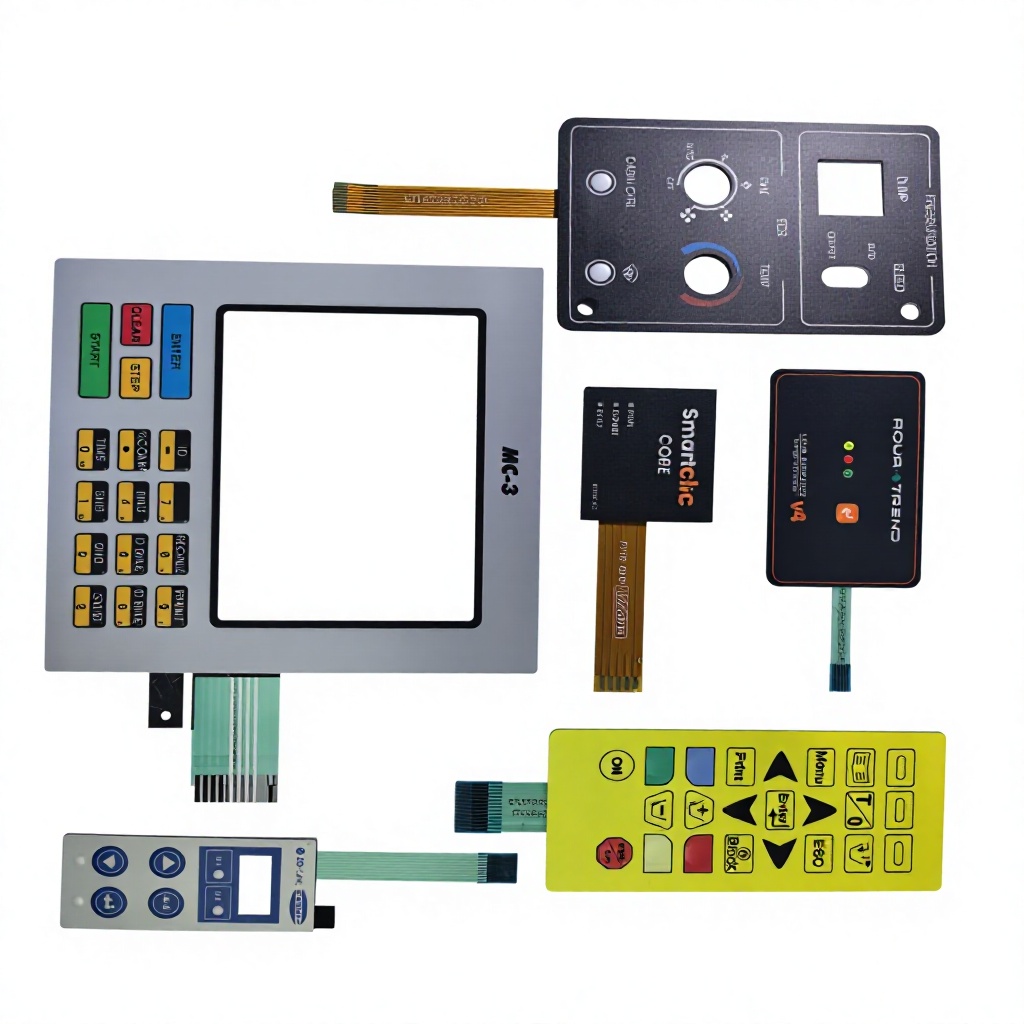
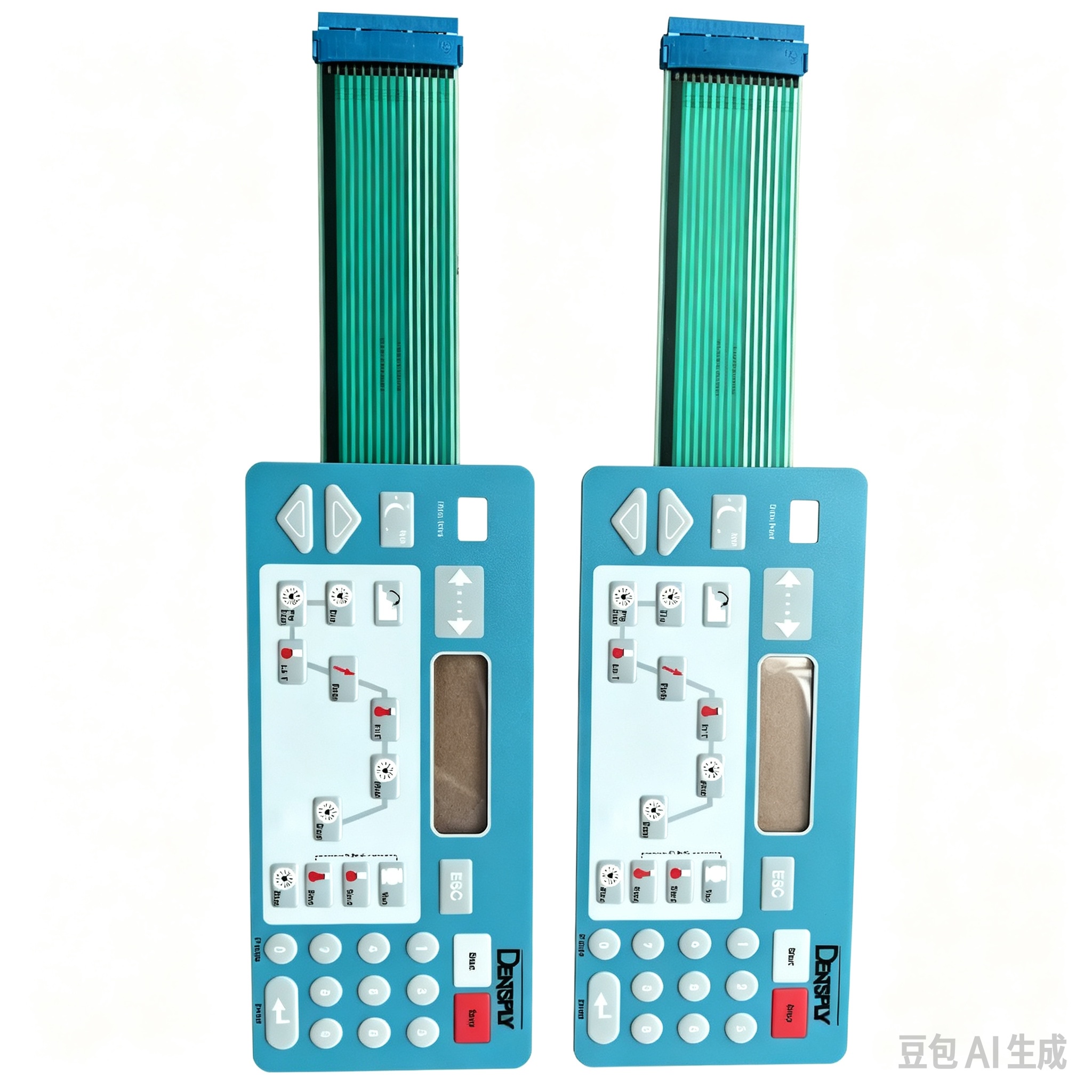
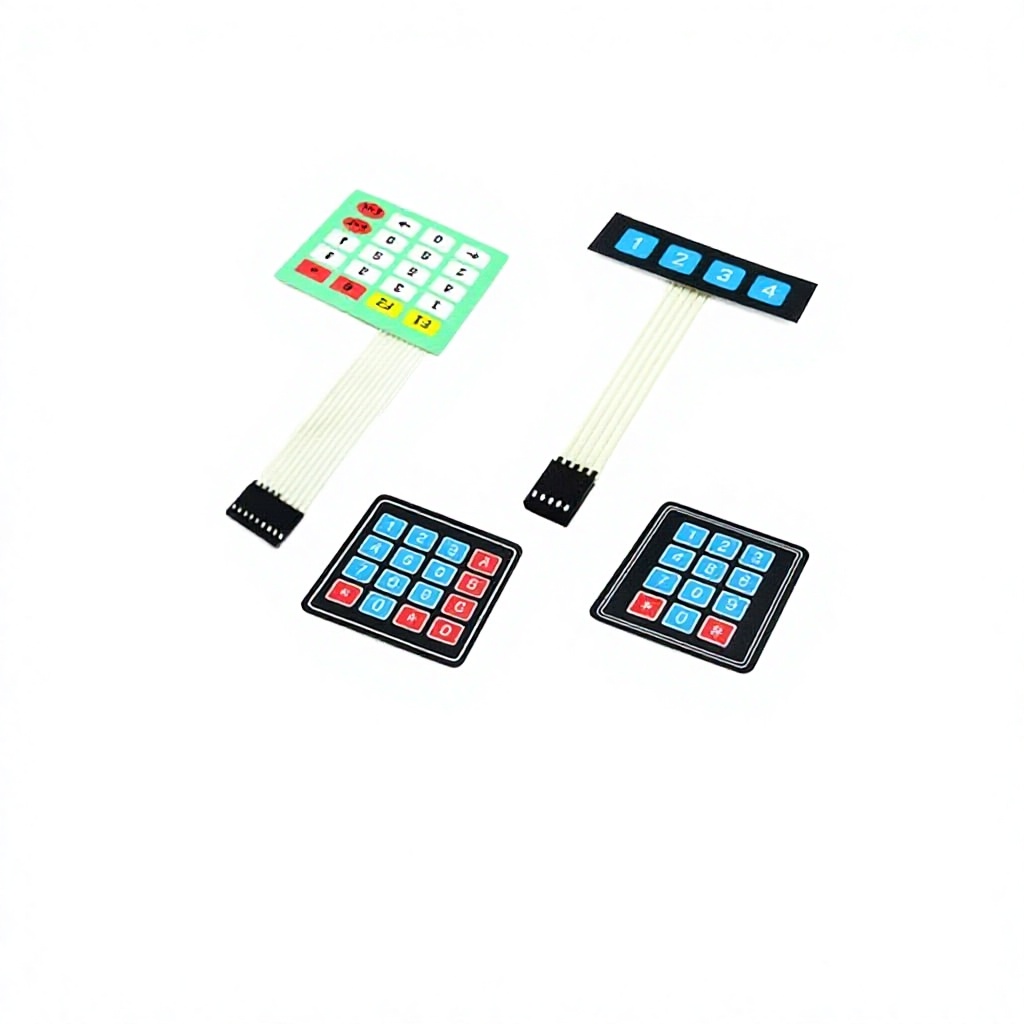
Executive Overview: Engineering Custom Graphic Overlays for the Dublin Tech Corridor
Dublin stands as one of Europe’s premier technological, biopharmaceutical, and advanced engineering hubs. From the high-density innovation clusters along the Silicon Docks to the expansive medical device manufacturing plants in Sandyford, Tallaght, and Blanchardstown, engineering procurement teams face stringent operational criteria. Modern Human-Machine Interface (HMI) panels and custom graphic overlays are no longer merely aesthetic faceplates; they are the critical, frontline barrier safeguarding internal electronics against aggressive chemical sterilants, harsh North Atlantic weather conditions, mechanical fatigue, and electromagnetic interference.
As a premier high-precision graphic overlay and membrane switch manufacturer tracing our foundational tooling roots back to 1990, we deliver verified, Tier-1 manufacturing direct to Dublin OEMs and system integrators. By unifying substrate selection (optical-grade Lexan™ Polycarbonate, Autotex® hard-coated Polyester), subterranean high-definition silkscreen and Mimaki digital UV printing, SMT component soldering, and automated cleanroom die-cutting, we provide Dublin's hardware designers with an uncompromised level of design freedom, regulatory traceability, and cost efficiency.
Where Our Graphic Overlays Perform Across Greater Dublin
From Dublin 15 industrial estates to the maritime ports of Dublin Bay, our custom interfaces power critical hardware systems.
1. Medical Devices & BioPharma Diagnostics (Dublin MedTech Hub)
Serving world-leading medical instrument manufacturers across Sandyford Business District, Citywest, and Park West. Medical devices require graphic overlays that resist wipe-downs from aggressive sanitizers including Isopropyl Alcohol (IPA), bleach, and hydrogen peroxide vapor.
- Subsurface printed Autotex® XE anti-microbial textured polyester.
- IP67 watertight gasket integration protecting bedside diagnostic monitors.
- Dead-front LED indicator windows with optical clarity zero-bleed diffusion.
2. Industrial Automation & Edge Robotics (Ballycoolin & Grange Castle)
Dublin’s high-tech manufacturing corridors rely heavily on heavy-duty PLC control interfaces, automated machinery, and packaging robotics operating in demanding production environments subject to continuous vibration and mechanical impact.
- High-durability stainless steel metal tactile domes offering 5,000,000+ presses.
- Rugged FR4 PCB and aluminum backer plates for rigid cabinet bolting.
- Integrated shielding layers preventing EMI interference from high-voltage drives.
3. Smart Agri-Tech & Precision Dairy Terminals (Leinster Rural Hinterland)
Irish agritech OEMs developing dairy automation, grain sorting consoles, and smart harvesting equipment export globally from Dublin. These systems must endure extreme temperature fluctuations, direct sunlight UV radiation, and constant moisture ingress.
- UV-stabilized Lexan™ HP92W polycarbonate prevents yellowing & embrittlement.
- 3M 300LSE adhesive bonding firmly to low surface energy (LSE) molded plastics.
- Hydrophobic perimeter seals preventing high-pressure jet washdown intrusion.
4. EV Charging Infrastructure & Maritime Salt Fog Environments
Deployed in public EV rapid charging stations across the Greater Dublin Area and coastal logistics facilities along Dublin Port, interfaces require salt fog corrosion resistance and vandalism-proof construction.
- Salt fog chamber tested over 96+ hours in accordance with ASTM B117 standards.
- Anti-glare textured matte surface finishes maintaining crystal-clear LCD viewing.
- Capacitive touch window integration compatible with gloved operation.
Procurement Trends Driving Graphic Overlay Engineering in the Irish Market
Technical sourcing behavior across Ireland has shifted significantly over the past 36 months. Dublin-based engineering teams and contract electronics manufacturers (CEMs) are operating under heightened EU compliance scrutiny, accelerated prototype-to-production cycles, and aggressive sustainability mandates. Key trends we observe when collaborating with Irish engineering firms include:
1. Strict EU MDR & RoHS 3 Material Compliance: Medical equipment designers operating in Dublin demand full chemical compliance declarations (RoHS Directive 2011/65/EU and its amendment 2015/863, along with REACH SVHC screening). Our materials, conductive inks, and high-tack laminates (such as 3M 467MP, 468MP, and VHB) provide zero outgassing, halogen-free construction, and full documentation trails required for technical file audits by Ireland’s Health Products Regulatory Authority (HPRA).
2. The Shift from Traditional Membrane to Hybrid Capacitive & Backlit Surfaces: Mechanical buttons are increasingly replaced by unified capacitive touch sensor overlays or low-profile Light Guide Film (LGF) backlit keys. Irish IoT hardware startups frequently require overlays featuring secret-until-lit warning symbols and dynamic multi-color LED rings integrated on ultra-thin flexible printed circuits (FPC), reducing overall device enclosure thickness below 6mm.
3. Dual-Sourced Tooling & Agility Against Single-Source Risks: European disruptions have led Dublin procurement officers away from hyper-dependent localized small shops toward direct, high-capacity Asian manufacturers who offer localized service standards. By maintaining two state-of-the-art facilities in Hebei (Xianghe Economic Zone) and Guangdong (Huizhou), our manufacturing ecosystem ensures redundant production capacity, shielding Dublin clients from local downtime.
Engineering Comparison Matrix: Substrates & Technical Capabilities
Dublin design engineers can use this technical matrix to balance flexural endurance, optical performance, and chemical resistance during initial NPI phases.
| Parameter / Feature | Autotex® Polyester (PET) | Lexan™ Polycarbonate (PC) | Silicone Rubber Overlays |
|---|---|---|---|
| Flexural Fatigue Life | > 5,000,000 switch cycles (ideal for tactile domes) | > 100,000 switch cycles (best for flat panels) | > 1,000,000 compression cycles |
| Chemical Resistance | Exceptional resistance to alcohols, IPA, ketones, oils | Moderate; susceptible to strong solvent attack | High resistance to washdowns and thermal cycling |
| Optical Clarity / Windows | Embossed clear / tinted windows; anti-glare finish | Superior optical transparency (92% transmission) | Translucent key inserts for backlight diffusion |
| Operating Temperature | -40°C to +85°C continuous | -30°C to +105°C continuous | -50°C to +180°C continuous |
| Dielectric Breakdown | > 15 kV/mil (excellent insulation) | > 12 kV/mil (standard industrial) | > 18 kV/mil (high-voltage safety) |
Why Dublin Procurement Directors Partner Direct with Us
Combining German-calibrated manufacturing standards with China’s agile supply-chain scale.
ISO 9001 & Intertek Onsite Audited
We operate under certified ISO 9001 quality management procedures with all workshop facilities onsite-verified by Intertek. Every batch shipped to Ireland undergoes closed-loop computerized circuit testing, visual alignment screening, and adhesive thickness verification.
Extensive In-House Machinery Fleet
Our owned workshop eliminates sub-tier contractor margins and communication delays: 37 precision screen printers, 4 high-resolution Mimaki digital UV printers, 60 CNC precision mold-making machines, 18 laser-cutting units, and automatic programmable humidity/salt fog testing chambers.
30+ Senior Engineers with 15+ Yrs Tenure
Our technical core consists of over 30 senior membrane switch experts. We assist Dublin engineering teams during DFM (Design for Manufacturability) analysis, recommending trace routing, dome snap ratio tuning (40% to 60%), and tail bend relief geometries before steel tooling is cut.
Seamless Dublin Logistics (DDP Air & Ocean)
We provide full door-to-door Delivered Duty Paid (DDP) logistics into Dublin Airport (DUB), Shannon, or Dublin Port. Prototype runs clear customs effortlessly with Irish VAT and import duties handled directly, reaching Dublin design facilities in as little as 3-5 days via DHL/FedEx Express.
Frequently Asked Questions by Dublin Engineering Buyers
Essential guidance addressing lead times, compliance, tooling amortization, and quality validation.
What is the typical prototype and production lead time to Dublin?
How do you guarantee precise color matching (Pantone / RAL) across batches?
Can your overlays withstand harsh medical cleanroom washdowns in Ireland?
What files are required to obtain a detailed DFM review and quotation?
How do you handle tooling fees and NRE (Non-Recurring Engineering) costs?
Can you integrate Rigid Backers (Aluminum / FR4 PCB) and SMT components?
Initiate Your Custom HMI Project for Dublin
Partner directly with an ISO 9001 certified manufacturer trusted by global OEMs across Europe and North America. Request comprehensive material sample packs, technical whitepapers, or an expedited 24-hour engineering quote.