High-Precision Display Window & Membrane Interface Portfolio
Explore our export-grade tactile keypads, conductive films, and graphic window assemblies built to exact customer drawings, UV tolerances, and environmental ingress ratings.
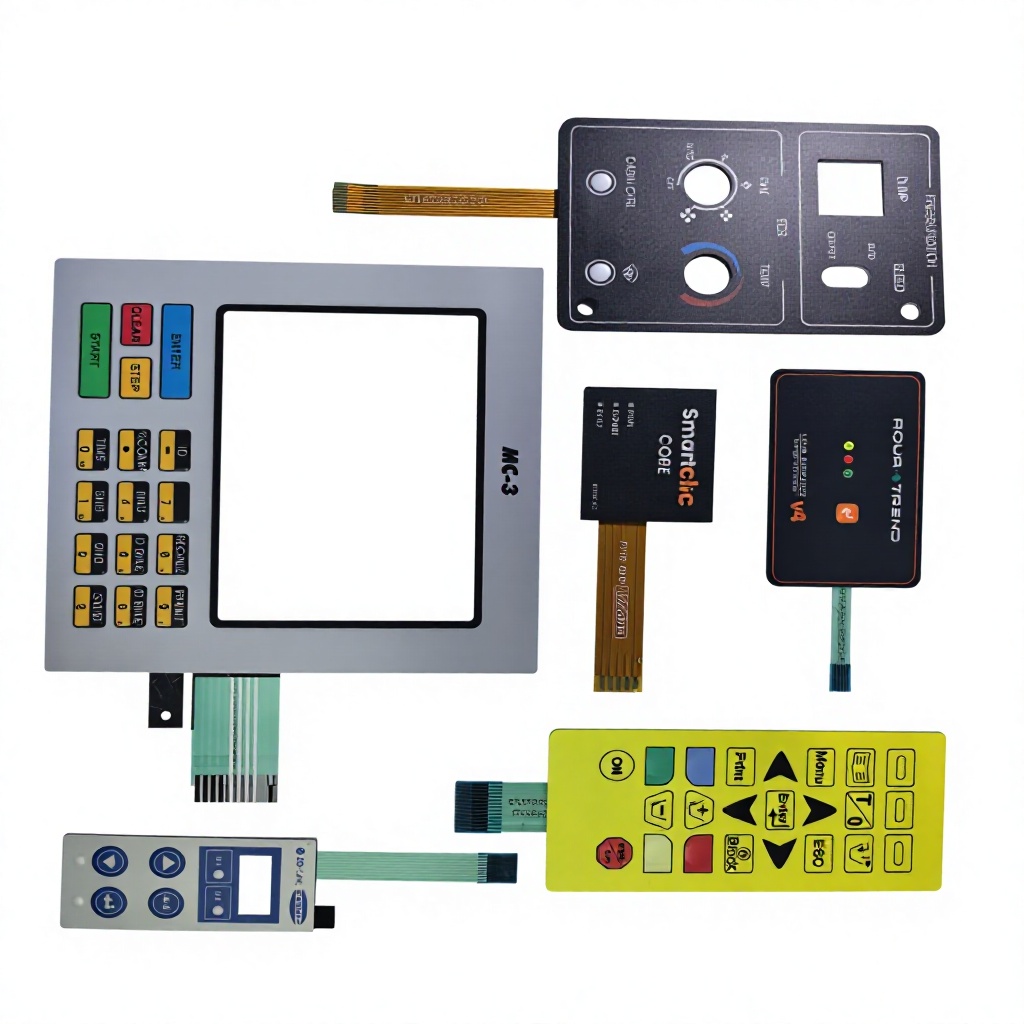
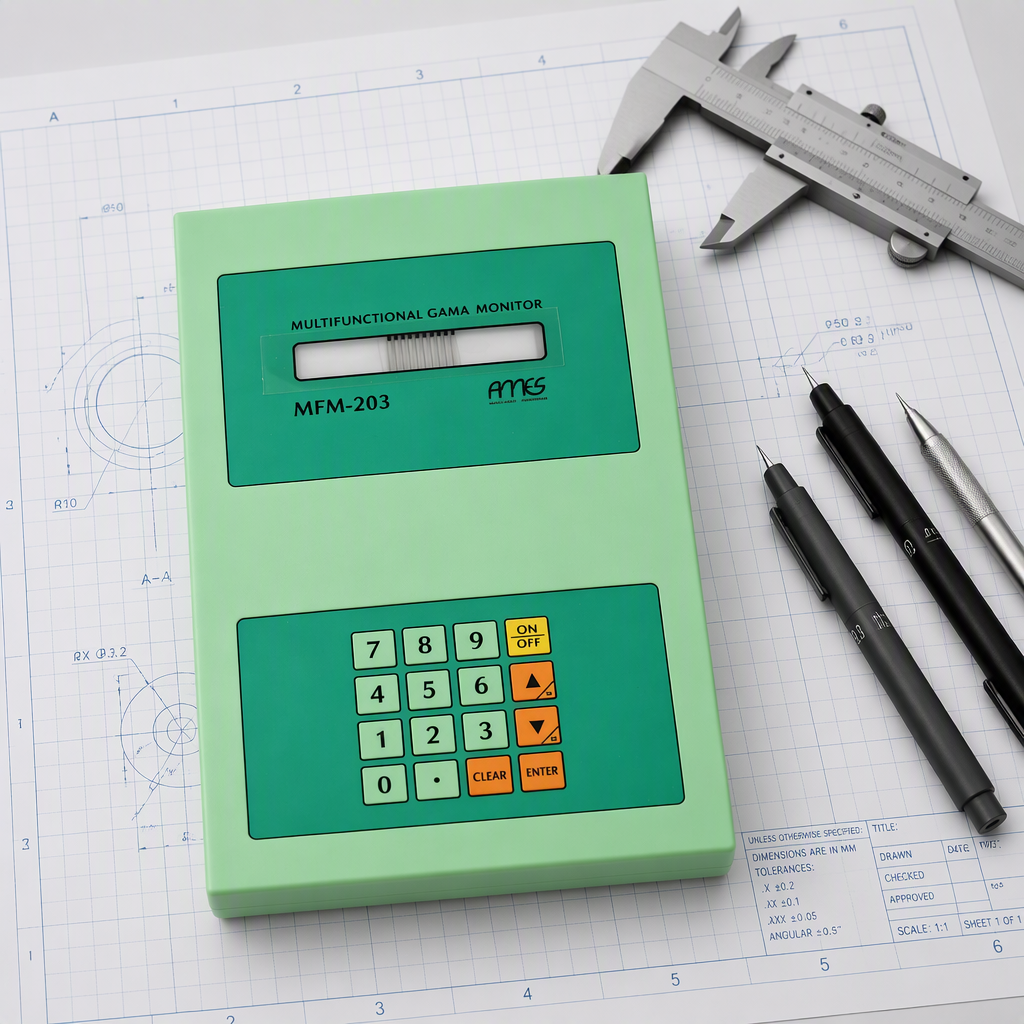
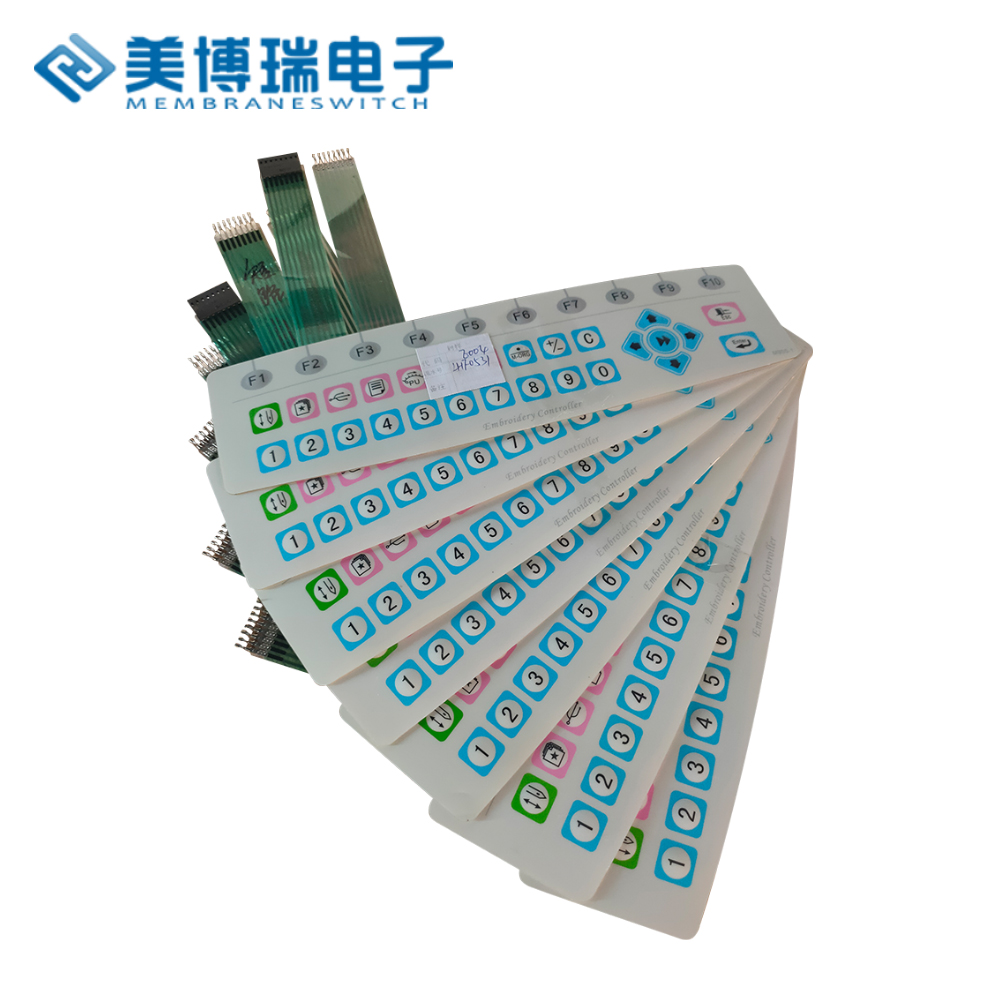
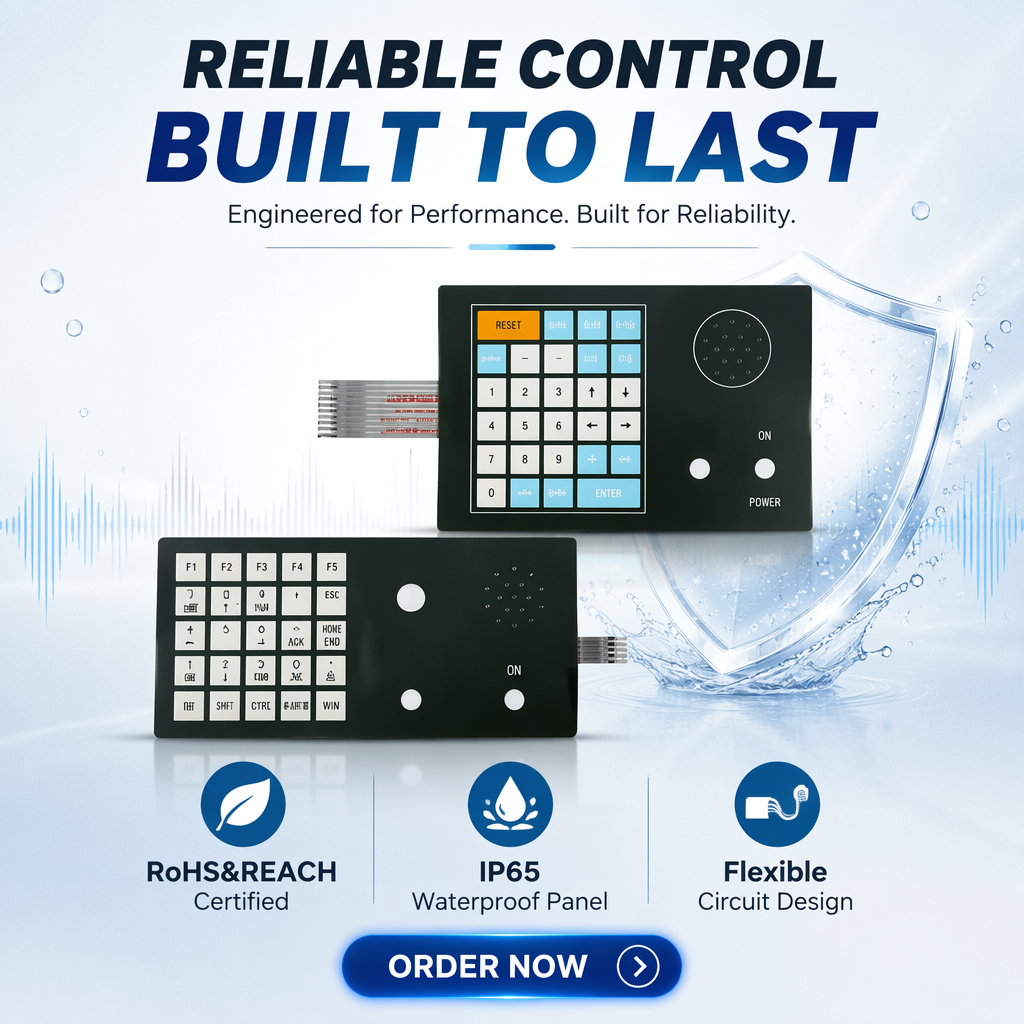
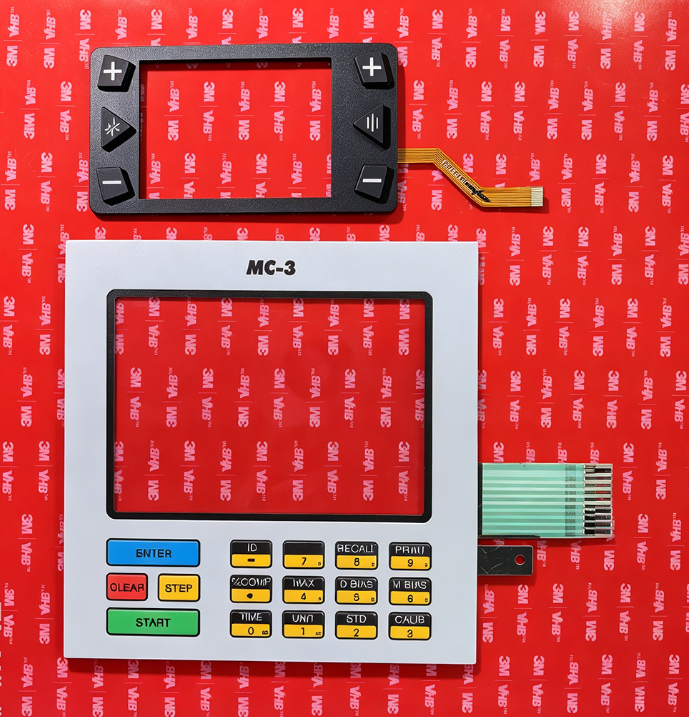
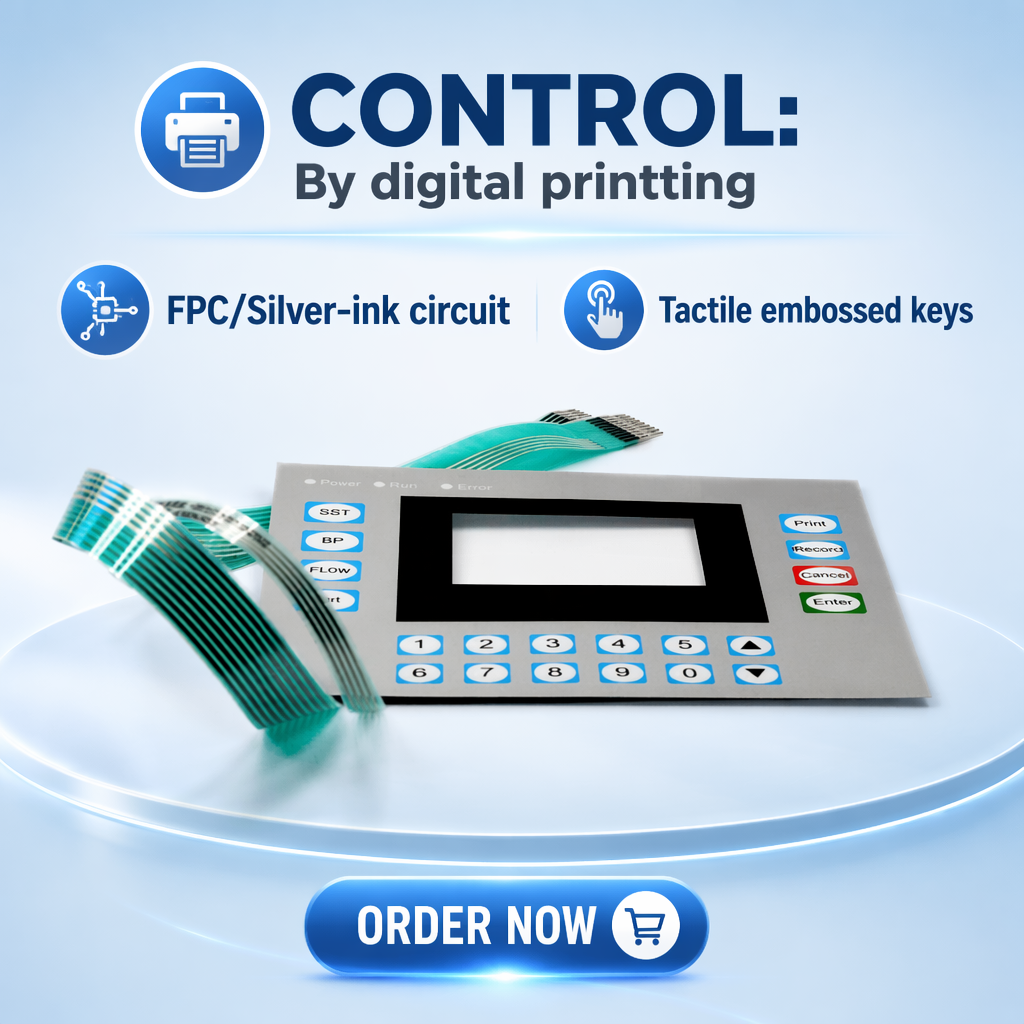
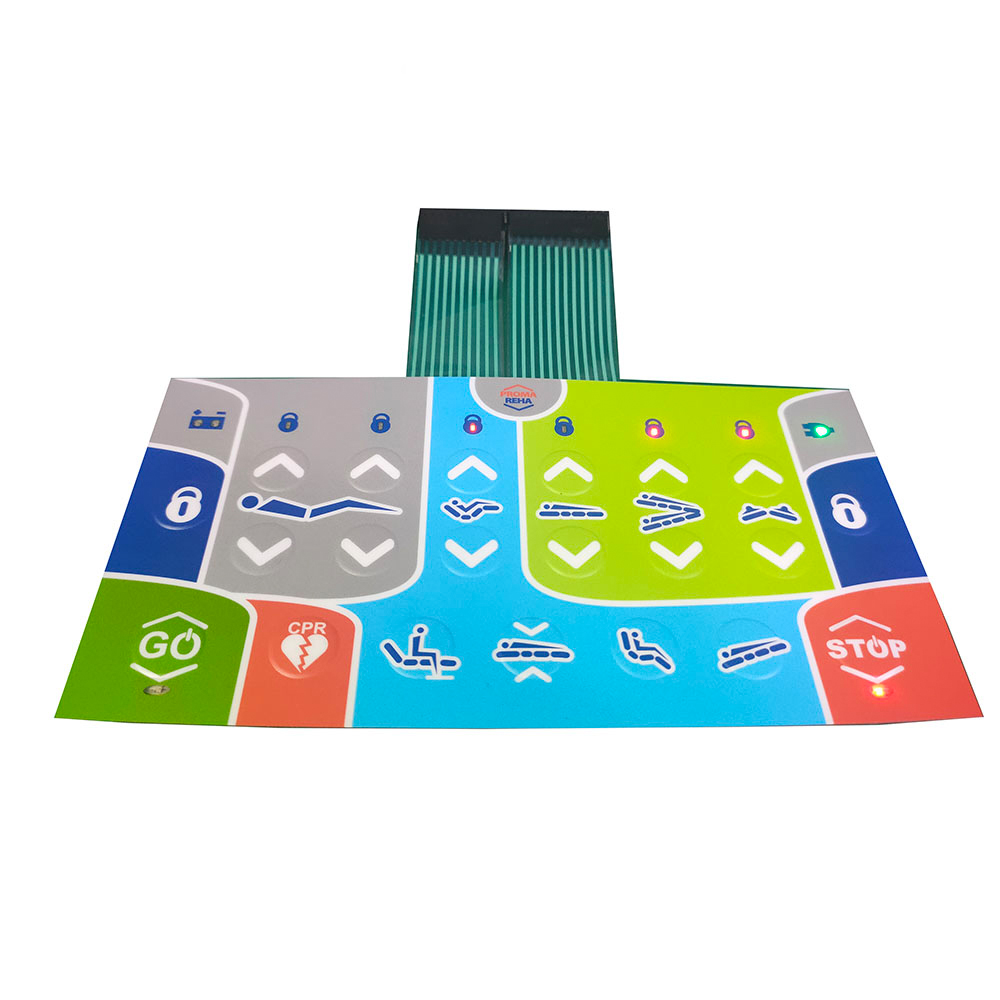
Display Window Overlays: Precision Polymer Science & Optoelectronic Integration
A display window overlay serves as both the aesthetic faceplate and the primary environmental barrier for electronic hardware. In high-reliability applications, it must deliver pristine optical clarity for digital readouts (OLED, TFT LCD, VFD, 7-segment LED) while enduring relentless mechanical cycling, chemical washdowns, and atmospheric extremes. Originating from our manufacturing facility with engineering roots dating back to 1990, our graphic overlay panels are engineered according to stringent ISO 9001 quality systems and European industrial standards established through ongoing Sino-German technical collaboration.
Modern electronic assemblies engineered across Vancouver, Burnaby, Richmond, and the broader Pacific Northwest require custom front-panel interfaces capable of bridging mechanical toughness and optoelectronic clarity. Whether deploying an autonomous marine navigational system at Burrard Inlet or industrial monitoring panels in the Fraser Valley, the integrity of the graphic overlay defines product lifespan and brand perception.
Substrate Material Selection: Polycarbonate (PC) vs. Biaxially-Oriented Polyester (PET)
The core structural integrity of any display window overlay hinges on selecting the appropriate engineering thermoplastic. We utilize virgin-grade substrates sourced from global leaders including Sabic Lexan®, Covestro Makrofol®, and MacDermid Autotype®:
Polycarbonate (PC / Lexan®)
Delivers unmatched impact resistance, superior optical clarity (up to 91% light transmission), and ease of heavy thermoforming. Ideal for heavy-duty display lenses, instrumentation covers, and indoor medical monitors where mechanical drop-shock resistance is paramount.
Biaxially-Oriented PET (Autotex®)
The definitive industry benchmark for switch actuation longevity (>5 million flex cycles). Formulated with extreme chemical resistance against aggressive hydraulic fluids, industrial alcohols, and caustic cleaning agents commonly encountered in process industries.
UV-Stabilized Weatherable Grades
Treated with advanced benzotriazole ultraviolet stabilizers preventing yellowing, embrittlement, and optical delamination under intense outdoor exposure. Tested via ASTM G155 Xenon Arc accelerated weathering chambers.
Optical Coatings & Window Treatments: Overcoming Environmental Reflection
Uncoated polymers suffer from high surface reflectance and scratch vulnerability. In coastal environments like Vancouver, where marine glare and high ambient moisture cause optical dispersion, engineered window treatments are essential:
- Anti-Glare (AG) Texturing: Chemically etched or selectively printed matte finishes that diffuse direct reflections without compromising character sharpness on high-resolution displays.
- Anti-Reflective (AR) Multi-Layer Sputtering: Vacuum-deposited nanocoatings that suppress surface reflection to under 0.5%, maximizing contrast in direct sunlight environments.
- Anti-Fingerprint (AF) & Oleophobic Coatings: Hydrophobic fluorocarbon layers with water contact angles exceeding 110°, repelling oils and grease on medical and industrial touchscreen surfaces.
- Selective Hard-Coating (3H to 7H Pencil Hardness): Dual-cured acrylic coatings applied to clear optical zones, preventing abrasion from coarse salt dust or steel wool cleaning.
- Dead-Front Display Windows: Opaque translucent secret-until-lit black or smoky prints. Indicators and symbols remain completely invisible until backlit by high-efficiency surface-mount LEDs.
Localized Application Scenarios Across Metro Vancouver & British Columbia
Metro Vancouver is recognized globally not merely as Canada's gateway to the Pacific, but as a premier high-technology innovation corridor. British Columbia’s engineering ecosystem spans from autonomous marine robotics in North Vancouver to green hydrogen electrolyzers in Burnaby and medical automation in Surrey. Each localized operational environment imposes unique physical constraints on display overlays and human-machine interface panels.
1. Marine Navigation & Port Automation
Deployment: Port of Vancouver freight handling, commercial tugboat telemetry, underwater sonar displays, and naval vessel switchboards.
Engineering Requirements: Continuous exposure to saltwater spray and high humidity requires IP67/NEMA 4X perimeter gasket adhesives (3M 300LSE/467MP). Overlays are rigorously subjected to our automated salt fog chambers (ASTM B117) to prevent silver trace oxidation and edge creep.
2. CleanTech, Fuel Cell & EV Power
Deployment: Fuel-cell diagnostic monitors, electric transit charging terminals, and grid-scale battery management panels across Burnaby and Richmond industrial parks.
Engineering Requirements: Wide operating temperature envelope (-40°C Canadian winter chills to +85°C high-inverter thermal loads). Demands flame-retardant substrates compliant with UL 94 V-0 / VTM-0 specifications.
3. Biomedical & Analytical Health Instruments
Deployment: Clinical centrifuges, microfluidic analyzers, and hospital bedside monitors developed across Vancouver’s biotech cluster.
Engineering Requirements: Impervious to aggressive hospital disinfectants such as Betadine, isopropyl alcohol (70%), bleach solutions, and quaternary ammonium compounds without crazing or clouding.
4. AgriTech & Food Processing Equipment
Deployment: Greenhouse automation consoles in Delta and automated fruit sorting line interfaces in the Okanagan-Fraser corridor.
Engineering Requirements: IP66 washdown protection against high-pressure, elevated-temperature sanitation spray downs. Embossed tactile feedback allows responsive key actuation by operators wearing rubber gloves.
5. Forestry & Heavy Resource Telematics
Deployment: Heavy timber harvesting machinery, mill saw-line optimization computers, and mining telemetry panels operated across Interior BC.
Engineering Requirements: Thick-gauge hard-coated polycarbonate (0.5mm - 1.0mm) capable of absorbing high kinetic impacts from loose debris while repelling sawdust, hydraulic petroleum lubricants, and dirt.
6. Smart City & Municipal Transit Kiosks
Deployment: Fare collection gates, outdoor park monitoring terminals, and EV parking pay stations operated in public spaces.
Engineering Requirements: Anti-graffiti surface chemistry, high UV radiation blocking, and dead-front light management ensure year-round outdoor readability and vandal resilience.
Emerging Design & Technology Trends in Vancouver's Hardware Sector
As British Columbia transitions from prototype-heavy R&D toward scalable hardware manufacturing, product development engineers in Vancouver are redefining their HMI and front-panel specifications:
1. Shift toward Optical Clear Adhesive (OCA) Direct Bonding
Traditional mechanical air gaps between LCD glass panels and plastic window overlays cause severe internal reflections and risk moisture condensation under Vancouver’s humid coastal climate. We provide OCA optical lamination within Class 1,000 cleanroom environments. By matching the refractive index of the overlay directly to the display substrate (n ≈ 1.49), internal bounce reflections are reduced by 90%, eliminating fogging completely during rapid temperature swings from coastal rain to sun.
2. Convergence of Capacitive Touch with Tactile Physical Feedback
While slick capacitive glass dominates consumer products, safety-critical industrial equipment requires positive tactile confirmation. Vancouver OEMs increasingly specify hybrid overlays: sleek, flush capacitive touch sliders integrated alongside localized metal dome tactile switches (with actuation forces from 250g to 450g) to ensure operators receive unmistakable haptic verification even when operating blind or under heavy vibration.
3. Rapid Prototyping Bridging to Volume Manufacturing
With agile venture funding and tight engineering release schedules, Vancouver tech incubators cannot wait 8 weeks for soft tooling. Leveraging our fleet of 4 Mimaki digital UV flatbed printers and 18 high-speed laser cutting machines, we generate production-grade color-matched prototypes within 3 to 5 business days—completely eliminating initial steel die-cutting tooling fees for early NPI (New Product Introduction) trial runs.
Technical Properties: Polycarbonate vs. Polyester vs. Acrylic Overlays
To assist CAD design engineers and component sourcing managers in selecting the ideal substrate for display window overlays, the matrix below details real-world physical, chemical, and optical parameters:
| Performance Characteristic | Polycarbonate (PC / Lexan®) | Polyester (PET / Autotex®) | Polymethyl Methacrylate (PMMA) |
|---|---|---|---|
| Light Transmission (Optical Clear) | 88% – 91% | 86% – 89% | 92% – 93% (Highest Optical Purity) |
| Actuation Flex Life (Switch Domes) | 100,000 – 300,000 actuations | > 5,000,000 actuations | Not Suitable for Tactile Key Domes |
| Pencil Hardness (Standard / Hard-Coat) | B to HB / 3H with Hard-Coating | 2H to 3H | 3H to 5H (Naturally Scratch Resistant) |
| Chemical & Solvent Resistance | Moderate (Sensitive to esters & ketones) | Exceptional (Resists fuels, bleach, alcohols) | Moderate (Degraded by aromatic solvents) |
| Continuous Temperature Range | -40°C to +125°C | -40°C to +85°C | -30°C to +80°C |
| Embossing & Thermoforming Capability | Superb (Deep draw, pillow & rim form) | Good (Requires hot-embossing dies) | Rigid Only (Requires CNC milling) |
| Dielectric Breakdown Voltage | 15 to 20 kV/mm | 18 to 25 kV/mm | 18 to 22 kV/mm |
| Recommended Vancouver Applications | Heavy machinery, rugged lenses, port cranes | Medical instruments, marine dashboards, clean energy | High-end optical monitor bezels, indoor audio |
Engineered In-House: Advanced Industrial Capacity
Unlike trading entities or third-party sourcing brokers, our factory controls the entirety of the manufacturing chain across two vertically integrated production complexes in Hebei (Xianghe Robot Industry Port) and Guangdong (Huizhou processing center). Serving global Tier-1 industrial leaders including Siemens, ABB, and Haier, our systems deliver unmatched stability and traceability:
Full In-House Fabrication
Every phase—graphic vector film generation, 37 precision screen printing lines, digital UV deposition, CNC embossing, precision laser cutting, and final cleanroom laminating—is executed entirely within our owned production facilities, ensuring complete design privacy.
60 CNC & 18 Laser Workstations
Equipped with 60 high-precision CNC mold tooling stations, 18 laser profiling machines, 7 digital flatbed engravers, and 8 thermal curing units capable of holding tight mechanical contour tolerances down to ±0.05mm on custom window cutouts.
In-House Reliability Testing Lab
Each production run undergoes comprehensive batch verification: computerized loop resistance testing, automated button life cycle fatigue units, programmable temperature-humidity chambers (-40°C to +150°C), and Xenon UV light aging chambers.
Vancouver B2B Buyer Frequently Asked Questions
Practical technical and procurement guidance for mechanical engineers, sourcing leads, and OEM founders across British Columbia and Western Canada.