Featured Membrane Keypads & Industrial Switches for Dutch Importers
Precision-fabricated utilizing genuine Autotype PET, Covestro Makrofol PC, 3M structural adhesives, and silver/copper flexible conductive paths. Every unit below is customizable for mechanical dimensional layouts, connector pitches, and haptic actuation feedback.
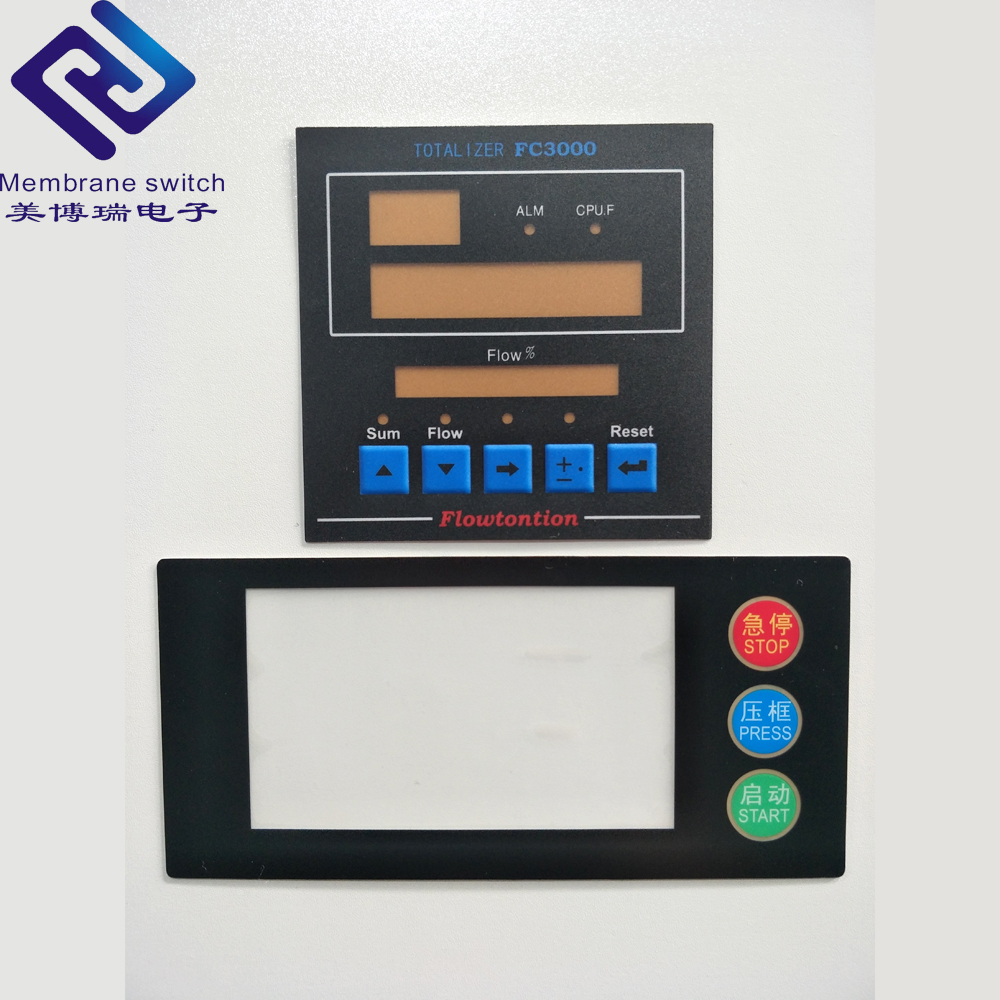
High Quality IP67 Waterproof 3M Adhesive Metal/Poly Dome LCD Membrane Switch Custom Keypad Flexible Cable Telecommunication
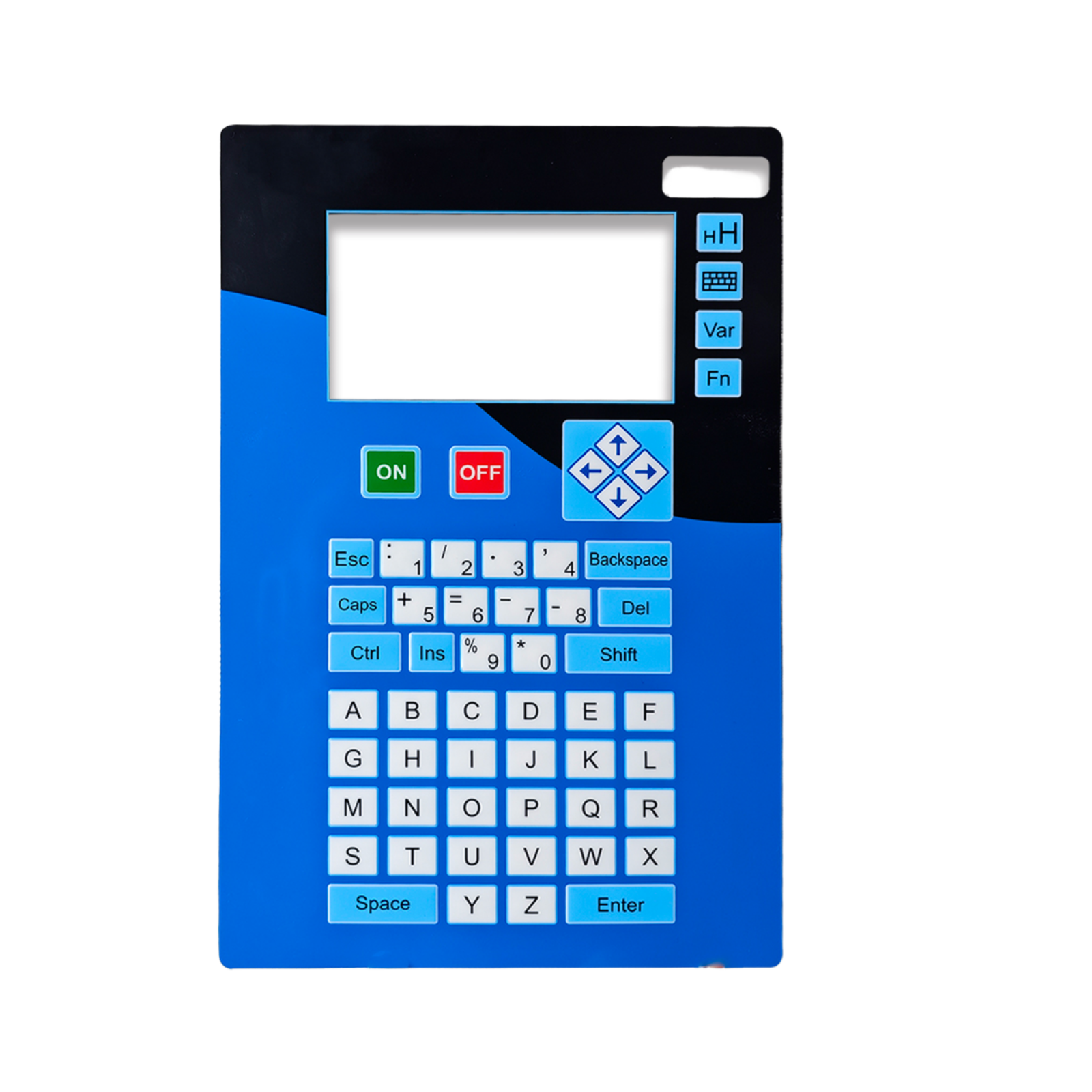
China MEIBORUI Manufacturer Custom Printed Membrane Switch Embossed Metal Dome Keypad Water-proof Home Appliance Use 3M Adhesive
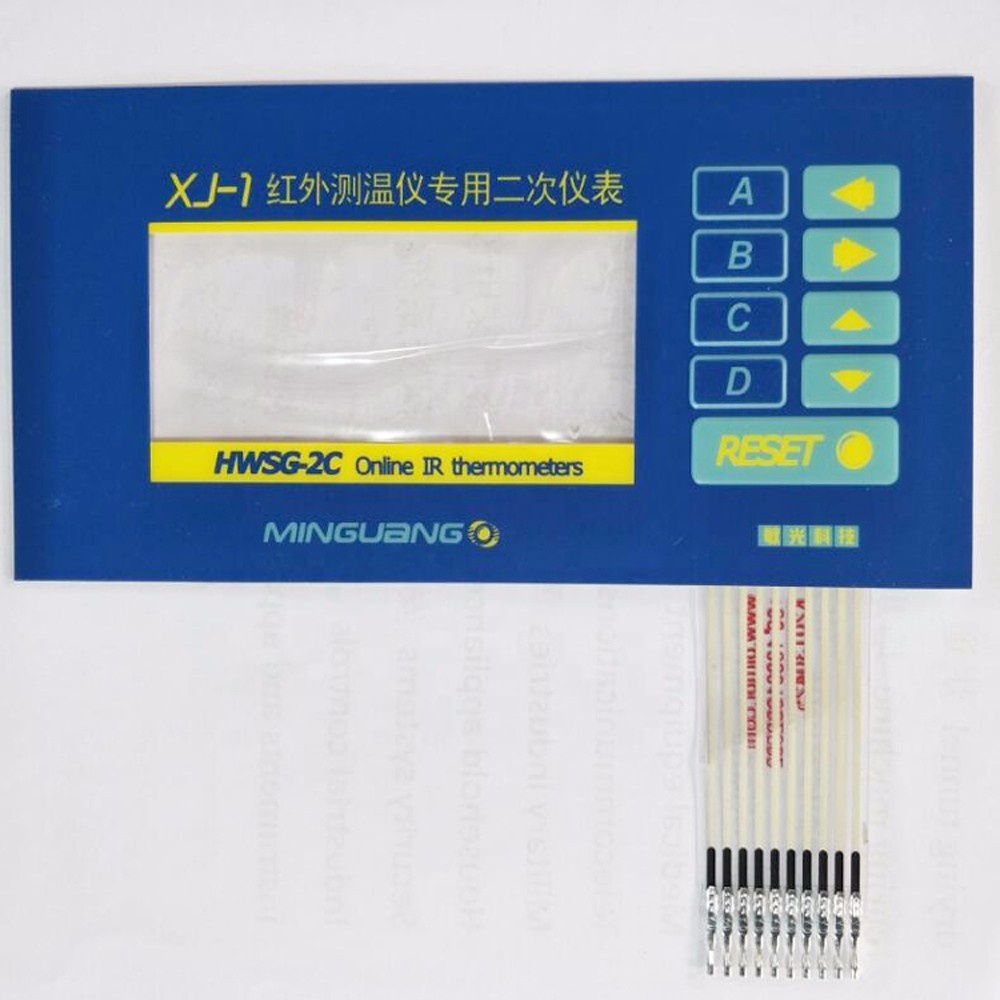
Fast Delivery OEM PBT Keyboard Cap Mechanical Switch Compatible Silkscreen Printed 2.54mm Pitch ISO Certified Factory Direct
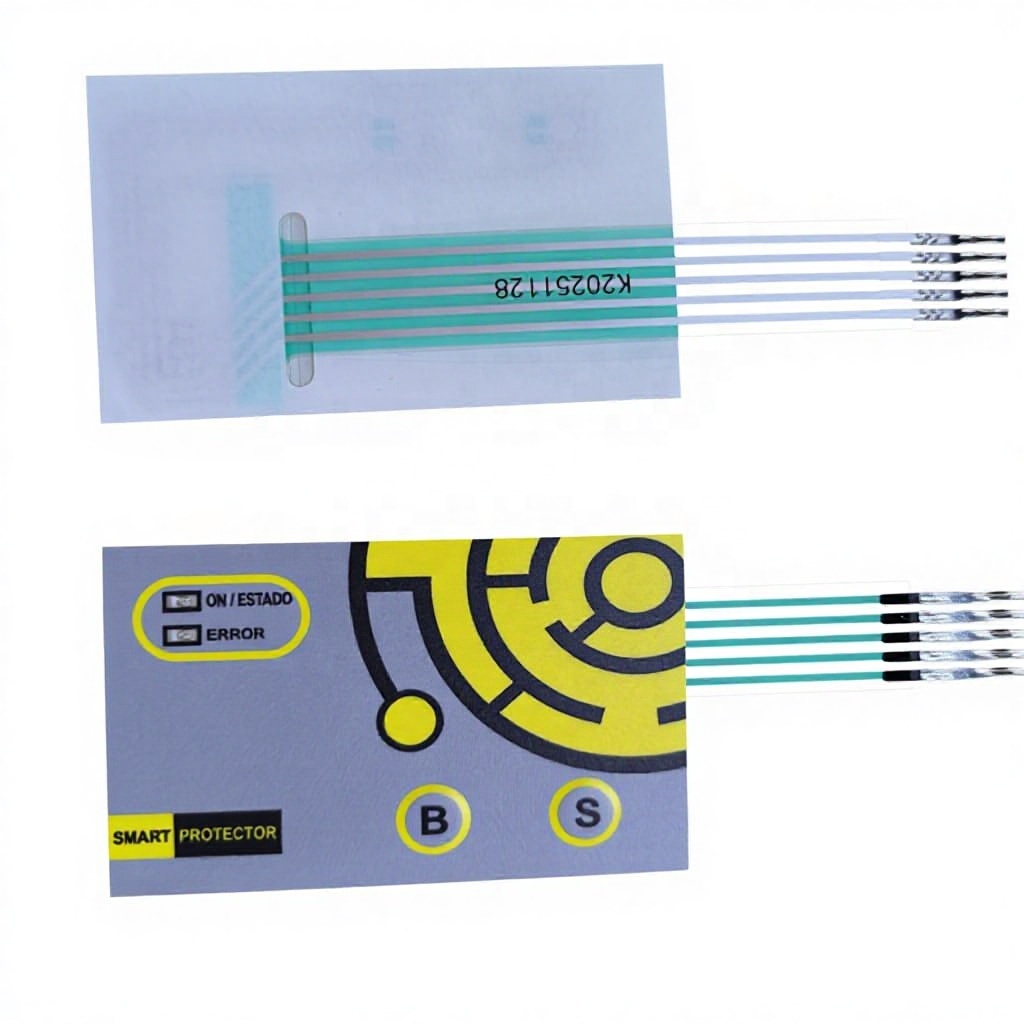
Fast Delivery OEM Waterproof Membrane Keyboard PBT Keyboard Cap Mechanical Switch Compatible Factory Direct Supply Free Sample
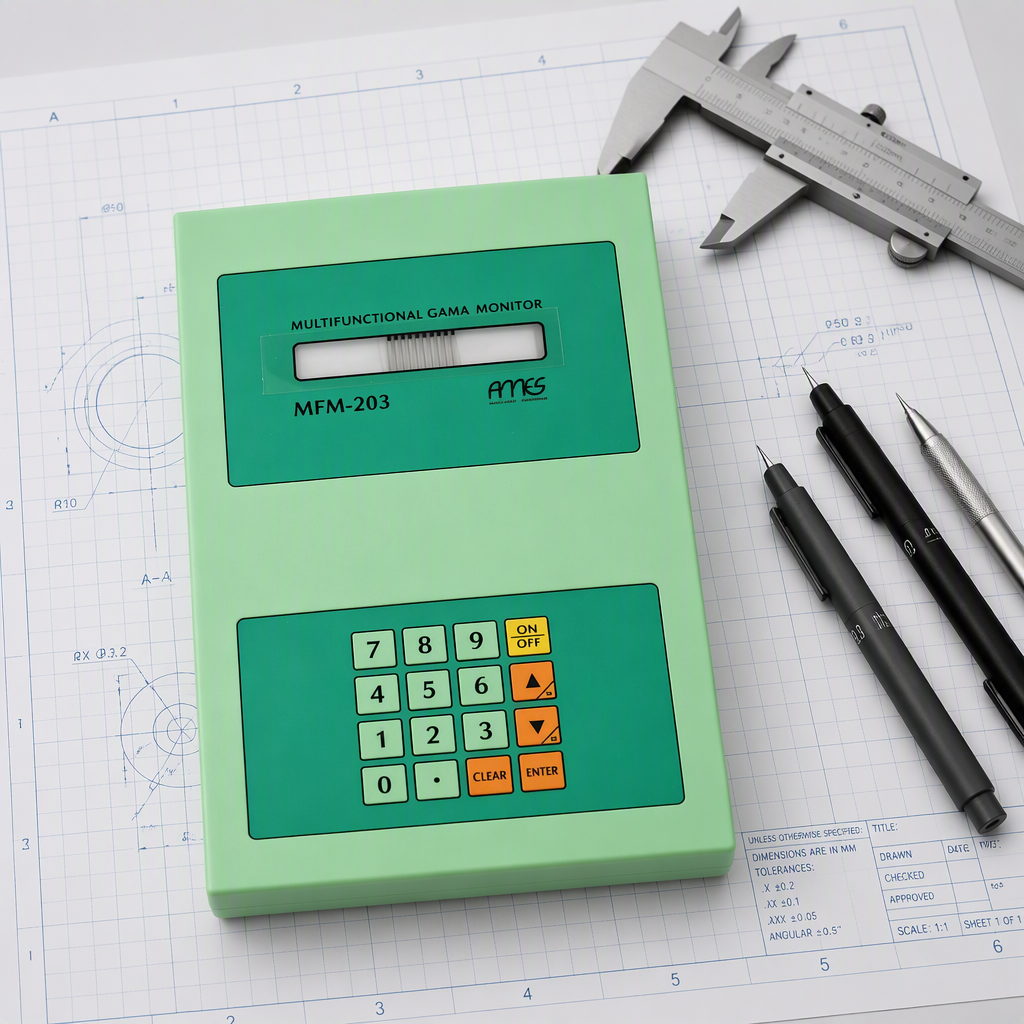
MBR IP67 Waterproof Industrial Membrane Keyboard PET Overlay for Telecommunication Equipment (OEM/ODM Model)
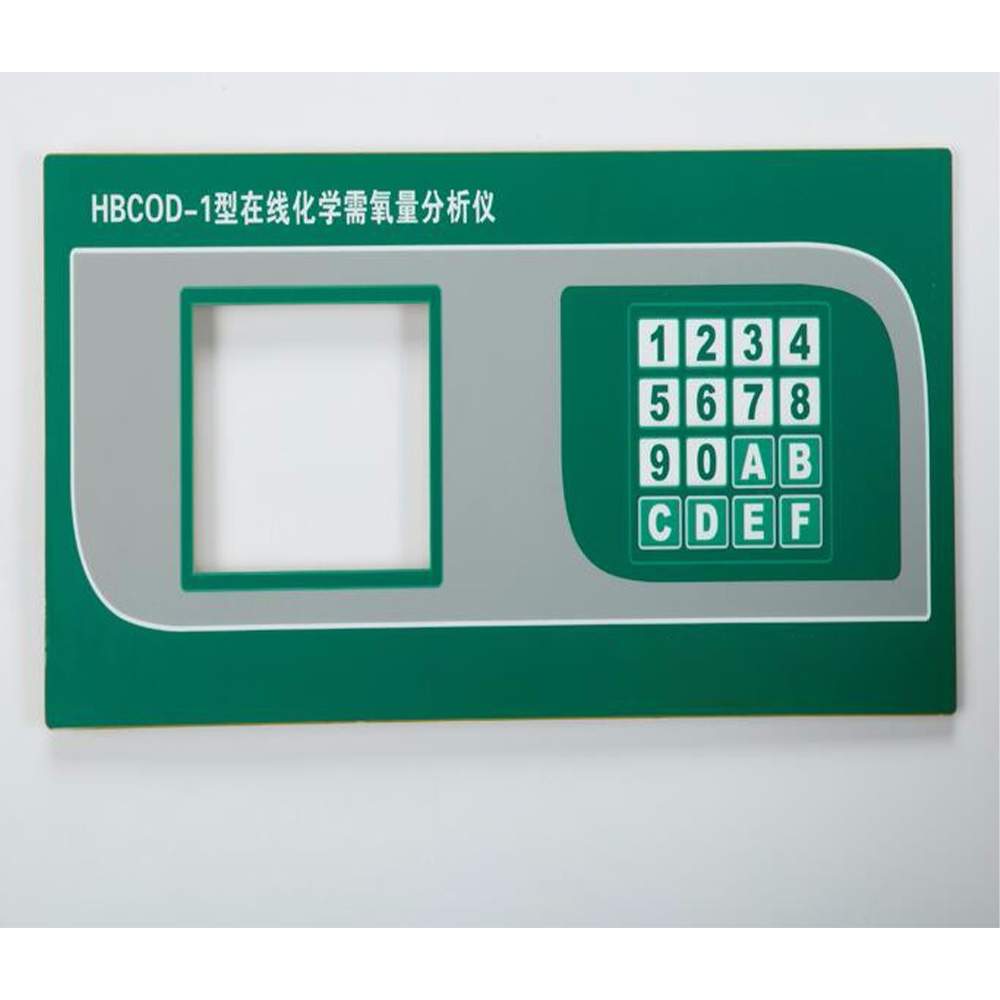
High Quality PET PC Membrane Keyboard Custom Logo Customized Color/Size Fast Delivery MBR Meiborui
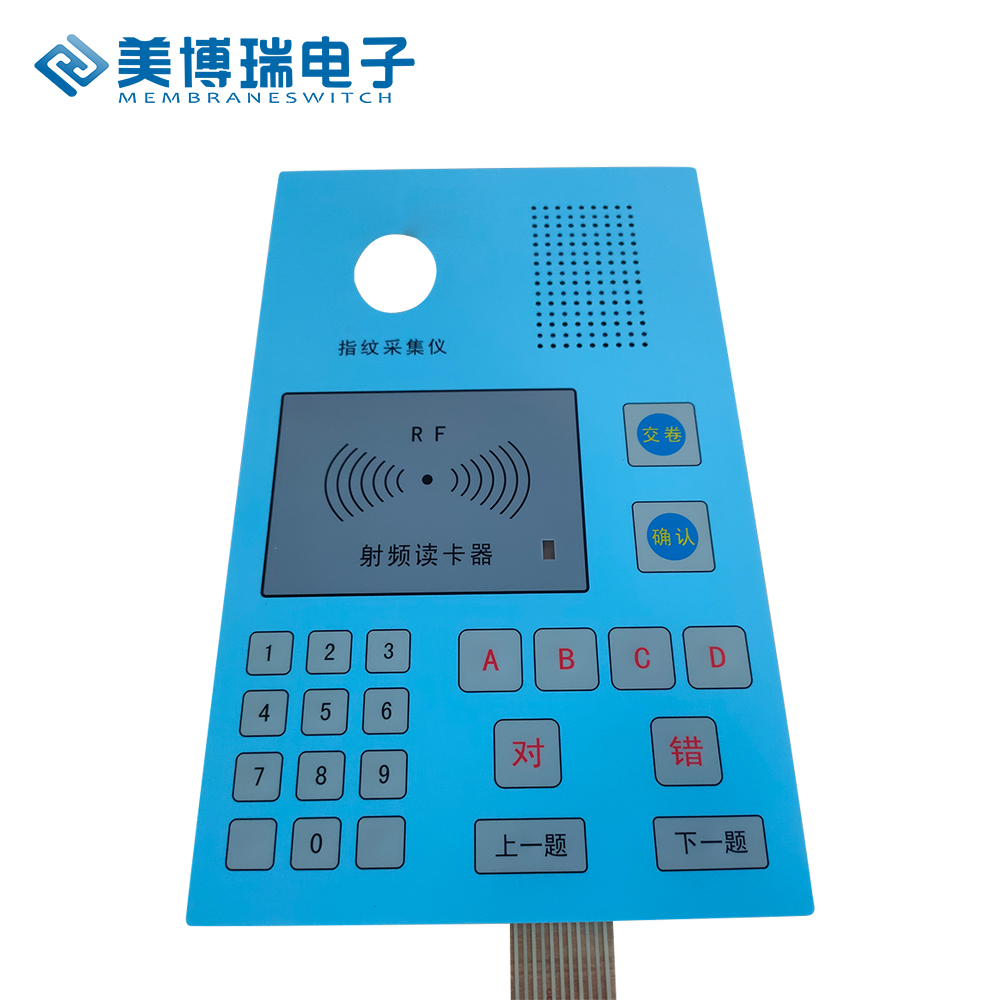
MBR ISO9001 Certified Environmentally Sealed Membrane Switches Keypad IP65 Waterproof 3M Adhesive Silver Ink Keyboard PET/PC/PVC
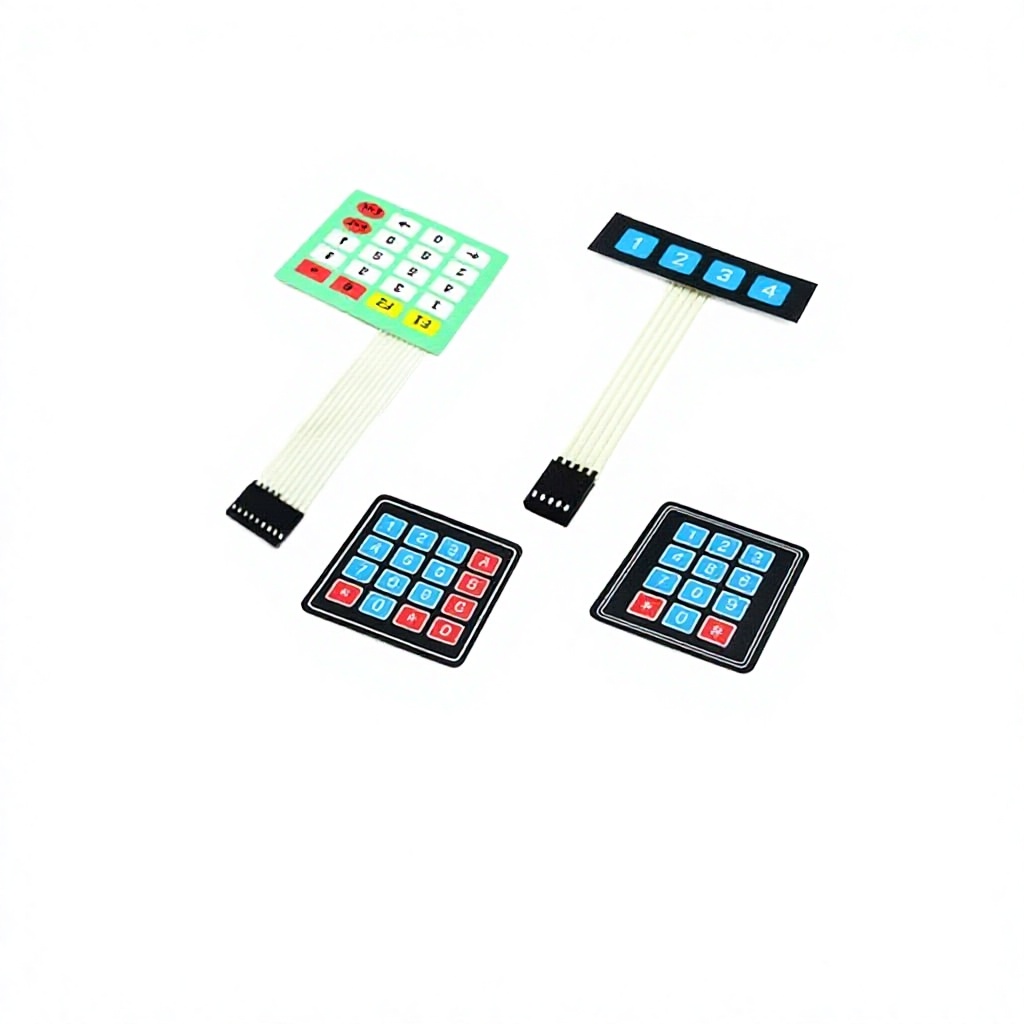
High Reliability Custom FPC Membrane Switch Flexible Printed Circuit Keypad for Test and Measurement Equipment
Precision Embossing & Membrane Switch Architecture
For Dutch engineering procurement teams demanding tight tolerances, extended actuation longevity, and rugged mechanical integration, selecting the correct stack-up morphology is critical. Our Langfang and Huizhou production facilities integrate micro-machined tooling with thermal hydro-forming to eliminate micro-cracking and circuit stress.
Embossing Geometries & Tactile Physics
Keypad tactile response is determined by the snap ratio (typically 40%–60%) and the stroke profile (0.3mm to 0.6mm). We provide hot-press hydro-forming and CNC cold embossing tailored to your operational specifications:
- Rim / Border Embossing: Tactile finger-locating ridges around switch borders without stretching central graphics.
- Pillow / Surface Embossing: Fully elevated button cap zones ideal for large actuation keys and gloved operation.
- Polydome Integration: Direct thermo-forming of polyester dome elements for cost-effective, medium-force click response.
- Metal Dome Integration: Nickel or stainless steel domes (180g to 450g trip force) rated exceeding 1,000,000 cycles.
Polymer & Adhesive Metallurgy
We source certified substrates engineered to withstand aggressive commercial environments, saline vapor, and industrial sterilants common across Western European installations:
- Autotype MacDermid Autotex PET: Unrivaled flexural endurance (>5 million actuations) and chemical resistance against acids and cleaning alcohols.
- Covestro Makrofol Polycarbonate: Superior optical transparency for crystal-clear display windows with anti-glare or velvet surface texturing.
- 3M Acrylic Bonding Systems: Utilizing 3M 467MP, 468MP, or 3M VHB foam tapes to seal against shear peeling, oil penetration, and thermal shifts (-40°C to +105°C).
- Conductive Silver/Carbon Ink: Multi-pass screen printing with dielectric curing ensuring loop resistance below 100Ω across long cable tails.
Hermetic Sealing & Ingress Elimination
The Netherlands' humid, coastal, and intensive agricultural climates require uncompromising ingress protection. Our assemblies incorporate proven sealing safeguards:
- Perimeter Gasket Framing: Continuous adhesive barrier isolating contact chambers from peripheral moisture migration.
- Tail Air Venting Channels: Internal labyrinth breathing paths venting into the sealed host enclosure, preventing dome stiffness under barometric swings.
- IP67 / IP68 Hydro-Sealing: Total exclusion of fine dust particulates and persistent water jet washdown.
- EMI / RFI Shielding: Printed aluminum foil or graphite/silver grids attenuating electro-magnetic interference in dense automated cells.
Targeted OEM Applications Across the Netherlands
From cleanroom lithography facilities in Eindhoven to automated horticulture complexes in South Holland, our custom tactile membrane interfaces are built to fulfill exacting European operating directives.
Semiconductor & Precision Instrumentation
Cleanroom-compliant HMI control panels engineered for low outgassing, high ESD immunity, and flush perimeter profiles that resist particle entrapment. Used in wafer testing sub-systems, laser micro-machining control units, and industrial metrology cabinets.
Smart Greenhouses & Fertilizer Dosing Automation
Hermetically sealed IP67/IP68 keypad terminals designed to operate continuously under 95% relative humidity, persistent fertilizer aerosol exposure, UV lamp irradiation, and rapid day-to-night temperature shifts in Dutch commercial horticulture installations.
Naval Navigation & Harbor Crane Interfaces
Heavy-duty marine consoles resisting salt-fog corrosion (tested to ASTM B117 standards). Incorporates high-actuation metal domes (450g) for tactile feedback through thick deckhand work gloves, paired with discrete LED or LGF backlit graphic keys.
Clinical Diagnostic Devices & Patient Monitors
Graphic overlay assemblies utilizing antimicrobial, chemical-resistant textured polyester films. Engineered to withstand frequent wipe-downs with hospital disinfectants (isopropanol, quaternary ammonium, chlorine bleach) without delamination.
Sanitary Washdown Food Processing Equipment
Flat, non-crevice graphic overlays mounted to rigid stainless steel or aluminum backplates. Compliant with strict European food hygiene mandates, resisting high-pressure caustic CIP (clean-in-place) washdown cycles and preventing microbial harborage.
Dutch & European Industrial HMI Trends (2025–2030)
Strategic product management in the Netherlands requires suppliers who build ahead of evolving environmental, ergonomic, and electronic directives.
REACH, RoHS 3 & Halogen-Free Mandates
Dutch OEMs lead the continent in sustainable component sourcing. We guarantee complete material traceability, declaring full compliance with EU REACH SVHC lists and RoHS Directive (EU) 2015/863, with lead-free, halogen-free, and solvent-free production processes available.
Tactile Security Meets Smart Touch
Pure touchscreens often fail in high-risk operations where accidental contact creates hazards. Dutch machinery designers increasingly specify hybrid architectures: capacitive slider/touch areas for menu navigation, combined with positive embossed metal-dome switches for mission-critical emergency stops.
Box-Build & Turnkey Value-Added Units
To eliminate local labor costs in Dutch high-cost manufacturing regions, buyers require turn-key delivery: membrane keypads pre-laminated onto CNC-machined aluminum backer plates, integrated with soldered FPC tails, pin headers, display windows with optical clear adhesives (OCA), and pre-tested SMT LEDs.
Two Dedicated Factories • Over 3 Decades of Specialized Craftsmanship
Operating since 1990, TAVO / MEIBORUI has grown into an international manufacturing force spanning Langfang (Robot Industry Port, Hebei) and Huizhou (Guangdong). Rather than relying on trading intermediaries, your technical files are reviewed directly by our in-house engineering team of 30+ specialists who each bring over 15 years of membrane switch fabrication experience.
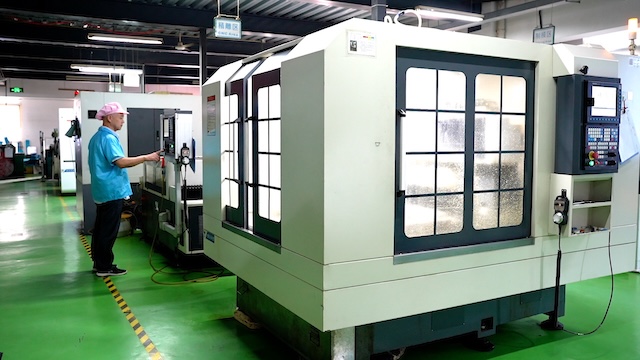
Our long-term technical cooperation with German membrane switch engineers ensures our machinery, precision screen tensions, UV curing systems, and QA metrics mirror European factory benchmarks. Every single process — CAD design, laser die-cutting, 37-station screen printing, high-resolution Mimaki UV digital printing, embossing, and automated continuity testing — is executed under our own roof.
Frequently Asked Questions: Sourcing from China to the Netherlands
Clear technical, logistical, and commercial details designed to streamline supplier auditing for Dutch manufacturing companies.
Q1: How do you manage DDP / DAP logistics into the Netherlands (Rotterdam / Schiphol)?
We regularly ship to Dutch industrial hubs in North Brabant, South Holland, and Gelderland. For prototypes and pilot runs, we provide door-to-door express air delivery (DHL, FedEx, UPS) arriving at Amsterdam Airport Schiphol within 4 to 6 business days. For containerized series production, ocean freight via the Port of Rotterdam delivers lower landed unit costs, complete with full export customs clearance, HS code documentation (typically 8537.10.99), and certificate of origin.
Q2: What design files are required, and what color-matching system is accepted?
Our 10-person CAD/CAM engineering team accepts vector artwork in Adobe Illustrator (.AI), AutoCAD (.DXF / .DWG), CorelDraw (.CDR), and Gerber / RS-274X circuit layouts. For graphic overlay printing, we strictly match Pantone Matching System (PMS) formulas and European RAL Classic color swatches. Color accuracy is audited spectrophotometrically under controlled D65 standard illuminant booths to guarantee batch-to-batch repeatability.
Q3: How do you avoid delamination and stiffening under cold or humid Dutch outdoor environments?
Delamination occurs when moisture infiltrates non-stabilized adhesives. We utilize genuine 3M high-performance 200MP and 300LSE adhesive transfer tapes paired with bi-axially oriented Autotype Autotex PET film. Furthermore, we incorporate custom perimeter adhesive sealing gaskets and internal atmospheric equalization vent paths to accommodate rapid ambient shifts (-30°C to +75°C) without internal pressure rupture or dome stiffness.
Q4: What is the typical Minimum Order Quantity (MOQ) and lead time for custom tooling?
Recognizing the high-mix, medium-volume requirements of Dutch specialized machinery OEMs, we do not impose restrictive MOQs. Rapid engineering prototypes and pilot batches (5 to 50 units) are delivered within 7 to 10 working days using digital laser cutting and Mimaki UV printing. Hard-tooled series production runs typically require 12 to 15 days for mold fabrication, complete with First Article Inspection (FAI) reports.
Q5: What internal reliability testing do you perform before parts depart your factory?
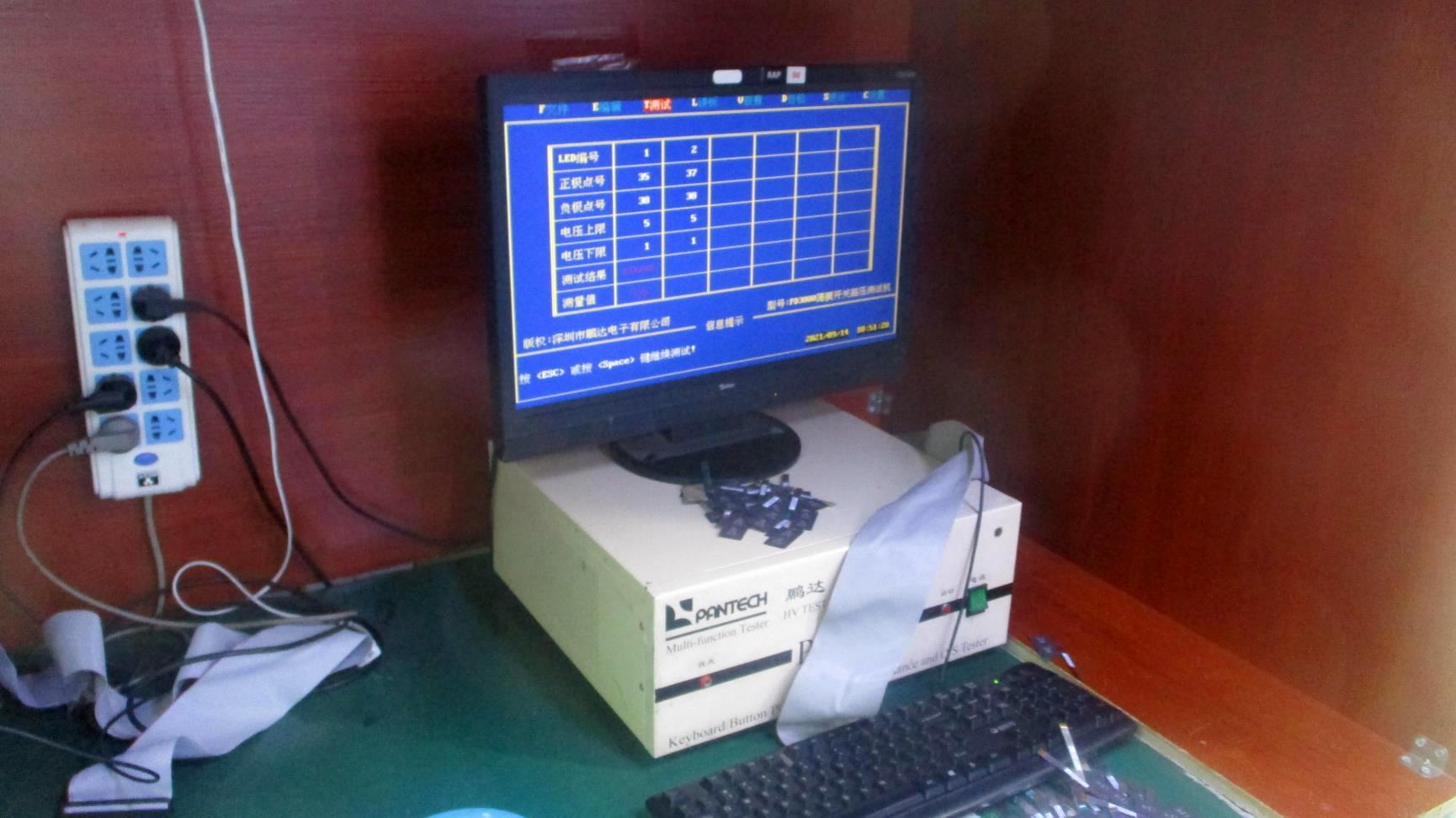
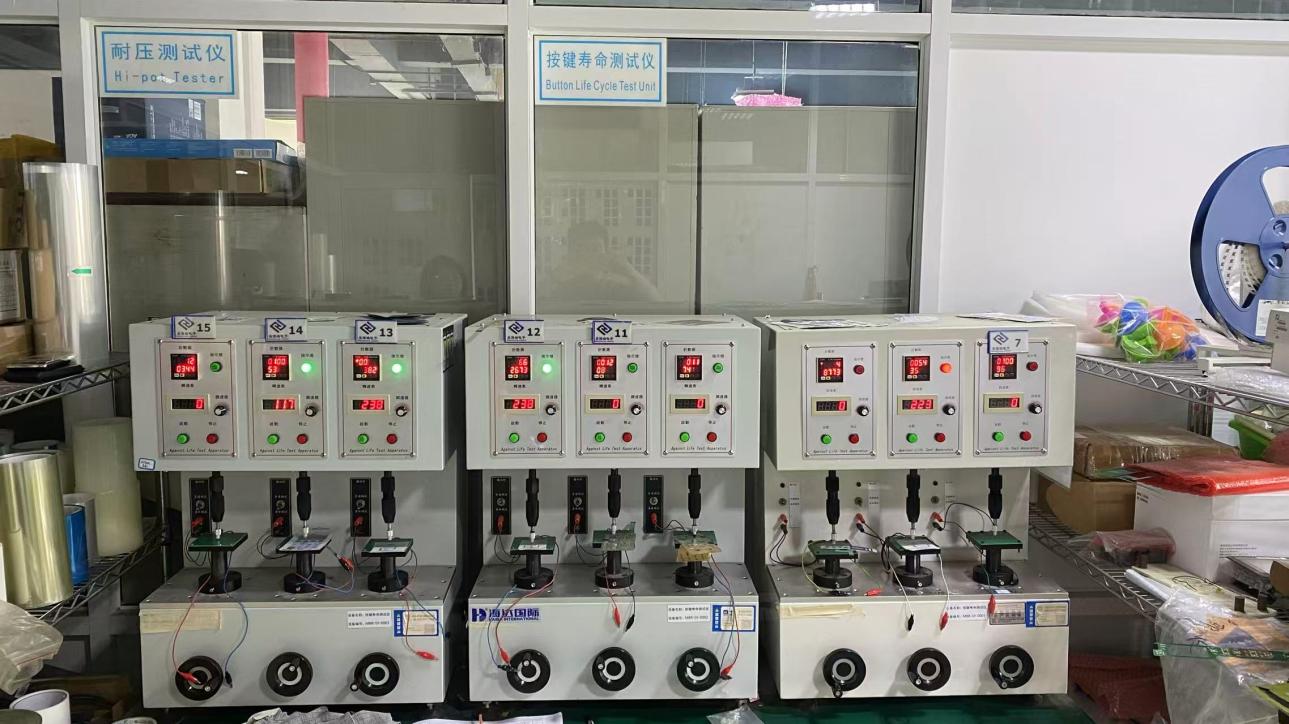
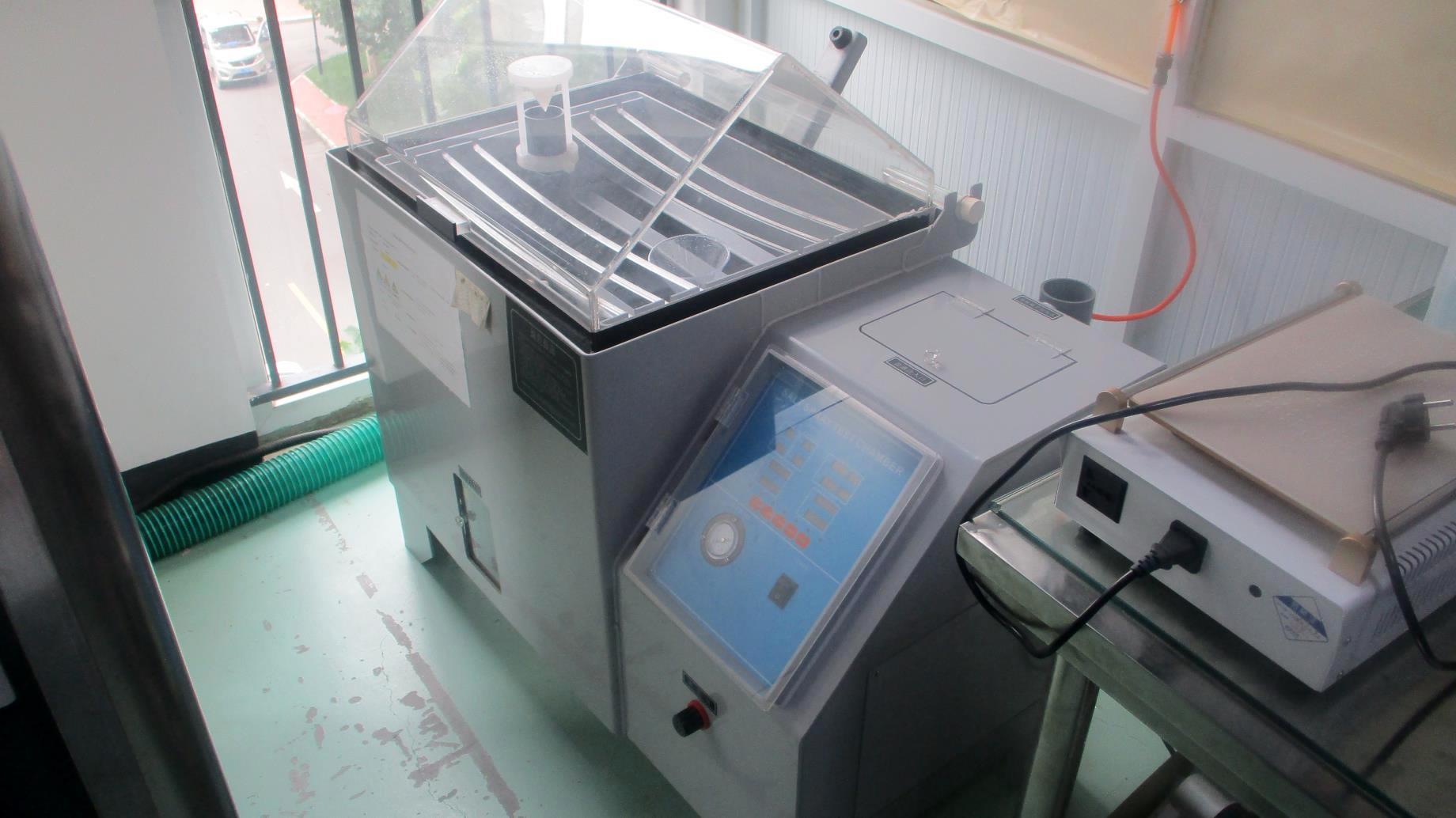
Every single production batch undergoes 100% electrical continuity and pinout verification on automated computer test benches (verifying open/short circuits and loop resistance). Our in-house testing lab conducts button actuation life cycling (≥1,000,000 cycles), programmable thermal shock aging (-40°C to +85°C), ASTM B117 salt fog exposure (up to 96 hours for maritime projects), and Xenon arc UV surface degradation analysis.
Q6: Can you deliver integrated sub-assemblies with metal backplates, display windows, and PCBs?
Yes. In addition to standalone flexible membrane keypads, more than 40% of our Western European export output consists of turn-key HMI assemblies: keypads laminated to CNC-milled aluminum or stainless steel backplates, integration of rigid FR4 circuit boards, SMD LEDs and resistors, optical clear adhesive (OCA) bonded anti-reflective acrylic/glass display windows, and standardized ZIF/Berg connectors.
Initiate Your Custom Membrane Keypad Engineering Review
Send your drawings (PDF / CAD / DXF) and technical specifications to receive a comprehensive manufacturability assessment, detailed layer stack-up proposal, and transparent factory-direct pricing within 24 hours.
Connect with our technical export engineering desk serving Dutch & European industrial accounts:
Send an Inquiry