Featured Molded Silicone & Membrane Interface Assemblies
Precision-molded silicone keypads, robust tactile switches, and high-reliability industrial front panels engineered for Nikšić OEM engineering teams.
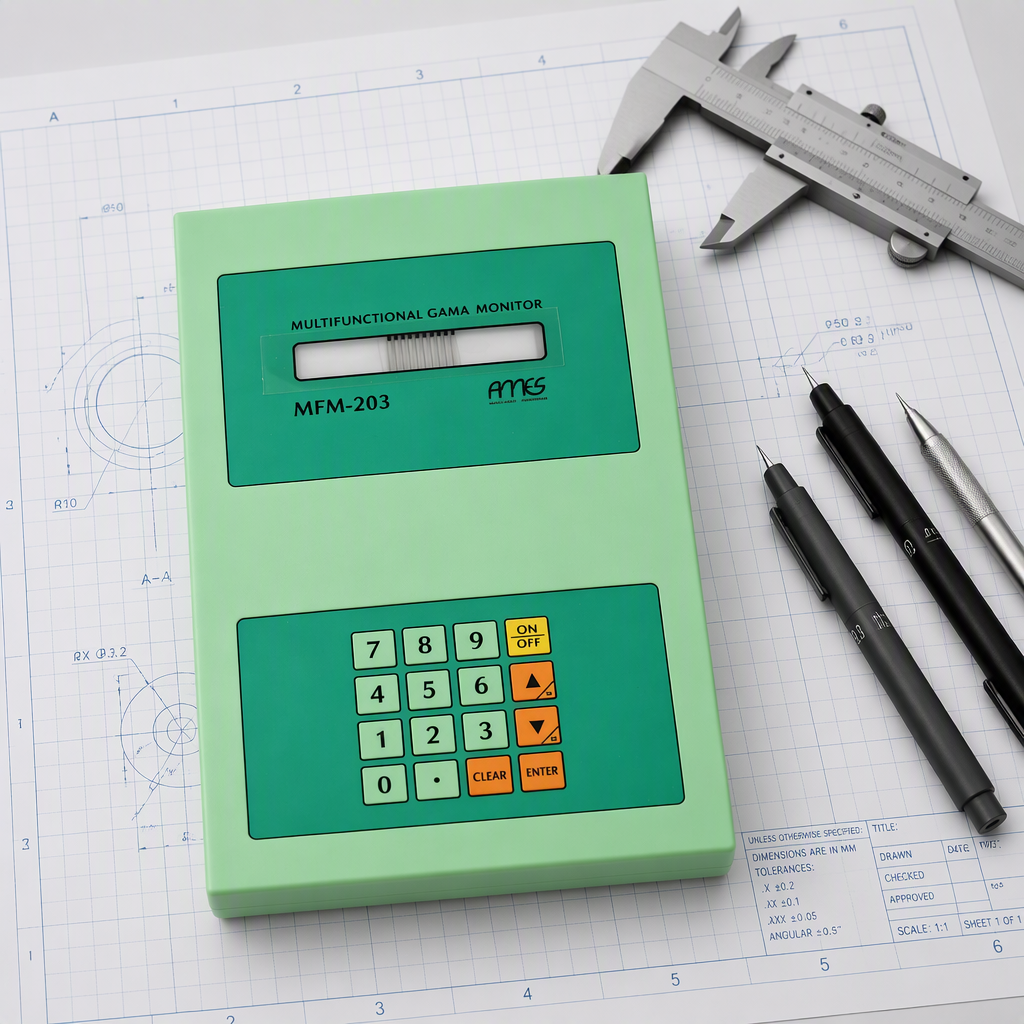
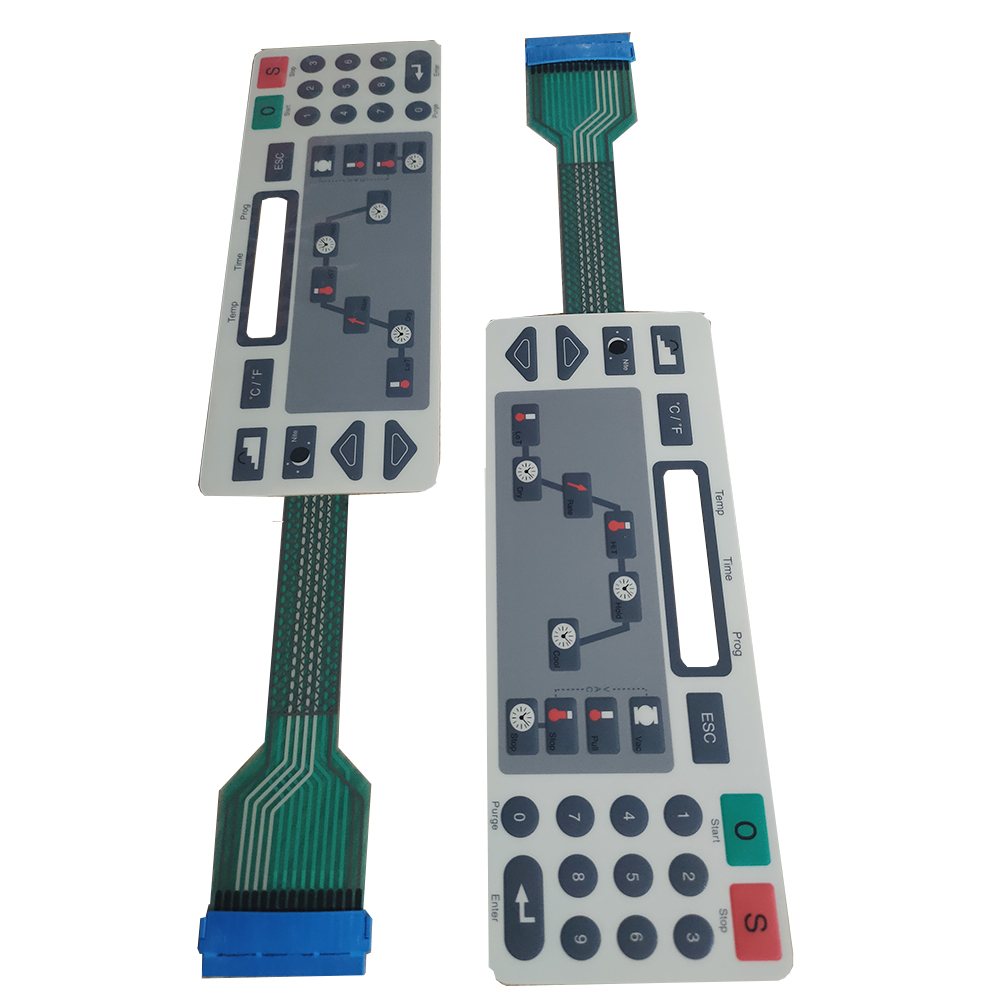
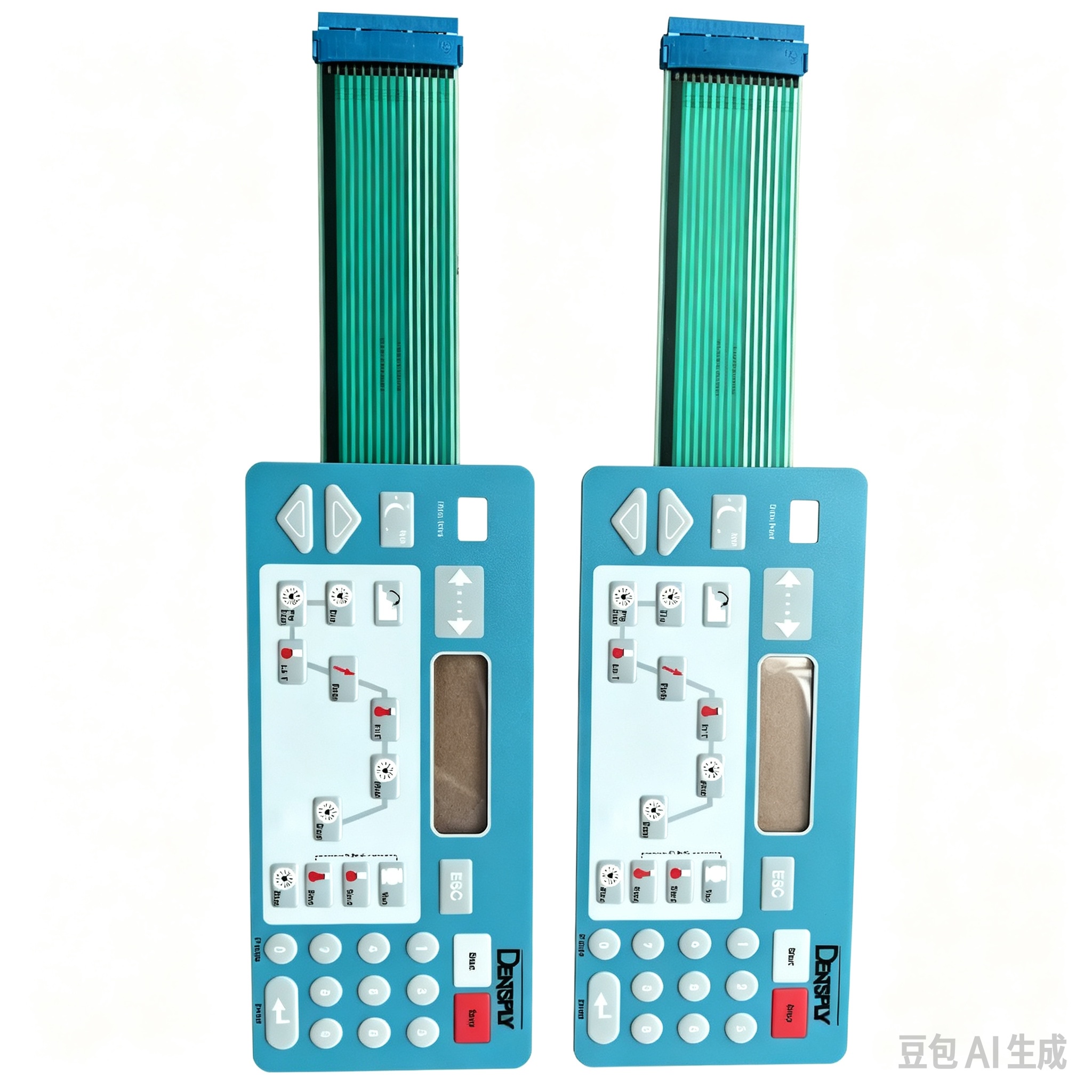
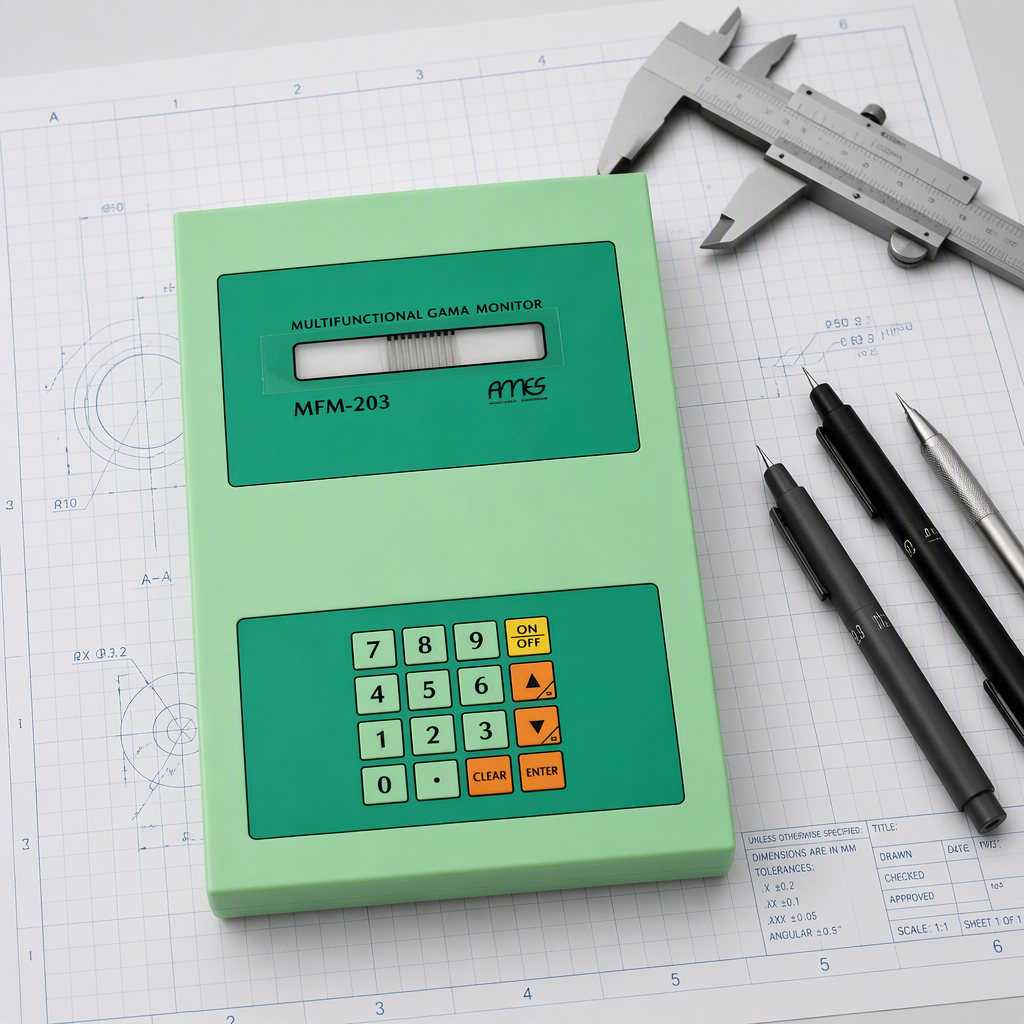
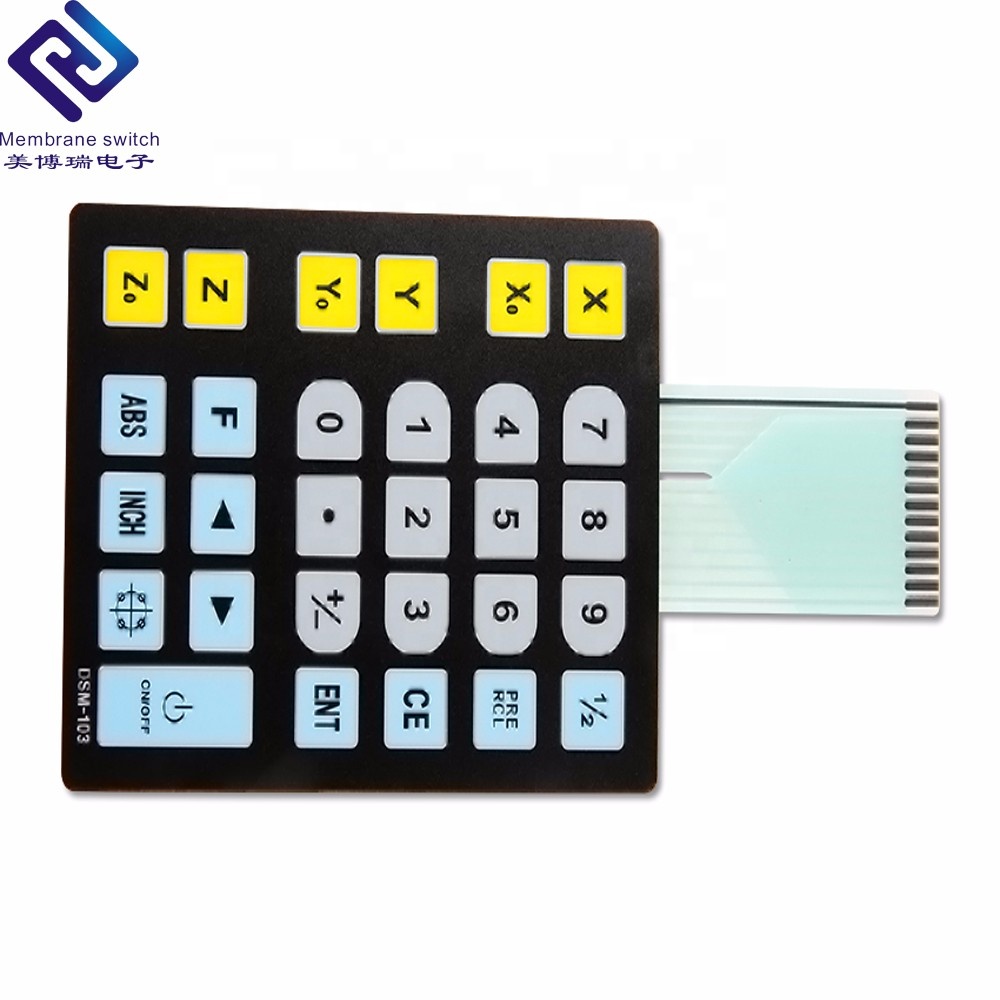
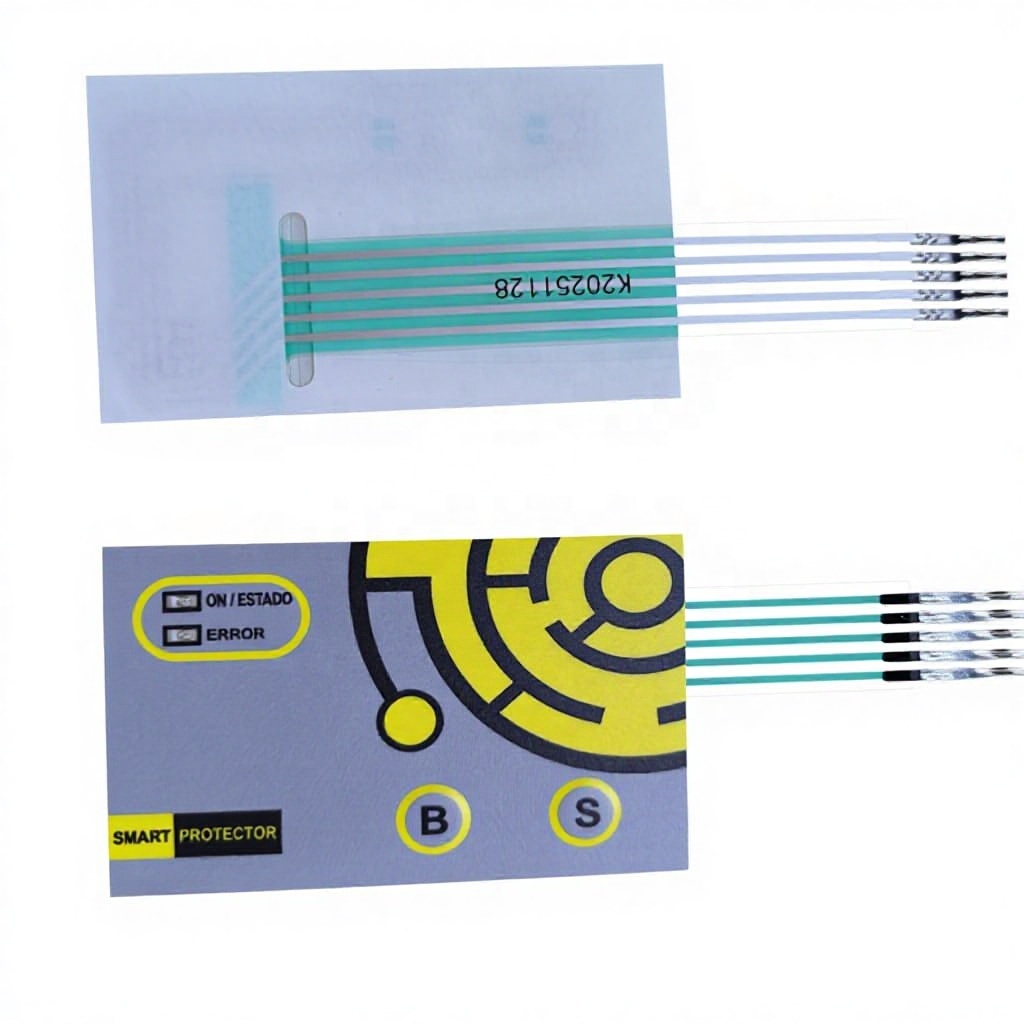
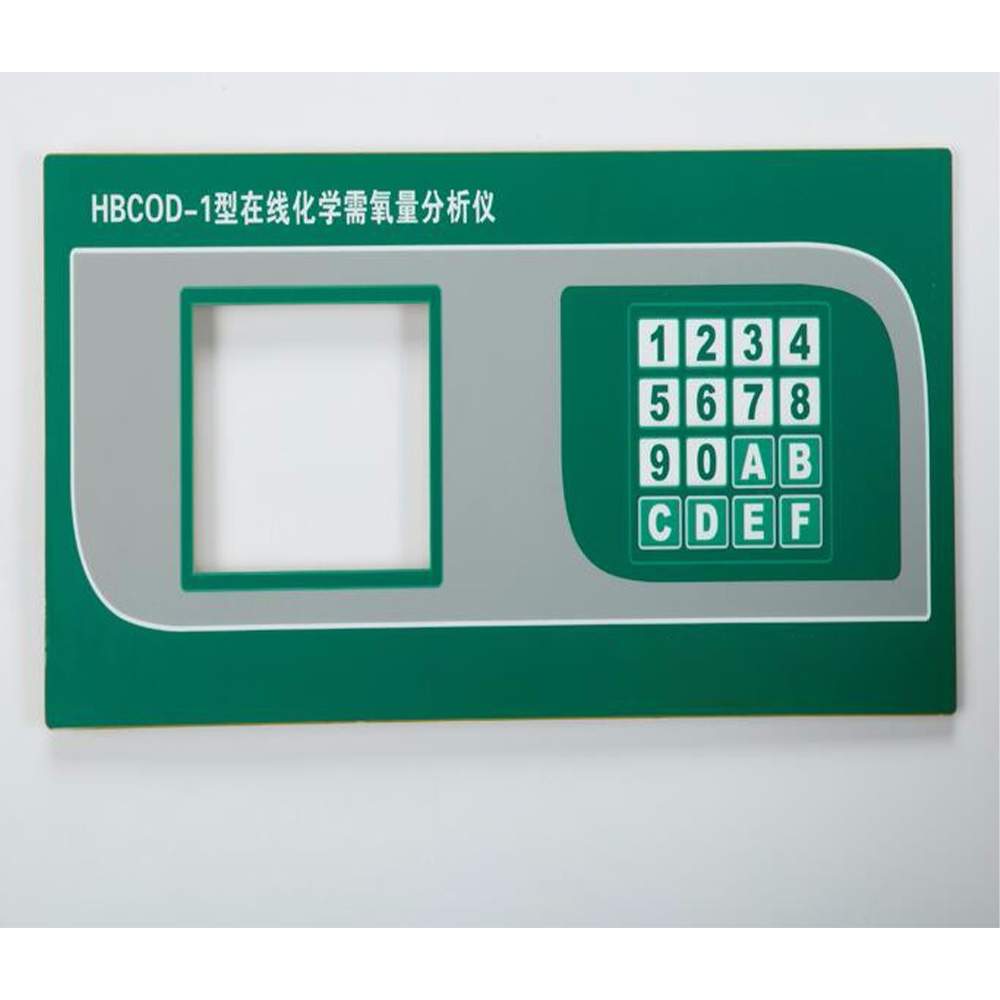
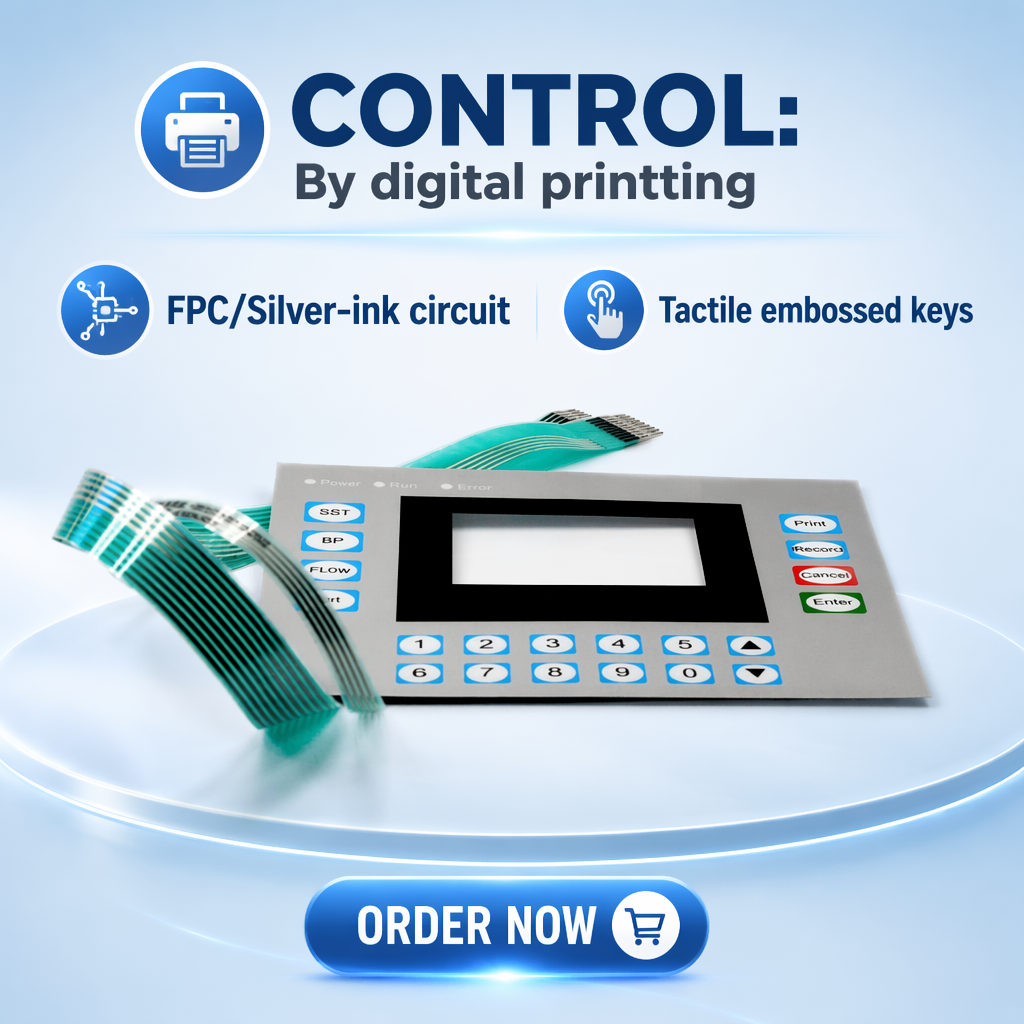
Engineering Molded Silicone Keypads: The Definitive OEM Guide for Nikšić
Elastomeric Webbing Mechanics, Conductive Contact Architectures, and Environmental Tolerance Specifications.
In high-vibration, chemically aggressive, and dust-laden operational environments, traditional mechanical switches suffer from contact oxidation, particulate ingress, and spring fatigue. For industrial machinery operating within Nikšić, Montenegro—spanning the heavy metallurgy of the Željezara industrial quarter, high-speed beverage processing, and remote hydroelectric control rooms—compression-molded silicone rubber keypads provide an impervious, hermetically sealed Human-Machine Interface (HMI). Engineered through thermoset high-consistency silicone rubber (HCR) or liquid silicone rubber (LSR), these monolithic elastomeric interfaces merge ergonomic tactile feedback with complete isolation of delicate underlying PCB circuitry.
The core of silicone switch actuation lies in the geometry of the elastomeric webbing. By manipulating the angle (typically between 40° and 60°), thickness (0.3mm to 0.6mm), and Shore A durometer (typically 40° to 70° Shore A), our tooling engineers calibrate the exact force-deflection curve. The "snap ratio"—defined as the differential between the peak actuation force (F1) and the contact return force (F2), expressed as ((F1 - F2) / F1) × 100%—is finely tuned to between 45% and 65%. This guarantees that plant operators wearing heavy protective industrial gloves in Nikšić’s manufacturing facilities experience distinct, unambiguous tactile confirmation without acoustic latency or false triggers.
| Engineering Parameter | Standard Specification Range | High-Reliability Industrial Tier | Test & Compliance Method |
|---|---|---|---|
| Base Polymer Material | 100% Dow Corning / Wacker Solid Silicone | Medical/Flame-Retardant UL94-V0 Silicone | ASTM D2000 / RoHS / REACH |
| Durometer Hardness | 40° – 60° Shore A | 30° – 80° Shore A (Custom Zone Blending) | ASTM D2240 Durometer Scale |
| Actuation Force (Peak F1) | 100g – 250g (±30g) | 300g – 600g (Heavy Industrial / Gloves) | Digital Force-Displacement Profiler |
| Snap Ratio (Tactile Response) | 40% – 50% | 50% – 65% (Crisp Metal-Dome Emulation) | Force Curve Mechanical Analysis |
| Contact Resistance | Conductive Carbon Pill: <100 Ω | Gold-Plated Pill / Low-Ohmic: <1.0 Ω | Milliohm 4-Wire Resistance Test |
| Thermal Endurance | -30°C to +150°C continuous | -50°C to +200°C intermittent | Programmable Chamber Thermal Shock |
| Ingress Protection Rating | IP65 (Perimeter Gasket Seal) | IP67 / IP68 (Ultrasonic / Chemical Bonding) | IEC 60529 Water Submersion & Dust Chamber |
| Surface Protection Finishes | Matte PU Coating (Abrasion Resistant) | High-Gloss Epoxy Domes / UV Fluorosilicone | RCA Abrasion Tester (>300 Cycles @ 175g) |
Beyond mechanical responsiveness, electrical conductivity is governed by vulcanized conductive elements. Standard industrial applications leverage low-resistance conductive carbon pills (resistivity typically below 100 ohms), which are permanently compression-molded into the underside of the key cavity. For micro-current digital bus architectures, CAN-bus industrial interfaces, or explosive ATEX environments, our Hebei and Huizhou plants integrate gold-plated nickel contact pills or mate the elastomeric keypad directly above stainless-steel metal domes seated on gold-plated flexible printed circuits (FPC). This architecture drops resistance to fractional ohms while eliminating chatter and oxidation under maritime-influenced continental humidity.
Localized Applications Across Nikšić’s Industrial Landscape
Deploying High-Reliability Interfaces where High Temperatures, Particulates, and Chemical Washdowns Dominate.
Metallurgical & Foundry Consoles (Željezara Zone)
In Nikšić’s steelmaking and metallurgy facilities, control panels are subject to high ambient temperatures, airborne metal flakes, and intense acoustic vibration. Our molded silicone keypads with custom PU spray and high-durometer webbing offer a continuous thermal rating up to +180°C, preventing switch seizure, graphic burnout, or micro-particulate bridging across electrical contacts.
Beverage Processing & High-Speed Bottling (Trebjesa)
Food and beverage packaging environments demand continuous Clean-In-Place (CIP) sanitation involving caustic washdowns, steam, and food-grade acids. Monolithic silicone keypads, vulcanized with hermetic perimeter sealing ribs, achieve IP68 submersion proofing and resist repeated surface sterilization using aggressive cleaning agents without degradation or label erasure.
Hydroelectric & Wind Energy HMI Subsystems
From the Perućica Hydro Power Plant infrastructure to wind power installations across the Krnovo plateau, outdoor utility controllers face freeze-thaw cycles, sub-zero winters, and heavy UV exposure. UV-stabilized fluorosilicone keypads integrated with Light Guide Film (LGF) ensure visible night-time illumination and dependable cold-weather actuation down to -40°C.
Railway Traction & Balkan Rolling Stock Electronics
Connecting the Nikšić-Podgorica rail corridor requires control interfaces that meet strict EN 50155 shock and vibration specifications. Our silicone keypads feature reinforced backer plates in CNC-milled aluminum or FR4, ensuring the keypad module remains structurally stable during high shock events and prolonged mechanical oscillation.
Bauxite Mining & Heavy Quarry Earthmoving Remotes
Heavy construction machinery and bauxite excavation telemetry remotes demand ruggedized, hand-held switchboards. We deliver double-shot molded silicone buttons with high-contrast laser-etched legends and custom color-coded functional sectors, providing operators with immediate visual and tactile identification even when coated in mud or oil.
Medical Diagnostic & Laboratory Instrumentation
Modern clinical analyzers and hospital equipment emerging in Montenegro’s healthcare sector require anti-microbial, soft-touch tactile panels. We formulate medical-grade biocompatible silicone compliant with ISO 10993, finished with antimicrobial topcoats that suppress microbial colonization while ensuring silent, tactile key travel.
Trends Shaping HMI Procurement in Nikšić & Montenegro
The Evolution from Legacy Electromechanical Switches to Smart, Illuminated, and Bus-Integrated Elastomeric Modules.
As Montenegro deepens its alignment with European Union manufacturing standards and modernization mandates, industrial procurement heads in Nikšić are systematically phasing out discrete mechanical pushbuttons in favor of integrated elastomeric switch assemblies. Three technological shifts characterize this transition:
1. Convergence of Silicone with Capacitive & FPC Circuits
OEM designers are increasingly fusing the tactile reassurance of silicone keycaps with multi-layer Flexible Printed Circuitry (FPC) and capacitive slider sensors. This hybrid architecture eliminates hand-wiring harnesses behind control panels, slashing enclosure depth by up to 70% and accelerating assembly line integration for local electrical engineering teams.
2. Laser Etching with Light Guide Film (LGF) Uniformity
Modern machinery requires dynamic backlighting that guides operators through multi-tier control protocols. By utilizing translucent silicone, painting the keycaps with opaque multi-layer PU inks, and laser-ablating precise alphanumeric legends, light emitted from side-firing SMT LEDs is diffused evenly across every key through micro-molded LGF light guides without localized hot spots.
3. Rigorous CE, RoHS, & REACH Environmental Compliance
Exporting manufactured machinery from Nikšić into the broader European Common Market requires uncompromised material traceability. Every batch of silicone formulation, conductive pill, adhesive liner (genuine 3M 467MP / 3M 300LSE), and surface coating shipped from our Chinese facilities is fully certified to RoHS 3.0, REACH SVHC, and halogen-free standards.
Why Sourcing from TAVO Delivers Direct Advantages to Nikšić OEMs
Three Decades of Engineering Continuity, Dual-Facility Scalability, and European Quality Standards.
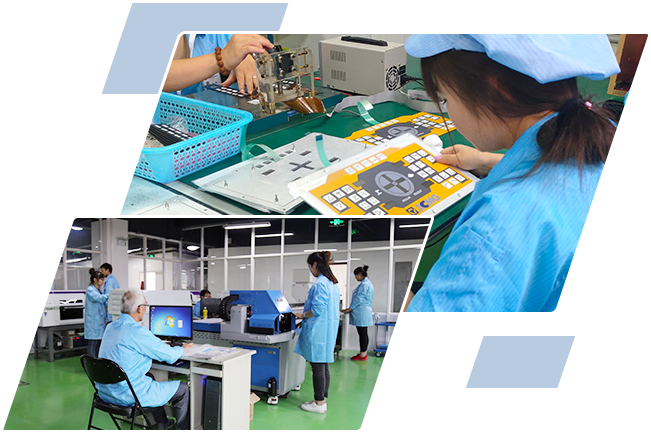
Complete In-House Tooling & Molding Lifecycle
Unlike brokers or trading houses, TAVO maintains closed-loop control over every stage of silicone keypad fabrication. Founded with heritage extending back to 1990, our 2,219 square meter Hebei headquarters in the Robot Industry Port of Xianghe, coupled with our Huizhou manufacturing hub in Guangdong, eliminates third-party outsourcing delays.
With more than 30 senior engineers averaging over 15 years in elastomeric switch formulation and a dedicated 20-person international trade department, we coordinate seamlessly across Central European Time (CET), providing instant DFM reviews, Gerber validations, and rapid air freight dispatch to Montenegro.
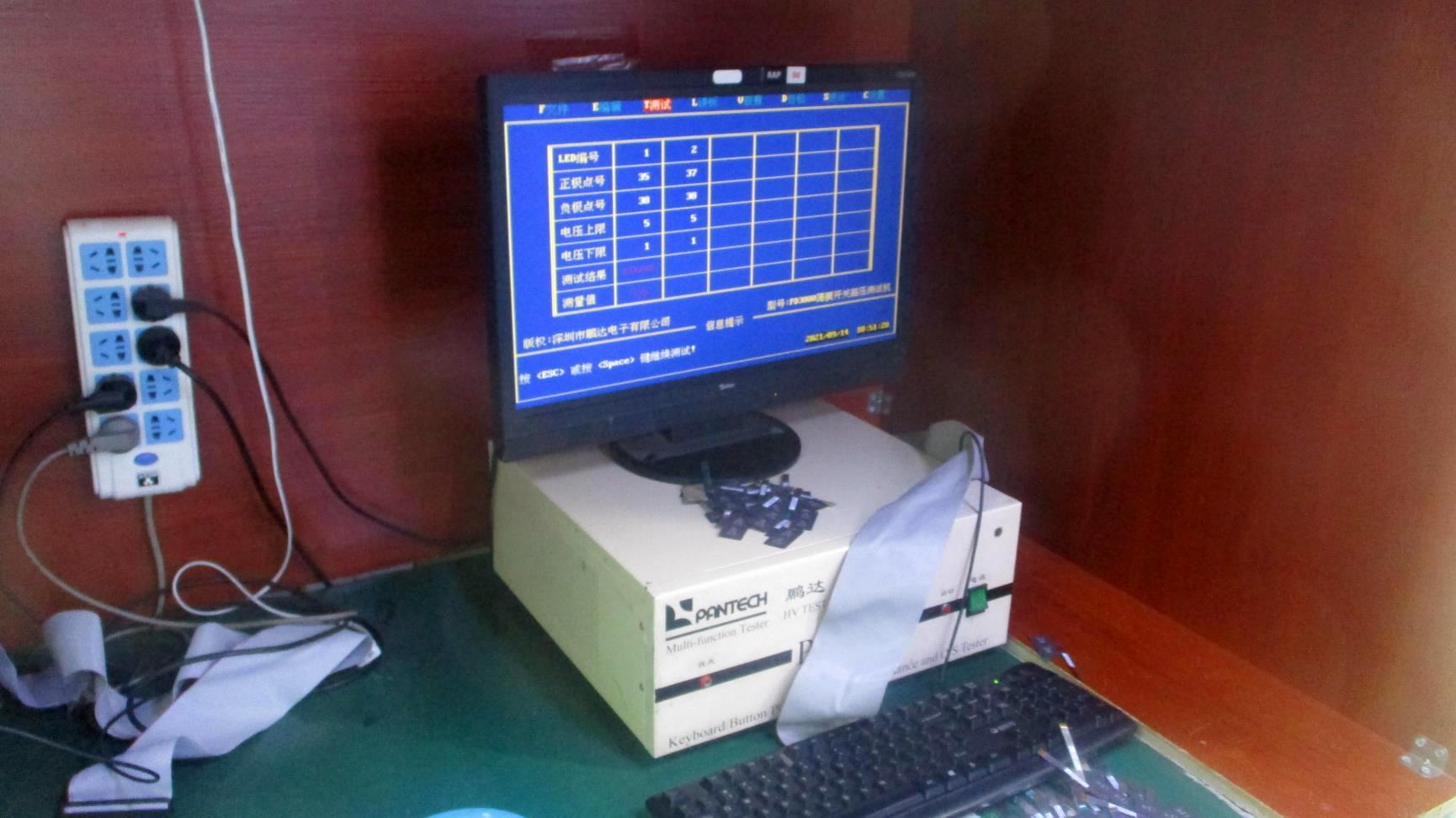
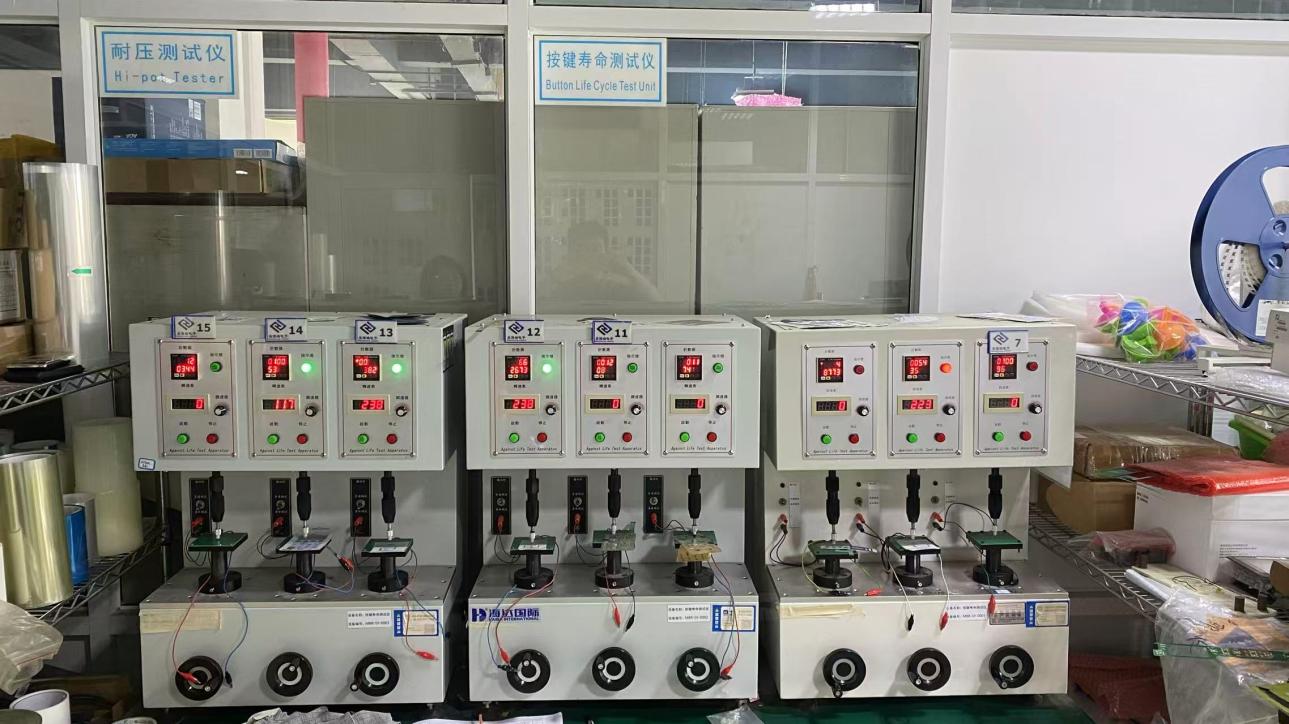
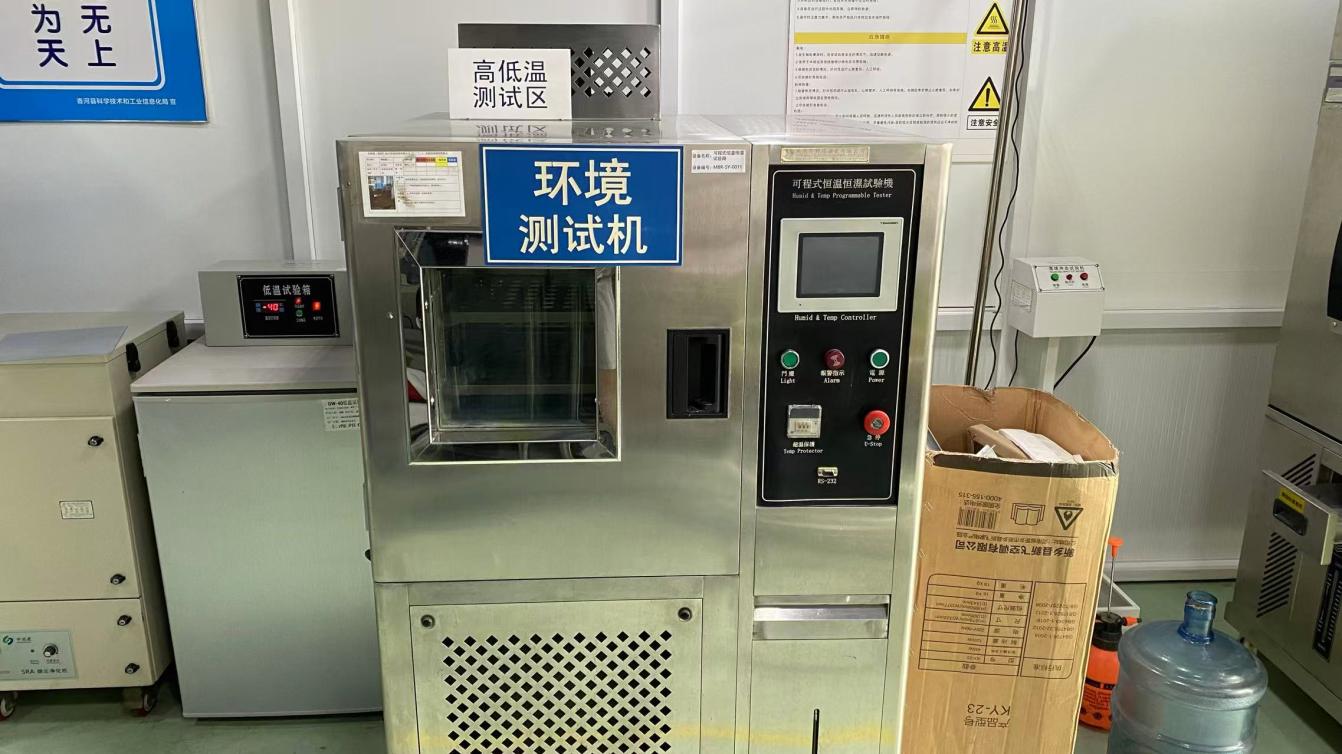
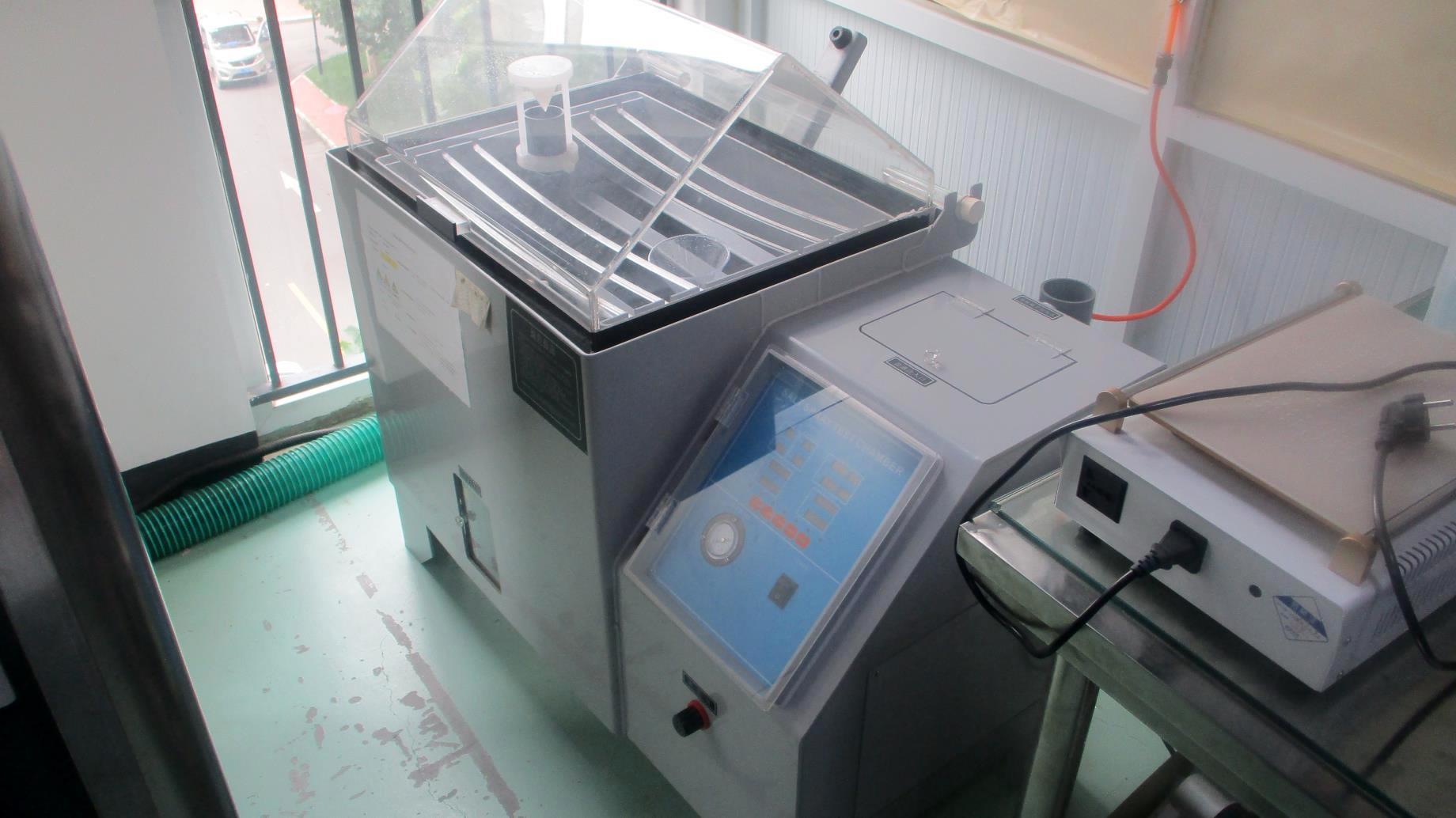
In-House Reliability Testing Laboratory
Frequently Asked Questions: Sourcing Silicone Keypads in Nikšić
Commercial, Engineering, Logistics, and Customs Guidelines for Purchasing Teams in Montenegro.
What files are required to initiate custom keypad tooling?
To begin DFM analysis and tooling quotation, please provide a 3D CAD model (STEP, IGES, or SolidWorks) showing key geometry, webbing profiles, and stroke distance. For multi-color silkscreen or laser etching legends, vector files in Adobe Illustrator (AI), DXF, or vector PDF with Pantone or RAL color references are required.
How are import duties and logistics handled into Nikšić?
We regularly ship under Incoterms EXW, FOB (Shenzhen/Tianjin), CIF (Port of Bar or Podgorica Airport), and DDP directly to your facility in Nikšić via express air courier (DHL, FedEx, UPS) in 4 to 7 business days. Full export documentation, HS code optimization, EUR.1 origin assistance, and commercial invoices are provided for swift Montenegrin customs clearance.
Do you support pilot-run batch orders and prototype tooling?
Yes. Unlike large-volume molders that require multi-thousand piece commitments, we offer rapid single-cavity prototype steel tooling. This enables engineering teams in Nikšić to validate mechanical feel, tactile webbing response, and PCB mating with 10 to 50 sample units before committing to high-capacity multi-cavity mass production tooling.
How do you guarantee that legends will not rub off under harsh use?
We apply proprietary surface protection technologies depending on your environment. For extreme abrasion resistance, we formulate wear-resistant polyurethane (PU) or silicone-based clear oversprays. For backlit buttons, we apply full negative laser etching followed by a UV-cured epoxy dome topcoat that provides chemical, solvent, and fingernail scratch immunity.
Can silicone keypads be integrated with rigid backer plates?
Yes. We routinely fabricate complete integrated switch sub-assemblies. This includes vulcanizing or adhesively bonding the molded silicone keypad to CNC-routed anodized aluminum plates, stainless steel chassis brackets, or FR4 PCB assemblies equipped with integrated surface-mount LEDs, resistors, and automotive-grade wiring harnesses.
What payment methods and trade terms are supported?
We support wire transfer (T/T), Letter of Credit (L/C at sight), and D/P D/A transactions in USD or EUR. Tooling costs are typically settled on a 50% deposit and 50% upon sample sign-off, with production batches invoiced under mutually approved credit and delivery terms.