High-Reliability Industrial Keypads & Integrated Control Assemblies
Engineered for extreme duty cycles, ingress protection, and tactile feedback compliant with DIN EN 60529 standard requirements across European industrial applications.
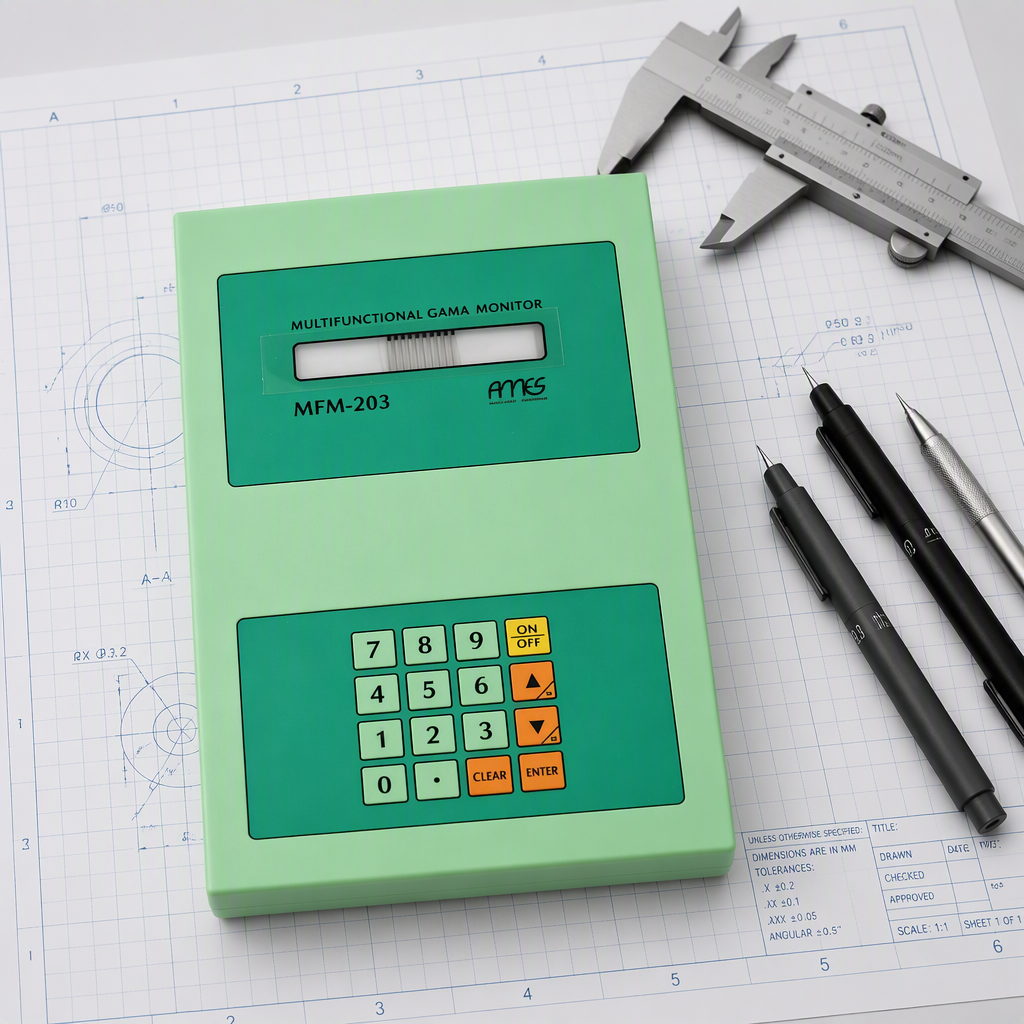
Autotype polyester film overlay with chemical-resistant hermetic perimeter seal engineered for telecommunication base-stations and process telemetry consoles.
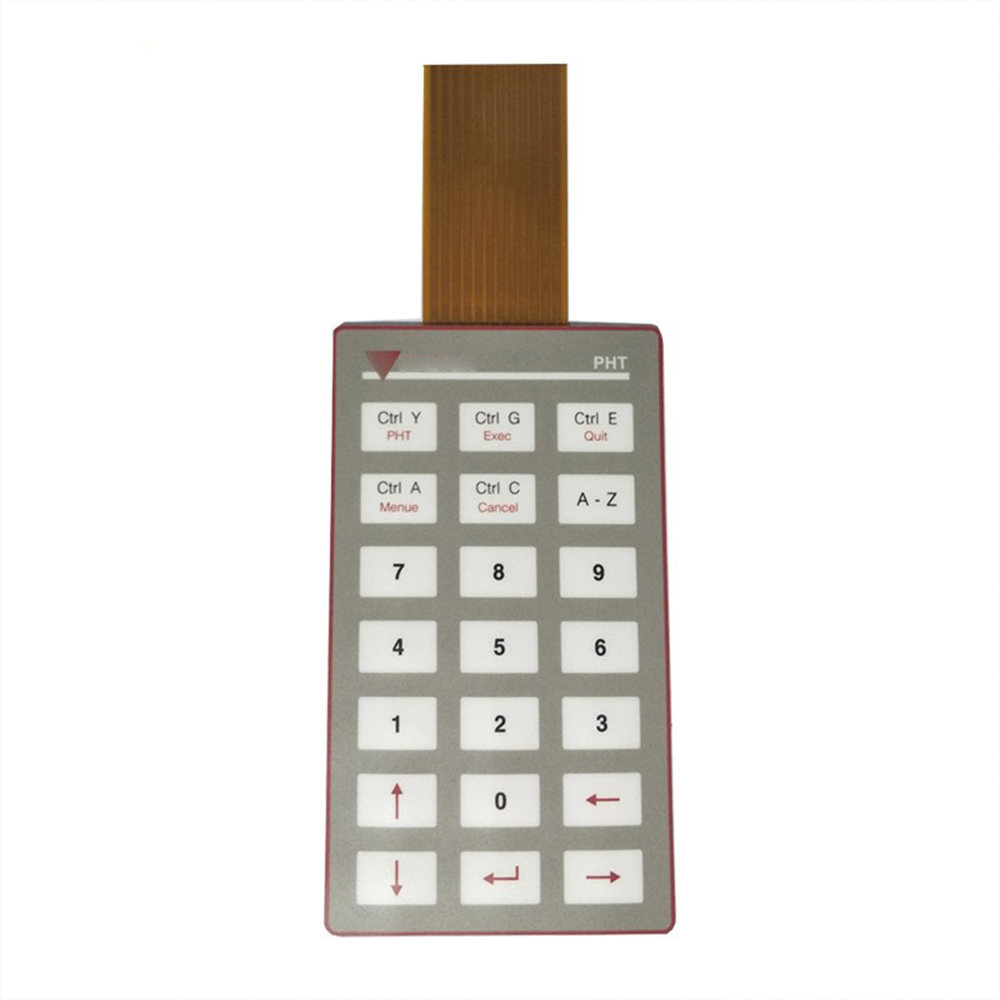
Custom touch switch panel fabricated with high-stability PET/PC substrate, calibrated for high-precision laboratory and HVAC environmental chambers.
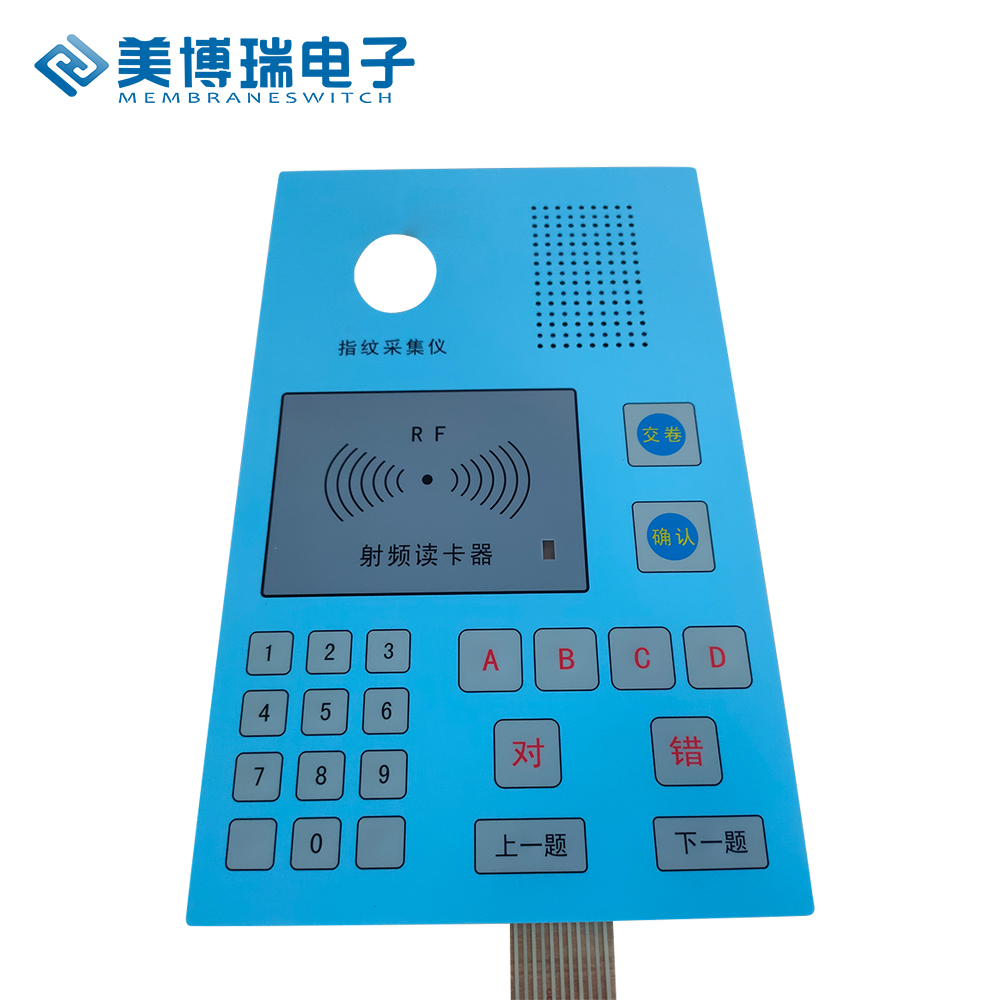
IP65 sealed switch with premium conductive silver traces, stabilized carbon overcoat, and 3M 300LSE adhesive for low-surface-energy industrial enclosures.
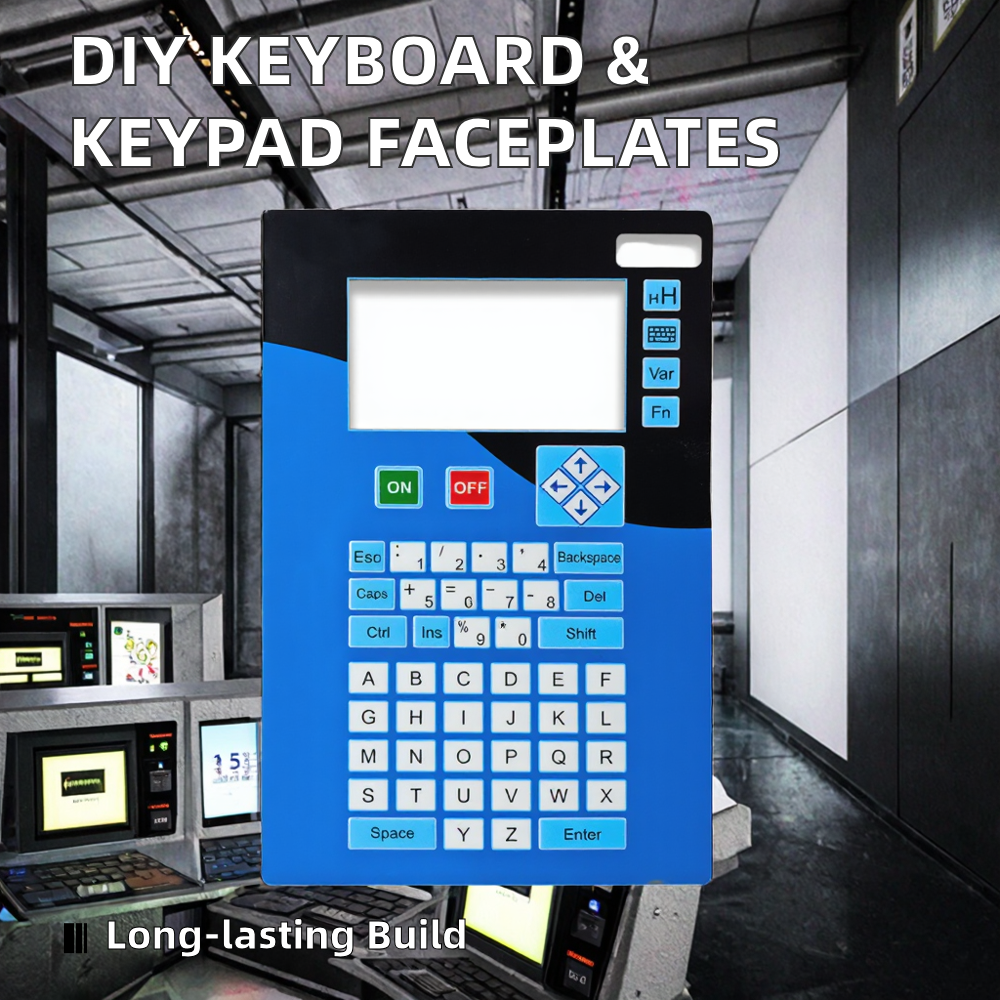
Precision-embossed tactile key construction with integrated surface-mount bi-color LEDs and light guide films (LGF) for uniform night-time operation.
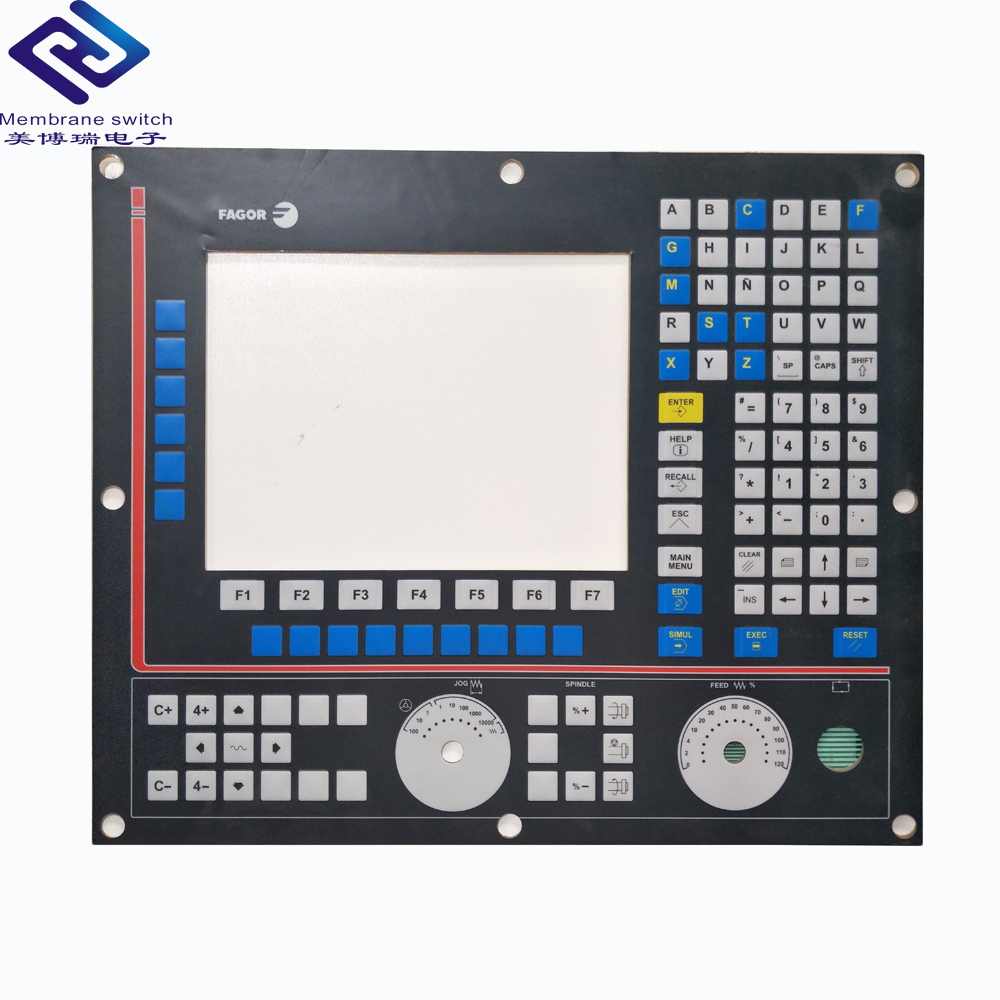
Heavy-duty industrial control interface with textured anti-glare finish, oil-repellent coating, and high-actuation metal dome matrix for CNC machinery.
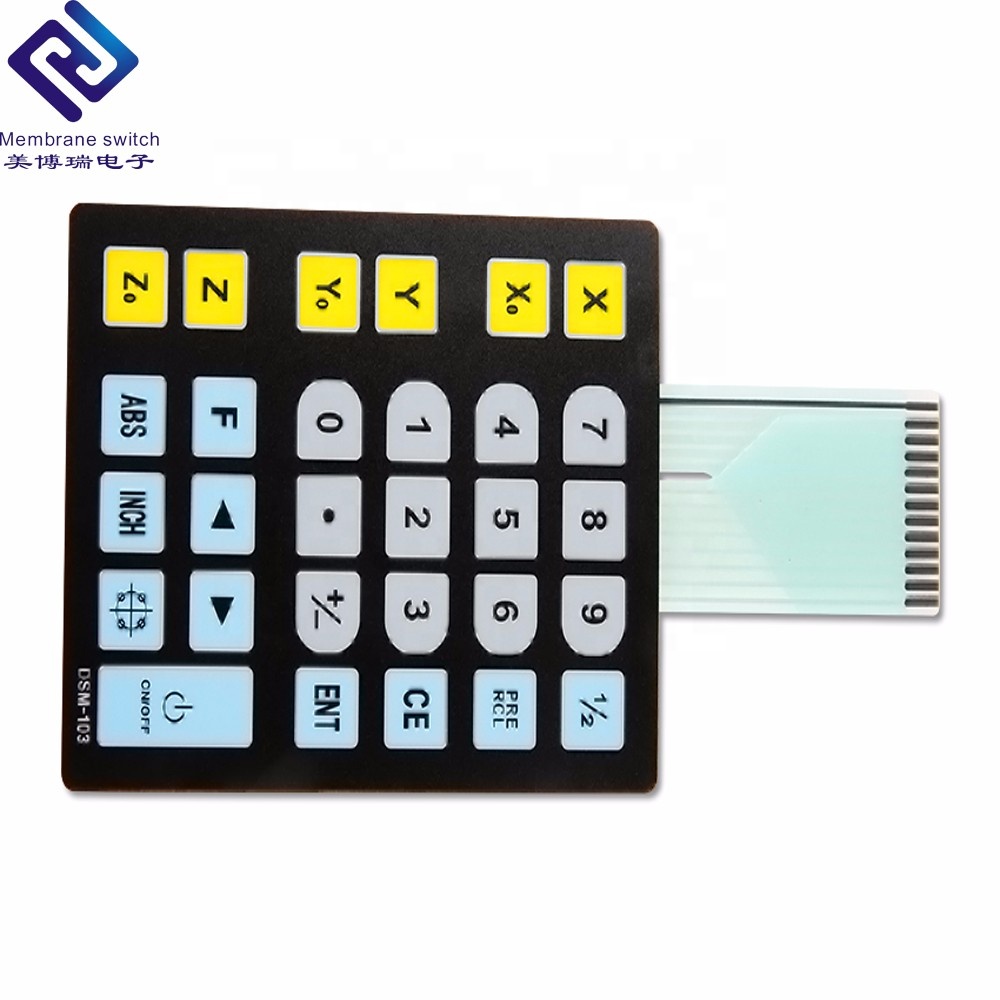
Gold-plated or nickel-plated tactile dome matrix paired with pitch-dense flexible flat cable (FFC) tails for outdoor telecommunications gear.
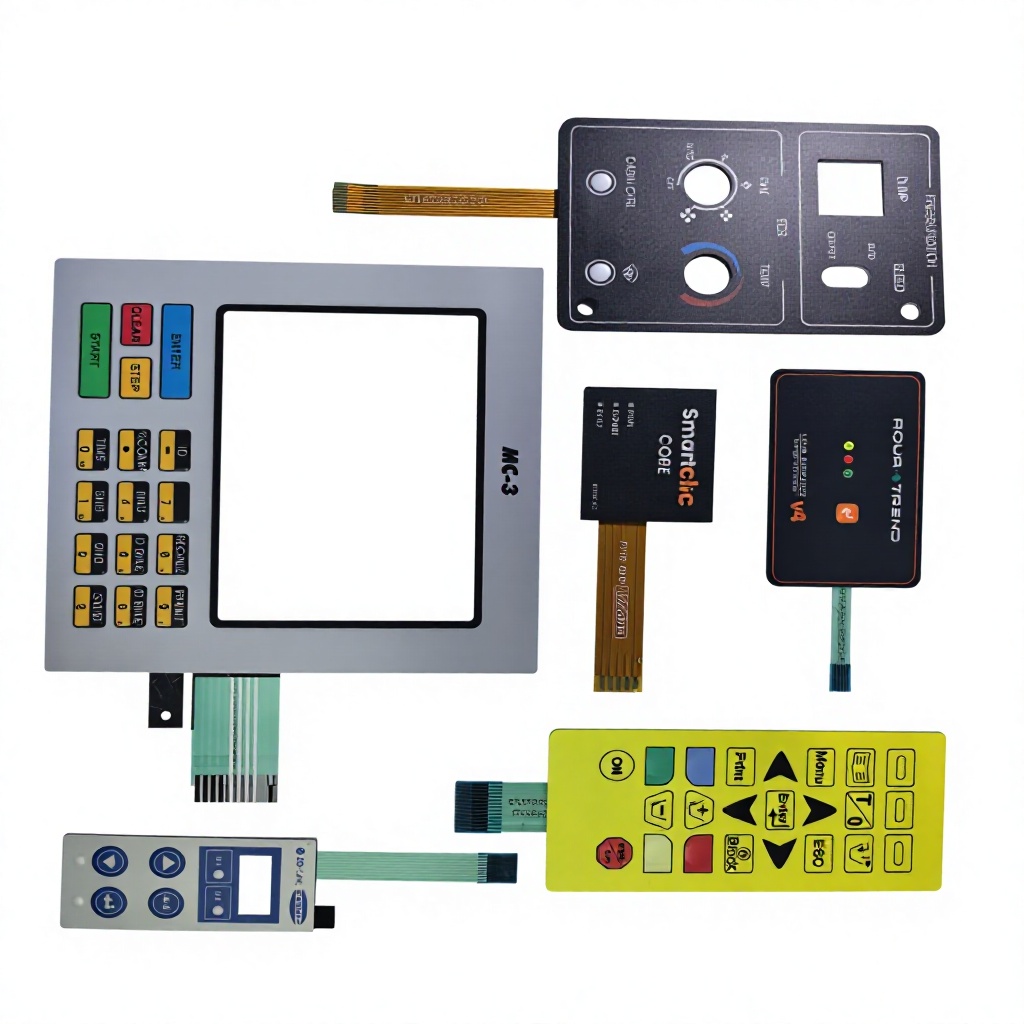
Multi-layer flex circuit board featuring ultra-durable silver paste conductors, printed air vents for atmospheric equalization, and tactile feedback.
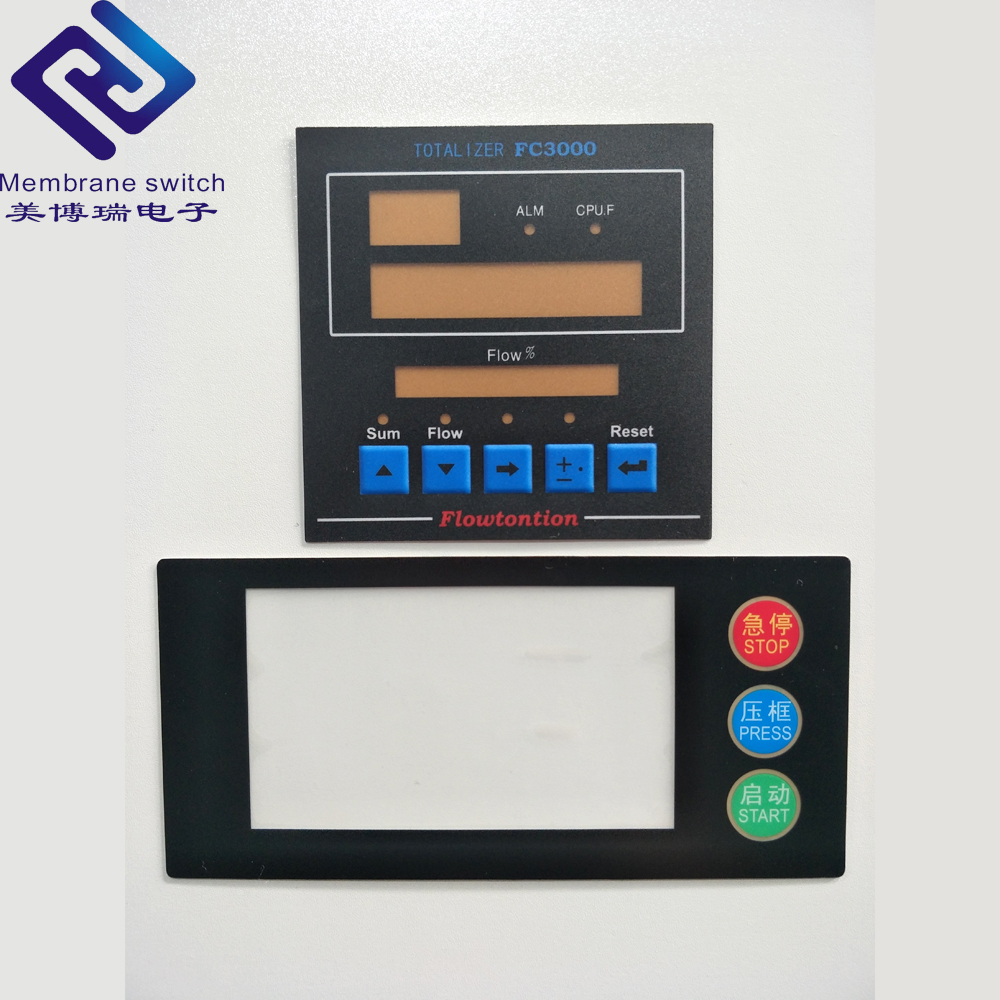
Integrated optical clear adhesive (OCA) bonded display window with custom transparent anti-scratch windows, serving complex diagnostic consoles.
Engineering High-Precision Silicone & Membrane Switches for Düsseldorf's Industrial Ecosystem
A comprehensive examination of elastomeric mechanics, environmental hermeticity, and material science tailored to the stringent demands of German capital equipment builders.
The industrial corridor of Düsseldorf and the greater North Rhine-Westphalia (NRW) metropolitan area represents the heartland of German heavy machinery, chemical processing, medical instrumentation, and automation systems. Within these demanding environments, the physical Human-Machine Interface (HMI) serves as the primary operational gateway between operator and system logic. As industrial systems become smarter, the mechanical interface must withstand harsher conditions: aggressive cleaning sanitizers in clinical environments, aerosolized hydrocarbons on metal-cutting floors, and extreme vibration profiles along transportation rail lines. Engineered molded silicone rubber keypads and customized membrane switch assemblies represent the pinnacle of cost-to-performance reliability when manufactured under stringent dimensional and polymer standards.
Unlike standard consumer touchscreens, molded silicone keypads offer tactile feedback, ingress resistance up to IP67/IP68, and operating temperatures from -40°C to +180°C. By combining silicone rubber compression molding with modern conductive carbon pills, gold-plated contacts, light-guide films (LGF), and sub-surface printed graphic overlays, our engineering team supplies German equipment manufacturers with interface solutions that deliver uninterrupted service through millions of actuations.
Engineering Specifications & Material Compliance Matrix
Detailed performance benchmarks verifying alignment with European standard directives (RoHS, REACH, DIN ISO 2768-mK).
| Performance Parameter | Silicone Elastomer Spec | Membrane Switch / PET Spec | Testing & Compliance Standards |
|---|---|---|---|
| Operating Temperature | -40°C to +180°C (High-grade VMQ) | -20°C to +70°C (PET Substrate) | DIN EN 60068-2-1 / IEC 60068-2-2 |
| Ingress Protection Rating | IP66 to IP68 (Molded perimeter ribs) | IP65 to IP67 (Continuous gasket seal) | DIN EN 60529 / ISO 20653 |
| Actuation Force & Snap Ratio | 50g to 500g (±15g); Snap: 40% - 65% | 150g to 450g (Metal Dome dependent) | ASTM F1597 Standard Test Method |
| Contact Resistance | < 100 Ω (Carbon); < 1 Ω (Gold) | < 1 Ω/cm (Screened Conductive Silver) | ASTM F1680 / MIL-STD-202 Method 307 |
| Chemical / Disinfectant Resistance | Immune to alcohols, bleaches, mild acids | Autotype Autoflex resistive coating | DIN 42 115 Part 2 Chemical Exposure |
| Flammability & Safety Rating | UL94-HB to UL94-V0 available | UL94-VTM-2 rated films | UL94 Flammability Certification |
Localized Applications Across Düsseldorf & The NRW Manufacturing Core
How engineered silicone keypads and membrane panels empower industrial sectors across the Rhine-Ruhr industrial belt.
Heavy Machinery & CNC Milling Automation
For machine tool builders situated around Ratingen, Neuss, and Solingen, keypads require immunity against synthetic cooling fluids, lubricating oils, and abrasive metal shavings. Our compression-molded silicone assemblies integrate PU or epoxy protective caps, preventing legend wear and oil penetration during three-shift industrial machining operations.
Clinical Diagnostics & Medical Technology
Düsseldorf’s MEDICA corridor demands infection-control HMIs capable of withstanding daily wipedowns with isopropyl alcohol, quaternary ammonium, and active chlorine compounds. Seamless silicone keymats and flush-surface polyester membrane switches prevent bio-burden accumulation, making them ideal for patient monitors, infusion pumps, and surgical theater controls.
Process Engineering & Chemical Valves
Operating inside chemical hubs along the Rhine river (such as Krefeld and Leverkusen), electronic enclosures encounter corrosive vapors. Our hermetically sealed membrane switches utilize specialized 3M 300LSE/468MP adhesives and breathable GORE-tex pressure equalization filters to eliminate internal moisture condensation without compromising internal electrical traces.
Intralogistics & Port Material Handling
In container terminals and logistics distribution hubs throughout Neuss-Düsseldorf ports, handheld terminals and vehicle-mounted crane consoles operate in outdoor weather extremes. Silicone keypads engineered with phosphorescent pigments and low-profile tactile metal domes ensure continuous glove-operated tactile feedback in sub-zero winter temperatures.
Energy Distribution & Grid Infrastructure
Power control gear and substation cabinets deployed in North Rhine-Westphalia’s energy transition systems depend on high dielectric breakdown resistance and EMI/RFI shielding. We laminate conductive aluminum foil or print silver/carbon shielding layers within the membrane sandwich, preventing electrical noise interference in high-voltage switchgear.
Smart HVAC & Commercial Building Automation
Integrated architectural building controllers require sleek aesthetic styling matching modern commercial spaces. Combining laser-etched silicone backlighting with capacitive touch sensing layers, our custom assemblies deliver ambient illumination and responsive control for institutional heating and ventilation panels.
Emerging HMI Engineering Trends in the German Capital Goods Sector
Key technological convergences shaping OEM procurement decisions across German engineering teams.
Hybrid Tactile & Capacitive Architectures
Düsseldorf equipment designers are migrating away from pure touchscreens back to hybrid solutions. Emergency stop routines and safety-critical functions require positive physical travel and acoustic feedback, while routine adjustments utilize smooth capacitive zones. Combining a silicone rubber keymat over an underlying FPC or PCB architecture provides the ultimate safety-certified hybrid control panel.
Stringent European Supply Chain & ESG Directives
German mid-sized manufacturers (the Mittelstand) are obligated under the German Supply Chain Due Diligence Act (LkSG) to verify environmental and labor standards throughout their Tier-1 and Tier-2 suppliers. Our facility operates audited ISO 9001 quality workflows, full traceability of raw silicone elastomers, and certified compliance with REACH Annex XVII and RoHS 3 directives.
Rapid Prototype-to-Serial Tooling Agility
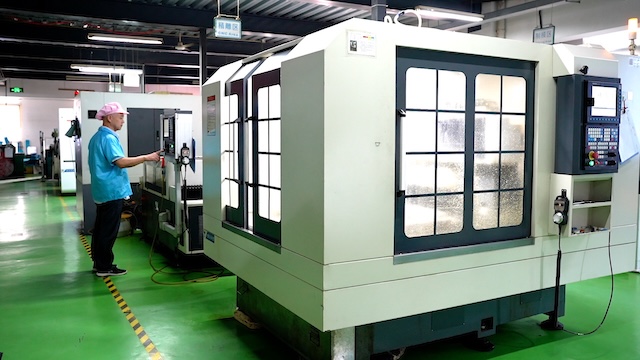
With R&D cycles contracting across German engineering departments, industrial buyers require fast iteration. Utilizing 60 high-speed in-house CNC mold-cutting centers, we fabricate production-grade silicone prototype tooling in as little as 7-10 business days, followed by direct air freight delivery to Düsseldorf International Airport (DUS) or Frankfurt Hub (FRA).
Why Leading Global OEMs Partner with TAVO
Combining over three decades of membrane and silicone manufacturing mastery with German technical cooperation and full in-house accountability.
100% In-House Integration
From CAD engineering, precision film output, silk-screen and digital UV printing, to CNC tooling, silicone vulcanization, laser die-cutting, cleanroom assembly, and climate cycling, zero critical steps are sub-contracted.
German Technical Collaboration
Our operational management maintains long-term technical exchanges with German switch manufacturers, aligning tooling draft angles, tactile snap force ratios, and packaging standards with European engineering norms.
Dual-Plant Manufacturing Redundancy
With operational facilities spanning the Xianghe Robot Industry Port in Hebei and our advanced processing hub in Huizhou, Guangdong, we allocate manufacturing loads dynamically to prevent supply bottlenecks.
Exhaustive Laboratory Verification
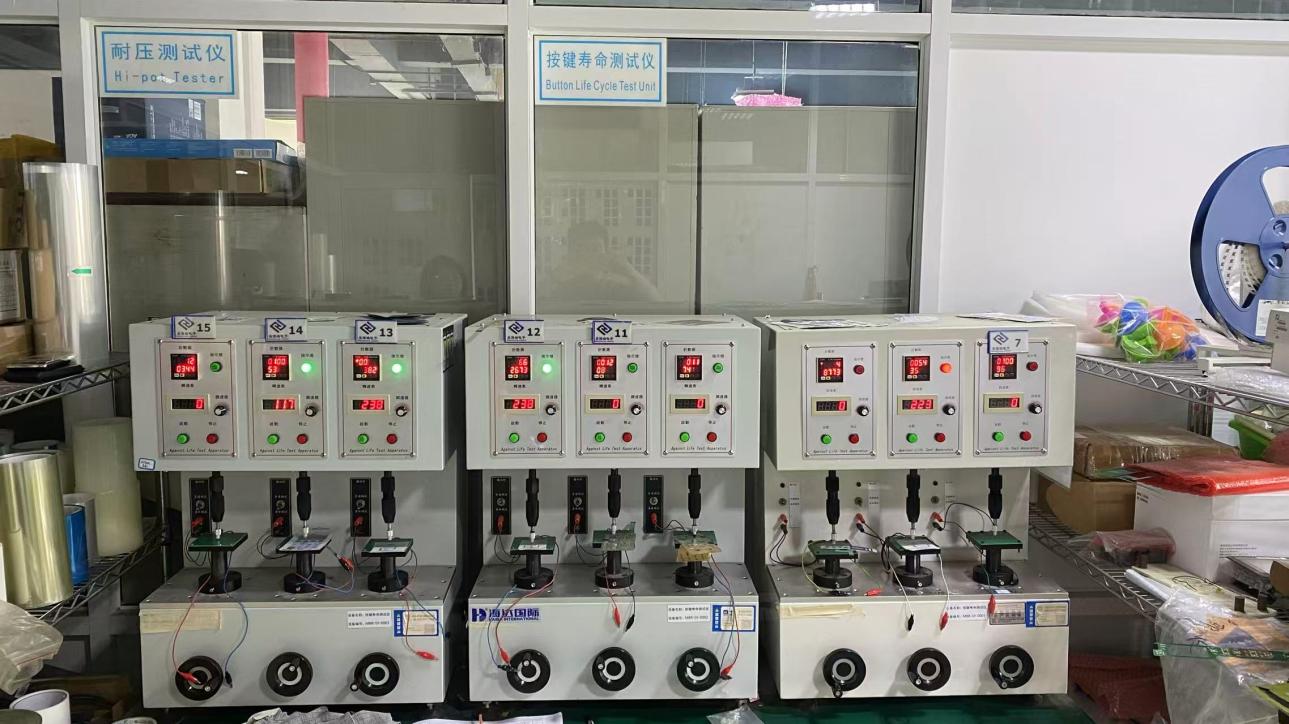
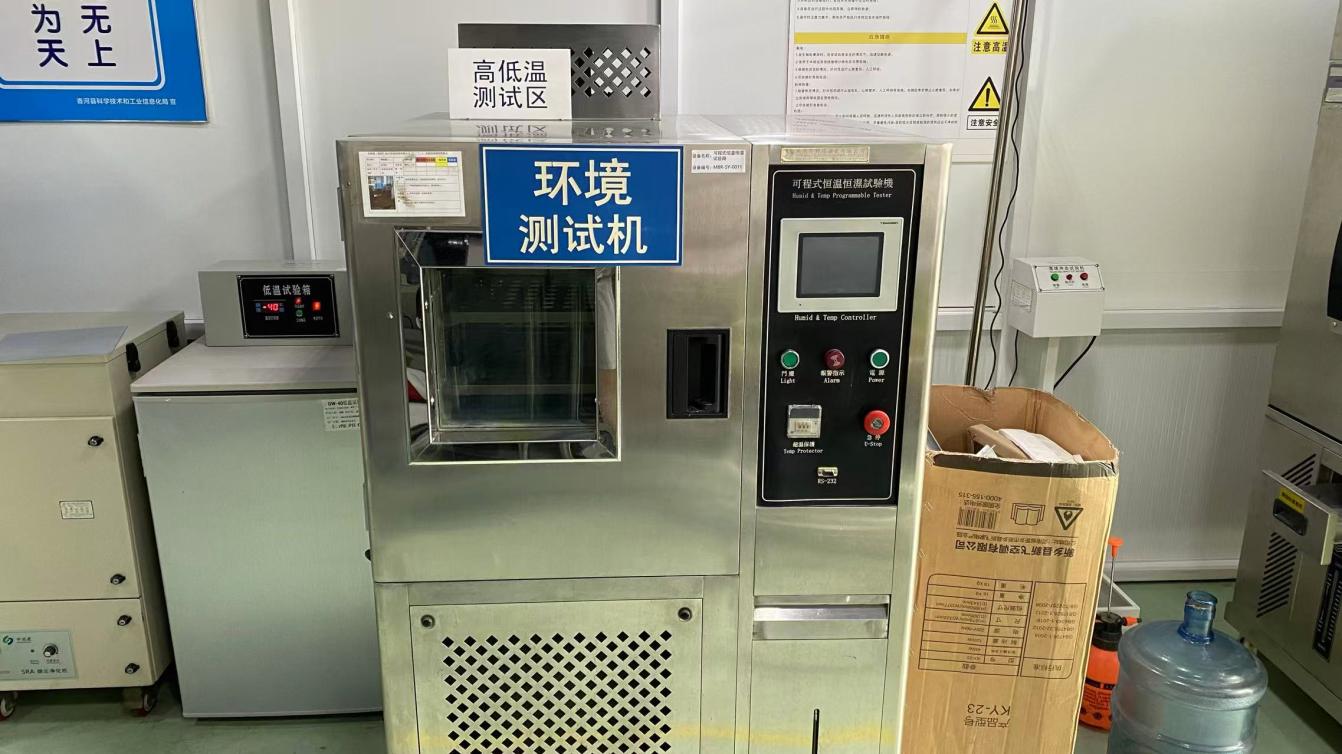
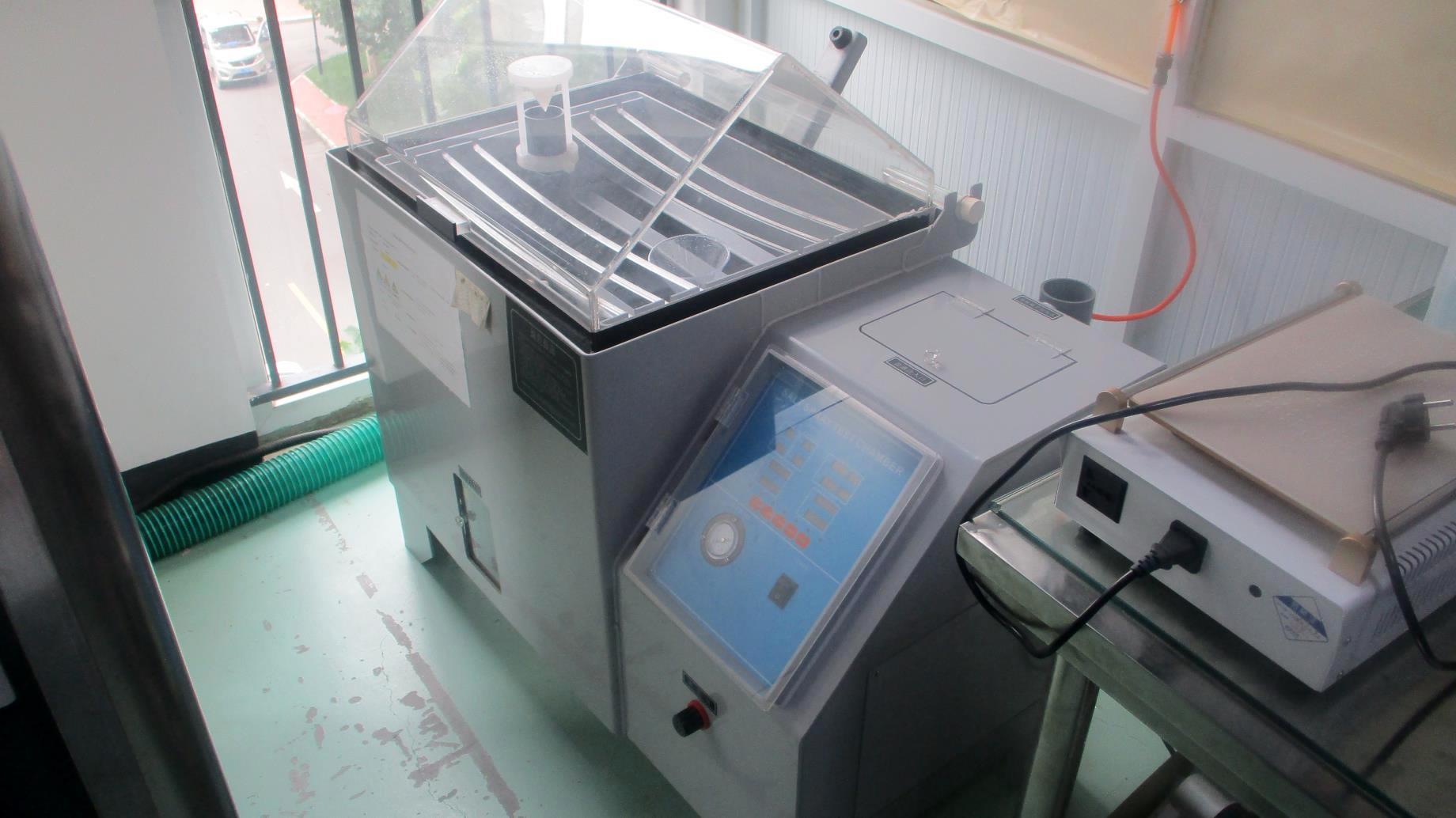
Every design batch is validated using computer continuity testers, button life-cycle test machines, xenon-arc UV aging chambers, programmable temperature/humidity chambers, and automated salt-fog chambers.
Frequently Asked Questions by German Sourcing Teams
Authoritative technical and logistical clarifications addressing typical inquiries from mechanical engineers, supply chain specialists, and import managers in Germany.