Engineered Interface Panels & Optical Overlays
Direct-from-factory human-machine interface assemblies engineered to withstand extreme UV exposure, cyclic marine humidity, and aggressive mechanical actuation.
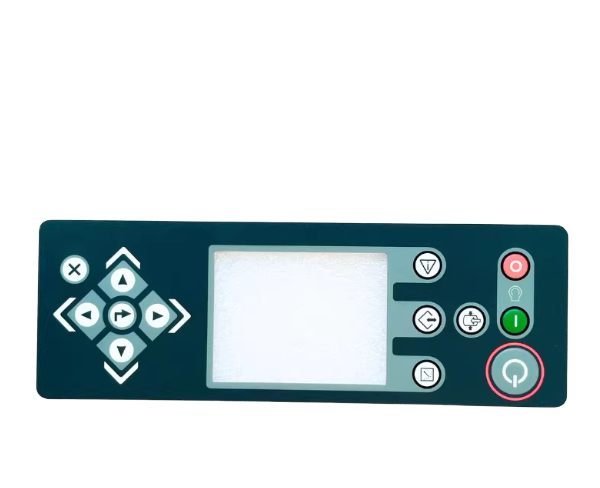
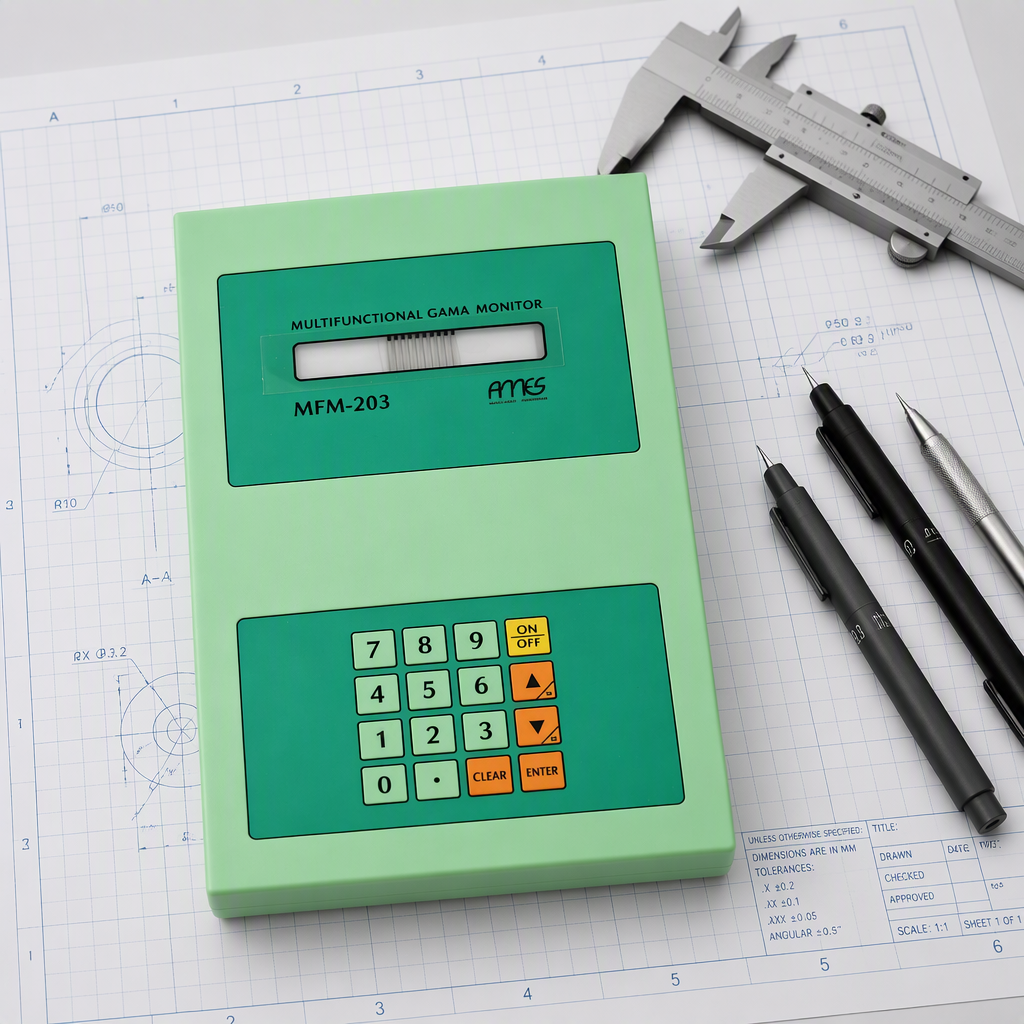
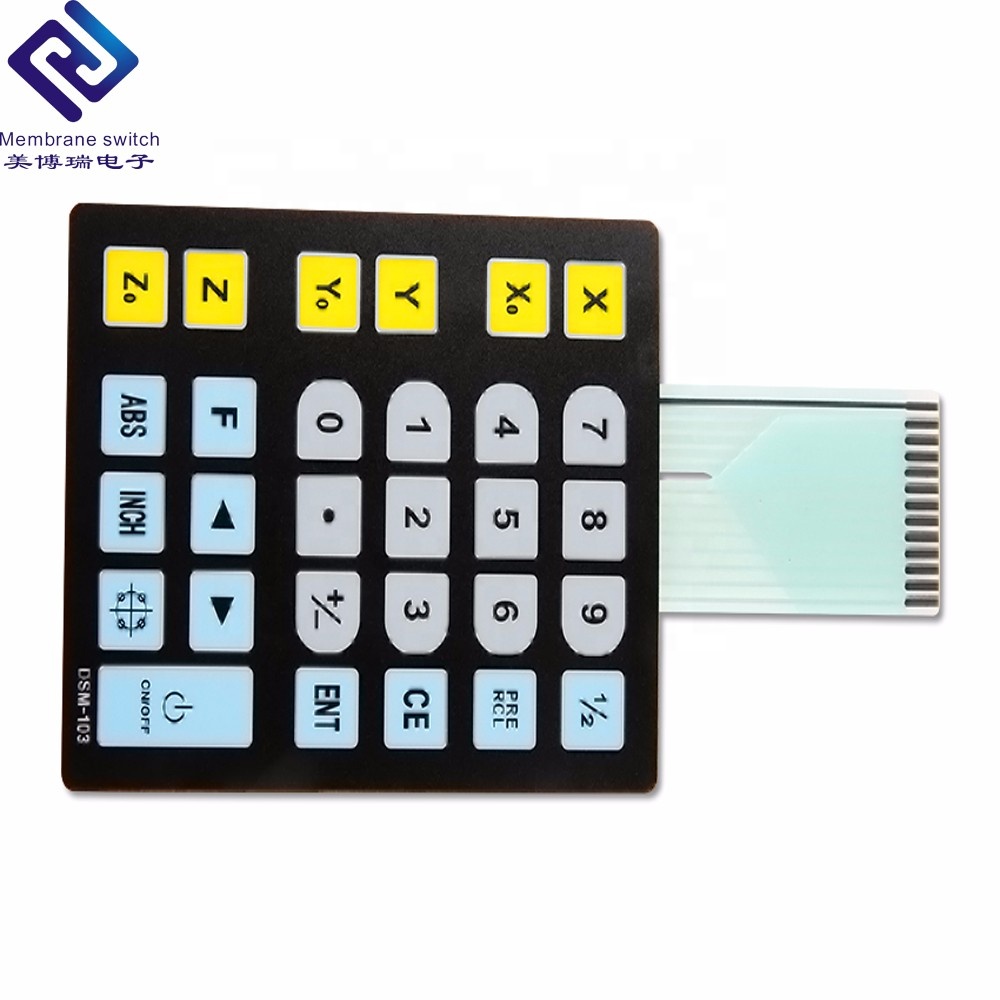
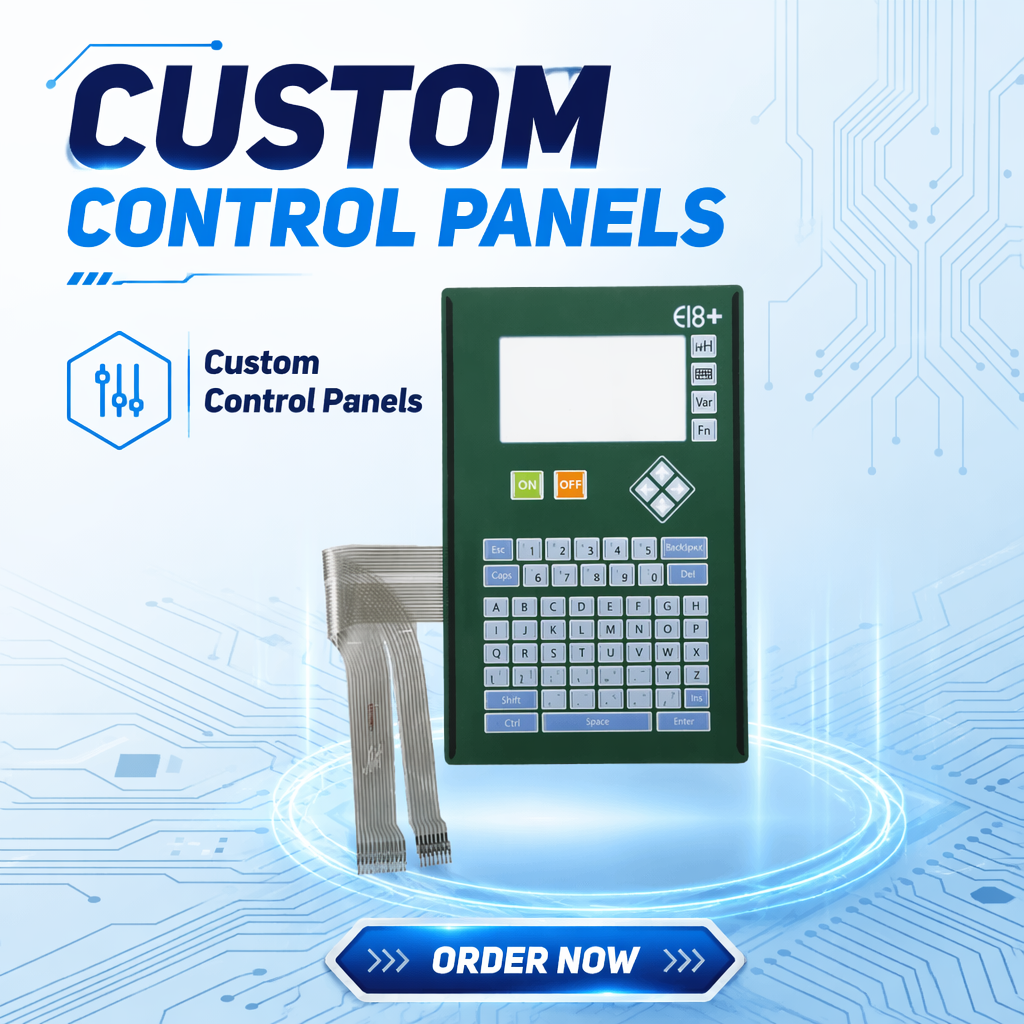
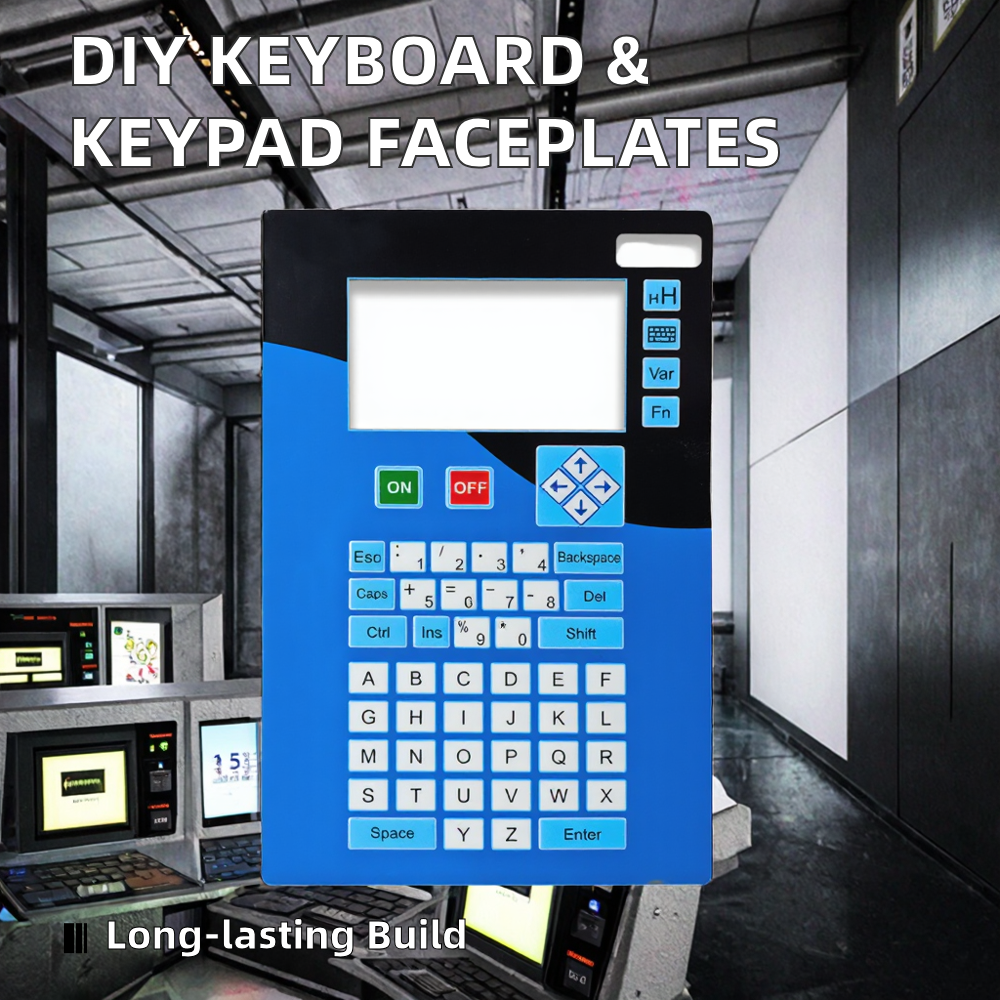
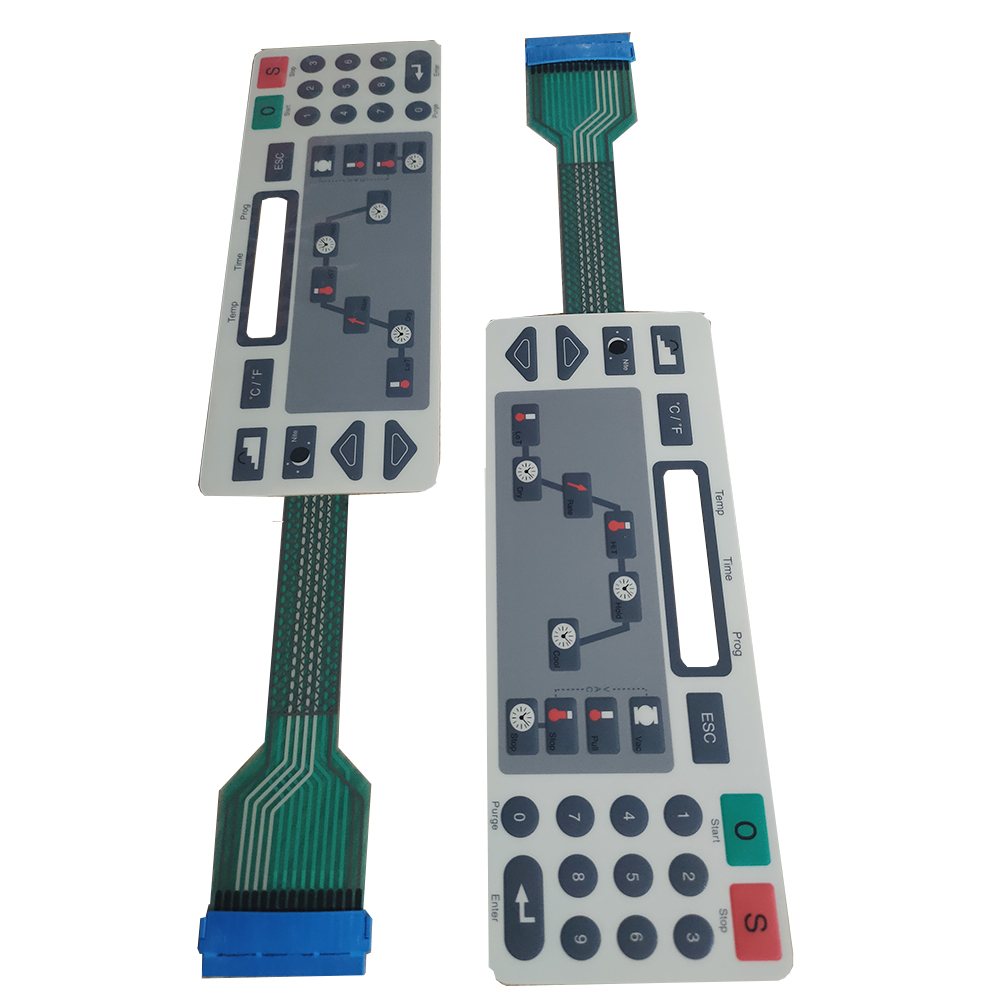
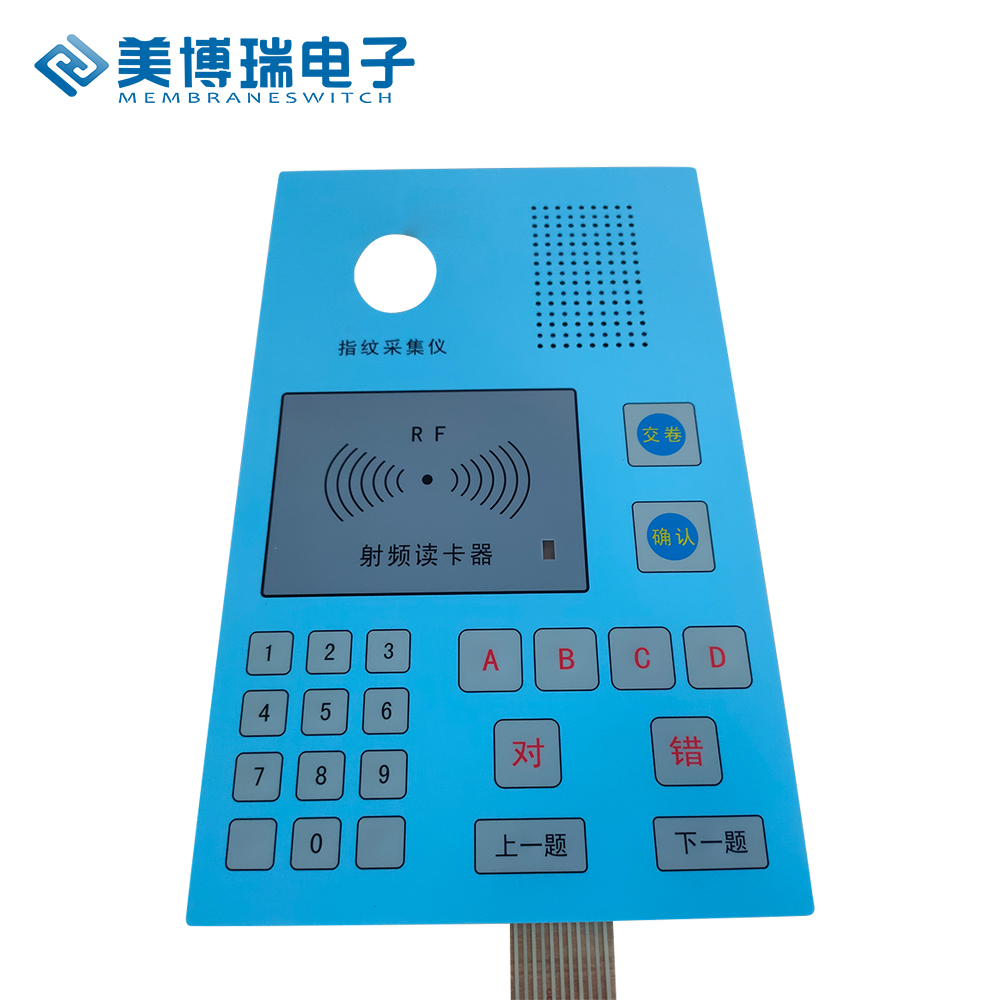
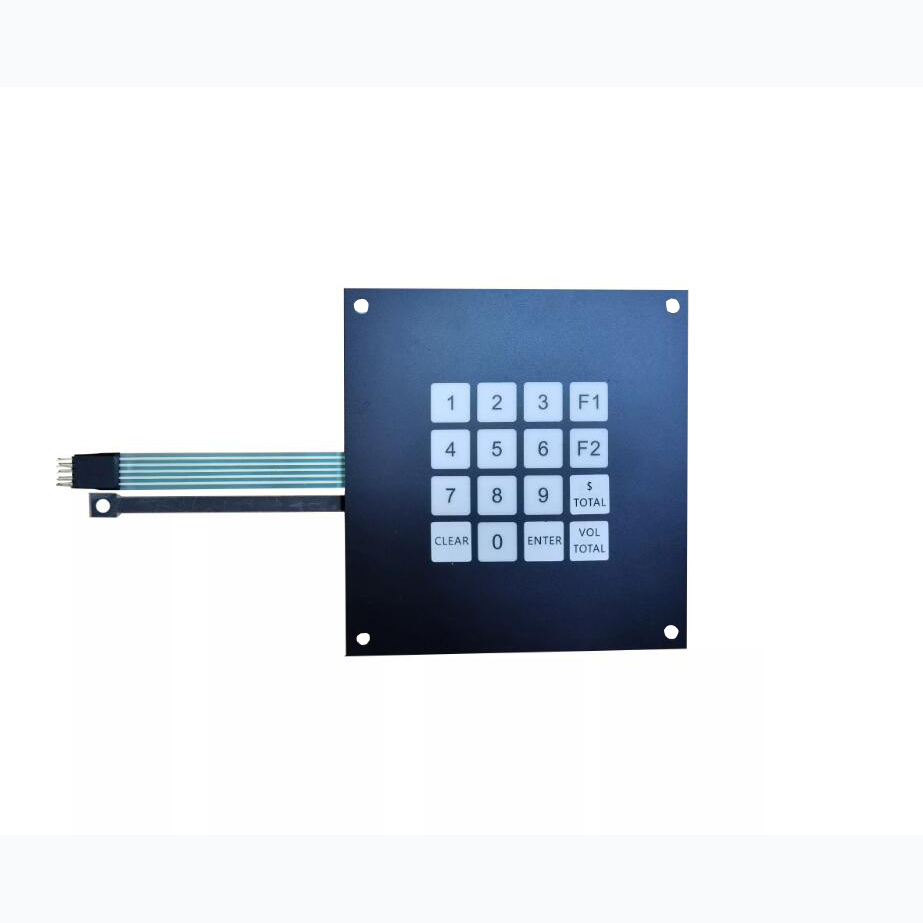
1. Optical Clarity, Refractive Index Matching & Anti-Newton Ring Dynamics
In high-performance Human-Machine Interfaces (HMIs) deployed across outdoor and sub-tropical environments like Brisbane, standard mechanical window overlays suffer from severe optical deficiencies: internal reflection, solar parallax blur, refractive disparity, and Newton's rings caused by variable micro-gap air spacing between the display glass and the graphic film. TAVO utilizes state-of-the-art Optically Clear Adhesive (OCA) lamination within Class 1,000 / Class 10,000 cleanroom environments to chemically and physically bond the rear face of the hard-coated overlay directly to the display substrate (TFT-LCD, OLED, or capacitive sensor glass).
By closely aligning the refractive index of the OCA layer (n ≈ 1.474–1.492) with both the display cover glass (n ≈ 1.51) and optical-grade biaxially-oriented polyethylene terephthalate (PET, n ≈ 1.57) or polycarbonate (PC, n ≈ 1.58), interfacial boundary Fresnel reflections are reduced from upwards of 8.5% down to under 0.4%. This elimination of the internal air-gap completely eradicates condensation risk under rapid thermal delta shocks, prevents internal moisture ingress, and boosts overall daylight contrast ratio without escalating display backlight wattage.
2. Material Science: Polyester (Autotype/Melinex) vs. Polycarbonate (Lexan)
Specifying the optimal substrate for graphic window overlays depends on the mechanical, chemical, and solar exposure profiles of the final enclosure:
Autotex/Melinex Hard-Coated PET: Outstanding flex fatigue performance exceeding 5 million switch actuations without micro-cracking; superior chemical resilience against harsh solvents, industrial degreasers, acids, and diesel fuel; premium UV stabilization chemistry preventing polymer chain yellowing under Australian Solar UV Index extremes.
Lexan Polycarbonate: Superior impact resistance (Charpy notch toughness), exceptional dimensional stability under wide thermal excursions (-40°C to +105°C), UL94 V-0 flame-retardant grade availability, and crystal-clear edge transparency for deep beveling and visual display framing.
Localization: Applications Across Brisbane & Queensland
Brisbane sits at the convergence of heavy industrial manufacturing, marine ports, mining logistics, and emerging clean-tech corridors. HMI components engineered here must endure some of the most punishing climate stresses on earth.
Solar UV & Sub-Tropical Thermal Deltas
Brisbane routinely records UV Index ratings exceeding 11 to 13 during peak summer months. Standard screen-printed graphic overlays quickly experience polymer chalking, embrittlement, and adhesive crystallization. TAVO utilizes sub-surface digital UV printing backed by high-durability aliphatic polyurethane hard-coats and UV-blocked OCA formulations tested via Xenon-arc chambers to ensure 10+ years of color fastness and zero window delamination.
Port of Brisbane & Marine Logistics
Naval architecture, container cranes, and marine electronics operating along Moreton Bay and the Brisbane River encounter relentless airborne sodium chloride mist. TAVO integrates complete IP67/IP68 perimeter boundary gaskets paired with 3M 467MP/300LSE acrylic adhesives, verified via continuous automated salt-spray chambers to halt galvanic corrosion on underlying FPC gold contacts and silver traces.
Mining, Resources & Remote Telemetry
Brisbane-headquartered mining tech vendors designing telemetry nodes and drilling rig remote controllers for the Bowen and Galilee Basins demand enclosures impervious to fine silica coal dust, high shock vibrations, and hydraulic fluid splashes. Our rigid-backed FR4 PCB and aluminum backer overlays provide structural rigidity capable of surviving extreme mechanical abuse.
Emerging HMI Engineering Trends in Queensland
How procurement managers and embedded hardware engineers in Brisbane are shifting interface architectures toward smarter, sleeker, and more durable human-machine integration.
Capacitive Touch Fusion Behind Dead-Front Overlays
Queensland industrial design firms are moving rapidly away from standalone push buttons in favor of sleek, monolithic dead-front graphic overlays. Through precision micro-printing of translucent masking inks and integration with rear capacitive copper FPC sensors, icons remain completely invisible until backlit by side-firing LEDs, presenting an ultra-modern aesthetic with zero mechanical ingress points.
Direct-to-Glass OCA Display Lamination
Instead of receiving bare overlays and attempting difficult, bubble-prone manual assembly in local workshops, Brisbane equipment manufacturers are increasingly contracting TAVO for turnkey sub-assemblies: complete OCA optical bonding of the graphic overlay, toughened cover lens (IK08-IK10), and LCD panel delivered as a certified, drop-in display module.
Supply Chain Diversification & Agile Engineering
With accelerated product development cycles across Brisbane's robotics and bio-medical instrument sectors, engineering teams cannot wait 12 weeks for tooling. TAVO addresses this demand with CNC digital plotters and laser profile cutting machines (18 units) that allow functional prototyping and low-volume pilot production within 3 to 5 business days without expensive hard die-tooling.
OCA Window Overlay Technical Specification Matrix
Certified material benchmarks and electrical ratings supporting design engineers across Brisbane and Oceania.
| Performance Criterion | Autotex EBG/EHP Fine Optical PET | Lexan 8010 Optical Polycarbonate | OCA Optical Adhesive Layer (Gel/Film) |
|---|---|---|---|
| Refractive Index (nD) | 1.56 – 1.58 | 1.586 | 1.474 – 1.490 (Optically Matched) |
| Total Luminous Transmission | ≥ 91.5% (ASTM D1003) | ≥ 90.0% (ASTM D1003) | > 99.0% (excluding substrate loss) |
| Haze Value (%) | ≤ 0.8% (Gloss Window Area) | ≤ 0.5% (Polished Grade) | ≤ 0.3% (Cleanroom Cured) |
| Pencil Surface Hardness | 2H to 3H (Hard-Coated Side) | HB (Hard-coated grades reach 1H–2H) | N/A (Elastic Viscous Core) |
| Operating Temperature | -40°C to +85°C continuous | -40°C to +105°C continuous | -40°C to +95°C continuous |
| UV Degradation Resistance | Class-Leading (Automotive Exterior Grades) | Requires UV Inhibitor Coating | Zero Yellowing (Delta E < 1.0 @ 1000h Xenon) |
| Chemical Solvent Resistance | Alcohols, Ketones, Fuels, Mild Acids | Sensitive to Aromatic Solvents & Esters | Hermetically encapsulated |
Enterprise Strengths & Vertical Manufacturing Control
Combining German technical lineage, high-capacity machinery, and complete in-house fabrication to eliminate tier-2 vendor dependencies.
End-to-End In-House Production
Every phase—electronic circuit drafting, film photolithography, silk screen printing, precision digital UV printing on Mimaki heat-setting printers, hydraulic embossing, laser cutting, and cleanroom assembly—is executed completely inside our own facilities. No outsourced processing means zero intellectual property exposure and absolute control over quality and delivery timelines.
Dual-Plant Scalability & Risk Mitigation
TAVO operates twin modern manufacturing hubs: our primary advanced plant inside the Robot Industry Port of Xianghe Economic Development Zone, Hebei (2,219 m² verified floorspace), complemented by our southern production hub in Huizhou, Guangdong. This dual-facility architecture allows agile load balancing and guarantees uninterrupted continuity for high-volume Brisbane OEM supply chains.
Tier-1 Global Credentials & Testing Rigor
Certified under ISO 9001 and assessed onsite by Intertek, TAVO maintains strategic technical partnerships with German membrane switch factories. Our HMI assemblies have been deployed in mission-critical infrastructure including high-speed locomotives, the Three Gorges hydro grid, and global industrial programs for Siemens, ABB, and Haier. All shipments undergo comprehensive computer circuit testing, dynamic actuation profiling, and climate cycling before dispatch.
Ready to Engineer Your Brisbane Optical Overlay Project?
Submit your CAD files (.DXF / .STEP), artwork vector graphics, and environmental performance specifications. Our direct senior engineering team provides comprehensive Design for Manufacturability (DFM) feedback and competitive factory-direct pricing within 24 hours.
Contact UsFrequently Asked Questions: Brisbane & Australian Procurement
Direct technical answers addressing tariff codes, transport logistics, environmental testing, and prototype scheduling.