Engineered HMI Solutions for Denver OEMs
Custom membrane keypad assemblies engineered for severe temperature cycling, high dielectric isolation, and tactile durability across mission-critical Rocky Mountain industrial sectors.
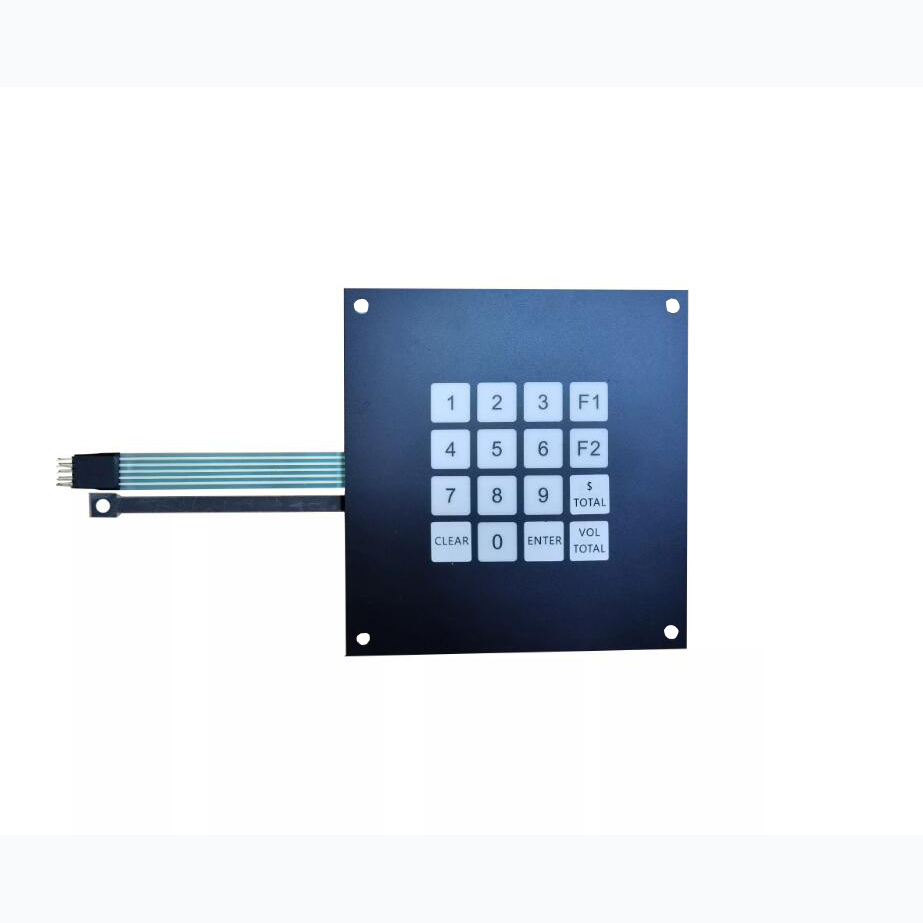
Custom Fuel Dispenser Oiling Machine with Membrane Keypad & Remote Controller
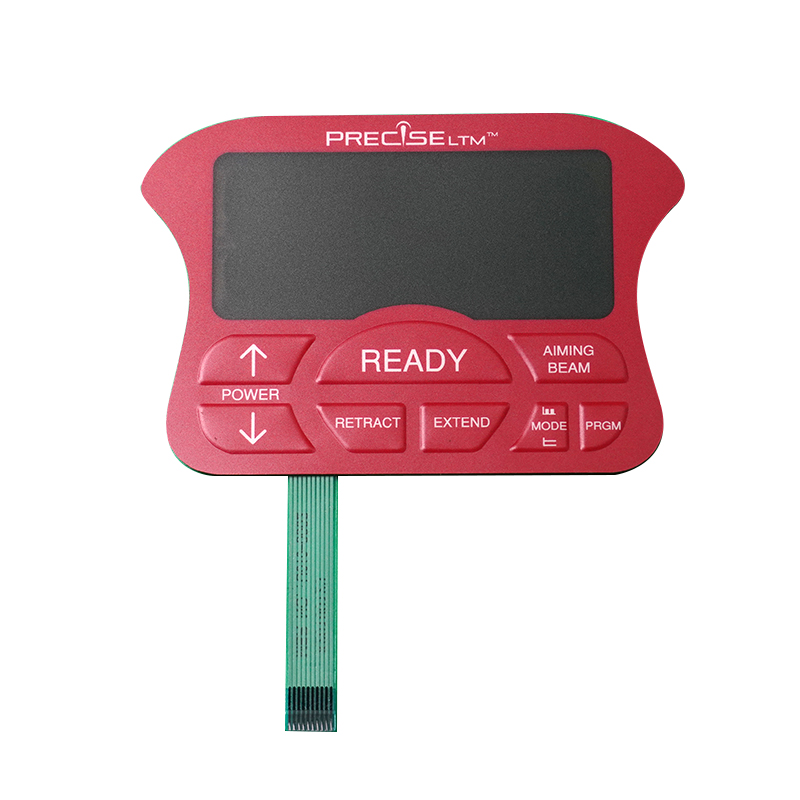
Anti-interference Locomotive Membrane Control Panel High Temp Resistant
Custom FPC Membrane Switch With Embedded LED Backlight Flexible Circuit
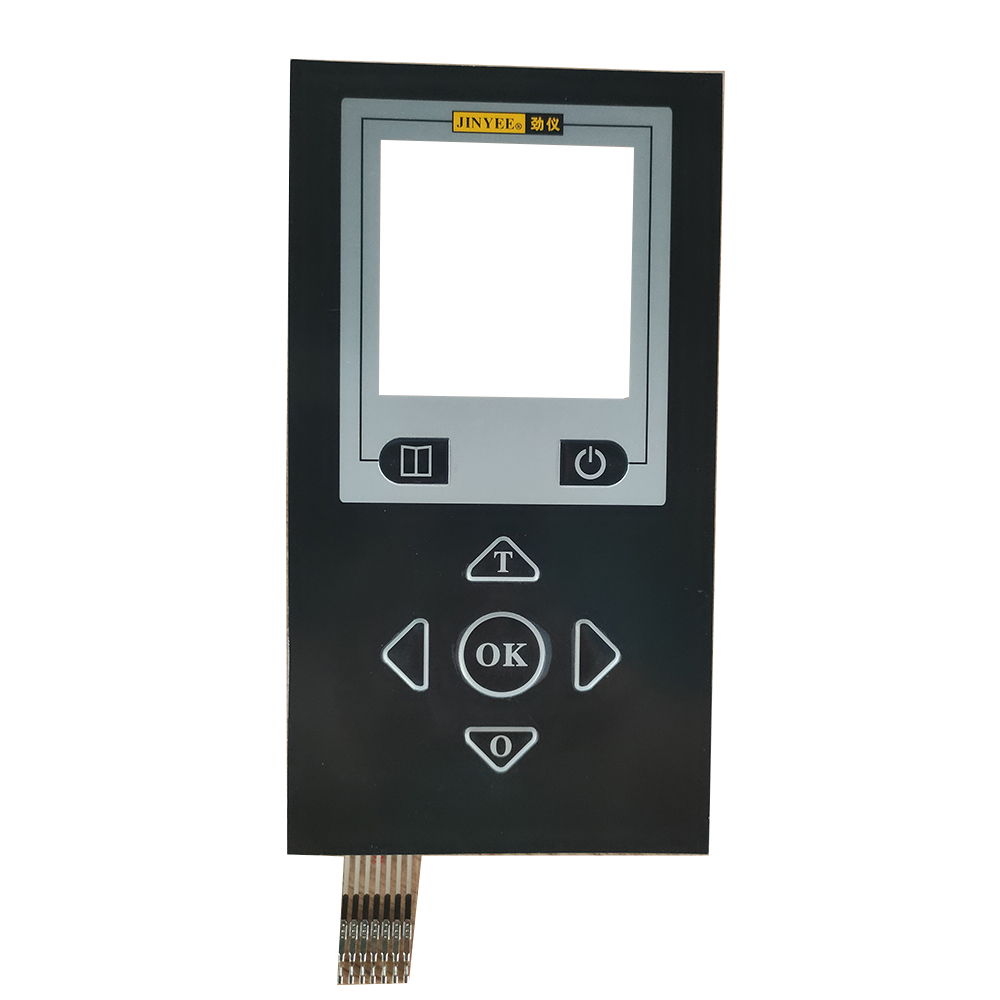
MBR IP67 Waterproof Industrial Membrane Keyboard with PET Overlay
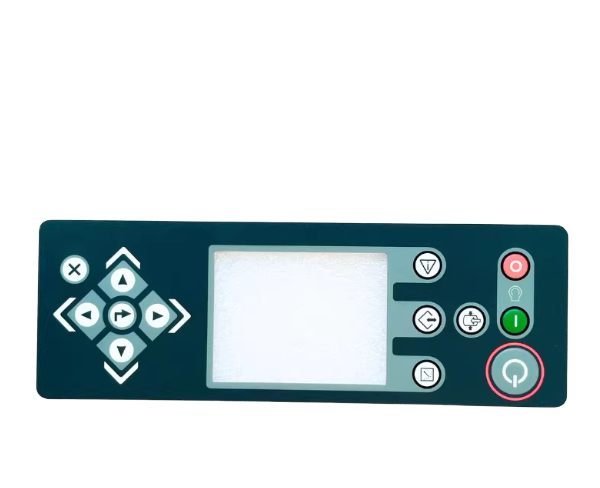
Custom Flexible Temperature Touch Control Keypad Membrane Panel
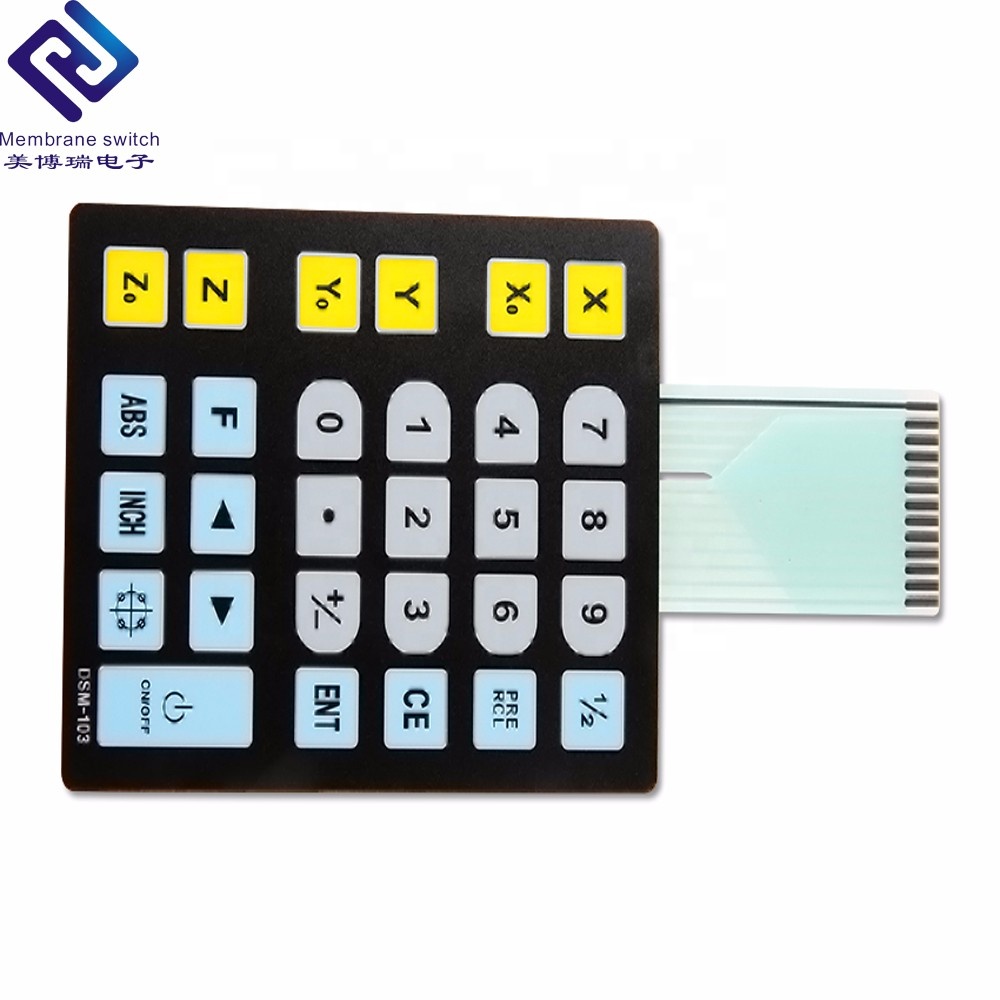
Factory Membrane Switch Keypad with Rubber Buttons MCU Expansion
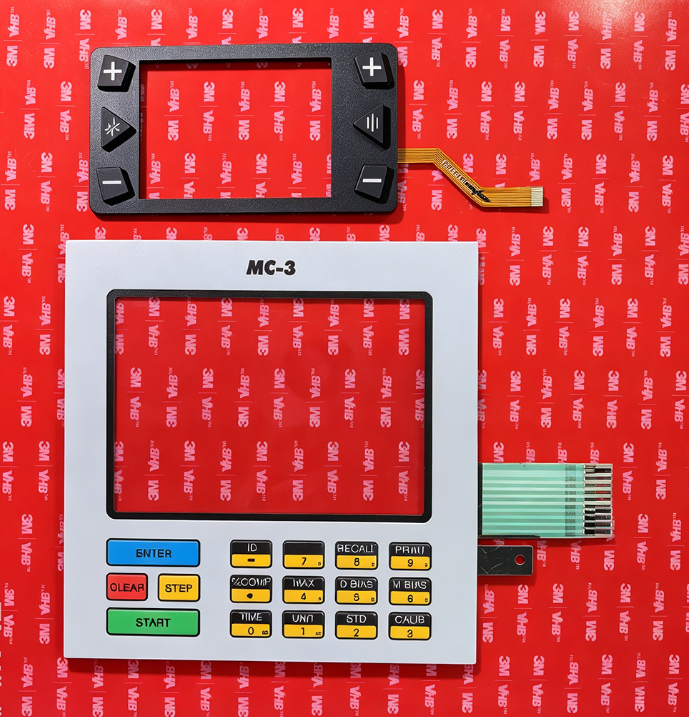
MBR High Quality IP67 Waterproof 3M Adhesive Flexible Cable Keypad
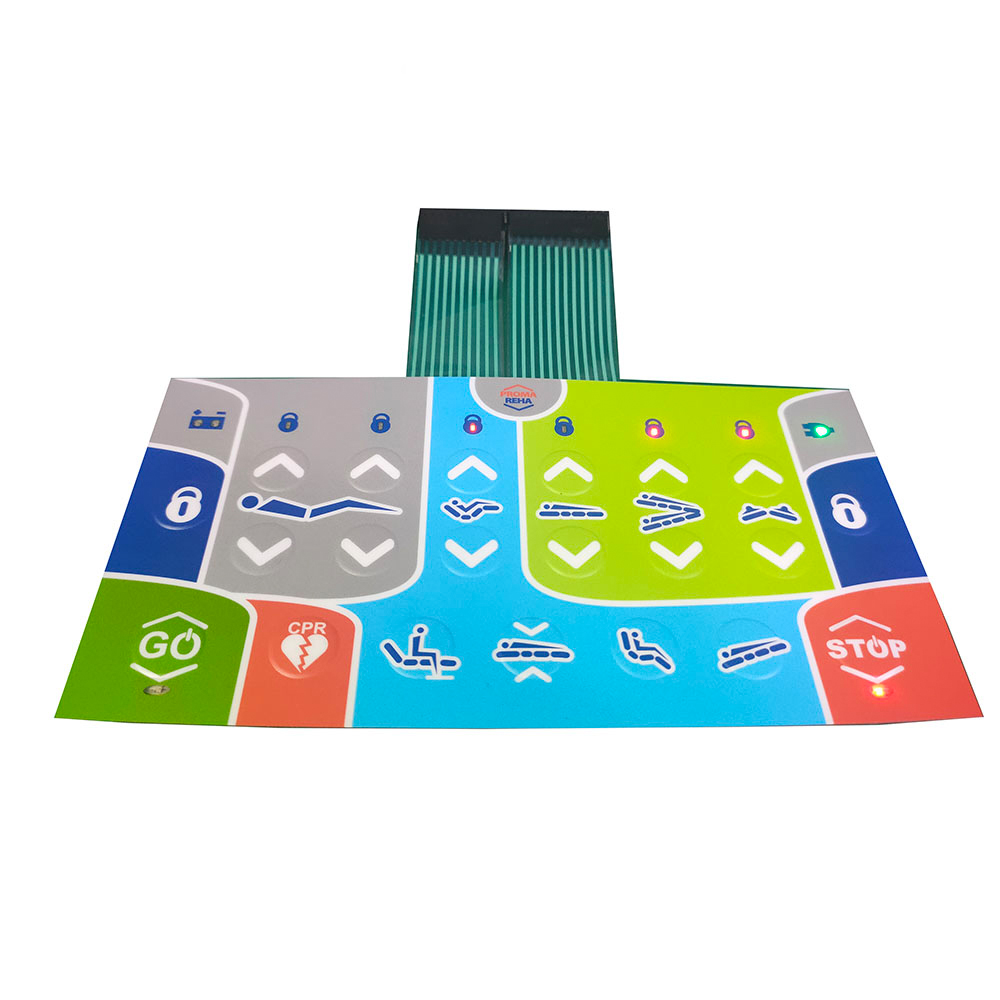
High Quality PBT Keyboard Cap Customized Color & Size Silkscreen
Engineering Whitepaper: Why PCB-Backed Membrane Switches Lead Critical Denver Applications
Original Equipment Manufacturers across the Denver-Aurora-Lakewood metropolitan area and the wider Colorado Front Range encounter distinct mechanical and environmental hurdles. Standard flexible silver-printed membrane keypads rely on polyester (PET) circuit layers that, while cost-effective for benign consumer electronics, can exhibit trace fracturing when subjected to sustained physical torsion, high-cycle heavy actuation, or extreme environmental shifts. In contrast, Rigid PCB-Backed Membrane Switches combine the graphic flexibility of reverse-printed polycarbonate/polyester front overlays with an industrial-grade FR4 glass-reinforced epoxy printed circuit board core.
By leveraging an FR4 substrate (typically 0.8mm to 2.4mm thickness, 1oz to 2oz copper cladding), the switch assembly doubles as a self-supporting structural front panel. This eliminates the need for expensive sub-panel machining, allows surface-mount electronic components (such as discrete driver ICs, resistors, high-efficiency LEDs, buzzer elements, and standard ZIF or boxed pin headers) to be reflow soldered directly behind the switch keys, and resolves high-impedance concerns typical of long silver ink runs. For Denver engineering procurement managers, this represents a decisive step toward lean architecture—unifying human-machine interface (HMI), structural rigidity, component carrier functionality, and connection routing into a solitary tested modular subassembly.
| Engineering Parameter | Standard Silver Flex PET | Flexible Printed Circuit (FPC) | FR4 PCB-Backed Membrane Switch |
|---|---|---|---|
| Substrate Rigidity & Structural Role | Non-structural, requires rigid housing backer | Flexible, requires backplate support | Self-supporting rigid panel (FR4 glass epoxy) |
| Component SMT Capability | Conductive epoxy bonding only (fragile) | Reflow soldering supported (thin profile) | Standard SMD reflow (heavy connectors, microcontrollers) |
| Trace Resistance & Signal Loss | Higher resistance (>10-50 Ω/run) | Low copper resistance (<1 Ω/run) | Extremely low trace impedance (<0.05 Ω/sq) |
| Tactile Dome Actuation Stability | Moderate; may flex under heavy finger loads | Moderate without solid stiffener backing | Crisp, unyielding snap ratio; zero backer deflection |
| EMI / RFI Shielding Integration | Printed silver/carbon grid (partial) | Etched copper mesh or solid shield | Integrated multi-layer ground planes & Faraday ring |
| Operational Life Expectancy | 1,000,000 actuations | 3,000,000 actuations | > 5,000,000 actuations (Class 1 Industrial) |
For demanding deployments throughout Colorado, PCB backed designs also feature hard gold plating (ENIG) over switch contact pads. This metallurgical barrier safeguards against micro-corrosion caused by atmospheric condensation during rapid diurnal thermal cycling—a frequent reality in high-altitude environments where systems transition swiftly between frozen mountain mornings and rapid midday solar heat gains.
Denver Regional Deployment Scenarios
Targeted HMI architectures engineered to address the specific climatic, geographical, and industrial demands of the Colorado engineering basin.
Aerospace, Defense & Avionics Support
Across the aerospace centers of Centennial, Littleton, and Aurora, defense contractors and satellite telemetry suppliers require interfaces capable of passing rigorous EMC/EMI emissions standards. TAVO integrates multi-layer FR4 ground planes with selective nickel-copper shielding foils and metal dome tactile arrays. Our switches undergo comprehensive vibration and thermal vacuum endurance validations, ensuring uncompromised signaling within avionic flight simulators, ground station arrays, and mobile defense units operating under severe vibration.
Medical Instruments & Bioscience Technology
The Denver-Boulder biotech corridor and the Fitzsimons Innovation Community demand front panels that withstand repeated chemical sanitation. TAVO utilizes Autotex XE and antimicrobial textured polyester films bonded with medical-grade 3M adhesives (such as 3M 467MP/200MP). These flat, sealed assemblies tolerate aggressive bleach, isopropyl alcohol, and quaternary disinfectants without edge peeling, graphic delamination, or fluid ingress, making them ideal for diagnostic analyzers, surgical consoles, and cleanroom instrumentation.
Rocky Mountain Energy, Mining & Severe Environments
From extraction sites in the Piceance Basin to elevated field stations across the Front Range, outdoor instrumentation faces blistering summer UV and sub-zero winter blasts. Our PCB-backed switches incorporate embedded light guide film (LGF) backlighting for night operation, UV-resistant selective matte texturing, and calibrated internal barometric vents with Gore membrane equalizers. This construction prevents false actuations and panel pillowed bulging caused by steep elevation shifts between sea-level freight transit and high-altitude mountain installation.
Denver Industrial Trends Shaping Membrane Switch Procurement
As the greater Denver tech ecosystem expands beyond traditional software into advanced robotics, precision manufacturing, and clean-energy infrastructure, hardware purchasing teams are shifting procurement criteria. We monitor four prominent regional engineering vectors:
1. High-Altitude Atmospheric Venting
At Denver's base elevation of 5,280 feet (and surrounding mountain projects reaching 9,000+ feet), standard hermetically sealed keypads experience outward expansion ("pillowing") due to differential barometric pressure. Local engineers now mandate micro-filtered breather channels or hydrophobic vent discs that normalize internal chamber pressure while blocking moisture ingress to maintain IP65/IP67 integrity.
2. Low-Humidity ESD Hardening
Winter relative humidity across the High Plains frequently plummets below 15%. This dry climate accelerates severe electrostatic discharge (ESD) events, routinely topping 15kV to 25kV from technician touch. Modern Front Range specifications demand full perimeter ESD guard rings routed directly into the PCB ground layer, shunting static surges away from delicate on-board microcontrollers.
3. Turnkey Box-Build Integration
With local assembly and mechanical labor costs continually climbing in Colorado, procurement managers increasingly reject standalone flexible tails requiring manual cable dressing. Instead, they specify rigid PCB-backed switches pre-populated with SMT headers, locking latches, status LEDs, and integrated display bezels, drastically slashing factory floor assembly minutes.
Why Global OEMs Partner with TAVO
Vertical in-house manufacturing integration delivering precision tolerances, verifiable traceability, and rapid time-to-market.
Dual Manufacturing Bases
Our primary facility operates in the prestigious Robot Industry Port of Xianghe Economic and Technological Development Zone (Hebei), supported by a second manufacturing base in Huizhou (Guangdong). This dual-facility ecosystem guarantees dynamic workload allocation, ensuring capacity flexibility and disaster-resilient production pipelines for volume rollouts.
End-to-End Vertical Process
We eliminate quality leaks caused by subcontractor handoffs. TAVO controls every production vector in-house: 60 CNC precision mold-making machines, 37 silkscreen printing lines, 4 Mimaki heat-setting UV flatbed digital printers, 18 laser profiling systems, and 7 digital engravers. From initial CAD drawing to final optical bonding, our chain remains sealed under one roof.
German Collaboration & Intertek Audit
Benefiting from sustained technical cooperation with an established German membrane switch manufacturing enterprise, our manufacturing protocols mirror strict European standards. Certified to ISO 9001 and onsite audited by Intertek, our products are trusted by global industrial leaders including Siemens, ABB, and Haier, as well as aerospace and locomotive projects.
Denver Procurement & Engineering FAQ
Direct technical answers addressing the real-world logistics, engineering validations, and sourcing constraints of Colorado buyers.
For sub-zero Denver and mountain deployments (-20°C to -40°C), standard unconditioned polycarbonate can turn brittle and crack upon key actuation. We specify biaxially oriented polyester (PET) films, specifically MacDermid Autotype Autotex XE or fine-matte hard-coated polyester films. These maintain superior mechanical flex fatigue endurance and elasticity across extreme thermal ranges, guaranteeing more than 3 million actuations without micro-fracturing.
For rapid prototypes and urgent initial pilot runs, shipments dispatch directly from Beijing (PEK) or Guangzhou (CAN) air hubs to Denver International Airport (DEN) via expedited air express (DHL/FedEx/UPS), averaging 4 to 6 business days door-to-door. For recurring production volume, sea freight routes transit via West Coast ports (Long Beach/Oakland) and connect seamlessly via BNSF/Union Pacific intermodal rail directly into Denver distribution hubs, optimizing landed freight costs.
Yes. We specialize in comprehensive structural integration. We manufacture the double-sided or multi-layer FR4 circuit board, perform surface mount component placement (SMT) for ultra-bright LEDs, resistors, buzzer components, and standard pin headers, press-fit PEM standoffs or threaded studs into the PCB, and optically laminate the sealed graphic overlay and metal dome array. Denver customers receive a 100% electrically tested, drop-in front panel module.
Unlike rigid suppliers demanding massive Minimum Order Quantities (MOQs), TAVO leverages high-speed Mimaki digital UV flatbed printing alongside precision laser cutting for rapid prototyping and pilot runs (from 25 to 250 units). This lets Denver startups and R&D engineering teams validate form, fit, and tactile response without expensive initial hard tooling. Once frozen, we seamlessly transition the project to high-speed silkscreen presses and CNC stamping dies for mass production.
To deliver a comprehensive Design for Manufacturability (DFM) review and accurate quotation within 24 hours, our 10-person CAD design team requires: (1) Vector graphic artwork (Adobe Illustrator .AI, vector .PDF, or CorelDraw .CDR) with designated Pantone color codes; (2) Mechanical enclosure or backer drawings (.DXF, .DWG, or .STP); and (3) Circuit schematic or pin-out logic defining contact matrix or common-bus lines. We are glad to sign mutual Non-Disclosure Agreements (NDAs).
Every production run passes 100% automated electrical continuity testing on computer circuit analyzers. In our in-house environmental test lab, sample units undergo rigorous qualification: automated button actuation testers cycling up to 5,000,000 presses, programmable temperature and humidity chambers (-40°C to +125°C cycling), xenon arc UV aging chambers, and 48-hour automated salt fog corrosion spray tests. Full testing compliance reports accompany production releases.
Accelerate Your Next HMI Project for the Denver Market
Connect directly with our 20-person international engineering and sales group. We provide complete DFM technical reports, layer stack-up guidance, rapid prototype quotes, and our full 2025 OEM product catalog.