High-Reliability Polycarbonate Overlays & HMI Panels for Cartago OEMs
From micro-embossed tactile tactile switches to second-surface printed Lexan™ polycarbonate front plates, explore eight of our most demanded custom solutions built to withstand harsh sterilization, dynamic mechanical cycling, and chemical exposure.
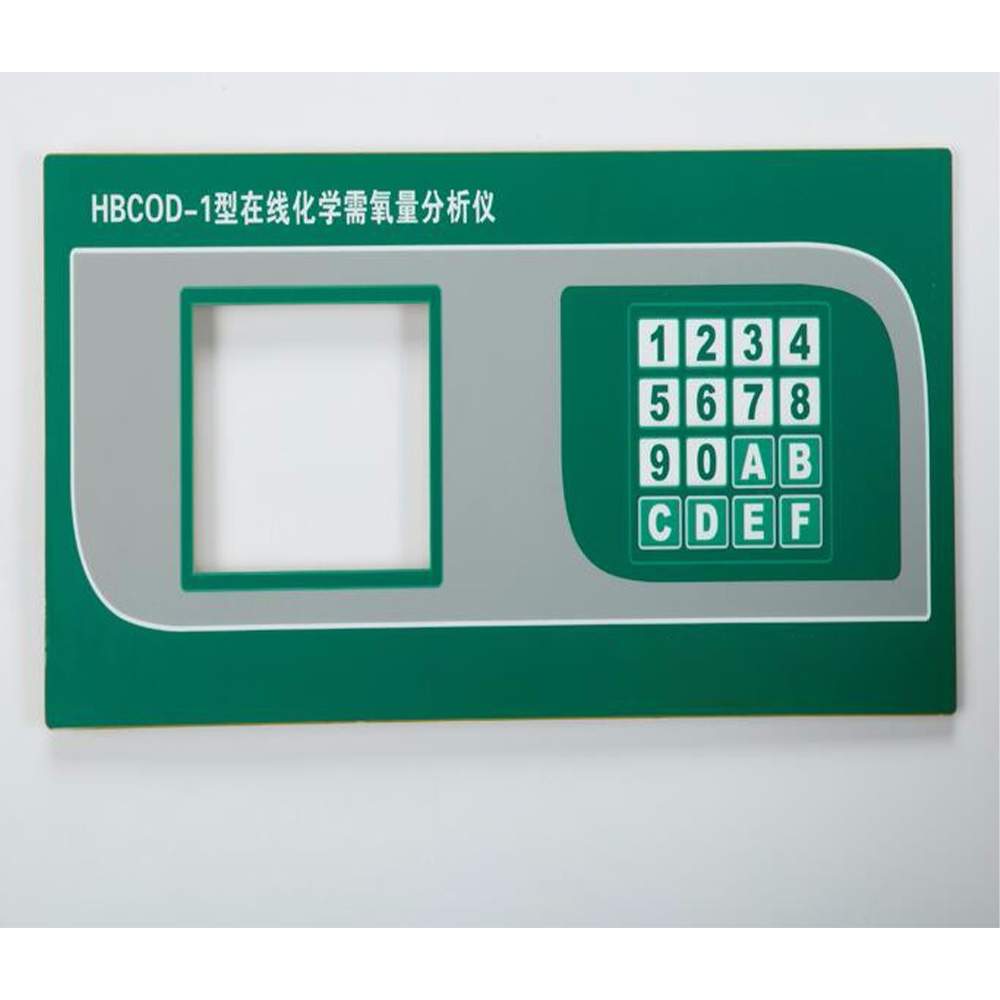
High Quality PET PC Membrane Keyboard Custom Logo Fast Delivery MBR Meiborui
Technical Specs →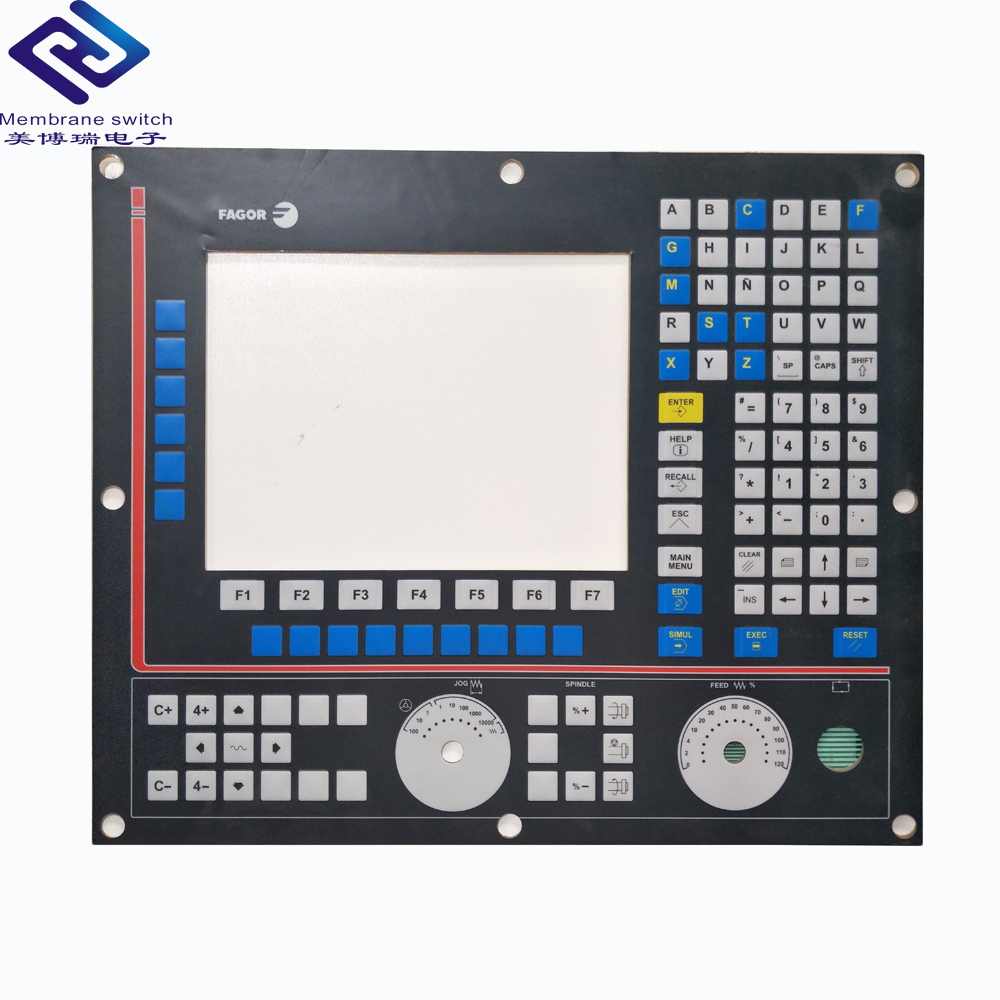
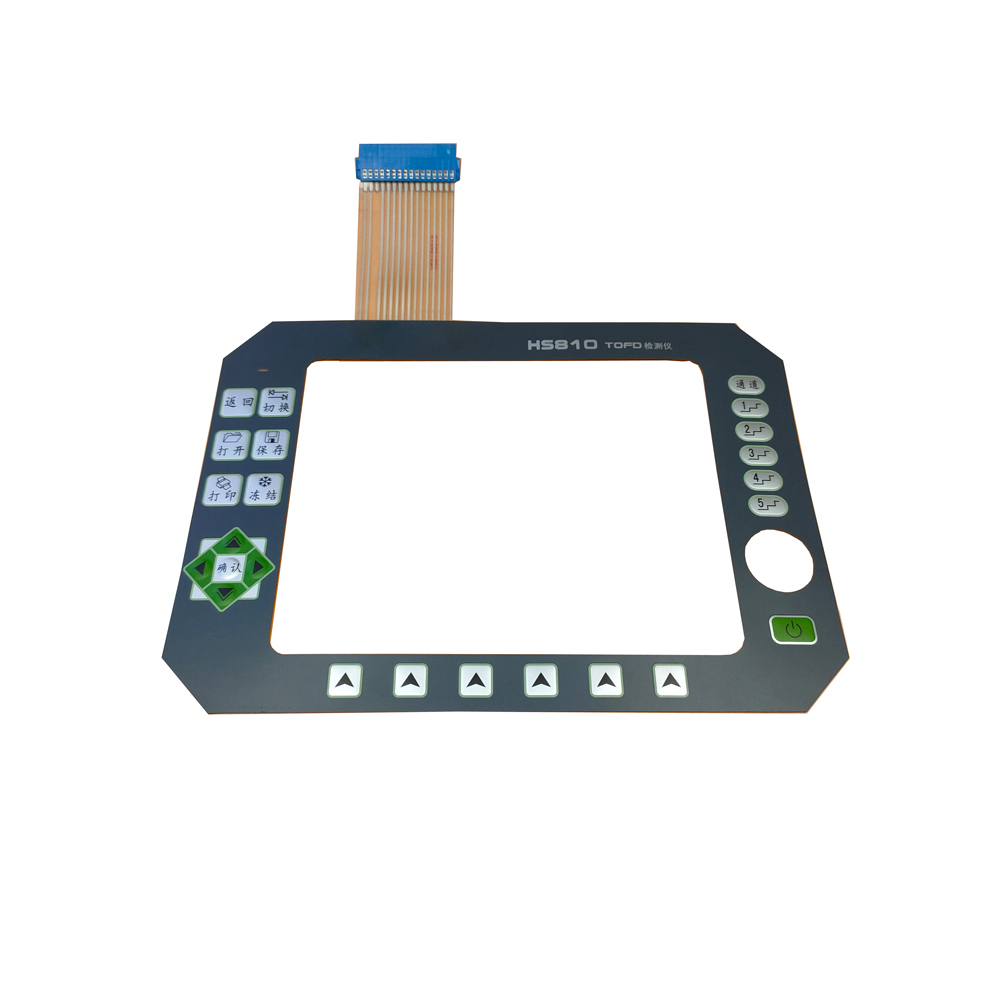
CNC Milling Machine Keypad Membrane Control Panel for Industrial CNC Panel
Technical Specs →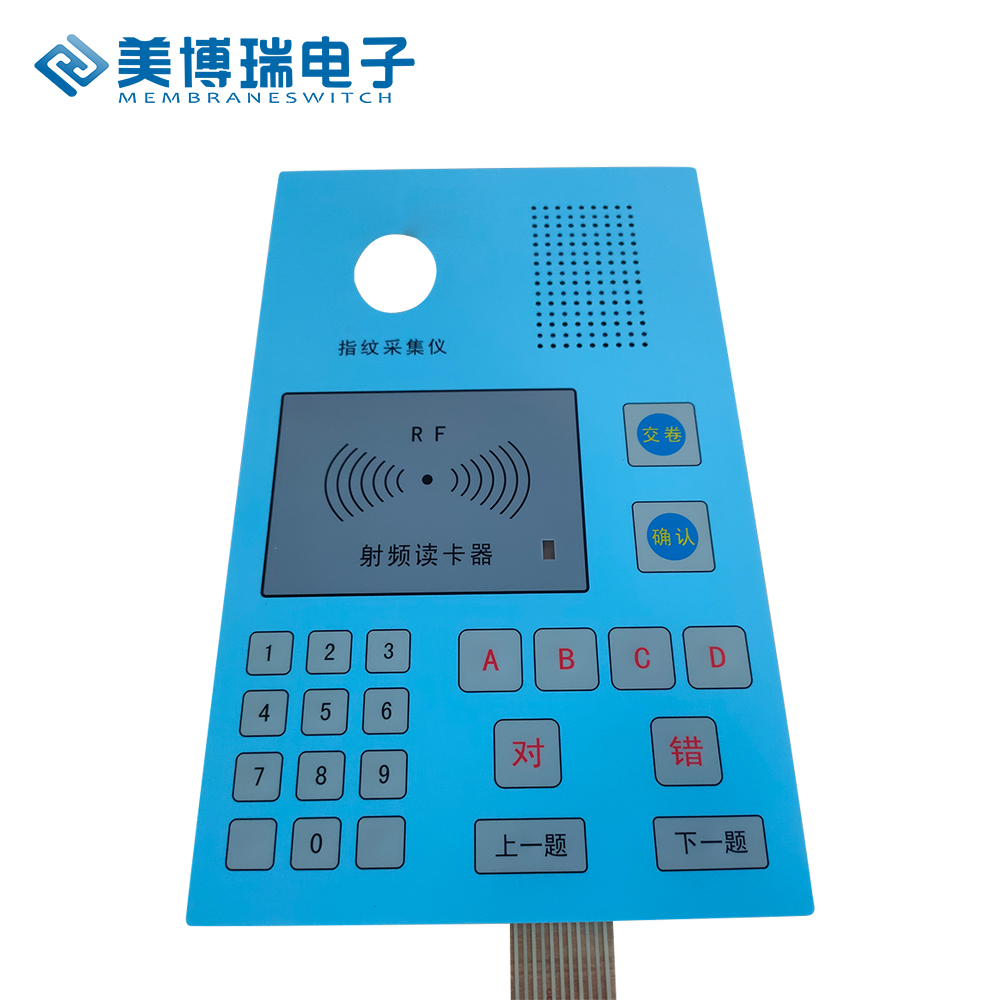
MBR ISO9001 Sealed Membrane Switches Keypad IP65 Waterproof 3M Adhesive
Technical Specs →
Fast Delivery OEM PBT Keyboard Cap Mechanical Switch Silkscreen Printed
Technical Specs →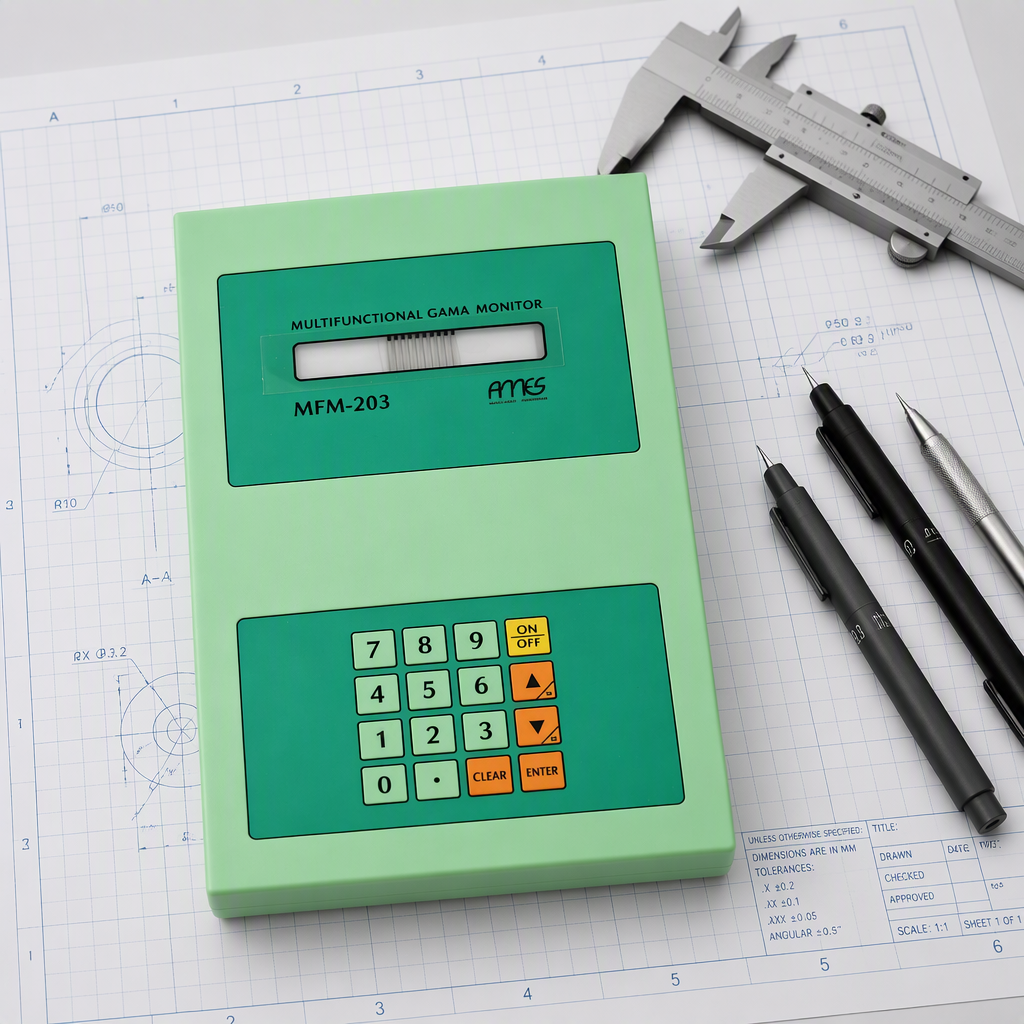
Meiborui Custom PBT Keyboard Cap Silkscreen Printed Waterproof Sticker
Technical Specs →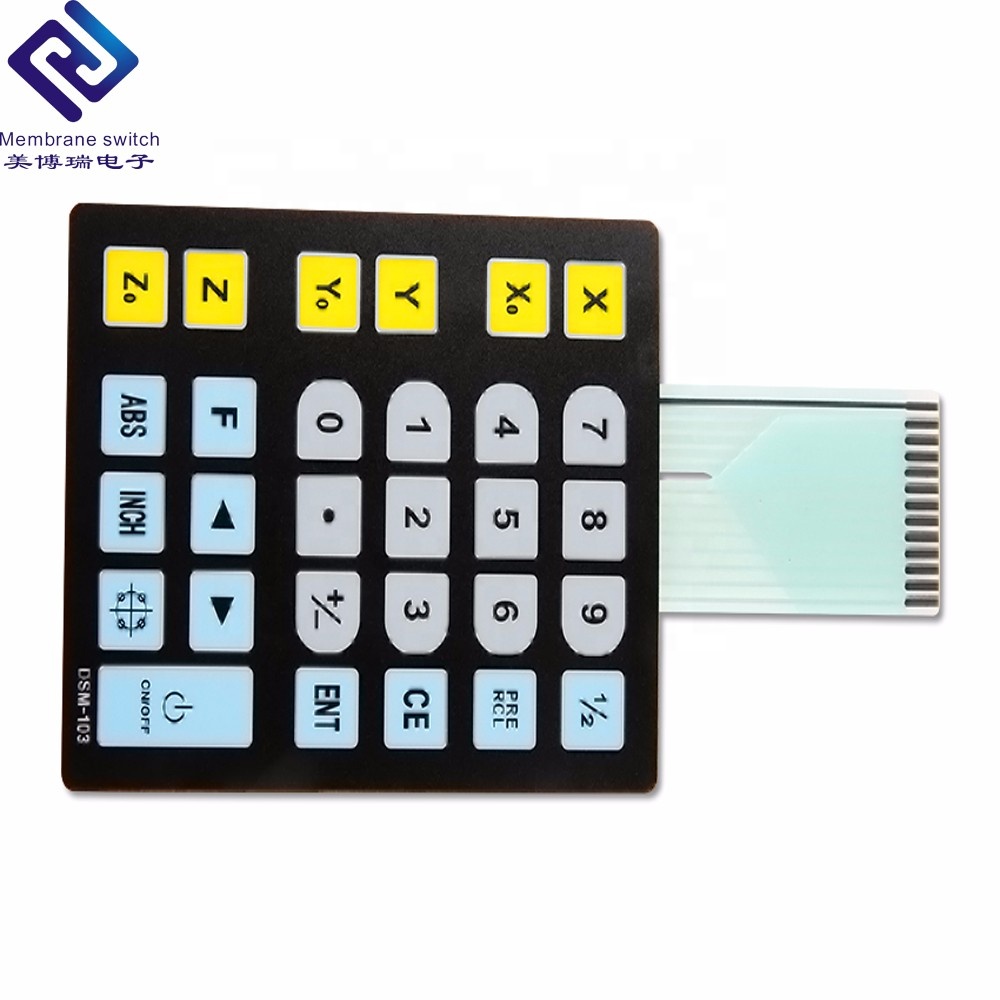
Factory Membrane Switch Keypad with Rubber Buttons MCU Expansion Layout
Technical Specs →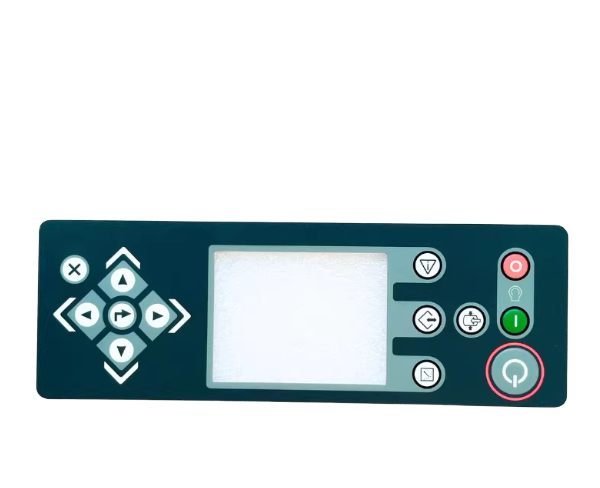
Custom Flexible Temperature Touch Control Keypad Clear Window PET HMI
Technical Specs →Strategic Engineering of Polycarbonate Graphic Overlays for Cartago's Industrial Ecosystem
As the premier manufacturing exporter supplying the Cartago basin and broader Central American free trade zones (Zona Franca La Lima, Cartago Industrial Park, and Zeta Free Zone), we specialize in the advanced engineering, sub-surface silkscreen printing, digital UV flatbed deposition, and laser micromachining of custom polycarbonate graphic overlay panels. These mission-critical interface components serve as the front line of interaction between human operators and complex microprocessor-based control systems.
Polycarbonate (PC), particularly formulated grades such as Sabic Lexan™ 8010, 8A35, and HP92W, represents the benchmark substrate across medical electronics, diagnostic instrumentation, food-grade automated sorting lines, and ruggedized industrial CNC machinery. In high-demand environments, standard surface-printed decals degrade rapidly under the friction of repetitive tactile actuation, exposure to aggressive disinfectant chemistry, and environmental thermal cycling. Our production architecture resolves this failure mode by utilizing second-surface reverse printing: inks are deposited onto the backside of transparent, optical-grade polycarbonate sheeting. The structural polymer itself acts as an impervious armor shield, insulating the legends, Pantone-matched hues, conductive traces, and opaque dead-front backgrounds from scratch hazards, alcohol washdowns, and UV degradation.
Engineering Information Gain: For procurement teams operating inside Cartago’s Free Trade Zones, selecting the right polycarbonate overlay specification requires balancing tensile modulus, light transmission, chemical cross-linking, and dielectric strength. Our technical consulting team provides end-to-end design for manufacturability (DFM) reviews to ensure compliance with strict ISO 9001 and ISO 13485 cleanroom expectations.
Material Selection: Optical, Mechanical, and Chemical Characterization
Polycarbonate offers distinct structural advantages over biaxially oriented polyethylene terephthalate (PET) and polyvinyl chloride (PVC), particularly in mechanical dimensional stability, heat deflection resistance, and optical transparency for integrated alphanumeric LED and graphic LCD windows:
Impact & Thermal Resilience
With an Izod impact resistance exceeding 600-800 J/m and a continuous operating temperature rating ranging from -40°C to +125°C, our polycarbonate overlays do not warp, crack, or delaminate under localized thermal surges common in power electronics enclosures.
Optical Transmission & Filtering
We engineer crystal-clear display apertures with light transmission exceeding 89-91%. By deploying selective anti-glare matte texturing alongside colored translucent tinting, we optimize contrast for OLED, TFT, and 7-segment LED readouts without optical refraction.
Dead-Front Secret-Until-Lit Effects
Through micron-accurate ink layer opacity balancing, we create elegant dead-front graphics. Telltale icons, alarm warnings, and emergency stops remain completely invisible until backlit by internal LEDs, preventing cognitive clutter for medical and industrial operators.
Engineering Substrate Comparison: Polycarbonate vs. PET vs. Acrylic
Selecting the optimal front panel material demands rigorous evaluation against chemical immersion, flexural fatigue life, and cosmetic tactile criteria. Below is our empirical testing benchmark tailored for Cartago's design engineers:
| Performance Property | Polycarbonate (PC - Lexan™) | Polyester (PET - Autotex™) | Acrylic (PMMA) |
|---|---|---|---|
| Tactile Actuation Life | 100,000 to 500,000 cycles (ideal for flat switch / low-stroke) | >5,000,000 cycles (superior flex fatigue life) | Rigid (non-actuatable) |
| Pencil Hardness (Standard / Hardcoated) | HB (Standard) / 2H to 3H (Chemical Hardcoat) | 2H to 3H | 3H to 5H (Naturally hard, brittle) |
| Chemical Washdown Tolerance | Moderate (Excellent with UV Hardcoat against IPA, bleach) | Superior against harsh industrial solvents & ketones | Poor against ketones and aromatic solvents |
| Embossing Profile Retention | Excellent thermal forming (rim, dome, and pillow embossing) | High retention (requires hydroforming/thermoforming) | Cannot be embossed (flat sheet only) |
| Flammability Rating | UL 94 V-0 or VTM-2 rated available | UL 94 VTM-2 | UL 94 HB (Readily combustible) |
| Die-Cutting Precision | Zero-burr clean edges via CNC laser or steel rule die | Clean cut via CNC or high-speed rotary die | Requires CNC milling or diamond blade cutting |
Localized Application Scenarios Across the Cartago Province Ecosystem
Cartago has rapidly evolved into Central America’s premier epicenter for Life Sciences, Advanced Electronic Manufacturing, and Industrial Robotics. Situated within the central valley of Costa Rica, foreign direct investment has transformed facilities in Zona Franca La Lima and surrounding industrial parks into world-class manufacturing outposts for North American and European multinational corporations.
Exporting high-performance polycarbonate graphic overlays to this sophisticated demographic requires solving real-world mechanical, atmospheric, and regulatory challenges unique to Cartago’s industrial landscape:
Medical Device Cleanrooms (Class VII / VIII)
Cartago’s medical sector produces diagnostic machines, infusion pumps, and surgical power tools. Our overlays feature anti-microbial textured finishes, zero-crevice surface architecture, and resistance to repeated wipe-downs using 70% Isopropyl Alcohol (IPA), quaternary ammonium, and bleach solutions without clouding or ink lift.
Tropical Environmental & Humidity Protection
Costa Rica’s tropical climate presents significant ambient relative humidity (often exceeding 80-90%). Standard adhesives suffer shear slippage or micro-blistering. We integrate medical-grade, high-cohesion transfer tapes such as 3M 467MP, 468MP, and 300LSE, providing hermetic edge sealing that completely locks out moisture vapor.
Industrial Automation & CNC Workstations
Local industrial assembly facilities utilize our robust polycarbonate front facings for packaging systems, pick-and-place robotics, and CNC machine panels. Our selective rim and pillow embossing gives tactile confirmation to operators wearing industrial latex or nitrile work gloves.
Emerging Market Trends: What Cartago Purchasing Managers Need in 2025–2030
The manufacturing landscape in Costa Rica is undergoing rapid technical sophistication driven by nearshoring dynamics, semiconductor initiatives, and Industry 4.0 automation. Based on continuous export metrics and supplier interactions in the Cartago region, three primary trends dominate future procurement specifications:
1. Shift Toward Hybrid Capacitive-Touch & Backlit Architectures: Traditional mechanical dome switches are increasingly paired with or replaced by capacitive touch sensors integrated directly behind second-surface printed polycarbonate faces. By pairing polycarbonate overlays with optical clear adhesives (OCA) and thin light guide films (LGF), our China facility supplies Cartago plants with ultra-slim, flush-mount interfaces that prevent particulate ingress while offering multi-color LED visual feedback.
2. Cleanroom Sterilization Compliance (RoHS, REACH, and Bio-Compatibility): Overseas engineering teams operating in Cartago enforce strict regulatory scrutiny. Materials must be completely free of hazardous plasticizers and heavy metals. Our polycarbonate raw materials and UV-curing inks are rigorously tested under SGS and Intertek oversight, complying fully with RoHS 3 (EU 2015/863), REACH (EC 1907/2006), and flammability certifications compliant with UL specifications.
3. Accelerated Prototyping and Nearshore Supply Chain Velocity: To support rapid iterative engineering cycles, Cartago OEMs cannot afford 10-week development delays. Leveraging our digital UV printing fleet (including four Mimaki high-resolution flatbed printers) and high-speed CNC laser cutters, we produce precision functional prototypes within 48 to 72 hours, delivering directly to Costa Rican manufacturing sites via priority air freight (DHL / FedEx / UPS) within 4 to 6 business days.
Why Cartago Engineers Rely on Our Chinese Manufacturing Centers
Founded on technical expertise tracing back to 1990, TAVO Electronic Information Technology Co., Ltd. operates state-of-the-art production floors in the Robot Industry Port of Xianghe Development Zone (Hebei) and a secondary strategic high-volume hub in Huizhou (Guangdong). Every single production phase—from original CAD layout drafting, film exposure, and automatic screen printing to precision embossing, cleanroom laminating, and 100% circuit continuity testing—is controlled in-house.
Through our long-term technical cooperation with German membrane switch engineers, we deploy advanced European quality criteria directly into our Chinese operations. Our production facilities are managed under strict ISO 9001 quality systems and onsite verification by Intertek, ensuring full transparency, dimensional stability (±0.05mm), and verified batch-to-batch repeatability.
Frequently Asked Questions: Sourcing Polycarbonate Overlays for Cartago Operations
Our international trade and technical support engineers answer the most frequent inquiries raised by sourcing leaders, quality engineers, and supply chain directors across Costa Rica:
How do we prevent overlay delamination in Cartago’s humid climate?
Delamination in tropical environments is typically triggered by low-grade pressure-sensitive adhesives vulnerable to moisture plasticization. We engineer our overlays using authentic 3M high-performance acrylic adhesives (such as 3M 467MP for smooth metal/enclosure surfaces or 3M 300LSE for low-surface-energy powder-coated or injection-molded plastics). We also formulate a 0.5mm to 1.0mm adhesive setback around perimeter die-cuts to prevent moisture wicking.
Can you accurately match corporate Pantone or RAL colors?
Yes. Utilizing German-calibrated spectrophotometers and computerized ink dispensing systems, we guarantee color matching tolerances down to Delta E < 1.0. We verify colors under standard D65, A, and TL84 light booths. Both metallic, translucent, fluorescent, and opaque inks can be formulated to match exact brand and functional identity requirements.
What engineering files are needed to begin mold tooling?
To initiate a rapid engineering review, clients typically submit vector graphic artwork in Adobe Illustrator (.AI), PDF, CorelDraw (.CDR), or EPS format, along with 1:1 mechanical die-cut drawings in DXF, DWG, or STEP. Our CAD team reviews critical dimensions, switch actuation clearances, LED window margins, and tail escape paths, returning an approved fabrication proof prior to hard tooling.
What are the standard international trade terms and transit times to Costa Rica?
We routinely execute shipments under FOB Shenzhen/Shanghai, CFR, CIF, and DDP terms. For rapid pilot runs and mid-volume batches serving Cartago, air cargo via DHL, FedEx, or UPS arrives at Juan Santamaría International Airport (SJO) in San José within 4 to 6 business days, clearing customs rapidly via standard import processing. Sea freight containers for high-volume serial production transit to Puerto Caldera or Puerto Limón within 22 to 28 days.
How does polycarbonate perform against sterilization methods used in Cartago?
Standard polycarbonate is highly resistant to Ethylene Oxide (EtO) sterilization and gamma radiation when formulated with medical stabilizers. For repeated surface wiping with liquid chemical germicides (hydrogen peroxide vapors, glutaraldehyde, or isopropyl alcohol), we apply a proprietary hardcoated cross-linked polyurethane surface lacquer that boosts pencil scratch resistance to 3H and protects polymer bonds from solvent attack.
Do you support pilot-run batch quantities with custom cutouts?
Yes. Unlike many manufacturing suppliers requiring thousands of units per order, our dual-production infrastructure combines laser micromachining and high-resolution digital UV printing. This allows us to supply pilot builds of 25, 50, or 250 units without requiring expensive steel die tooling, minimizing upfront project risk for your product introduction cycles.