IP67 Waterproof
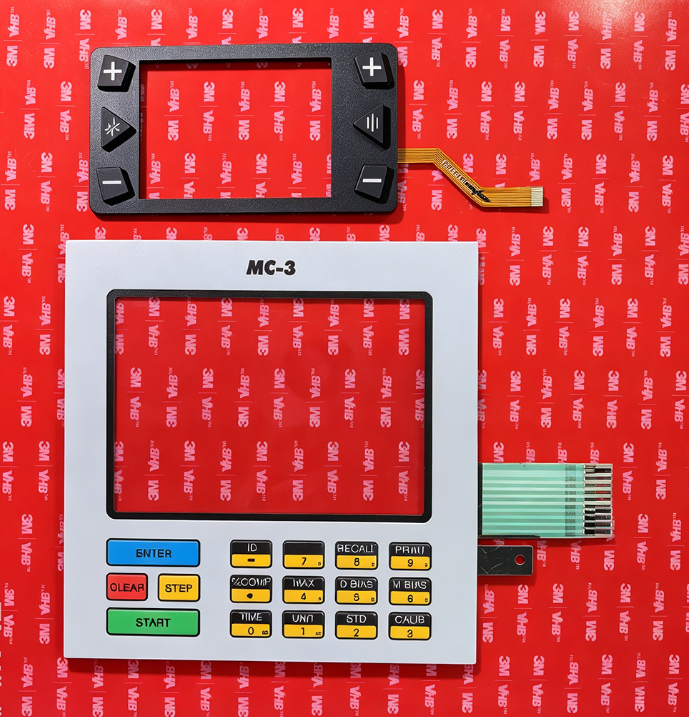
Engineered to deliver chemical isolation, sub-surface graphic permanence, and mechanical resilience for Šumadija District industrial machinery and vehicle systems.
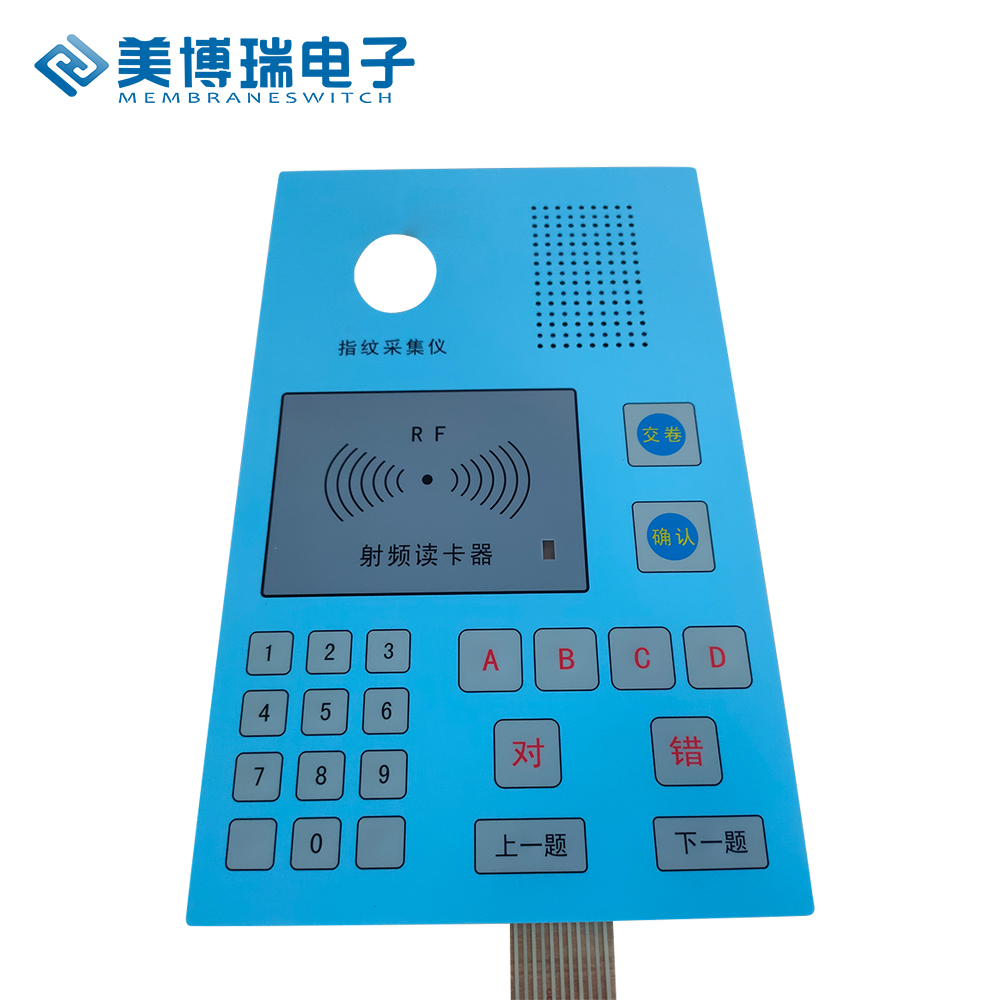
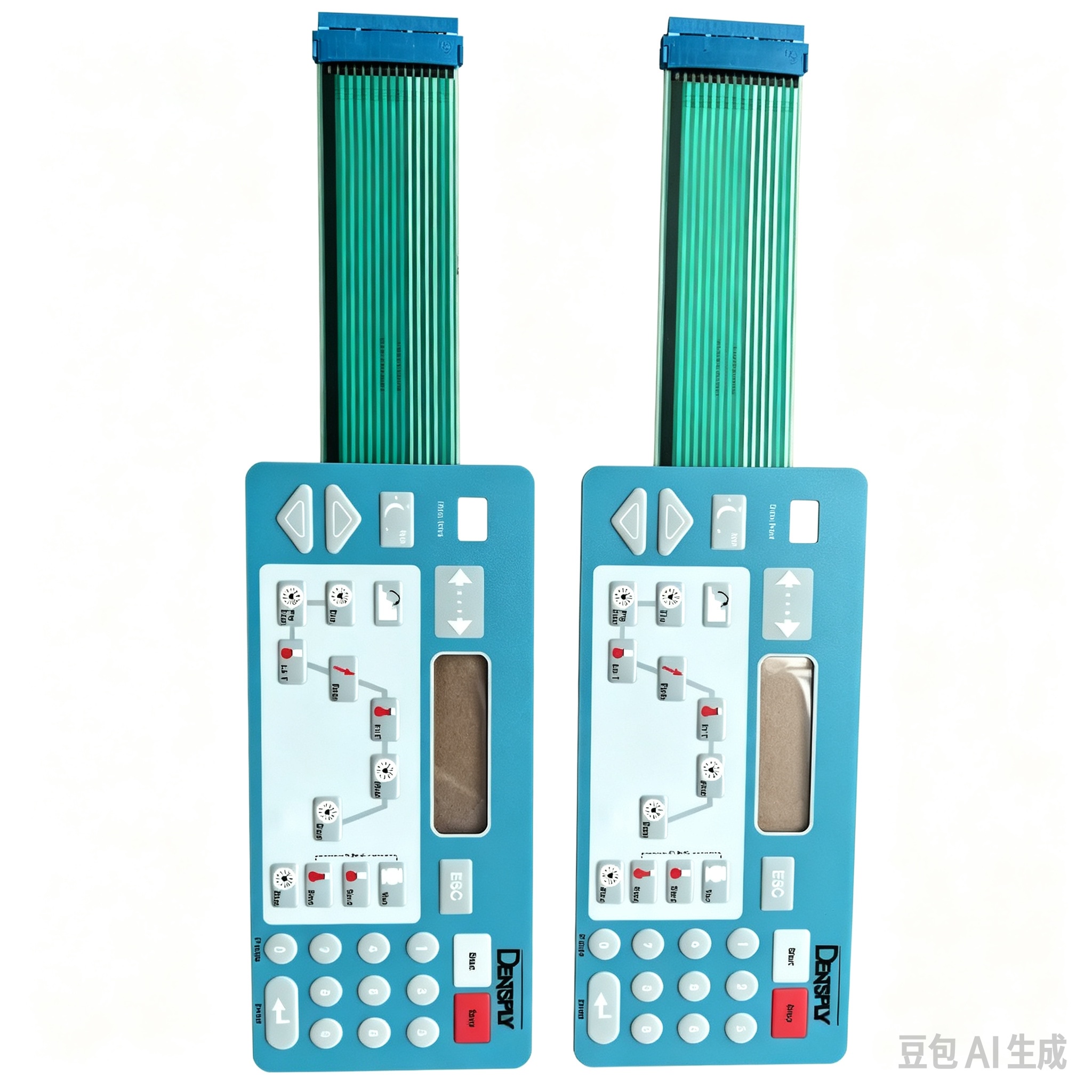
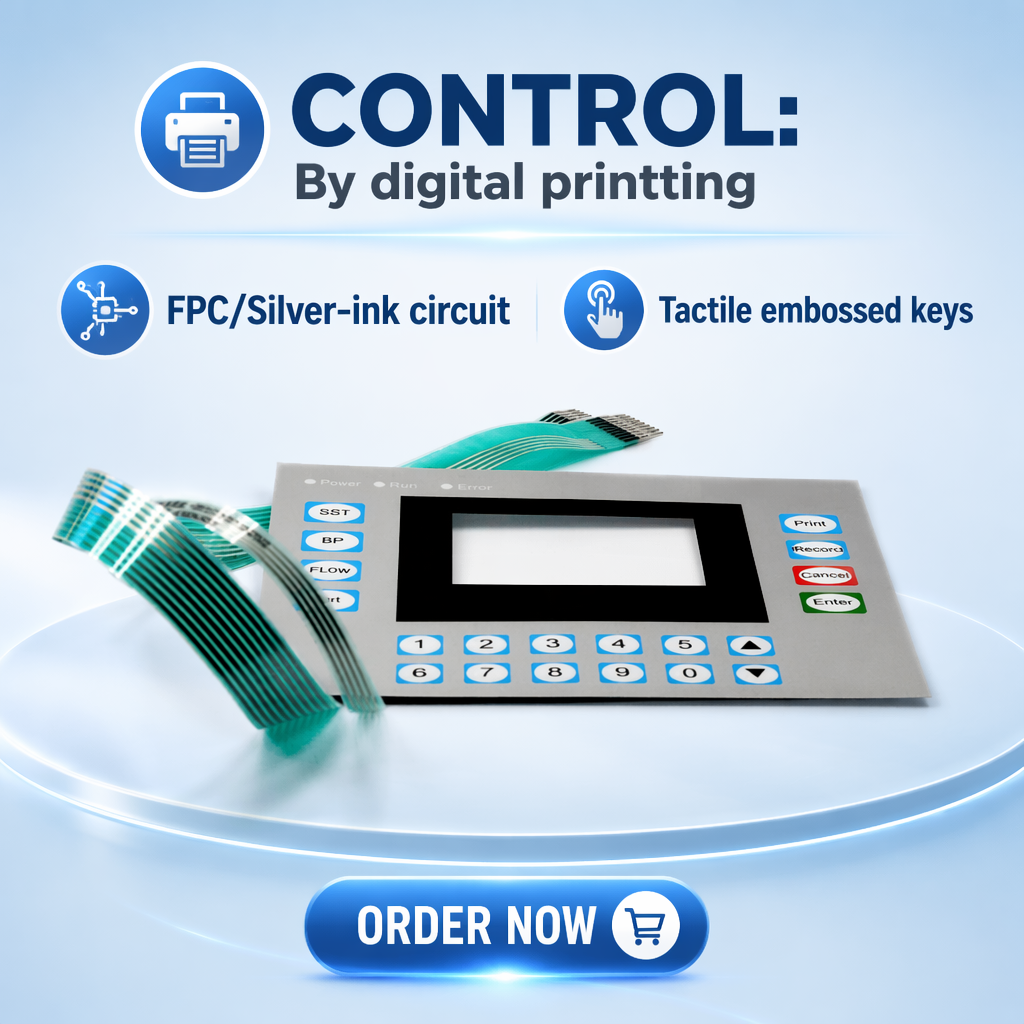
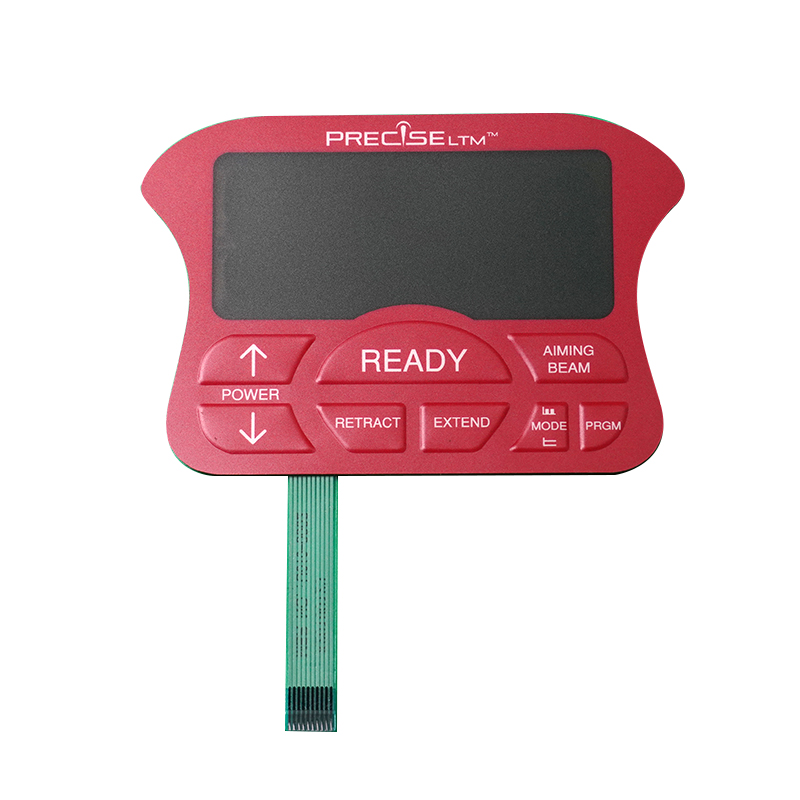
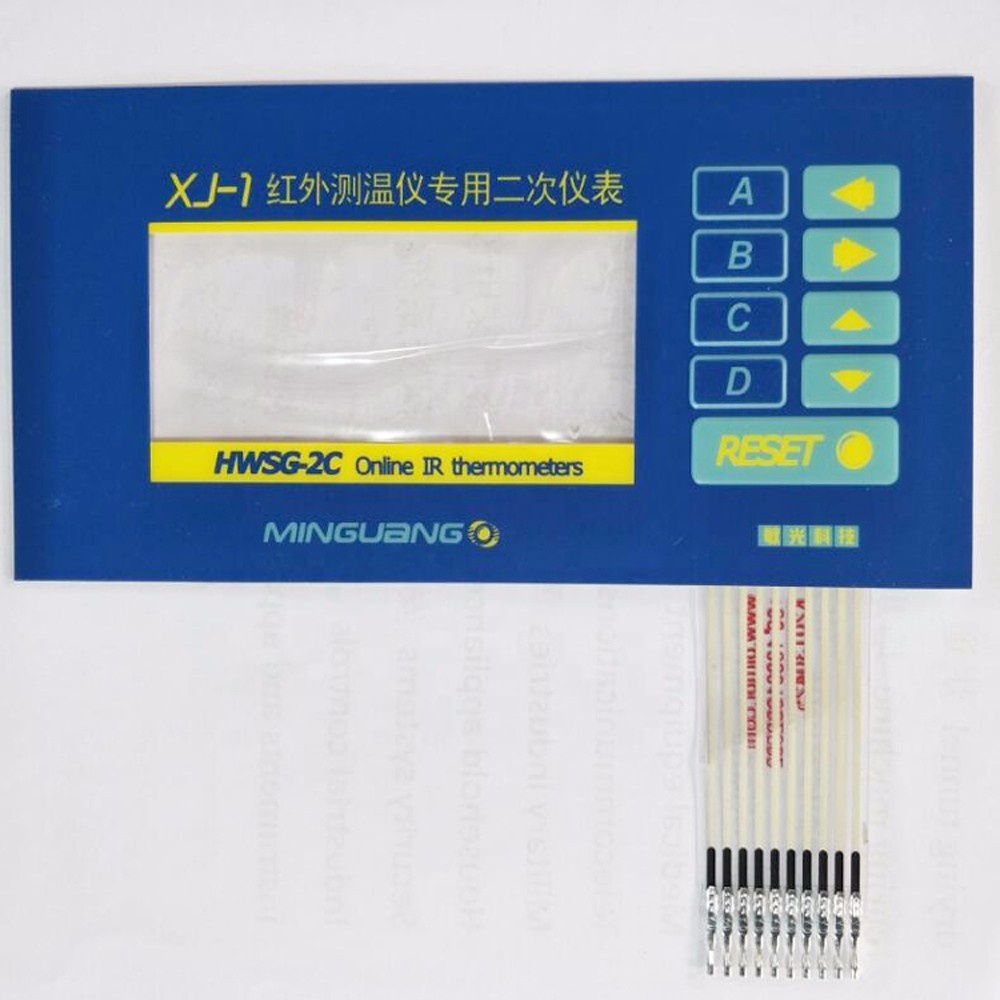
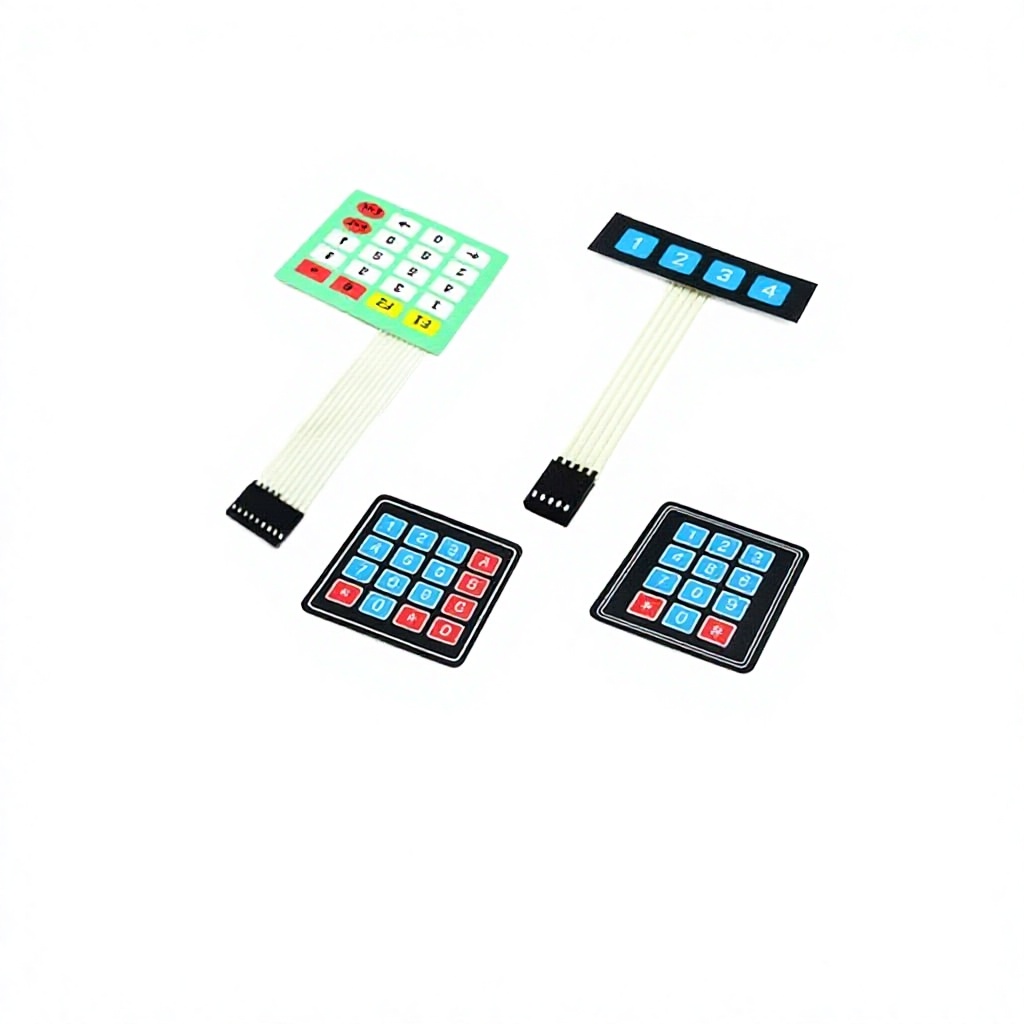
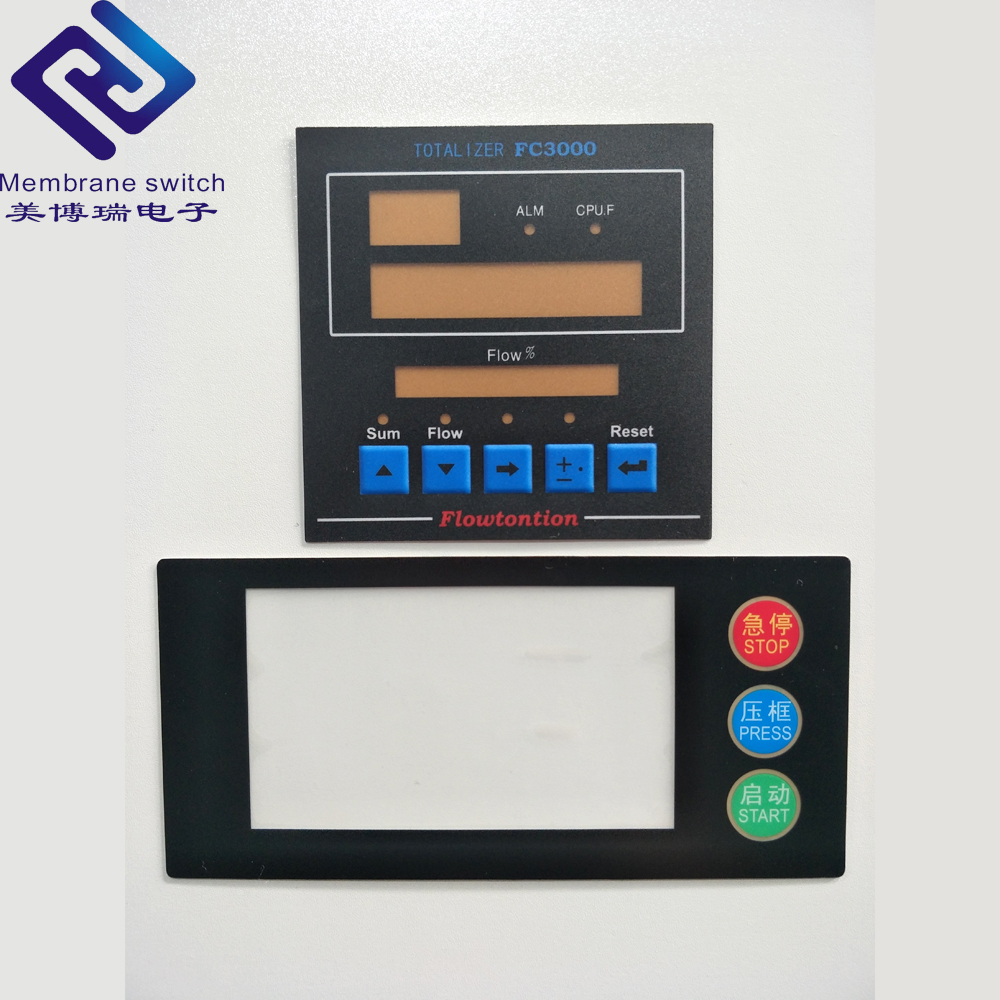
Analyzing the strategic convergence of Chinese precision manufacturing and Central Serbia’s rapidly modernizing automotive, defense, and machine-building sectors.
Kragujevac has served as Serbia’s automotive capital for over a century. With modern EV platforms transitioning into serial production, Tier-1 and Tier-2 suppliers require polycarbonate front fascias that balance Class-A automotive cosmetic finishes with high thermal stability (up to 125°C under dashboard conditions). Our sub-surface printed Lexan™ overlays resist continuous UV exposure, fluid intrusion (brake fluids, oils), and cabin thermal cycling.
Facilities across the MIND Industrial Park and local engineering workshops deploy high-power CNC milling centers, metal extrusion equipment, and automated packaging systems. Front interface panels face severe mechanical shock, hydraulic oil spray, and abrasive swarf. By pairing hard-coated textured polycarbonates with 3M 300LSE adhesive transfer tapes, our overlays maintain 100% peel-bond integrity even on low-surface-energy powder-coated steel consoles.
Kragujevac’s regional connectivity relies heavily on modernized rail corridors and locomotive servicing. Cab interfaces require anti-vibration durability, tactile certainty under operator gloves, and full fire-smoke-toxicity (FST) compliance. Our locomotive membrane control panels incorporate integrated aluminum backer plates (1.5mm to 3.0mm) and stainless steel dome arrays rated to over 1,000,000 actuations.
| Performance Vector | Standard Polycarbonate (Lexan 8010) | Hard-Coated Polycarbonate (Lexan HP92W) | Biaxially-Oriented PET (Autotype V200) |
|---|---|---|---|
| Primary Application in Kragujevac | General instrumentation, non-exposed consoles | EV dashboard bezels, outdoor diagnostic units | Continuous-actuation keyboards, high flex-fatigue |
| Pencil Hardness (ASTM D3363) | HB - B (Prone to hairline micro-scratches) | 1H - 2H (Superior scratch/mar resistance) | 3H (Excellent surface resilience) |
| Chemical Resistance | Vulnerable to aromatic hydrocarbons & alcohols | Enhanced resistance to fuels, oils & MEK | Exceptional resistance to chemicals & cleaners |
| Actuation Flex Life (Switch Domes) | < 100,000 cycles (Risk of micro-crazing) | ~ 200,000 cycles (Requires flat switch zone) | > 5,000,000 cycles (Optimal for tactile domes) |
| Die-Cutting & Embossability | Flawless cold embossing; crisp rim/pillow forms | Requires precise thermal embossing | Requires matched metal hot-tooling dies |
How technological convergence is redefining graphic overlay manufacturing for smart factories and automotive cockpits.
Traditional discrete LED indicators create intense bright spots and uneven visual distributions. Kragujevac equipment designers increasingly demand Light Guide Film (LGF) architectures. By etching micro-optical dots into ultra-thin (0.125mm) polycarbonate sheets, lateral edge-mounted SMD LEDs distribute photons uniformly across text legends and dead-front automotive icons while maintaining an assembly thickness below 1.2mm.
In heavy industrial facilities where large servo drives, VFD controllers, and high-frequency induction welders operate simultaneously, electromagnetic noise can trigger false keystrokes. TAVO integrates continuous screen-printed conductive grid patterns (silver ink or carbon paste) or solid aluminum foil layers, terminated via grounding tabs directly into the chassis ground to absorb over 60 dB of airborne attenuation.
Modern HMI front panels are moving from standalone switches to hybrid configurations containing high-resolution TFT-LCD or OLED displays. By utilizing automated roll-to-roll Optically Clear Adhesive (OCA) lamination in our Class 1,000 cleanrooms, we eliminate air gaps between the polycarbonate window and the display matrix. This achieves 99.2% light transmission, prevents internal condensation in Kragujevac’s cold winter seasons, and increases impact durability.
Combining German technical collaboration with vertically integrated, high-capacity Chinese manufacturing plants.
Every phase of your polycarbonate overlay manufacturing—from film output, laser die-cutting, precision embossing, to digital UV printing and automated testing—is performed inside our Hebei and Huizhou factories. We operate 60 CNC mold-making units, 37 precision screen printing lines, and 18 high-speed laser cutting workstations, ensuring zero subcontractor delays and strict IP protection.
To serve the stringent quality standards of the European continent, TAVO maintains a long-term technical cooperation agreement with a specialist German membrane switch factory. This alliance covers precision printing alignment methods, automated optical inspection (AOI) protocols, and standardized raw material qualifications (SABIC Lexan, MacDermid Autotype, 3M, Nicomatic connectors).
Reliability is physically verified before dispatch. Our internal testing center features computer circuit testers, automated mechanical button life-cycle simulators, programmable temperature/humidity chambers (-60°C to +150°C), xenon arc aging chambers for accelerated UV simulation, and continuous salt-fog spray chambers for anti-corrosion verification.
Real-world technical answers resolving lead time, customs, mechanical performance, and design handoffs.
For urgent prototype batches, air express (DHL/FedEx) via Belgrade Nikola Tesla Airport (BEG) takes approximately 4 to 6 business days. For volume manufacturing replenishment, consolidated container freight travels via the Port of Piraeus (Greece) or Port of Rijeka (Croatia), moving seamlessly by rail/truck directly into Kragujevac customs terminals within 28 to 35 calendar days.
If the control console is exposed to aggressive mineral oils, cutting emulsions, or aggressive isopropyl wipe-downs, we specify biaxially-oriented Polyester (PET) like Autotype Autoflex. While standard Polycarbonate (PC) provides exceptional impact resistance, prolonged contact with aromatic hydrocarbons can lead to micro-crazing unless an advanced hard-coat finish is engineered into the surface.
Yes. Our engineering shop matches colors against PANTONE®, RAL, or physical color chips using digital spectrophotometers (ΔE < 0.8). For backlit dead-front indicators, we apply multiple coats of semi-translucent smoke inks, ensuring the symbol remains completely invisible until the rear-mounted LED is illuminated.
We accept vector graphic artwork in DXF, DWG, Adobe Illustrator (.AI), or PDF formats. To quote and tool quickly, please provide outline dimensions, cut-out locations, key embossing heights, graphic colors with Pantone codes, circuit pin-out schematics (if integrating switches), and expected environmental operating parameters.