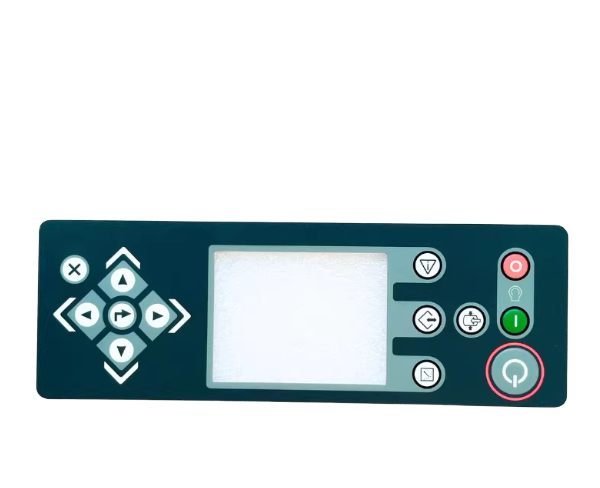
Custom Flexible Temperature Touch Control Keypad Membrane Panel Clear Transparent Window Waterproof Eco-friendly PET HMI
PET Substrate
Optical Window
IP67 Waterproof
White Paper on High-Precision HMI Interconnects, Rugged 4-Wire/5-Wire Resistive Architectures, and Central American Industrial Supply Chains
Engineered for high-humidity resilience, electrical stability, and gloved industrial actuation across demanding automation systems.
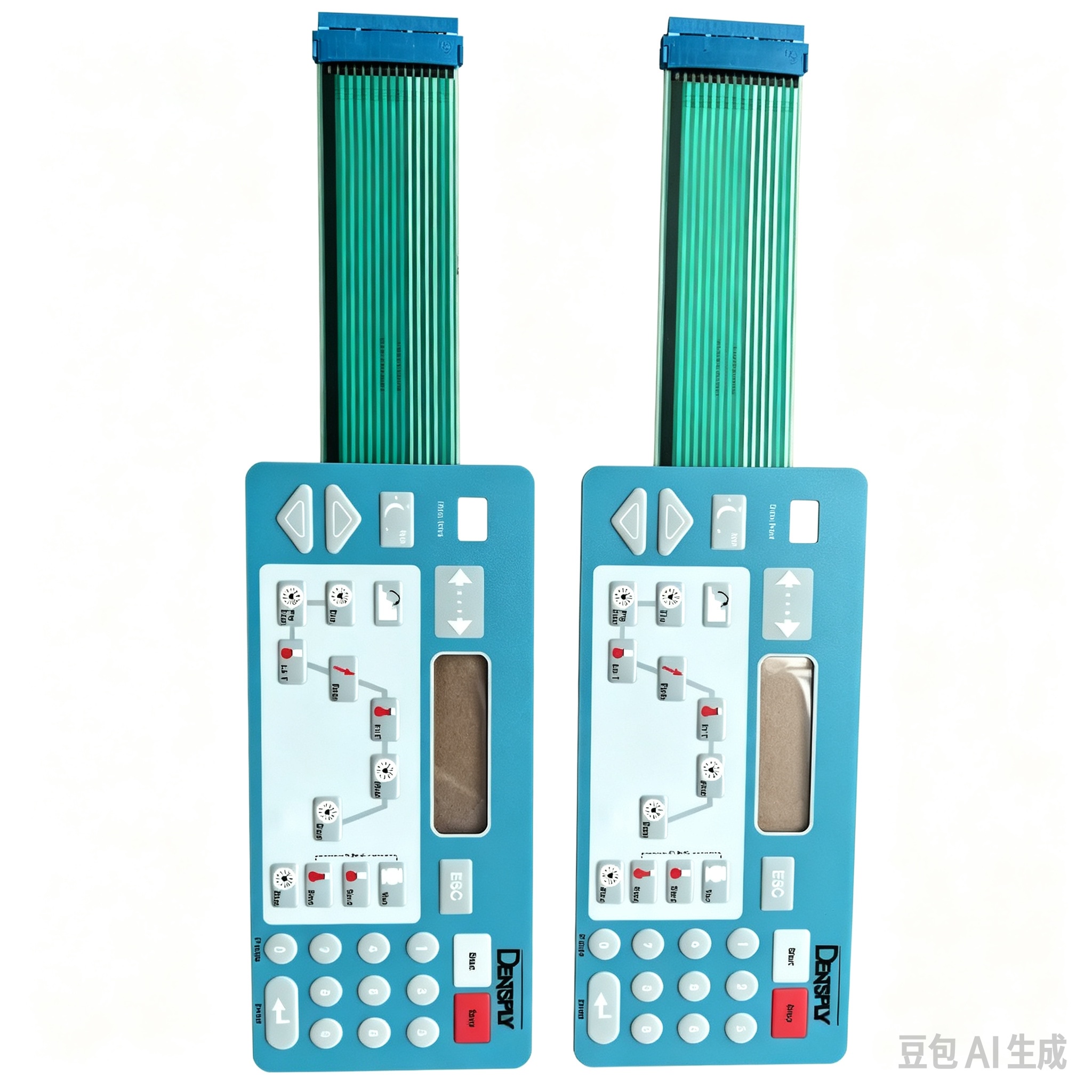
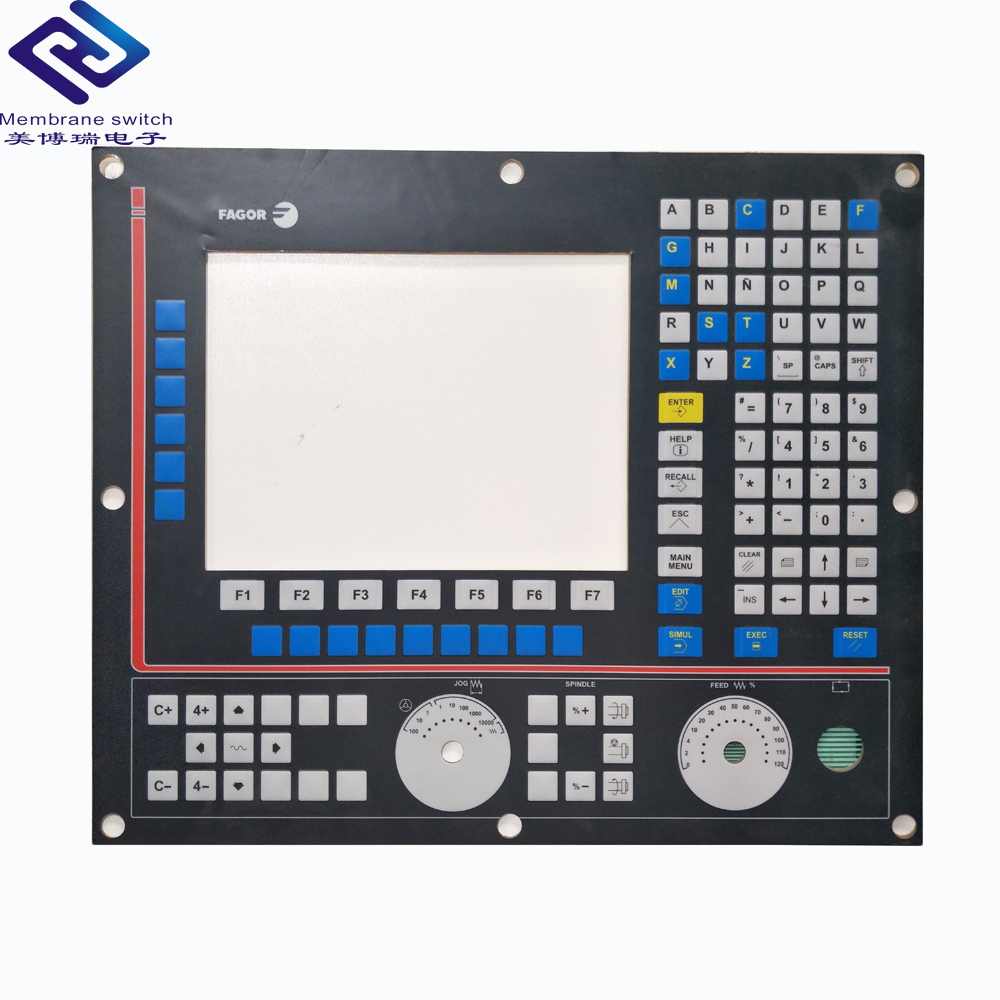
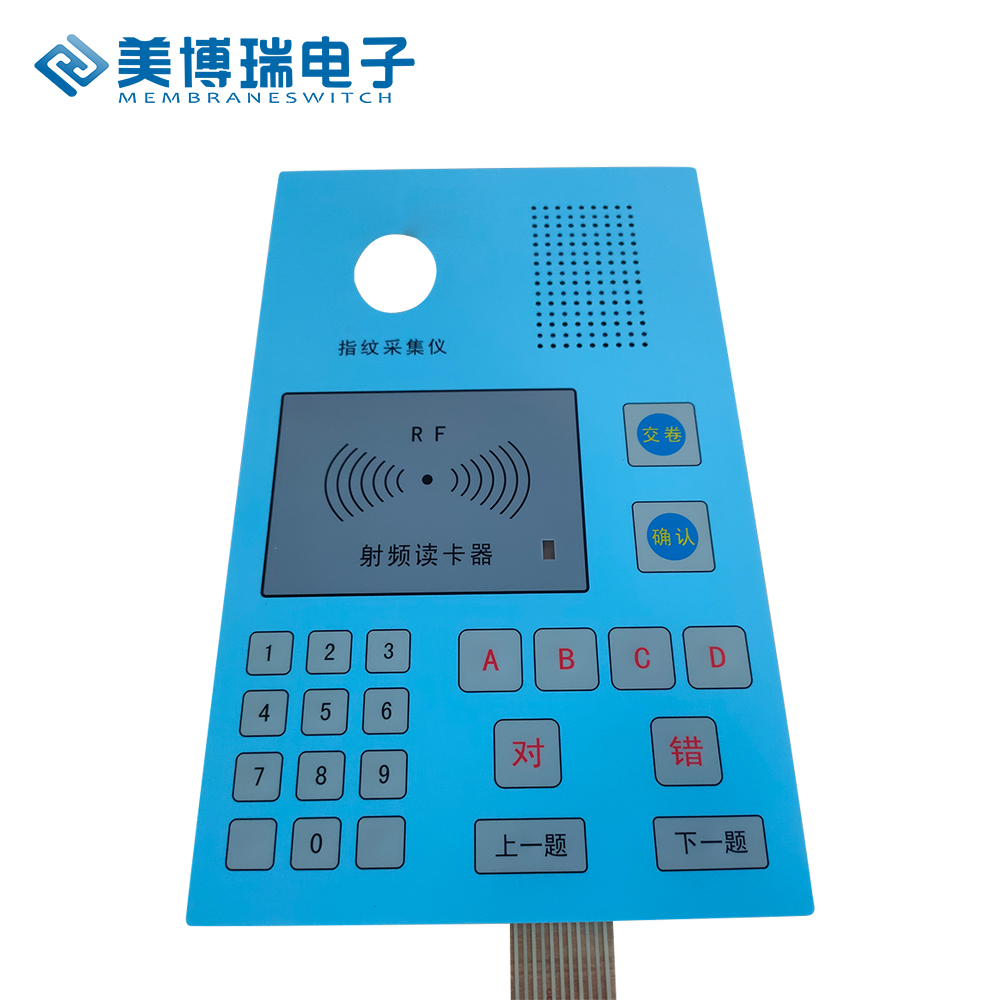
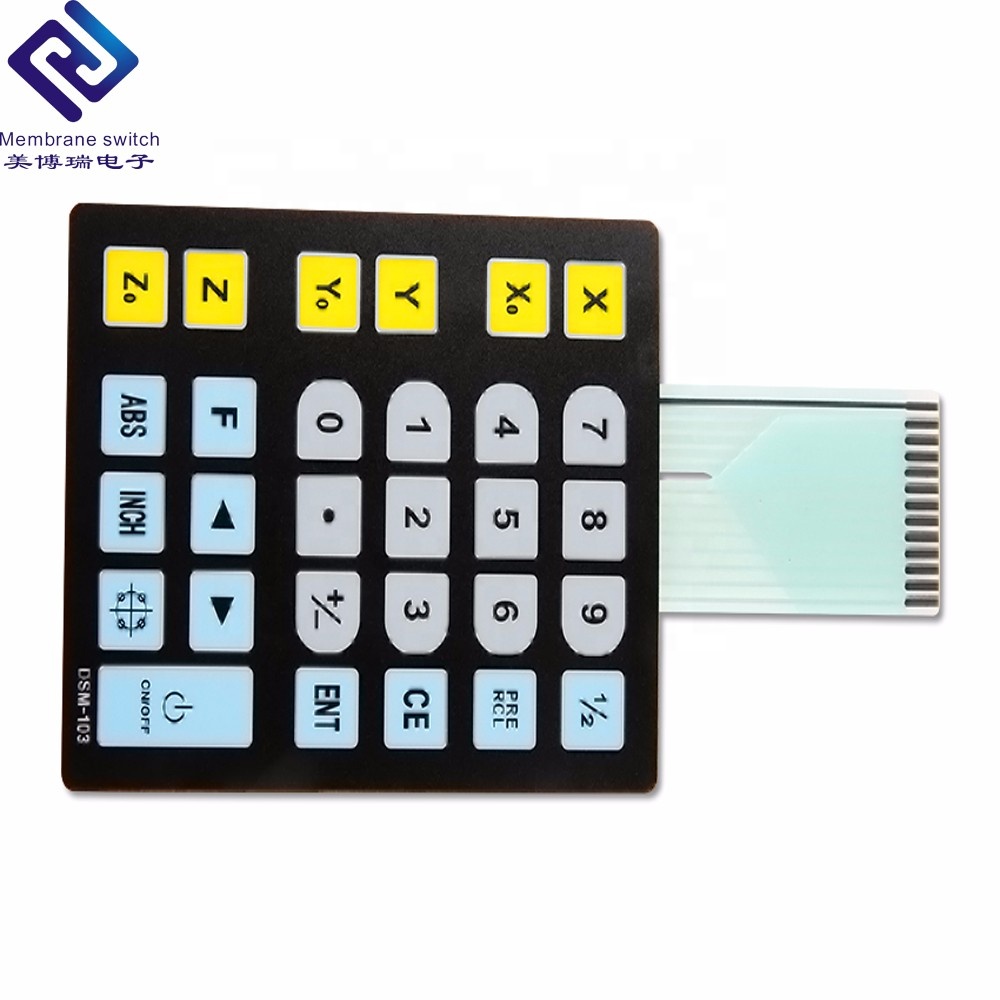
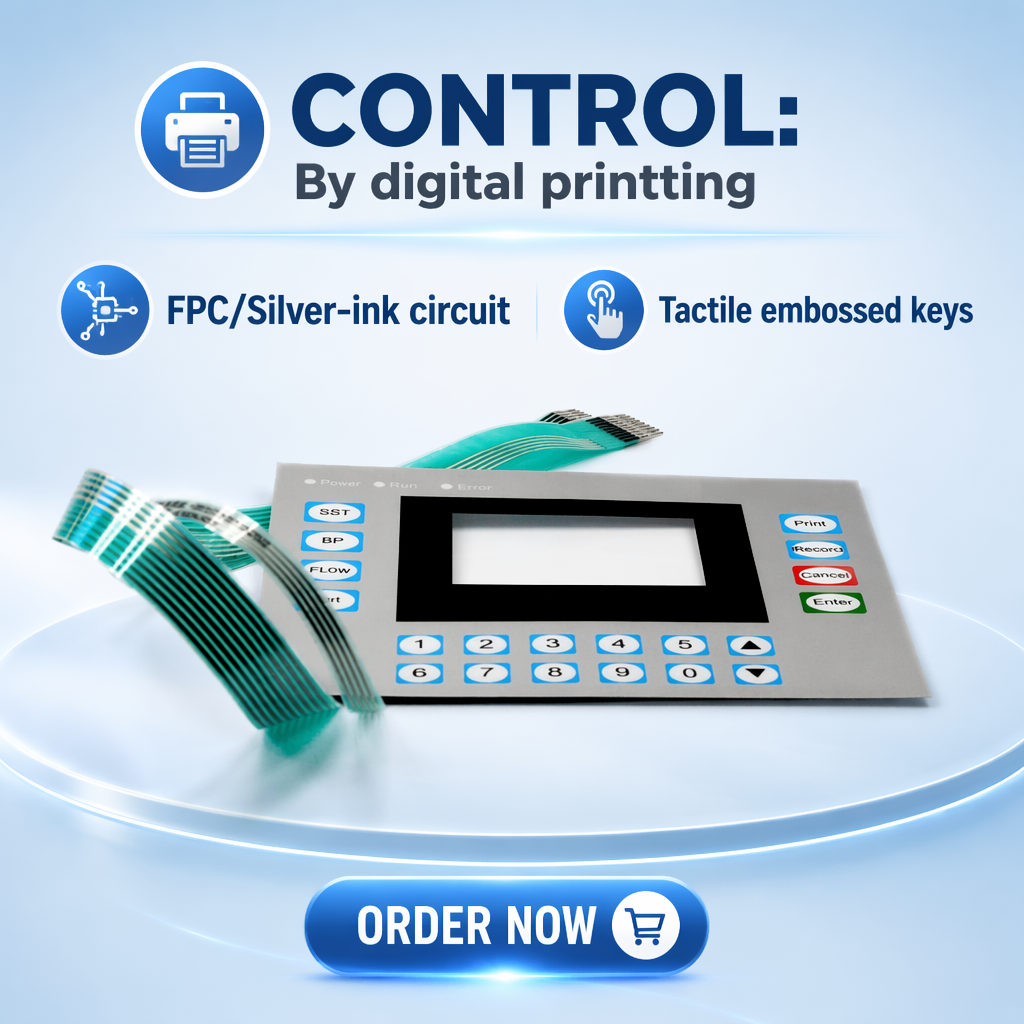
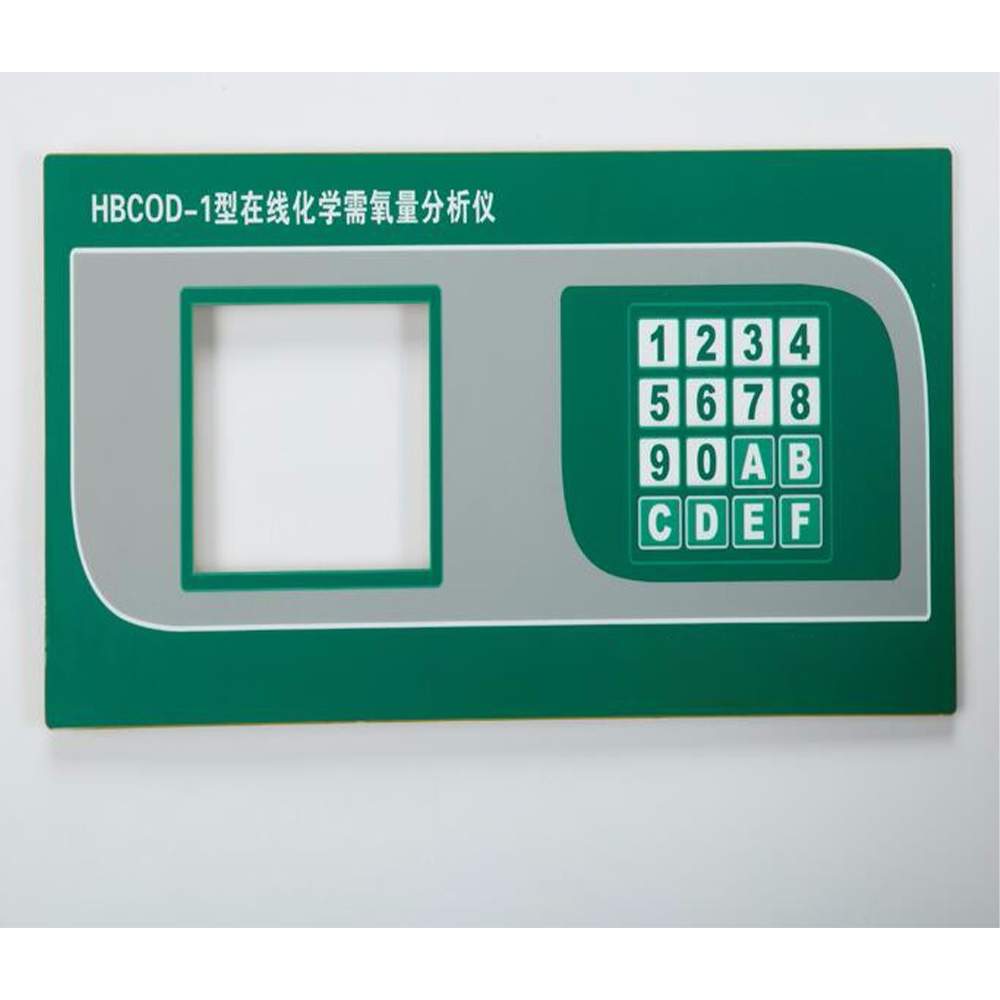
Resistive touch screens remain the definitive interface standard across industrial manufacturing, chemical handling, and heavy-duty logistics. Unlike projected capacitive (PCAP) panels that rely on dielectric coupling, resistive systems operate through pure mechanical displacement. When surface pressure brings the upper flexible conductive layer (indium tin oxide, or ITO-coated PET) into physical contact with the lower conductive glass or rigid substrate, an electrical voltage divider is established.
In municipal hubs like Mixco and the broader Guatemala Department industrial corridor, equipment must consistently perform through airborne particulates, heavy particulate contamination, tropical relative humidity ranging between 75% and 95%, and operator gloved inputs. 4-wire and 5-wire resistive sensor architectures provide absolute immunity to false touch triggers caused by water spray, conductive hydraulic mists, or heavy latex/leather protective work gloves.
Mixco is Guatemala's prime manufacturing gateway, home to textile maquiladoras, food and beverage processing plants, pharmaceutical packaging units, and regional warehousing along the CA-1 Pan-American highway.
Processing plants in Mixco handling sugar derivative fractionation, coffee roasting, and beverage bottling require washdown-tolerant HMI panels. Our resistive screens and sealed membrane switches withstand chemical sanitizers, IP65/NEMA 4 washdowns, and continuous steam exposure without moisture creep between laminated films.
In textile and garment manufacturing hubs around El Naranjo and San Nicolás, industrial sewing machinery, automated fabric laser cutters, and dyeing controls suffer from airborne particulate buildup. Resistive film surfaces eliminate dielectric drift while operators wear heavy protective gloves during high-speed production cycles.
Positioned along strategic transport corridors heading toward Puerto Quetzal and Santo Tomás de Castilla, distribution facilities rely on forklift terminals and handheld barcode scanners. Our wide-temperature resistive touch units operate reliably from -20°C up to +70°C without condensation failure.
A rigorous examination of supply chain realignment, nearshoring initiatives, and interface modernization across Central America.
Engineering departments across Mixco are actively transitioning away from legacy electromechanical pushbuttons toward integrated hybrid touch-keypad assemblies. By combining an optically clear 4-wire or 5-wire resistive sensor over an LCD display window with perimeter tactile metal dome keys, OEMs achieve both dynamic visual menus and critical physical tactile confirmation.
Furthermore, nearshoring to Guatemala has driven foreign capital investment into advanced assembly equipment. Sourcing directors require direct factory relationships in China to secure custom ITO film sputtering, sub-micron circuit etching, and ISO 9001-certified reliability testing, while circumventing intermediary trading markups.
Optical bonding using liquid optically clear adhesive (LOCA) or dry OCA film has also surged in demand across tropical latitudes, eliminating the internal air gap to prevent condensation under high thermal delta cycles between air-conditioned interiors and humid factory floors.
| Performance Parameter | 4-Wire Standard Resistive | 5-Wire Industrial Resistive | Resistive Touch + Integrated Membrane |
|---|---|---|---|
| Operating Life (Touches) | > 1,000,000 Single Hits | > 35,000,000 Single Hits | > 1,000,000 Tactile Actuations |
| Operating Temperature | -10°C to +60°C | -20°C to +70°C | -30°C to +80°C (Extended PET) |
| Surface Hardness (Pencil) | 3H Standard Anti-Glare | 3H to 4H Hard-Coated PET | 3H (PC) to >4H (Hard-coat PET) |
| Input Medium Immortality | Finger, Stylus, Gloved Hand | Finger, Stylus, Gloved Hand | Gloved Hand, Metal Stylus, Solid Tools |
| Chemical / Solvent Barrier | Standard Acetone / Alcohol | Enhanced Industrial Resins | Full Resistance (Acids, Bleach, Alkalis) |
| Controller Protocols | I2C, USB, RS232, SPI | USB, RS232 Serial | Direct Matrix, GPIO, USB/RS232 Combo |
Combining German technical collaboration with vertically integrated Chinese high-volume manufacturing excellence.
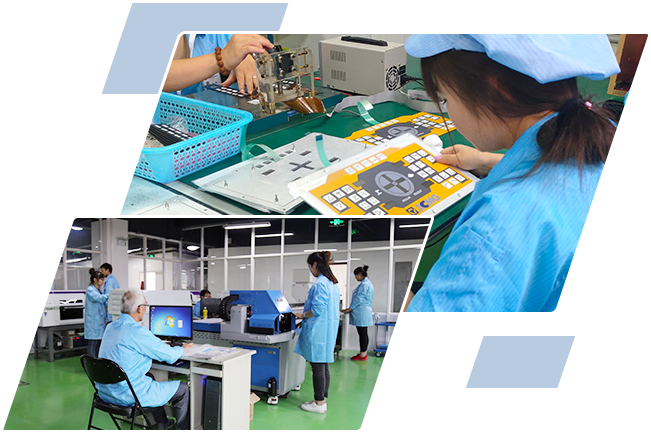
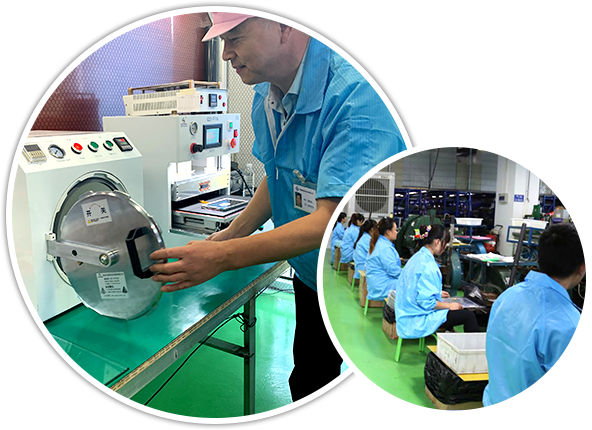
From CAD layout optimization, laser photo plotting, automated silkscreen printing (37 machines), and digital UV printing (Mimaki engines) to precision embossing and cleanroom bonding, every single step is executed inside our Hebei and Huizhou plants.
Our long-term technical cooperation with a German membrane switch and HMI fabrication plant directly shapes our process controls, mold precision tolerances, tooling calibration, and silver trace conductivity standards.
We implement rigid lot-traceable quality control audited on-site by Intertek. Every batch undergoes 100% computer circuit resistance analysis, xenon aging, button actuation life tests, and salt fog corrosion screening.
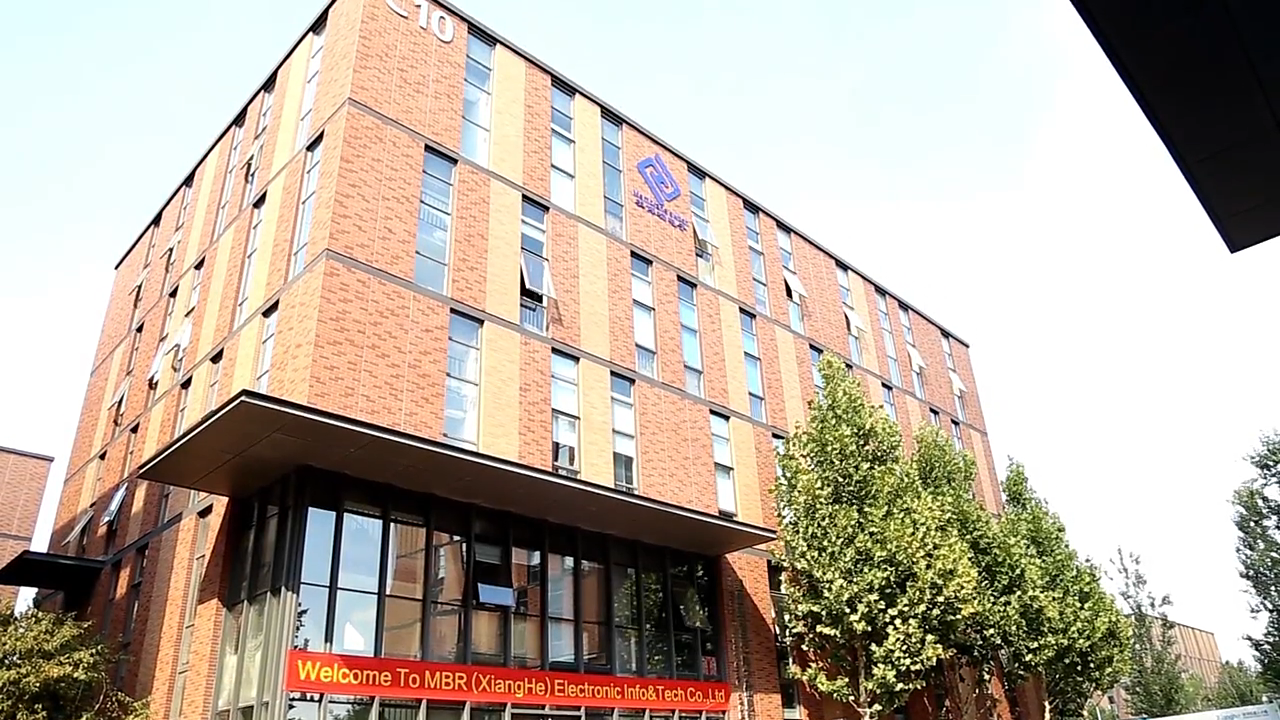
TAVO balances operational loads across our flagship facility in the Robot Industry Port of Xianghe (Hebei) and our southern manufacturing plant in Huizhou (Guangdong). This dual-base infrastructure protects international clients against capacity bottlenecks, power rationing interruptions, or regional logistical holds.
Our engineering support infrastructure includes a dedicated 10-person CAD/CAM team ready to convert your DXF, DWG, Step, and AI engineering vectors into tooling proofs within 24 hours, backed by a 20-person international trade department handling direct sea and air freight logistics into Guatemala (La Aurora International Airport / Puerto Quetzal).
Actionable answers addressing import documentation, customs clearance, environmental survival, and rapid prototyping.
Whether you are designing a rugged agro-industrial control panel, upgrading automated textile equipment, or building waterproof medical interfaces, our application engineering team is ready to analyze your drawings and build functional prototypes within 7 to 10 days.