Precision Touch Screen & Industrial HMI Selection
Engineered for high-durability human-machine interactions in harsh environments. Featuring verified pressure sensitivity, chemical resistance, hermetic sealing, and extensive sub-zero operability across Nordic industrial settings.
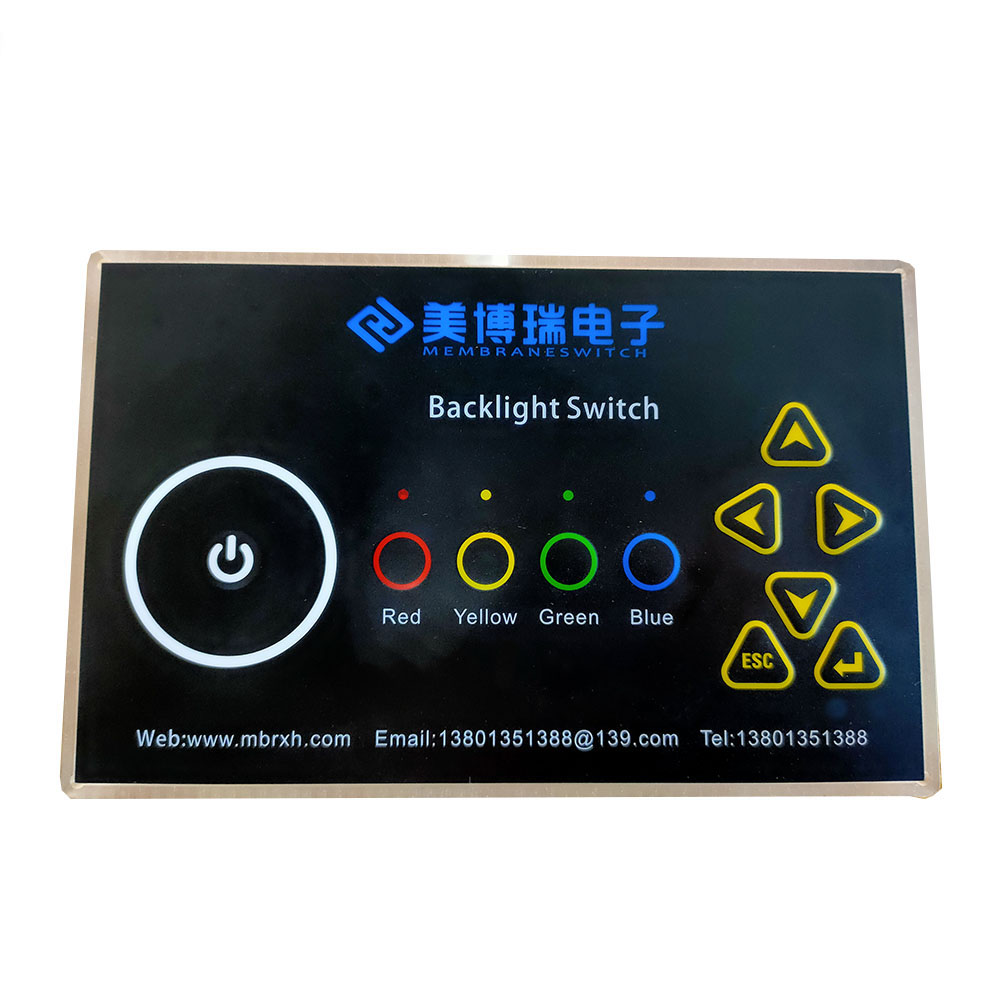
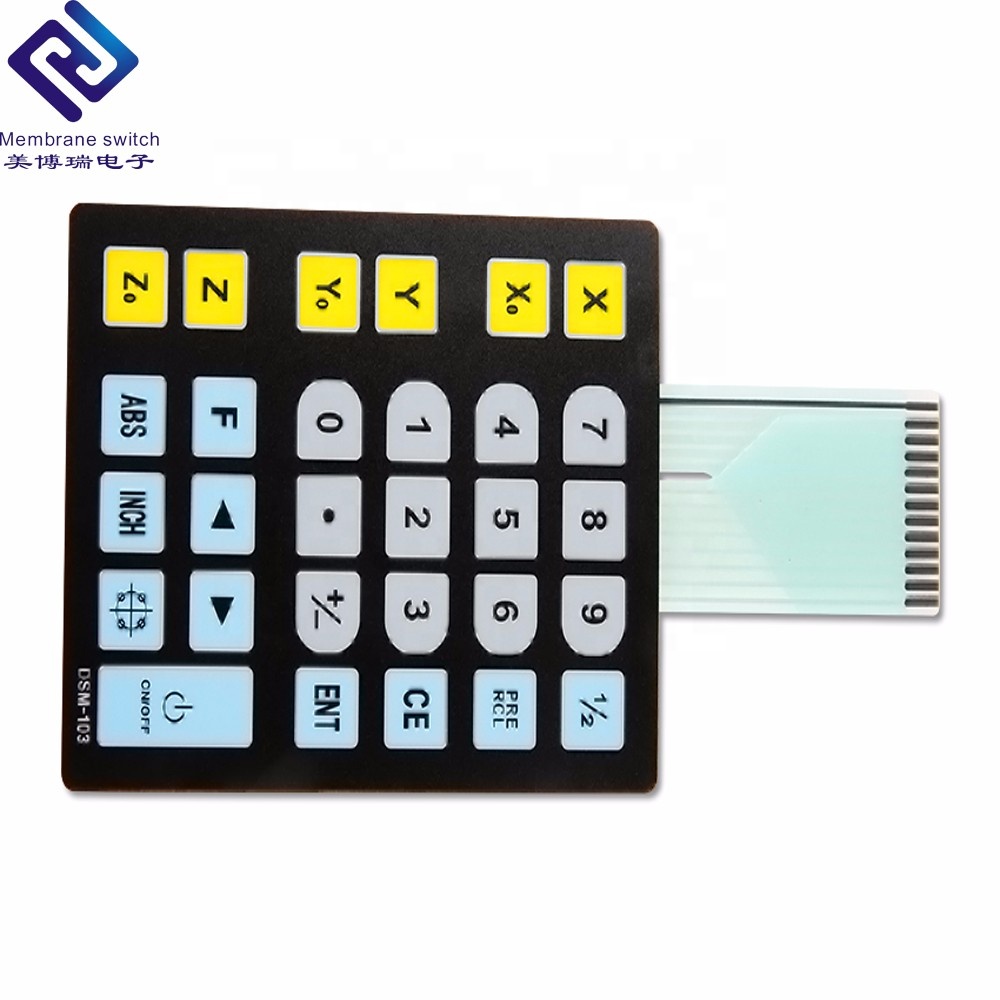
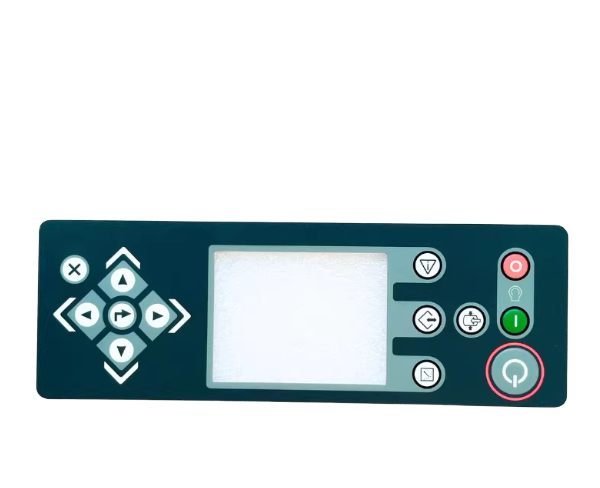
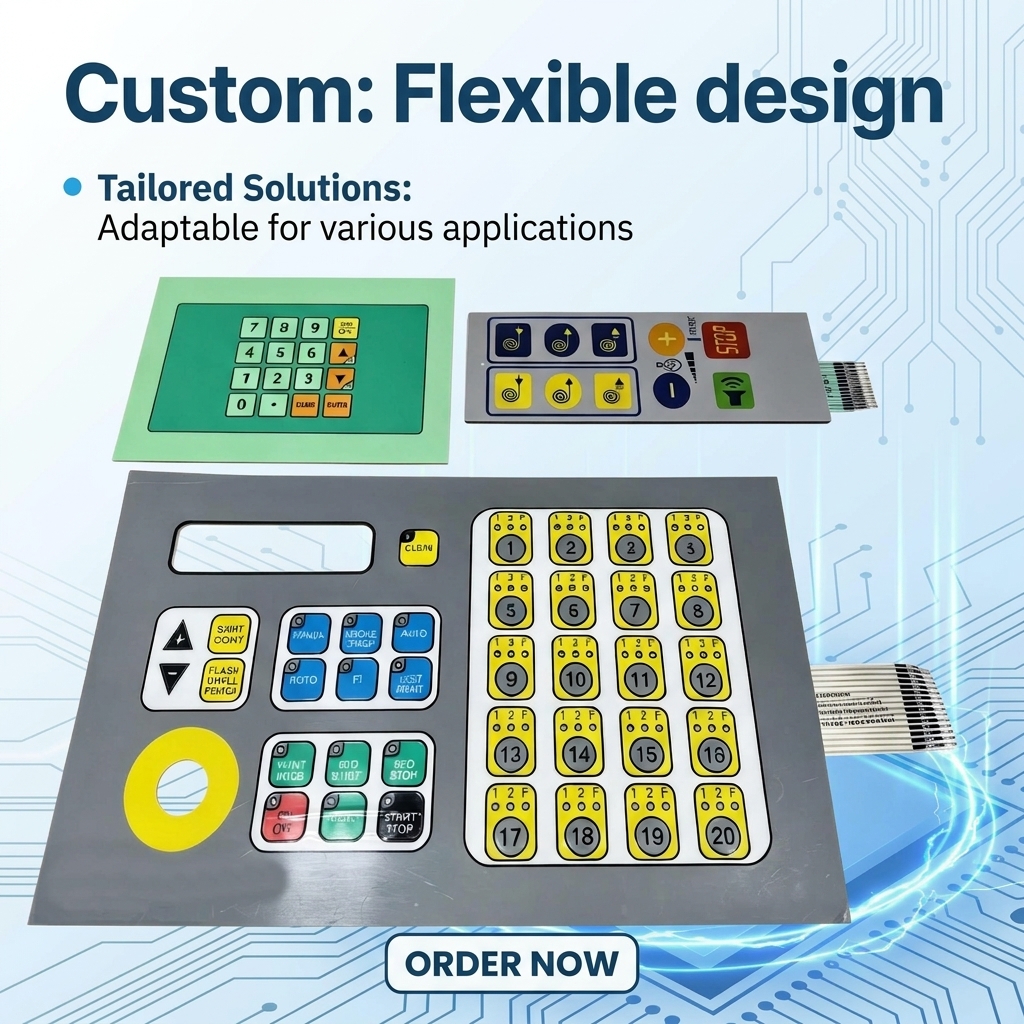
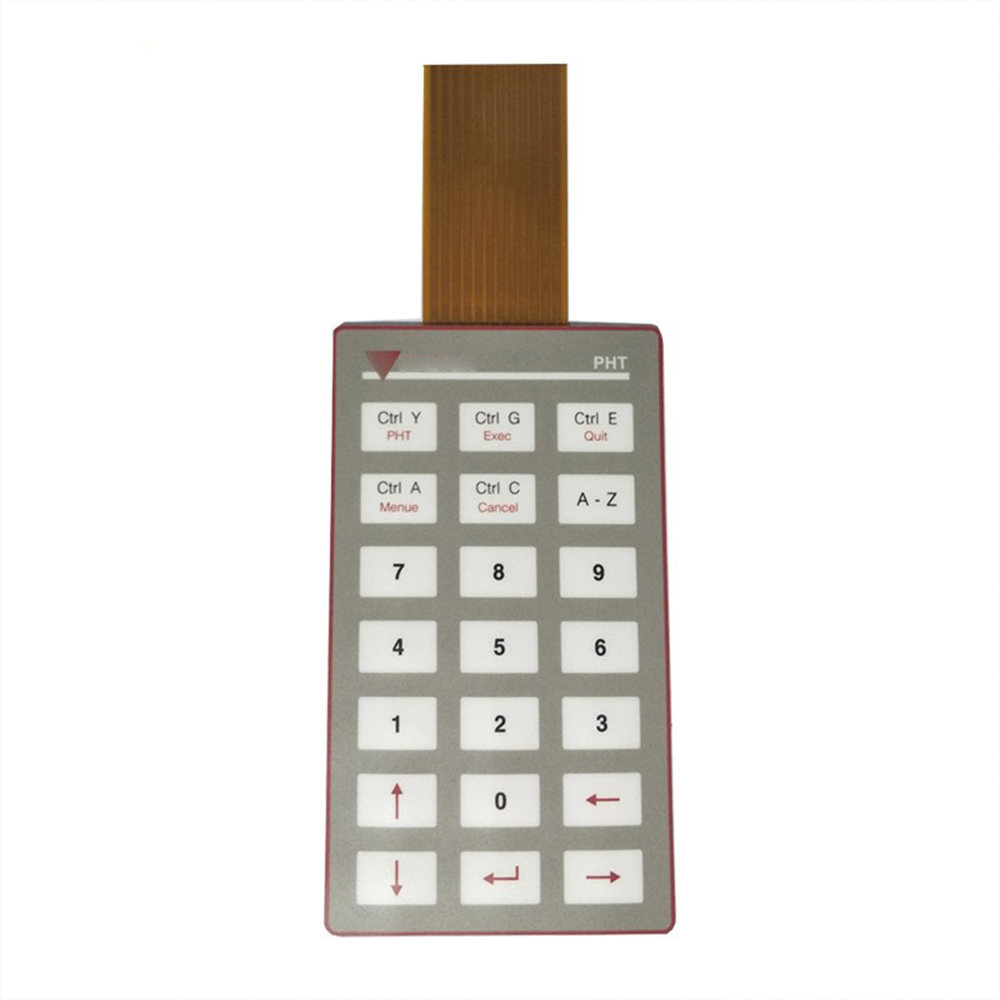
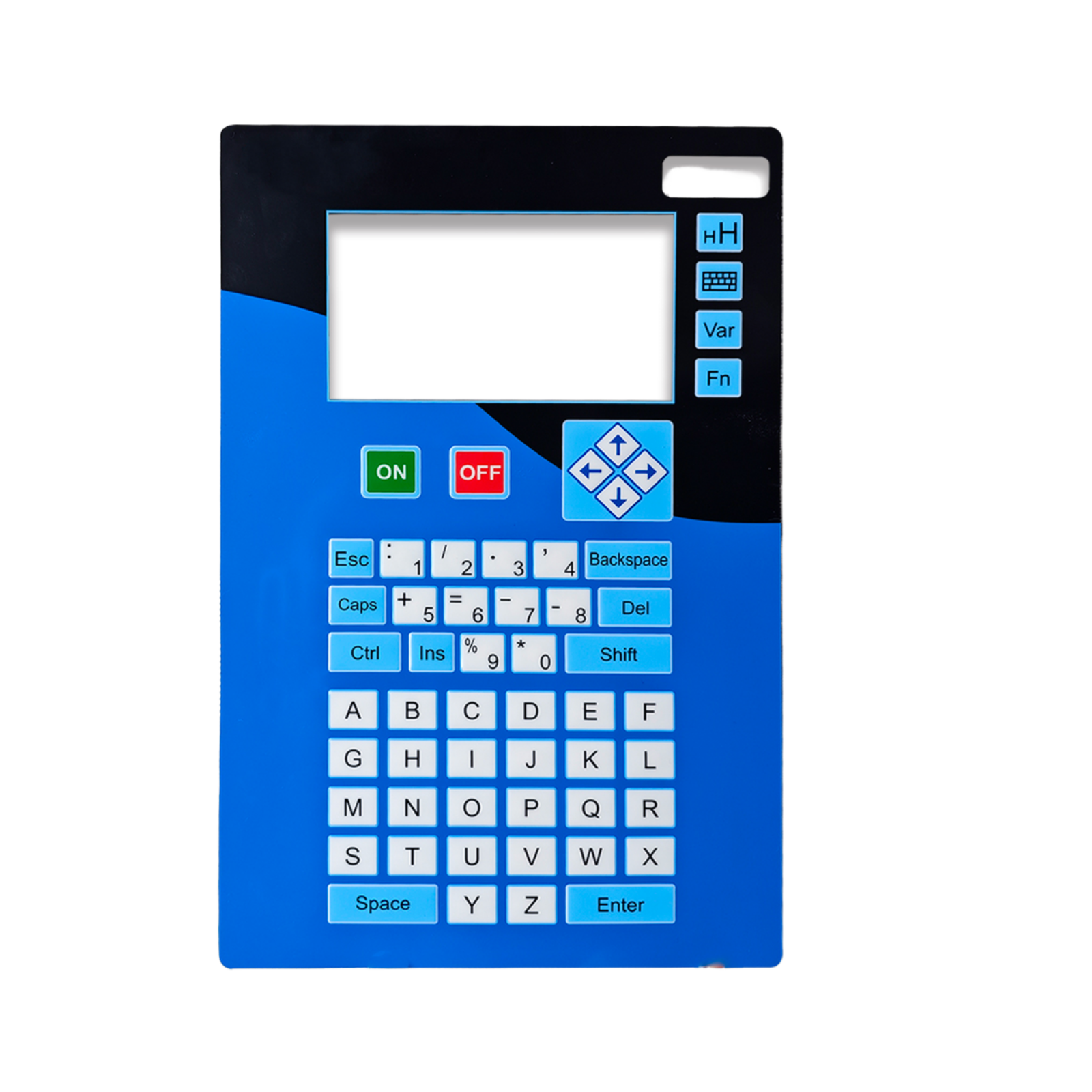
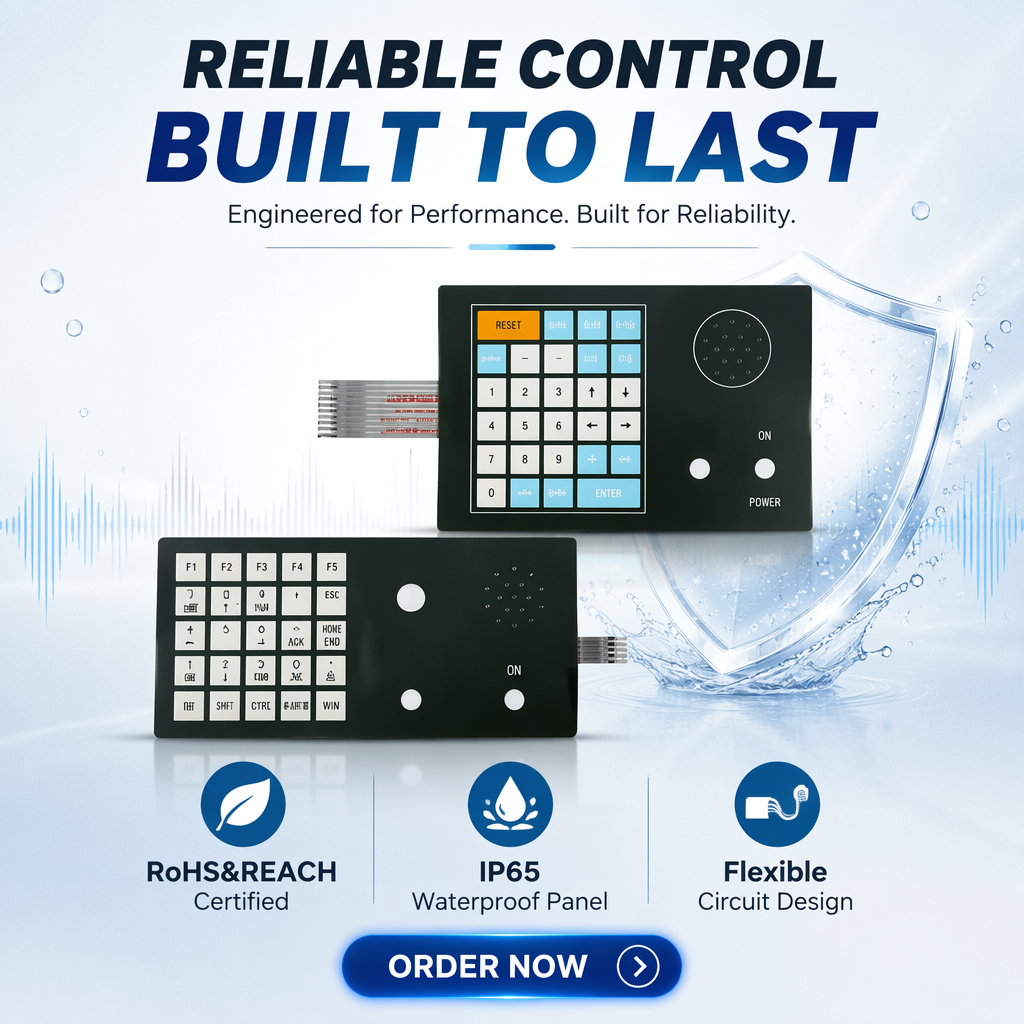
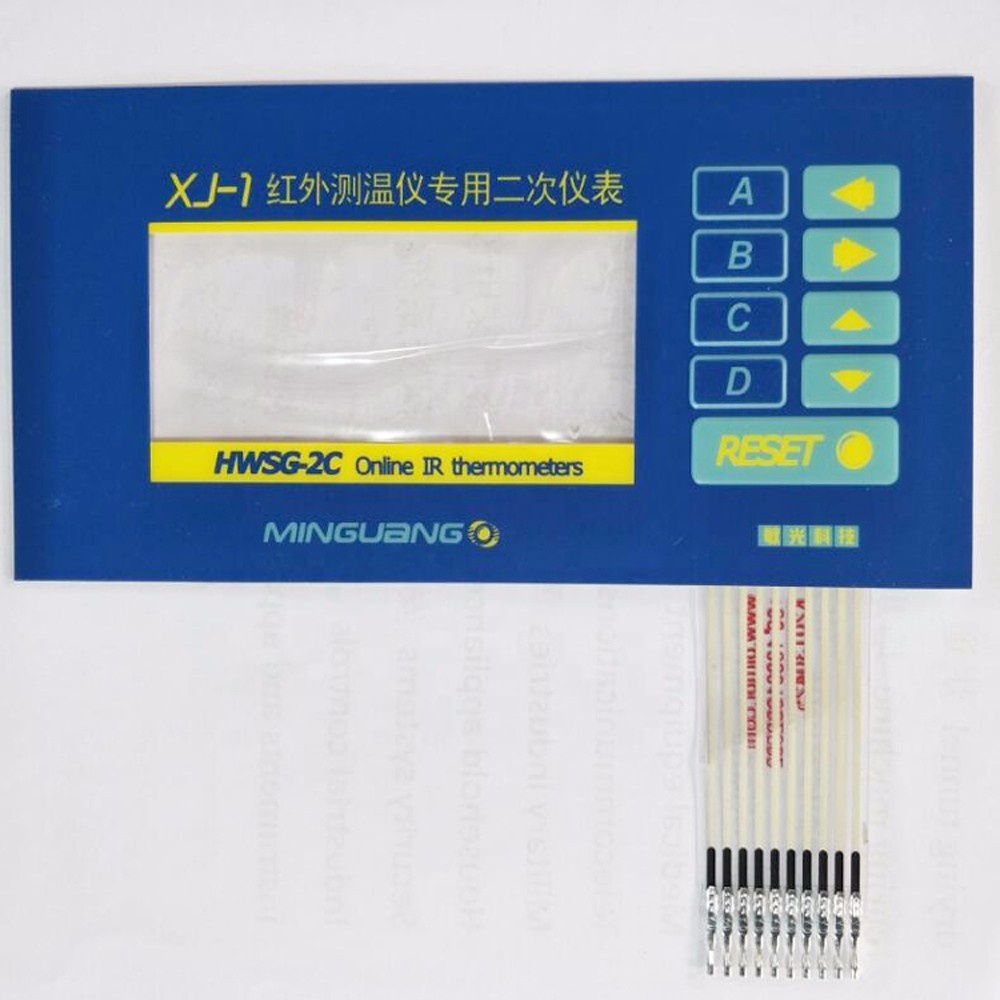
Engineering Human-Machine Interfaces for the Arctic & North Atlantic
While consumer electronics rely predominantly on Projected Capacitive (PCAP) touch screens, extreme industrial sectors across Iceland, the Faroe Islands, and Northern Scandinavia mandate resistive architectures. From maritime trawlers navigating the subpolar gyre to geothermal facilities dealing with corrosive hydrogen sulfide, the physics of resistive touch screens offer undeniable engineering advantages.
Pressure-Activated Input Physics
Unlike capacitive screens that require skin conductivity, resistive panels rely on pure mechanical contact between an upper flexible conductive layer and a lower rigid conductive substrate. This enables operators wearing thick thermal insulated neoprene, latex, or leather work gloves to execute precise, zero-latency inputs on deck or in freezing processing units.
- Zero false touches from seawater splashing or condensation
- Works reliably with styluses, pen tips, or gloved fingers
Optical Clarity & Solar Usability
Arctic glare and low solar azimuth angles in Iceland create severe specular reflections on maritime bridges and open-field monitoring stations. We employ Anti-Glare (AG) hard-coats combined with OCA (Optically Clear Adhesive) vacuum lamination to minimize internal boundary reflections and achieve over 86% light transmission.
- Circular polarizing film integration prevents washouts
- UV-stabilized PET prevents solar yellowing over years
EMI/RFI Immunity & Harsh Environments
Heavy machinery, marine diesel generators, radar installations, and aluminum smelters produce massive electromagnetic fields. Resistive touch sensors operate purely through low-impedance DC resistance changes, making them inherently immune to electromagnetic interference that often paralyses capacitive screens.
- Complies with EN 61000-4-3 radiated electromagnetic immunity
- Copper mesh or sputtered ITO EMI backer shields available
High-Reliability Industrial Deployments in Iceland
Iceland's economy balances modern technology with uncompromising nature. Icelandic engineering firms and OEMs require touch panels that survive intense washdowns, seismic tremors, geothermal acids, and frozen trawler voyages.
Fisheries, Aquaculture & Pelagic Processing
In facilities operating in Vestmannaeyjar, Grindavík, and Akureyri, automated fish grading lines, heading machines, and filleting equipment undergo nightly high-temperature IP69K caustic chemical washdowns. Our resistive touch screens integrate autoclave-grade PET and 3M 9472LE high-tack adhesives that prevent water penetration and delamination.
- Resistant to animal fats, brine, and sanitizing detergents
- Uninterrupted actuation while covered in fish slime or ice slush
Geothermal Energy Generation & District Heating
Geothermal power plants around Hellisheiði and Reykjanes encounter atmospheric hydrogen sulfide (H2S) and acidic steam. Conventional copper silver printed contacts degrade rapidly due to silver sulfide corrosion. We design our 5-wire resistive sensors with passivated gold-nickel plating and carbon overprinting to prevent vulcanization and trace failure.
- Certified sulfurous vapor corrosion resistance
- Wide operating window from sub-zero winds to +85°C turbine heat
Heavy Aluminum Smelters & High-Current Refining
Iceland's massive aluminum smelting industry (e.g., Straumsvík, Grundartangi, Reyðarfjörður) produces enormous continuous magnetic and electric fields that cause capacitive displays to register false touches. Our resistive sensors have zero capacitive coupling, ensuring total electrical noise immunity in multi-kiloamp potrooms.
- Zero ghost touches near heavy busbars and inverters
- Ruggedized 3H to 7H surface hardness against abrasive dust
| Architecture Parameter | 4-Wire Resistive | 5-Wire Resistive (Recommended) | Projected Capacitive (PCAP) |
|---|---|---|---|
| Operational Mechanism | Voltage gradient alternation across top/bottom layers | Voltage measured purely on bottom substrate; top is probe only | Electrostatic field alteration via conductor capacitance |
| Touch Input Medium | Any object (Fingers, heavy gloves, styluses, tools) | Any object (Fingers, heavy gloves, styluses, tools) | Conductive only (Bare fingers, conductive gloves) |
| Sub-Zero Actuation (-30°C to -40°C) | Stable; requires low-temp spacer adhesive | Exceptional stability with linear ITO coating | Controller recalibration needed; sensitivity drops |
| Liquid Surface Immunity (Seawater/Ice) | 100% immune (No false actuations) | 100% immune (No false actuations) | Prone to false actuations or lockouts |
| Durability Rating (Touches per Point) | 1.5 to 3 Million Touches | Over 35 Million Touches | Over 50 Million Touches |
| Post-Surface Damage Functionality | Fails if top layer is deeply scratched or punctured | Continues functioning accurately even if top film is damaged | Glass break leads to sensor degradation |
Why Icelandic & Global OEMs Partner With Us
Headquartered in Langfang (Robot Industry Port) with secondary facilities in Huizhou, we combine over three decades of HMI design mastery with stringent European engineering alignment.
Full In-House Closed-Loop Manufacturing
Every phase of our production—from engineering film output, precision silk-screen printing, and digital UV printing to CNC mold milling, laser cutting, optical bonding, and 100% computerized circuit testing—is executed strictly within our own facilities.
- 60 CNC mold-making & 18 laser-cutting machines
- 37 precision silkscreen lines & 4 Mimaki UV digital units
German Technical Partnership & ISO 9001
Through longstanding technical cooperation with a German membrane switch and HMI factory, our tooling, materials engineering, and tolerance controls conform to stringent DIN and IPC standards. Onsite assessed by Intertek with comprehensive traceability.
- ISO 9001:2015 certified quality management system
- Recognized supplier to ABB, Siemens, and Haier
Rigorous In-House Testing Laboratory
Every production batch undergoes life-cycle validation using automated button testers, programmable temperature/humidity chambers (-60°C to +150°C), xenon arc accelerated UV aging chambers, and neutral salt spray test chambers.
- 1,000-hour continuous salt spray chamber testing
- 100% automated electrical loop resistance inspection
Frequently Asked Questions for Icelandic Importers
Key technical, commercial, and logistics considerations when sourcing custom touch screens and membrane switches from China to Iceland.