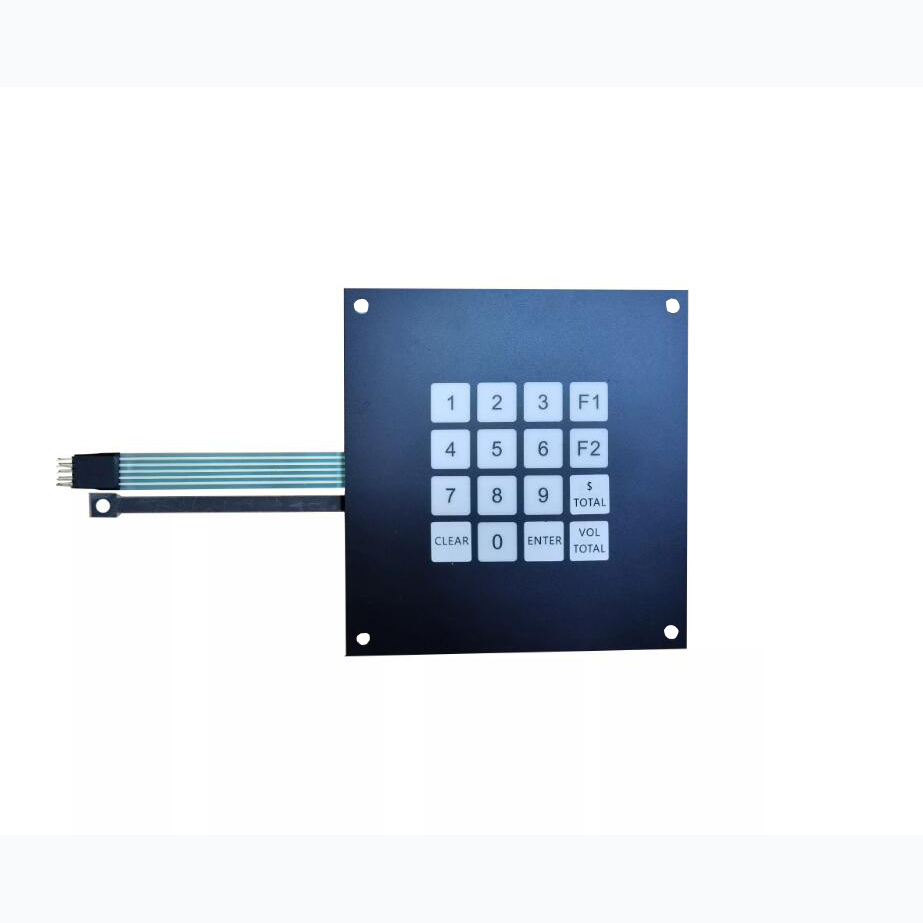
Standard & Custom HMI Hardware
Precision Control Interfaces & Membrane Assemblies
Manufactured under rigorous cleanroom conditions using medical-grade PET, engineered polycarbonates, and high-reliability circuitry designed for harsh industrial applications.
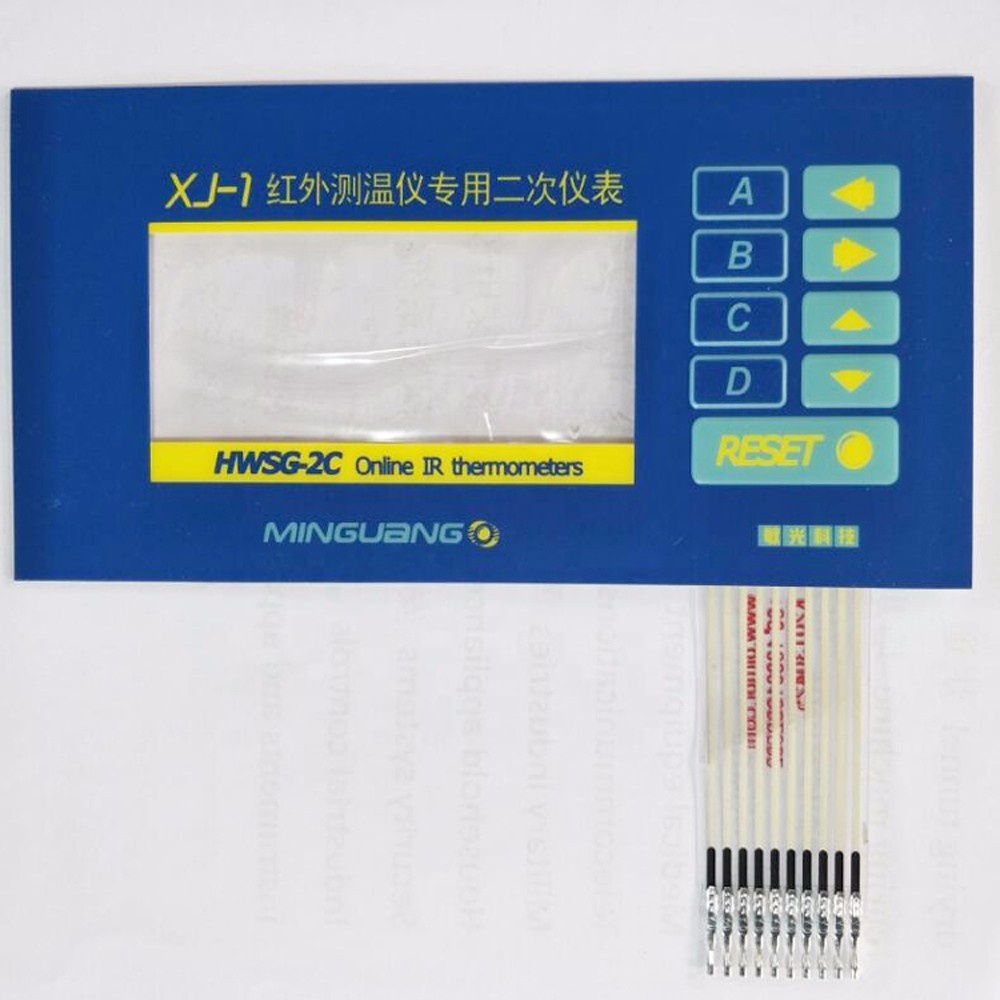
OEM PBT Keycaps for Mechanical Interfaces
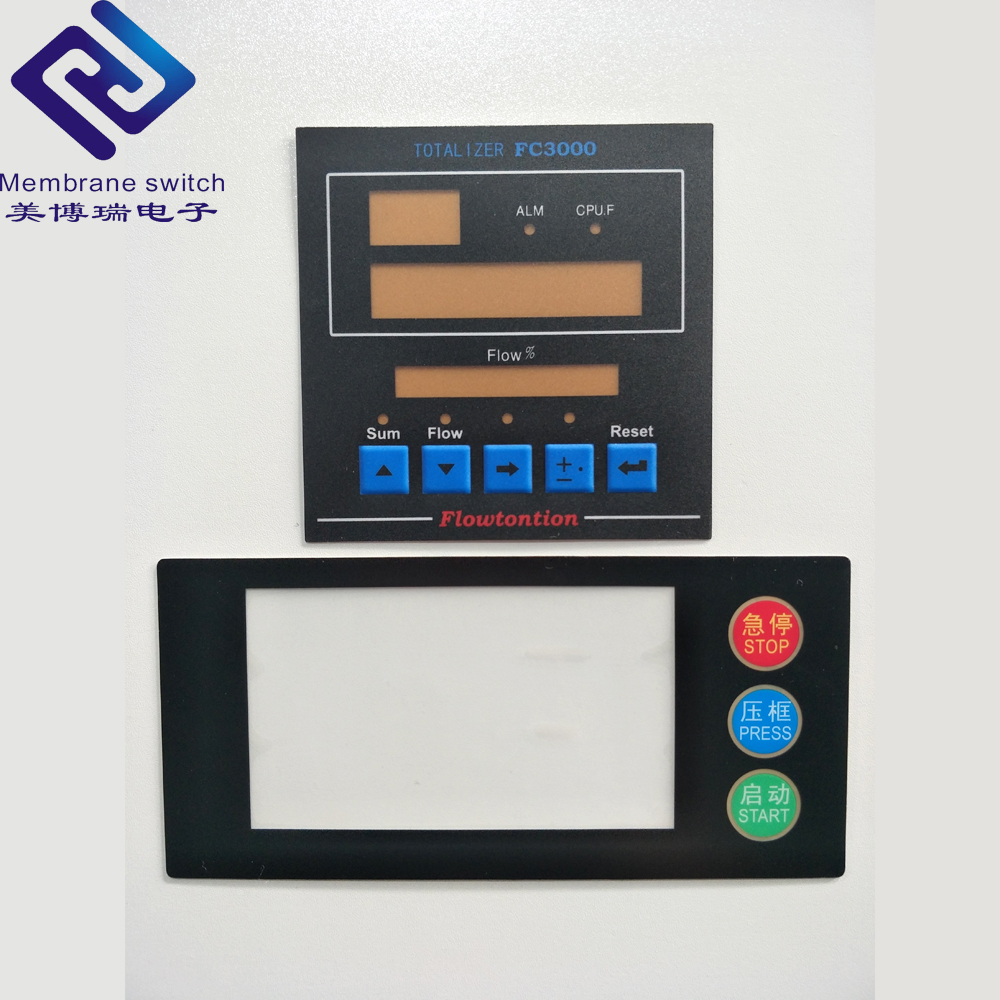
IP67 Waterproof LCD Membrane Switch Assembly
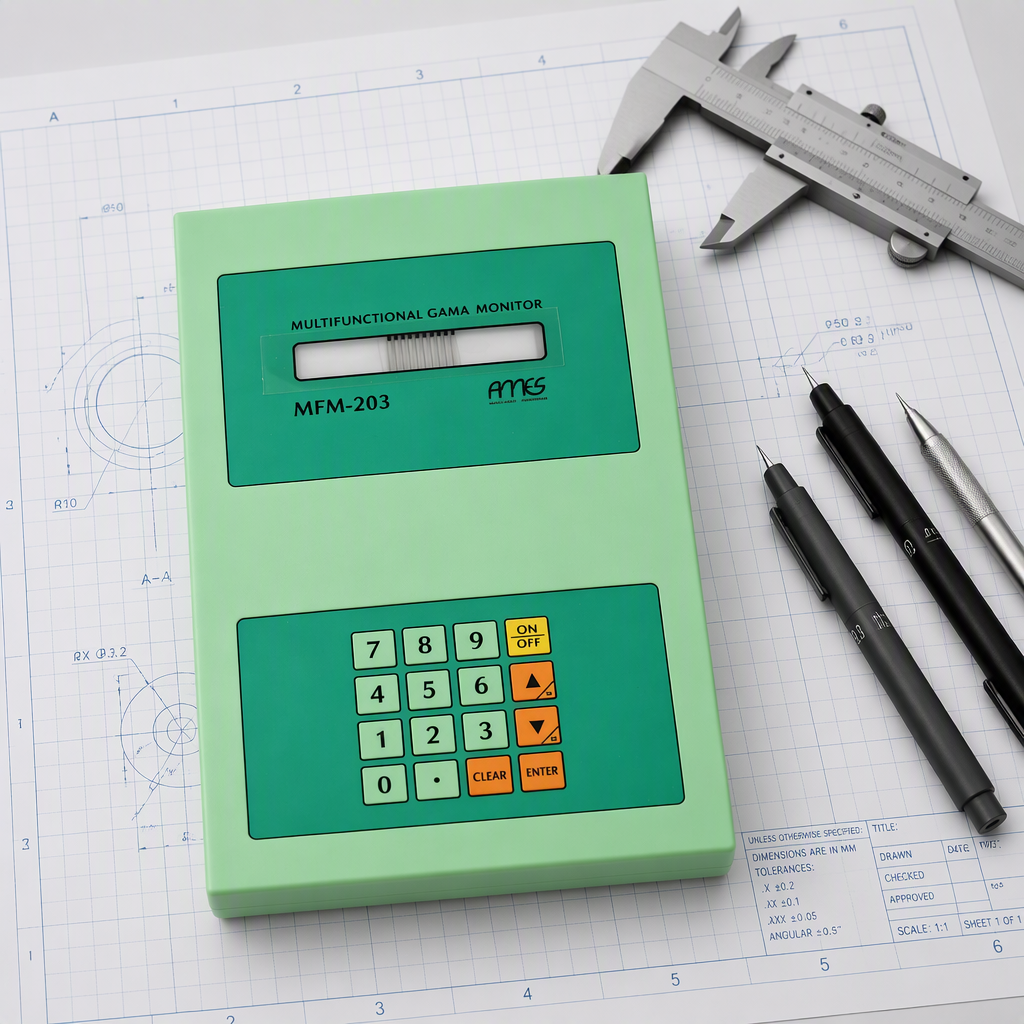
Rapid Turnaround Membrane Switch Prototyping
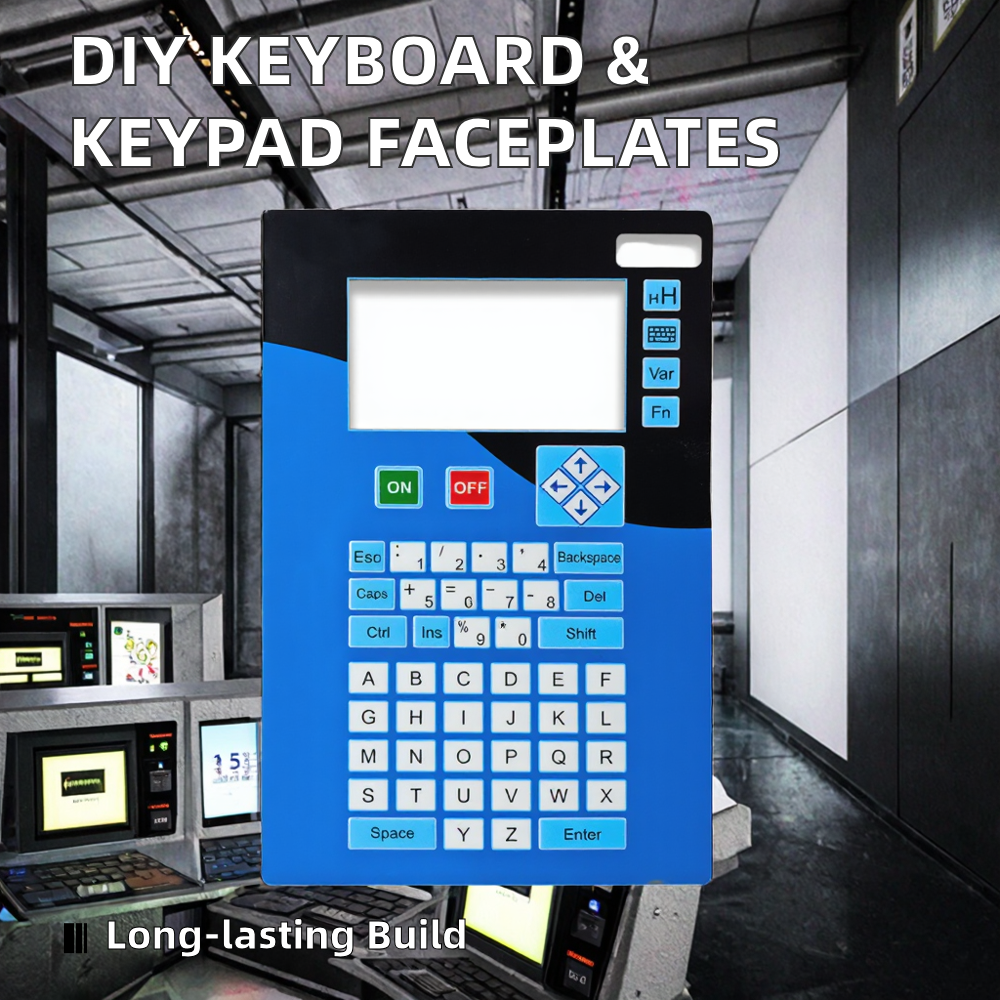
Custom Embossed Tactile Keypad with Backlit LED
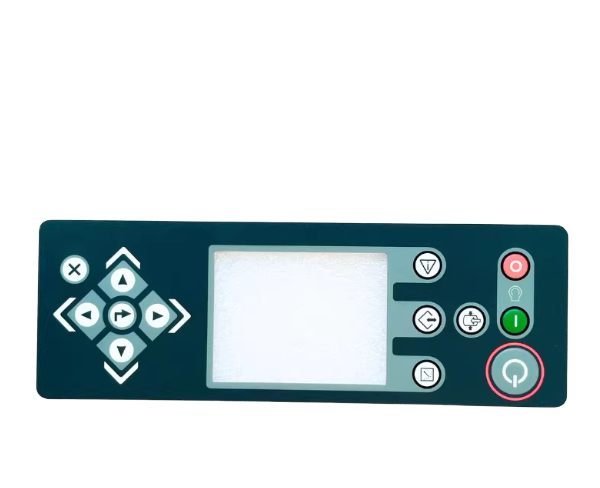
Flexible Thermal Control Keypad with Clear Display
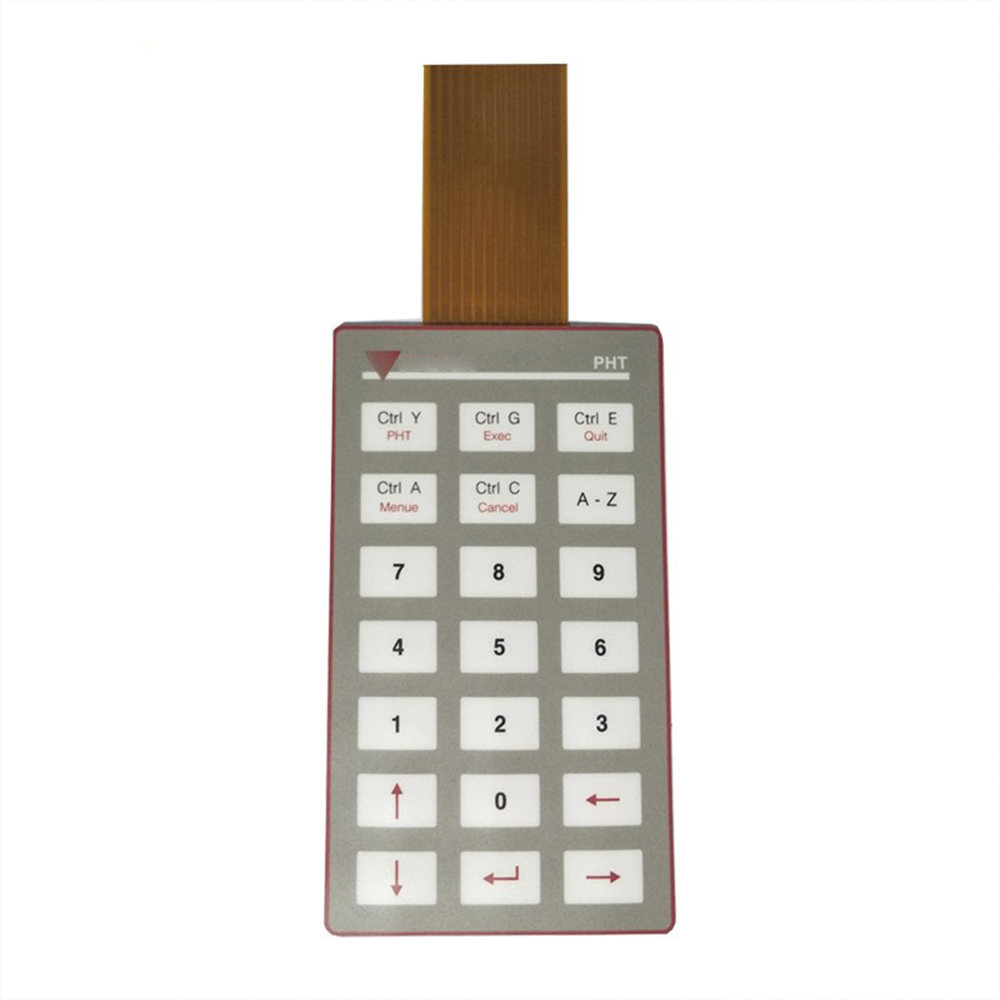
Integrated Industrial Console Keyboard Matrix
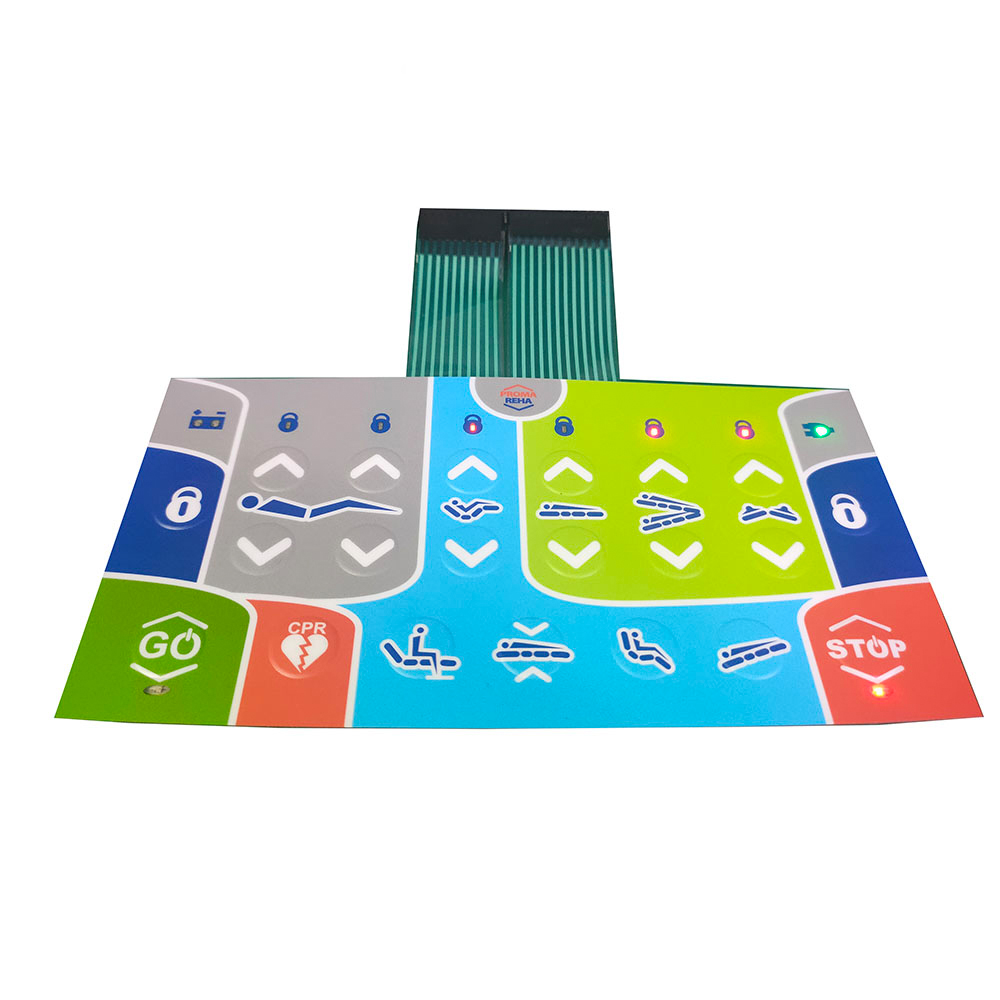
Custom Injection-Molded PBT Control Interface Caps
1990
HMI & Switch Manufacturing Heritage
111+
Verified In-House Technical Specialists
2,219㎡
Intertek-Audited Precision Cleanroom Facility
1M+ pcs
Annual Export Units to EU & North America
Technical Engineering Whitepaper
Architecting Resilient Control Interfaces for the Italian Industrial Landscape
Analyzing physical lamination paradigms, electrical actuation curves, and European regulatory compliance for next-generation automated machinery.
The Italian manufacturing sector—celebrated internationally for high-precision mechanical engineering, advanced packaging machines, luxury food-processing lines, and high-performance automotive systems—demands exceptional reliability from electronic control interfaces. For Italian original equipment manufacturers (OEMs) and system integrators situated across Lombardy, Emilia-Romagna, Veneto, and Piedmont, Human-Machine Interface (HMI) modules are not merely decorative faceplates; they serve as critical electrical and environmental barriers that preserve machine continuity under aggressive industrial conditions.
As a verified China-based manufacturer and exporter with a dedicated cross-border supply chain serving Western Europe, TAVO bridges precision manufacturing efficiency with stringent European mechanical tolerances. The operational reality of Italian production environments requires interface layers capable of enduring corrosive cleaning chemicals, olive and mineral oil exposure, elevated ambient temperatures, high humidity, and repetitive high-cycle actuation. Sourcing from our manufacturing facility ensures that every layer—from the outermost hard-coated polyester foil to conductive silver-paste trace routing, metal tactile domes, and structural rear backer plates—is synthesized inside a single, tightly controlled production ecosystem.
Technical Lamination Note for Mediterranean & Alpine Environments
Industrial installations throughout Italy span extreme climatic conditions: from humid maritime coastal facilities in Liguria and southern regions to cold Alpine sub-assembly halls in the North. Our membrane interfaces utilize solvent-free acrylic adhesives and high-cohesion 3M structural bonding layers (such as 3M 467MP, 468MP, and 300LSE) specifically formulated to resist shear failure, outgassing, and edge-delamination across operating envelopes ranging from -40°C to +85°C.
Traditional silk-screen printing alone no longer meets the complex aesthetic and functional criteria of contemporary European machine designs. Through hybrid printing methodologies that pair high-resolution Mimaki digital UV flatbed systems with our fleet of 37 precision screen-printing presses, we produce micro-textured tactile graphic overlays featuring transparent optical windows (OCA bonded), anti-glare finishes, and custom dead-front illuminated icon arrays that blend seamlessly into sleek, dark industrial console panels.
Localized Industry Verticals
Mission-Critical Applications Across Italy's Leading Sectors
Engineered to satisfy CE directives, machine safety standards (EN ISO 13849-1), and aggressive sanitary protocols across key Italian production hubs.
Packaging & Bottling Machinery (Bologna & Emilia-Romagna)
Italy’s "Packaging Valley" leads global automated cartoning, filling, and labelling engineering. Our membrane keypads provide IP67 fluid ingress protection against pressurized water jets, cleaning foams, and corrosive sugar residues typical in beverage handling plants.
- Autotype MacDermid textured PET overlay
- Sealed perimeter gaskets preventing caustic entry
- 1,000,000+ actuation cycle stainless steel domes
Food Processing & Commercial Culinary Equipment
From industrial pasta lines in Parma to commercial espresso consoles in Milan, interfaces must resist extreme thermal transitions, grease exposure, steam vapors, and harsh antibacterial descaling compounds without graphic degradation or embrittlement.
- Food-safe, non-porous antimicrobial films
- High-temperature resistant polyimide flex circuits (FPC)
- Hydrophobic vents balancing internal chassis pressure
Ceramic & Stone Fabrication Automation (Sassuolo District)
Tile pressing and marble polishing plants expose hardware to ultra-fine abrasive ceramic dust, severe mechanical vibrations, and heavy operator handling. We supply rigid aluminum-backed membrane switches that distribute loads and block conductive particulates.
- Integrated 1.5mm–3.0mm CNC-milled aluminum plates
- Abrasive-resistant hard-coated top foils (3H hardness)
- Sealed EMI/RFI graphite and copper shielding mesh
Biomedical Diagnostics & Healthcare Instrumentation (Mirandola Hub)
Medical devices engineered in the Mirandola biomedical district require bio-compatible tactile interfaces compliant with medical electrical safety directives. Overlays allow continuous wipe-down disinfection with hospital-grade chlorhexidine and isopropyl alcohol.
- Flush-surface construction preventing bacterial harbor
- Custom dead-front LED alert backlighting
- Shielded tail routings with 1.0mm/0.5mm ZIF terminations
Specialty Agricultural & Earthmoving Machinery
Italy is a premier European exporter of viticulture tractors, combine equipment, and municipal loaders. Control consoles mounted within cabins or directly on chassis must maintain pristine readability and tactile certainty under direct sunlight and torrential downpours.
- UV-resistant outdoor-grade formulations
- Tactile polydome and metal dome tactile actuation curves
- IP68 connector potting for harness integration
Italian Industrial Modernization
Emerging HMI Engineering Trends in the Italian Market
How the national "Transizione 5.0" program and European ecological directives are redefining control interface specifications.
The Italian industrial landscape is undergoing accelerated modernization driven by the government's Piano Transizione 5.0, which incentivizes energy efficiency, digital cloud connectivity, and digital twin monitoring within manufacturing systems. Control interfaces must evolve beyond standalone passive contact arrays to become integrated mechatronic communication nodes capable of real-time diagnostic reporting and low-draw power management.
First, we observe a rapid transition toward Hybrid Capacitive-Tactile Surfaces. While touchscreen displays offer software reconfigurability, machine operators on packaging lines require definite, tactile feedback for emergency functions, cycle pauses, and rapid jogging. Our hybrid modules integrate capacitive touch sliding sensors for recipe adjustment alongside physical embossed metal-dome buttons for safety-critical machine operations, eliminating false actuation caused by fluid splatter.
Second, Optical Clarity and Display Window Integration have become paramount. Machine builders now favor monolithic front overlays that cover both capacitive touch screens and adjacent LED status arrays beneath a single sheet of hard-coated, anti-glare polyester. Using Optically Clear Adhesive (OCA) vacuum bonding, our production facility eliminates the air gap between LCDs and protective graphic films, preventing condensation, internal reflection, and optical distortion under bright factory illumination.
Third, Electromagnetic Compatibility (EMC) Compliance under EU Directive 2014/30/EU is intensely scrutinized. With high-power variable frequency drives (VFDs) and servo motors operating adjacent to control panels, unshielded interface wiring acts as an antenna for electromagnetic interference. TAVO designs multilayer switch circuitry incorporating continuous grounded aluminum, copper foil, or vacuum-sputtered conductive silver meshes that prevent spurious key signals and electrostatic discharge (ESD) breakdowns up to 15kV.
Manufacturing Rigor
Why Tier-1 European Buyers Partner with TAVO
Full in-house toolmaking, audited fabrication pipelines, and international engineering alignment eliminate supply chain volatility.
100% In-House Cleanroom Workflow
Every step—CAD drafting, film generation, screen stretching, digital flatbed UV printing, embossing, laser profile cutting, and auto-testing—occurs internally across our two facilities (Hebei Robot Industry Port & Huizhou).
German Technical Heritage
Maintained through long-term technical cooperation with a German membrane switch manufacturer, covering shared precision tooling setups, tooling tolerances, and strict layer adhesion testing methodologies.
Advanced Tooling Fleet
Equipped with 60 CNC mold-making units, 18 laser profile cutters, 37 silkscreen printers, 4 Mimaki digital printers, 7 precision digital engravers, and dedicated high-tonnage thermal laminators.
Zero-Defect Verification
Equipped with computer-controlled continuity testers, button cycle life testing benches, programmable Xenon UV aging chambers, auto salt fog corrosion units, and high-low temperature humidity chambers.
Procurement & Technical Support
Frequently Asked Questions by Italian Engineering & Sourcing Teams
Essential guidance covering technical files, European customs, compliance standards, and lead times.
What CAD and artwork file formats are required to begin custom tooling? +
We accept vector engineering files in DWG, DXF, or STEP format for physical dimensions, cutouts, and tail positions. Graphic artwork should be submitted in Adobe Illustrator (.AI), vector PDF, or CorelDraw (.CDR), with text converted to outlines and colors specified in Pantone Solid Coated references. Our 10-person engineering department translates your files into production master drawings within 24 to 48 hours for your approval before physical tooling.
How do your control interfaces comply with EU REACH, RoHS, and CE regulations? +
All raw materials—including polyester (Autotype MacDermid), polycarbonates (Sabic Lexan), conductive silver inks, 3M structural adhesives, and soldered electronic components—are certified compliant with RoHS 3 (Directive 2015/863/EU) and REACH (EC 1907/2006). Full Certificates of Conformance (CoC) and third-party laboratory test reports are provided with production batches to simplify CE marking for your finished equipment.
Can you support low-volume initial runs and rapid prototyping for Italian machinery builders? +
Yes. We recognize that specialized Italian machinery often operates on high-mix, low-to-medium volume production runs. Leveraging our Mimaki digital UV printing systems and laser cutting tables, we can fabricate functional prototypes and pilot batches (from 10 to 100 units) without expensive steel rule dies, drastically shortening your development time-to-market and reducing upfront capital outlay.
What tactile feedback actuation options do you offer for heavy industrial gloves? +
To guarantee crisp operator feedback through heavy industrial leather or nitrile gloves, we recommend stainless steel metal domes ranging in actuation force from 280g to 500g, or custom hydro-formed / thermo-formed polydomes. Domes can be combined with rim or pillow graphic embossing on the top foil to allow tactile finger locating without visual distraction.
How do you handle shipping, customs clearance, and logistics to Italy? +
We support standard Incoterms including EXW, FOB (Shanghai, Shenzhen, Tianjin), CFR, CIF, and DDP via air courier (DHL, FedEx, UPS) or sea freight directly to Italian ports such as Genoa, Trieste, and Naples, or Milan Malpensa (MXP) airport. For urgent prototypes, air courier delivery typically reaches northern Italian facilities within 4 to 6 business days after dispatch.
What trade terms and settlement currencies are supported? +
We offer transparent commercial terms tailored to international business relationships. Accepted payment methods include Telegraphic Transfer (T/T), Letter of Credit (L/C at sight), and D/P D/A terms for established enterprise buyers. Transactions can be settled conveniently in EUR, USD, or CNY through our verified corporate trade accounts.
Request Custom Engineering Consultation & Rapid Quotation
Collaborate directly with our technical team to optimize your HMI stack-up, select harsh-environment adhesives, and verify drawings for volume production.