High-Reliability Human-Machine Interface Assemblies
Engineered for high readability, anti-glare scratch protection, and extreme operational stability. Manufactured in-house under strict ISO 9001 and Intertek-verified quality standards.
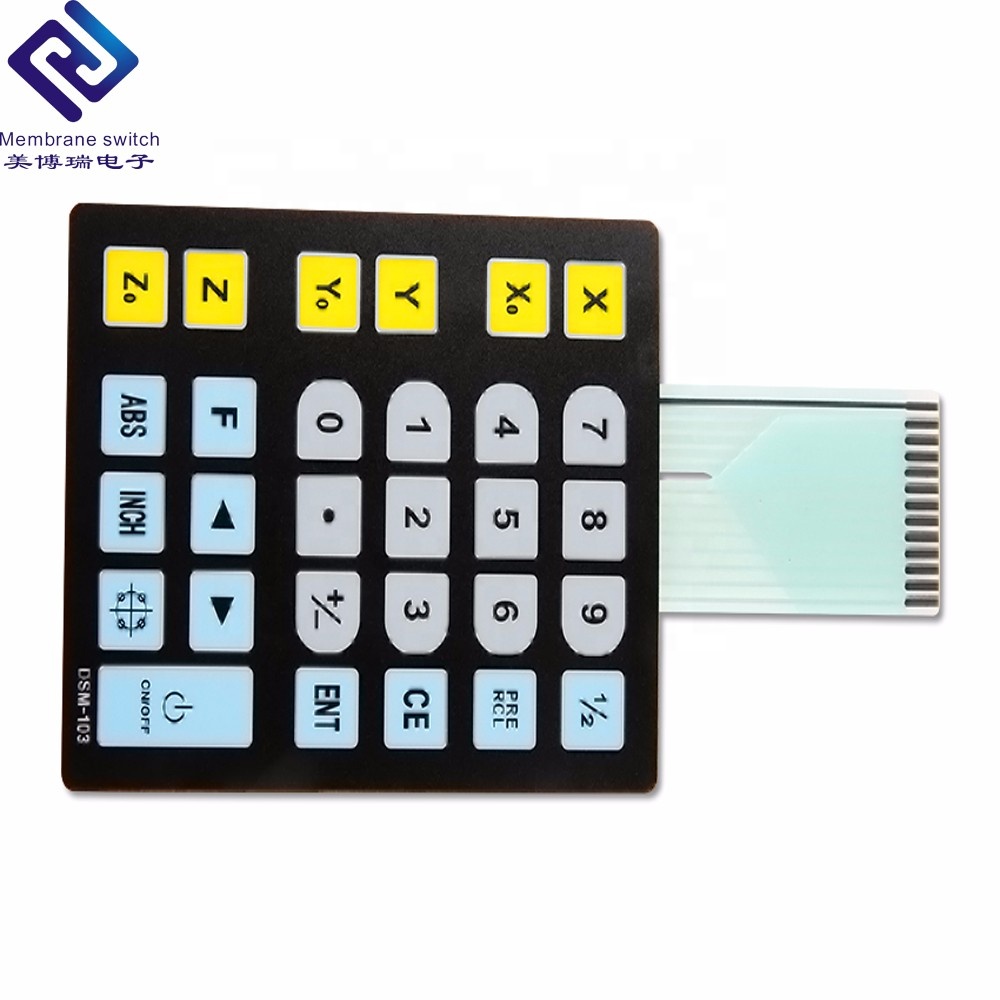
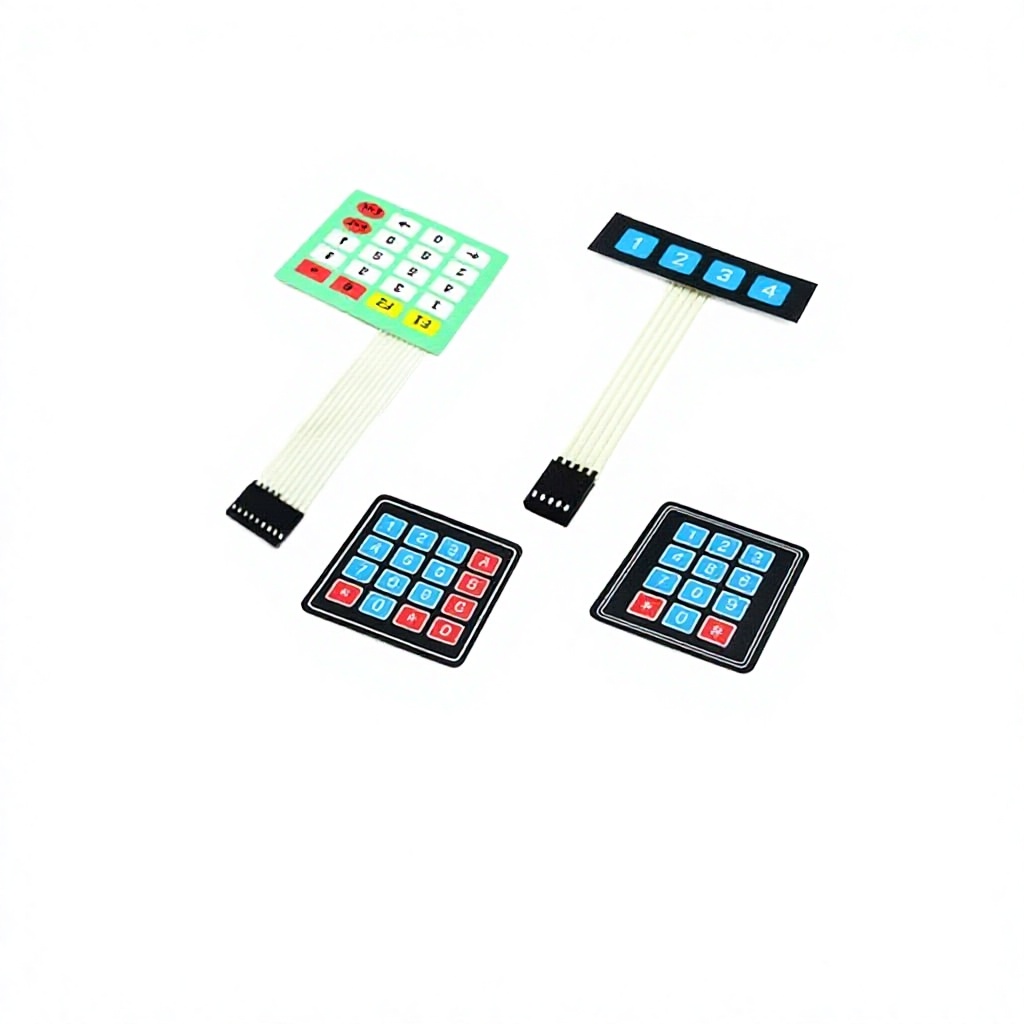
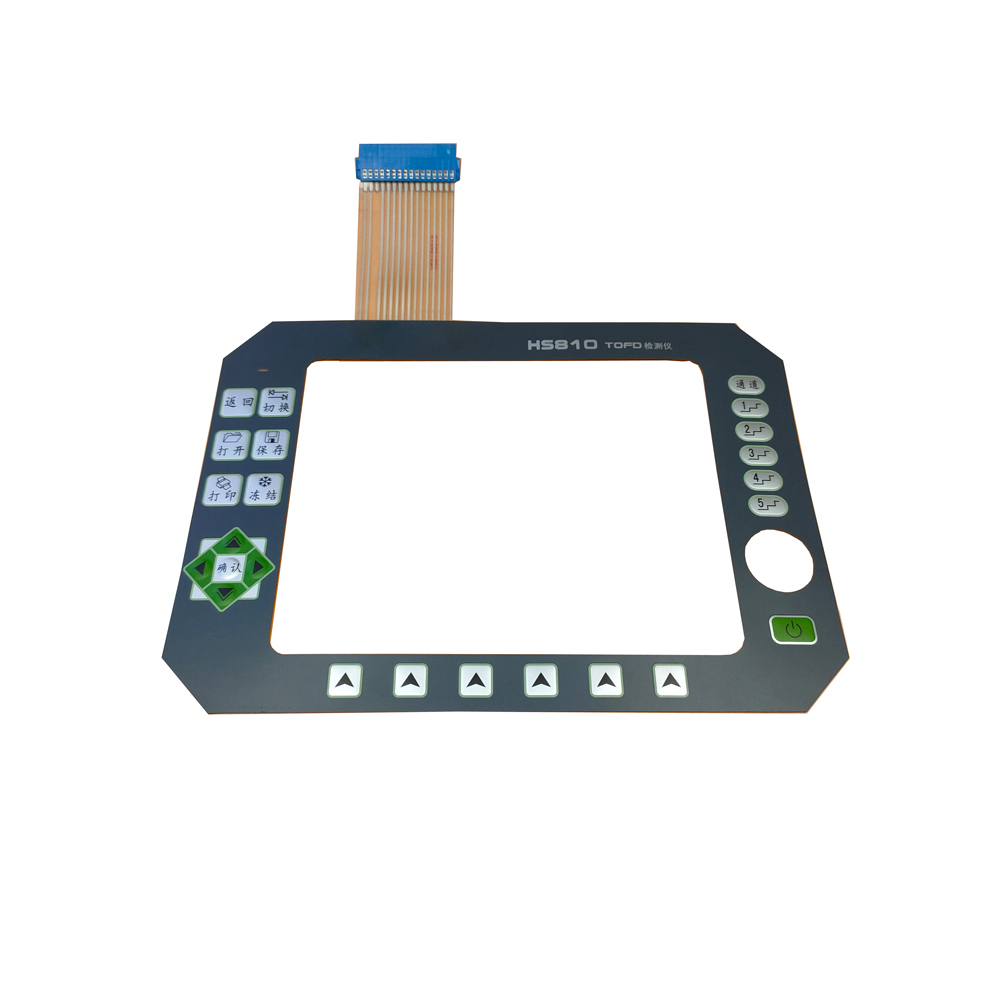
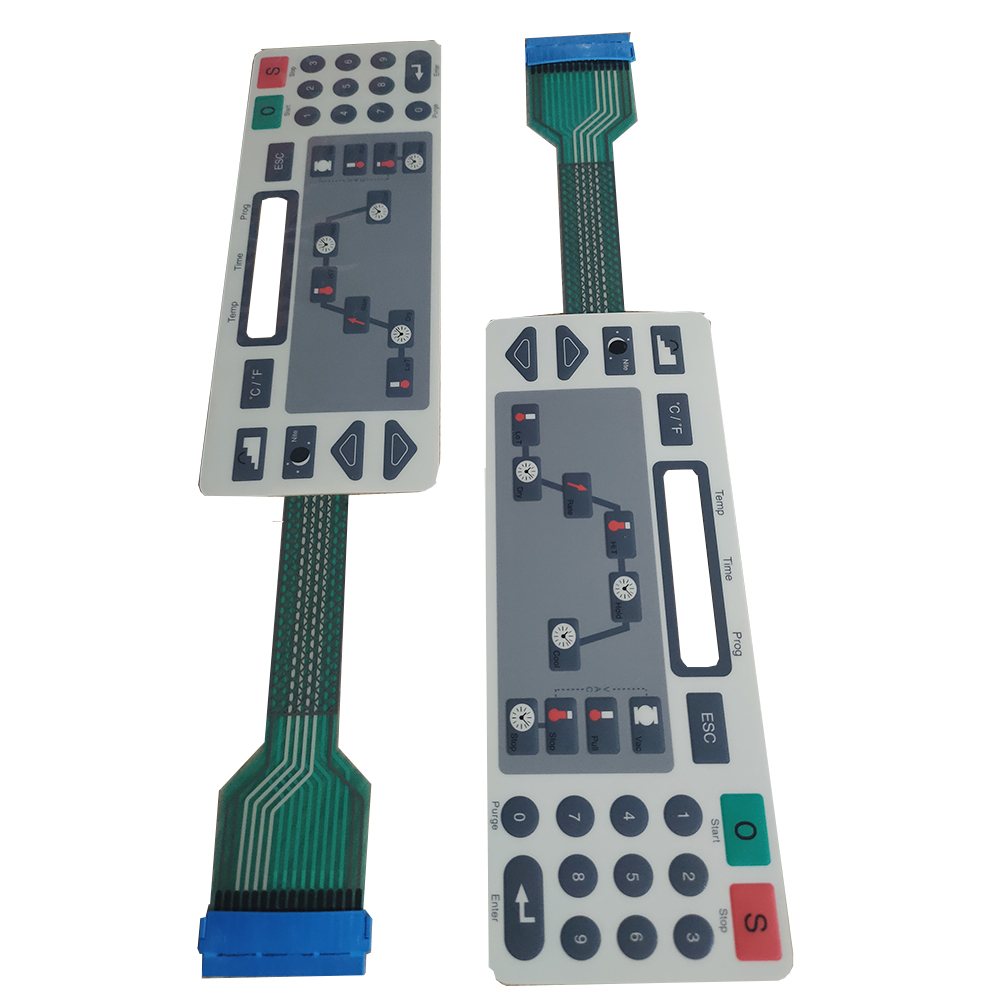
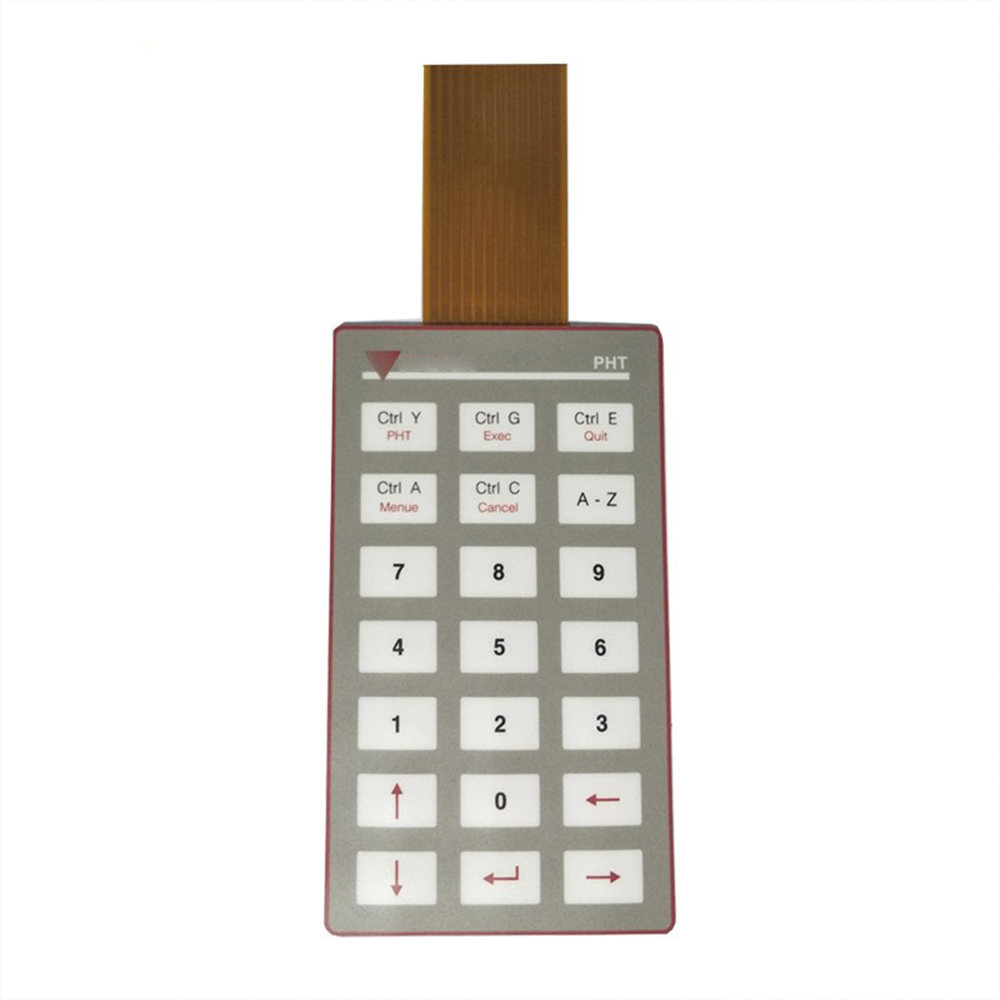
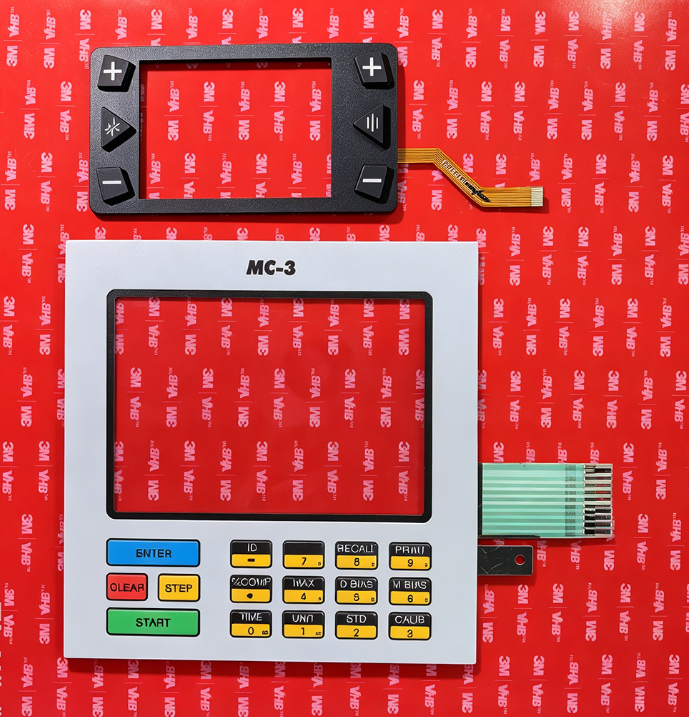
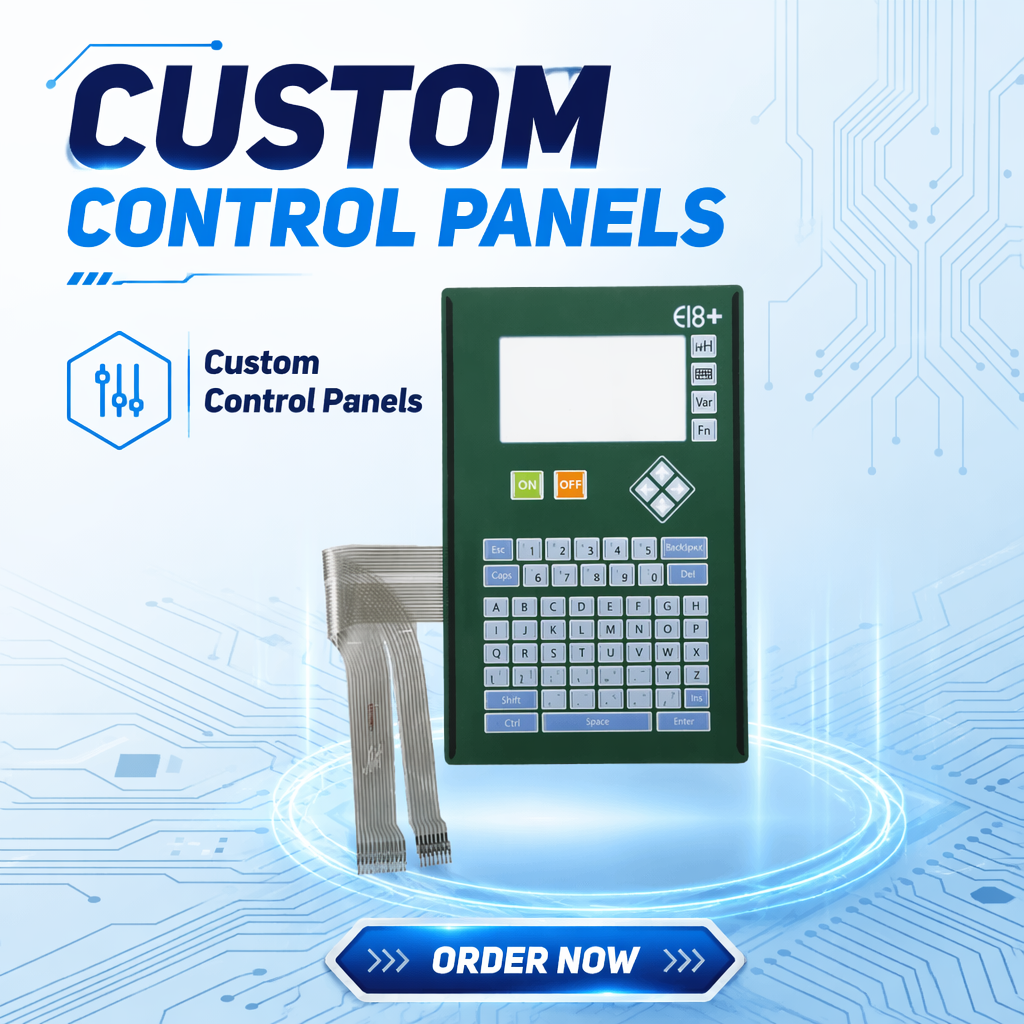
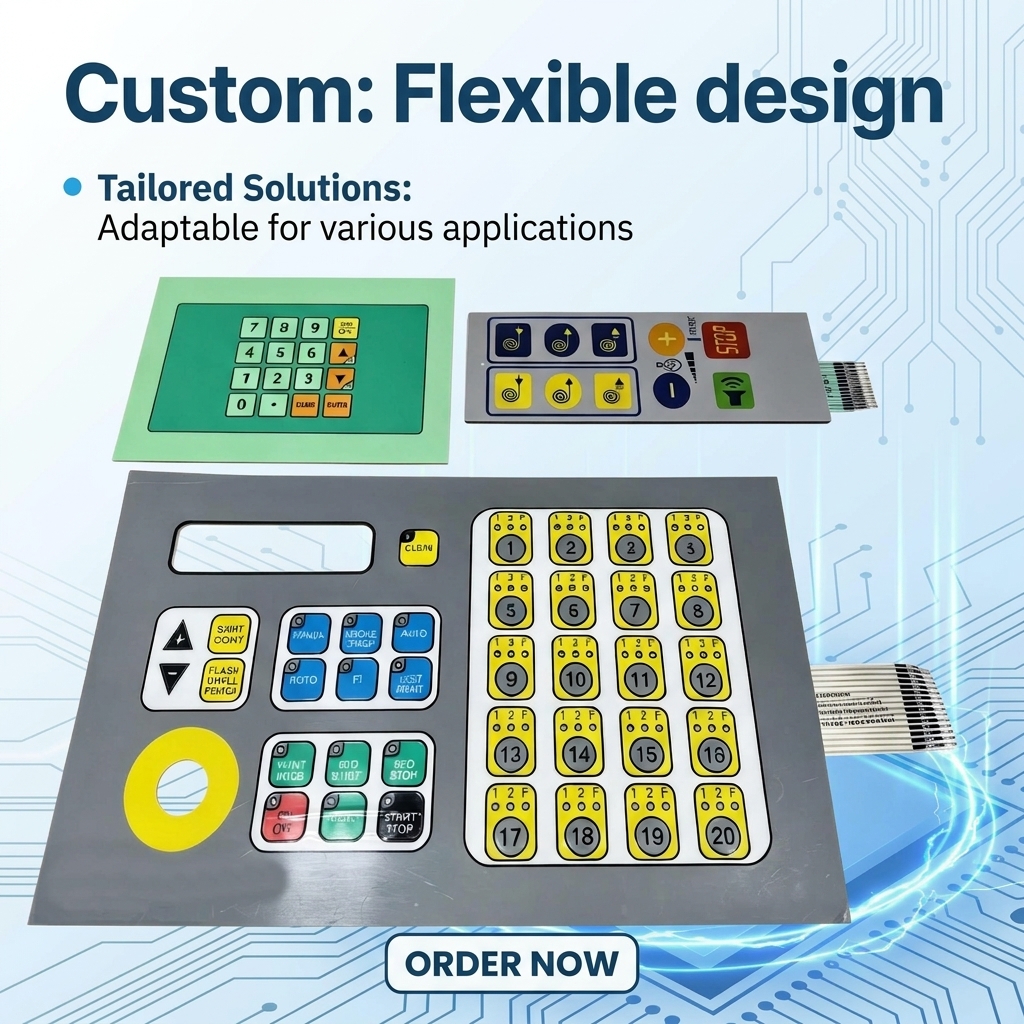
Technical Architecture of Modern Optical Window Overlays
An optical window overlay acts as both the communicative faceplate of an electronic system and the primary optical filter for underlying displays (TFT-LCD, OLED, Vacuum Fluorescent Displays, or 7-segment LED units). Unlike ordinary decorative fascia, optical windows demand stringent light transmission metrics, low haze coefficients, precise surface hardness, and mechanical compatibility with underlying touch sensors or metal dome arrays.
At our manufacturing facilities in Xianghe (Hebei Robot Industry Port) and Huizhou (Guangdong), we apply both roll-to-roll and sheet-fed cleanroom processing to fabricate multi-layer composite structures. The optical overlay typically integrates hard-coated optical-grade Polycarbonate (PC) or bi-axially oriented Polyethylene Terephthalate (PET, such as Autotype Autotex/Autoflex). Where underlying LCD/OLED modules are laminated directly against the overlay cover, Optically Clear Adhesive (OCA) or liquid optically clear resin (LOCA) is deployed to eliminate the micro-air gap, effectively resolving internal reflection, wash-out under high sunlight, and condensation ingress.
| Substrate Parameter | Optical-Grade Polycarbonate (Lexan HP92W / 8010) | Hard-Coated PET (Autoflex EBA / EBGL) | Chemical Strengthened Acrylic (PMMA) |
|---|---|---|---|
| Luminous Transmission | 89% – 91% (ASTM D1003) | 90% – 93% (ASTM D1003) | > 92.5% (High Clarification) |
| Surface Hardness Rating | HB (Standard) / 2H–3H (Hard-coated) | 3H – 4H (Pencil Hardness ASTM D3363) | 4H – 6H (Surface treated) |
| Chemical & Solvent Resistance | Moderate; prone to aromatic hydrocarbons | Exceptional resistance to alcohols, IPA, cutting oils | Good against mild detergents, weak acids |
| Actuation / Flex Life | Moderate; typically non-tactile or shallow rim | > 5,000,000 actuations (ideal for keys) | Rigid only; no direct switch actuation |
| Thermal Deflection Range | -40°C to +125°C (-40°F to 257°F) | -40°C to +85°C (-40°F to 185°F) | -30°C to +75°C (-22°F to 167°F) |
Elimination of Newton Rings & Anti-Reflective (AR) / Anti-Glare (AG) Tuning
A frequent challenge in non-optically bonded flat overlays is the occurrence of optical interference fringes, commonly known as Newton rings. These happen when light reflects between two parallel surfaces (the reverse side of the overlay window and the glass surface of the display module) separated by an uneven micro-gap of air. Our engineering team combats this using two calibrated methodologies:
First, micro-texturing through fine-pattern anti-Newton ring coatings applied via selective screen printing along the non-viewing inner border or across non-active viewing paths. Second, the deployment of dry-film OCA vacuum bonding, which eliminates the air boundary altogether. OCA bonding unifies the refractive index (n ≈ 1.49 – 1.51), matching typical glass and polycarbonate, which drops surface reflection from roughly 8%–9% down to less than 0.5%, optimizing daylight readability for field-deployed Texas equipment.
Localized Fort Worth Application Scenarios for Optical Window Overlays
Fort Worth and the wider Dallas-Fort Worth (DFW) Metroplex represent one of the United States' premier epicenters for advanced manufacturing, aerospace engineering, logistics intelligence, and energy distribution. Industrial electronics deployed across Tarrant County encounter demanding environmental criteria: extreme heat, intense solar UV exposure during Texas summers, sub-freezing winter cold snaps, vibration in mobile machinery, and persistent exposure to petroleum derivatives and heavy-duty degreasers.
Aerospace & Defense Systems (Fort Worth West Side)
Home to premier defense aviation manufacturers and subcontractors, Fort Worth systems demand MIL-STD-810 certified mechanical resilience. Our overlays integrate hard-anodized aluminum backers, EMI/RFI shielding grids (silver mesh or vacuum ITO deposition), and NVIS-compatible display filters that prevent optical flare in cockpit simulators and tactical field electronics.
Railroad & Locomotive Controls (BNSF Operational Hub)
As the headquarters and transit node for major freight rail networks, Fort Worth operations require rugged locomotive engineer control consoles, trackside telemetry units, and signaling diagnostics. We leverage vibration-proof flexible printed circuits (FPC) coupled with IP67-sealed front acrylic panels tested for heavy continuous service.
Barnett Shale Oil & Gas Instrumentation
Upstream, midstream, and hydraulic fracturing telemetry consoles require chemical immunity against hydraulic fluids, diesel fumes, and acidic washdowns. Reverse-printed sub-surface polyester graphic overlays keep critical indicators, zero-spark poly domes, and flow-meter LCD windows legible under aggressive chemical washing.
Medical Diagnostic & Healthcare Devices
With the Fort Worth Medical District and major regional health systems expanding, clinical diagnostic carts, patient monitoring systems, and laboratory centrifuges require anti-microbial overlays capable of enduring hospital-grade cleaning compounds like quaternary ammonium, glutaraldehyde, and isopropyl alcohol wipes.
AllianceTexas Supply Chain & AGV Robotics
The north Fort Worth distribution corridor relies on autonomous mobile robots (AMRs), vehicle-mounted fleet terminals, and barcode scanner docks. Our optical overlays provide scratch-resistant 4H coatings, capacitive touch compatibility through work gloves, and vivid digital UV printing to reinforce operator safety and speed.
HVAC, Heat Pumps & Building Automation
Texas climate controls experience intense direct infrared and ultraviolet radiation. We incorporate UV-blocking clear window PET formulations tested in 1,000-hour xenon lamp aging chambers, preventing window embrittlement, yellowing, or delamination in commercial outdoor chilling and rooftop handling systems.
Emerging Procurement & Engineering Trends in Fort Worth and North Texas
The hardware landscape across North Texas is experiencing a major shift toward intelligent, hybrid interfaces. Sourcing managers and mechanical engineering teams in Fort Worth are no longer sourcing basic plastic stickers; they are ordering integrated sub-assemblies. Three technological vectors dominate current RFQs:
1. Convergence of Capacitive Touch with Tactile Physical Confirmation: Modern industrial machinery increasingly pairs capacitive touch detection with physical perimeter keys or embossed poly/metal domes. Operators require the sleek look of flat-glass panels combined with tactile feedback when operating machinery with industrial gloves. Our capacity to laminate capacitive sensors behind hard-coated optical overlays provides seamless, dual-mode control.
2. Light Guide Film (LGF) and Precision Uniform Backlighting: Traditional surface-mounted point LEDs frequently cause localized hot-spots that distract operators and look cheap. North Texas medical and defense buyers increasingly specify ultra-thin LGF layers (0.125mm to 0.25mm) paired with side-firing LEDs. This distributes illumination evenly across icons, warning indicators, and display window bezels with minimal power consumption and heat dissipation.
3. Direct Sub-Assembly Integration to Reduce Dallas-Fort Worth Labor Overhead: With skilled manufacturing assembly wages rising steadily in Texas, sourcing managers are moving away from multi-vendor procurement models (buying the overlay from one vendor, the PCB from another, and the metal bracket locally). TAVO ships completely validated front-panel assemblies: an optical overlay bonded to an aluminum backer plate with integrated mounting studs, pre-fitted silicone gaskets for NEMA 4X / IP67 enclosures, soldered FPC/PCB cables, and tested dome switches.
Frequently Asked Questions by Fort Worth Hardware Buyers
Key technical, regulatory, and logistics questions addressed for North Texas supply chain directors and engineering departments.
How do you safeguard optical window overlays against high Texas summer UV degradation?
What adhesive system is recommended for textured powder-coated NEMA enclosures?
How do you guarantee color consistency with corporate brand standards?
Can you provide dead-front display windows that hide when inactive?
What are the freight options and lead times from your factories to DFW Airport?
How is intellectual property and custom schematic data protected?
Why Tier-1 Global OEMs Trust TAVO
Combining German technical cooperation, twin-factory manufacturing scalability, and complete in-house process ownership.
Full In-House Manufacturing Loop
From vector drawing conversion, film output, and precision screen/digital UV printing to dome embossing, CNC mold making, laser cutting, and final lamination, everything stays under one roof. No outsourced hand-offs means complete accountability, zero quality leakage, and rapid prototyping turnarounds.
Dual-Facility Capacity Assurance
Operating 2,219 square meters across our core manufacturing plant in Xianghe Robot Industry Port (Hebei) alongside our processing plant in Huizhou (Guangdong). Workload is dynamically balanced across 60 CNC machines, 37 silkscreen printers, and 18 precision laser cutters to ensure zero supply disruptions.
German Technical Collaboration
Long-term technical exchanges with a prominent German membrane switch manufacturer provide our engineering teams with European production discipline, tooling methodologies, and rigorous durability benchmarks, recognized by global leaders including Siemens, ABB, and Haier.
Exhaustive Laboratory Reliability Testing
Every product batch is verified using computer circuit testers, button actuation lifecycle counters, programmable temperature/humidity chambers (-40°C to +150°C), xenon lamp aging chambers, and automated salt-fog chambers to ensure performance in demanding environments.
Flexible Minimum Order Quantities (MOQs)
Unlike rigid component suppliers requiring tens of thousands of units per run, we support prototyping, pilot test builds, and small-batch replenishment runs with minimal tooling surcharges, helping North Texas innovators launch and scale hardware faster.
Dedicated International Trade Division
Our 20-person international engineering and sales group maintains responsive communication during US Central Time business hours. We provide full export documentation, UL-certified material traceability, RoHS/REACH compliance declarations, and export-compliant protective packaging.
Accelerate Your HMI & Optical Overlay Project
Send your CAD drawings, graphic artwork, and mechanical tolerance specifications to our engineering team. We deliver manufacturability feedback, material stack-up recommendations, and direct factory quotation within 24 hours.
Contact Us