ISO 9001:2015 Precision HMI Engineering

Clear Panel Overlay Manufacturers & Exporter in the Nashville Market

High-Transmission Polycarbonate & PET Graphic Overlays, Integrated Display Windows, and Environmental HMI Solutions Engineered for Middle Tennessee's Industrial, Healthcare, and Automotive Leaders.

Since 1990 35+ Years Overlays & HMI Heritage
IP65 / IP67 NEMA 4X Ingress Protection Seals
2,219 m² In-House Class 10K Cleanroom Lab
>92% Trans. Optical Clarity LCD/LED Windows
Technical Whitepaper & Procurement Directive

Engineering Optical Precision & Environmental Resilience for Middle Tennessee

As the Greater Nashville metropolitan corridor expands its presence across advanced automotive assembly (Spring Hill, Smyrna), health-tech diagnostics, specialized electronics, and robotic automation, original equipment manufacturers (OEMs) require human-machine interface (HMI) components capable of withstanding aggressive industrial cleaning agents, UV degradation, mechanical impact, and continuous cycling. Our precision-engineered clear panel overlays and integrated membrane interfaces bridge the technical gap between micro-gap aesthetic design and severe industrial reliability.

The Physics of Subsurface Printing and Optical Window Integrity

In critical human-machine interfaces, visual clarity and physical durability are frequently at odds. Traditional topical printing degrades under the chemical assault of isopropanol, quaternary ammonium sanitizers, and automotive greases. Our clear panel overlays utilize first-surface engineered polymer films—primarily premium biaxially oriented polyethylene terephthalate (PET) and optical-grade polycarbonates (PC)—where text, borders, legends, and dead-front indicators are printed reverse (subsurface) on the bottom layer.

This subsurface encapsulation guarantees that the graphics remain impervious to mechanical wear, abrasion, and aggressive solvents. For display readouts (TFT LCD, OLED, seven-segment LED, and vacuum fluorescent indicators), our precision window finishing process incorporates selective optical texturing, anti-glare (AG) matte treatments, anti-reflective (AR) sputter coatings, or optical clear adhesive (OCA) wet-lamination, achieving light transmission rates exceeding 92% with haze factors below 1.2%.

"Eliminating parallax distortion while maintaining 3H to 7H pencil hardness across harsh diagnostic and production environments: our clear panel overlays define human-machine precision across the Cumberland Valley."

Substrate Chemistry Comparison

Selecting between Polycarbonate (Lexan™ / Makrofol®) and Polyester (Autotype MacDermid Autotex®) dictates the operational lifespan of your control interface:

  • Autotype PET (Polyester): Superior flex life (>5 million actuations), supreme chemical resistance against acetone and methyl ethyl ketone (MEK), zero environmental stress cracking. Ideal for tactile dome actuation.
  • Optical Polycarbonate (PC): Exceptional impact resistance, high heat deflection (up to 135°C), UL94 V-0 flame retardancy compliance, superior dimensional stability for massive structural overlays.
  • Selective UV Hardcoating: Dual-gloss textured boundaries on a single sheet, isolating ultra-clear scratch-resistant windows alongside velvet non-glare operator zones.
Engineered Catalog

Featured Clear Panel Overlays & HMI Assemblies

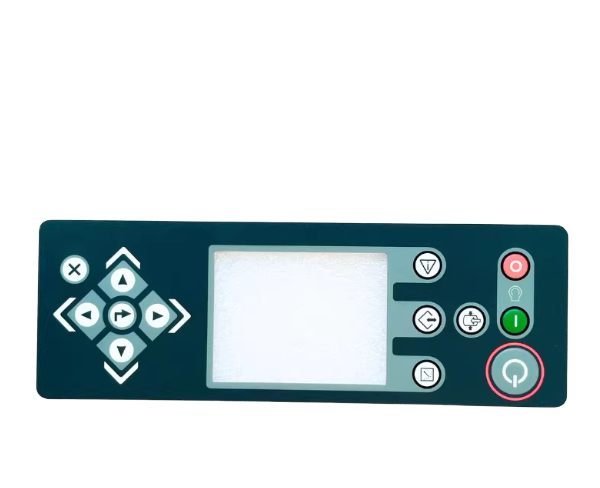
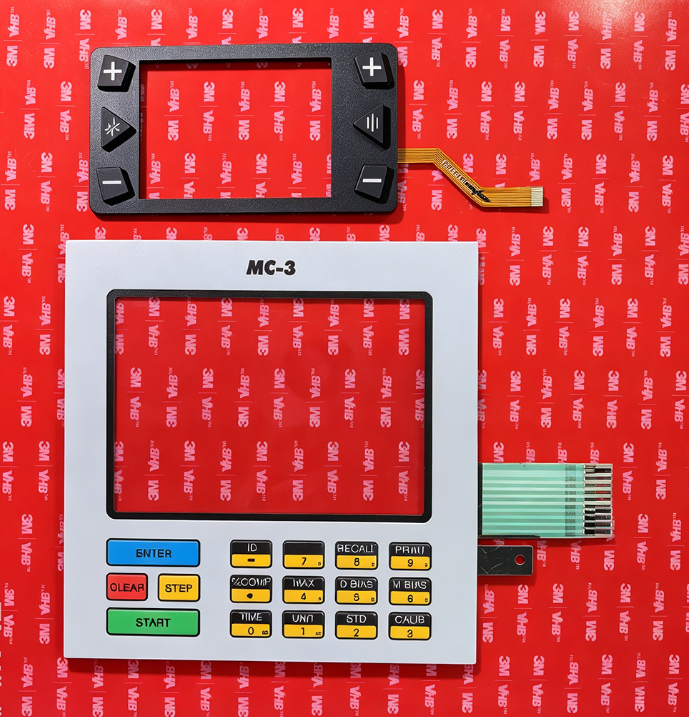
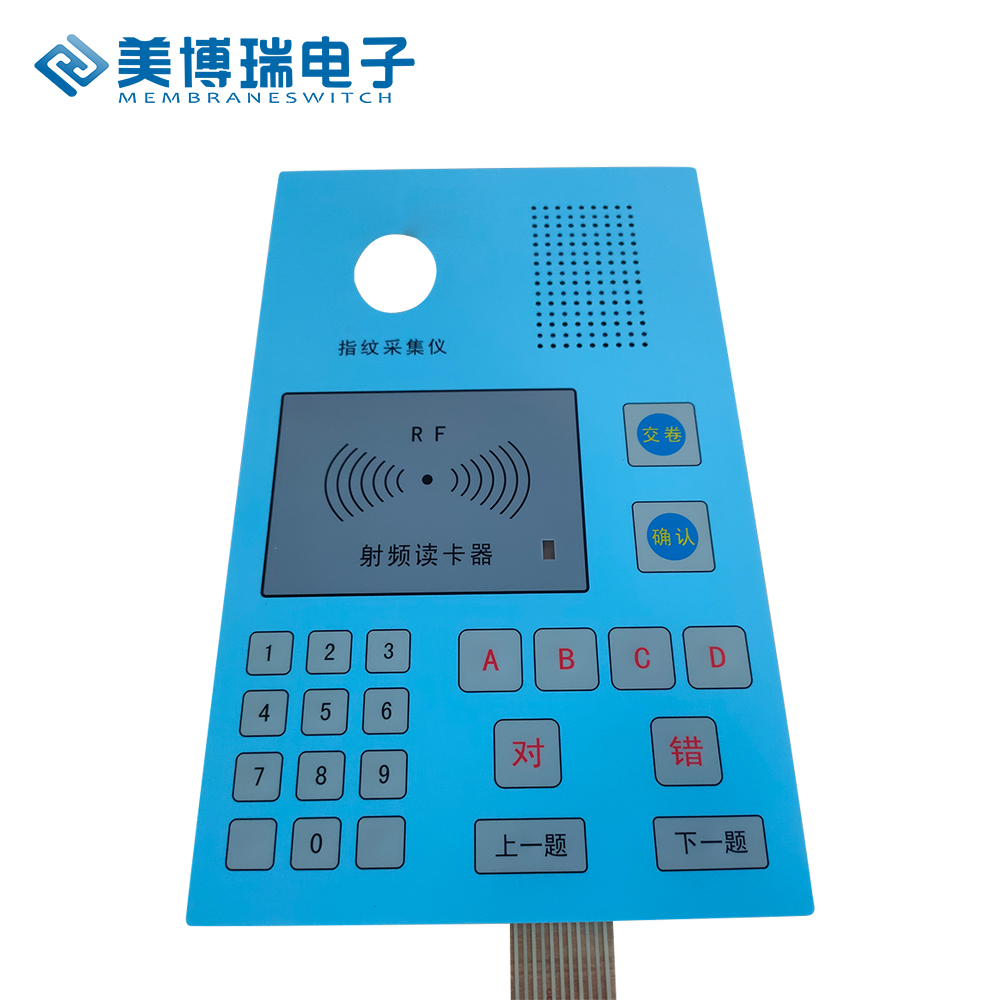
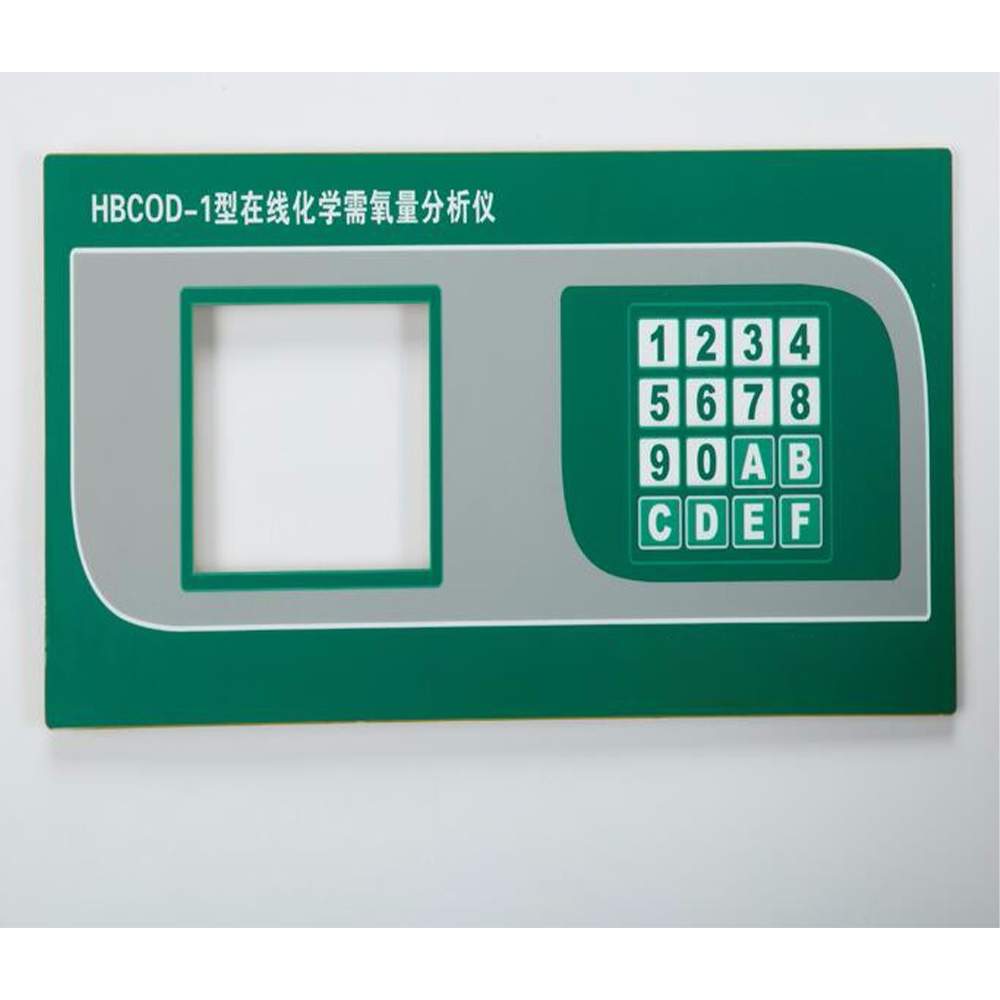
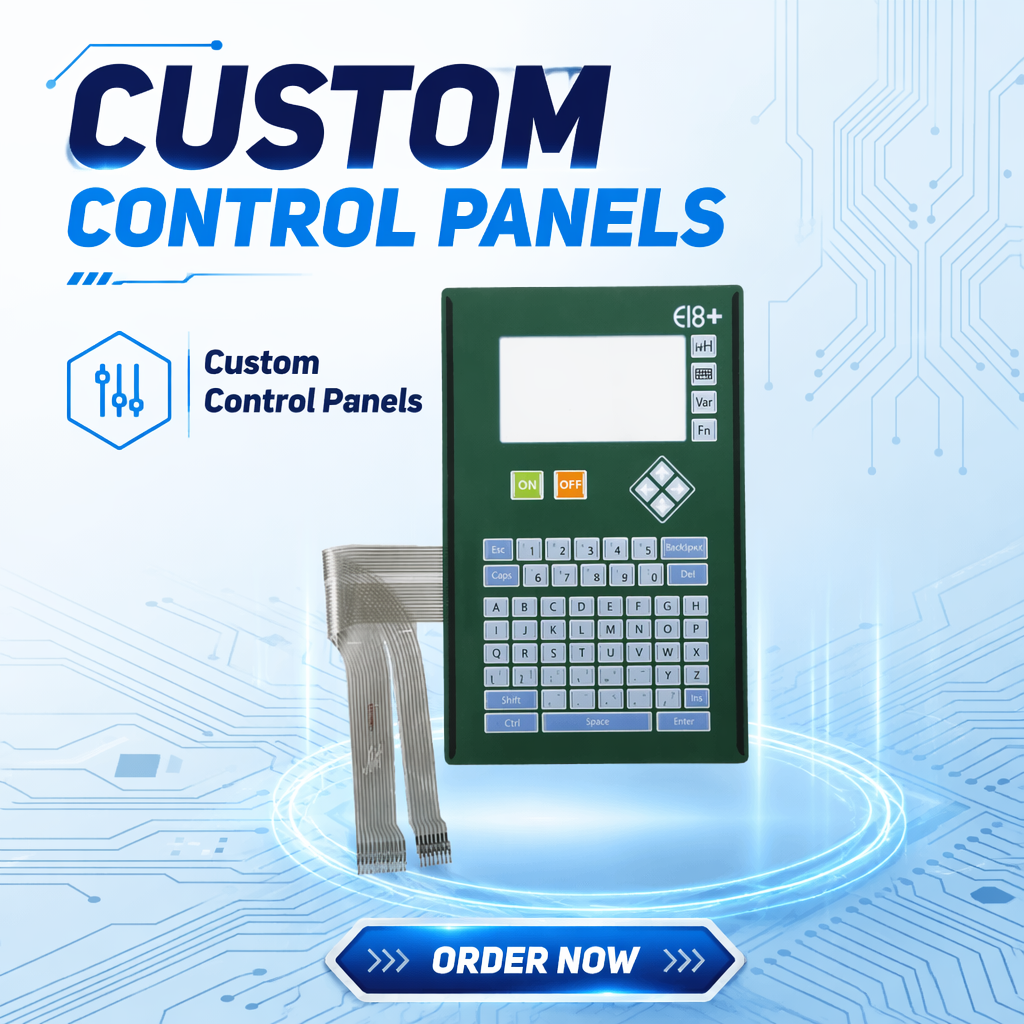
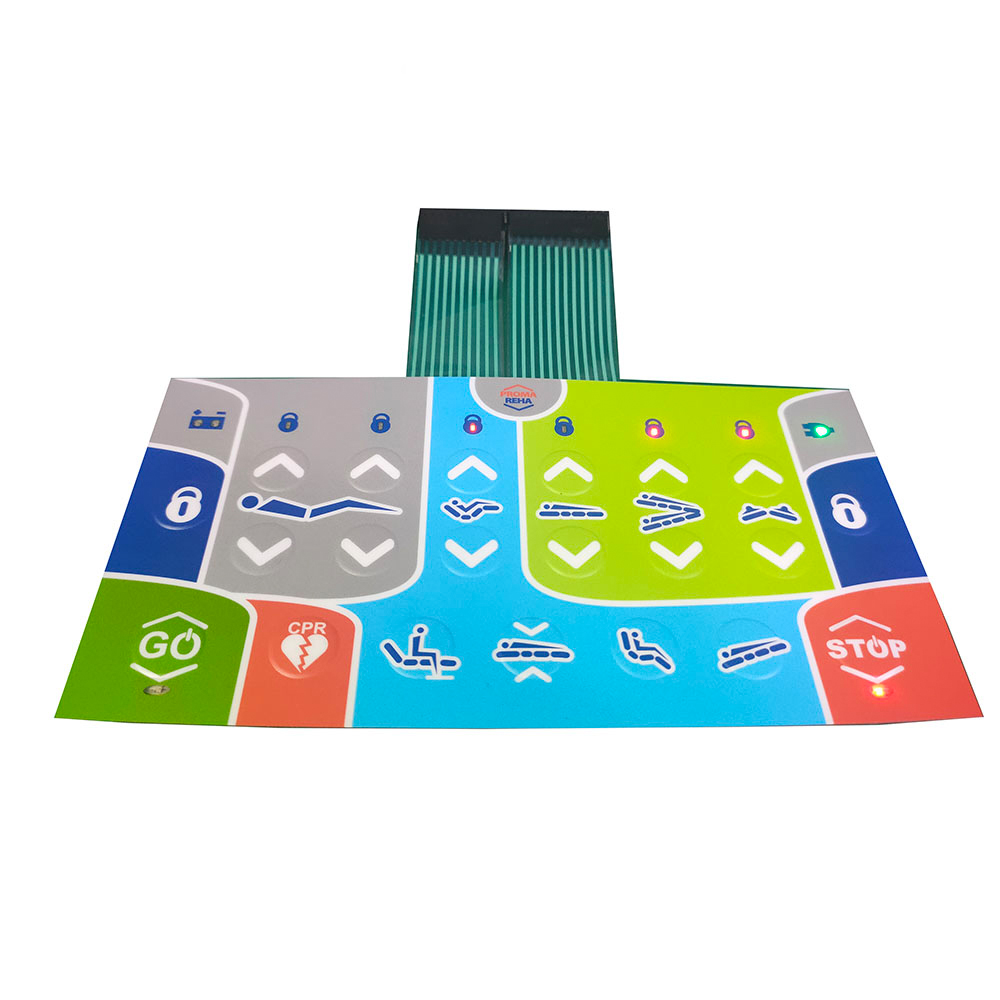
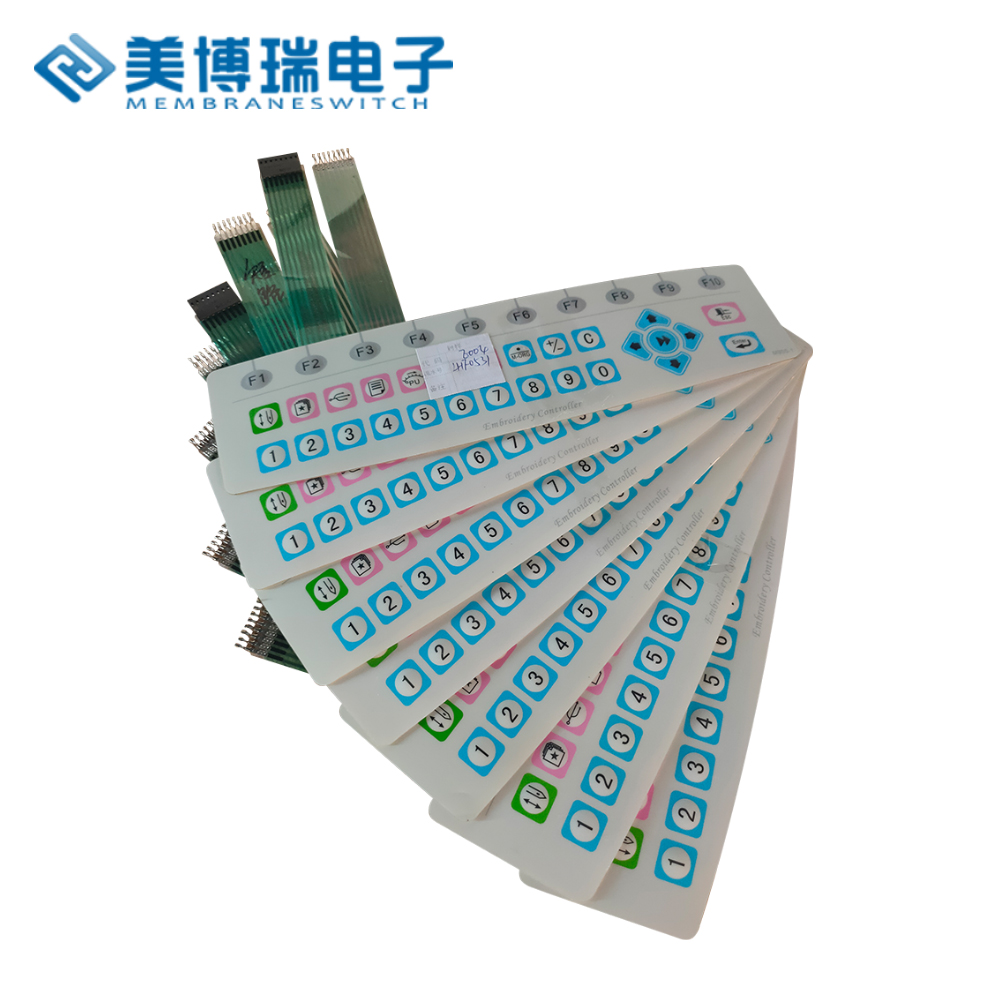
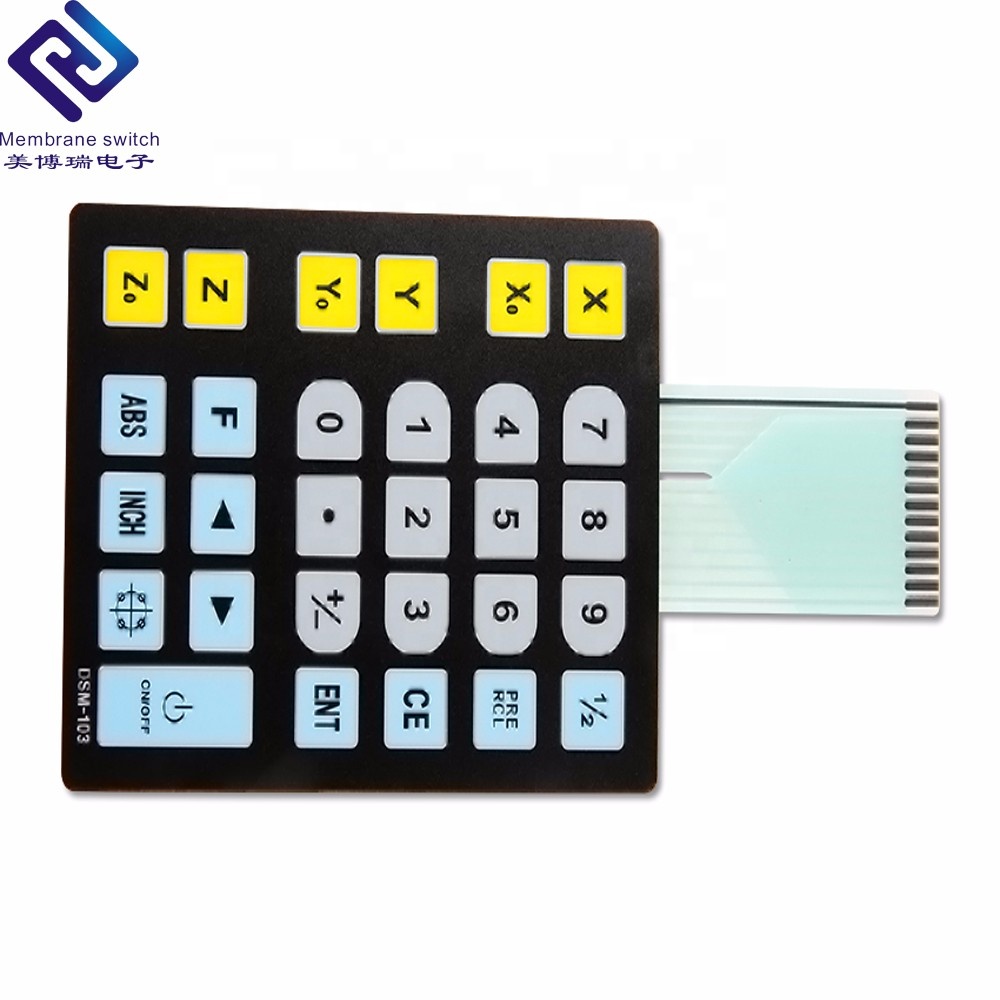
Manufactured in full conformance with ISO 9001:2015 quality frameworks, our turnkey assemblies integrate clear display windows, custom tactile switches, environmental perimeter gaskets, and robust flexible circuit terminations.

Send an Inquiry
Middle Tennessee Market Engineering

Targeted Industrial Use Cases Across Nashville & Surrounding Hubs

From the automotive manufacturing plants along the I-65 corridor to surgical innovation centers in Nashville's healthcare sector, our clear overlays meet rigorous localized operating requirements.

Automotive & EV Subsystems

Locations: Spring Hill, Smyrna, Lebanon, Franklin automotive corridors.

Automotive battery line controls, automated guided vehicle (AGV) dispatch pads, and EV level-3 DC charging kiosk terminals operate in unconditioned environments subjected to extreme thermal flux (-40°C Tennessee winter to +55°C internal kiosk summer baking) and heavy UV irradiation.

Technical Solution: UV-stabilized Makrofol® polycarbonate with optical grade clear windows treated with 99.8% UV-block inhibitors to prevent yellowing or embrittlement. Backed with 3M 300LSE adhesive designed to achieve permanent mechanical bonds to low surface energy (LSE) powder-coated and die-cast aluminum enclosures.

Healthcare & Clinical Diagnostics

Locations: Metro Nashville, Midtown Vanderbilt Healthcare Corridor, Brentwood bioscience parks.

Hospital bedside infusion pumps, diagnostic centrifuges, blood analyzers, and surgical room HMIs must withstand round-the-clock wipe-downs using harsh sterilizing chemistry including Bleach (Sodium Hypochlorite), Virex, Cavicide, and 70% IPA solutions without clouding or delamination.

Technical Solution: Autotype MacDermid 200-micron textured chemical-resistant PET overlays featuring optically bonded clear windows. Complete continuous dead-front aesthetic that hides LED alarm annunciators until illuminated, maintaining an uninterrupted, crevice-free surface that inhibits microbial harborage.

Smart Distribution & Robotics

Locations: Murfreesboro, Antioch, Mount Juliet, Clarksville fulfillment centers.

Automated packaging lines, conveyor sortation PLC panels, and robotic arm programming pendants require high-tactile feedback capable of surviving mechanical shock, dropped tools, and high-frequency operator keystrokes (often operated with heavy industrial leather or nitrile gloves).

Technical Solution: Polyester graphic overlays with selectively formed high-rebound rim embossing and nickel-plated stainless steel tactile domes rated for >3,000,000 cycles. Clear status windows integrate anti-smudge oleophobic treatments to maintain scanner and LCD screen readability through grease and dust.

Strategic Sourcing Analysis

Nashville Regional Industrial Trends Shaping Panel Overlay Specifications

Procurement teams and mechanical engineers across Middle Tennessee are modernizing their interface architectures to address rising component complexities and supply chain volatility.

1. The Convergence of Dead-Front Styling with Capacitive Sensing

Traditional mechanical pushbuttons with raised bezels are rapidly giving way to sleek, dead-front capacitive touch surfaces across Nashville's industrial equipment design firms. In standby mode, the control interface displays an uninterrupted black or neutral architectural finish. Upon proximity detection or power-up, high-efficiency LEDs illuminate clear subsurface icons through translucent ink formulations.

Achieving uniform light diffusion without optical "hotspots" or bleeding requires micro-meter precision in screen printing layers and light-guide film (LGF) integration, eliminating bulky mechanical switch cutouts and eradicating liquid ingress paths.

2. Rigorous Supply Chain Redundancy & Dual-Site Export Verification

Tennessee OEMs have felt the acute pain of single-source factory disruptions. Sourcing strategies now mandate that overseas manufacturing partners feature multi-site production footprints. With dual processing centers in Hebei (Xianghe Robot Industry Port) and Guangdong (Huizhou), our manufacturing ecosystem ensures zero single-point failure.

Tennessee sourcing professionals benefit from complete tooling interchangeability, automated CNC knife and laser cutting backups, and pre-cleared logistics routes to Nashville International Airport (BNA) and regional intermodal rail networks.

3. Direct Optical Bonding (OCA) for Outdoor Readability

Ambient light reflection is a chronic challenge for Tennessee agricultural, construction, and municipal infrastructure controls operating under bright Southern sunlight. Traditional air-gap installations create two refractive index mismatches (Film-Air and Air-Glass), resulting in a 4% to 8% reflection loss that washes out displays.

Our direct Optically Clear Adhesive (OCA) window bonding process applies an index-matched refractive elastomer (n ≈ 1.49) directly between the clear panel overlay window and the active display matrix. This eliminates internal reflections, boosts contrast ratios by up to 400%, and significantly improves structural impact resistance against vandalism and hailstorms.

Key Standards Applied to Nashville Shipments:
ASTM D3363 (Pencil Hardness) ASTM D3359 (Cross-Hatch Adhesion) DIN 42 115 (Chemical Resistance) ISO 9001:2015 Registered IP65 / IP67 / IP68 Enclosure Seals RoHS & REACH Compliant
Technical Evaluation Matrix

Front Panel Material Selection Architecture

A comparative evaluation for system architects weighing front panel interface methodologies for harsh industrial and clinical environments.

Evaluation Parameter Engineered PET Overlay (Autotype) Optical Polycarbonate (Lexan) Milled Acrylic / Glass Bezel Bare Touchscreen / Glass Cover
Optical Window Transmission 88% - 91% (Textured or Gloss) 89% - 92% (High Clarity) 92% - 94% (Rigid Plate) 90% - 93% (Surface Fragile)
Chemical / Solvent Resistance Superior (Hydrocarbons, MEK, IPA) Moderate (Attacked by aromatic hydrocarbons) Low to Moderate (Prone to stress cracking) High (Chemically resistant glass)
Actuation Lifespan (Switch Cycles) >5,000,000 Cycles without deformation ~100,000 Cycles (Prone to micro-fatigue) Non-tactile (Static housing only) Capacitive Touch only (Zero mechanical)
Shatter & Impact Resistance High (Pliant, shatterproof) Extreme (High impact projectile resistant) Brittle (Chips and fractures on edge impact) Brittle (Requires temper; catastrophic spidering)
Sealing Capability (Gasketing) Seamless IP67 / NEMA 4X with 3M adhesive Seamless IP65 / IP67 perimeter seal Requires compression rubber O-ring channels Requires secondary bezel chassis gasket
Unit Cost Scaling (Prototypes to Volume) High Efficiency (Digital UV to Screen Print) High Efficiency (Rapid CNC / Steel Rule) High Tooling & Setup (CNC Milling/Polishing) High Setup Cost & High MoQ
TAVO / Meiborui Manufacturing Benchmark

Why Global Engineering Leaders Entrust Their Interfaces to Our Facilities

Tracing our continuous industrial heritage back to 1990, TAVO has grown into a verified custom manufacturer trusted by Tier-1 industrial brands including Siemens, ABB, and Haier, with critical components deployed across high-speed rail locomotive control, the Three Gorges Dam power infrastructure, and advanced aerospace programs.

Every phase—from engineering CAD review, film plotting, and precision screen printing to Mimaki digital UV printing, embossing, laser cutting, cleanroom OCA bonding, and 100% automated circuit verification—is conducted strictly under our direct control.

  • Closed-Loop In-House Production: Zero third-party outsourcing risks across screen, UV print, or die-cut.
  • Dual Manufacturing Sites: 2,219 m² central base in Hebei + southern facility in Huizhou for load balancing.
  • German Technology Partnership: Ongoing technical, equipment, and training exchange keeping tolerances to European standards.
  • Intertek Audited Quality: ISO 9001:2015 certified, equipped with salt-fog chambers, xenon aging, and life-cycle testers.
37 Units Silkscreen Printing Machines
4 Units Mimaki Digital UV Printers
60 Units CNC Mold-Making Machines
18 Units Precision Laser Cutters
111+ Verified Onsite Specialists
1M+ Pcs Annual USA & Germany Export
Procurement Due Diligence

Nashville Sourcing & Engineering FAQ

Clear, technically rigorous answers addressing common questions from Tennessee design engineers, quality assurance auditors, and supply chain managers.

How do you guarantee anti-glare and optical clarity specifications for display windows on custom overlays?
We achieve precise optical specifications through selective texture printing or by starting with pre-treated optical substrates (such as Autotype MacDermid V200 or Autoflex EB). For display windows, we selectively print a UV clear-gloss varnish over a matte base film to transform translucent textures into crystal-clear optical viewing apertures with >90% transmission. Conversely, for high-ambient light environments like outdoor vehicle charging stations, we apply anti-glare (AG) or anti-reflective (AR) treatments that scatter incident light and maintain an internal haze level <1.5%, preventing LED or TFT washout.
What adhesive transfer tapes do you specify to ensure IP67 environmental sealing to cast aluminum or powder-coated housings?
Enclosure surface energy determines adhesive longevity. For standard smooth plastics (ABS, Polycarbonate), we specify 3M 467MP or 468MP (200MP acrylic adhesive) for exceptional shear strength and temperature tolerance up to 204°C. However, for powder-coated steel enclosures, textured paints, and cast aluminum housings typical of Middle Tennessee automotive assembly plants, we strictly deploy 3M 300LSE or 9472LE high-tack adhesives. These modified acrylics aggressively wet out low surface energy (LSE) materials, achieving continuous water-tight perimeter seals compliant with NEMA 4X, IP66, and IP67 immersion tests.
How does your export logistics model support rapid delivery into the Nashville-Davidson MSA?
We maintain seasoned export documentation processes tailored to US Customs Harmonized Tariff Schedule (HTS) requirements. For quick-turn prototyping and NPI (New Product Introduction) cycles, finished assemblies are dispatched via priority air couriers (FedEx International Priority, DHL Express, or UPS Worldwide) directly arriving at Nashville International Airport (BNA) within 3 to 5 business days from final QA release. For scheduled volume production, we offer ocean freight containerization routed through East Coast ports (Savannah, Charleston) with domestic bonded trucking into Middle Tennessee distribution hubs.
What minimum CAD/artwork design files and electrical pin-outs are required to begin tooling?
To provide an engineering review and DFM (Design for Manufacturability) analysis, please provide:
  1. Graphic Artwork: Vector files (Adobe Illustrator .AI, PDF, or DXF) with Pantone (PMS) or RAL color codes specified and text outlined.
  2. Mechanical Layer Stack: Dimensional drawing showing window cutouts, overall perimeter tolerances, key embossment heights, and tail exit location.
  3. Electrical Circuit Schematic: Pin-out table, switch common matrix, connector brand/part number (e.g., Nicomatic, FCI Clincher, standard 2.54mm pitch female housing), and LED operating voltage/current specifications.
Our in-house 10-person CAD engineering group verifies tolerances and returns formal production approval drawings within 24–48 hours.
Can you support low-volume high-mix (HMLV) batches for medical prototypes alongside mass production runs?
Yes. By coupling 4 high-resolution Mimaki digital UV flatbed printers with digital laser cutter plotters, we bypass costly hard tooling (steel dies, photo stencils) during the R&D phase. This enables cost-effective prototype runs of 10 to 250 units with zero compromise on graphic fidelity or material performance. Once your hardware configuration freezes for full production, our factory seamlessly scales to our 37 high-speed silkscreen presses and 60 CNC mold-making machines for multi-thousand piece production economics.
What internal quality assurance verification protocols are applied before export shipment?
Every production batch undergoes 100% computerized circuit verification for loop resistance, open/short circuits, and insulation resistance (>100MΩ at 100V DC). Tactile actuation forces and key return strokes are audited via calibrated load-cell testers. Environmental durability is confirmed in our in-house lab utilizing automatic salt-fog corrosion chambers (ASTM B117), programmable temperature/humidity cycling chambers (-40°C to +125°C), and xenon arc exposure chambers for accelerated UV weathering. Certificates of Conformance (CoC), material lot traceability sheets, and first-article inspection reports (FAIR) accompany all shipments.
Direct Factory Engineering Channel

Accelerate Your Next HMI Hardware Release in Nashville

Connect directly with our senior application engineering team to evaluate your mechanical drawings, substrate chemistry, and environmental sealing requirements under complete Non-Disclosure Agreement (NDA) protection.

Fast 24-Hour DFM Quotation Free Pre-Production Sample Swatches Direct Technical Engineer Consultation