IP67 Waterproof
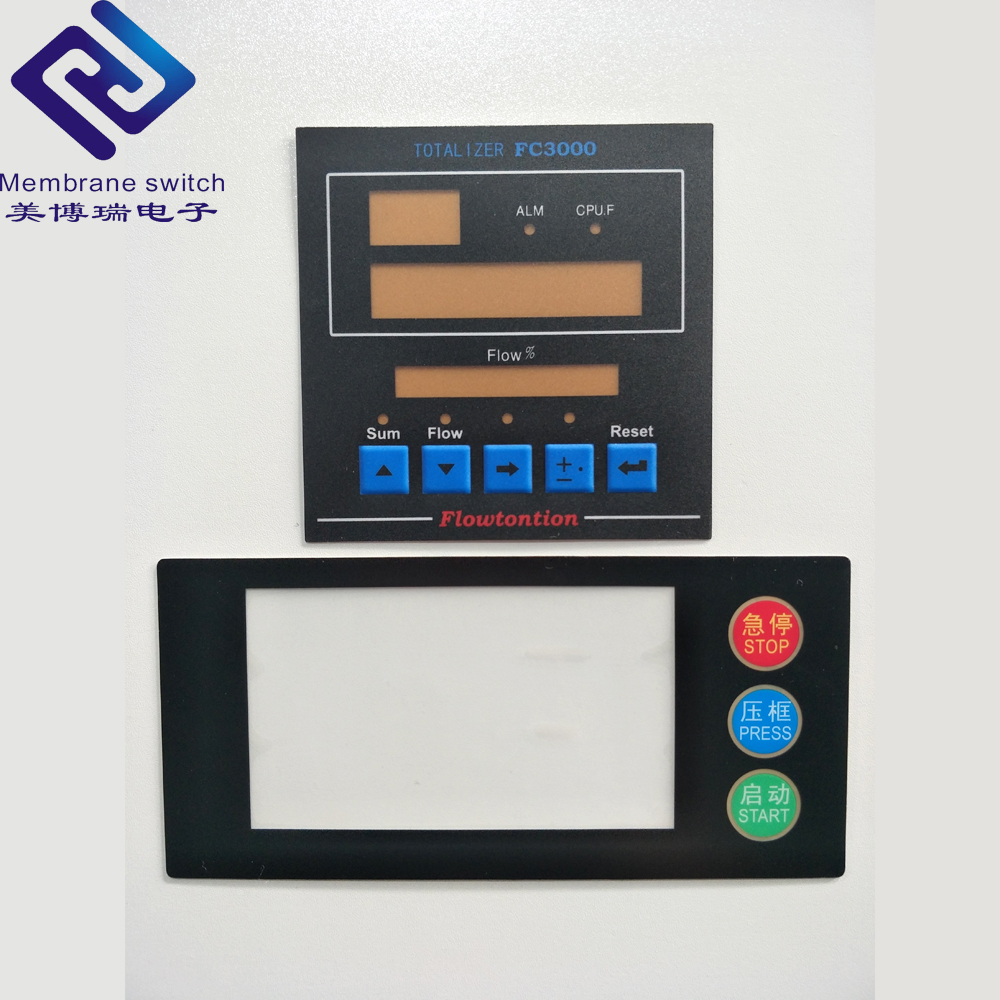
Precision-screened polymer thick film (PTF) circuits, carbon-coated tactile contacts, and hermetically sealed Human-Machine Interface (HMI) modules ready for prototyping and volume manufacturing.
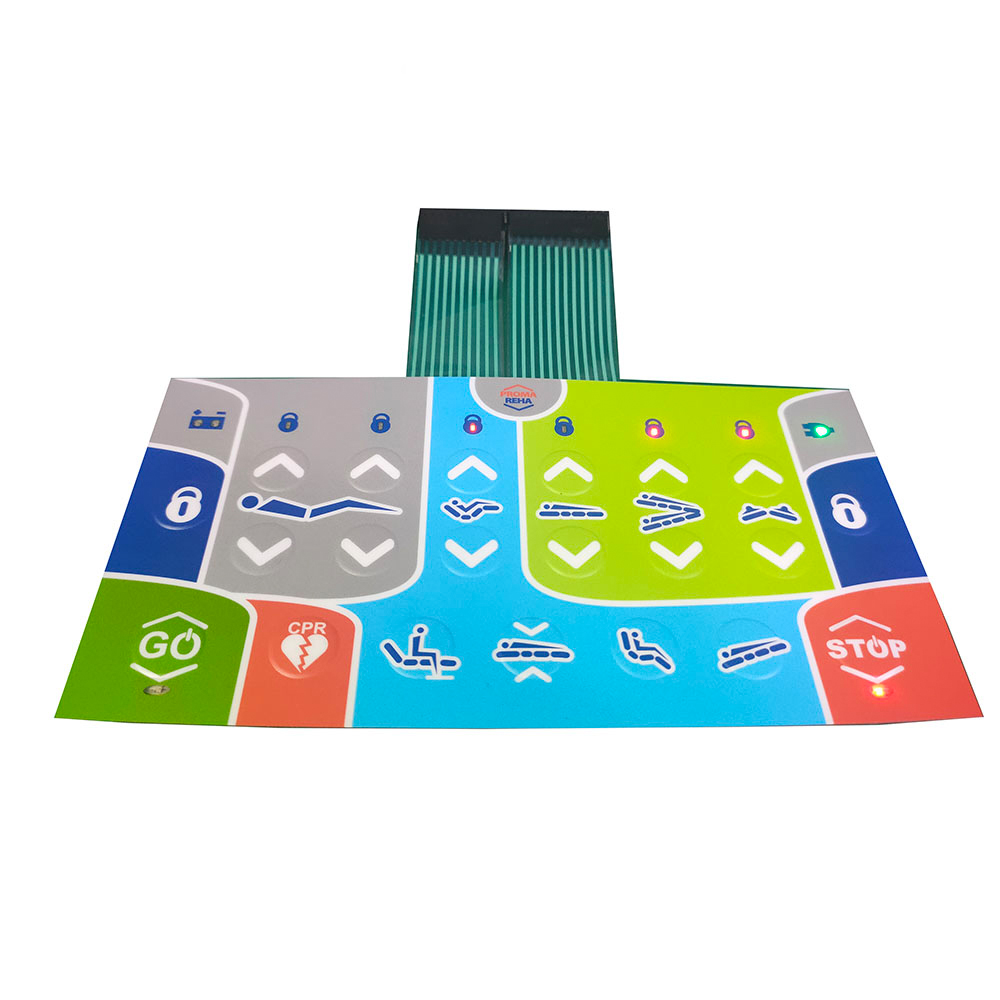
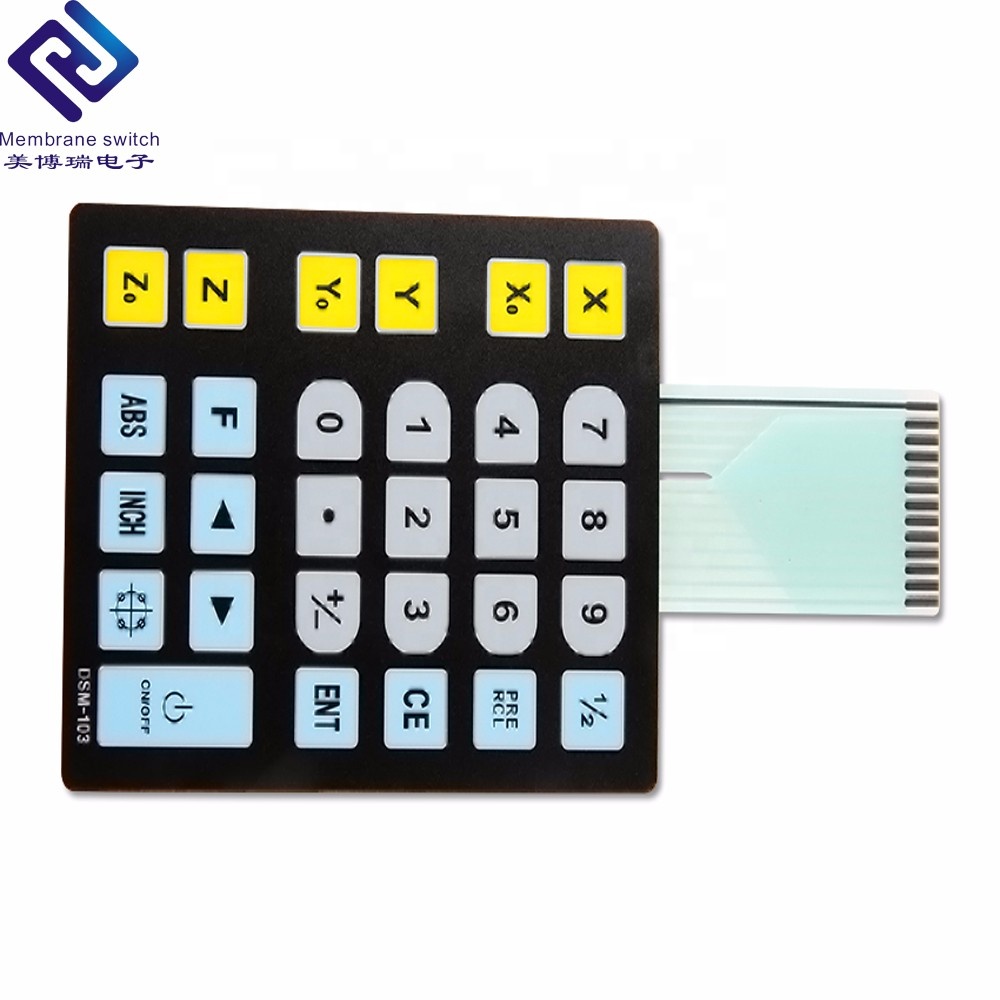
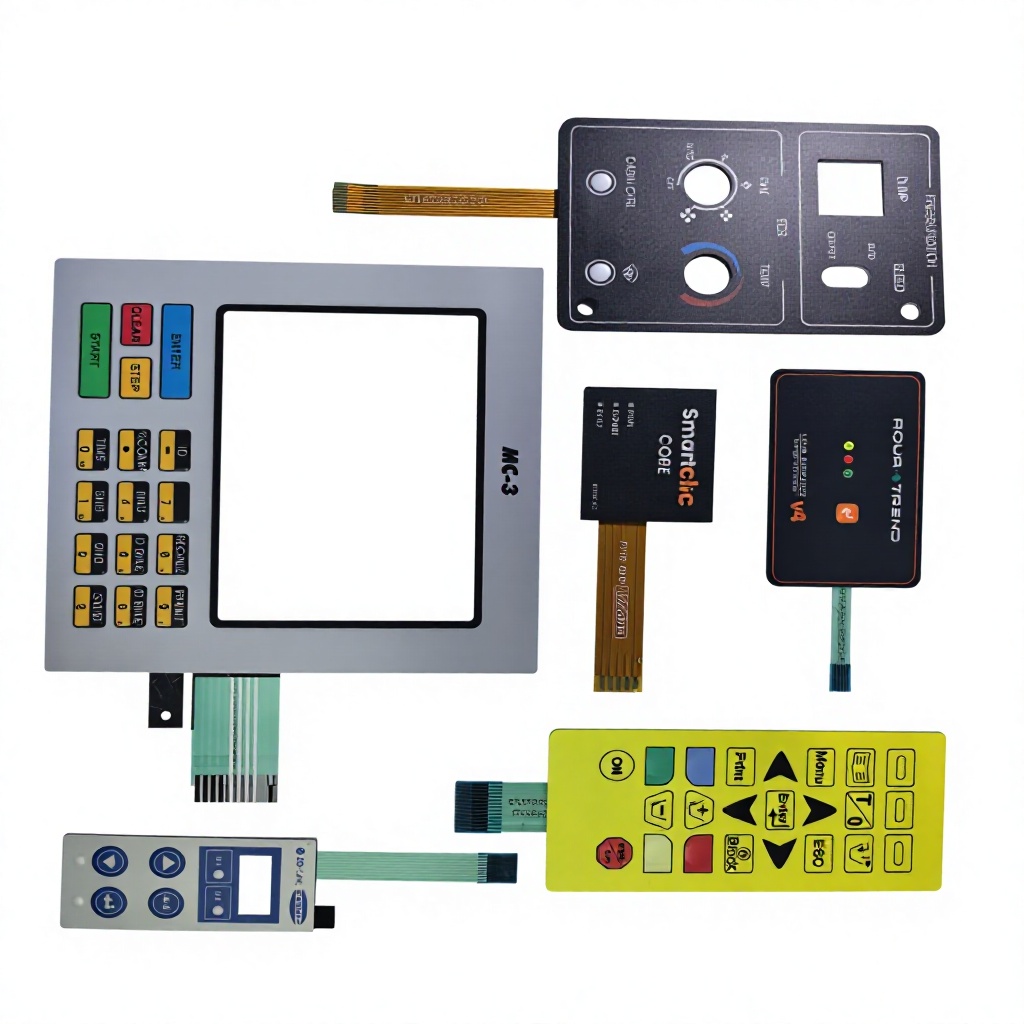
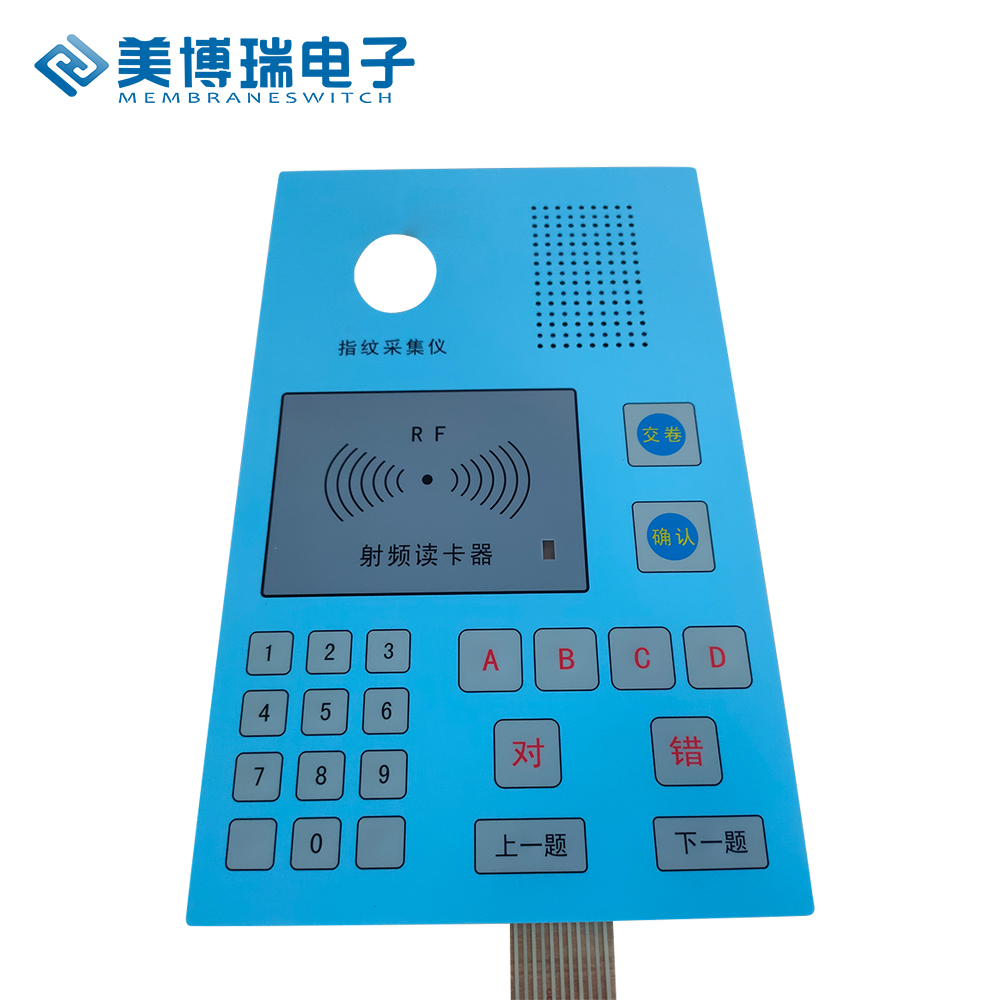
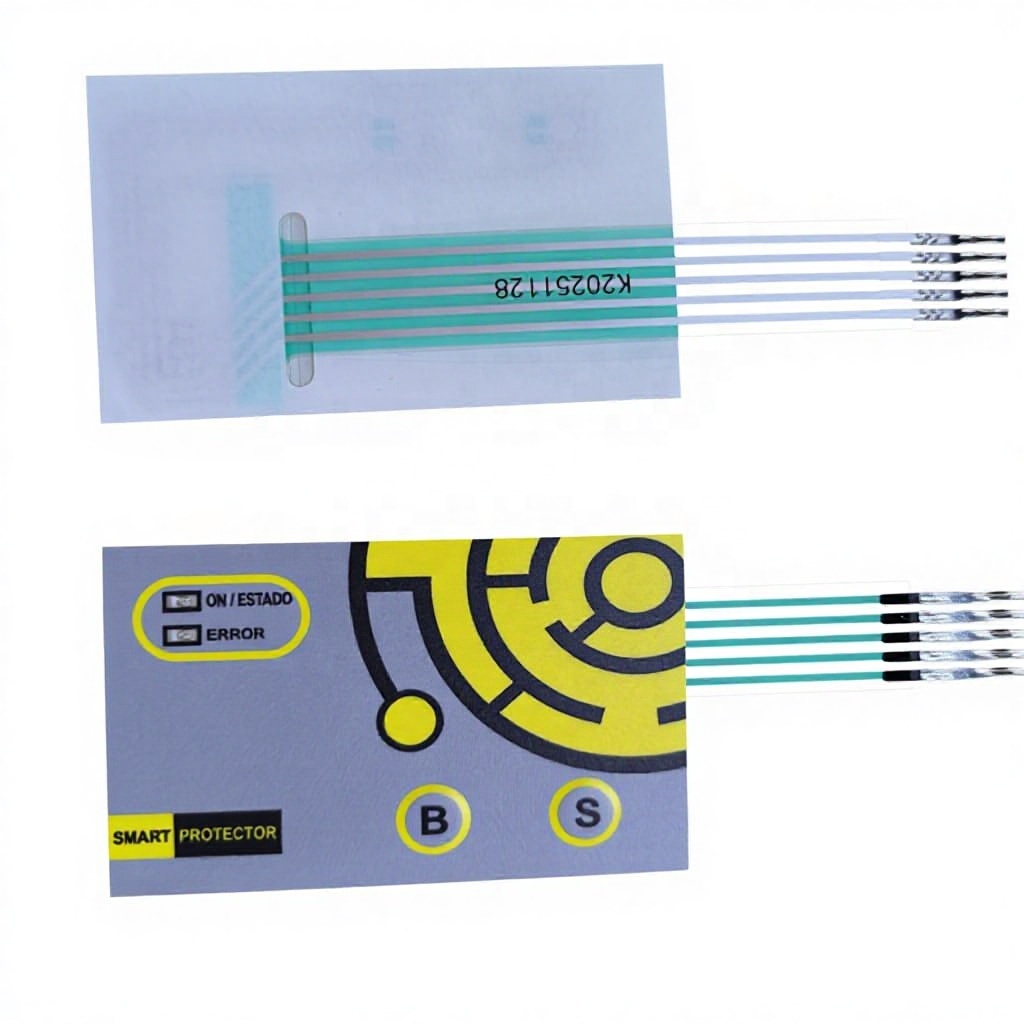
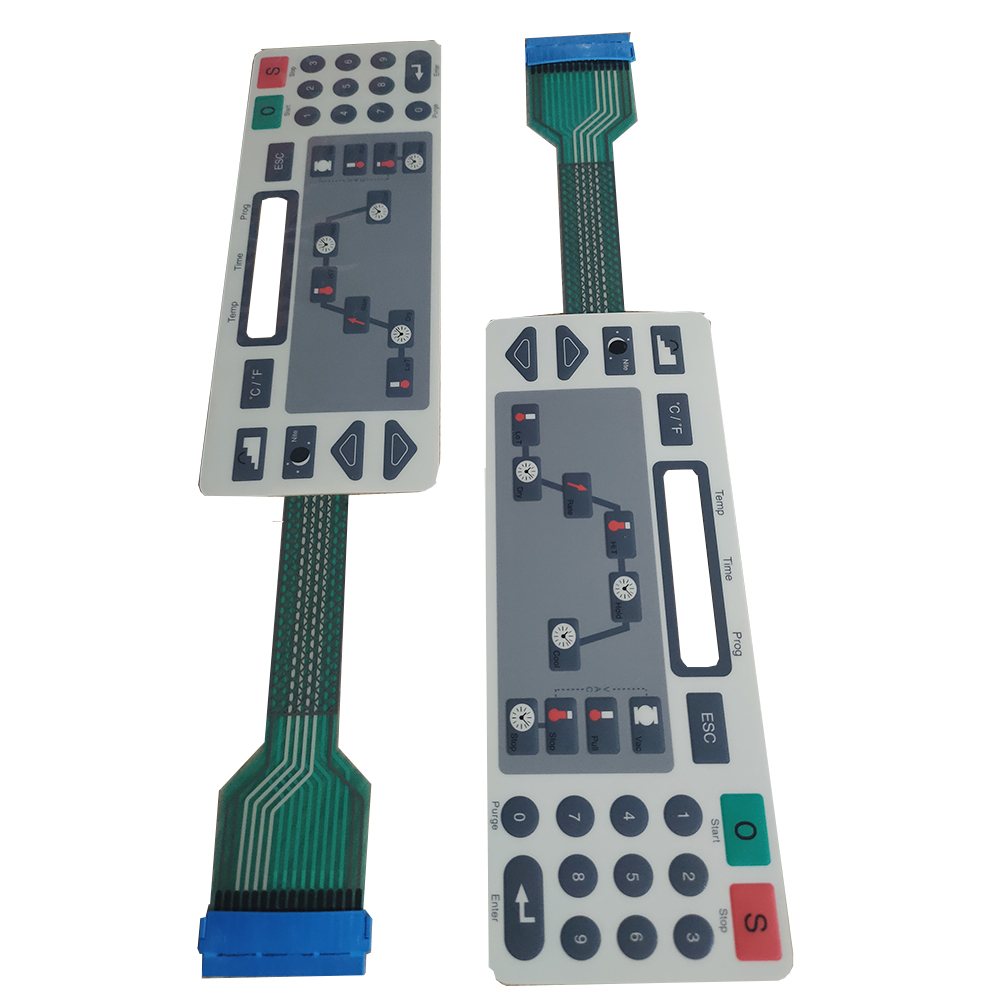
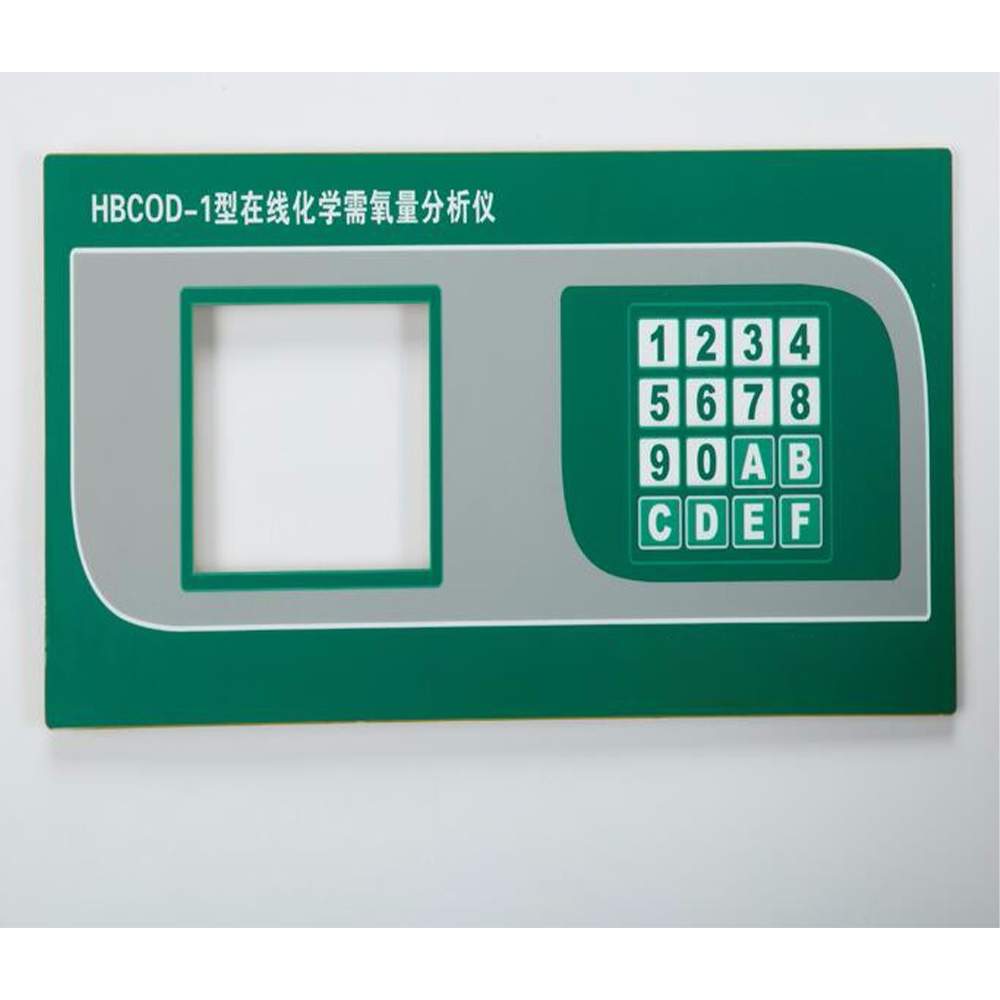
A rigorous examination of polymer thick film (PTF) rheology, contact resistance stabilization, and electrochemical resilience under harsh climatic and industrial environments.
In precision electronic manufacturing, flexible conductive carbon films act as the fundamental baseline for mechanical durability, electromagnetic shielding, and electrochemical reliability. Unlike pure metallic traces that remain vulnerable to corrosive oxidation and silver dendrite migration under DC bias and humidity, carbon conductor pastes deliver non-migrating, chemically inert conduction paths across flexible polyester (PET) and polyimide (PI) substrates.
Under continuous DC potential and condensing humidity (common in European unheated warehouses and industrial enclosures), raw silver traces suffer electrochemical migration (dendrite formation), triggering short circuits. Printing a pinhole-free conductive carbon paste overlayer (sheet resistance 10–50 Ω/sq) completely isolates silver ions, maintaining dielectric breakdown voltage integrity.
Unlike brittle sputtered ITO (Indium Tin Oxide) or rigid copper tracks that shear after cyclical bending, resin-bonded conductive carbon films maintain electrical continuity past 1,000,000 actuation cycles at 180° crease radii. The elastomeric resin matrix dissipates dynamic mechanical strain without micro-fracturing.
Carbon contact pads paired with nickel- or gold-plated stainless steel metal domes eliminate contact fretting wear. The carbon-to-metal contact interface features an initial loop resistance typically under 100 Ω, drifting less than 5% across full thermal shock cycling (-40°C to +85°C per IEC 60068-2-14).
Quantitative benchmarks verified across our ISO 9001 and Intertek-audited test facilities.
| Physical / Electrical Parameter | Standard Specification | High-Precision Grade | Test Standard / Methodology |
|---|---|---|---|
| Base Substrate Film | Optical Grade Biaxially-Oriented PET (125μm–188μm) | Polyimide (PI / Kapton) (50μm–100μm) | ASTM D882 / ISO 527-3 |
| Sheet Resistance ($\rho_s$) | < 30 Ω / sq / mil | < 15 Ω / sq / mil | Four-Point Probe (ASTM F390) |
| Contact Loop Resistance | 50 Ω – 150 Ω (depending on trace run) | < 20 Ω (Hybrid Silver-Carbon Traces) | Digital Micro-Ohmmeter @ 10mA DC |
| Insulation Resistance | > 100 MΩ @ 100V DC | > 500 MΩ @ 250V DC | MIL-STD-202 Method 302 |
| Peel Adhesion Strength | Grade 4B – 5B (Cross-Hatch) | Grade 5B (100% Retained adhesion) | ASTM D3359 / ISO 2409 Tape Test |
| Actuation Lifetime | > 1,000,000 actuations | > 5,000,000 actuations | Automated Pneumatic Actuator @ 250g force |
| Operational Temperature Range | -25°C to +70°C | -40°C to +105°C | Climatic Chamber IEC 60068-2-1 / 2-2 |
| Dielectric Breakdown Voltage | 1,500 V DC Peak | 2,500 V DC Peak | ASTM D149 Dielectric Strength |
Wrocław and the surrounding Lower Silesian Economic Zones (Legnica, Wałbrzych, Bielany Wrocławskie) represent Central Europe’s foremost centers for electro-mobility, precision mechatronics, and smart appliances.
Surrounding Wrocław's massive lithium-ion gigafactory clusters, conductive carbon films serve as PTC (Positive Temperature Coefficient) heating substrates, busbar isolation sensing layers, and battery cell monitoring interconnects where copper fatigue and electrolytic oxidation pose safety hazards.
From automated factories in Nowa Wieś Wrocławska to tier-1 robotic integrators in Legnica SEZ, machine control pendants require rugged, oil-resistant, sealed membrane interfaces. Carbon-printed contact matrices withstand corrosive hydraulic fluid mist and particulate ingress without impedance drift.
Wrocław's thriving life-science cluster requires biocompatible, electro-chemically stable electrodes for disposable biosensors, ECG grounding plates, and analytical fluidic panels. Low-noise carbon pastes eliminate baseline galvanic spikes during micro-voltage biological signal acquisition.
With major domestic appliance and heat pump assembly plants situated in Lower Silesia, capacitive touch carbon films bonded directly to acrylic and glass bezels deliver robust, moisture-immune touch detection, eliminating accidental actuation from condensation or cleaning agents.
Building on proven deployments in high-speed rail locomotive cabins, our conductive carbon switches meet rigorous rolling-stock flammability and vibration benchmarks (EN 45545-2 / PN-EN 61373), providing reliable cab operation under severe thermal swings.
Laboratories and calibration centers throughout Southwestern Poland depend on precision membrane switches featuring integrated EMI shielding layers. Carbon grounding meshes dissipate static ESD discharges up to 15 kV without component damage.
Strategic perspectives for procurement directors and hardware architects managing electronics supply chains across Central and Eastern Europe.
Polish electronics assemblers (EMS) increasingly pivot toward diversified manufacturing partners with verified audit qualifications (Intertek, ISO 9001), shifting away from unverified spot brokers to compress lead times to Wrocław Copernicus Airport (WRO) or Poznań-Krzewiny logistic hubs.
Scrutiny over hazardous substances requires all conductive carbon and solvent pastes to be 100% compliant with EU REACH Regulation (EC No 1907/2006) and RoHS 3 (Directive 2015/863/EU), strictly guaranteeing zero halogen, cadmium, or phthalate plasticizer outgassing.
Modern HMI consoles in Western Poland demand hybrid assemblies combining printed capacitive carbon slider zones for sleek digital control with tactile metal-dome physical emergency-stop triggers, all integrated within a unified continuous flex layer.
Lower Silesian medical and automotive buyers prioritize thin-profile Light Guide Film (LGF) layered beneath carbon switch tracks, yielding crystal-clear, uniform key legends with minimal battery drain compared to conventional side-firing LEDs.
Rooted in three decades of specialized membrane switch engineering, our operations bridge German precision standards with high-volume, vertically integrated Chinese production capacity.
Heritage Since
Verified In-House Staff
Verified Production Floor
Annual Export to EU & US
TAVO operates strictly to the ISO 9001 quality management standard and has completed onsite comprehensive factory assessments by Intertek. We maintain long-term technical cooperation with a German membrane switch manufacturing facility—exchanging tooling methodologies, automated screen printing equipment, and advanced polymer paste formulation techniques. All production steps—circuit layout, laser photoplotting, screen mesh preparation, multi-layer printing, hydraulic embossing, SMT pick-and-place, CNC cutting, and computerized continuity testing—take place inside our facility. No outsourced intermediaries.
Direct technical answers regarding tolerances, logistics, testing standards, and design integration for your upcoming HMI console build.
Connect directly with our senior HMI application engineering group. Send us your CAD drawings, dimensional specifications, or project concepts for a comprehensive manufacturability review (DFM) and a competitive quotation within 24 hours.
Send an Inquiry