Recommended Conductive Carbon & Membrane Interface Systems
Review our field-proven membrane keyboards, anti-interference locomotive interfaces, and custom conductive film arrays currently supplied to demanding European OEMs.
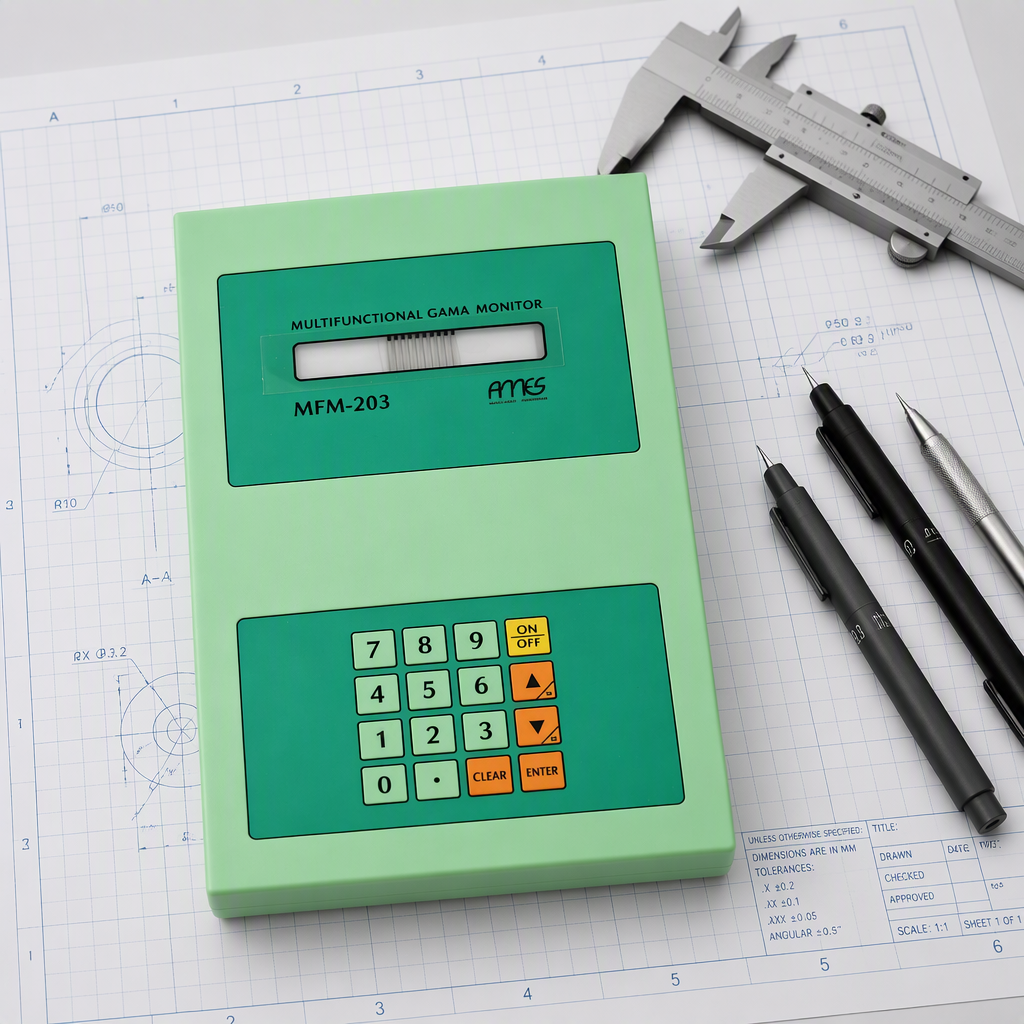
MEIBORUI Fast Turnaround Membrane Keyboard Prototyping
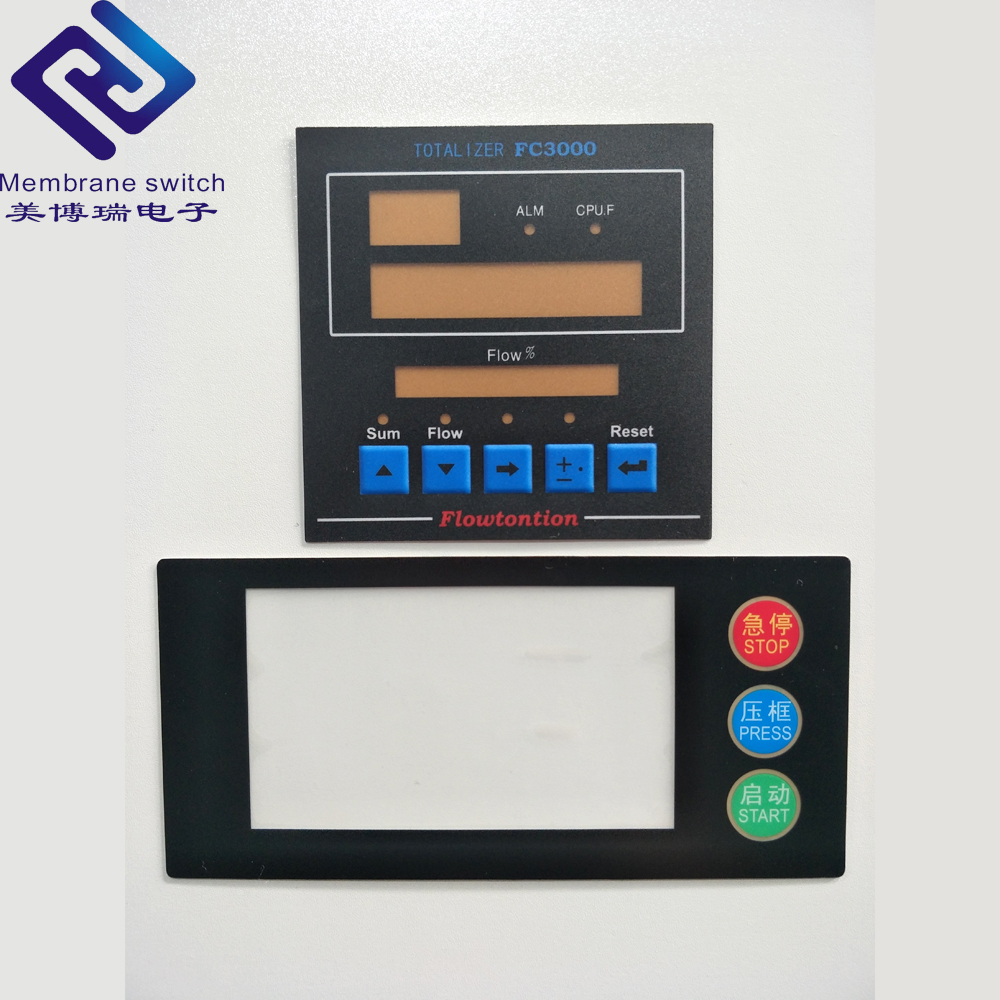
IP67 Waterproof Metal/Poly Dome LCD Membrane Keypad
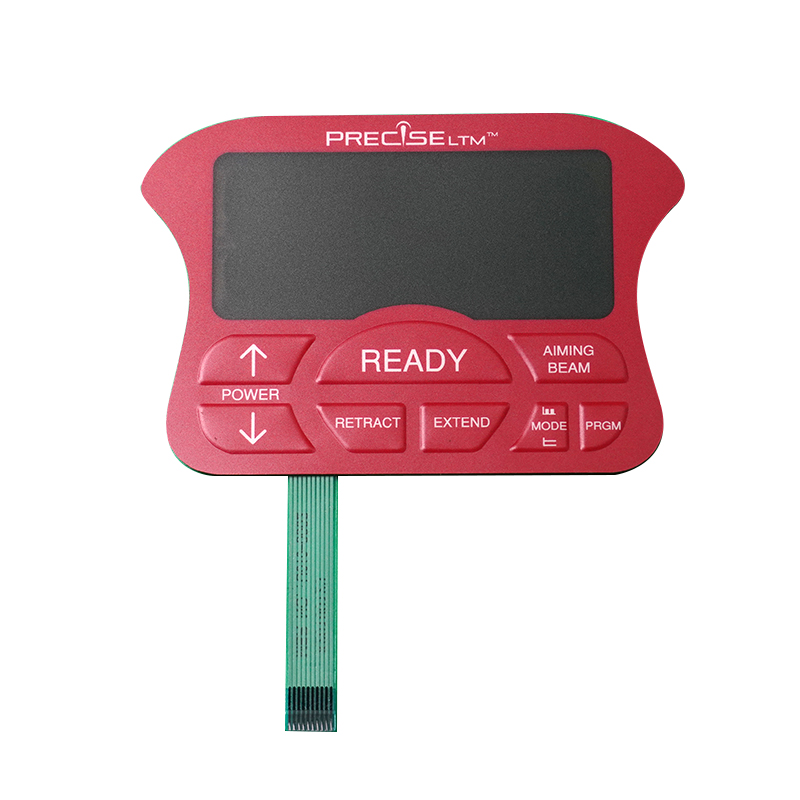
Anti-Interference Locomotive Membrane Control Panel
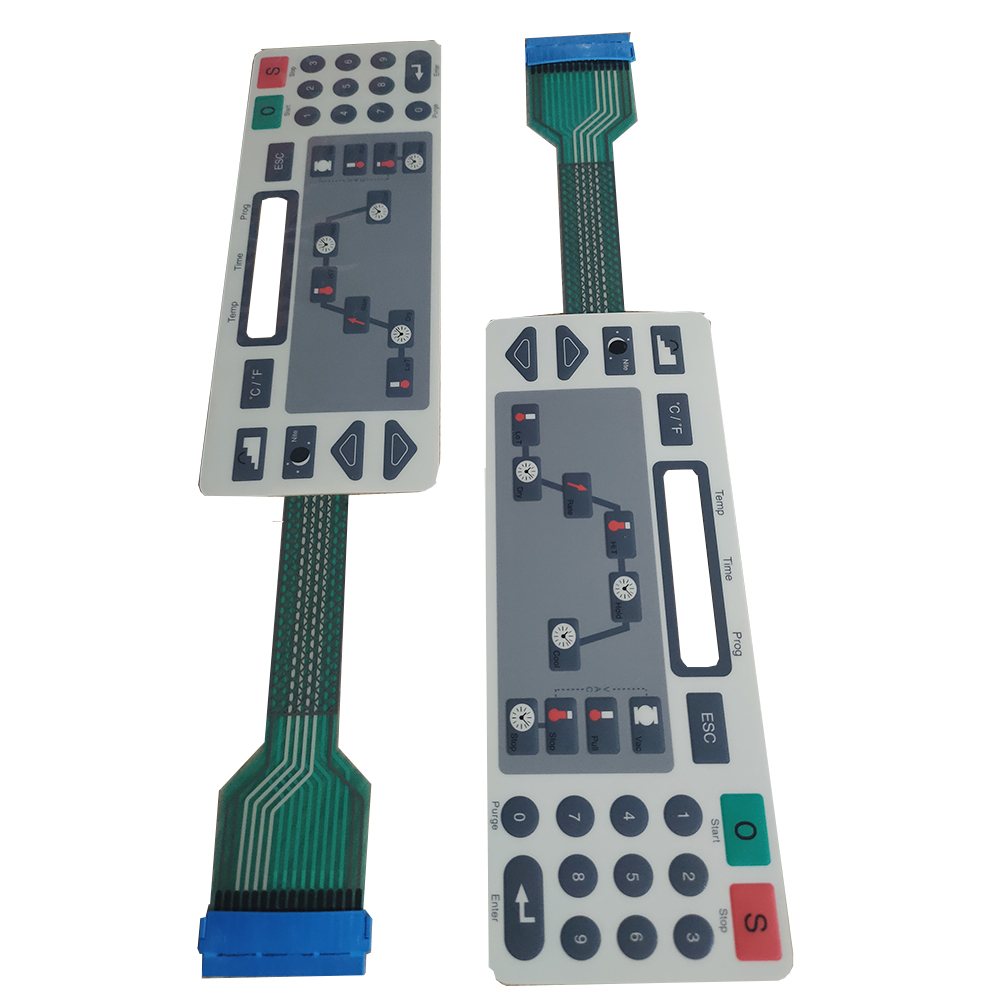
IP67 Waterproof Acrylic Window Membrane Keypad
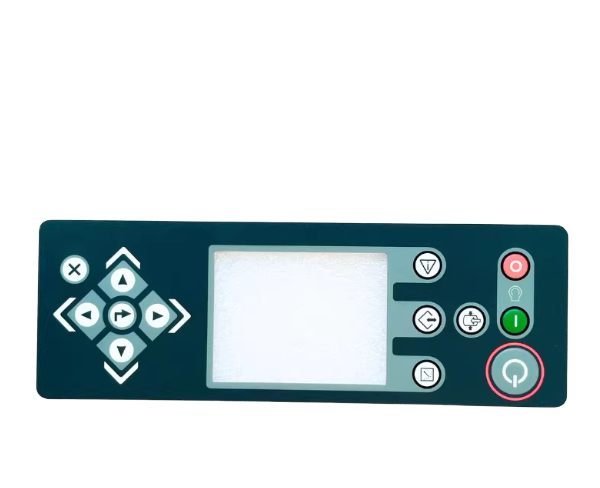
Flexible Thermal Touch Control Membrane Panel
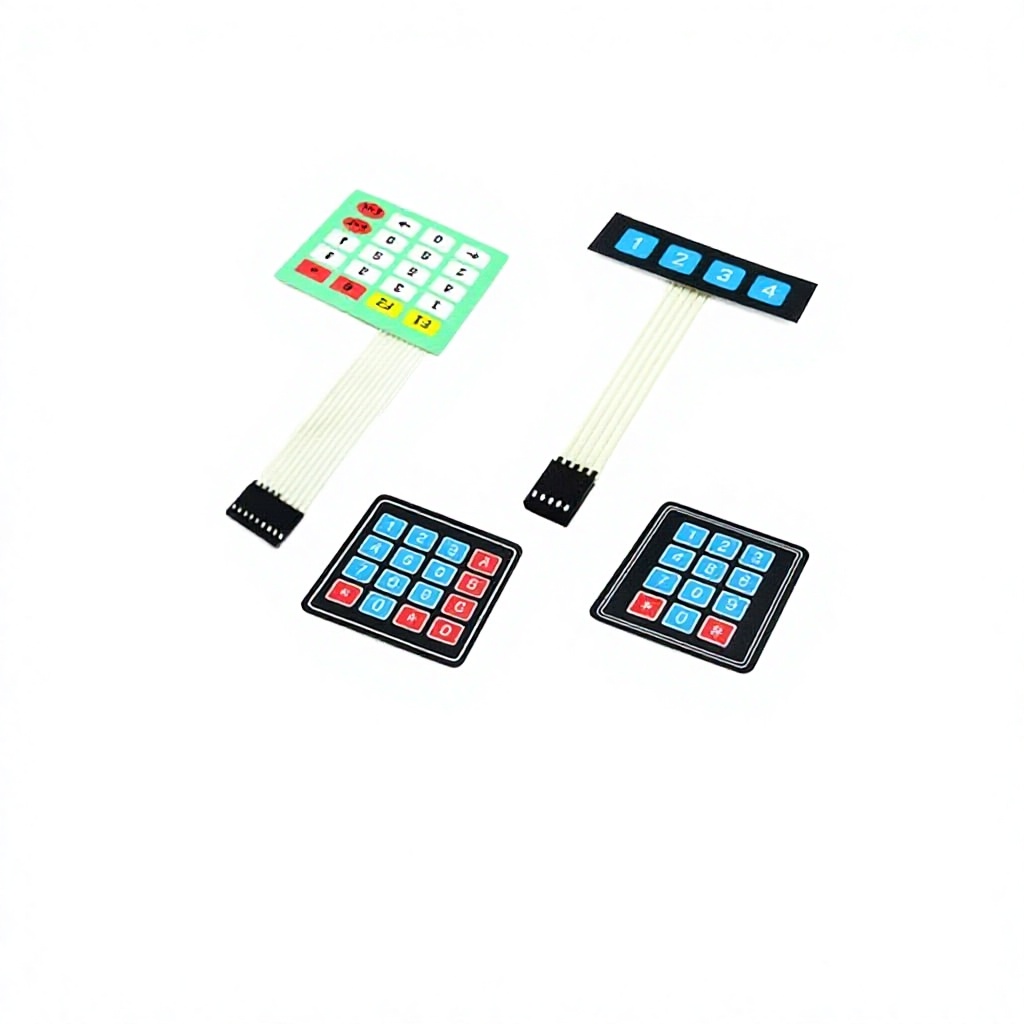
High-Reliability Custom FPC Switch for Test Instruments
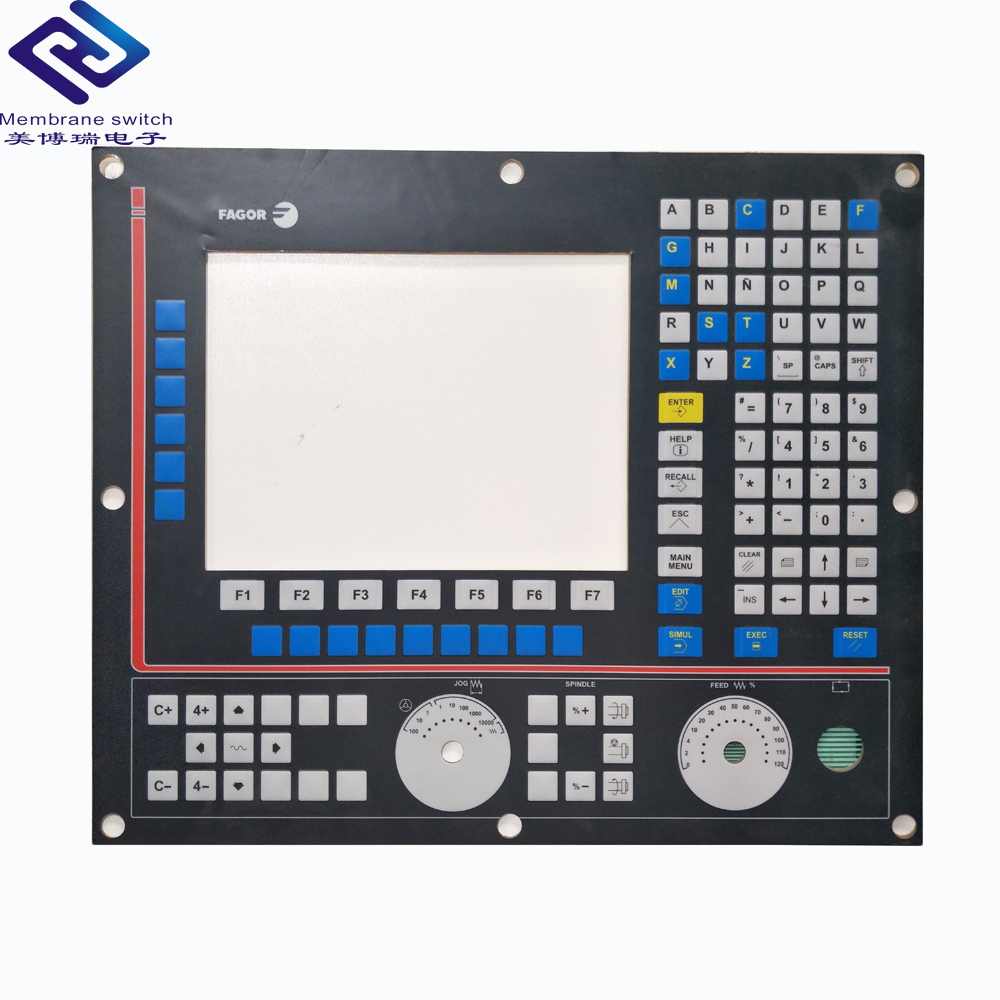
Industrial CNC Milling Machine Membrane Control Panel
3x4 12-Key PET Matrix Array Waterproof Button Switch
Technical Whitepaper: Conductive Carbon Film Engineering Fundamentals
In modern precision electronics and human-machine interface (HMI) engineering, conductive carbon films serve as the critical bridge between mechanical resilience, electrical conductivity, and cost-effective electromagnetic control. Unlike pure metallic traces such as etched copper or printed silver ink, polymeric thick-film (PTF) conductive carbon coatings rely on high-purity sub-micron carbon and graphite particulates suspended in a thermally cross-linked thermoplastic or thermosetting polymer matrix (primarily phenolic, vinyl, or epoxy resin bases).
The fundamental utility of conductive carbon film in membrane switches, flexible circuits, and tactile keyboards lies in its superior resistance to galvanic corrosion and mechanical oxidation. When silver conductors are subjected to continuous direct-current (DC) voltage in the presence of ambient humidity—a frequent condition in Mediterranean coastal environments—silver electromigration occurs rapidly. Silver ions detach from the anode and migrate toward the cathode, producing dendrites that lead to catastrophic short circuits. Applying an over-printed, precision-aligned carbon film layer over the silver traces functions as a formidable electrochemical barrier, eliminating dendritic dendrite growth while maintaining an actuation contact resistance generally below 100 Ω.
Beyond tactile switch contacts, conductive carbon film is extensively deployed as an electrostatic discharge (ESD) suppression ground plane and continuous radio frequency interference (RFI/EMI) shielding layer. By depositing a continuous grid of carbon-loaded polymer across the non-active layers of flexible polyester (PET) or polyimide (PI) films, capacitive coupling and high-frequency noise induced by surrounding variable-frequency drives (VFDs) or marine communication arrays are safely shunted to ground, preserving the signal integrity of sensitive microcontrollers.
Comparative Performance: Conductive Film Technologies for HMI & Flex Circuits
Selecting the ideal conductive medium requires balancing electrical conductivity, cyclic flexion endurance, environmental tolerance, and manufacturing cost. The following table provides technical benchmarks validated within our reliability testing laboratories:
| Physical / Electrical Metric | Standard Silver PTF | Carbon Film Overprint (Silver/Carbon) | Pure Conductive Carbon Film | Etched Copper (FPC Flexible Circuit) |
|---|---|---|---|---|
| Typical Sheet Resistance | 0.01 – 0.05 Ω/sq | 10 – 30 Ω/sq (Contact zone) | 15 – 50 Ω/sq | < 0.001 Ω/sq |
| Silver Migration Immunity | Low (Requires dry seal) | Excellent (Zero Migration) | Immune (No Silver Present) | High (Subject to oxidation) |
| Switch Actuation Durability | ~1,000,000 cycles | > 5,000,000 cycles | > 10,000,000 cycles | > 5,000,000 cycles (Gold plated) |
| Abrasion / Rub Resistance | Moderate (Soft matrix) | High (Graphite lubricity) | Extremely High (Hard crosslink) | Requires coverlay coating |
| Operating Temp Range | -20°C to +70°C | -40°C to +105°C | -40°C to +125°C | -40°C to +135°C |
| Salt Mist & Saline Resistance | Poor (Rapid sulfidation) | High (Hermetic barrier) | Superior (Chemically inert) | Moderate (Corrosion-prone) |
Localized Applications of Conductive Carbon Films in Patras
Positioned as the primary maritime gateway of Western Greece and a vibrant university-driven innovation center, the industrial fabric of Patras demands specialized electronics resilient against marine salinity, high-vibration logistics, and smart grid automation.
Port of Patras Marine Navigation & Crane HMI
The Port of Patras operates as a high-density logistical link between Greece and Italy. Marine shipboard consoles, winch controllers, and quayside container crane control heads face constant airborne sea salt and heavy mechanical vibration. Conductive carbon film traces and overprinted keypads ensure IP67 hermetic sealing that resists chloride-induced contact pitting and eliminates contact degradation caused by maritime humidity.
Patras Science Park (PSP) & Academic Prototyping
With the University of Patras Department of Electrical and Computer Engineering and the Patras Science Park acting as regional incubators, research teams require rapid-turnaround flexible sensor arrays, piezoresistive pressure mats, and capacitive touch substrates. Our short-run digital and screen-printed conductive carbon films support innovative IoT telemetry and clinical biomedical prototyping without expensive hard-tooling cycles.
Patras Industrial Area (BIPE Patron) Food & Packaging Automation
The Industrial Area of Patras (ΒΙ.ΠΕ. Πατρών) hosts expansive food processing, bottling, wine production, and chemical packaging plants. Membrane control panels operating filling machinery, automated carton sealers, and CIP (clean-in-place) pasteurizers must withstand aggressive washdowns with chemical cleaning agents. Polycarbonate and PET front overlays combined with carbon film contacts guarantee chemically impervious operation.
Peloponnese Renewable Solar & Wind SCADA Telemetry
Western Greece and the Peloponnese peninsula are key hubs for utility-scale photovoltaic parks and highland wind energy farms. Field junction boxes, solar inverter parameter keypads, and outdoor SCADA data-logging enclosures utilize UV-stabilized, carbon-shielded membrane switches that survive severe diurnal thermal fluctuations (-20°C to +80°C) without delamination or dielectric breakdown.
Biomedical & Hospital Equipment at Rio University Hospital
Regional medical manufacturing and clinical diagnostic centers affiliated with the University General Hospital of Patras in Rio deploy medical instruments with capacitive carbon touch interfaces. These flat, hermetically sealed control surfaces feature antibacterial overlays, integrated LED indicators, and zero crevices, facilitating continuous disinfection via alcohol sprays while delivering millions of actuation touches.
Commercial HVAC & Cold-Chain Refrigeration Telematics
Patras' strategic role in agricultural export across the Ionian Sea relies on controlled-atmosphere refrigerated trucks and cold storage facilities. Our carbon film-based keypads and temperature controllers feature 3M 467MP/468MP adhesives that retain extreme shear bond strength across sub-zero refrigerated transit, resisting condensation-induced shorting and mechanical embrittlement.
Regional Trends: The Evolution of HMI and Conductive Film Demand in Western Greece
The manufacturing ecosystem of Patras and the wider Achaia prefecture is undergoing a decisive shift toward Industry 4.0 automation and high-value technical manufacturing. Several macroeconomic and technological drivers are shaping local procurement requirements:
1. Convergence toward Capacitive and Hybrid HMI Solutions: Traditional purely mechanical push-buttons are being rapidly replaced in Western Greek factories by hybrid capacitive touch panels. By integrating conductive carbon film sensor patterns behind scratch-resistant polycarbonate overlays, OEMs achieve sleek, planar aesthetics while maintaining tactile reliability through integrated buzzers or LED backlighting via Light Guide Film (LGF).
2. Harsh Environmental Compliance and Durability Mandates: Due to Patras' coastal climate and open ferry port infrastructure, equipment builders are writing strict salt spray and thermal cycling requirements into tender specifications. European standards like IEC 60068-2-11 (salt mist exposure) and IEC 60529 (IP ratings) are now standard inspection criteria for any interface component imported into Greece.
3. Acceleration of Local Smart Hardware and MedTech Startups: Supported by university spin-offs and the Corallia InnoHub in Patras, the local engineering cluster is generating advanced microelectronic devices, remote environmental monitors, and portable diagnostic equipment. These agile enterprises require supplier partners capable of bridging low-volume prototype builds directly into scalable high-volume automated manufacturing without re-qualifying the underlying circuit stack.
Why Patras Engineers & Sourcing Managers Partner With Us
Rooted in a three-decade heritage of precision manufacturing since 1990, TAVO Electronic Information Technology Co., Ltd. delivers vertically integrated production, certified European quality management, and end-to-end reliability verification.
100% In-House Vertical Manufacturing
Every phase of production—circuit routing, film output, screen printing, digital UV printing, embossing, laser cutting, SMT component placement, assembly, and testing—is performed inside our owned facilities. No third-party contracting, guaranteeing absolute IP security and consistent tolerance.
German Technical Partnership & ISO 9001
We maintain long-term technical collaboration with a premier German membrane switch manufacturer, adopting advanced European production methodologies, tooling jigs, and engineering standards. Our facility is ISO 9001:2015 certified and verified on-site by Intertek inspection teams.
Dual Production Facilities for Supply Assurance
Operating across two strategic manufacturing campuses—our main base in the Robot Industry Port of Xianghe Economic Zone (Hebei) and a secondary processing center in Huizhou (Guangdong)—orders are dynamically scheduled to eliminate bottlenecking and maintain uninterrupted delivery schedules.
Comprehensive Environmental Testing Laboratory
Reliability is strictly verified before dispatch. Our in-house testing lab houses programmable humidity-thermal chambers, automatic salt mist chambers, computerized continuity testers, xenon UV aging cabinets, and robotic button actuation life-cycle testers exceeding 5 million cycles.
Tier-1 Enterprise Validation & Critical Programs
Our membrane switches and conductive carbon panels are proven in mission-critical applications by multinational industry leaders including Siemens, ABB, and Haier, with field deployments spanning high-speed railway locomotives, aerospace systems, and heavy construction equipment.
Rapid Prototyping & Flexible Order Volumes
With lower minimum order quantity (MOQ) thresholds than conventional manufacturers and Mimaki precision UV digital printing lines for immediate artwork rendering, we enable Patras engineering teams to develop functional prototypes in as little as 5 to 7 working days.
Frequently Asked Questions for Patras & Greek Buyers
Essential technical, logistical, and commercial guidelines for Greek engineering procurement teams sourcing custom conductive carbon films and membrane switches.
What engineering files are required to initiate a custom carbon film or membrane switch quote?
To deliver an exact technical evaluation and quotation, please provide your mechanical outline drawing in vector format (AutoCAD DXF/DWG, STEP, or PDF), graphic artwork with Pantone color designations (Adobe Illustrator AI or CorelDRAW), circuit schematic with pin-out definitions, connector type/pitch, and target operating environment specifications.
How do conductive carbon films withstand Patras' marine saline environment?
Unlike silver circuits which rapidly corrode or exhibit electromigration when salt air breaches microscopic seal imperfections, polymer-bound carbon is chemically inert to chlorides and moisture. When combined with our perimeter IP67 gasket sealing and 3M LSE (low surface energy) waterproof adhesives, our assemblies consistently surpass 96-hour continuous ASTM B117 salt spray testing.
What is your capability regarding low-volume prototypes for University of Patras startups?
We fully accommodate short-batch pilot builds and research prototypes. Utilizing direct-to-substrate digital UV printing and automated CNC laser profile cutting, we eliminate the upfront cost and lead-time associated with physical silkscreen stencils and steel rule die tooling during initial pilot runs.
What international trade terms and transit schedules apply to deliveries into Greece?
We support standard Incoterms including EXW, FOB, CFR, and CIF. For urgent prototypes, air express courier delivery (DHL, FedEx, UPS) reaches Patras or Athens within 4 to 6 business days. For volume manufacturing consignments, maritime container shipments route directly to the Port of Piraeus or Patras with full export customs documentation provided.
Can you bond conductive carbon films directly to rigid aluminum or PCB backers?
Yes. In addition to standalone flexible membrane circuits, we regularly assemble multi-tier units bonded to anodized aluminum structural plates, stainless steel chassis, or rigid FR4 printed circuit boards using high-performance pressure-sensitive adhesives, complete with pre-installed threaded mounting studs and soldered SMT components.
Are raw materials compliant with European Union environmental standards (RoHS & REACH)?
All conductive carbon pastes, polyester substrates (Autotype, Toray), optical-grade polycarbonates, LEDs, metal tactile domes, and 3M transfer adhesives used in our manufacturing lines strictly comply with EU RoHS Directive 2011/65/EU and REACH (EC 1907/2006) regulations. Certificates of Compliance (CoC) and material test reports are supplied with every production batch.
Connect With Our Application Engineering Team
Whether you are engineering a marine-grade vessel controller in the Port of Patras, developing medical sensor telemetry at the Science Park, or upgrading packaging line interfaces in the Industrial Area of Patras, our senior engineers are ready to review your schematics and optimize your conductive circuit stack.