Engineered Switch Assemblies & Keypad Solutions
Explore our precision-manufactured conductive silicone interfaces, ruggedized membrane keyboards, and advanced FPC circuitry engineered for mission-critical deployments across Eastern Ontario.
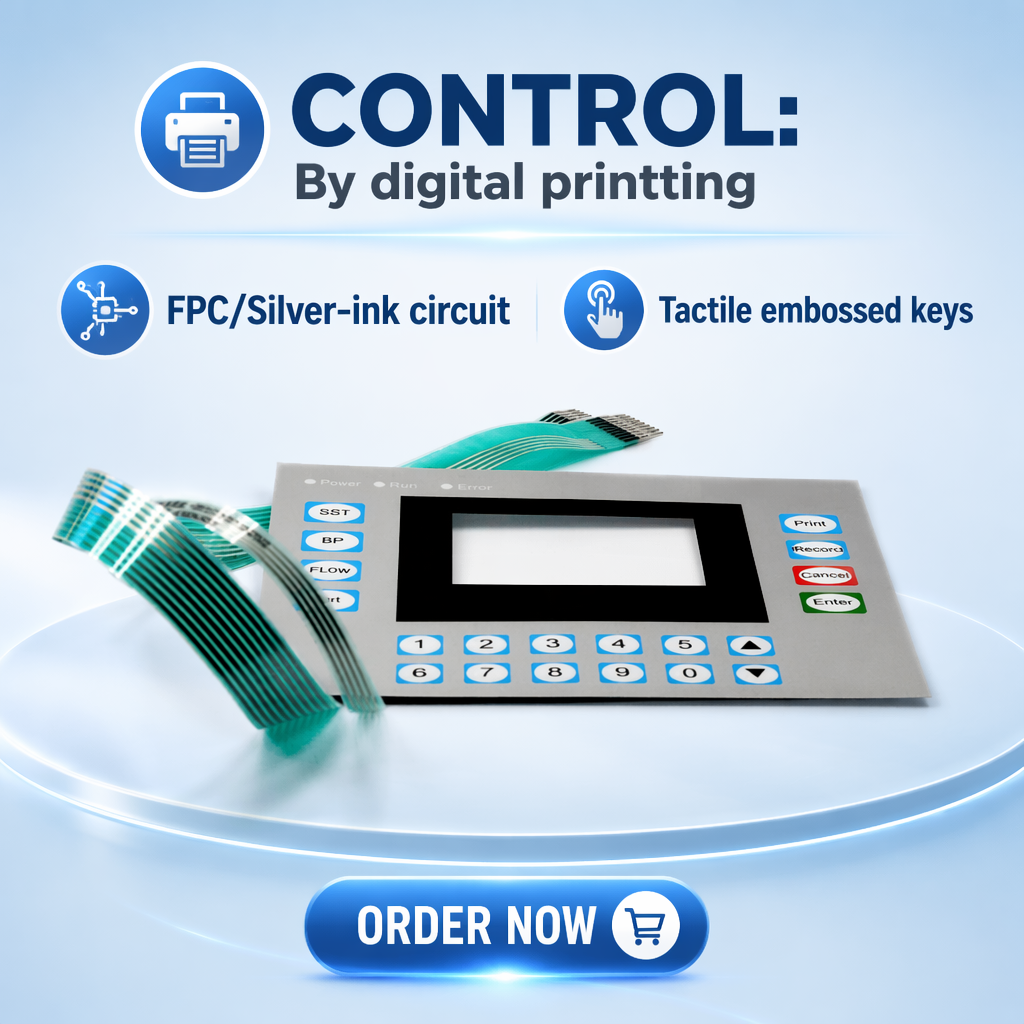
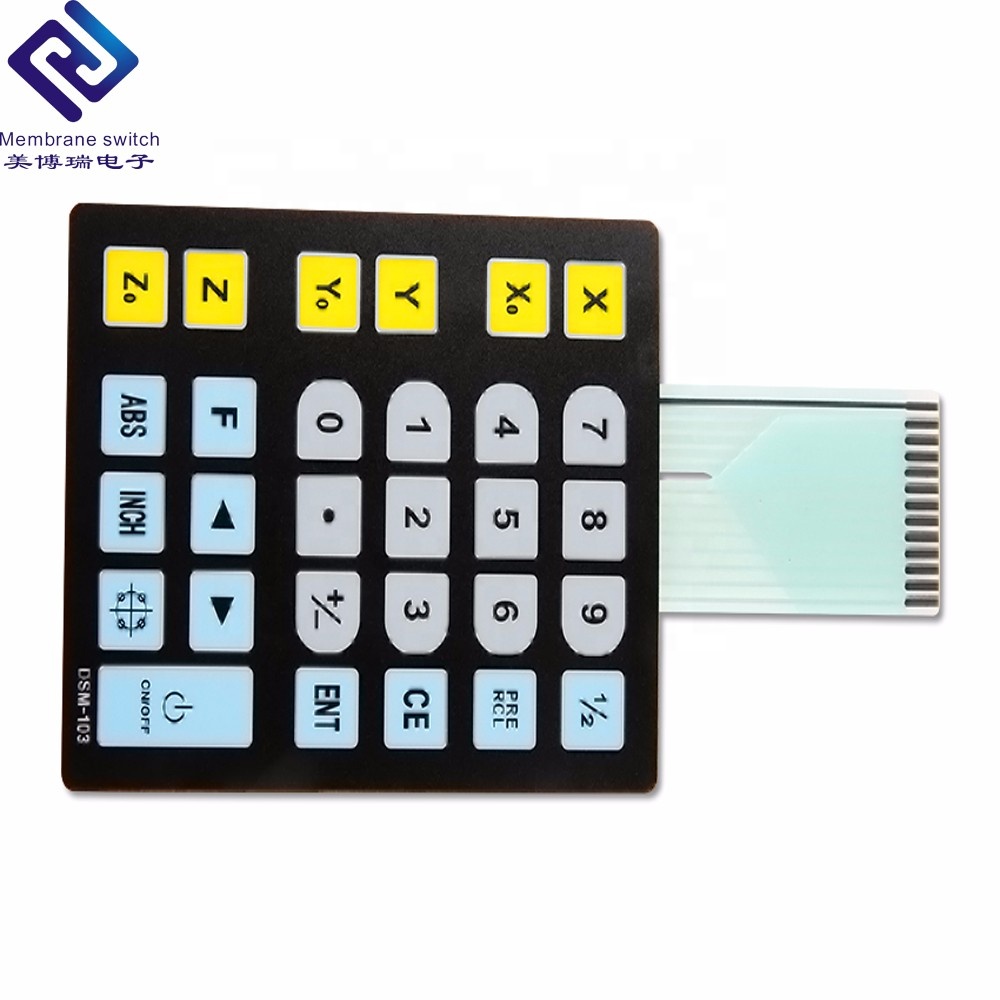
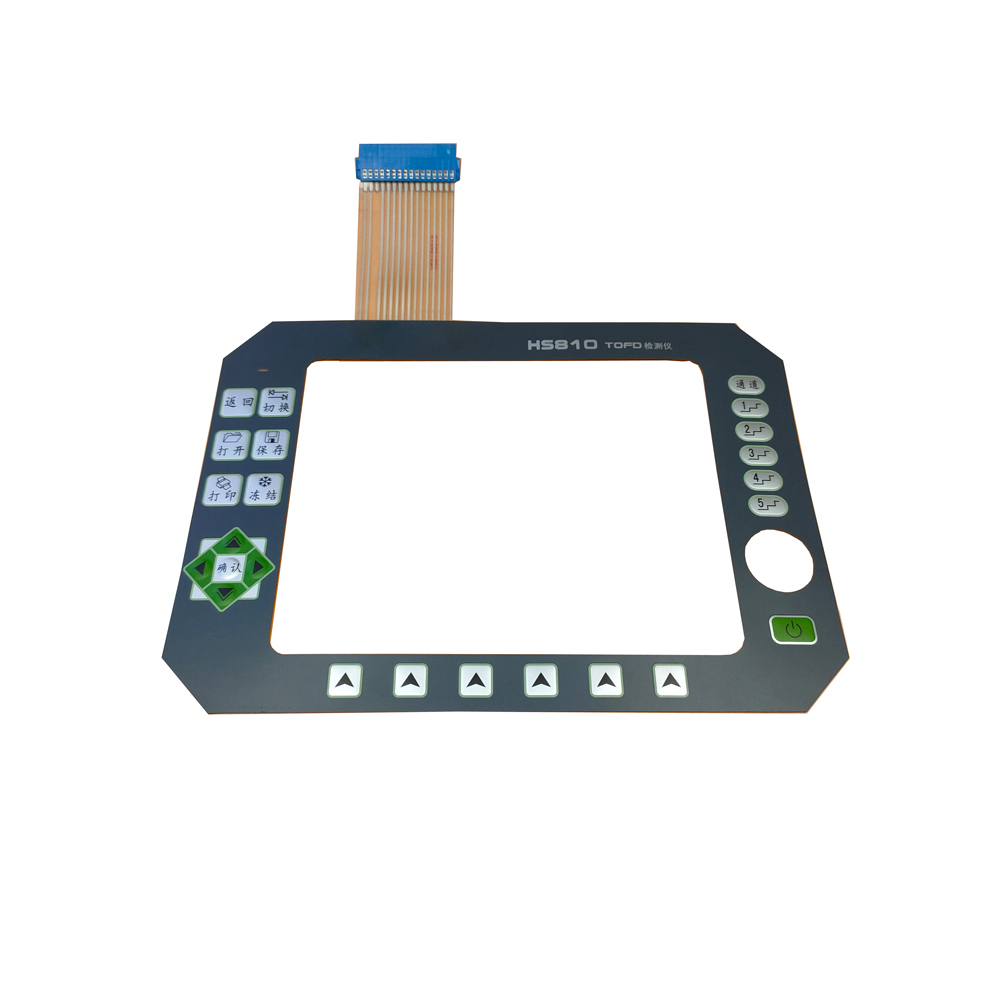
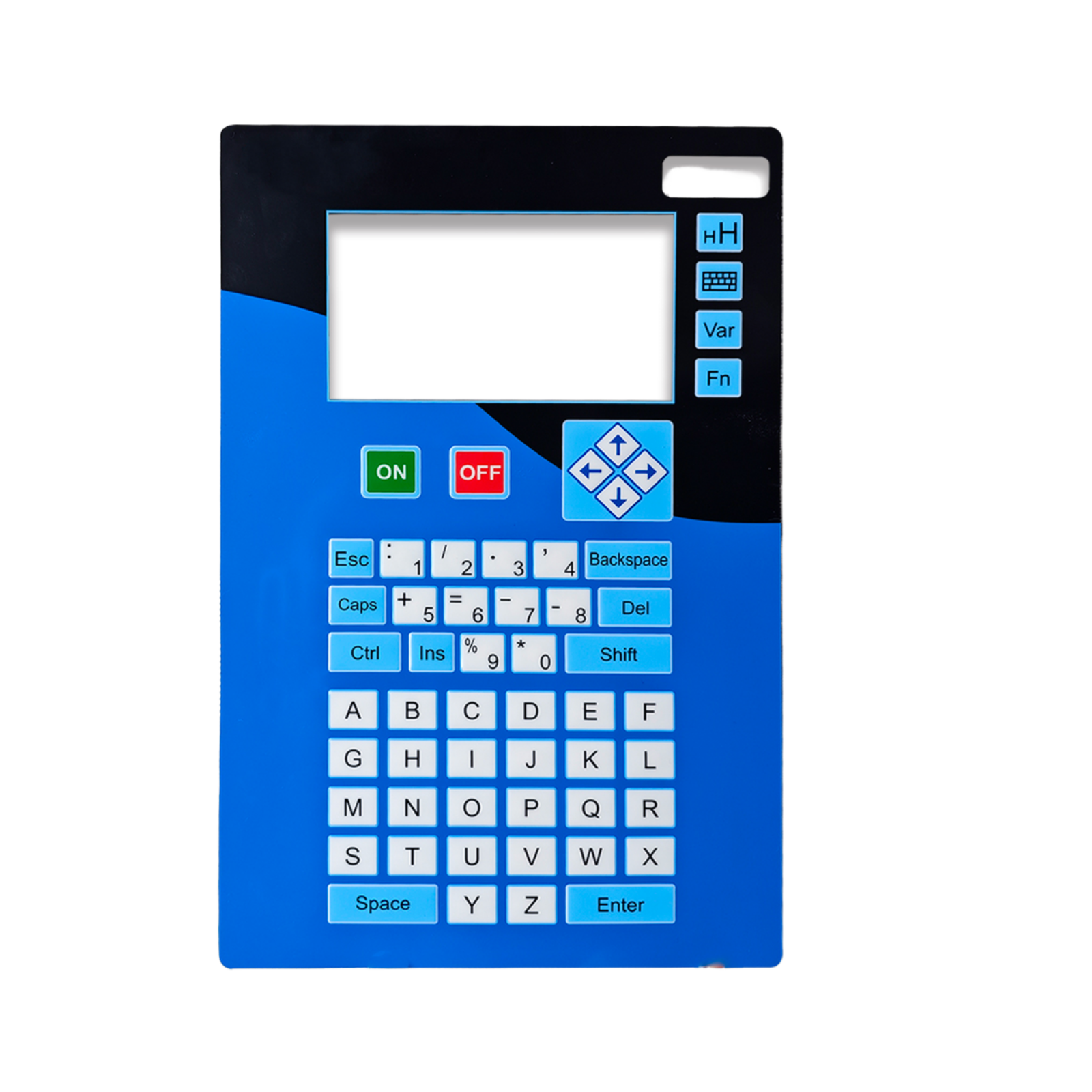
Advanced Conductive Elastomer & Contact Technology
Evaluating actuation force profiles, conductive pill composition, and environmental resistance mechanisms for high-reliability hardware.
Low-Resistance Carbon & Metal Pills
Conductive silicone rubber keypads rely on vulcanized contact elements that short circuit traces on mating PCBs or FPCs upon depression. Our Langfang facility molds ultra-low-resistance carbon conductive pills (contact resistance < 50Ω) formulated with micron-grade graphite dispersoids.
For high-frequency telecommunications or low-voltage digital signal routing where contact drops must not exceed millivolts, we incorporate specialized gold-plated brass contacts, nickel-coated pills, or integrate stainless steel tactile domes under the silicone webbing for simultaneous crisp tactile snap and instant electrical closure.
Ergonomic Snap Ratio & Webbing Physics
The ergonomic feel of an elastomeric keyboard is governed by its force-displacement curve: the ratio between peak actuation force (F1) and return force (F2). Known as the Snap Ratio [calculated as (F1 - F2) / F1 × 100%], this metric dictates whether an operator perceives a mushy travel or an authoritative mechanical confirmation.
Our tooling design team tunes the silicone durometer (30 to 70 Shore A) alongside the angle, thickness, and radius of the elastomeric collapsible webbing wall. This ensures actuation longevity surpassing 5,000,000 cycles without fatigue cracking or contact bounce degradation.
Hermetic Sealing & Chemical Barriers
Ottawa hardware often faces demanding outdoor deployment conditions, industrial airborne contaminants, or aggressive hospital disinfection regimes. We mold integrated peripheral gasket sealing lips directly into the keypad geometry, achieving true IP67 and IP68 enclosure isolation without secondary O-rings.
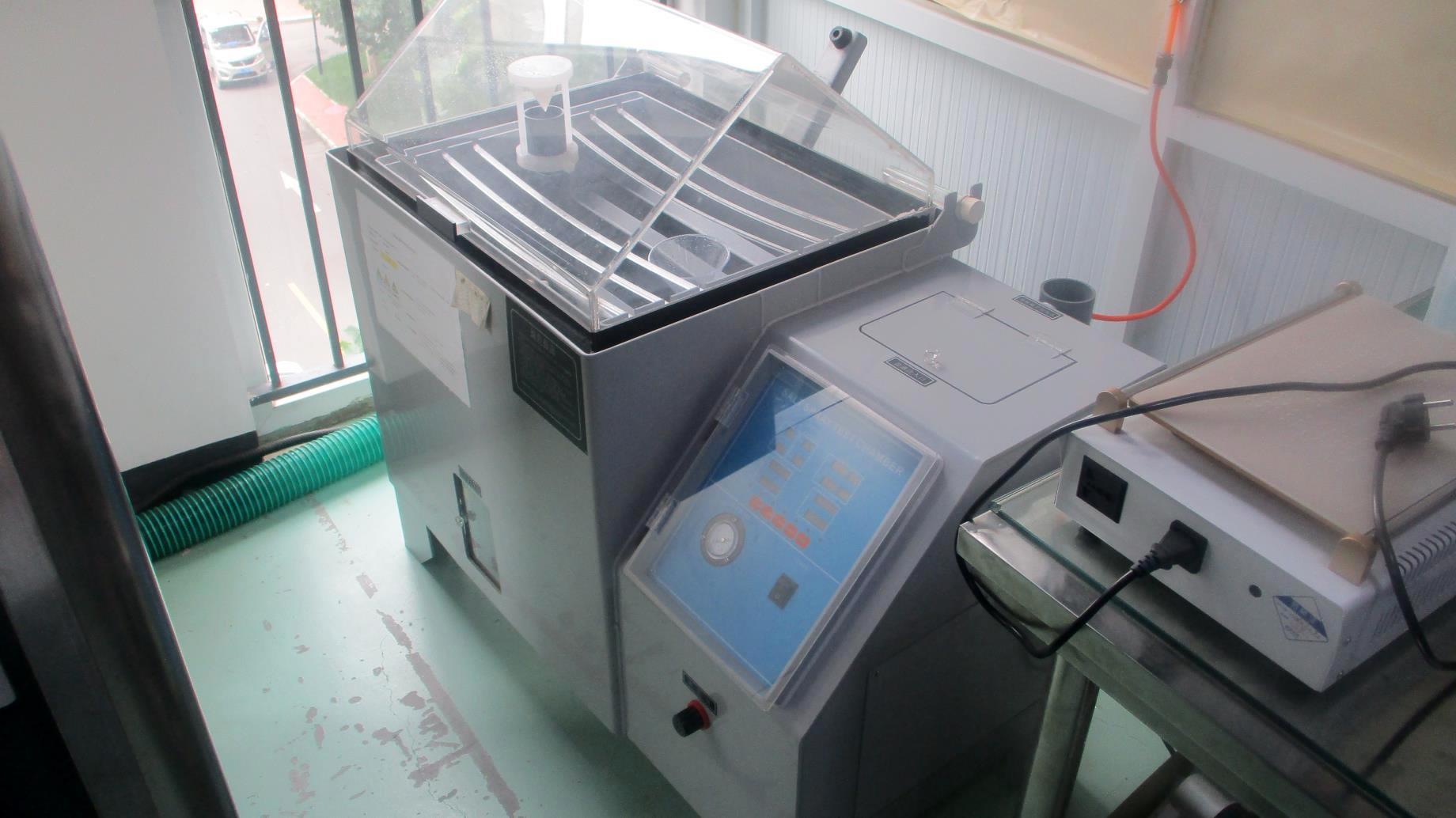
To resist mechanical abrasion and solvent swelling from isopropanol, ethanol, or synthetic oils, the outer key legends receive dual-stage post-curing treatments: polyurethane spray coatings, matte UV fluorosilicone barriers, or crystal-clear epoxy resin doming for scratch-proof durability.
| Engineering Parameter | Standard Industrial Grade | High-Reliability Aerospace / Defense Grade | Inspection & Verification Protocol |
|---|---|---|---|
| Raw Elastomer Compound | High-grade synthetic silicone (RoHS / REACH compliant) | Low-outgassing fluorosilicone or medical-grade polymer | Thermogravimetric Analysis & Hardness Durometer Shore A |
| Contact Pill Resistance | Conductive Carbon: < 50 Ω (standard 4mm pill) | Gold-plated Brass or Low-Ohmic Silver: < 0.5 Ω | Computer-controlled milli-ohmmeter 4-wire Kelvin probe |
| Actuation Force Tolerance | ± 20g (nominal 100g – 300g) | ± 10g (tuned force displacement curves) | Automated Load-Stroke dynamic force profile tester |
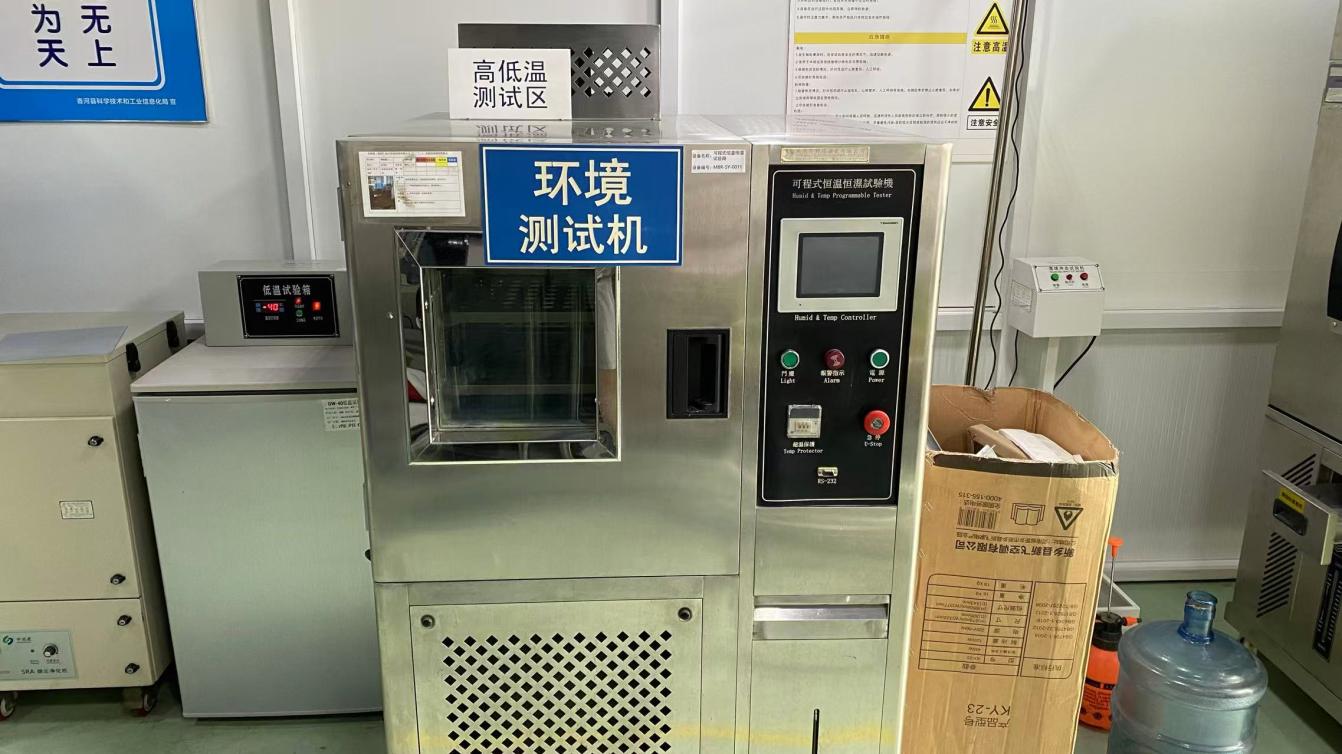
| Operating Temperature | -30°C to +75°C | -50°C to +150°C (tested to cold Canadian conditions) | Programmable climate chambers (-70°C to +180°C cycles) |
| Mechanical Life Expectancy | > 1,000,000 operations | > 5,000,000 operations without webbing collapse | Automated multi-station pneumatic button life-cycle testers |
| Dielectric Strength | 2.5 kV / mm minimum | 5.0 kV / mm with integrated ESD grounding layer | High-voltage arc breakdown tester (ASTM D149) |
Localized Application Scenarios across Ottawa & Eastern Ontario
Tailoring human-machine interface components to meet the engineering, compliance, and thermal requirements of the National Capital Region's leading high-tech clusters.
Kanata North Telecommunications & Optical Switches
In Kanata North—Canada's largest technology park—telecom equipment manufacturers design carrier-grade networking hardware, optical switches, and satellite uplink terminals. These systems demand sub-rack maintenance interfaces and front-panel diagnostic keypads that survive decades of continuous operation.
Our conductive rubber keypads provide reliable tactile response, laser-etched backlit graphics using high-transmission optical silicone, and integrated FPC tails that mate cleanly into compact 1U/2U server chassis.
Defense & Tactical Communication (DND / CFB Uplinks)
Ottawa serves as the procurement and systems engineering headquarters for Canada's Department of National Defence (DND). Tactical vehicular computers, soldier-worn comms gear, and field-deployable command terminals require keypads operating flawlessly across Arctic conditions (-40°C) without becoming brittle or stiff.
We formulate low-temperature elastomeric compounds with matte anti-reflective finishes, night-vision goggle (NVG) compatible backlighting, and internal EMI/RFI shielding foils to satisfy MIL-STD-810G vibration and EMC requirements.
Ottawa Hospital & Life Sciences Medical Devices
With world-renowned institutions like the Ottawa Hospital Research Institute and University of Ottawa Heart Institute, the capital region hosts innovative biomedical and diagnostic instrumentation OEMs. Medical control surfaces require seamless, crevice-free geometries that can be sanitized hundreds of times daily.
Our molded silicone keypads integrate continuous wraparound sealing aprons, antimicrobial additives, and chemical-resistant PU topcoats that resist degradation from aggressive quaternary ammonium and sodium hypochlorite disinfectants.
Industrial & Regulatory Trends Shaping Ottawa Sourcing
Strategic supply chain evolution: how environmental directives, Smart City IoT, and advanced tactile feedback shape HMI component specifications.
Smart City IoT & Rugged EV Infrastructure
The City of Ottawa's Climate Change Master Plan has accelerated investments in zero-emission transit, municipal electric vehicle fleet charging networks, and municipal IoT monitoring nodes. These publicly exposed interfaces face freezing rain, blowing snow, UV degradation, and vandalism.
Local design teams increasingly specify dual-action keypads combining conductive elastomeric bodies with polycarbonate caps, preventing keyway moisture freezing while retaining positive actuation feel under thick winter work gloves.
Tightening Environmental & Chemical Directives
Canadian procurement authorities and Ottawa-based exporters targeting European and American markets are enforcing strict compliance with Health Canada chemical directives, RoHS 3, and REACH SVHC declarations. Non-compliant curing agents (such as aromatic phthalates or halogenated flame retardants) are prohibited.
TAVO guarantees 100% full-declaration raw materials. Every silicone batch is cured with high-purity platinum catalysts, ensuring zero toxic outgassing and complete biocompatibility certification for sensitive medical and aerospace installations.
Convergence of Capacitive Sensing with Rubber Tactility
Engineers in Kanata North are pioneering hybrid HMI architectures: combining sleek capacitive slider panels with tactile conductive rubber pushbuttons for emergency abort, power cycling, and primary numeric entry. This eliminates false-positives caused by water droplets on touchscreens.
We provide full structural integration: our factories laminate molded silicone rubber keypads directly over rigid FR4 PCBs, flexible printed circuits (FPCs), or back-illuminated light guide film (LGF) arrays, shipping one fully tested turnkey assembly.
TAVO Enterprise Strengths & Factory Infrastructure
Founded in 1990, TAVO operates 2,219 square meters of verified cleanroom manufacturing floorspace, housing dedicated mold tooling, screen printing, SMT assembly, and comprehensive reliability testing laboratories.
Fully Owned CNC Tooling Shop
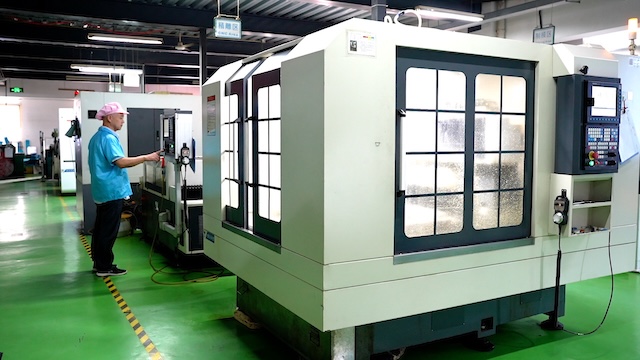
Unlike trading intermediaries, our Langfang headquarters maintains an internal precision machine shop featuring 60 CNC mold-making machines, linear wire cutting units, and EDM spark machines. We machine high-precision multi-cavity compression molds directly from 3D CAD models within 5 to 7 working days.
Dual-Base Redundant Capacity
We balance production between our primary manufacturing plant in the Robot Industry Port of Xianghe (Hebei) and our southern manufacturing center in Huizhou (Guangdong). This dual-facility synergy ensures uninterrupted supply chains, risk mitigation, and flexible prototype-to-mass-volume scaling.
German Technical Heritage
A sustained long-term technical cooperation agreement with a premier German membrane switch specialist governs our process specifications, cleanroom hygiene, and quality management protocols. Our 111+ full-time employees include 30+ senior process technicians with over 15 years of practical manufacturing experience.
Certified Quality & Intertek Audited
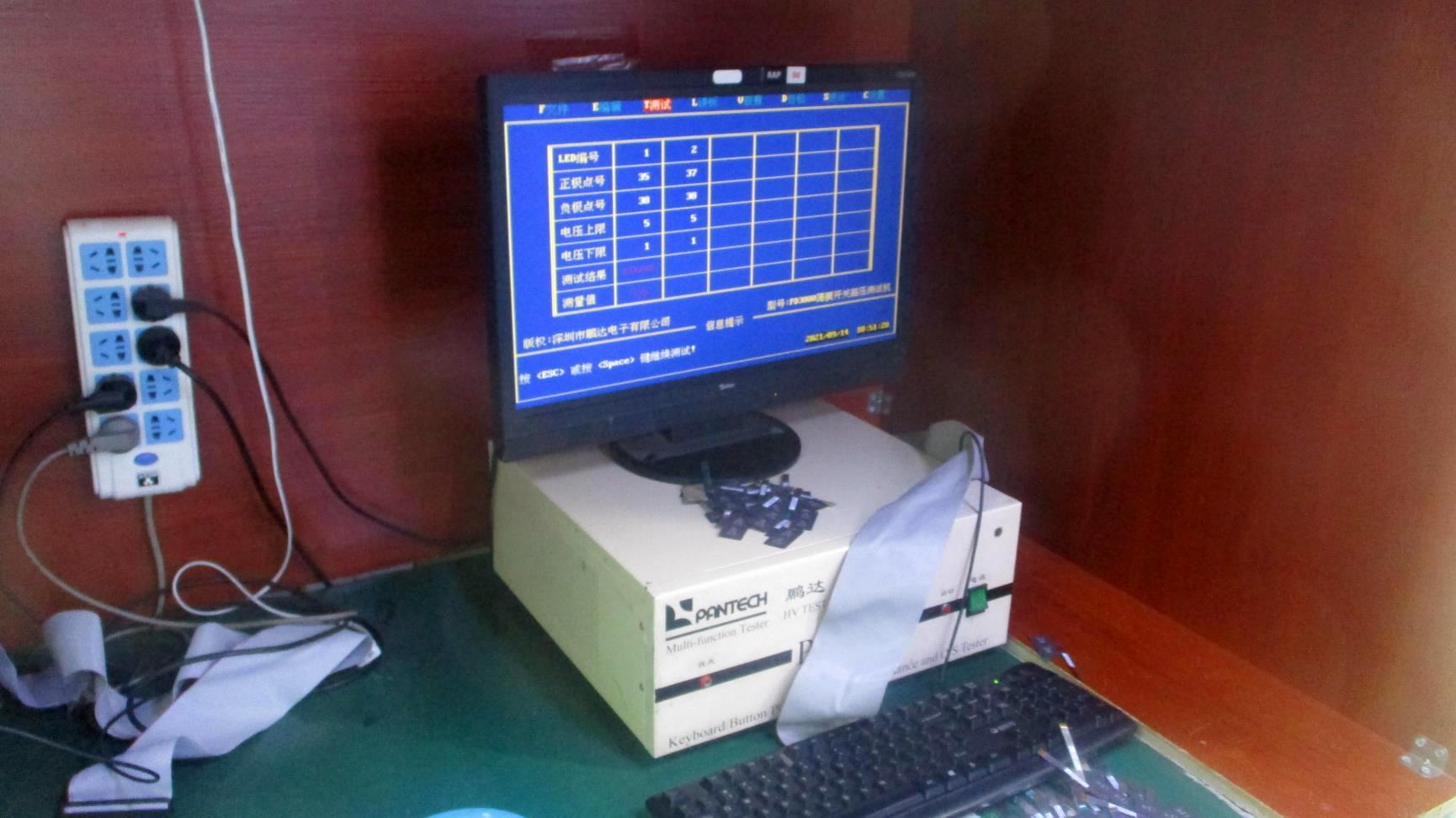
Operating under certified ISO 9001:2015 frameworks, our factory has passed rigorous on-site verification audits conducted by Intertek. Every keypad batch undergoes 100% automated electrical continuity testing, dimensional keyway CMM verification, and retention pull tests prior to export dispatch.
Frequently Asked Questions for Ottawa Sourcing Managers
Clear answers on tooling economics, Canadian logistics, prototyping lead times, and custom engineering support.
What design files and specifications are required to initiate custom rubber keypad tooling?
How does TAVO handle customs, logistics, and shipping into Ottawa and Eastern Ontario?
Can you supply rapid prototype samples before we commit to high-cavity hard tooling?
How does the cold Canadian winter impact conductive rubber keypad performance?
Can you integrate backlighting, laser etching, and light guide film (LGF) into the keypad?
What are your payment terms and warranty guarantees for international OEM purchasers?
Ready to Build Your Custom Conductive Keypad?
Consult with TAVO's engineering team today. Send us your CAD models, switch travel requirements, or target BOM targets for comprehensive DFM review, rapid tooling estimation, and competitive factory-direct pricing for the Ottawa market.
Get a Quote