Engineered Conductive Silver Circuits & Membrane Assemblies
Verified OEM/ODM human-machine interfaces configured for rigorous industrial, telecommunications, marine energy, and instrumentation requirements.
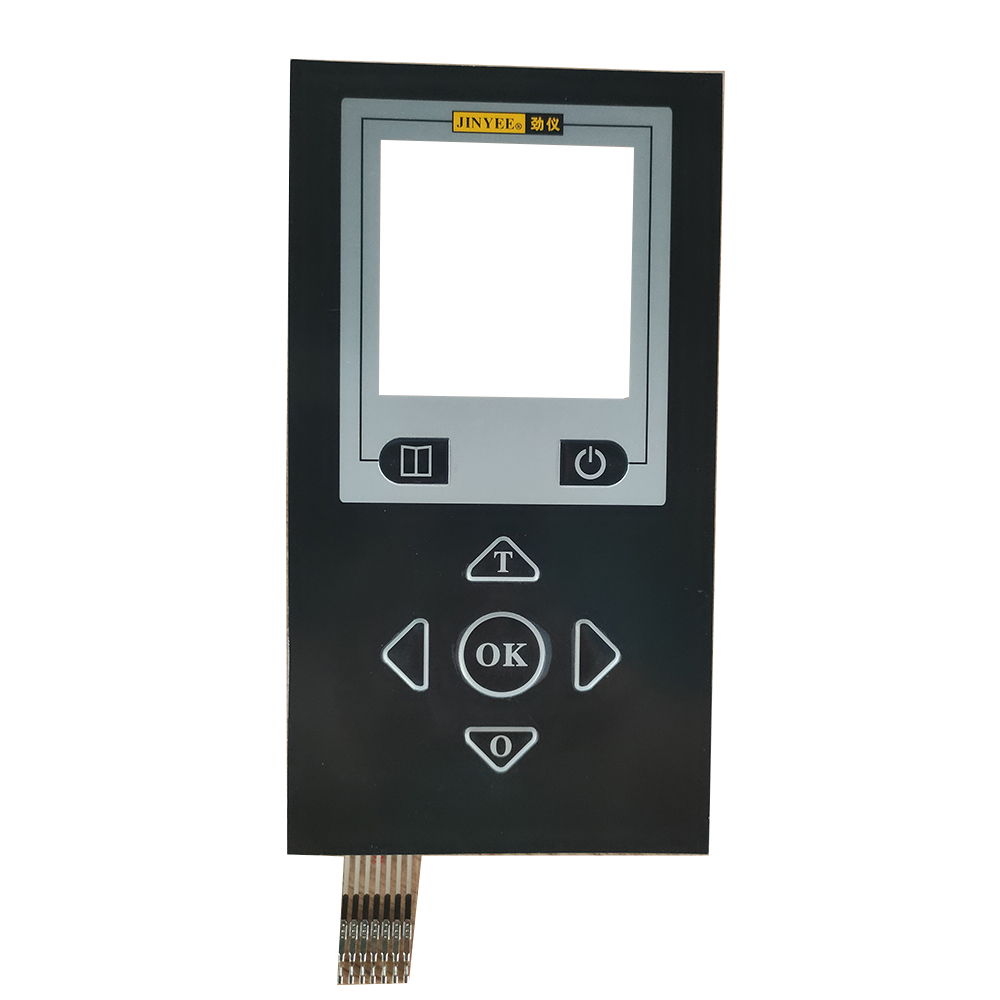
MBR IP67 Waterproof Industrial Membrane Keyboard with PET Overlay for Telecommunication Equipment (CN OEM/ODM Model)
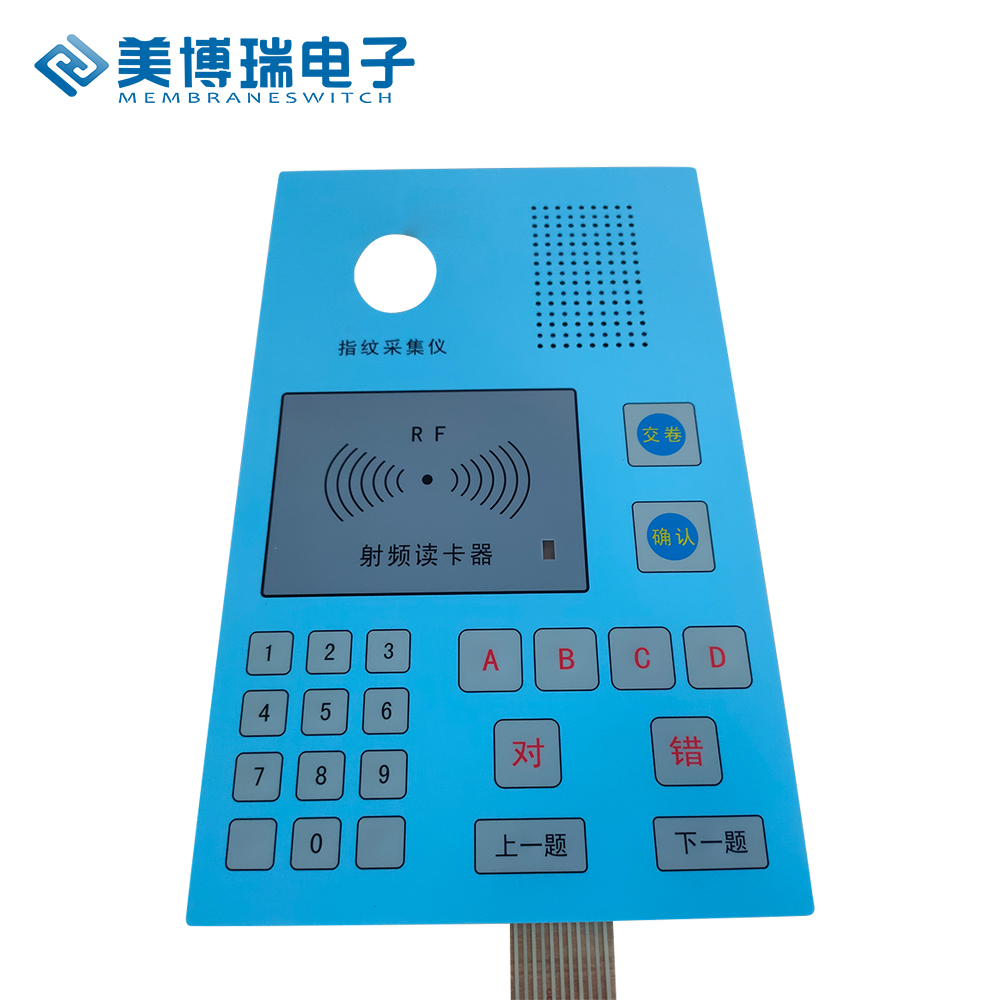
MBR ISO9001 Certified Environmentally Sealed Membrane Switches Keypad IP65 Waterproof 3M Adhesive Silver Ink Keyboard PET/PC/PVC
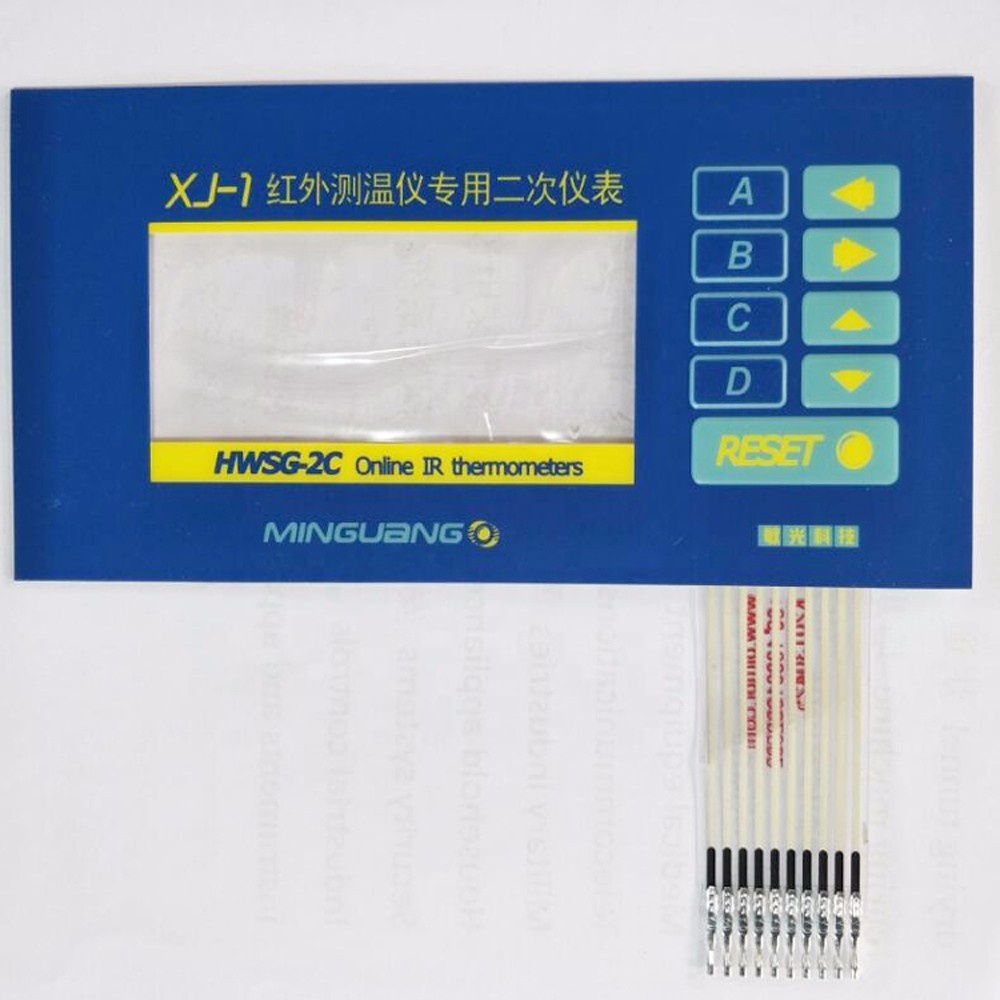
Fast Delivery OEM PBT Keyboard Cap Mechanical Switch Compatible Silkscreen Printed 2.54mm Pitch ISO Certified Factory Direct
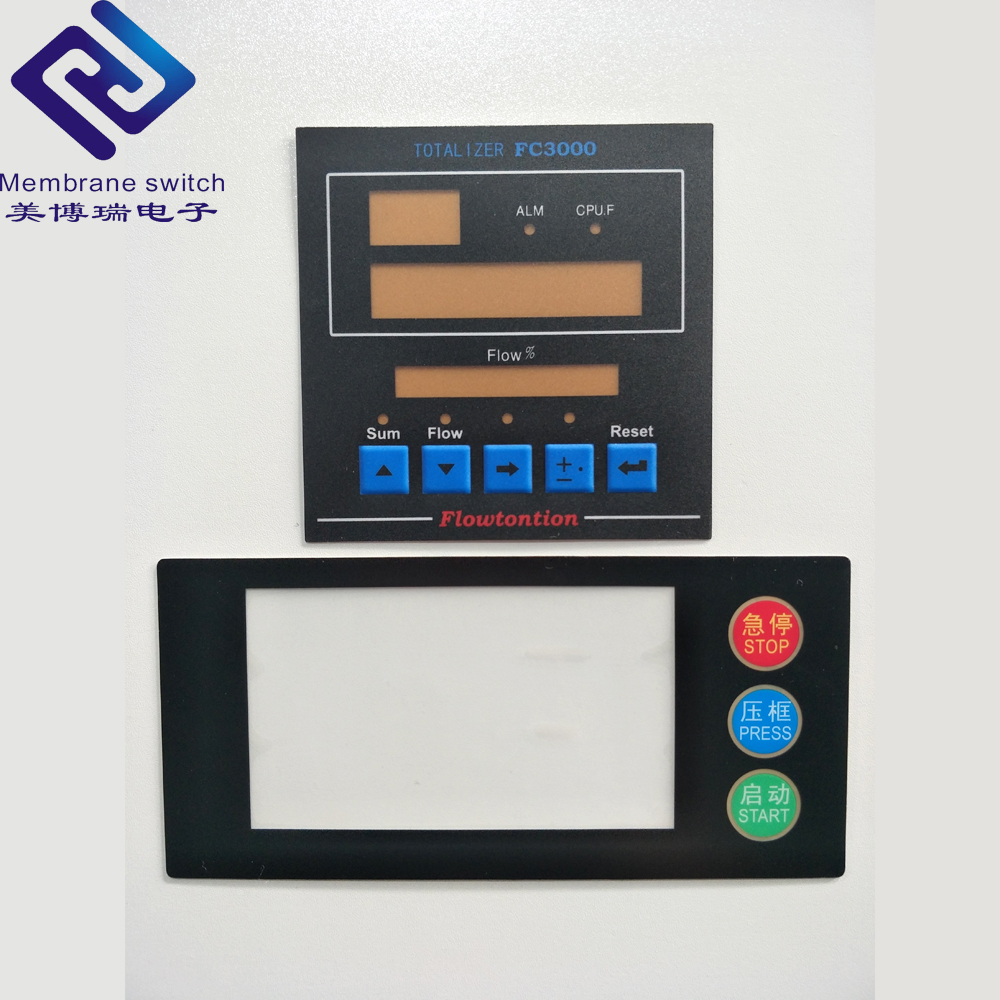
High Quality IP67 Waterproof 3M Adhesive Metal/Poly Dome LCD Membrane Switch Custom Keypad Flexible Cable Telecommunication
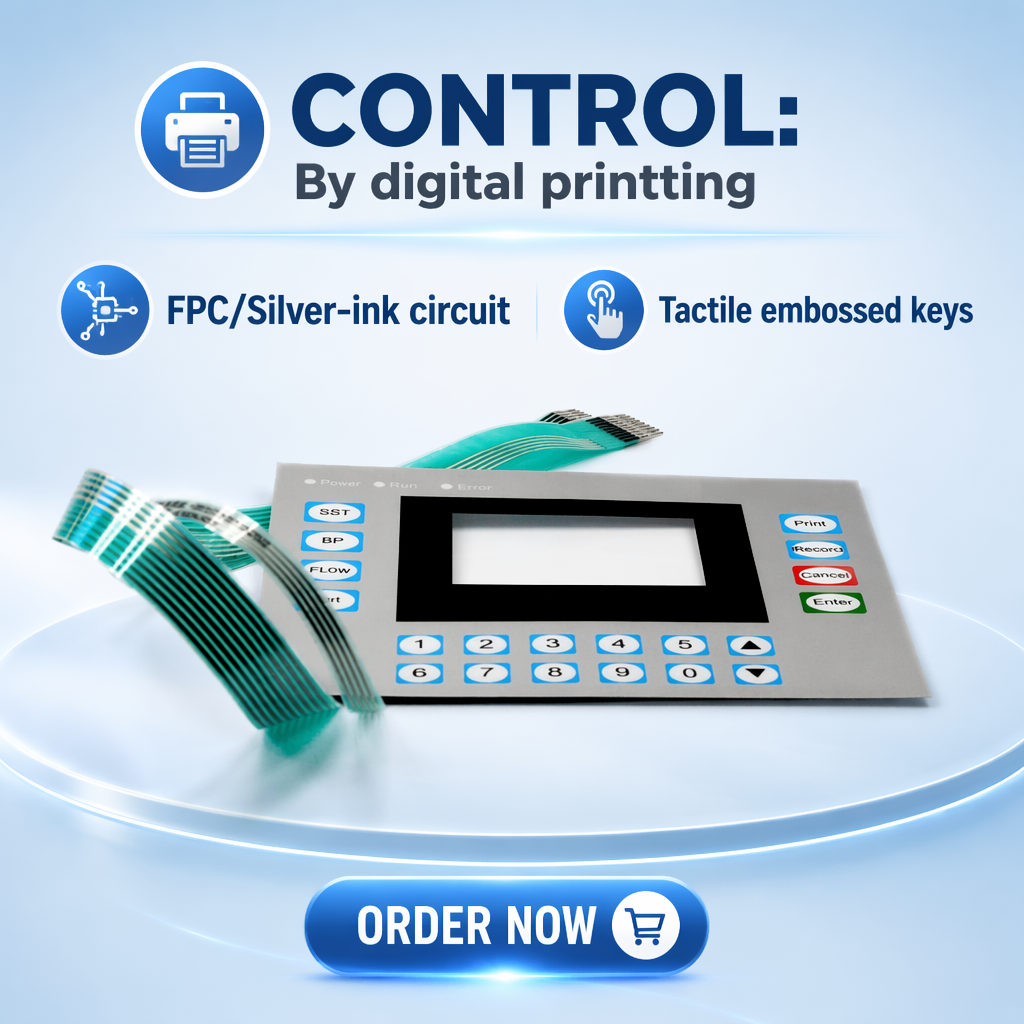
Custom FPC Membrane Switch With Embedded LED Backlight Flexible Circuit Keypad for Smart Home Appliance Control OEM
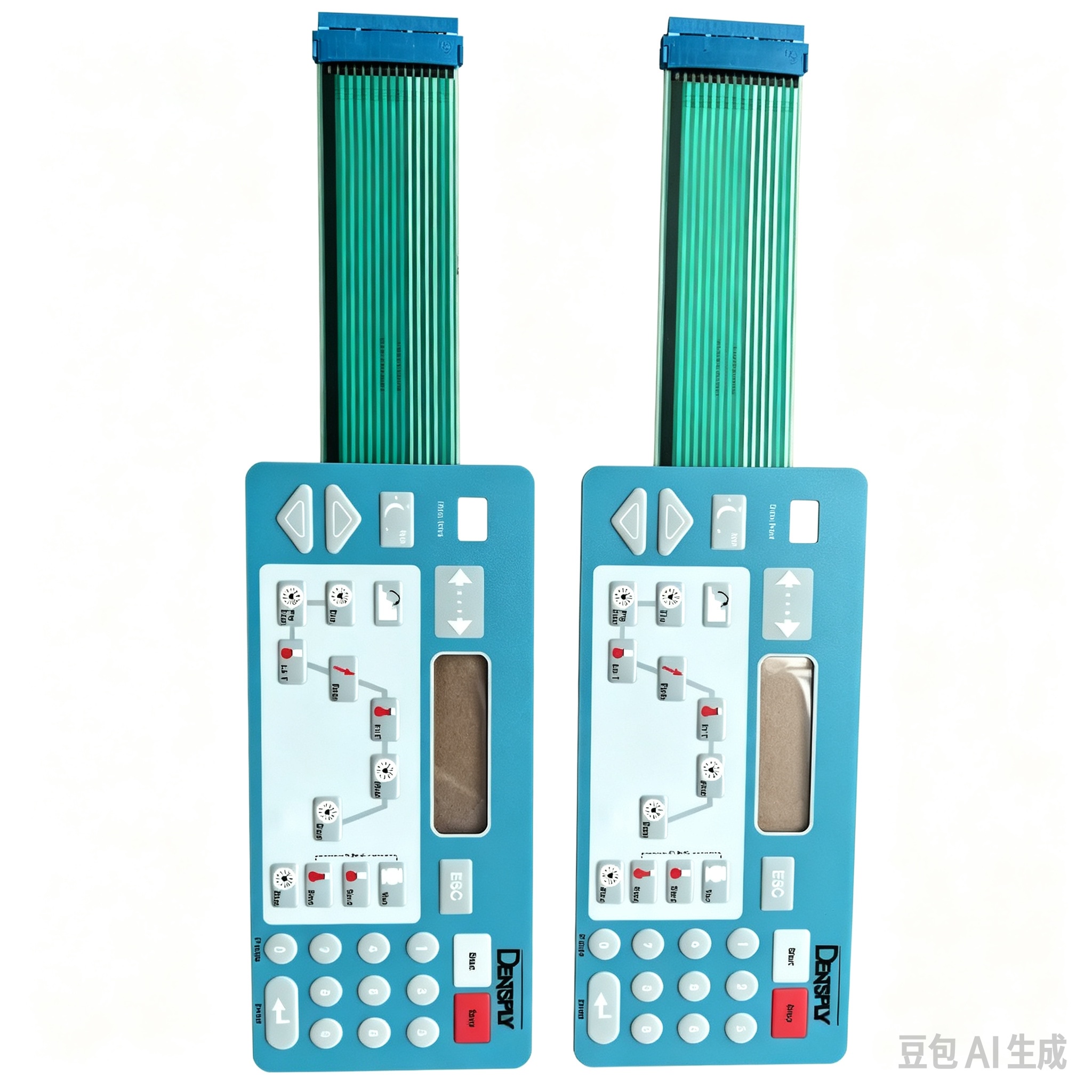
Factory Custom Waterproof Polyester Membrane Switch On Off Button Panel
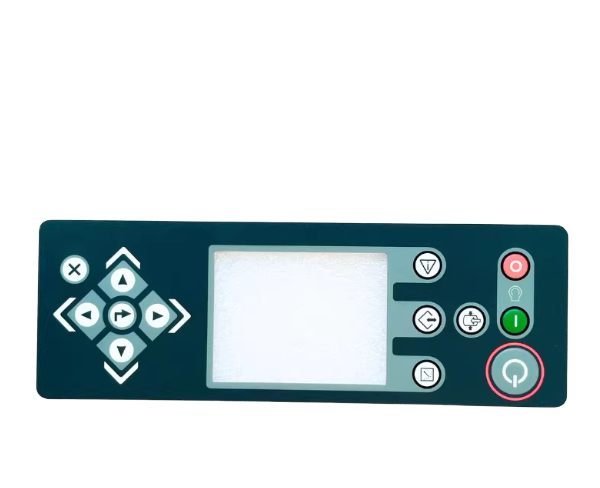
Custom Flexible Temperature Touch Control Keypad Membrane Panel Clear Transparent Window Waterproof Eco-friendly PET HMI
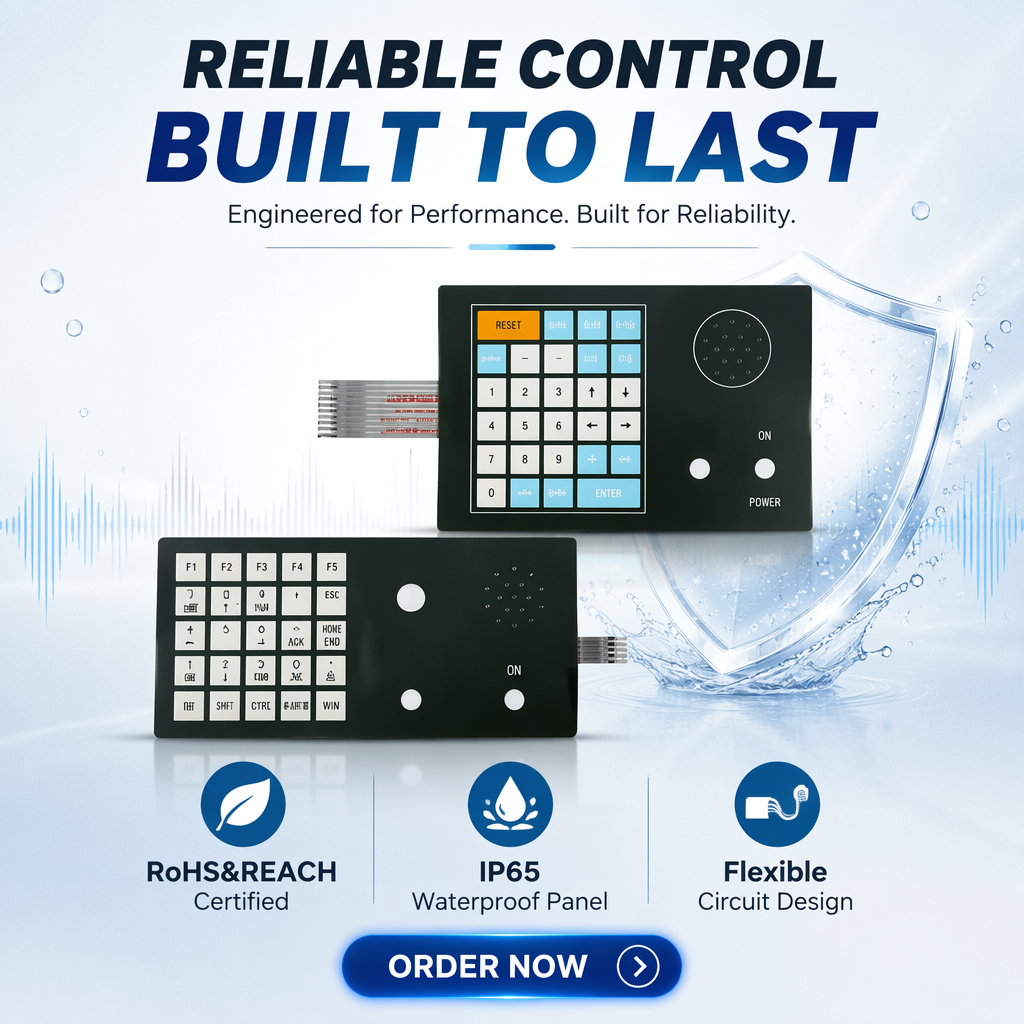
3x4 3*4 12 Key PET Matrix Array Membrane Button Switch Keyboard Keypad Waterproof Eco-friendly for Home Appliance
Engineering Conductive Silver Traces for Extreme Atoll Environments
Procuring microelectronics and conductive silver circuit assemblies for the Funafuti market in Tuvalu presents unique mechanical, chemical, and atmospheric hurdles. Situated as a narrow low-lying atoll in the central-western Pacific, Funafuti experiences constant exposure to marine saline aerosol, atmospheric humidity consistently oscillating between 78% and 90%, persistent UV radiation indexes exceeding 11, and tropical ambient heat. In conventional mechanical input systems or unshielded silver printed electronics, these aggressive ecological factors induce rapid electrochemical silver migration, dendrite propagation, interfacial delamination, and subsequent electrical short-circuiting.
As premier Chinese exporters and ISO 9001-certified manufacturers, our direct manufacturing approach employs micro-screen-printed Polymer Thick Film (PTF) silver conductor pastes combined with carbon-overprinted protective traces and dielectric encapsulation. By encapsulating conductive tracks between premium bi-axially oriented heat-stabilized Polyethylene Terephthalate (PET) substrate layers and specifying closed-loop IP67 perimeter seals backed by acrylic adhesives like 3M 467MP and 3M 468MP, our assemblies deliver impervious resistance against airborne sodium chloride mist and water vapor penetration.
Key Engineering Standards for Funafuti Deployments
- Substrate Stability: Biaxially oriented heat-stabilized optical grade PET (0.125mm to 0.188mm)
- Trace Silver Purity: Conductive silver flakes with >99.2% electrical continuity purity
- Migration Barrier: Conductive carbon graphite bridge overprint on all inter-trace junctions
- Insulation Dielectric: Dual-pass UV cross-linked insulating resin rated to >500V/mil
- Ingress Defense: Hydrophobic perimeter perimeter gasket achieving full IP67 seal
- Operating Limits: Rated continuous duty cycle from -30°C to +85°C thermal extremes
Furthermore, local installation requirements across maritime monitoring hubs, coastal meteorological beacons, desalination stations, and satellite uplink terminals require human-machine interfaces that reject UV embrittlement. Standard polycarbonate front sheets disintegrate under prolonged Pacific solar radiation. We resolve this by incorporating hard-coated, textured outdoor-grade Autotex PET overlays treated with long-wavelength ultraviolet stabilizers, ensuring zero surface yellowing, window hazing, or graphic degradation over multi-year deployments.
Localized Applications Across Tuvalu’s Infrastructure
Deployment scenarios engineered to solve real-world logistical, civil, and industrial operational challenges across Funafuti.
Solar Mini-Grids & BESS Systems
Tuvalu’s progressive shift to renewable power relies heavily on off-grid photovoltaic power banks and battery storage containers across Funafuti. Our silver circuit HMIs integrate embedded SMT status LEDs, tactile feedback metal domes, and moisture-sealed front overlays to govern charge controllers, inverter firmware menus, and emergency isolation toggles without risk of internal galvanic decay.
Desalination & Potable Water Plants
Water security is existential in Funafuti, where reverse-osmosis (RO) infrastructure operates in wet, corrosive pump rooms. Our IP67 sealed membrane keyboards provide chemical-resistant polyester fronts, completely isolating internal conductive silver matrix circuits from splashing brine, high chlorine washes, and high ambient condensation.
Maritime Navigation & VHF Telecom
Vessel tracking, port traffic telemetry at Vaiaku, and inter-island satellite comms require non-sparking, low-profile human interface pads. Screen-printed conductive traces paired with FPC tail connectors and Amphenol/Molex gold-plated interfaces prevent oxidation at connection terminals, ensuring 24/7 radio and sonar command continuity.
Emerging Procurement & Technology Trends in Tuvalu
Understanding the transition toward robust, low-maintenance componentry under modern Pacific multilateral development frameworks.
Transition to Solid-State Flat Panels
Local procurement teams are phasing out mechanical switches containing open metallic contacts and springs that seize due to maritime salt encrustation, favoring hermetically laminated membrane circuit arrays.
FPC Copper-Silver Hybrid Circuits
Complex control hardware is demanding dense circuit routing. Polyimide flexible printed circuit (FPC) backplanes combined with screen-printed silver switches bridge the gap between microscopic traces and high current loads.
Donor-Backed Infrastructure Standards
Modern donor infrastructure funded through UNDP, ADB, and World Bank programs demands verifiable compliance (RoHS, REACH, ISO 9001, IP67), necessitating factory-direct documentation rather than third-party re-sellers.
Rapid Spares & Small Batch Customization
Given the geographic isolation of Funafuti, project managers avoid rigid high-volume MOQ barriers. Direct manufacturing with in-house tooling enables small replenishment batches with custom pin-outs.
End-to-End In-House Engineering & Export Strengths
Why international procurement directors choose our production floors over intermediaries.
Unlike standard assembly traders, our industrial base integrates every facet of membrane switch and conductive printing under one corporate umbrella. Tracing our technical pedigree back to 1990, our multi-facility infrastructure covers over 2,219 square meters of climate-controlled, dust-free manufacturing floor space staffed by more than 110 skilled personnel.
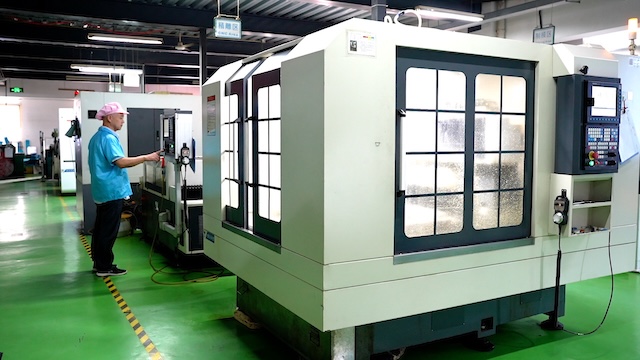
Our engineering ecosystem combines 37 high-precision silkscreen printing lines, 4 Mimaki heat-setting digital UV printers, 18 precision laser cutting machines, 60 CNC mold-making platforms, and dedicated SMT integration lanes. This technical cohesion eliminates sub-tier contractor outsourcing, protects intellectual property, and guarantees consistent layer registration tolerances within ±0.05mm.
Every single batch bound for overseas export passes rigorous multi-stage reliability screening inside our on-premise quality laboratory: programmable computer circuit continuity checks, automated salt-fog chambers, xenon lamp aging testers, button life-cycle testers exceeding 1,000,000 actuations, and programmable thermal-humidity shock chambers.
Frequently Asked Questions for Funafuti Sourcing
Essential guidance covering technical validation, shipping logistics to Tuvalu, file preparation, and durability guarantees.
How do your conductive silver circuits prevent electrochemical silver migration in Funafuti’s high humidity?
Can you manufacture low-volume prototype runs or emergency replacement parts for Tuvalu projects?
What engineering documentation and files are needed to quote and produce custom panels?
What packaging protections are used to prevent salt-air and condensation damage during ocean transit to Funafuti?
Can we integrate tactile stainless steel domes, LCD display windows, and embedded LEDs into a single switch?
What incoterms, payment conditions, and lead times apply for direct export to Tuvalu?
Ready to Engineer Reliable HMIs for the Funafuti Market?
Speak directly with our technical application engineers to evaluate circuit layout, optimize stack-up materials against salt corrosion, and receive a competitive factory-direct quote.
Get a Quote