ISO9001 PCB
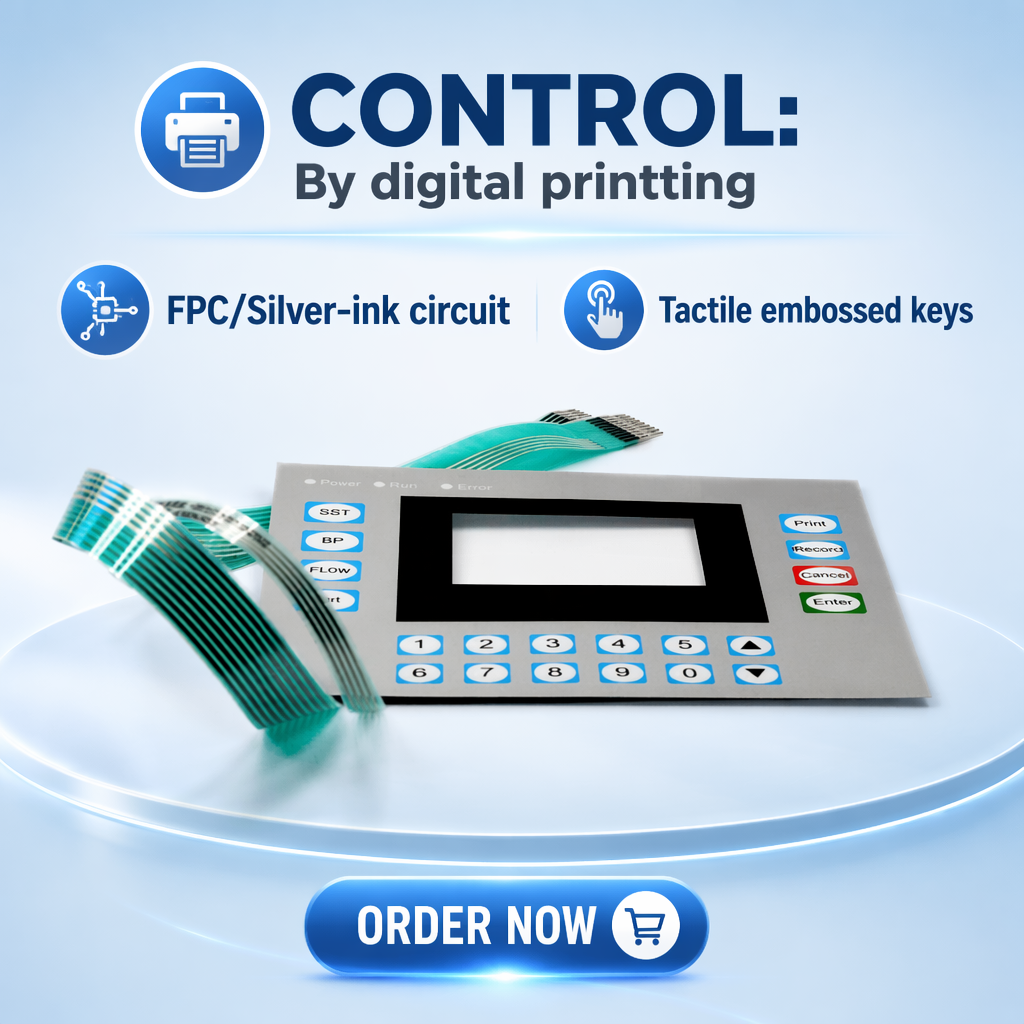
MEIBORUI Fast Turnaround Waterproof Durable Eco-friendly ISO9001 Certified PCB Prototyping Service
Fast Turnaround
Eco-Friendly
ISO9001
Explore high-density flexible circuits and rugged switch panels tailored for OEM developers, defense contractors, and advanced manufacturing operations across Jacksonville and Northeast Florida.
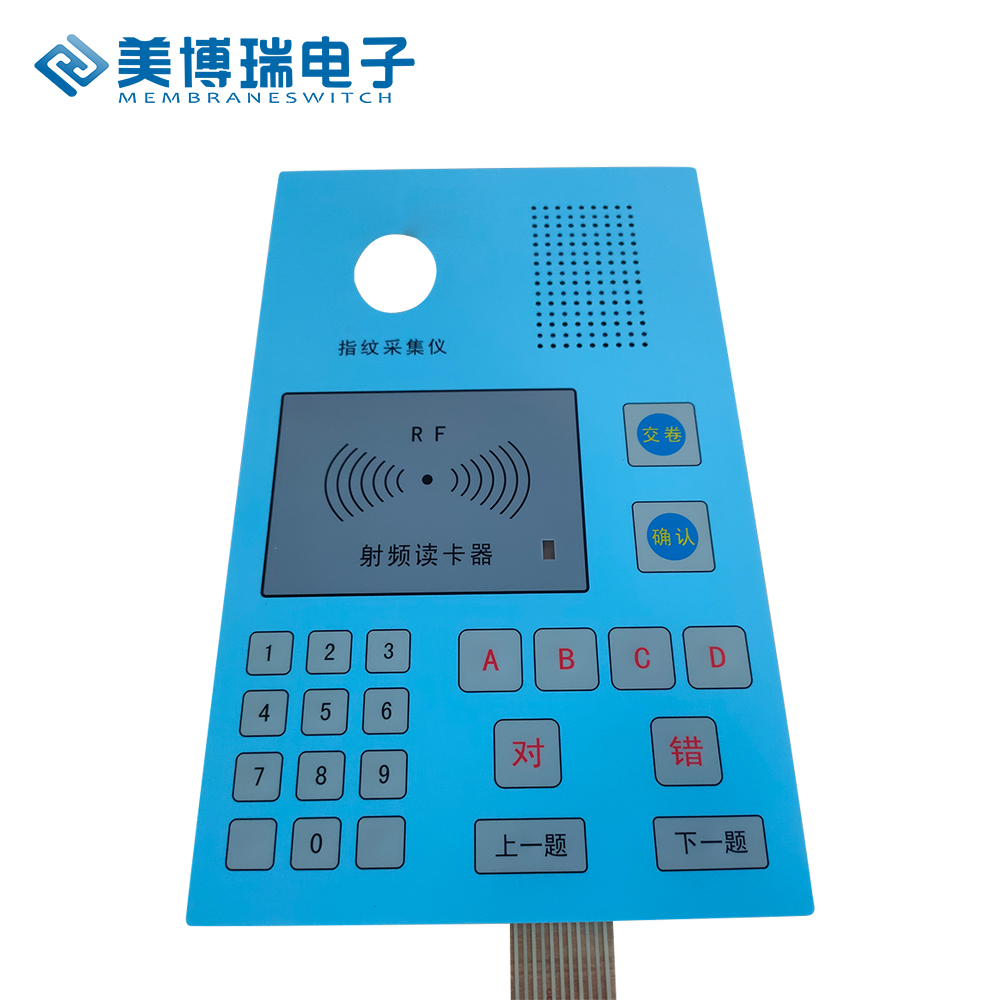
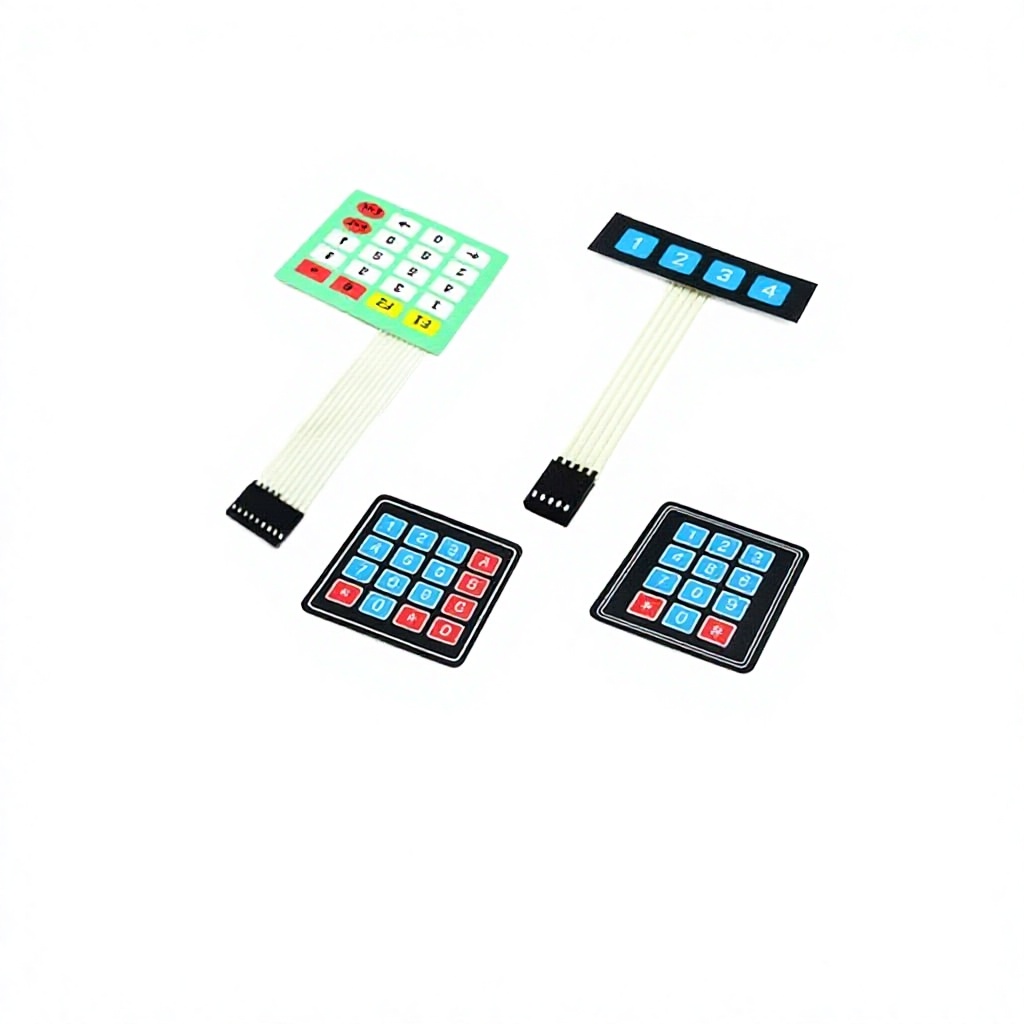
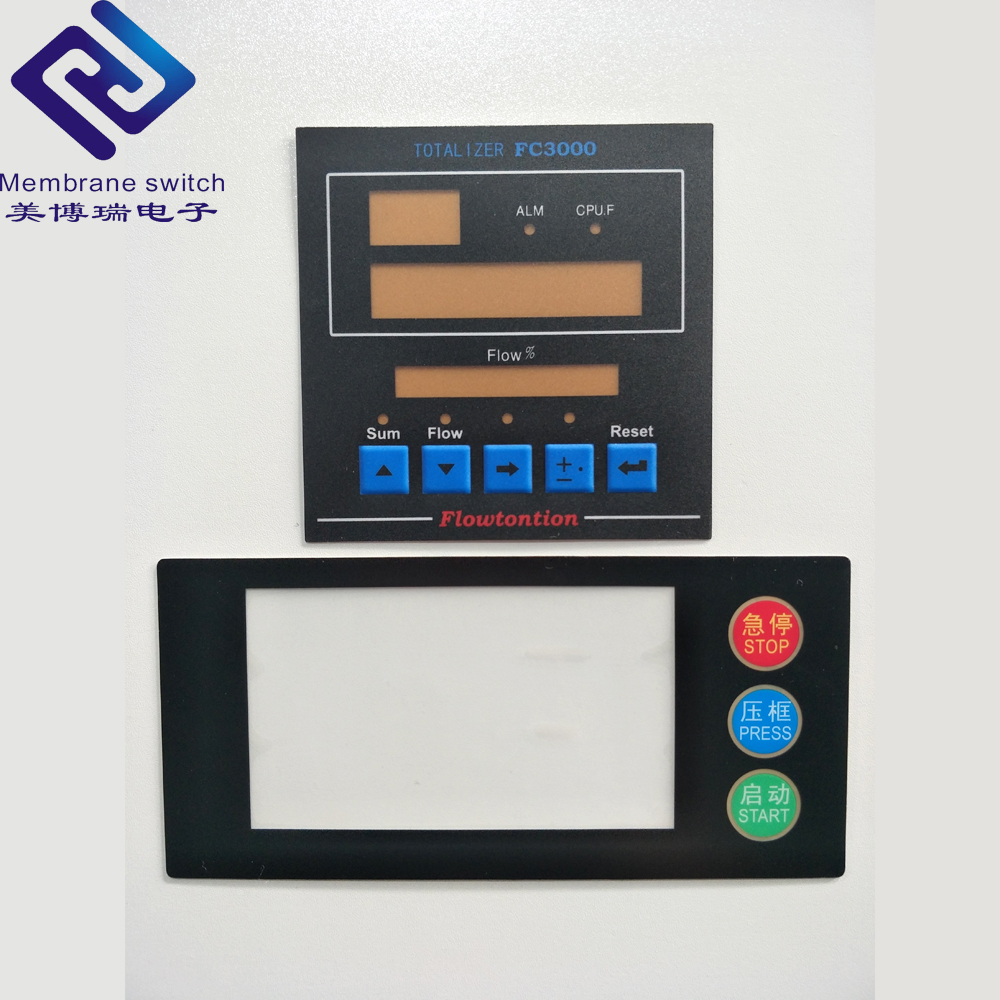
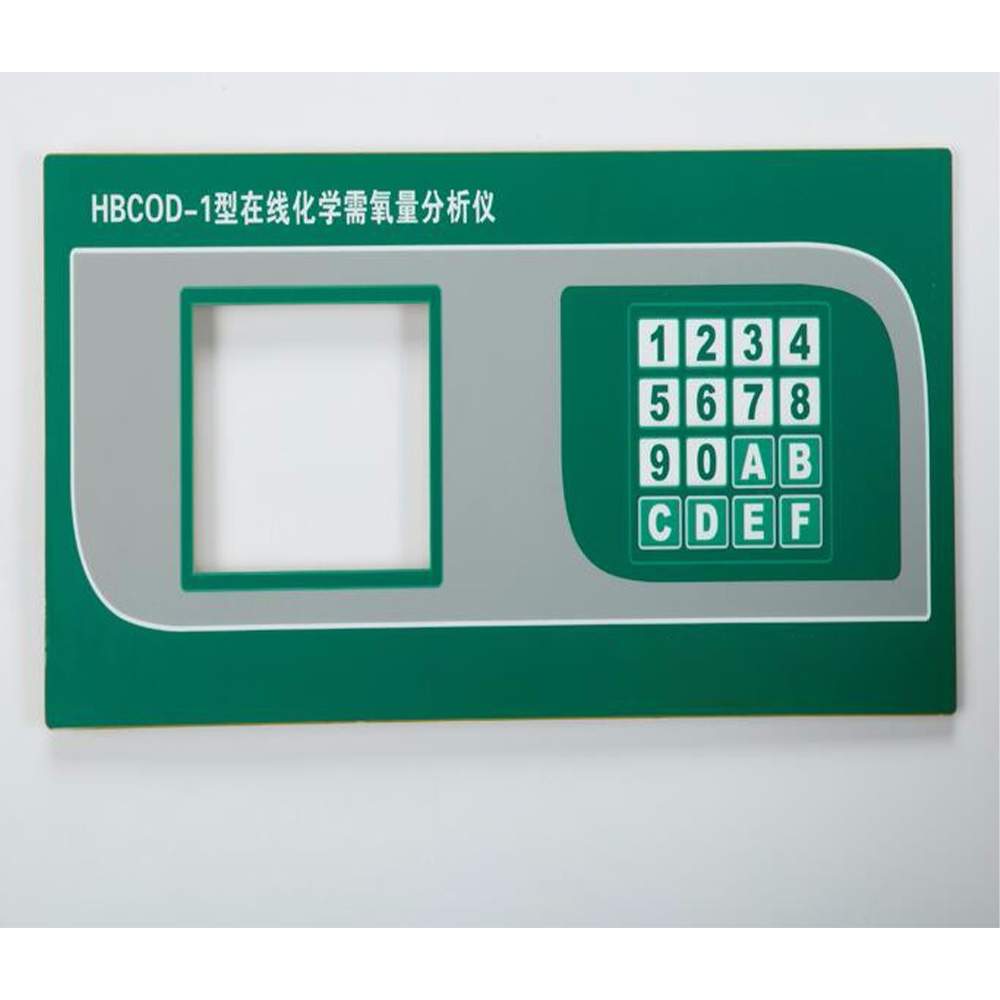
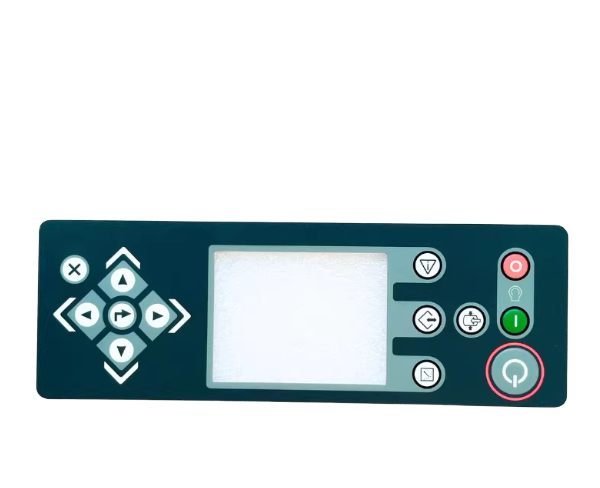
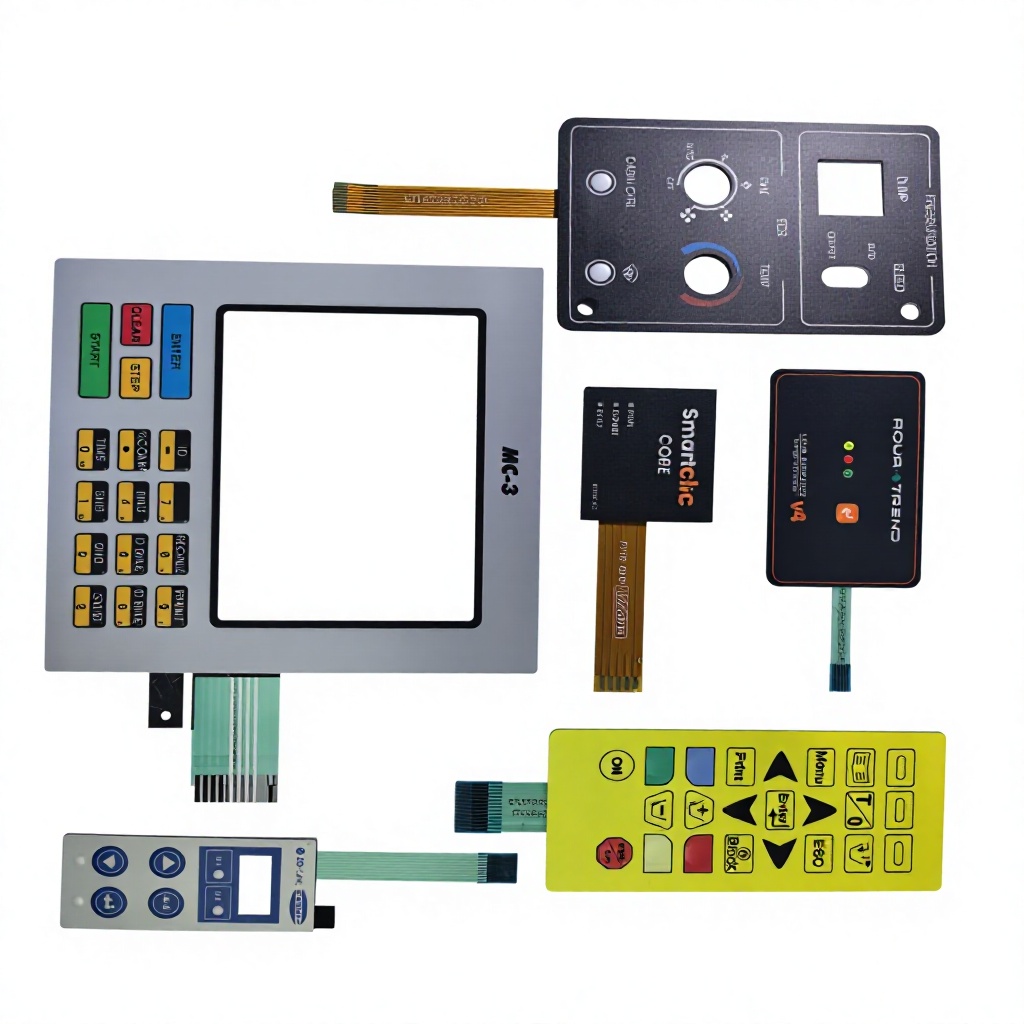
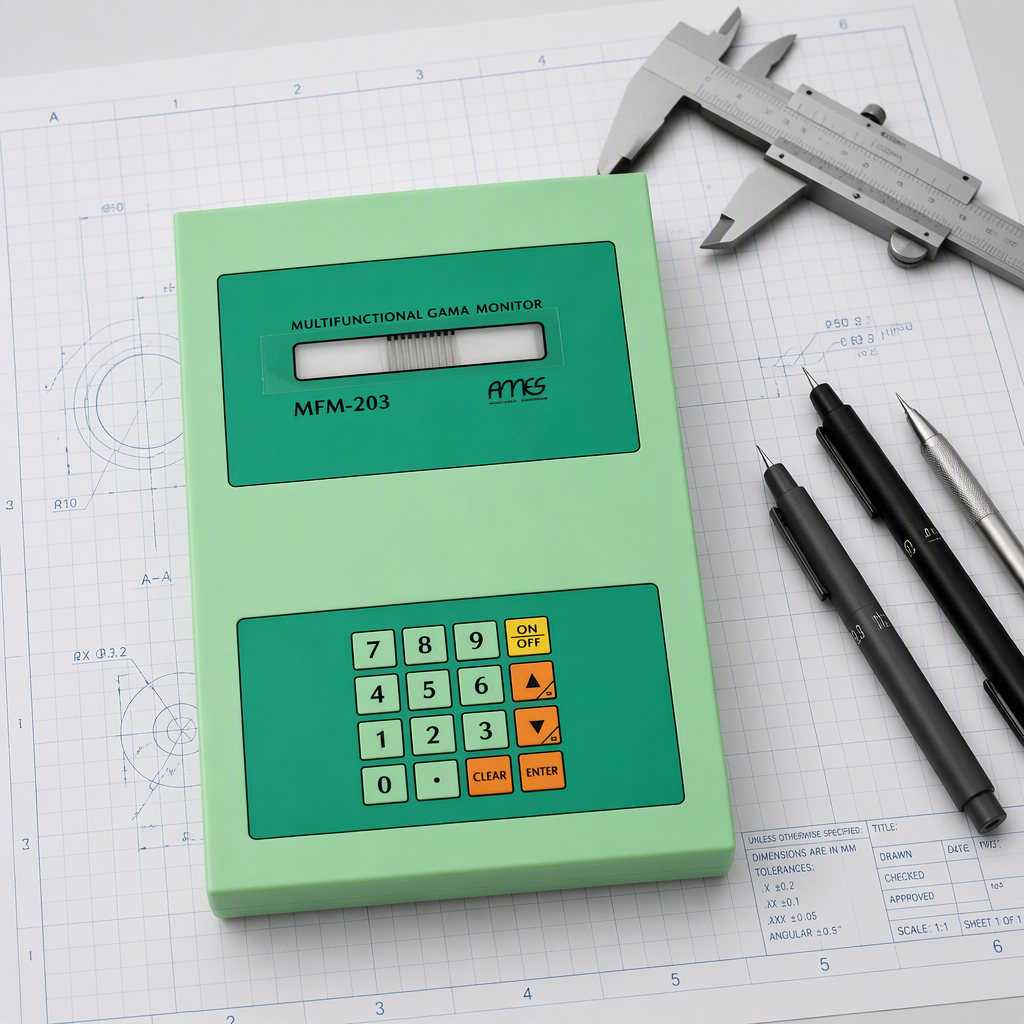
A technical comparison between conventional screen-printed silver ink circuits and etched copper flexible circuits in Florida’s coastal and heavy industrial operating environments.
In high-reliability industrial automation, test instrumentation, and marine control, interface failure is typically attributable to environmental degradation of the flexible conductor circuit. Conventional membrane keypads utilize screen-printed silver ink on polyester (PET) substrates. While adequate for controlled office settings, silver-ink architectures suffer severe limitations under elevated heat, continuous flexing, and ambient moisture.
Copper Flexible Printed Circuits (FPC) solve these vulnerabilities at a fundamental material level. Utilizing a base of high-performance polyimide (Kapton®) clad with electro-deposited (ED) or rolled-annealed (RA) copper foil, traces are chemically etched with high photographic precision. This enables trace widths down to 0.1 mm, pitch tolerances required for miniature Zero Insertion Force (ZIF) connectors, and surface-mount component (SMD) soldering without mechanical or thermal delamination.
For the Jacksonville maritime, military depot, and logistics hub ecosystems, eliminating silver migration—a catastrophic electrochemical phenomenon accelerated by Jacksonville's high relative humidity and salt air—is imperative. Copper FPC, combined with polyimide coverlays and selective gold plating, ensures lifelong trace integrity.
Get Catalog| Engineering Attribute | Silver Ink Printed Circuit | Etched Copper FPC (TAVO Standard) |
|---|---|---|
| Base Substrate Material | Polyester (PET) Film | Polyimide (PI / Kapton®) |
| Trace Conductor Sheet Ω | High (>15 to 30 mΩ/sq) | Ultra-Low (<0.5 mΩ/sq) |
| Silver Migration Susceptibility | Extremely High in Salt Fog/Humidity | Zero (Immune to Ag dendrite shorts) |
| SMT Soldering Capability | Fragile (Requires Conductive Epoxy) | Full Reflow/Hand SMT Soldering |
| Thermal Range Rating | -20°C to +65°C | -40°C to +125°C continuous |
| Minimum Pitch / Trace Width | 1.0 mm / 0.5 mm limit | 0.3 mm / 0.075 mm ultra-fine pitch |
| Flex Endurance (Bend Cycles) | ~20,000 to 50,000 cycles | >500,000 cycles without resistance drop |
From deepwater port terminals to military aviation maintenance and cold chain logistics, our interfaces are engineered to perform in Jacksonville's microclimates.
Jacksonville is home to one of America’s busiest maritime logistics hubs. Ship-to-shore gantry cranes, container stackers, and shipboard engine rooms require sealed IP67/IP68 switches. Our copper FPC switches integrate 3M 300LSE adhesive gaskets and hydrophobic breather vents to stop salt spray, fuel splatter, and ocean spray from penetrating electronic consoles.
Jacksonville's aerospace defense cluster demands MIL-STD-compliant tactile switches and Ground Support Equipment (GSE) panels. With nickel-gold plated copper traces, embedded EMI/RFI aluminum shielding layers, and high-actuation tactile metal domes (tested up to 5,000,000 cycles), our switches withstand severe structural vibration, radar electromagnetic noise, and flightline heat.
With Florida's premier cold chain distribution centers centered along the I-95/I-10 corridor, HMIs face rapid thermal shocking from deep-freeze refrigeration (-30°C) to sweltering outdoor Florida humidity (+38°C). Polyimide-based copper FPC substrates eliminate thermal expansion cracking, ensuring condensation cycles never cause open circuits.
Jacksonville's expanding medical research and surgical instrument centers rely on sealed antimicrobial PET overlays that resist hospital washdowns, bleach, glutaraldehyde, and alcohol sterilizers. Flush membrane keys with tactile embossing provide haptic confirmation to medical practitioners wearing latex or nitrile gloves.
Headquartered in Jacksonville, CSX and regional locomotive operations depend on ultra-rugged cab controls and maintenance handhelds. Our switches integrate rigid aluminum or FR4 backer plates with integrated PEM mounting studs to deliver structural rigidity against heavy mechanical impacts and rough operator abuse.
Municipal water treatment facilities, regional power grids, and utility installations require switches that survive decades of direct solar exposure. We implement UV-stabilized Autotex polyester graphic films and light-guide film (LGF) LED backlighting to maintain high daylight legibility and prevent sunlight embrittlement.
How Northeast Florida hardware engineers and supply chain directors are upgrading their human-machine interfaces.
Original equipment designers are transitioning away from high-travel mechanical switches to planar capacitive touch sensors. By etching capacitive sensor pads directly onto copper FPC layers underneath scratch-resistant glass or thick acrylic front panels, OEMs produce sleek, wipeable, and completely hermetic user interfaces that comply with NEMA 4X and IP69K washdown sanitation standards.
Industrial devices are shrinking, requiring interface panels to house onboard intelligence. Unlike fragile silver-ink layers, our copper FPC solutions allow the pick-and-place soldering of bi-color LEDs, sensor controllers, Zener diodes, and embedded logic chips directly on the flexible tail. This eliminates redundant interface PCBs, saving internal chassis volume and assembly labor.
Jacksonville manufacturers are actively diversifying electronic sourcing channels to avoid transcontinental domestic freight chokepoints. Leveraging direct sea freight to the JAXPORT terminal or express air cargo clearance into Jacksonville International Airport (JAX), local OEMs reduce transit overhead while tapping into factory-direct ISO9001 precision tooling.
Combining three decades of precision membrane switch heritage with dual-factory production capacity and German engineering standards.
Every phase of your switch fabrication—schematic layout, laser film output, multi-station screen printing, Mimaki digital UV printing, hydraulic embossing, CNC laser profiling, SMT solder assembly, and 100% automated electrical pinout testing—takes place inside our own facilities. No outsourced subcontractors, zero quality discrepancies, and total control over production schedules.
TAVO operates manufacturing facilities in the Xianghe Robot Industry Port (Hebei) and a high-volume processing base in Huizhou (Guangdong). This dual-plant architecture provides risk resilience, redundant line capacity, and flexible scheduling: fast-turn prototypes and pilot batches run concurrently with multi-million-unit mass production without lead time conflicts.
Audited on-site by Intertek and governed strictly under ISO 9001 quality management, our lines operate under long-term technical cooperation with a veteran German membrane switch manufacturer. Our testing lab features computer-controlled circuit continuity testers, dynamic button actuation testers (5M+ cycles), xenon UV aging chambers, and programmable salt fog corrosion cabinets.
Over 30 senior staff engineers each contribute more than 15 years of practical membrane switch tooling know-how. Supported by a 10-person CAD/CAM design department and a 20-person dedicated international trade team, we provide rapid DFM reviews, coordinate English engineering discussions, and safeguard customer intellectual property with enforceable NDAs.
Our engineered switches and graphic panels are trusted by global industrial leaders including Siemens, ABB, and Haier. TAVO custom assemblies have been engineered into mission-critical deployments ranging from high-speed railway locomotives and the Three Gorges energy infrastructure to heavy construction equipment and aerospace instrumentation.
We actively support Jacksonville startups, university labs, and aerospace contractors with lower minimum order sizes for early-stage prototyping and pre-series validation. Full export documentation, complete material certificates of conformance (CoC), RoHS/REACH declarations, and international terms (FOB, CFR, CIF, EXW, DDP via air/ocean) are seamlessly handled.
Direct technical and commercial answers addressing specifications, lead times, climate compatibility, and international logistics.
Collaborate directly with our engineering department to optimize trace geometries, choose the ideal polyimide stack-up, or design an environmental sealing barrier for your next Jacksonville equipment build.