Prototyping
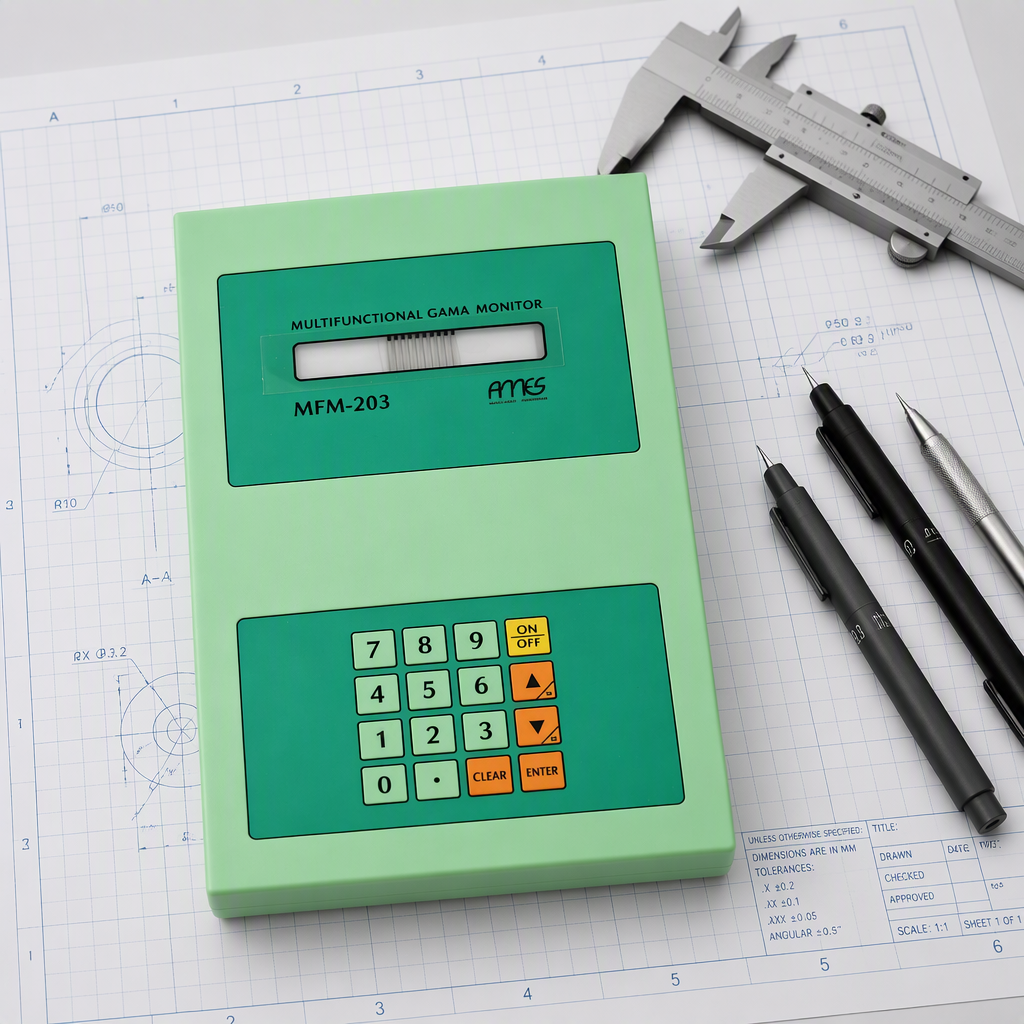
Manufactured under ISO 9001 quality controls with marine-grade polyester, 3M hermetic barrier adhesives, and silver/copper circuits calibrated for South Tarawa deployments.
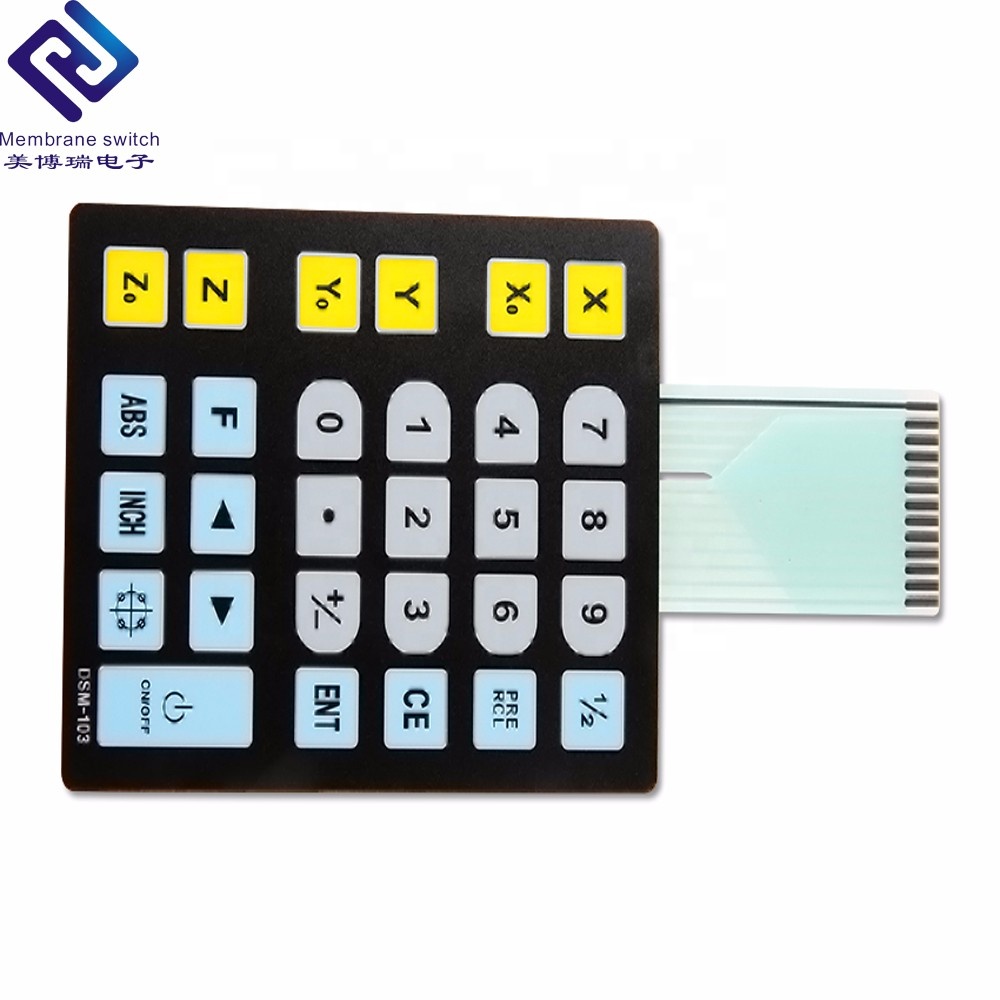
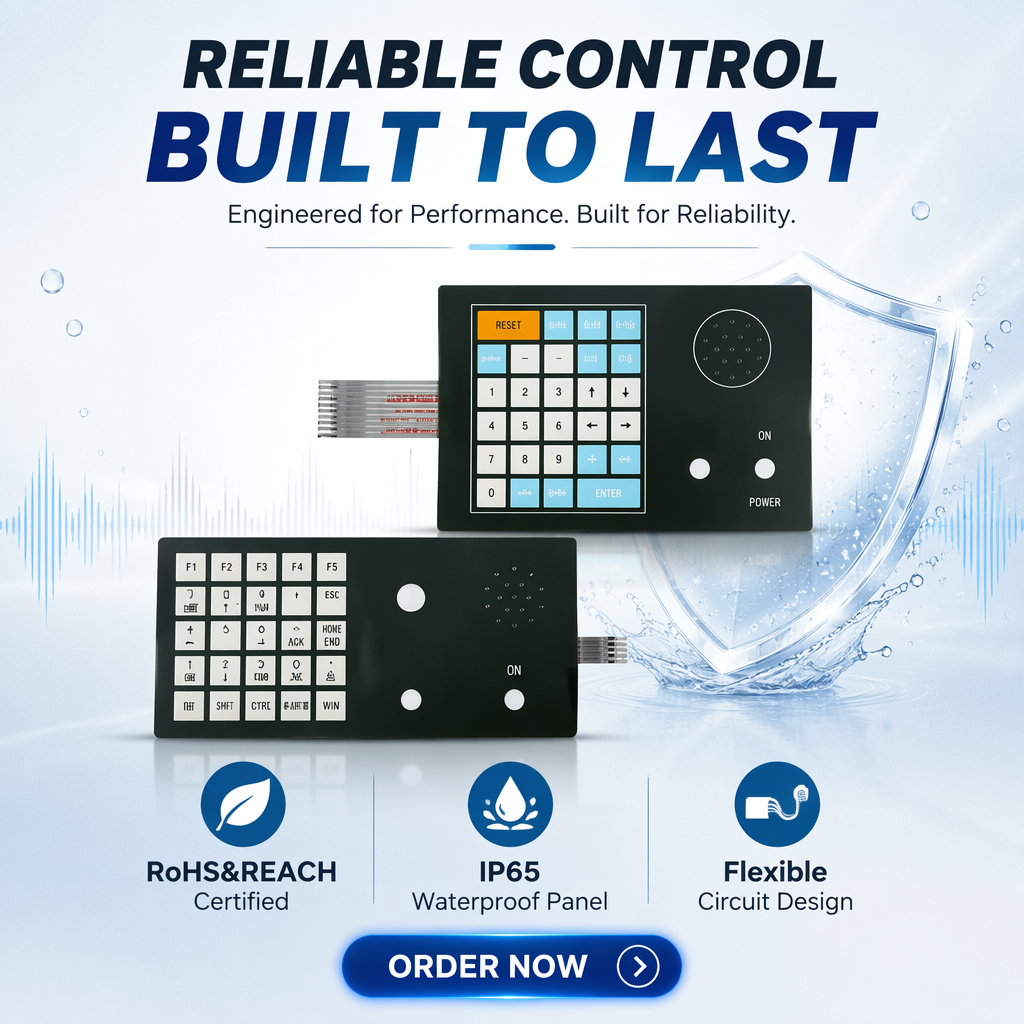
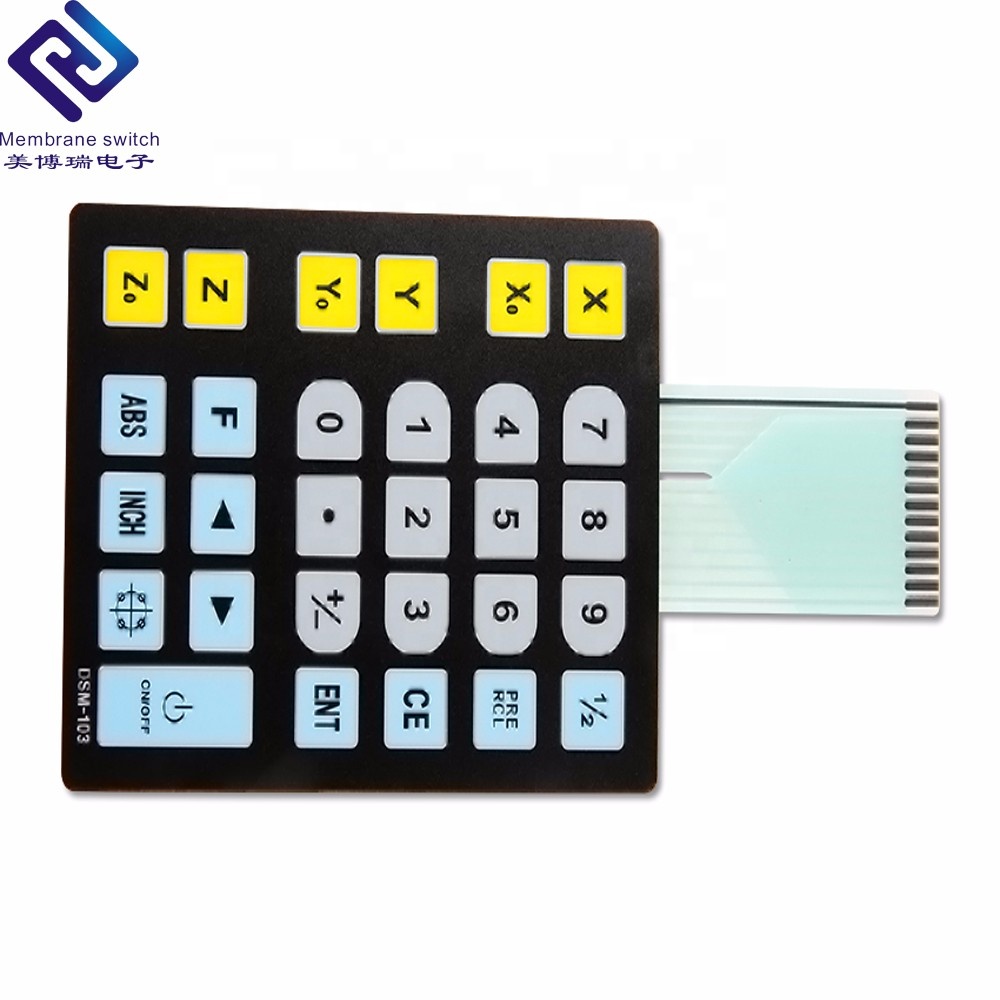
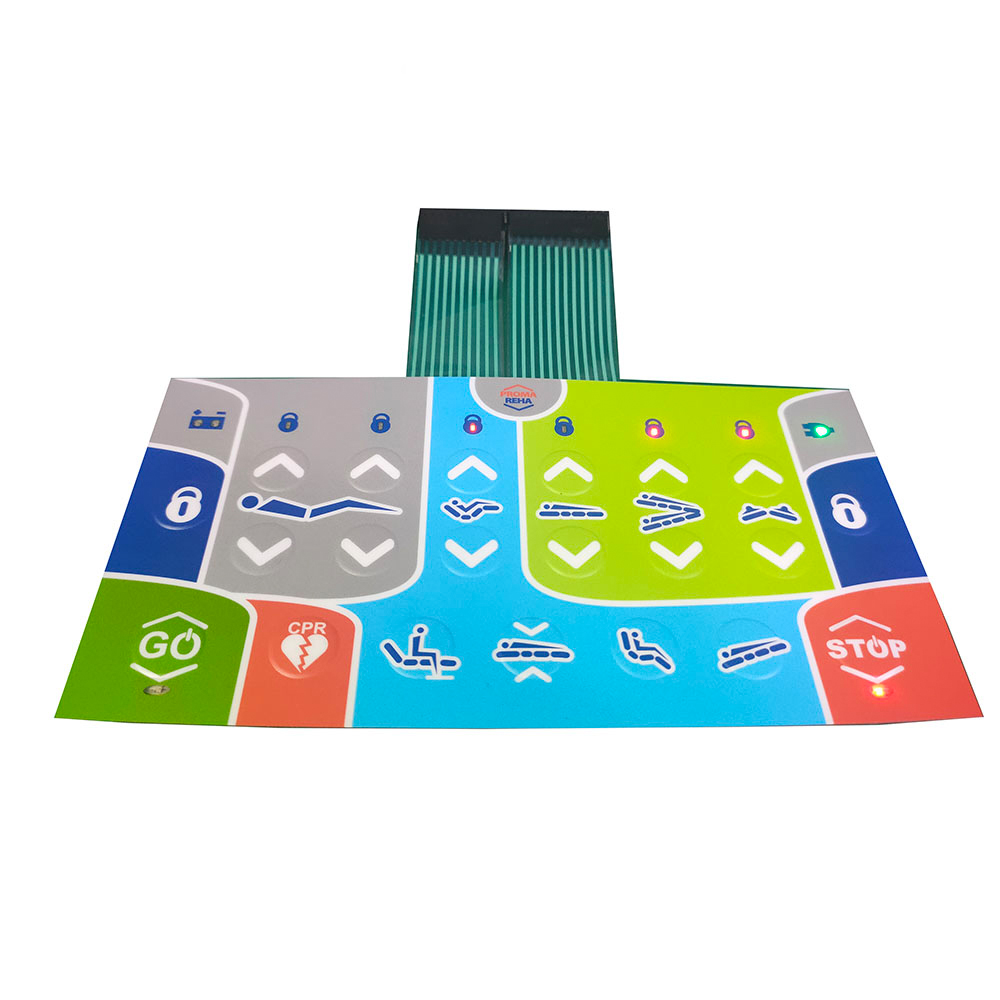
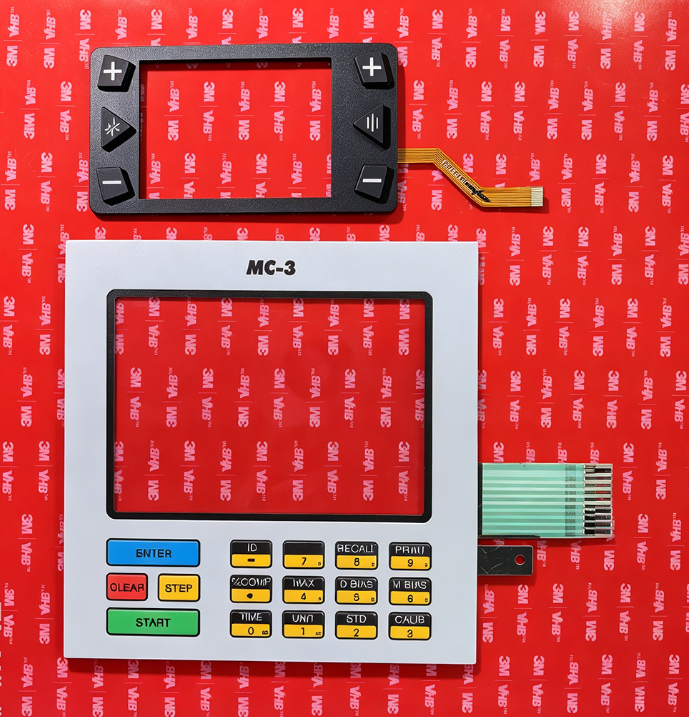
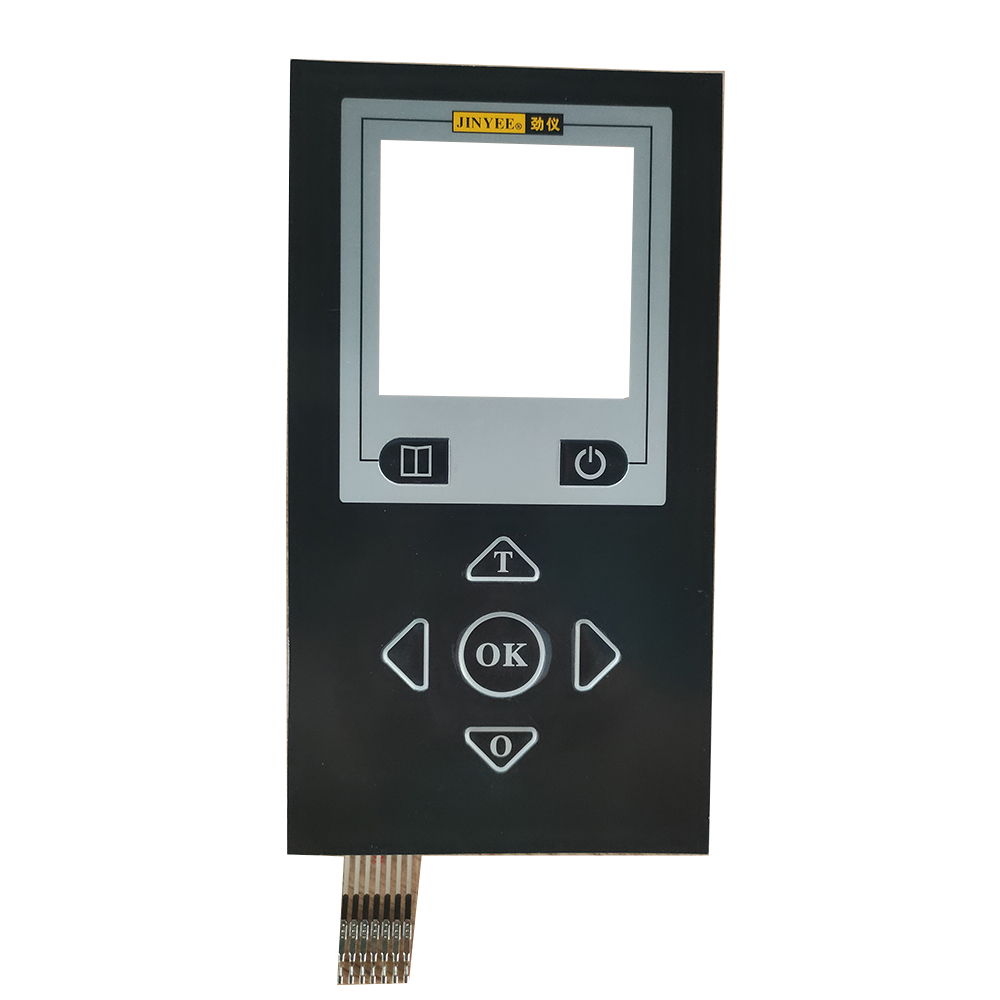
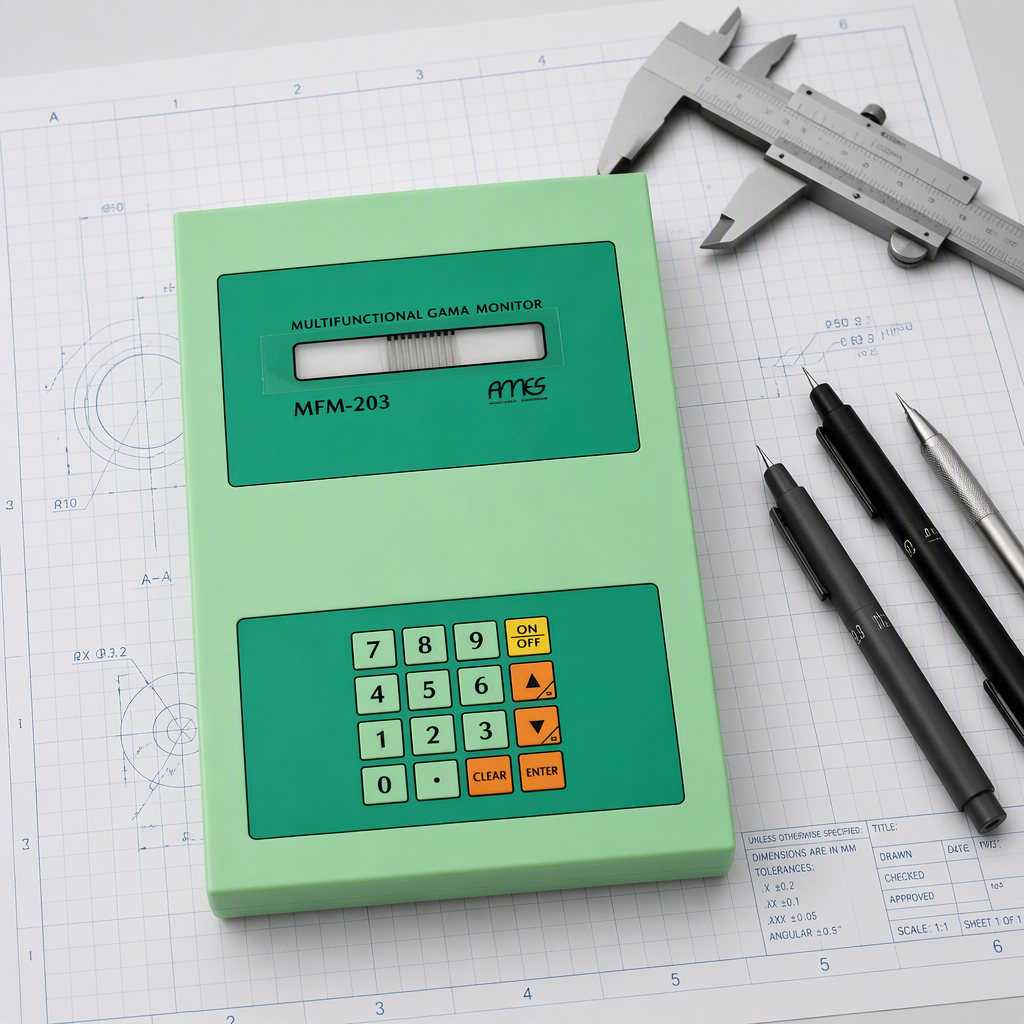
Operating industrial automation, communication terminals, and municipal equipment across South Tarawa presents physical challenges rarely encountered in continental installations. As the economic and administrative center of Kiribati, South Tarawa stretches along a narrow atoll ecosystem where airborne sodium chloride concentrations remain perpetually elevated, relative humidity fluctuates between 80% and 95%, and ultraviolet radiation indexes consistently exceed level 11. Under these aggressive environmental stressors, commercial off-the-shelf keyboards, pushbuttons, and consumer-grade touchscreens degrade rapidly. Contact oxidation, plastic embrittlement, short-circuiting from saline capillary penetration, and illegible faded legends are common operational failures.
As a seasoned custom control interface manufacturer with heritage extending back to 1990, we deliver human-machine interface (HMI) systems designed explicitly to counter these failure modes. Whether deploying control stations for reverse osmosis (RO) desalination installations in Betio, telemetry panels for renewable solar-diesel hybrid microgrids, marine navigation instruments for inter-island logistics vessels, or durable keyboards for telecommunication gateways, our engineering stack focuses on complete environmental isolation. Every interface supplied to South Tarawa is configured using industrial biaxially-oriented polyethylene terephthalate (PET) or UV-stabilized polycarbonate, combined with modified acrylic adhesive gaskets that form an impenetrable hermetic seal against salt mist, abrasive coral dust, and torrential equatorial precipitation.
Municipal bodies, public utilities, and private contractors across South Tarawa require human-machine interfaces that bridge electrical durability with tactile usability. Key operational domains include:
Seawater desalination facilities and lagoon wastewater monitoring plants operated by the Public Utilities Board (PUB) demand IP67 and IP68 sealed membrane panels impervious to continuous brine spray, chlorine exposure, and direct chemical washdowns.
Decentralized photovoltaic generation and generator control units across Bairiki, Bonriki, and Betio utilize tactile metal dome keypads engineered to resist extreme solar thermal loads (up to 70°C enclosure temperatures) without spacer degassing.
Harbor cranes, cargo processing terminals at Betio Port, and inter-island passenger catamarans require backlit keypads (LED/LGF) with high-contrast day-night visibility and marine IP67 immersion ratings to guarantee fail-safe 24/7 docking maneuvers.
Satellite ground stations and local telecommunication relay infrastructure in Kiribati deploy our custom membrane keypads featuring conductive carbon pill or gold-plated FPC matrices that block electromagnetic interference (EMI) while resisting moisture ingress.
The tuna harvesting and cold storage sector centered around Betio Harbor relies on our sub-zero rated graphic overlays and silicone keypads capable of withstanding rapid thermal cycling from -25°C freezing holds to +35°C dockside air without delaminating.
The typical operational breakdown of control switches in equatorial atoll environments occurs not at the mechanical button level, but along adhesive boundaries and circuit trace transitions. When moisture laden with salt penetrates micro-fissures in cheap adhesives, silver migration occurs rapidly across circuit pathways, causing permanent trace shorts and system freezes.
To eliminate this phenomenon, our production lines implement automotive-grade and aerospace-grade construction protocols. Below is a comprehensive cross-section of our localized interface builds tailored for the South Tarawa market:
| Layer Component | Standard Commercial Build | TAVO Marine/Tropical Build (South Tarawa Spec) | Operational Benefit |
|---|---|---|---|
| Graphic Overlay | 0.125mm Standard PVC / Monolithic PC | 0.175mm–0.25mm Hard-Coated Autotex XE Fine/Velvet PET | Extreme UV resistance; prevents yellowing, hazing, and cracking under intense Pacific sunlight. |
| Printing Chemistry | Front-surface or solvent-based ink | Reverse-printed digital UV + 200°C cured ceramic inks | Graphics remain protected beneath the clear polymer matrix; completely immune to abrasion and salt fog. |
| Adhesive Systems | Standard synthetic double-sided tape | 3M 467MP / 468MP High-Performance Acrylic Adhesive | Resists shear slippage, moisture channeling, and thermal expansion up to 150°C continuous service. |
| Tactile Switch Element | Untreated steel domes | Gold or Nickel-Plated Stainless Steel Domes (IP67 sealed) | Crisp actuation feedback; zero contact oxidation; exceeds 1 to 3 million cycles under humid conditions. |
| Conductive Circuitry | Single-pass silver conductive paste | High-density carbon overprinted silver ink or Flexible Copper FPC | Blocks silver migration caused by humidity; FPC allows direct micro-soldering of surface-mount LEDs. |
| Rear Structural Backer | Thin unreinforced plastic | Anodized AL5052 Aluminum or FR-4 Glass Epoxy Backplate | Provides rigid flatness, eliminates mechanical torque on circuit layers, and enables integrated PEM studs. |
South Tarawa is undergoing a pronounced technological transformation driven by international development initiatives, climate adaptation funding, and infrastructure electrification programs supported by the World Bank, Asian Development Bank (ADB), and bilateral partnerships. These investments are shaping three distinct interface design trends across the atoll:
Operators across municipal utilities increasingly favor smooth, wipe-down capacitive touch surfaces that eliminate all crevices where airborne ocean sand, organic residue, and moisture gather. However, in mission-critical applications—such as emergency shut-offs for power generation or navigational rudder controls—hybrid architectures combining capacitive glass or thick PET panels with embedded tactile metal dome switches are becoming the benchmark.
Energy conservation remains paramount for remote off-grid solar and battery storage systems across Kiribati. Traditional electroluminescent (EL) backlighting suffers from high voltage requirements and rapid luminous decay in warm environments. Our adoption of Light Guide Film (LGF) powered by edge-mounted, high-efficiency surface mount LEDs provides razor-sharp, uniform key illumination consuming under 30% of legacy power footprints, ensuring uninterrupted night operation during emergency infrastructure servicing.
To eliminate mechanical assembly lines and potential water ingress through screw holes, control panels are increasingly transitioning to film-insert molding and pre-laminated aluminum backers. By bonding the flexible circuit, graphical film, and rigid structural backer into a unified monolithic part, installation time on-site in Betio or Bairiki is drastically reduced, ensuring factory-sealed IP67 integrity from the very first minute of field mounting.
Every interface manufactured for export undergoes multi-stage verification in our ISO 9001 and Intertek-audited facilities before maritime freight dispatch.
Our 10-person dedicated engineering department reviews your outline schematics, connector pin-outs, and environmental requirements, generating production-ready tooling films and dielectric layout blueprints.
Utilizing 37 precision screen printing systems and 4 Japanese Mimaki digital UV printers, overlays and circuits are printed in temperature and humidity-controlled cleanrooms to eliminate particulate defects.
60 CNC mold-making setups and 18 industrial laser cutting machines contour overlays, adhesive channels, and backers to micrometer tolerances (±0.05mm), ensuring flawless drop-in chassis alignment.
Assemblies undergo automated circuit continuity scans, button actuation lifecycle endurance testing, salt fog spray chambers, and xenon UV aging simulators to guarantee South Tarawa field readiness.
Detailed technical, commercial, and logistics guidance for electrical engineers, system integrators, and procurement officers.