IP67 Waterproof
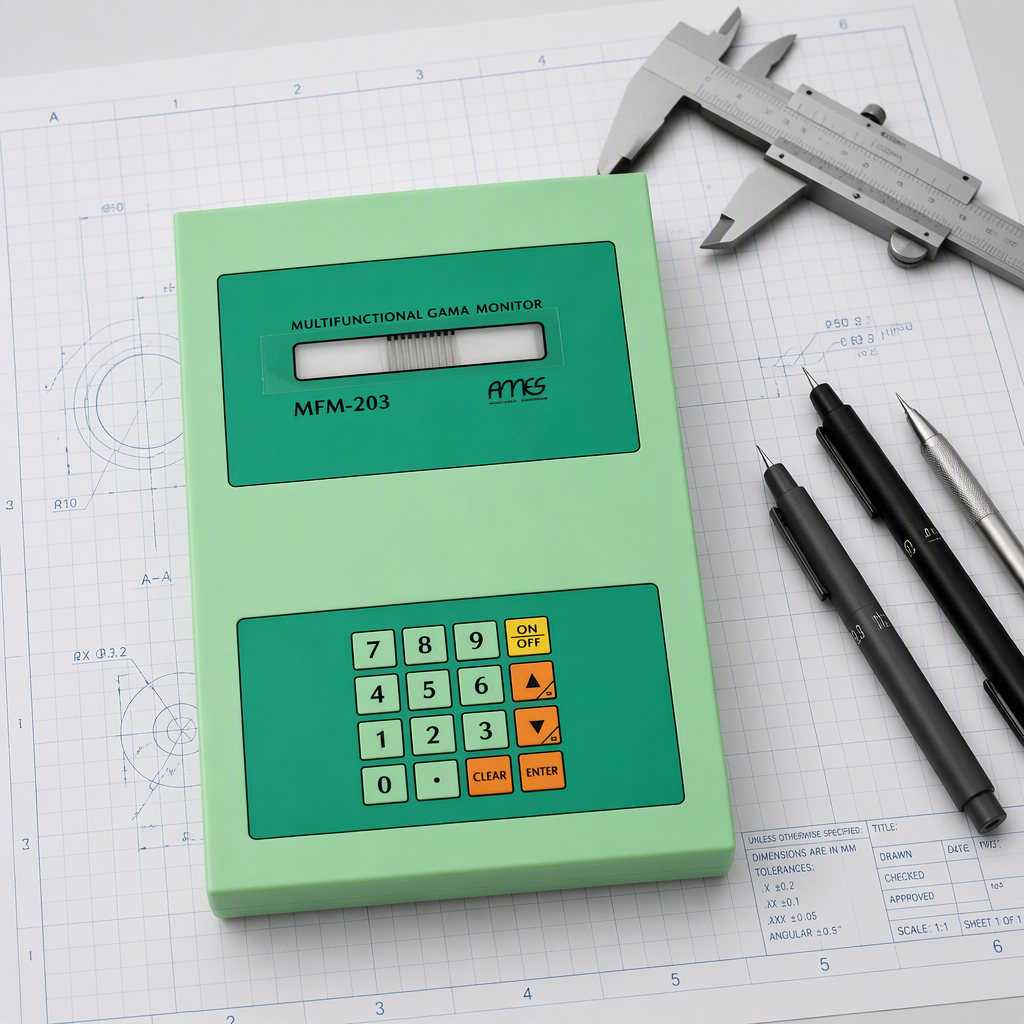
Waterproof Polyester Membrane Keypad Panel PET/PC for HMI Displays
Autotex PET
3M 200MP Adhesive
Display Window
Direct factory fabrication of ISO 9001 certified tactile switchboards, graphic overlays, FPC assemblies, and hermetically sealed input modules engineered for European DIN industrial integration.
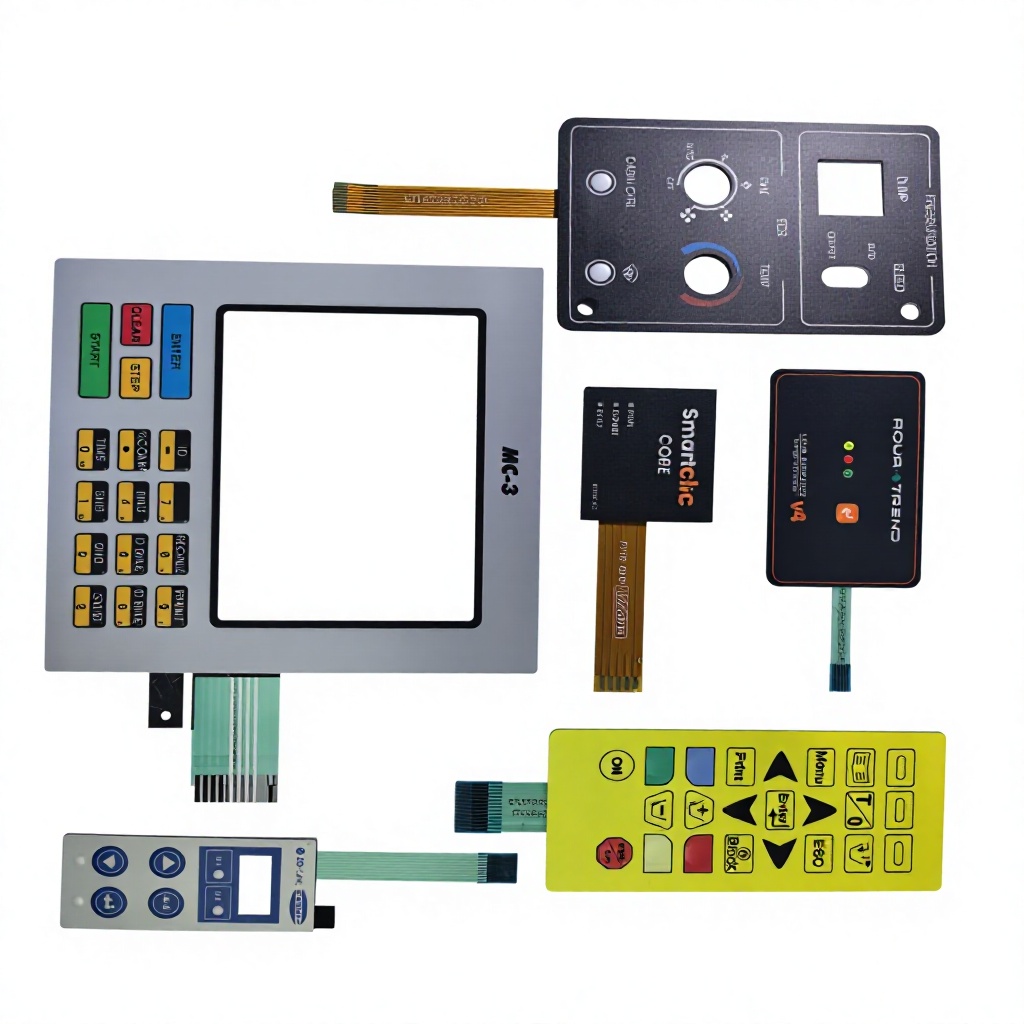
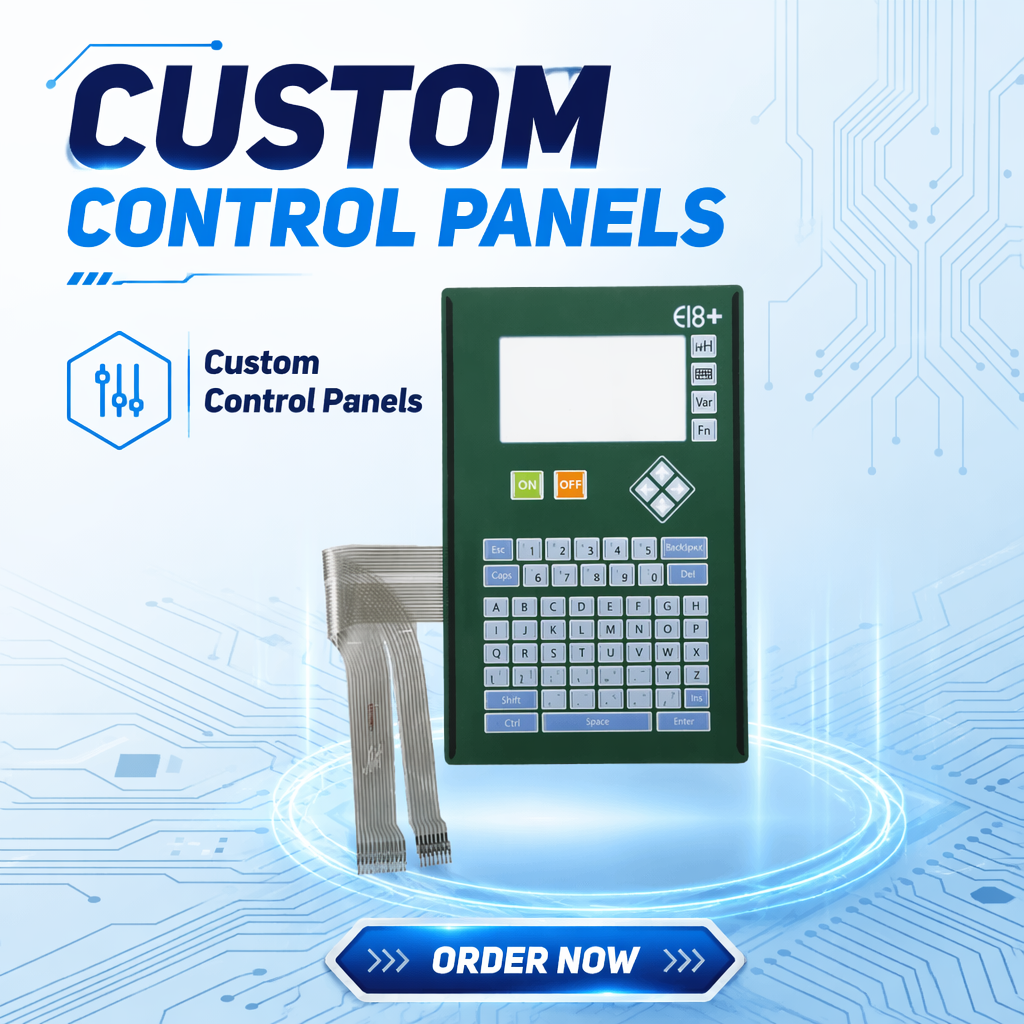
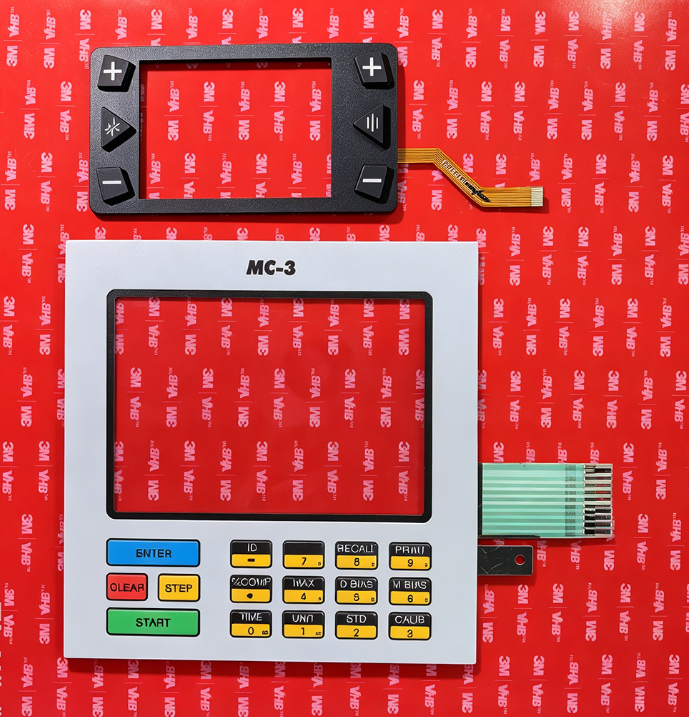
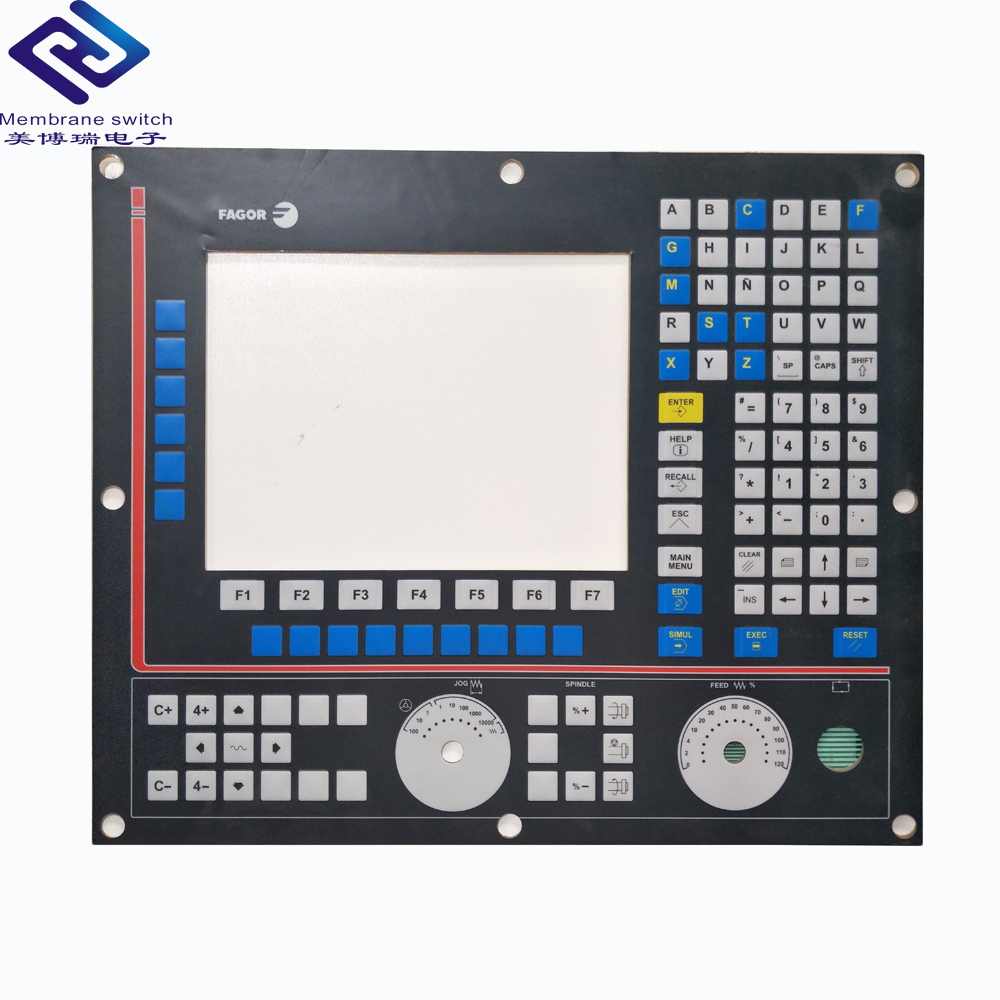
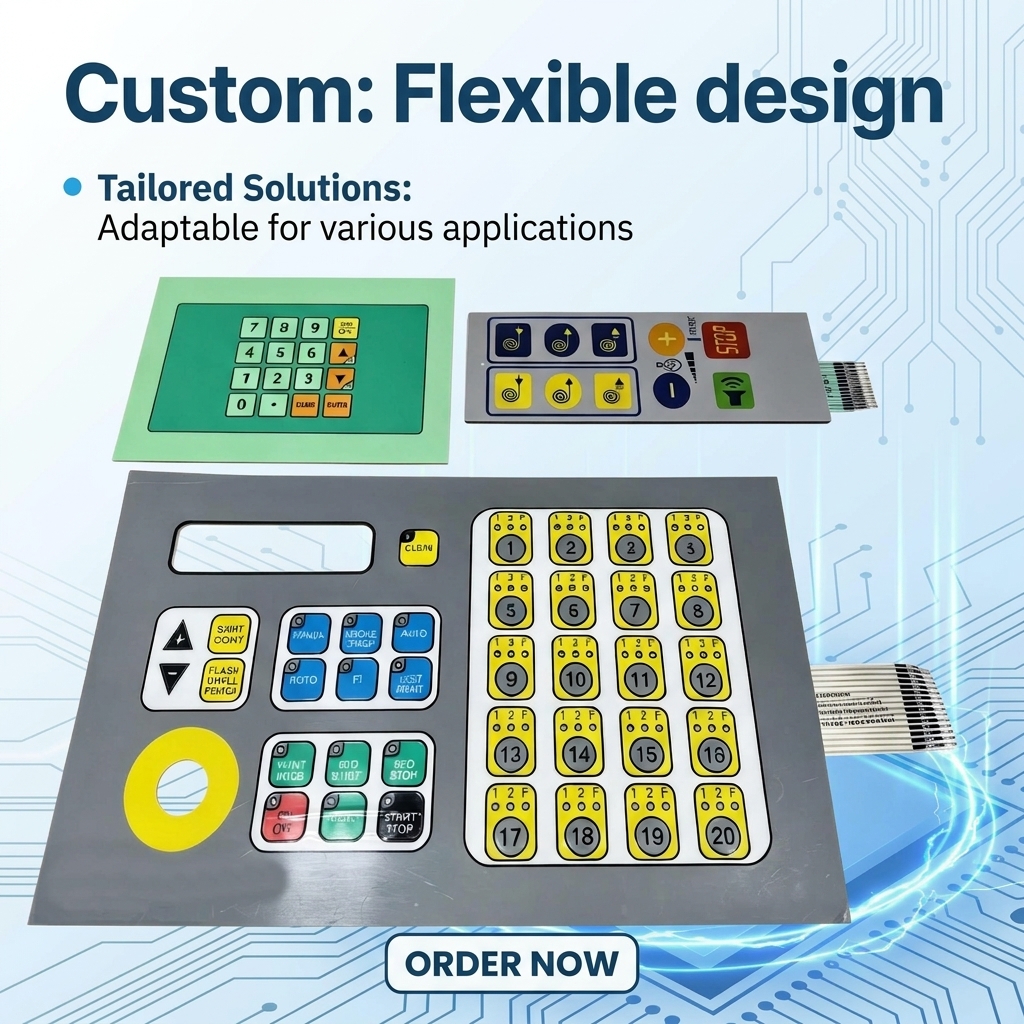
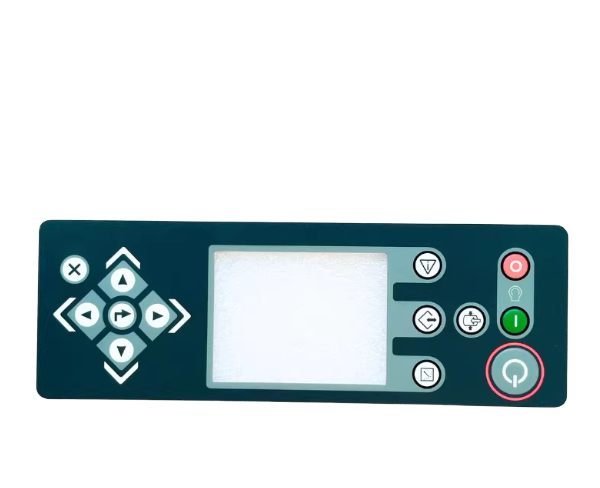
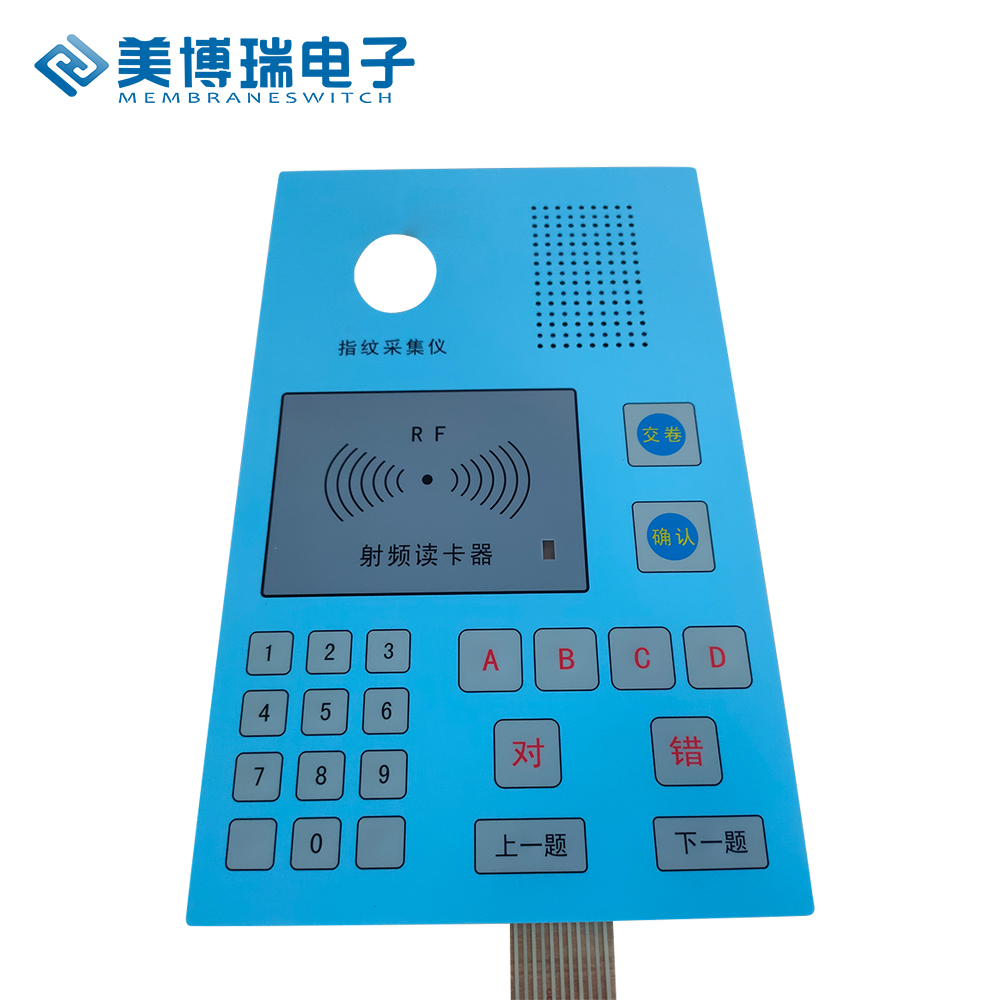
In the central European industrial heartland of North Rhine-Westphalia (NRW), the metropolitan district of Cologne (Köln) operates as a linchpin of European mechanical engineering, chemical process automation, specialized automotive powerplants, railway technology, and medical diagnostic instruments. Sourcing human-machine interfaces (HMIs) and custom control panels within this high-velocity manufacturing sphere demands strict adherence to rigorous engineering protocols: deterministic electrical continuity, robust IP-rated ingress barriers, electromagnetic shielding (EMC), and long-term cyclic mechanical endurance.
As a specialized custom control interface manufacturer with more than 30 years of engineering continuity since 1990, TAVO bridges precision tier-1 fabrication capacity with European design stringency. By uniting dual manufacturing hubs in Xianghe (Robot Industry Port) and Huizhou with an engineering workflow structured around DIN EN ISO 9001:2015 quality systems, we provide Cologne’s original equipment manufacturers (OEMs) with fully integrated user interface assemblies. From complex multi-layer tactile polyester membrane switchboards to copper-etched Polyimide Flexible Printed Circuits (FPC) and capacitive glass/acrylic touch arrays with integrated Light Guide Film (LGF) illumination, our engineering capability ensures rapid concept-to-prototype validation and high-volume consistency.
Industrial control interfaces built for Cologne's harsh shop floors and process plants must withstand vibration, cyclic thermal stress (-40°C to +85°C), and corrosive ambient environments. A high-reliability custom interface relies on an engineered seven-to-nine layer stack-up:
1. Autotex / Lexan Graphic Overlays: Reverse screen-printed or digital UV printed on optical-grade Polycarbonate (PC) or biaxially-oriented Polyethylene Terephthalate (PET). Sub-surface graphics eliminate wear from constant fingering, aggressive industrial solvents, and IPA cleanings.
2. High-Shear Adhesive Spacers: Utilizing authentic 3M 200MP, 300LSE, or 467MP adhesive films precision cut via CNC plotters to prevent perimeter delamination and eliminate venting-channel moisture migration.
3. Tactile Feedback Domes: Stainless steel domes plated in gold or nickel, with trip forces calibrated between 250g and 450g to provide a tactile click through thick nitrile and leather safety gloves.
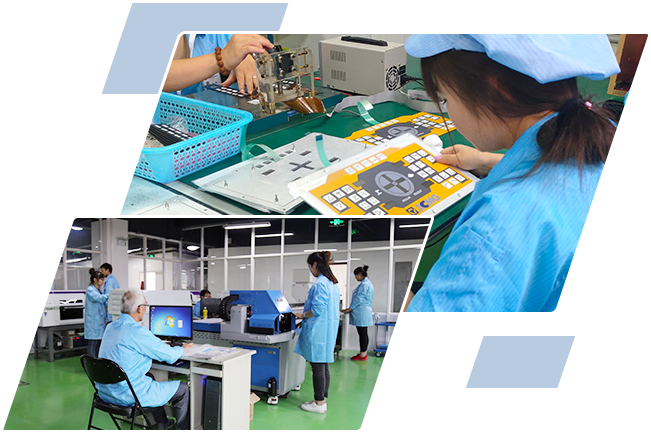
Engineered human-machine interfaces designed to satisfy the rigorous technical specifications of Cologne's dominant engineering sectors.
In the chemical and pharmaceutical corridor hugging the Rhine, control interfaces in process control skids, mixing consoles, and hazardous-area dosing pumps demand continuous chemical barrier performance. Our PET overlays resist hydrochloric acid, acetone, cleaning agents, and solvent vapors, operating reliably behind IP66/IP67 hermetic seals that isolate conductive silver and copper runs from corrosive gases.
Cologne and the surrounding Bergisches Land represent a dense cluster of precision CNC machinery, hydraulic punch presses, and packaging robotics. Our membrane switch panels integrate rigid 2.0mm anodized aluminum backers and FR4 PCB backplates. This delivers structural rigidity against heavy mechanical vibration and continuous physical contact, while shielding sensitive logic against high EMI emitted by high-frequency servo drives.
With locomotive manufacturing and transit networks such as the KVB (Kölner Verkehrs-Betriebe) and engine builders like Deutz AG shaping regional transport infrastructure, operator cabs demand components built to DIN EN 50155 standards. We engineer flexible copper FPC circuits with gold-plated contact fingers, surface-mounted constant-current LEDs, and flame-retardant UL 94-V0 polyimide films that withstand repetitive shock and vibration.
Biomedical diagnostic systems, surgical pumps, and laboratory autoclaves in the regional life-science cluster require seamless front membranes. Our antimicrobial textured finishes and flush optically bonded LCD display windows eliminate crevices where microbes, fluid droplets, and blood-borne pathogens can accumulate, supporting rapid wipe-down sanitation protocols compliant with hospital cleanroom guidelines.
The German machine building sector (VDMA - Verband Deutscher Maschinen- und Anlagenbau) is rapidly pivoting toward smart, human-centric manufacturing paradigms. In Cologne's competitive industrial market, standard passive button arrays are yielding to smart, interactive surface modules that combine tactile assurance with digital intelligence.
Engineers in Cologne are increasingly integrating capacitive touch sensor layers with mechanical metal domes. This hybrid architecture enables sleek, completely flat front glass or hard-coated polycarbonate fascias that trigger rapid software adjustments, while maintaining positive mechanical clicks for critical safety confirmations, eliminating accidental activations in automated plants.
Traditional bulky LED arrays suffer from hot spots and light bleed. Modern European machine consoles specify ultra-thin Light Guide Films (LGF) paired with precision micro-dot pattern engraving. With a profile thickness under 0.25mm, LGF channels uniform cold-white or RGB illumination across specific key rings, icons, and company logos while operating with minimal power draw.
Supply chain transparency has become an essential compliance criterion for German procurement teams (Einkauf). OEM contracts across Cologne now mandate comprehensive declaration dossiers covering EU Regulation (EC) No 1907/2006 (REACH), RoHS 3 (Directive 2015/863/EU), and Conflict Minerals tracking, coupled with UL 94 flame retardancy certification for all polymeric components.
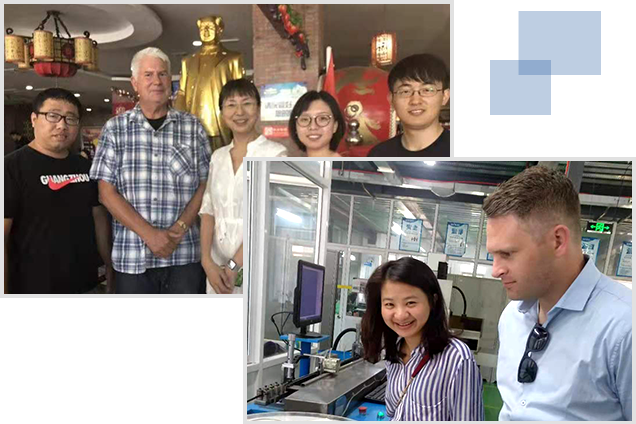
TAVO has maintained a direct technical cooperation with a German membrane switch manufacturer for years, exchanging engineers, modernizing tooling methodologies, and standardizing inspection protocols. Our 2,219 square-meter cleanroom facility houses 37 silkscreen printing lines, 4 Mimaki high-resolution UV flatbed systems, 18 precision laser cutting units, and 60 CNC mold-making workstations.
Because 100% of the manufacturing workflow—from CAD engineering, photographic film generation, screen stretching, and conductive silver trace deposition to metal dome positioning, embossing, lamination, and automated electrical pin-testing—is performed strictly in-house, Cologne buyers benefit from complete technical accountability, rapid turnaround, and zero subcontracting markups.
Evaluating engineering properties across critical graphic overlay films and conductive circuit technologies for industrial applications.
| Material / Parameter | Autotex Polyester (PET) | Lexan Polycarbonate (PC) | Flexible Copper (FPC) | Printed Silver Ink Circuit |
|---|---|---|---|---|
| Primary Function | Graphic Overlay / Top Layer | Graphic Overlay / Display Windows | Conductive Trace / Dynamic Circuit | Static Conductive Matrix Circuit |
| Tensile Strength (MPa) | 150 – 200 MPa | 60 – 70 MPa | 200 – 250 MPa (Base Film) | Carrier Dependent |
| Actuation Life (Cycles) | > 5,000,000 actuations | ~ 100,000 (Non-embossed) | Dynamic Flexing > 10M | > 1,000,000 (With Domes) |
| Operating Temperature | -40°C to +105°C | -30°C to +85°C | -50°C to +125°C | -25°C to +70°C |
| Chemical Resistance | Exceptional (Oils, Fuels, Bleach) | Moderate (Sensitive to Solvents) | Immune (Polyimide / Coverlay) | Protected within sealed layers |
| Trace Resistance | Non-conductive substrate | Non-conductive substrate | < 0.1 Ω/cm (Pure Copper) | < 10 Ω (Dependent on length) |
| Surface Finish Options | Fine, Velvet, Textured, Gloss | Gloss, Matte, Brushed, Textured | Gold-plated pads, Solder-masked | Dielectric Carbon overcoat |
Direct answers covering DIN standards, quality certifications, tooling lead times, and customs clearance for German OEM sourcing managers.
Partner with an experienced engineering team that understands the precision, mechanical tolerances, and compliance standards demanded by the German industrial market. Submit your mechanical DXF, vector artwork, or functional schematic for a comprehensive manufacturability review.