High-Precision Overlay & Membrane Interface Assemblies
Select OEM/ODM configurations built to stringent ISO 9001 and CE tolerances. Available with sub-surface printing, selective texturing, EMI shielding, and harsh-chemical resistance.
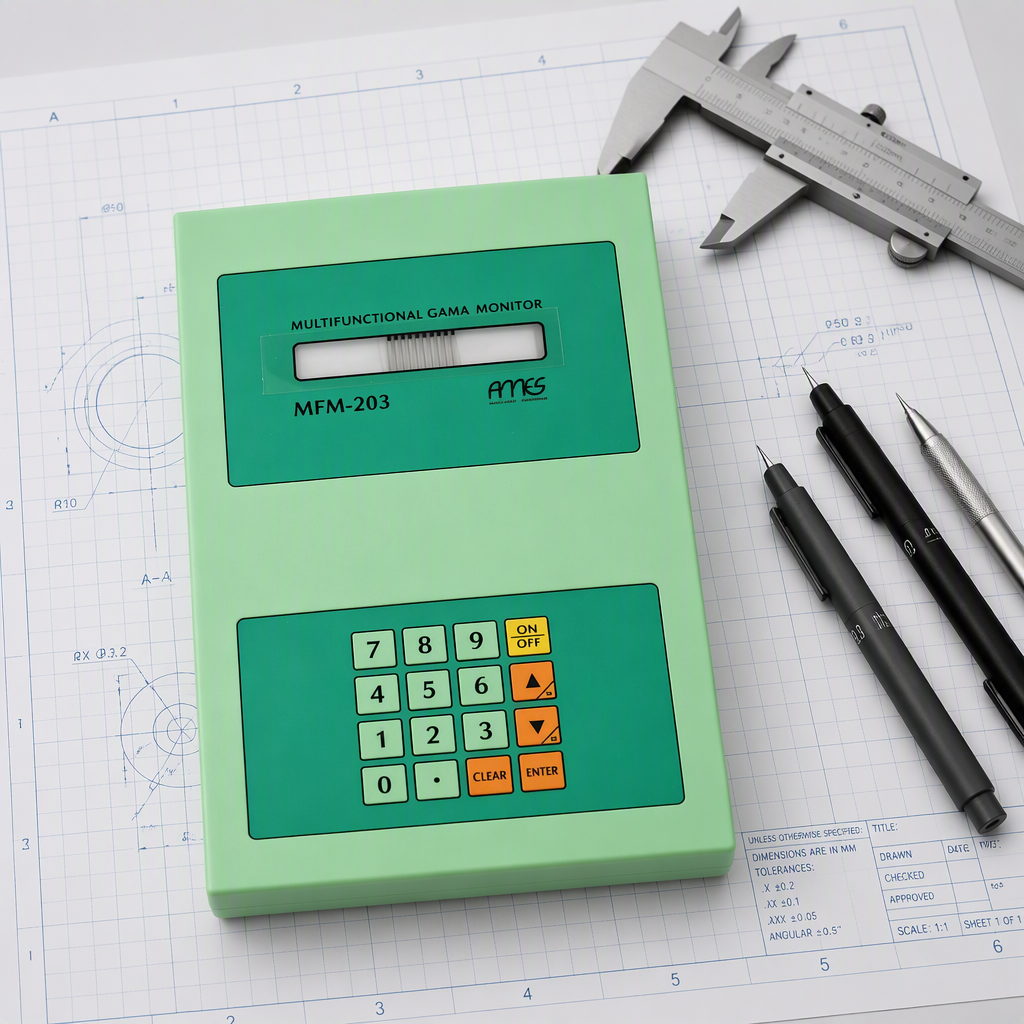
MBR IP67 Industrial Membrane Keyboard PET Overlay
View Product Specs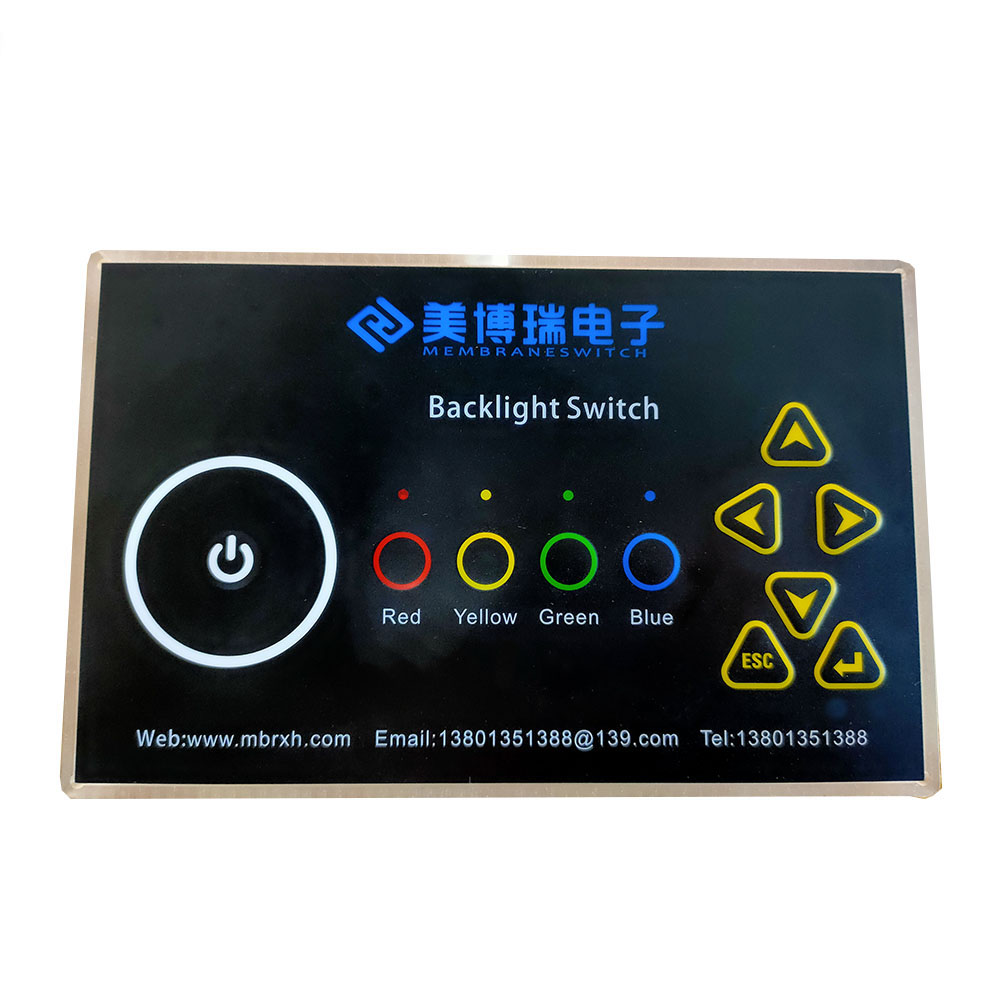
MBR PBT Keyboard Cap PET Membrane Keypad Custom Silkscreen
View Product Specs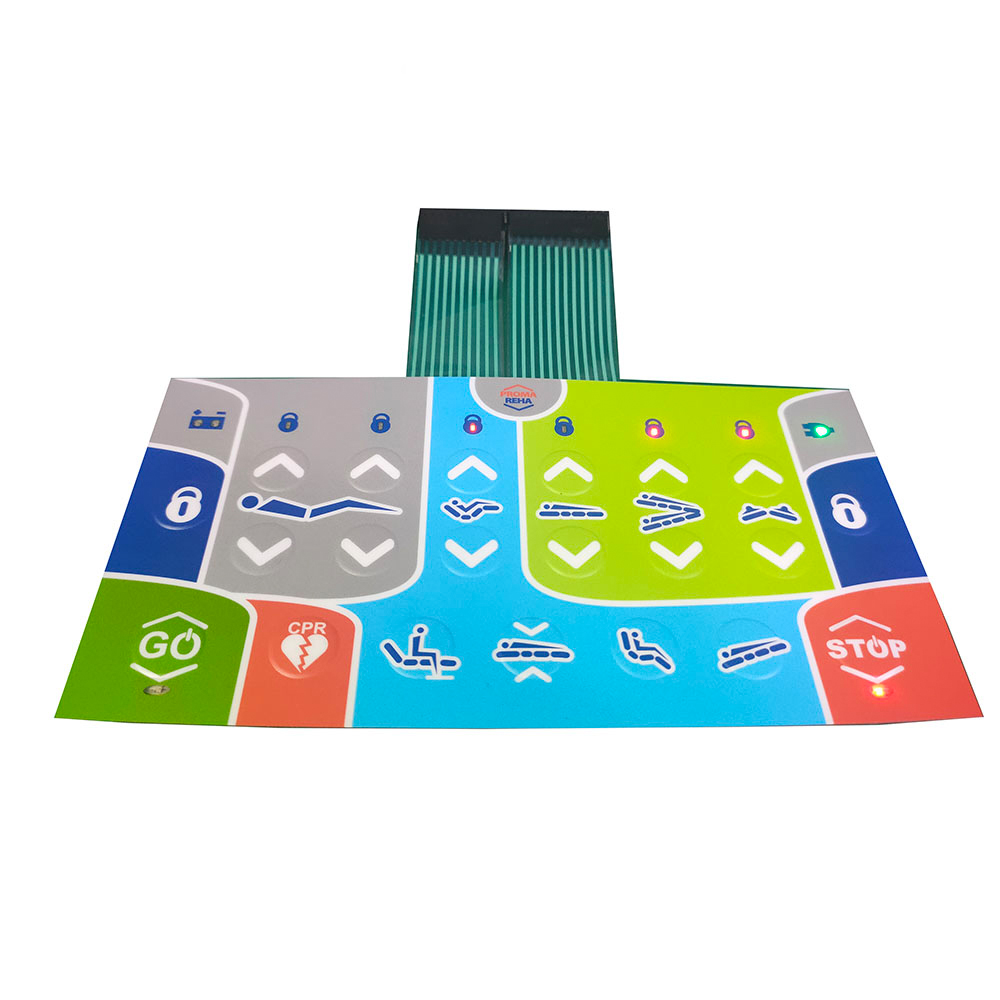
Customized PBT Keyboard Cap & Silkscreen Printing Assembly
View Product Specs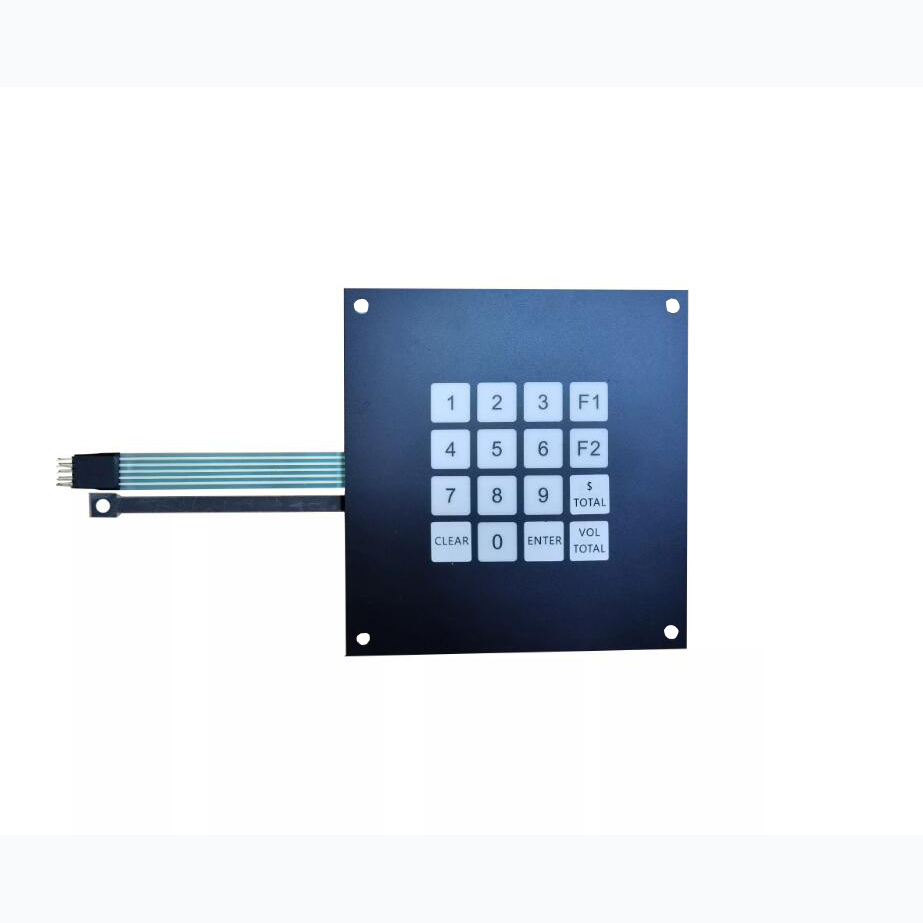
Heavy-Duty Fuel Dispenser Membrane Keypad Panel
View Product Specs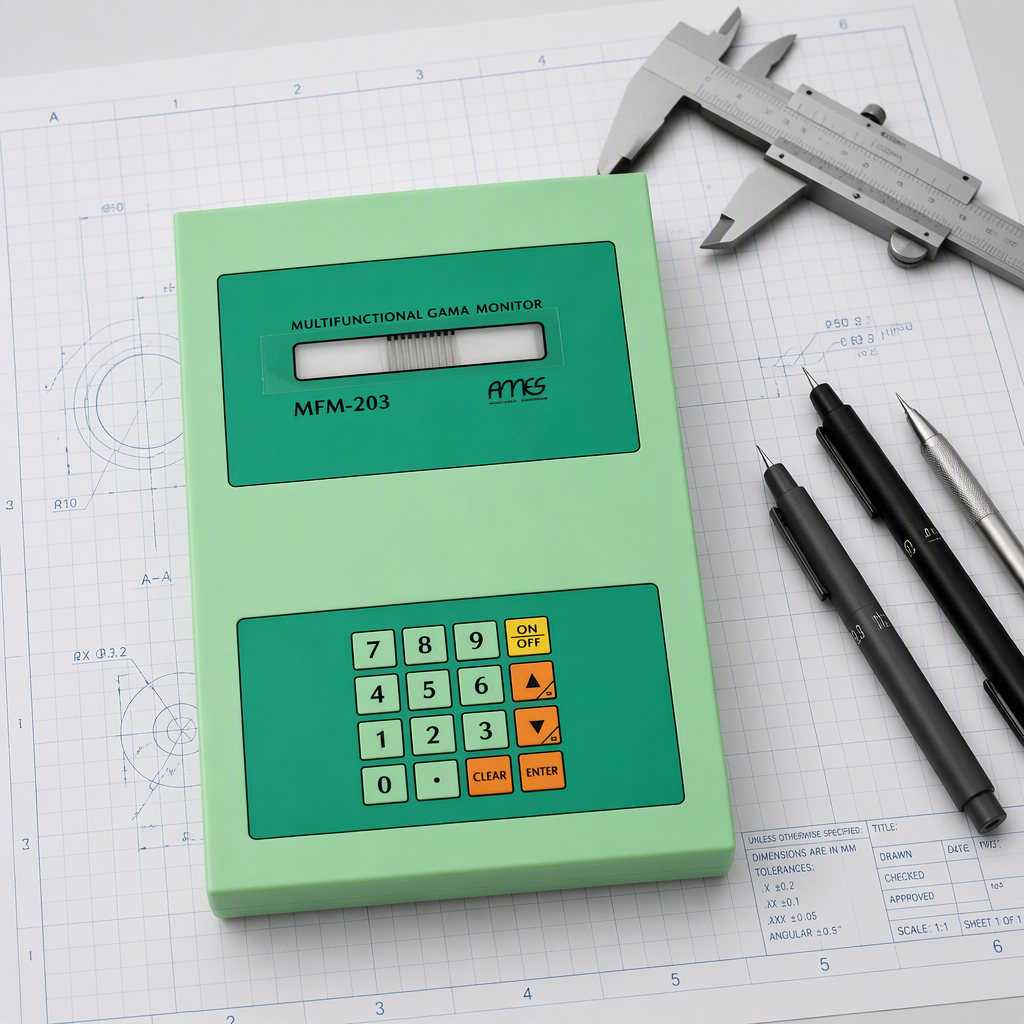
Waterproof Polyester PET/PC Keypad Panel for HMI Screens
View Product Specs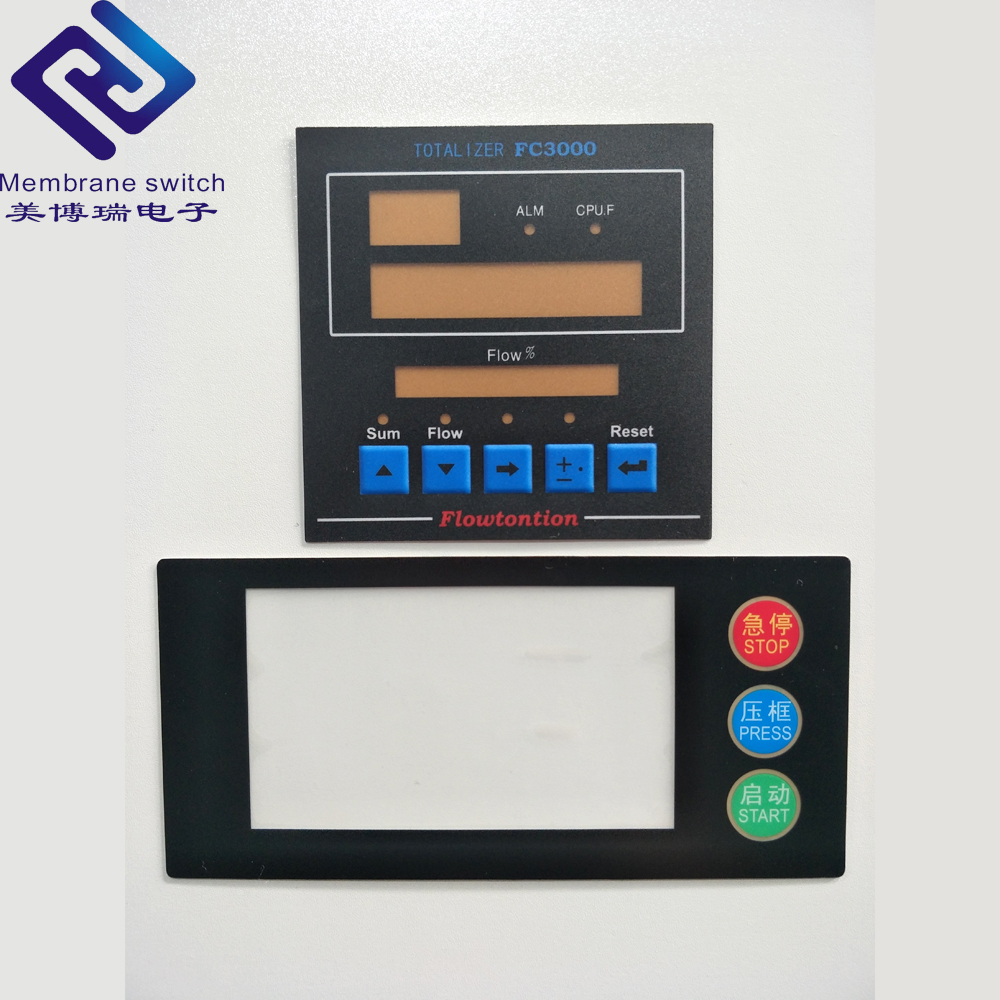
IP67 LCD Membrane Switch with 3M 468MP Adhesive Backing
View Product Specs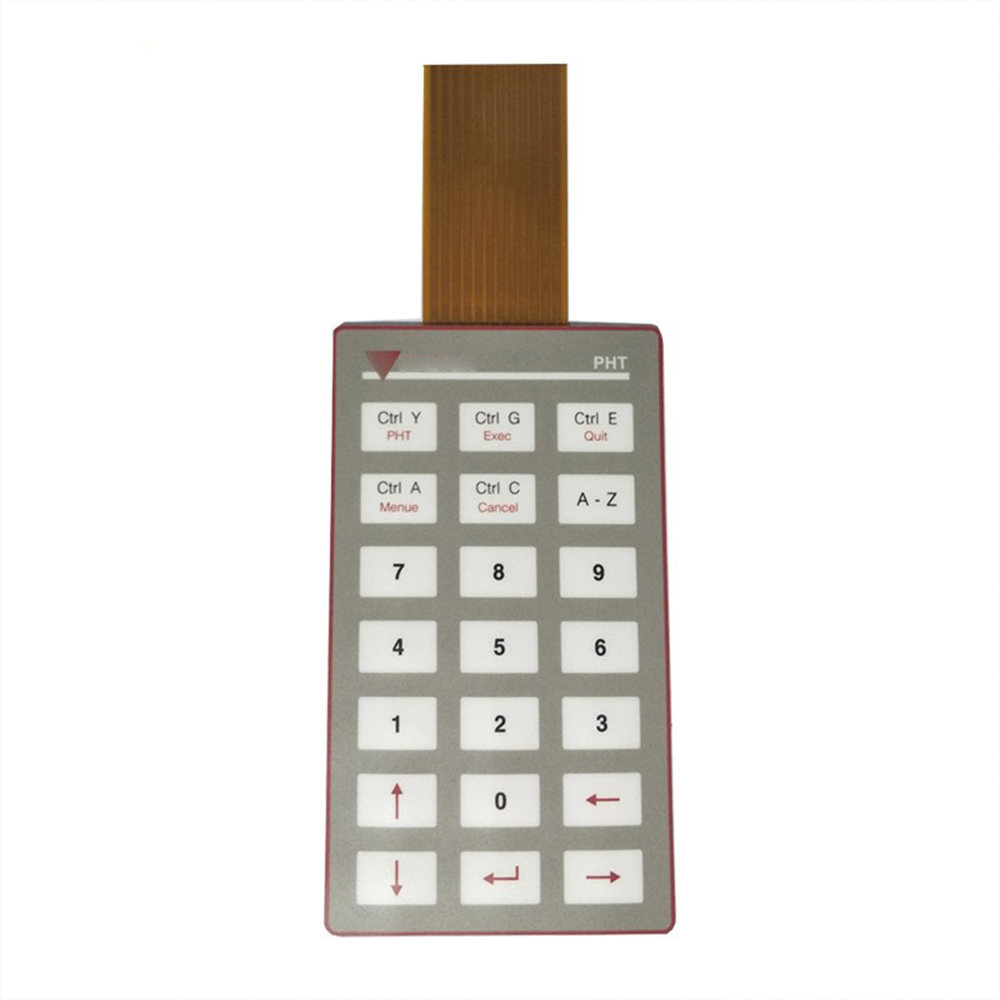
Thermal Regulation Control Keypad Waterproof Touch Panel
View Product Specs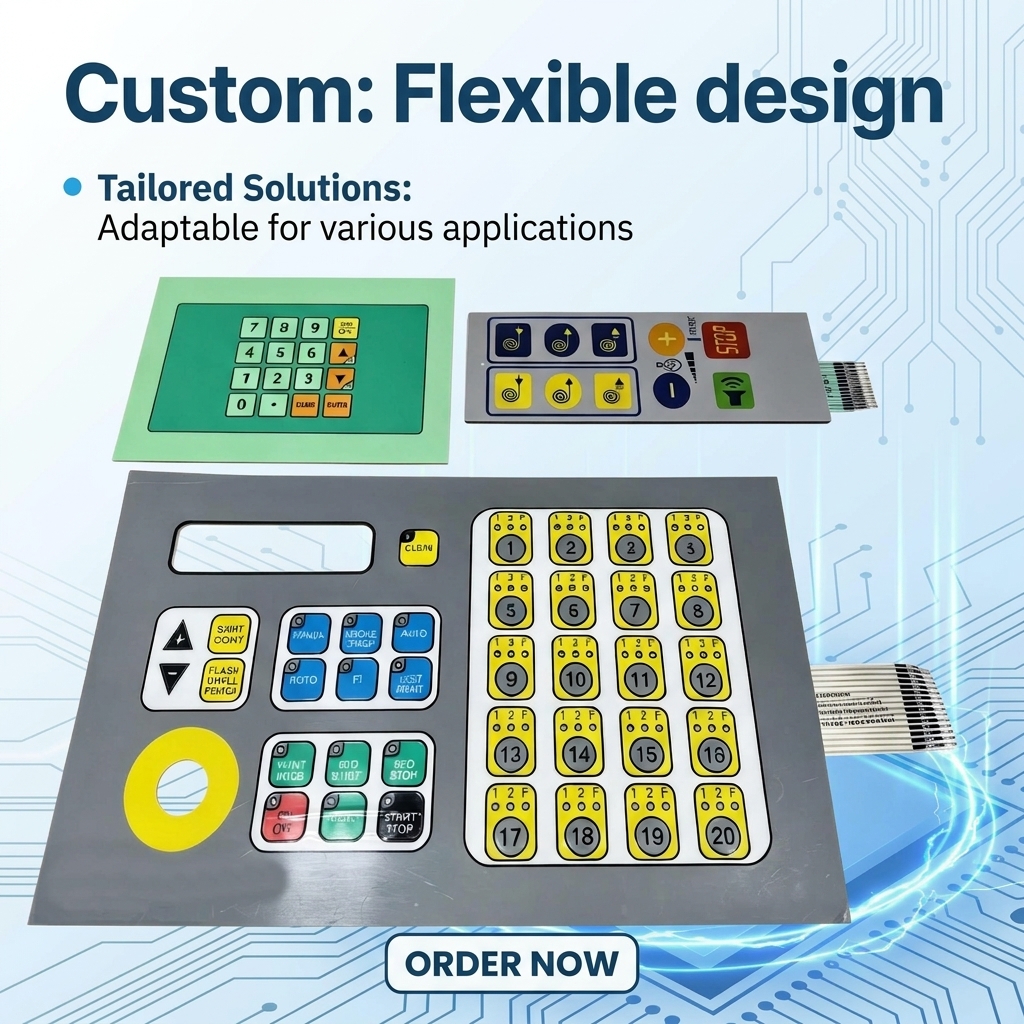
FPC Copper Circuit Membrane Switch for Railway Locomotive Panels
View Product SpecsEngineered Graphic Overlays for Harsh European Environments
A graphic overlay serves as both the aesthetic face and first physical defense layer of an electronic device. Sourcing teams in Mazovia require precision engineering capable of resisting moisture ingress, repeated cleaning chemicals, and mechanical strain.
Biaxially Oriented PET vs Polycarbonate
For Warsaw-based medical and food-processing clients, premium grade Autotype polyester (PET) delivers flexural fatigue endurance exceeding 5,000,000 actuations. Polycarbonate (Lexan) provides superior optical clarity and UL94-V0 flame retardancy for heavy electrical switchgear cabinets.
High-Cohesion Sub-Surface Printing
Graphic legends and color blocks are printed on the second (reverse) surface using heat-curable solvent or UV-cured inks. This ensures physical rubs, solvent washes, disinfectants, and grit cannot erode graphics, maintaining legibility throughout machine lifespans.
Engineered 3M Adhesive Systems
Bond integrity across metal and plastic enclosures depends on surface energy matching. We integrate 3M 467MP for smooth powder-coated sheet metal, 3M 468MP for textured enclosures, and 3M 300LSE for low surface energy (LSE) molded plastics like polypropylene and ABS.
| Technical Parameter | Polyester Film (PET - Autotype / Melinex) | Polycarbonate Film (PC - Sabic Lexan) |
|---|---|---|
| Flexural Life (Actuation Cycles) | > 5,000,000 cycles (ideal for tactile domes) | ~ 100,000 cycles (non-tactile / flat panels) |
| Chemical Resistance | Excellent: Resists alcohols, fuels, MEK, detergents | Moderate: Sensitive to aromatic hydrocarbons and esters |
| Thermal Operating Window | -40°C to +85°C (continuous) | -30°C to +105°C (high heat resistance) |
| Die-Cutting Tolerances | ±0.10 mm (Laser & Precision Steel Tooling) | ±0.08 mm (CNC router / steel-rule die) |
| Environmental Compliance | EU RoHS 2011/65/EU, REACH SVHC, WEEE | EU RoHS, REACH, UL94 V-0 flame ratings available |
Localized Applications Across the Warsaw Metropolitan Area
The Mazovian industrial belt—from Warsaw West logistics parks (Ożarów Mazowiecki, Pruszków) to Grodzisk Mazowiecki and Piaseczno—forms Poland's premier mechatronics development hub. Our graphic overlays and membrane keyboards integrate directly into Warsaw's core manufacturing sectors.
Automation & Control Cabinets
Engineered front overlays for PLC stations, frequency converters, and telemetry cabinets located in regional warehousing clusters. Features anti-glare finishes and selective clear windows for LED readouts.
Biomedical Instrumentation
Serving Warsaw’s biomedical cluster with antimicrobial PET surface coatings resistant to hospital-grade sterilization agents, alcohol swabs, and UV-C germicidal cycles with zero optical yellowing.
Rolling Stock & Rail Telematics
Compliant with European railway vibration and fire-safety considerations. Copper FPC backings combined with ruggedized polycarbonate overlays deployed in regional train communication control decks.
Fuel & EV Dispensing Infrastructure
Front interface panels designed to withstand Central European thermal fluctuations (-30°C winters to +35°C summers), equipped with UV inhibitors that protect fuel dispensers against sun degradation.
Emerging Manufacturing Trends in Poland's Electronics Sector
As Central and Eastern European manufacturers transition from low-mix contract assembly to proprietary mechatronics development, human-machine interface designs are undergoing significant technological shifts.
Integration of Capacitive Touch with Overlays
Instead of relying solely on physical domes, industrial machine makers are blending flush capacitive sensor zones under continuous PET sheets. This creates completely seamless, IP68-capable wipe-down surfaces that eliminate bacteria-trapping bezel crevasses.
Light Guide Film (LGF) Uniform Backlighting
Traditional spot LEDs often create hot-spots on graphic overlays. Modern European HMIs leverage ultra-thin (0.125mm) micro-etched Light Guide Films (LGF) to distribute illumination cleanly and uniformly across keys and logo zones with minimal power consumption.
Hybrid Digital UV & Screen Printing
To accommodate shorter product lifecycles and rapid agile revisions across Polish engineering startups, hybrid digital UV printing allows zero-tooling photographic gradients alongside high-opacity screen-printed block out layers.
Why Polish Engineering Sourcing Managers Partner With Us
TAVO Electronic Information Technology Co., Ltd. combines cost-effective manufacturing scale with rigorous European technical process control, supported by our dual-factory infrastructure and German engineering collaboration.
Two Fully-Equipped Production Bases
Our primary base in the Xianghe Robot Industry Port (Hebei) coupled with our secondary manufacturing plant in Huizhou (Guangdong) allows dynamic workload allocation. Operating 37 silkscreen machines, 4 Mimaki digital printers, 18 laser cutters, and 60 CNC mold setups guarantees capacity flexibility.
German Technical Collaboration
A long-standing technical alliance with a German membrane switch manufacturer governs our precision standards, equipment calibration, and worker certifications. We deliver European-grade tactile consistency and strict chromatic accuracy matching Pantone and RAL standards.
In-House Reliability Testing Laboratory
Every lot undergoes closed-loop validation on automated circuit testers, programmable temperature and humidity chambers (-40°C to +150°C), xenon lamp UV aging chambers, and salt fog corrosion testing units to guarantee zero field failures.
Frequently Asked Questions for Polish OEM Buyers
Critical considerations regarding tooling costs, customs clearance, drawing verification, and lead times for orders destined for Poland and the EU market.
Q1: How are DDP and customs managed for shipments into Warsaw?
We support standard international trade incoterms including EXW, FOB, CIF, and DAP/DDP. For express prototypes and mid-scale batches shipped via air to Warsaw Chopin Airport (WAW) or major regional hubs, full customs declaration documents, HS code classification (8537.10 / 3926.90), and EUR1 certificates of origin are provided to expedite Polish customs entry.
Q2: What design engineering files are required to begin tooling?
We accept mechanical drawings in DXF, DWG, or STEP format for cutouts and dimensional tolerances (±0.1mm), vector artwork in Adobe Illustrator (.AI), CDR, or PDF with vector paths, and specified Pantone/RAL color codes. Circuit schematics should denote pin-out configurations and tail pitch (1.0mm, 1.27mm, or 2.54mm).
Q3: Can you match exact corporate brand colors and textures?
Yes. We use advanced computer spectrophotometers to verify color formulas under D65 standard illuminants. Texture options range from fine velvet, matte, and gloss to selective selective UV textures where LCD display windows remain completely water-clear while the surrounding panel features anti-fingerprint matte grain.
Q4: How does TAVO handle small-batch prototypes for pilot testing?
Unlike legacy manufacturers who impose restrictive minimum order quantities (MOQs), we leverage digital UV printing and direct digital knife/laser cutting. This eliminates initial steel die tooling costs for preliminary prototype batches (10 to 50 pcs), allowing Polish hardware incubators and R&D teams to test form and fit within 5–7 days.
Q5: Are your materials certified for medical and industrial use in the EU?
All raw materials—including base films from Autotype and Sabic, adhesives from 3M, and conductive silver inks from Henkel—comply strictly with RoHS 2.0 (2011/65/EU) and REACH (EC 1907/2006). Certificates of compliance (CoC) and full material composition data are supplied with first article inspection (FAI) reports.
Q6: What is the typical lead time from design sign-off to delivery in Poland?
Prototyping takes typically 5–7 working days after DFM drawing approval. Production tooling and mass manufacturing require 12–15 business days depending on embossing complexity and SMT component population. Air express delivery to Warsaw typically arrives within 3–5 working days.
Ready to Engineer Your Custom Graphic Overlay?
Connect directly with our senior mechatronics design team. We offer complimentary DFM (Design for Manufacturability) analysis, stack-up optimization, and custom material samples for your next Warsaw development cycle.
Get a Quote