FPC Backlight
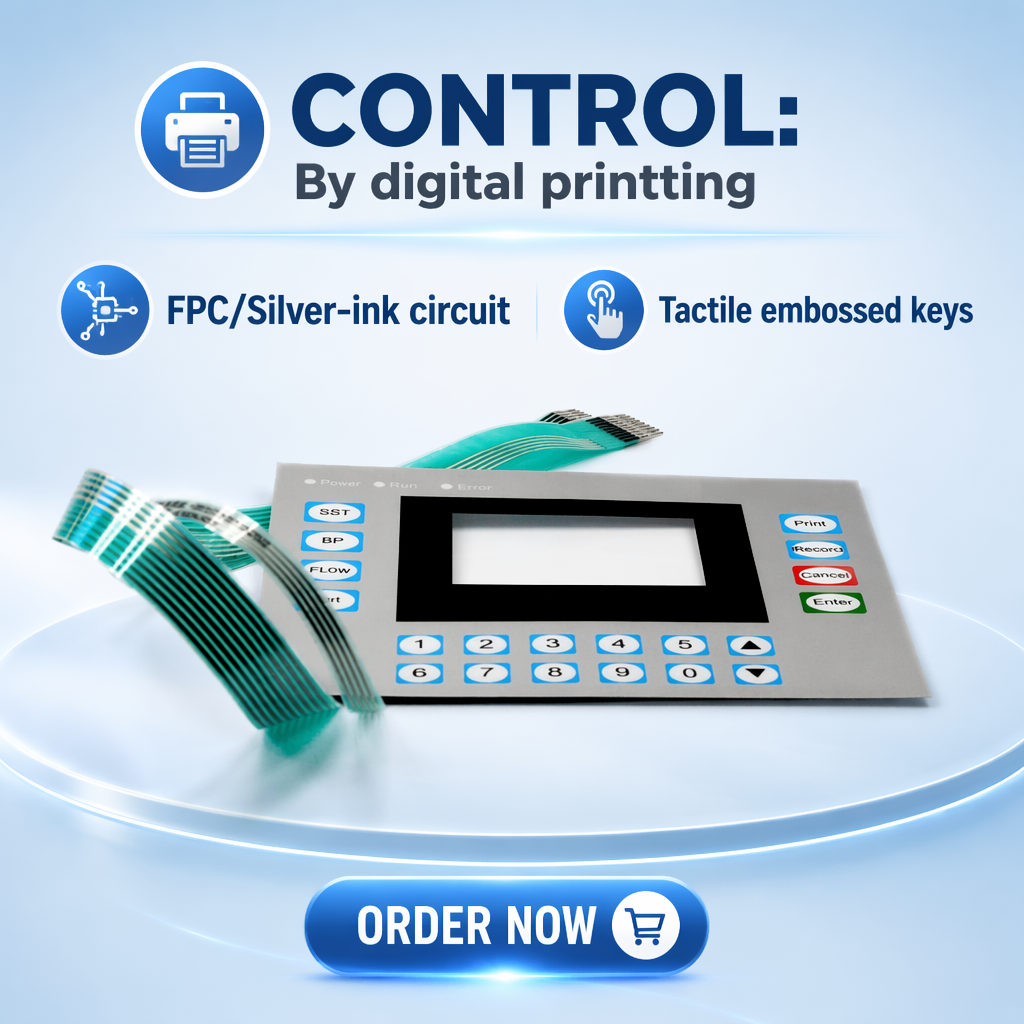
Custom fabricated with tight-tolerance digital die-cutting, optical clear display adhesives, anti-glare window textures, and multi-layer environmental sealing for machinery in Verona and the greater Veneto industrial corridor.
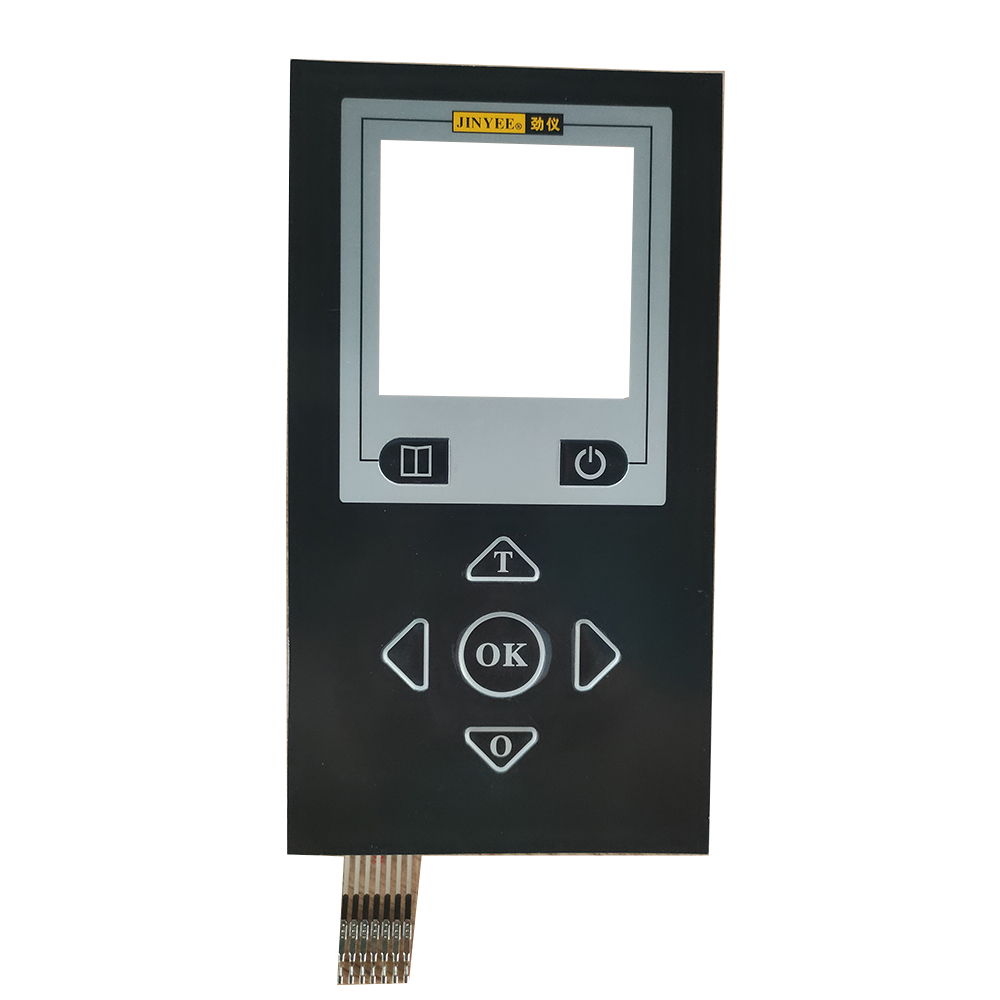
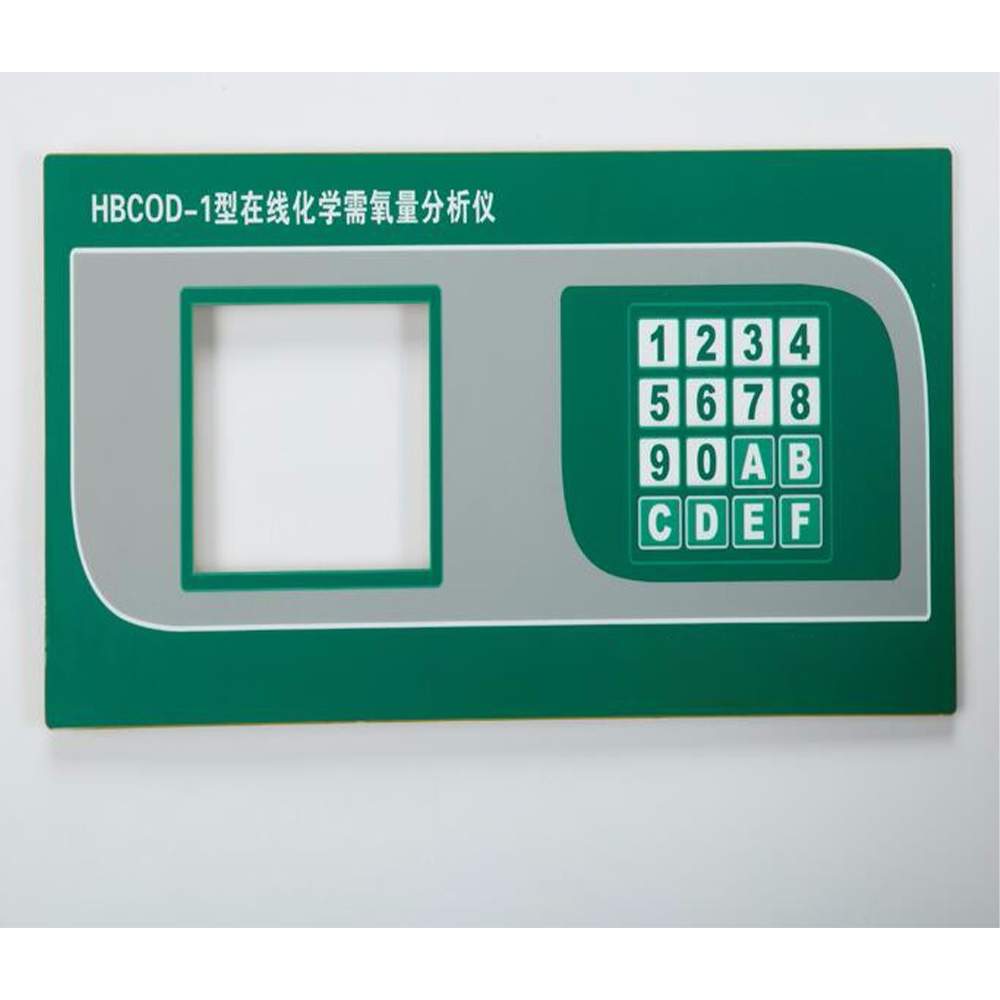
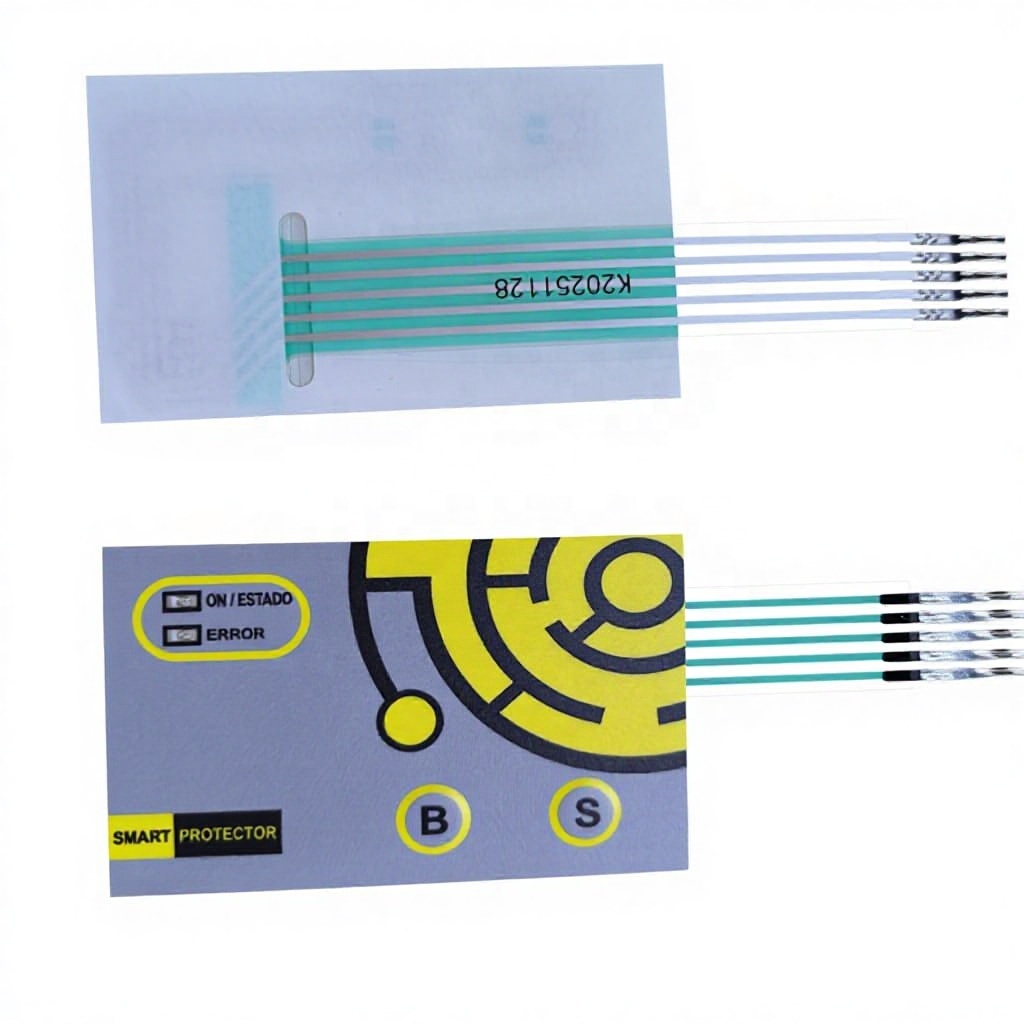
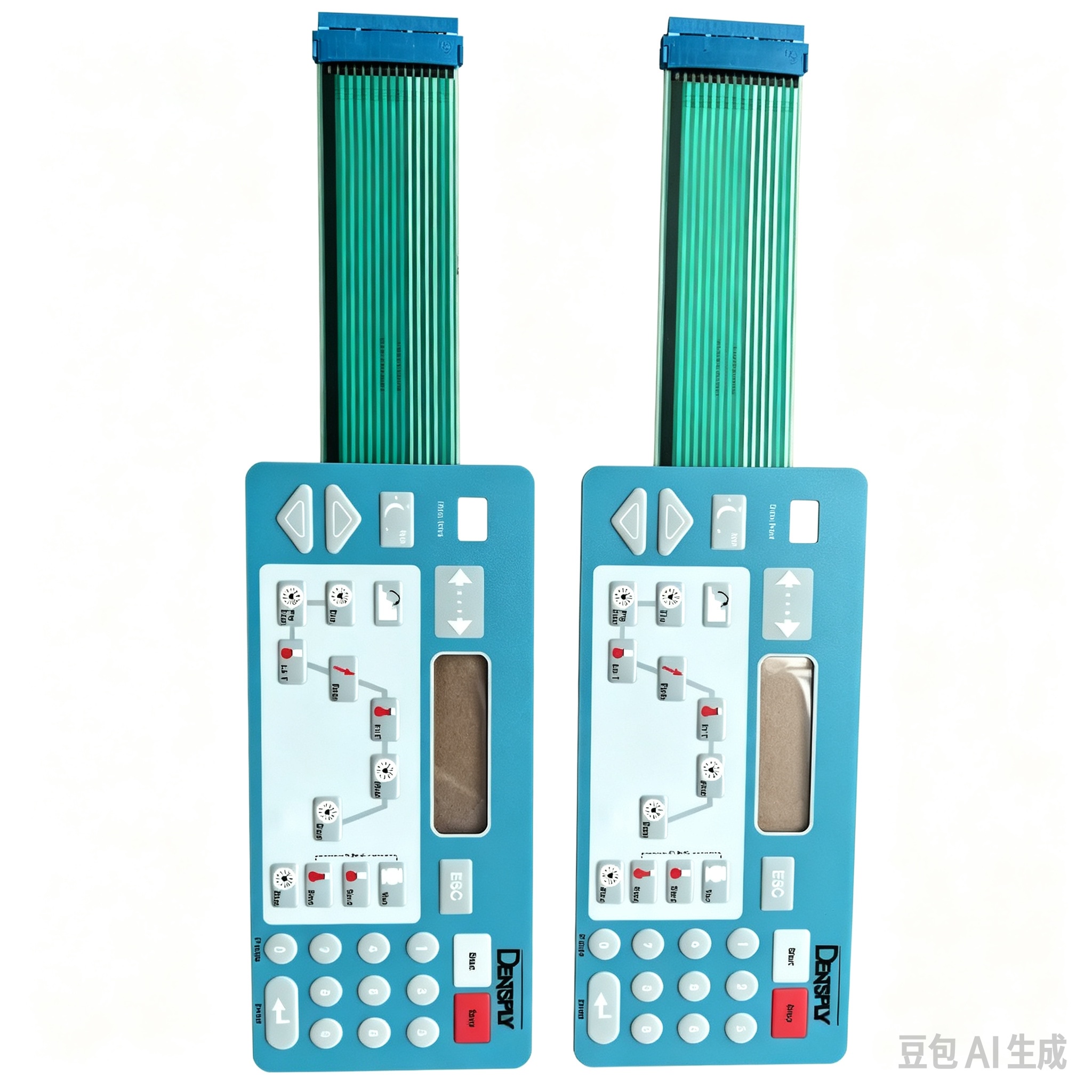
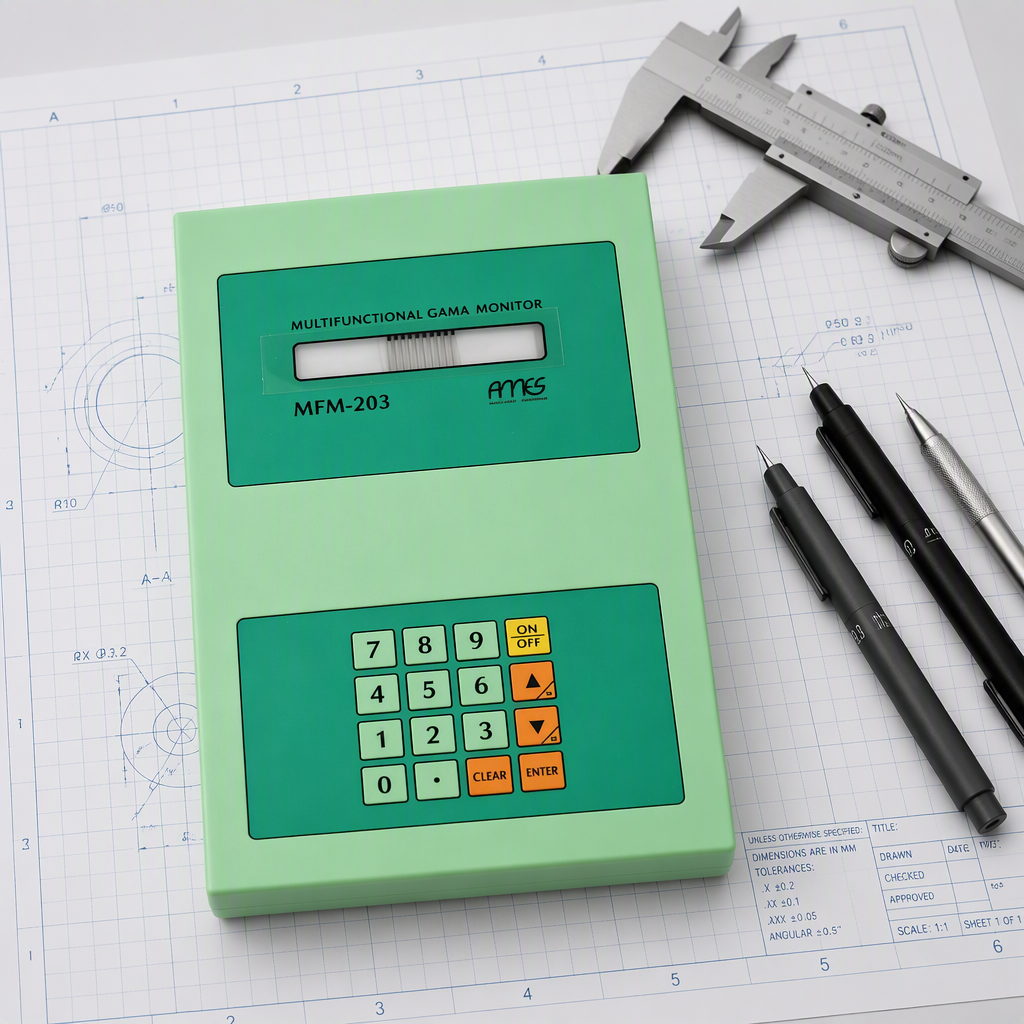
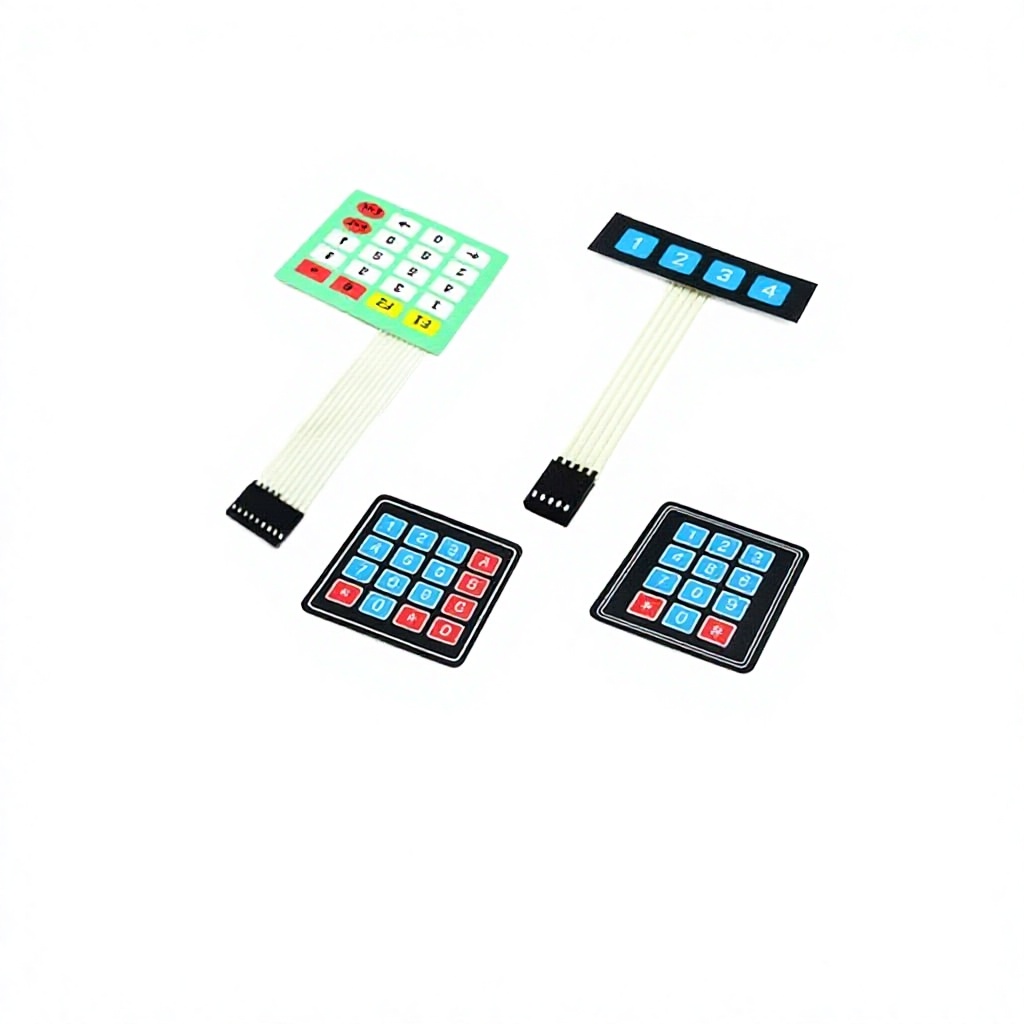
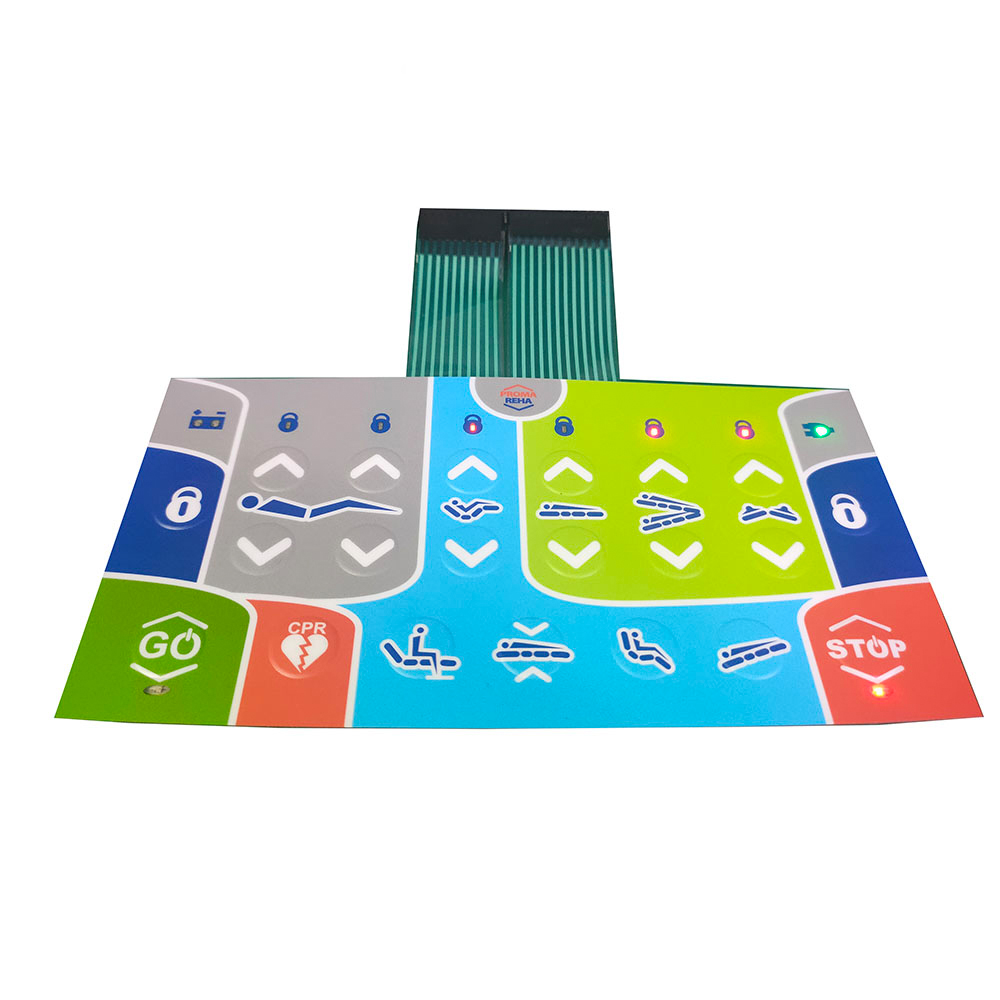
In modern high-precision engineering environments—such as those defining the industrial belts of Verona, San Bonifacio, Villafranca di Verona, and the broader Veneto manufacturing region—the human-machine interface (HMI) serves as both the operational nerve center and the first line of defense against hostile ambient vectors. Whether deployed within computerized wine bottling automation (enological machinery), high-speed agricultural equipment, clinical laboratory instrumentation, or specialized HVAC refrigeration controls, a front panel overlay cannot be treated as a mere graphic decal. It is a strictly calculated electro-mechanical component requiring rigorous optical, chemical, and physical calibration.
As a seasoned, direct OEM custom manufacturer operating under an audited ISO 9001:2015 Quality Management System and assessed on-site by Intertek, TAVO Electronic Information Technology Co., Ltd. bridge advanced manufacturing science with the stringent specifications expected by Italian and European machinery builders. Our technical collaboration history with German industrial partners ensures that each substrate cut, ink chemistry layer, and adhesive matrix conforms entirely to European CE directives, RoHS compliance, and REACH environmental standards.
A frequent design dilemma encountered by sourcing engineers in Verona centers on balancing aesthetic transparency with chemical resilience. Overlays must protect internal digital electronics, capacitive sensors, or LCD/OLED instrumentation windows while enduring repeated actuation cycles and continuous exposure to sanitizing washes.
| Engineering Attribute | Optical Polycarbonate (PC / Lexan®) | Biaxially-Oriented Polyester (PET / Autotex®) | Hybrid Hard-Coated Acrylic (PMMA) |
|---|---|---|---|
| Optical Clarity / Transmission | 88% - 91% (High Visible Clarity) | 86% - 89% (Slight Haze in Thick Gauges) | > 92% (Crystal Clear, Zero Distortion) |
| Flexural Fatigue Life | Moderate (< 100,000 actuations) | Extreme (> 5,000,000 switch cycles) | Rigid / Non-Flexible (Window Backer) |
| Chemical Resistance | Vulnerable to aromatic hydrocarbons & acetone | Superior: Resists acids, alcohols, IPA, cleaning chemicals | Good resistance to weak acids; solvent-sensitive |
| Tactile Dome Embossing | Excellent deep draw; loses memory over heat | Crisp tactile recovery; retains spring tension | Not formable via cold mechanical embossing |
| Scratch & Taber Abrasion | Requires UV-curable hard-coat (1H - 2H) | Textured PET achieves pencil hardness up to 3H | Standard surface 2H - 4H scratch resistance |
For industrial control consoles deployed in Verona’s packaging and bottling plants, we primarily prescribe premium-grade Autotype MacDermid PET substrates. These films eliminate micro-cracking along tactile switch dome rims, withstand abrasive clean-in-place (CIP) regimens, and provide long-term resistance against lubricating oils and acidic process liquids.
Display readouts—ranging from 7-segment numerical LEDs to multi-touch TFT and OLED screens—demand absolute visual fidelity. Our cleanroom production workshop executes second-surface (reverse) printing using high-mesh 37 silkscreen printing banks alongside four Japanese Mimaki digital UV flatbed systems. By applying graphics behind the protective substrate, legends, corporate logos, and color boundaries remain completely insulated from physical rub-off and exterior UV degradation.
For display windows integrated within clear panel overlays, we provide three specialized optical finishes:
An overlay is only as durable as its perimeter bond. We integrate genuine 3M high-performance acrylic adhesives (including 3M 467MP, 468MP, and 3M 300LSE series) calibrated to bond tenaciously to powder-coated cast aluminum, stainless steel enclosures, or molded ABS/polycarbonate bezels. Utilizing 18 precision laser cutting systems and 60 high-speed CNC tooling stations, our physical cut tolerances are maintained strictly within ±0.05 mm, eliminating mechanical alignment interference during final OEM factory assembly.
Custom-engineered human-machine interface overlays designed to meet the rigorous operational conditions of Northern Italy's premier manufacturing sectors.
Verona's world-renowned Valpolicella, Soave, and Bardolino wine corridors deploy sophisticated automatic destemmers, pneumatic presses, and computerized bottling monoblocs. Our IP67-sealed, chemical-resistant PET overlays endure continuous alcohol exposure, citric acid washes, and high-pressure hot water sanitization without delaminating or clouding clear display windows.
Positioned as an essential freight hub connecting Southern and Central Europe through the Quadrante Europa terminal, Verona hosts major cold-chain infrastructure and commercial refrigeration manufacturers. Our overlays incorporate UV-stable films, low-temperature acrylic adhesive formulations, and anti-fog internal window layers verified from -40°C to +85°C in programmable environmental test chambers.
The Valpolicella and Lessinia basins are globally celebrated for marble extraction and processing. CNC bridge saws, multi-axis waterjet cutters, and polishing lines produce intense abrasive dust and slurry. TAVO's textured polycarbonate and hard-coated overlays prevent abrasive scratching and micro-particulate infiltration into critical operator control stations.
Verona's baked goods and confectionery industry utilizes automated thermoforming, flow-wrapping, and vertical form-fill-seal (VFFS) systems. We supply non-toxic, anti-microbial textured polyester front panels compliant with industrial food preparation environments, offering embossed button contours that deliver unambiguous tactile feedback through operator gloves.
Specialized biomedical device manufacturers in Veneto rely on our high-precision flexible printed circuit (FPC) overlays and optical display panels. Featuring integrated shielding layers for electromagnetic interference (EMI/RFI suppression), our overlays safeguard sensitive diagnostic readings against high-frequency hospital noise while tolerating continuous hospital-grade disinfectant wipes.
Italian manufacturers are rapidly upgrading production assets to comply with national Piano Transizione 4.0 tax incentives, demanding sophisticated digital monitoring interfaces across legacy and newly deployed machinery. This modernization drive has fundamentally altered how mechanical and procurement departments across Verona evaluate clear panel overlays:
1. Shift Toward Hybrid Capacitive-Tactile Interfaces: While large capacitive touch screens dominate consumer technology, industrial machinery operators in Veneto require tactile confirmation to avoid costly errors during high-speed packaging runs. The winning architecture across Verona is the hybrid interface: a sleek, flush-surface overlay housing high-transmission optical windows over central touch displays, complemented by peripheral embossed stainless steel tactile snap-domes for critical Emergency-Stop, Start, and Manual Jog commands.
2. Uniform LED/LGF Low-Light Illumination: Warehouse logistics and continuous 24/7 food processing lines frequently operate under low ambient light. Rather than relying on bulky external lamps, engineering teams are incorporating Light Guide Film (LGF) backlighting directly behind the graphic overlay. Utilizing ultra-thin micro-etched polycarbonate light channels and side-firing SMT LEDs mounted to copper FPC circuits, our assemblies achieve exceptional edge-to-edge luminance uniformity with less than 1.2 mm profile thickness.
3. Resilience Against aggressive Sanitization Solutions: Post-pandemic hygiene protocols across food production and pharmaceutical packaging lines in Italy involve aggressive chlorhexidine, quaternary ammonium compounds, and hydrogen peroxide vapor. Standard inks and raw polycarbonates yellow or craze under this regimen. TAVO utilizes sub-surface digital UV and heat-set screen printing systems that enclose the chemical inks completely behind solvent-resistant polyester barriers, ensuring aesthetic and functional longevity across decade-long machinery operational lifecycles.
Direct Chinese factory strength with European engineering rigor. Uncompromised quality control, flexible capacity, and direct engineering-to-engineering collaboration.
From CAD artwork engineering, laser film output, screen printing, and digital UV imaging to dome placement, CNC cutting, and final computer continuity testing, every single operation occurs inside our owned 2,219 m² facility. We do not outsource critical production steps, preserving total traceability and intellectual property confidentiality.
Our operational management incorporates long-term technical cooperation with a German membrane switch factory—sharing advanced toolsets, machine calibrations, and precision inspection standards. Every batch conforms to ISO 9001:2015 frameworks and is inspected with automated salt fog chambers, Xenon aging lamps, and digital button life-cycle testers.
We respect the iterative nature of machine development. Unlike rigid suppliers that impose thousands-of-units minimums, TAVO supports pilot evaluation runs, functional prototypes, and lower MOQ production batches—enabling Verona design engineers to validate prototypes and expedite time-to-market.
Operating an advanced manufacturing center in Xianghe Economic and Technological Development Zone, Hebei, alongside a secondary processing base in Huizhou, Guangdong, we allocate manufacturing loads dynamically. Your production schedule is protected against capacity bottlenecks, ensuring stable logistics delivery times into Italy.
Our responsive international engineering support division interfaces directly with overseas procurement managers across European time zones. We provide seamless handling of artwork conversion (AI, DXF, CDR, PDF), clear trade terms (FOB, CFR, CIF, EXW), and complete customs documentation for smooth clearance via Milan Malpensa or Genoa port.
Clear, direct answers regarding custom tooling, tolerances, window optics, and European logistics.
Submit your CAD mechanical drawings and graphic specifications directly to our engineering department. Receive a comprehensive DFM manufacturability evaluation, substrate recommendations, and a competitive OEM price quotation within 24 hours.
Contact Us