Featured OEM Control Panel Faceplates & Membrane Assemblies
Purpose-built human-machine interface assemblies engineered to withstand coastal salt-fog exposure, abrasive phosphate particulates, and tropical ultraviolet degradation across Nauruan operations.
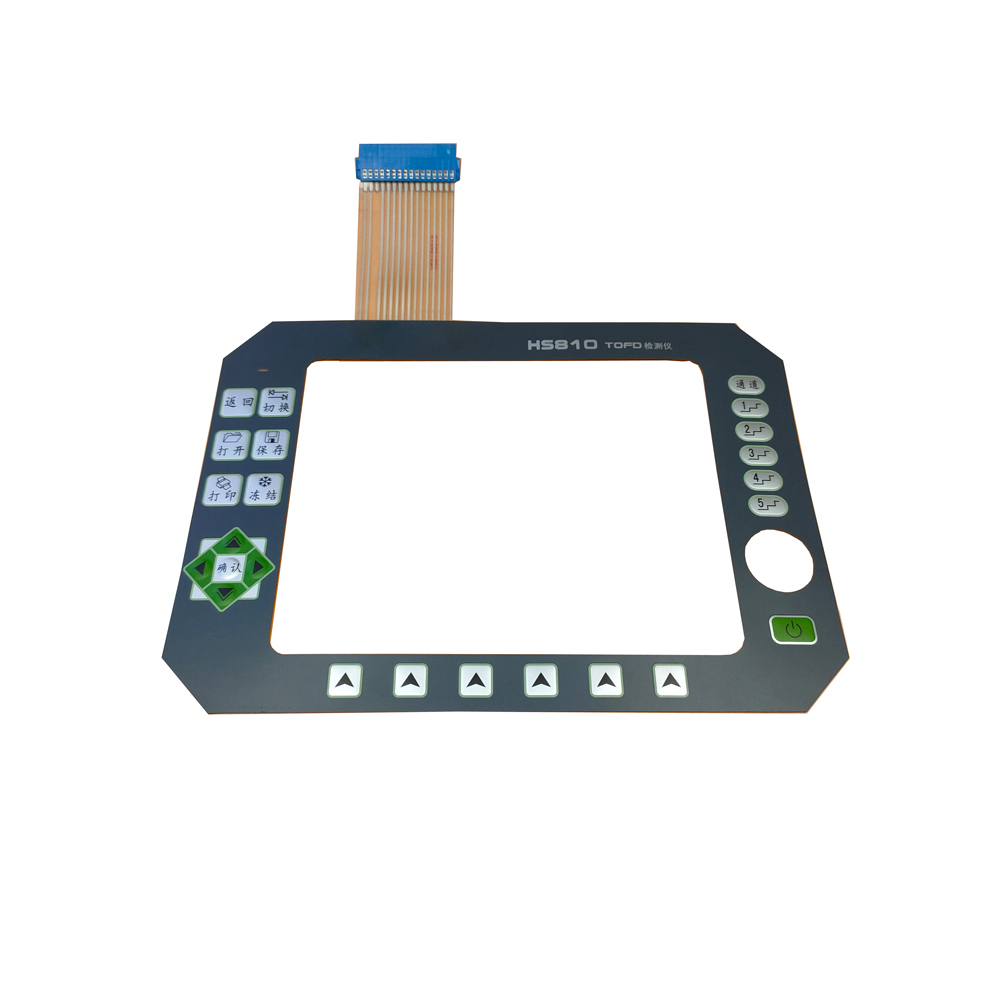
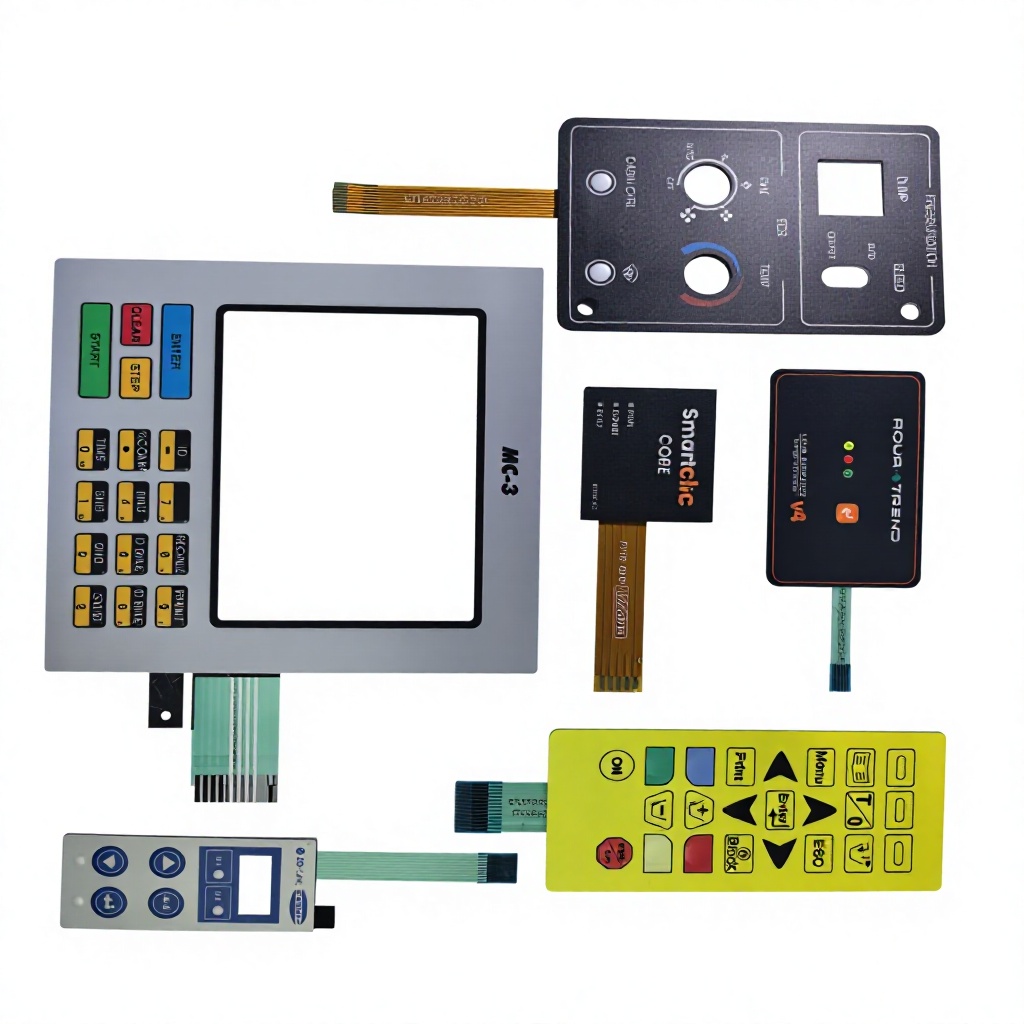
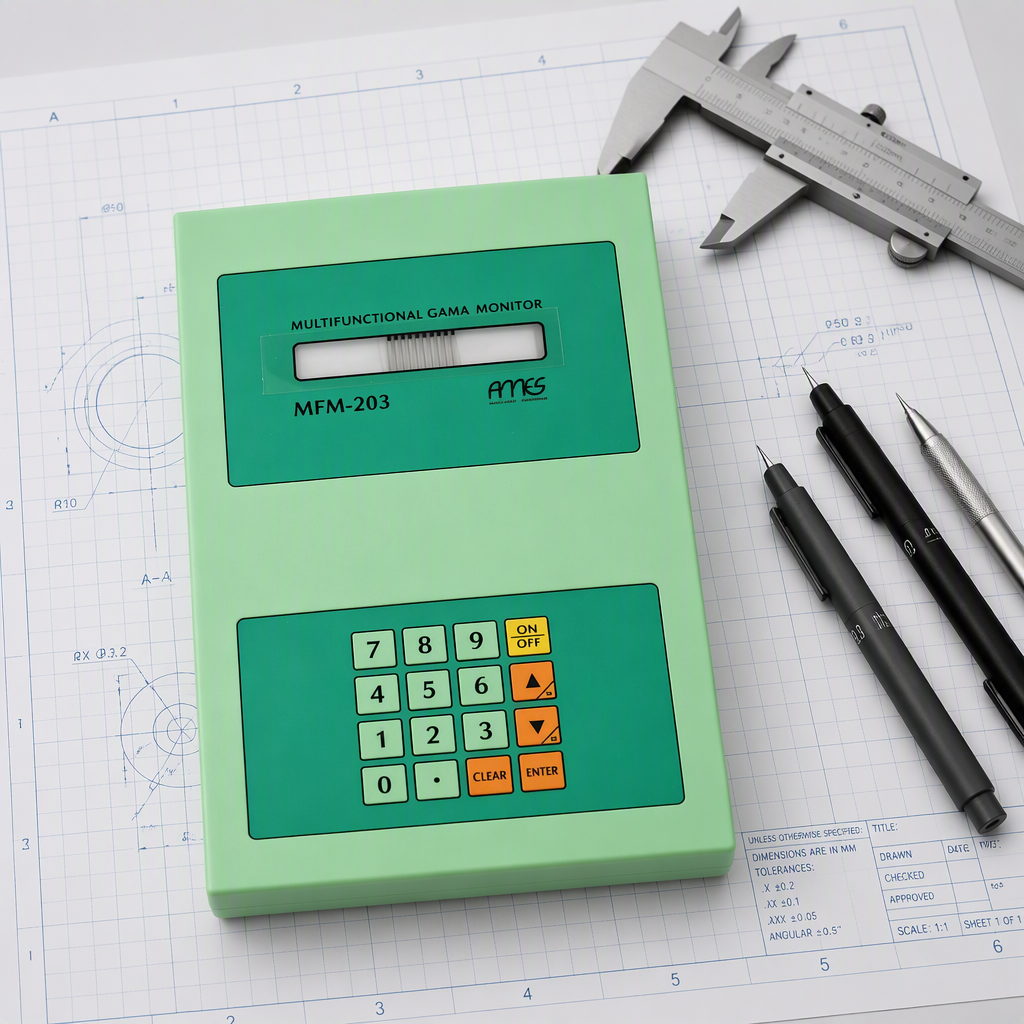
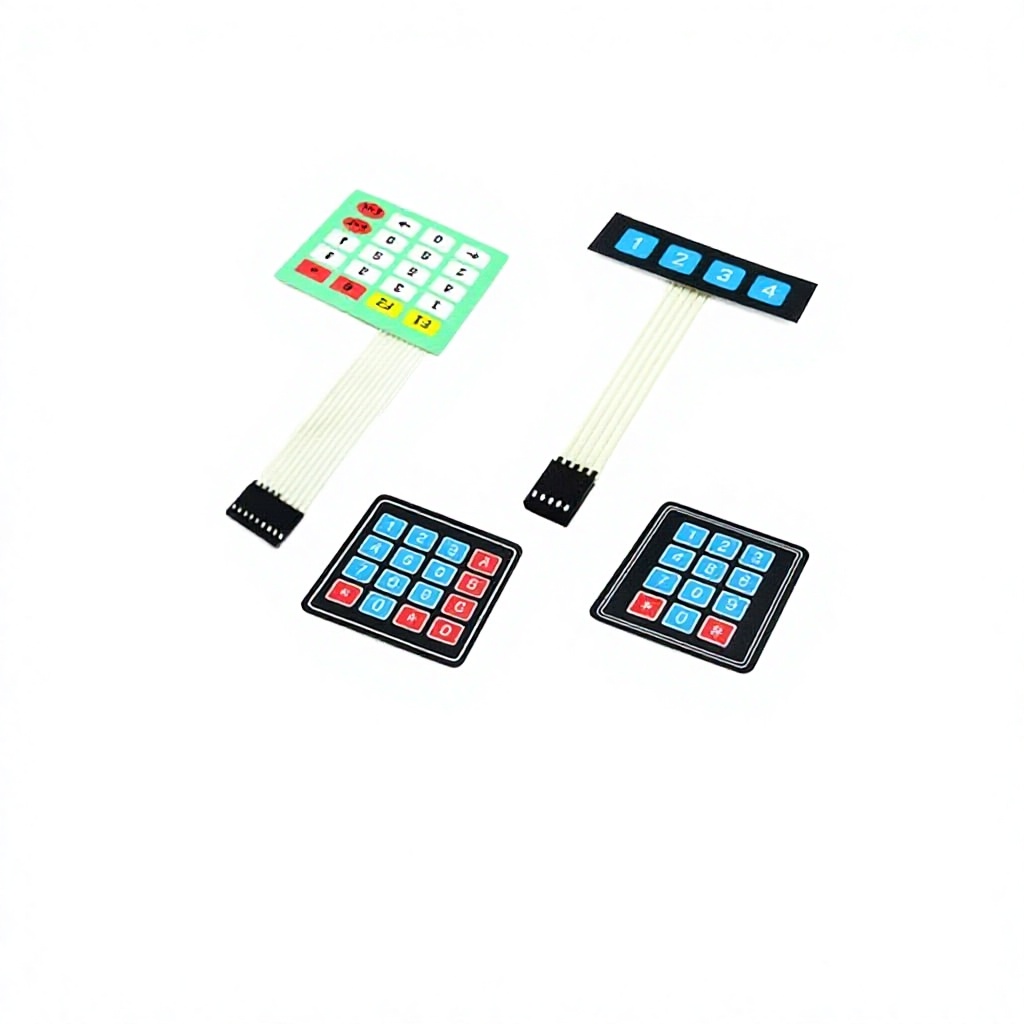
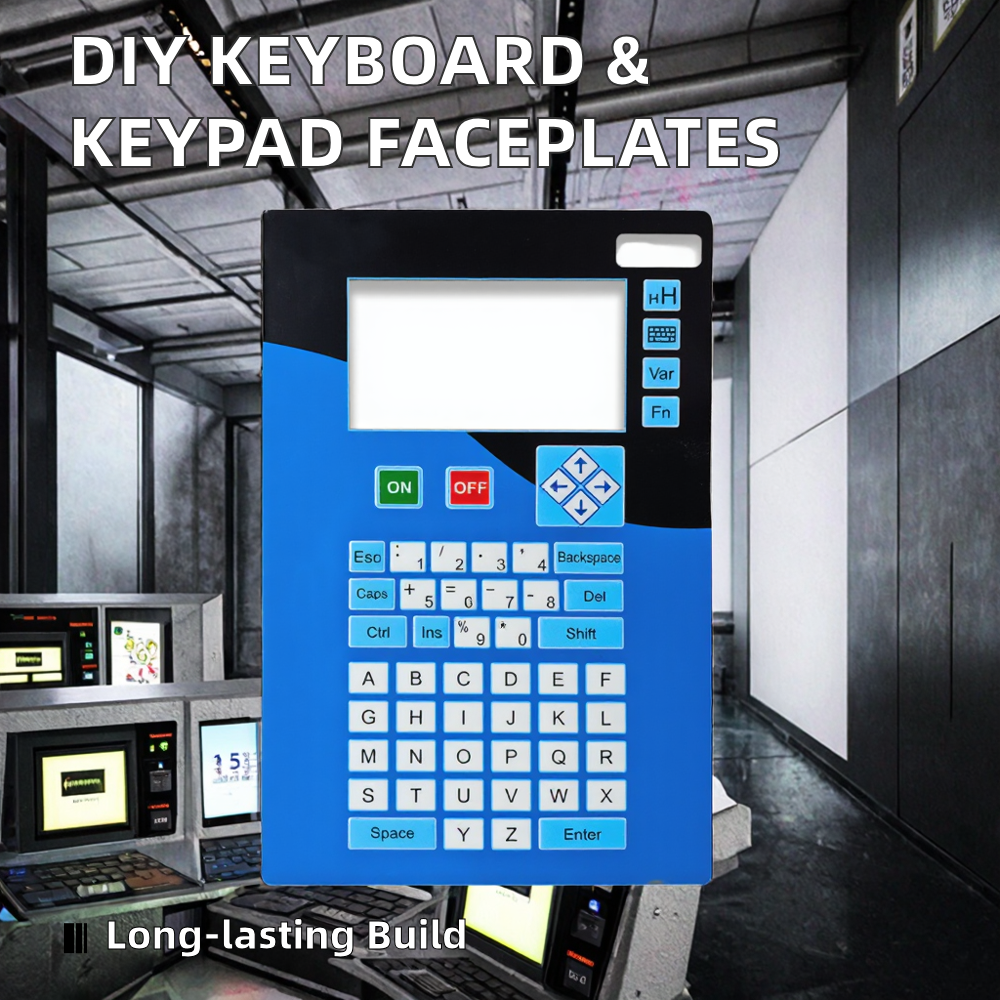
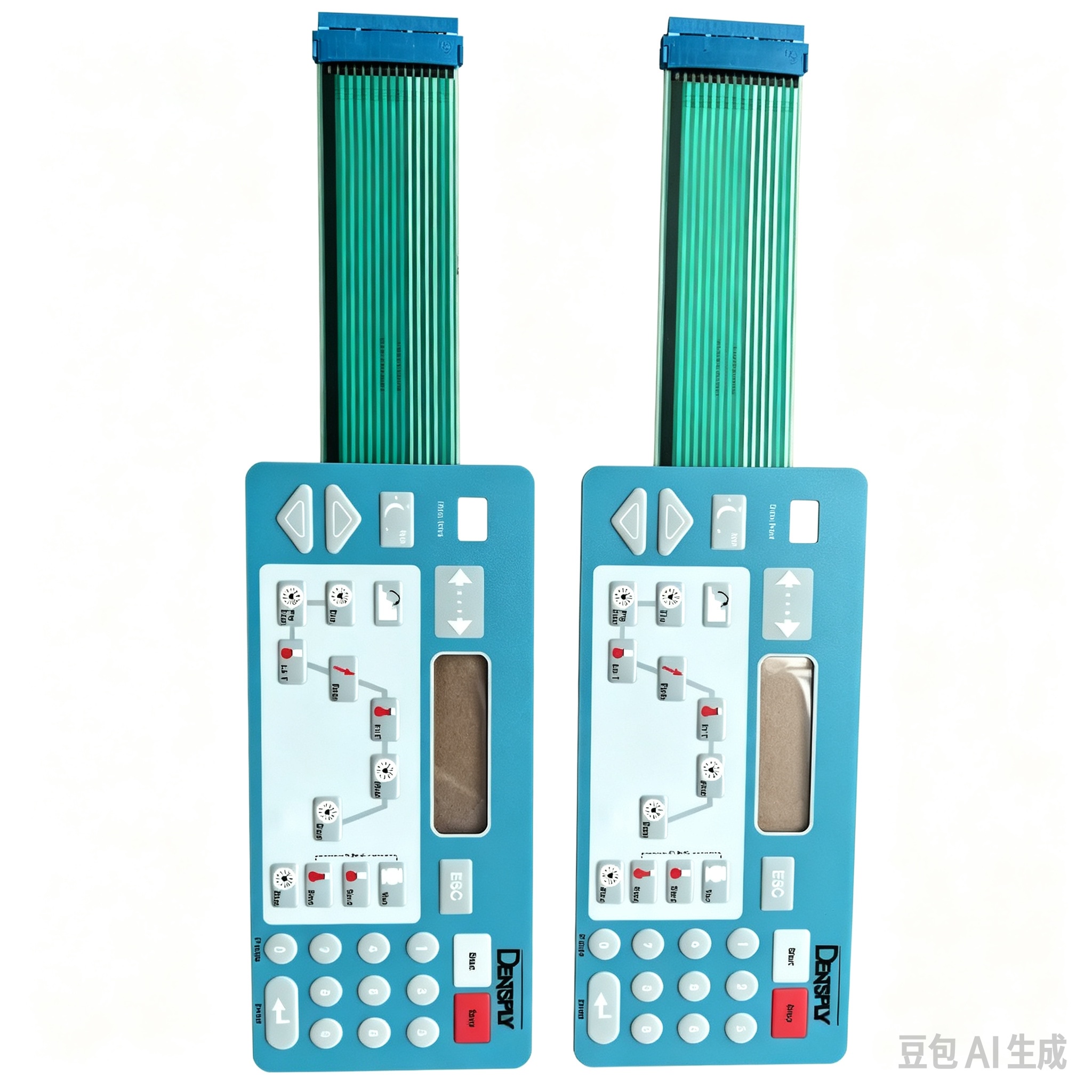
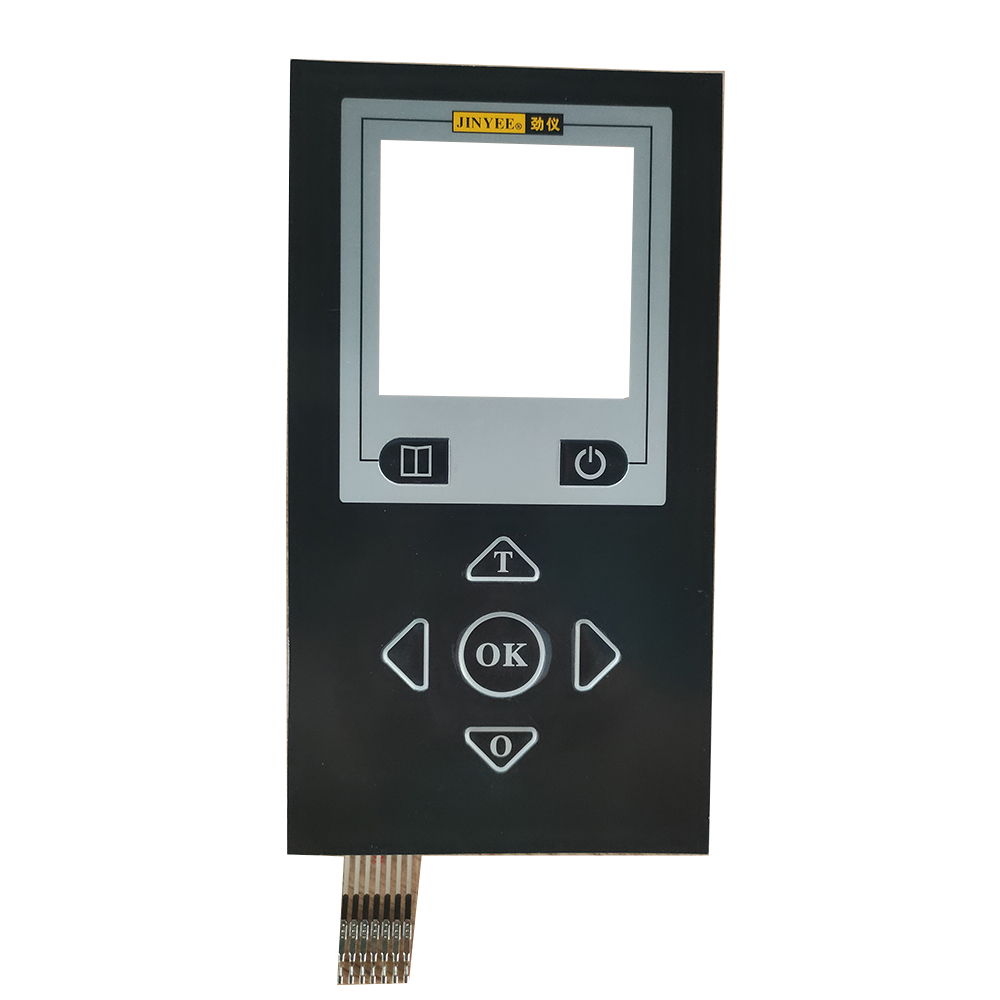
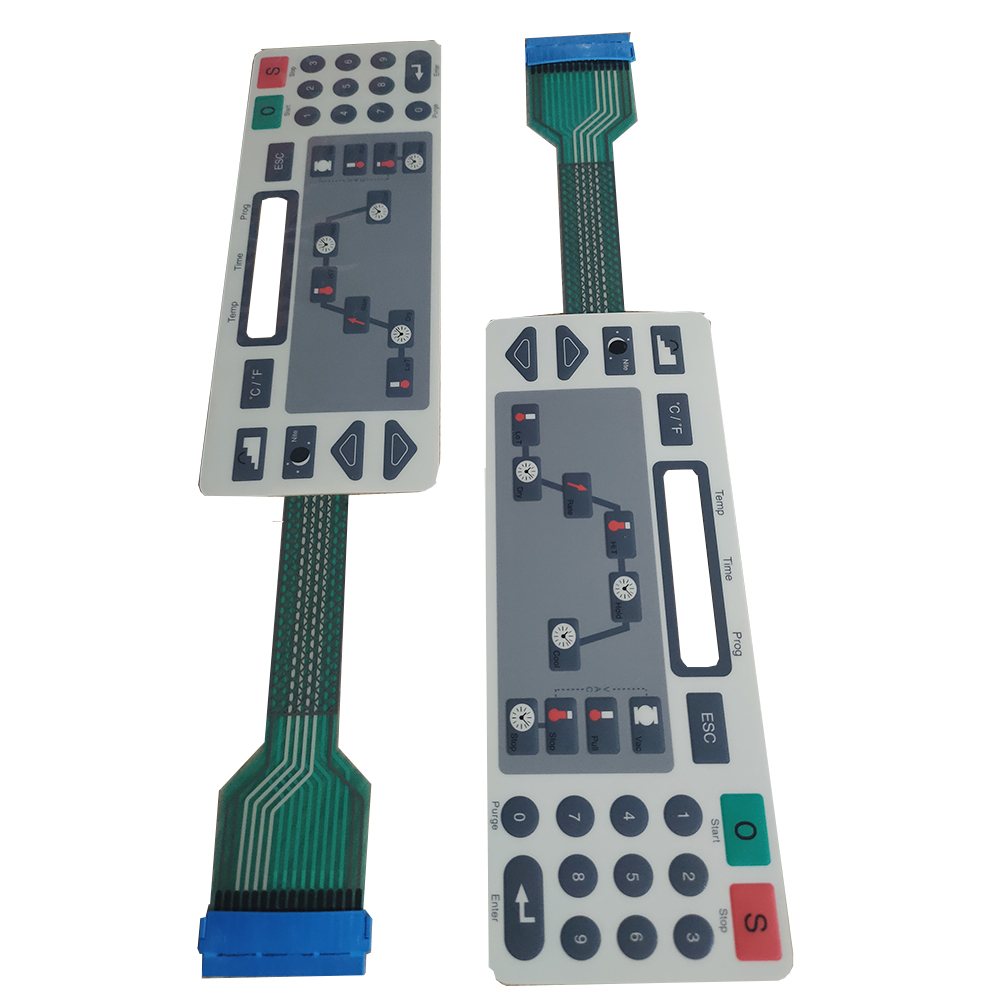
Engineering Whitepaper: Mission-Critical Control Panel Faceplates in Nauru's Micro-Climate
Operating human-machine interfaces (HMI) in the Republic of Nauru presents a unique converging matrix of environmental degradation mechanisms rarely paralleled in continental manufacturing. Nauru's geographic location as an isolated equatorial Pacific island implies an ambient marine environment saturated with chloride aerosols. Simultaneously, its primary industrial activity—phosphate extraction, calcination, storage, and bulk maritime shipping through deep-water cantilever moorings—introduces pervasive abrasive mineral dust into every mechanical and electronic housing.
Standard commercial front panels manufactured from unsealed vinyls or untreated polycarbonate rapidly suffer micro-fracturing under intense tropical ultraviolet radiation (UV Index consistently exceeding 11). When atmospheric phosphate dust settles onto these micro-fractures, it interacts with ambient humidity exceeding 85% to form a chemically active, weakly acidic slurry that compromises surface dielectric values and induces silver migration across conventional conductive circuits. As a specialized custom OEM control panel faceplate manufacturer and exporter for Nauru, our design architecture isolates circuits via IP67/IP68 hermetic perimeter barriers, UV-stabilized Autotex polyester graphic substrates, and gold-plated copper flexible printed circuits (FPC) that fully resist corrosive delamination.
Localized Control Panel Application Scenarios Across Nauru
Tailored front panel and membrane keypad architectures specifically engineered for key industrial, logistical, and civil nodes within Nauru.
Phosphate Processing & Harbor Cantilevers
Continuous exposure to mineral dust and high-salinity trade winds degrades mechanical toggles. Our sealed IP67 tactile metal dome faceplates utilize rear-printed, hard-coated Autotex polyester with chemical-resistant acrylic adhesives (3M 467MP/468MP), ensuring switch integrity along conveyor drives, vibrating screens, and ship-loading cantilever gantry panels.
Reverse Osmosis & Water Treatment
Nauru relies heavily on reverse osmosis desalination to secure potable municipal water. The pumps and filtration systems operate continuously in high-humidity enclosure environments. We supply double-barrier gasketed membrane switches featuring anti-glare display windows optically clear for LCD readouts and impervious to splash corrosion.
Diesel Power Station & Solar Hybrid Inverters
Nauru Utilities Corporation operates heavy diesel generation coupled with emergent grid-tied solar photovoltaic arrays. Power conditioning units and synchronization switchgear require high-temperature tolerance up to 85°C. Our assemblies integrate copper flex circuits (FPC) with flame-retardant FR-4 backers that prevent warping under heavy thermal cycling.
Localized Technological Trends: Industrial Automation & Resilient Modernization in Nauru
As Nauru modernizes its state-owned enterprises and transitions toward digital accountability in logistics and energy infrastructure, three fundamental engineering shifts govern the procurement of operator control interfaces:
1. Shift from Mechanical Toggle Ensembles to Solid-State Surface Panels: Traditional push-buttons feature mechanical clearances through which fine phosphate powder infiltrates, jamming switch contacts and creating arc points. The Nauruan procurement sector is systematically standardizing on continuous-surface membrane overlays and capacitive touch faceplates. These flush-surface components eliminate crevices, enabling high-pressure wash-down maintenance without risk of moisture ingress.
2. Adoption of Flexible Copper Circuitry (FPC) over Screen-Printed Silver: While silver conductive inks provide economical performance in mild indoor applications, the equatorial marine atmosphere in Nauru accelerates electrochemical silver dendrite growth whenever moisture vapor breaches secondary barriers. Modern instrumentation retrofits across Nauru's port authorities specify polyimide-based etched copper circuits (FPC). The electrolytic copper tracks, protected with liquid photo-imageable solder masks, guarantee zero migration and allow direct SMT integration of high-brightness LEDs and microcontroller ICs.
3. Daylight-Readable Optical Windows and UV Hard-Coating: With intense ambient equatorial sunlight, equipment operators face severe parallax and display obscuration. Current specifications require optical-grade acrylic or polyester windows laminated with index-matching Optically Clear Adhesives (OCA). Anti-glare and anti-newton ring surface texturing eliminates specular reflections, enabling operators to read digital instrumentation clearly on open mining terraces and marine vessel bridge consoles.
| Engineering Parameter | Standard Industrial Grade | Nauru Heavy Marine/Phosphate Grade |
|---|---|---|
| Graphic Overlay Substrate | Standard Polycarbonate (0.175mm) | Hard-Coated Anti-UV Textured Polyester (Autotex XE / MacDermid) |
| Internal Conductor Material | Screen-Printed Silver Conductive Ink | Etched Rolled Annealed Copper Foil on Polyimide (FPC) |
| Perimeter Moisture Barrier | Standard Pressure Sensitive Tape | Custom Die-Cut 3M VHB Closed-Cell Acrylic Hydrophobic Gasket |
| Ingress Protection Rating | IP54 / IP65 Dust Resistant | Certified IP67 / IP68 Continuous Salt Fog Immersion Proof |
| Actuation Fatigue Life | 500,000 to 1,000,000 Operations | ≥ 3,000,000 Actuations (Stainless Steel Domes with Gold-Plating) |
Frequently Asked Questions: Nauru Faceplate Procurement
Direct technical answers addressing engineering challenges, transport logistics, and material lifecycles for Pacific Island sourcing managers.
Q1: How do your faceplates prevent adhesive delamination caused by tropical marine humidity?
We mandate the use of authentic 3M high-performance acrylic adhesives, primarily 3M 468MP, 3M 300LSE (for low surface energy powder-coated chassis), and 3M VHB closed-cell foam tapes. These acrylic formulations exhibit cross-linking chemical resistance, increasing bond strength over time even when subjected to continuous 95% relative humidity and airborne salt deposition.
Q2: Can your design team customize the graphic artwork and connector tails for obsolete machinery retrofits?
Yes. A substantial portion of industrial equipment in Nauru originates from varied historical equipment vintages. Our 10-person in-house engineering team accepts legacy mechanical drawings in PDF, DWG, DXF, or AI formats, or can reverse-engineer worn physical samples. We adjust pitch spacing, solder ZIF connectors, or match specific pin-outs to interface seamlessly with existing controller mainboards.
Q3: What is the recommended strategy to avoid sunlight degradation and key brittleness in equatorial conditions?
We specifically recommend Autotex XE (Polyester) rather than basic Polycarbonate for front overlays facing outdoor daylight. Autotex XE features an engineered UV-cured hard coat that shields the polyester base film from photo-oxidative embrittlement, yellowing, and key cracking, sustaining over 5 million flexural tactile cycles under high-intensity ultraviolet exposure.
Q4: How are fragile membrane components packaged to ensure undamaged arrival via maritime or air freight to Nauru?
All finished assemblies undergo electrostatic discharge (ESD) protective packaging, followed by vacuum sealing in barrier foil pouches containing desiccants to prevent pre-installation moisture saturation. Shipment boxes are double-wall corrugated with internal rigid corner protectors, fully cushioned for multimodal transshipment via air or maritime freight routes.
Q5: What are the Minimum Order Quantities (MOQ) for replacement runs or prototype validations?
Unlike conventional rigid factories requiring massive minimum runs, our production lines maintain digital Mimaki UV printing and digital laser cutting alongside automated screen printing. This enables rapid small-batch prototype validation (from 5–10 pieces) up to high-volume recurring OEM production batches without expensive mechanical hard-tooling constraints.
Q6: How is circuit integrity verified prior to international dispatch?
100% of manufactured panels undergo computer-controlled continuity, insulation resistance, and dielectric breakdown testing. Button actuation tactile curves are sampled on automated life-cycle simulators, and environmental test chambers (programmable thermal cycling and xenon aging) validate that every batch meets the ISO 9001 and Intertek-verified standards before clearing dispatch.
Why Global & Pacific Sourcing Teams Choose TAVO
Direct manufacturing prowess, complete in-house process ownership, and decades of international OEM supply agreements.
End-to-End In-House Manufacturing
No outsourced production risks. From CAD engineering, circuit artwork generation, digital UV and high-precision screen printing, through to laser cutting, metal backer CNC routing, cleanroom assembly, and automated electrical inspection, every single step is tightly governed under our own roofs.
Dual-Facility Production Resilience
With fully verified production bases in the Robot Industry Port of Xianghe (Hebei) and Huizhou (Guangdong), totaling over 2,219 square meters and 111+ dedicated specialists, we guarantee absolute supply continuity. Your order is dynamically routed to balance scheduling, tool specialization, and expedited lead times.
Stringent Quality Assurance (ISO 9001)
Assessed onsite by Intertek and maintaining comprehensive ISO 9001 quality management procedures, our components are validated by Tier-1 industrial leaders including Siemens, ABB, and Haier. Long-term technical alignment with German engineering methodologies ensures our products exceed standard operational lifespans.
Equipped for Engineering Precision
Our capital plant is furnished with industry-leading machinery designed for exacting electrical and mechanical tolerances: 60 CNC precision mold-making centers, 4 Mimaki heat-setting digital UV printers, 18 precision laser cutting units, 37 automated silkscreen lines, and 7 digital engraving tables. Environmental resilience is backed by our in-house lab, featuring automated salt fog chambers, xenon lamp weathering simulators, programmable temperature/humidity chambers, and computer-driven button actuation cycling rigs.
Whether your organization requires replacement front faceplates for utility telemetry in Aiwo District, sealed keypads for port operations in Anibare, or brand-new OEM control interfaces for distributed energy projects across Nauru, our engineering group delivers robust, marine-grade reliability built precisely to your technical requirements.