IP67 Waterproof
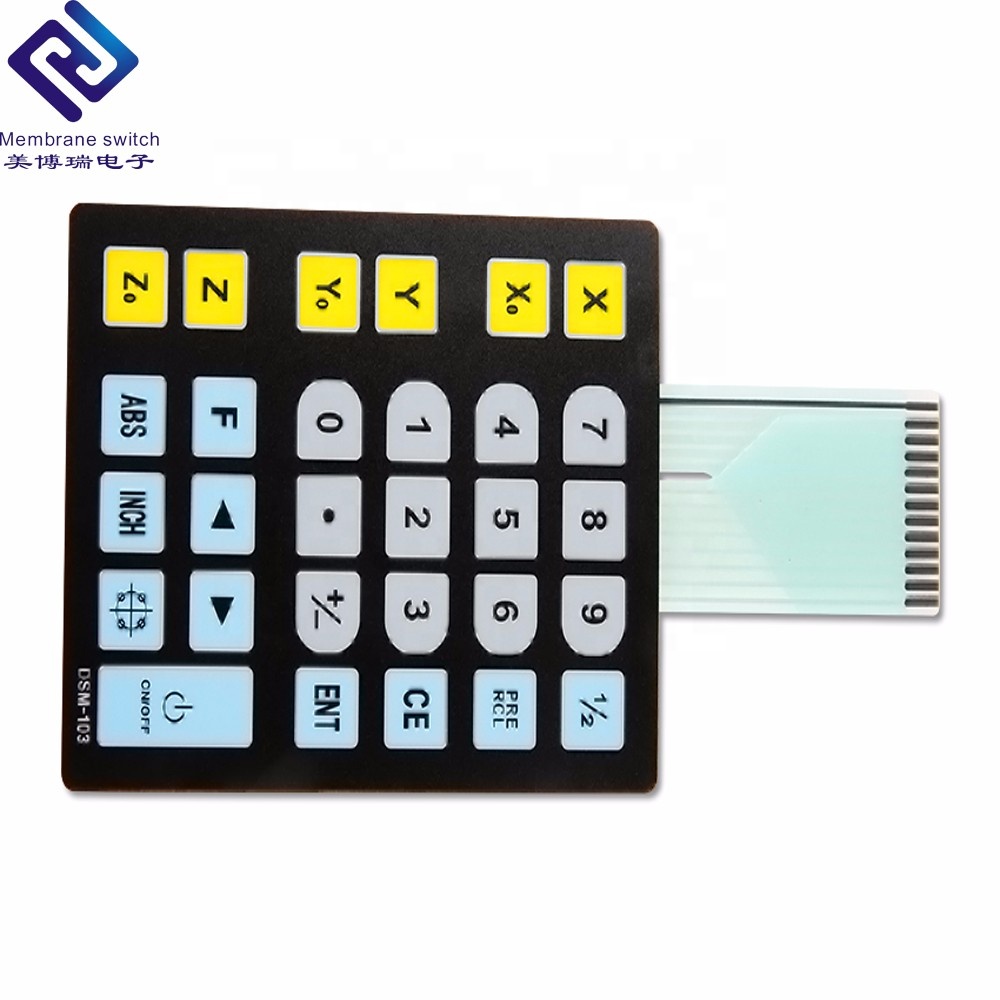
MBR High Quality IP67 Waterproof 3M Adhesive Flexible Cable Membrane Keypad PVC/PET/PC Dome Buttons Telecommunication Keypad
3M 300LSE High-Bond Adhesive
Sealed Against North Sea Humidity
Direct from our certified manufacturing lines to system integrators throughout the Greater The Hague & Rotterdam industrial corridor. Certified IP67 ingress protection, tactile metal dome actuation, and sub-millimeter backlighting integration.
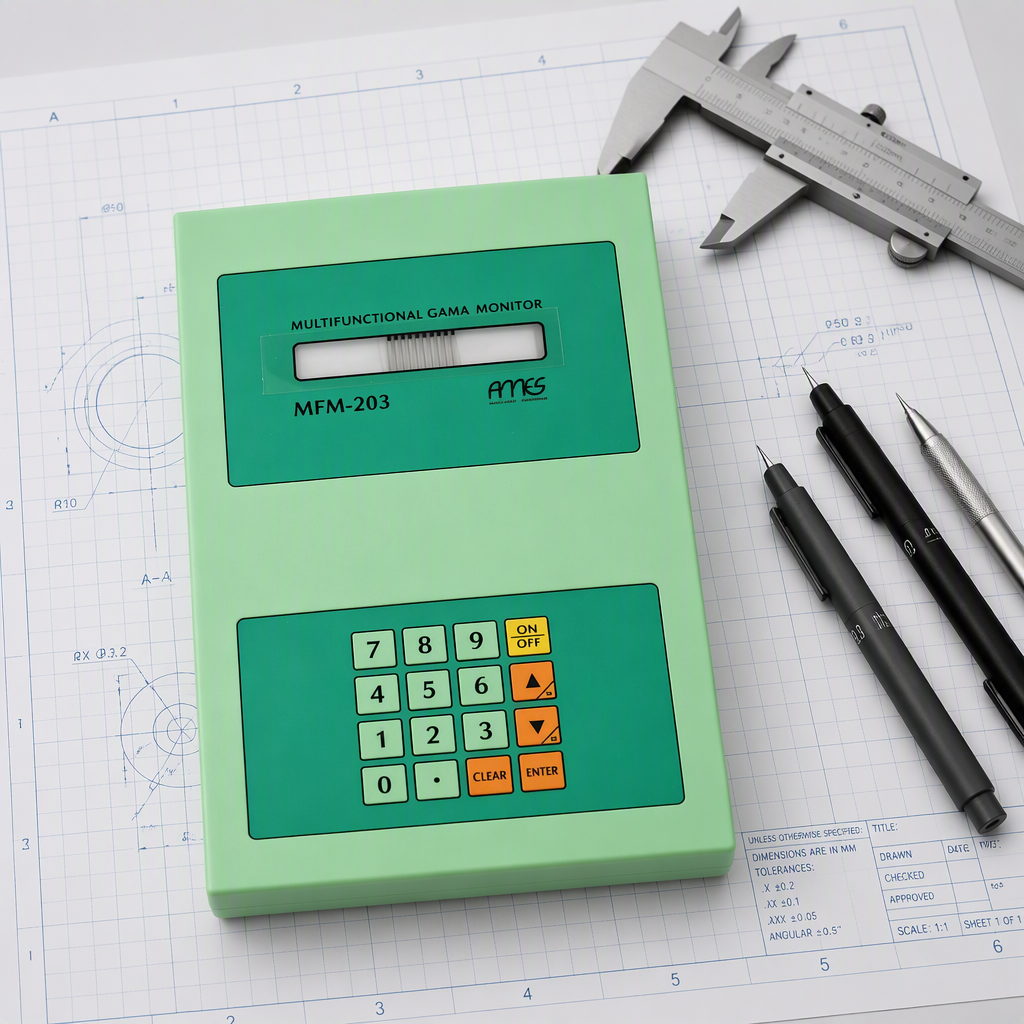
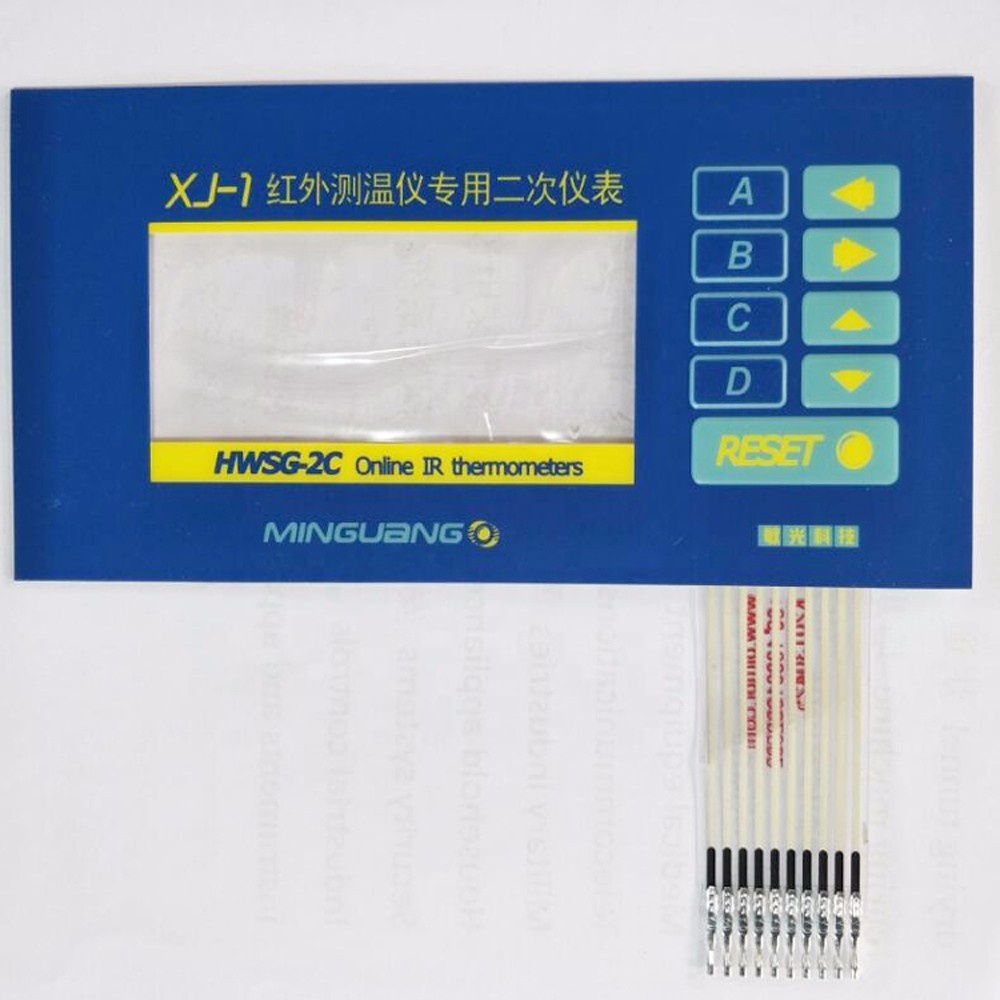
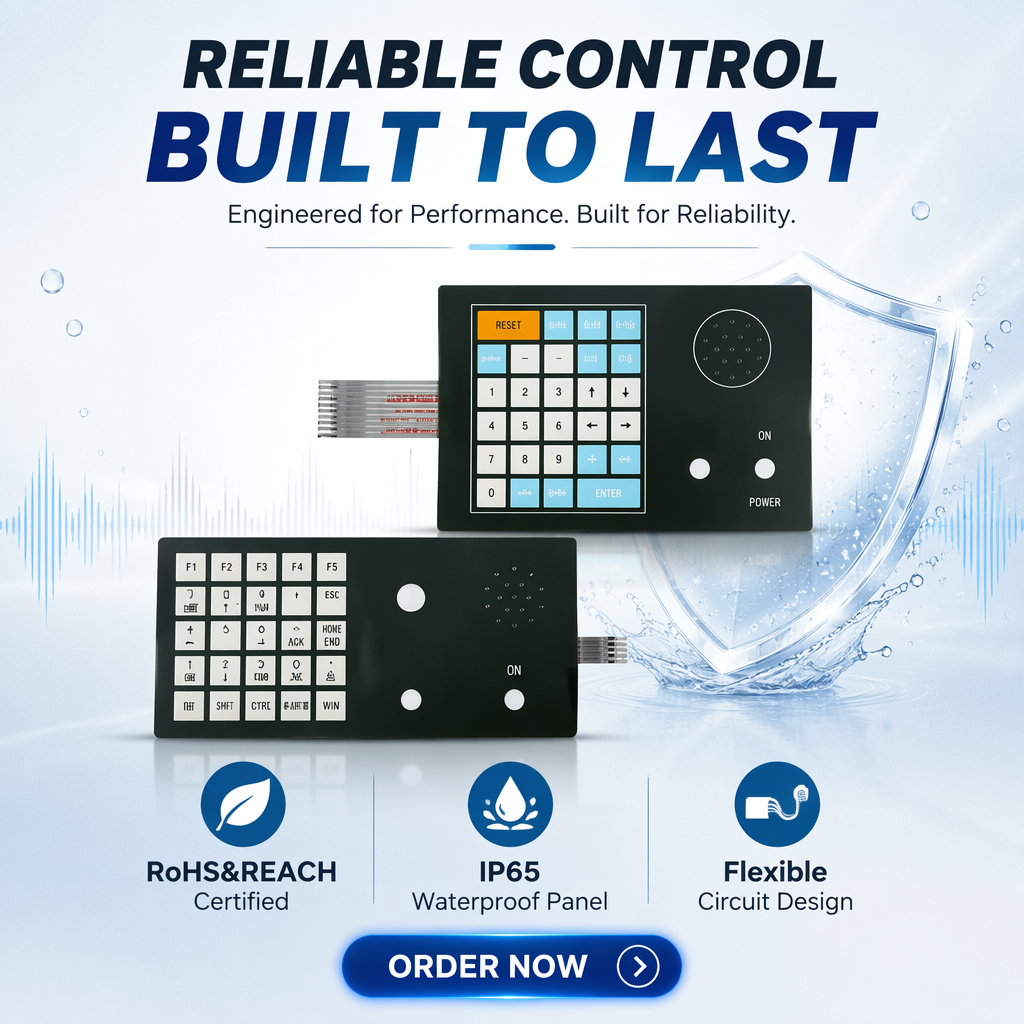
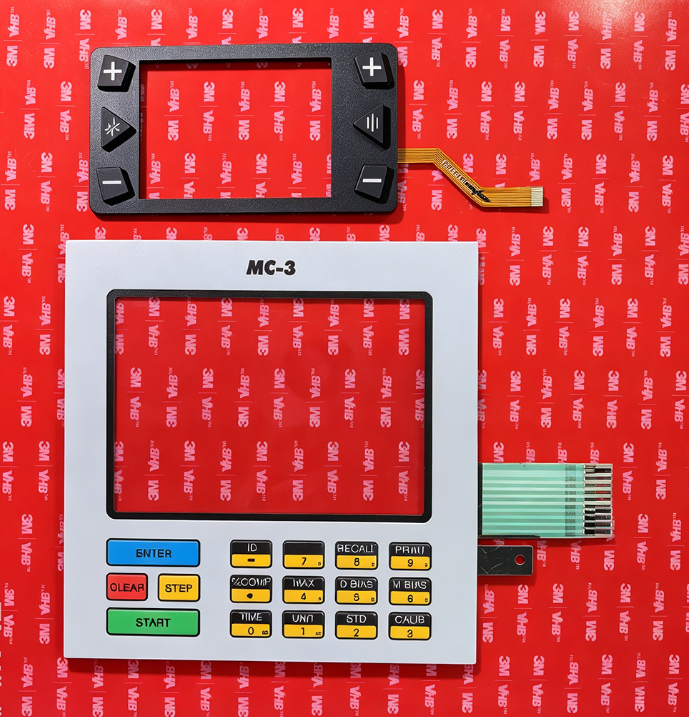
A comprehensive technical analysis of thin-film micro-optics, ray-tracing mechanics, and physical layer durability for industrial equipment manufacturers in The Hague and surrounding South Holland manufacturing hubs.
In high-reliability industrial instruments, traditional point-source backlighting using surface-mount device (SMD) LEDs frequently creates intolerable hot spots, erratic lumen degradation, and substantial mechanical thickness (>3.5 mm). For system designers based in The Hague (Den Haag), Delft, and the wider Randstad area, where compact form factors and IP-rated ingress protection are non-negotiable, Light Guide Film (LGF) represents a profound leap forward in solid-state optical engineering.
An LGF operates under the principle of Total Internal Reflection (TIR). Utilizing an ultra-thin optical polycarbonate (PC) or polymethyl methacrylate (PMMA) substrate ranging between 0.125 mm and 0.250 mm, high-efficiency side-firing LEDs (typically 0603 or 0805 packages) inject luminous flux into the edge of the light guide. The light propagates internally within the film layer without escaping, provided the incident angle remains greater than the critical angle calculated by Snell’s Law:
To precisely disrupt TIR and eject light upward through graphic legends, key centers, and functional border indicators, an algorithmic gradient dot-matrix pattern is permanently engraved onto the bottom surface via high-precision CNC tool micro-milling or UV nano-imprint lithography. Closer to the LED light emitters, the micro-dots are sparsely distributed and minutely scaled to prevent optical oversaturation. As distance from the optical emitter increases, the dot density and dot volume scale geometrically, ensuring an exceptionally balanced luminance uniformity across the entire panel surface (Uniformity ≥ 85% to 92%).
| Optical / Mechanical Parameter | Traditional Discrete LED Matrix | Electroluminescent (EL) Foil | TAVO Micro-Dot LGF Architecture |
|---|---|---|---|
| Total Stack-Up Thickness | 3.00 mm – 6.50 mm | 0.80 mm – 1.20 mm | 0.125 mm – 0.350 mm (Ultra-Slim) |
| Luminous Half-Life (L70) | 30,000 – 50,000 Hours | 3,000 – 6,000 Hours (Rapid decay) | > 50,000 to 100,000 Hours (Solid-State) |
| Power Consumption | High (15–25 LEDs, 400–600 mW) | High Inverter Overhead (AC 110V) | Extremely Low (2–6 Side LEDs, 60–120 mW) |
| EMI / RF Interference | Moderate RF Traces | Severe High-Frequency Inverter Noise | Zero EMI Emission (Direct DC Drive) |
| Tactile Actuation Integrity | Poor (Bulky cutouts required) | Moderate (Prone to cracking under dome) | 100% Tactile Retention (Dome punch-through) |
| Environmental Sealing (IP) | IP54 Typical (Difficult cavity sealing) | IP65 (Degrades under humidity) | IP67 / IP68 Continuous Sealing |
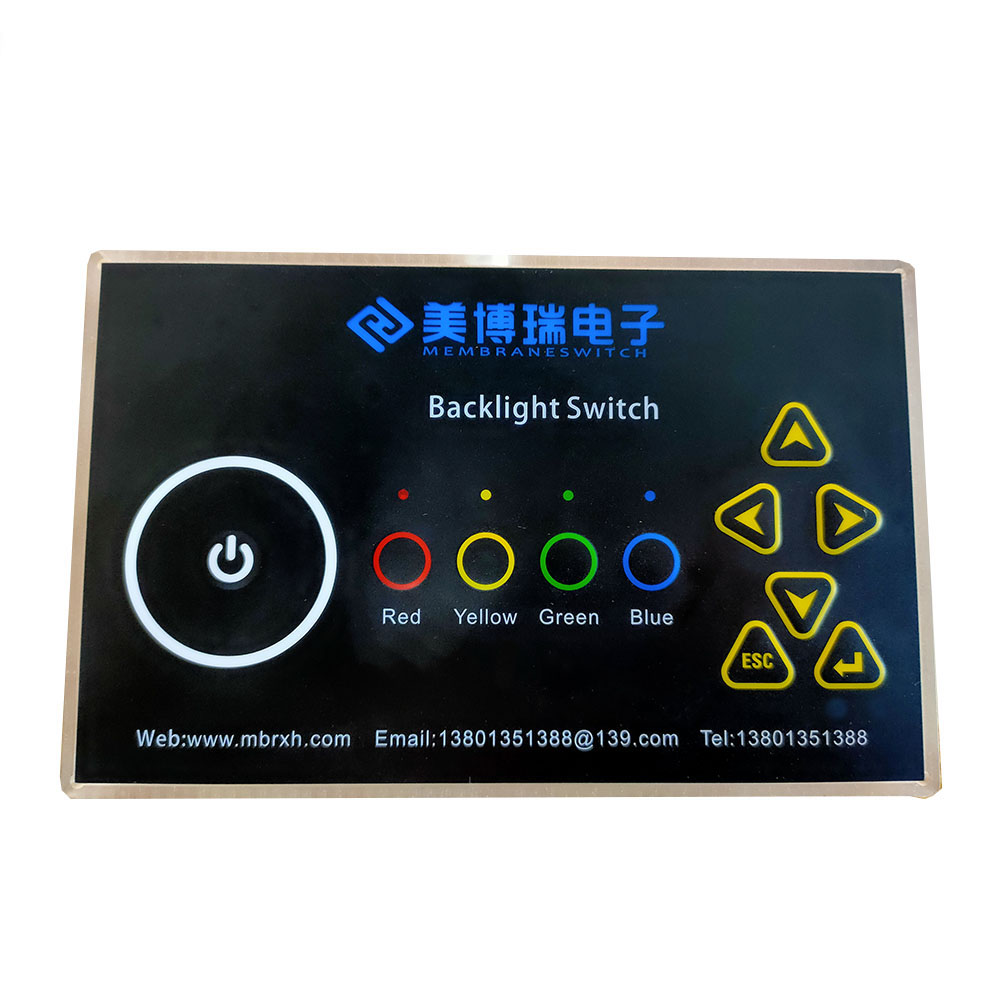
Beyond optical consistency, the mechanical compatibility of LGF with tactile snap metal domes solves a historic trade-off in HMI assembly design. Because our light guide films can be micro-punched directly around or centered precisely atop the dome cavity without rupturing optical transmission paths, operators receive instantaneous, tactile snapping feedback (actuation force calibrated between 250g to 450g with crisp snap ratios of 45% to 60%). The result is an uncompromising user experience where illumination does not sacrifice tactile response.
The Hague is renowned globally not merely as the international seat of peace and justice, but as the core administrative and advanced engineering hub of South Holland. Our custom OEM light guide films and IP67 membrane keyboards serve stringent regional applications across key Dutch tech clusters.
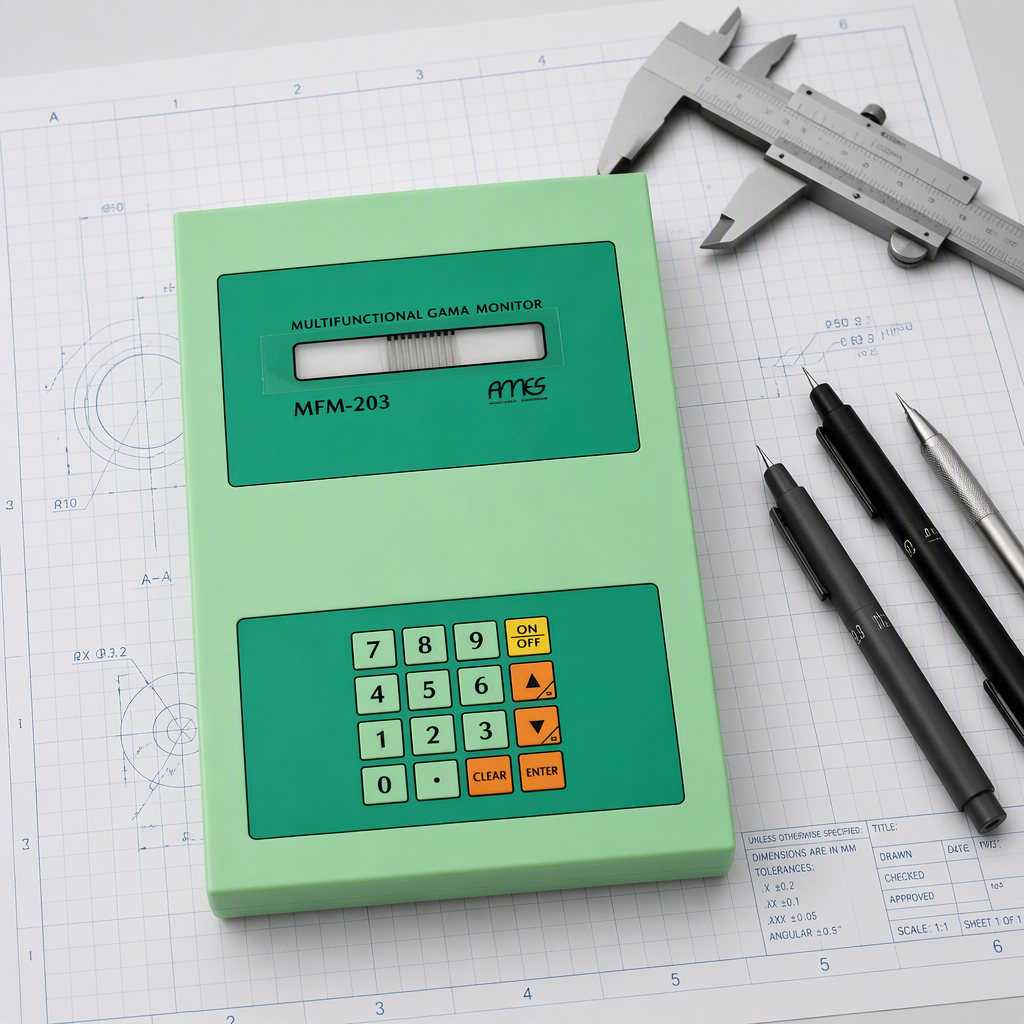
Operating in proximity to the Port of Scheveningen and the Maritime Cluster of Greater Rotterdam, vessel bridge consoles and subsea ROV controllers require human-machine interfaces impervious to airborne salt mist, heavy sea spray, and violent vibration. Our LGF-backlit assemblies integrate genuine 3M 300LSE adhesive gaskets and Autotex XE outdoor-grade polyester, guaranteeing zero delamination, IP67 waterproof ratings, and glare-free night-vision illumination compliant with maritime bridge lighting protocols.
As Europe's premier security hub, the The Hague Security Delta (HSD) develops critical cryptologic hardware, tactical field comms, and secure datacenter control nodes. Unlike EL backlighting or unshielded LED displays, TAVO LGF switches emit zero electromagnetic noise (EMI/RFI). Combined with printed silver or copper-mesh ground shielding layers, our keypads eliminate signal crosstalk and inadvertent electromagnetic sniffing in high-security telecom hardware.
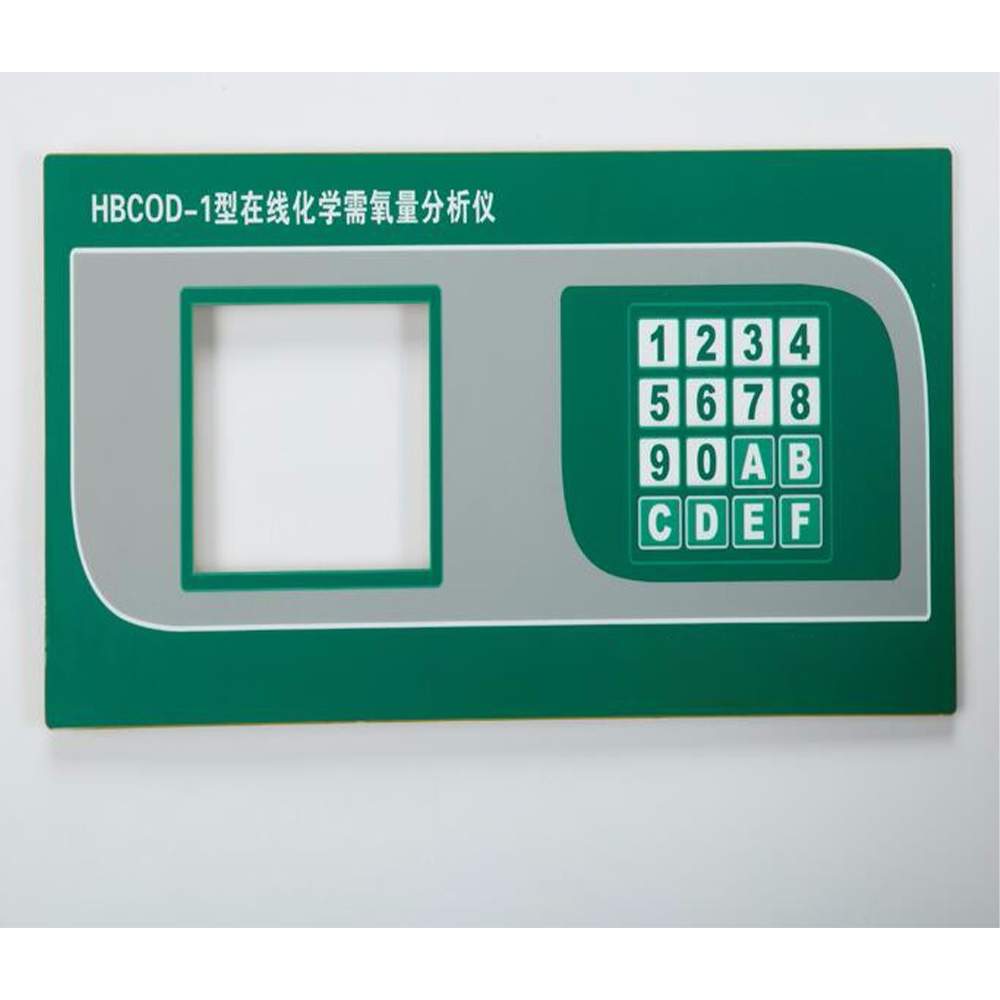
Bordering The Hague lies Westland, the epicenter of global automated horticultural engineering. Climate computer controllers, automated fertigation consoles, and robotic harvesting rigs encounter 95%+ relative humidity, ambient chemical fertilizers, and rigorous UV-A/UV-B irradiation. TAVO graphic overlays utilize UV-stabilized polycarbonate and antimicrobial polyester films verified by xenon lamp aging chambers to maintain legend legibility and optical clarity over a decade of continuous service.
Industrial procurement in the Netherlands has rapidly moved away from commodity sourcing toward systems-level engineering compliance. Four distinct macro trends dictate HMI specifications in South Holland today.
Driven by the European Green Deal and industrial energy efficiency mandates (EN ISO 50001), Dutch hardware engineers demand lowest-wattage architectures. By switching from traditional matrix backlighting to side-firing LGF technology, system designers reduce backlighting power budgets by up to 75%, extending battery runtimes in portable diagnostics and field instruments.
The Hague's regulatory proximity to EU administrative bodies creates zero tolerance for non-compliant plastics or adhesives. OEM procurement strictly enforces EU Regulation 1907/2006 (REACH) Annex XVII restrictions and Directive 2015/863 (RoHS 3). TAVO enforces closed-loop supply audits, providing certified declarations on all polyester substrates, conductive silver inks, and acrylic bonding transfer tapes.
Dutch medical and lab robotics manufacturers are aggressively pioneering hybrid interfaces that combine sleek capacitive gesture surfaces with localized, positive-actuation emergency stop keys and backlit status icons. TAVO’s integrated cleanrooms bond thin capacitive sensor traces directly with LGF layers and rigid FR4 PCB or metal backer plates in a single monolithic structure.
Operating dual manufacturing centers in Xianghe Robot Industry Port (Hebei) and Huizhou (Guangdong), TAVO delivers end-to-end in-house production with zero third-party outsourcing dependencies.
Maintained a direct long-term technical cooperation agreement with a premier German membrane switch manufacturer, adopting European tooling standards, precision layout methodologies, and strict tolerance criteria (±0.05 mm).
No external contractor bottlenecks. Graphic design, CAD film output, automated silkscreen printing, digital Mimaki UV printing, laser cutting, hot embossing, SMT component placement, and final testing remain under one continuous chain of custody.
Trusted by engineering heavyweights including Siemens, ABB, and Haier. Our interface switches are deployed in demanding high-speed locomotive controls, the Three Gorges hydro project, aerospace systems, and defense electronics across 30+ nations.
Every production batch is validated against button mechanical cycle wear (>1M presses), automated salt spray chambers (NSS 96h corrosion tests), programmable temperature/humidity chambers (-40°C to +85°C), and computer circuit continuity checks.
Our dual-factory strategy balances production across Hebei and Huizhou. Dutch buyers avoid single-facility delays, seasonal manufacturing freezes, or raw material shortages through dedicated stock agreements and multi-sourced polyimide/PET substrates.
A specialized 20-person export team with over 15 years average technical experience provides rapid DFM engineering reviews within 24 hours, managing door-to-door Incoterms (DAP, DDP, CIF) directly to The Hague, Amsterdam, or Rotterdam.
Direct technical answers covering lead times, logistics channels into the Netherlands, environmental qualification, and CAD/DFM file handoffs.
Consult directly with our senior HMI engineering team. From micro-dot ray-tracing simulations to environmental sealing optimization, we accelerate your time-to-market with certified manufacturing reliability.
Access our comprehensive layer stack-up documentation, material performance charts, and connector pinout reference guides.
Get Catalog