Precision Engineered Range
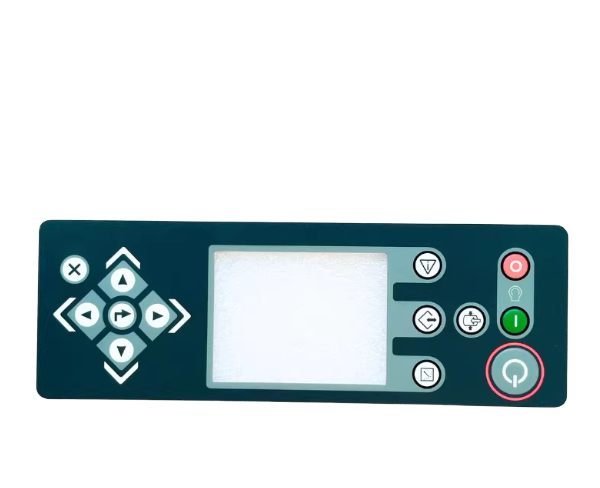
Core HMI & Light Guide Membrane Assemblies
Precision-screened graphic overlays, FPC interfaces, and environmental sealings manufactured to strict ISO 9001 quality standards for global OEM delivery.
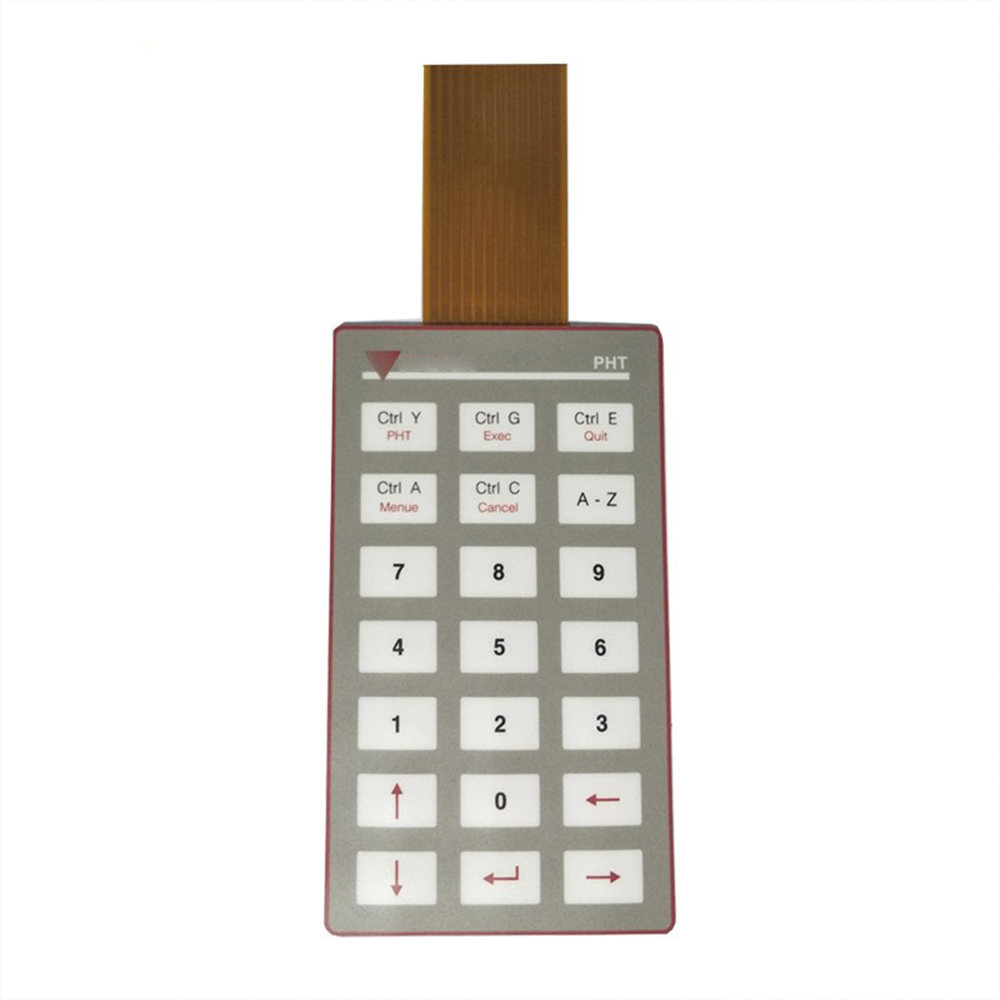
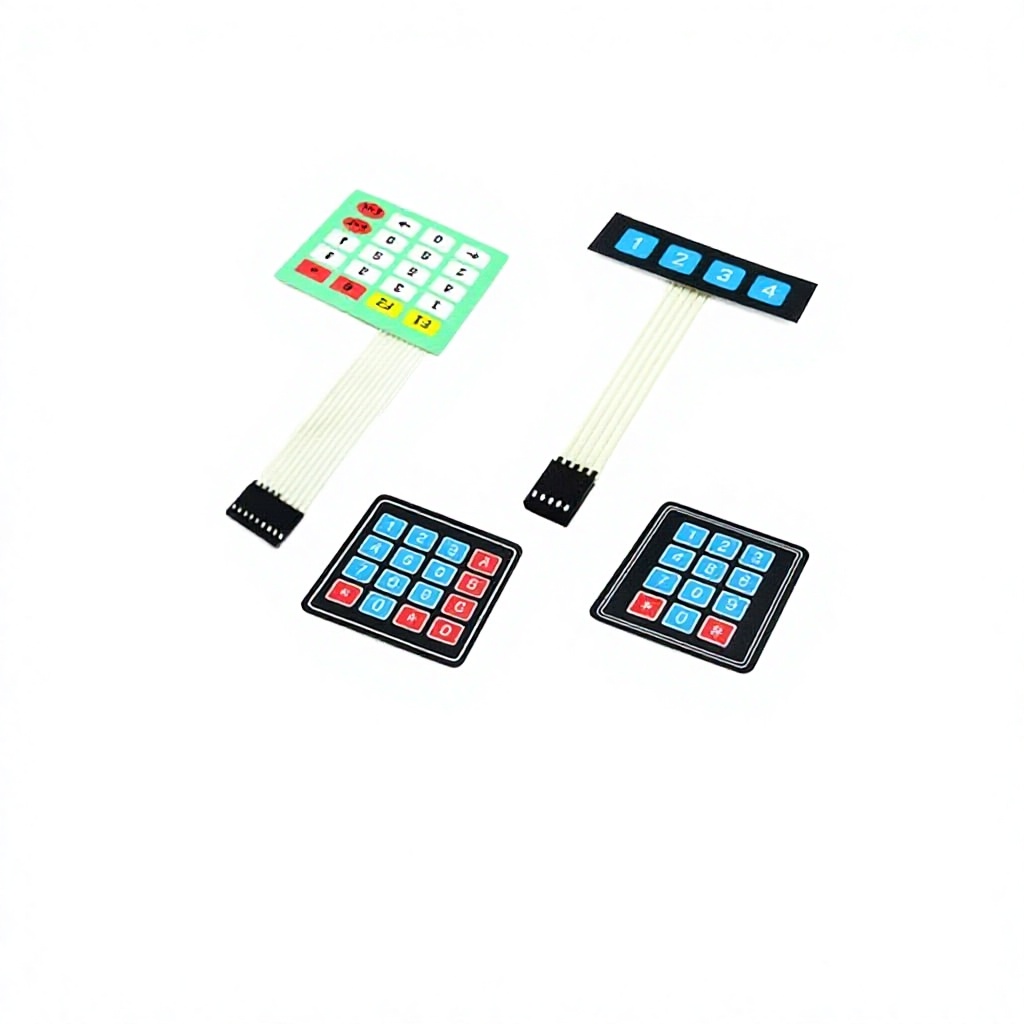
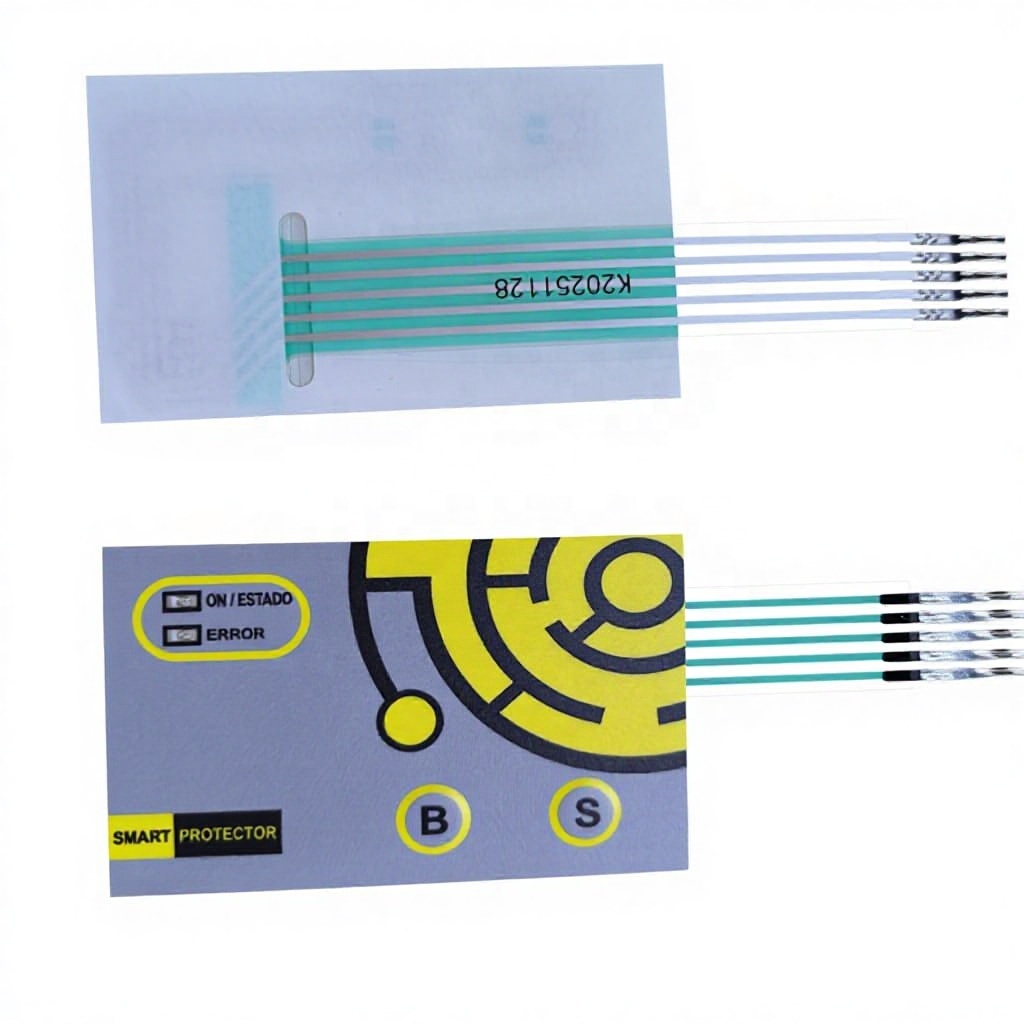
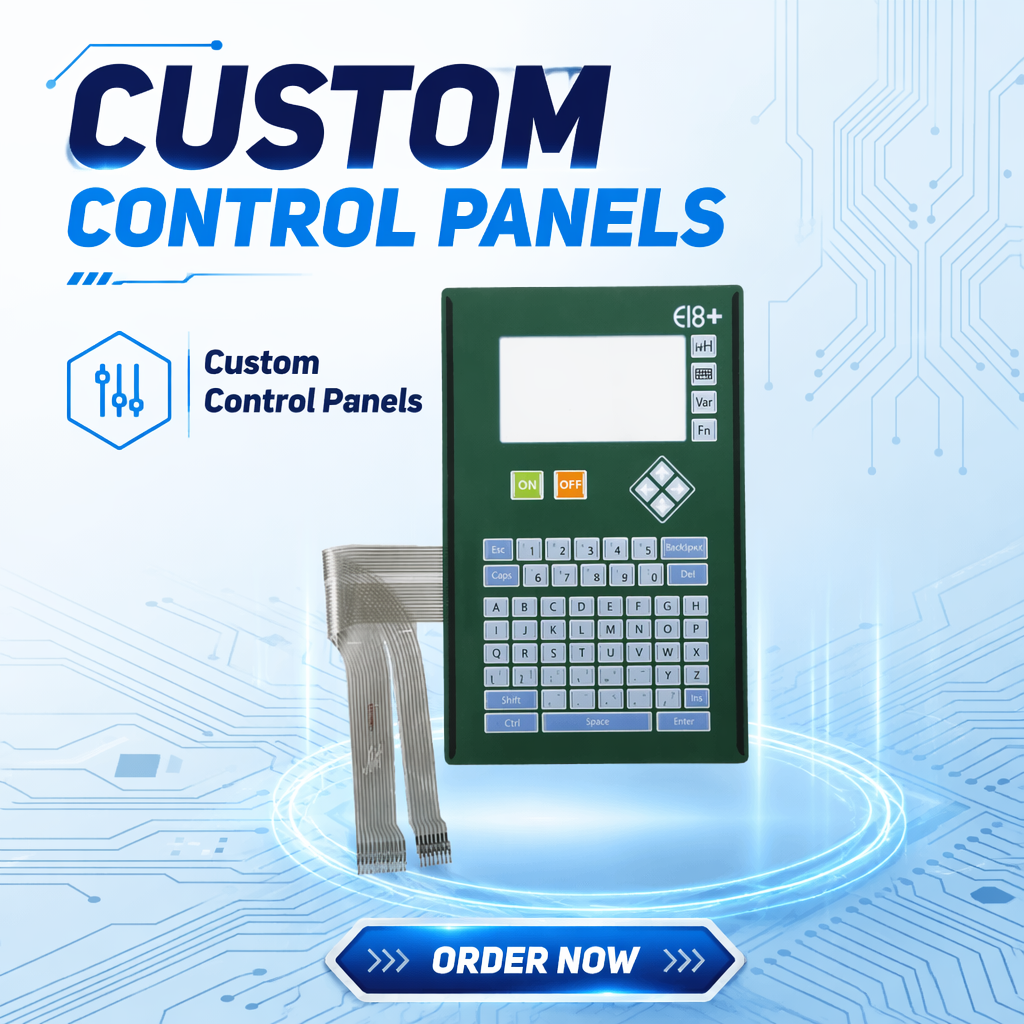
Architectural Foundations of Light Guide Film (LGF) Integration
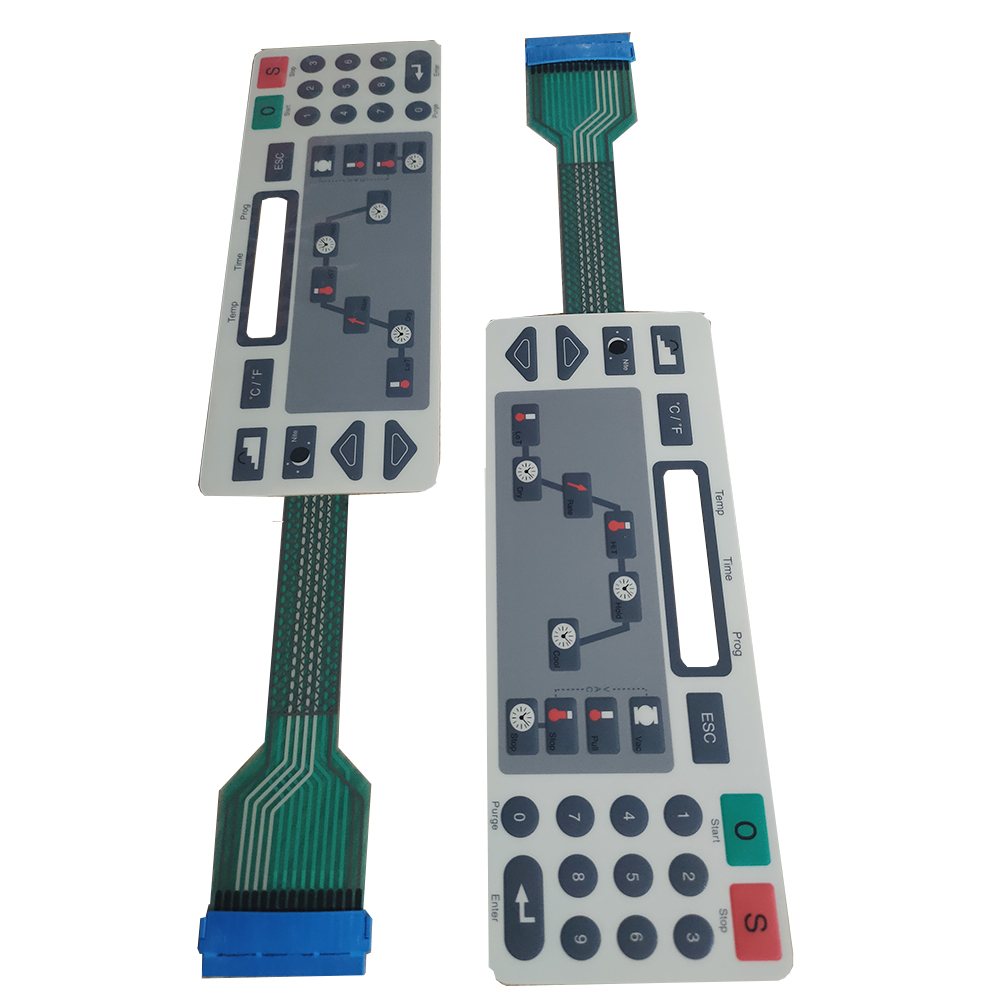
Human-Machine Interfaces (HMI) deployed in oceanic and remote micro-climate zones face stringent requirements that outstrip ordinary consumer-grade electronics. A custom Light Guide Film (LGF) is an ultra-thin optical-grade elastomer or polycarbonate sheet (typically ranging from 0.1mm to 0.25mm in thickness) engineered with precise laser-etched or micro-molded dot matrix patterns. These microscopic dots calculate Snell's law in reverse, disrupting total internal reflection (TIR) to redirect light emitted by side-firing edge LEDs vertically toward the operator's eye.
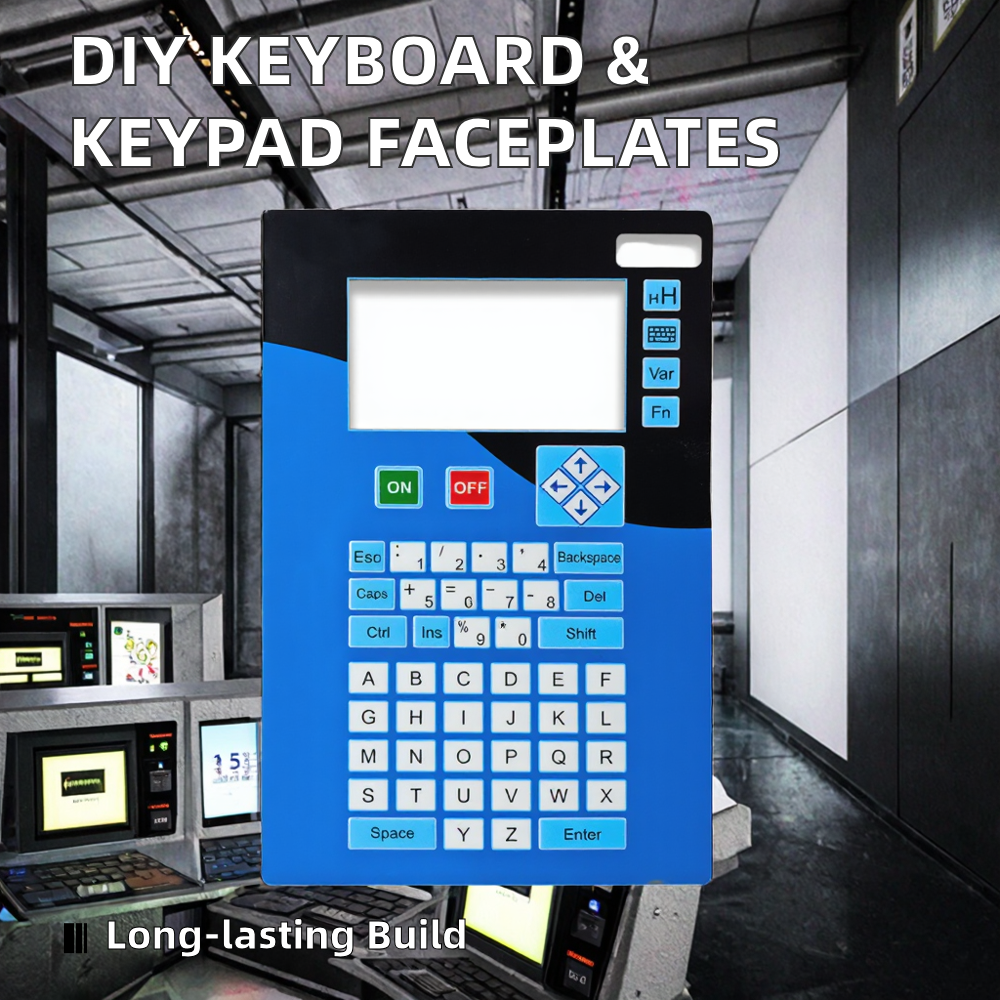
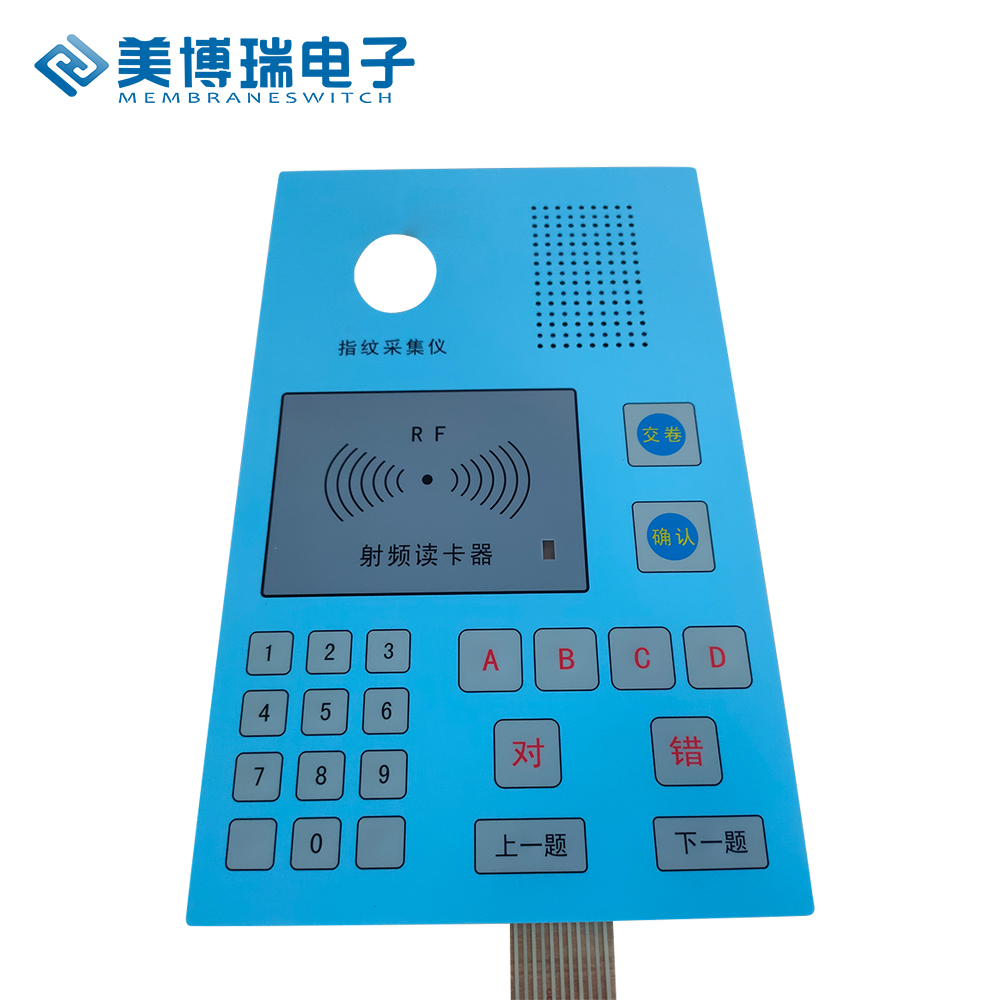
Unlike traditional bulky fiber-optic arrays or multi-point discrete LED matrices that introduce localized hot spots, heat buildup, and excessive power draw, an LGF layer creates a uniform, shadow-free luminescence footprint across intricate graphic overlay panels. In modern membrane switch constructions, the LGF sits directly between the tactile metal snap domes and the graphic overlay, requiring strict optical clear adhesive (OCA) formulation to avoid damping tactile snap ratios while maintaining absolute barrier integrity.
Optical Ray Tracing and Dot Density Geometry
The core competence in manufacturing high-efficiency Light Guide Films lies in dynamic micro-dot pitch modulation. Because edge-lit LEDs release light from distinct perimeter nodes, the light ray flux naturally diminishes across linear distances. Our optical simulation engineers implement variable dot density gradient algorithms: dots closest to the LED emitter are micro-sized and spaced wider apart, whereas dots furthest across the optical plane expand in diameter and packing density. This precisely balances the lux distribution across the entire graphic array, achieving luminance variances of less than ±8% from key center to key periphery.
0.125mm
Ultra-Thin Profile
≥ 92%
Luminous Uniformity
>1,000,000
Actuation Lifecycle
IP67 / IP68
Moisture Barrier Ingress
Vanuatu Localized Application Scenarios & Physical Engineering Realities
Vanuatu's geographical matrix—spanning over 80 islands across the South Pacific—presents an aggressive operating climate characterized by relative humidity routinely exceeding 85%, prolonged ultraviolet radiation indexes hitting UV 11+, and heavy coastal saline-mist precipitation. Industrial machinery, marine craft, municipal utility systems, and tourism facilities located in Port Vila, Luganville, and remote islands require input interfaces engineered specifically to withstand these environmental challenges.
Maritime & Inter-Island Vessel Helms
Commercial transport catamarans, deep-sea fishing tenders, and port pilot crafts stationed around Mele Bay and the Espiritu Santo channel operate under blinding mid-day tropical sun and absolute night darkness. Conventional display panels either wash out or cause night-vision blindness. LGF membrane consoles enable dual-mode night-vision lighting, illuminated key boundary delineations, and complete salt-spray defense through perimeter gasket potting with high-shear 3M 300LSE acrylic adhesives.
Off-Grid Solar Micro-Grids & Utilities
Decentralized photovoltaic battery banks and rural water purification installations on outer islands like Tanna or Malekula demand interfaces that operate without failure in unconditioned equipment shelters. Ultra-low wattage LGF architectures sip fractions of a milliampere compared to full-color LCD screens, extending standby battery life while providing instant visual status through backlit pictograms during emergency cyclone outages.
Hospitality & Marine Eco-Resort Controls
Vanuatu's high-tier tourism resorts place heavy emphasis on minimalist, elegant interior designs exposed directly to beach atmospheres. Outdoor guest access consoles, digital lock pads, and dive-locker management switchboards require sealed capacitive touch overlays or tactile keypads where moisture ingress would rapidly degrade standard mechanical switches. Custom LGF solutions deliver clean, subtle illumination that complements high-end architectural aesthetics.
Emerging Procurement & Technological Trends in the Pacific Basin
Historically, hardware deployments across Melanesia relied upon heavy, mechanical toggle switches and rudimentary push-buttons. However, the severe vulnerability of open mechanical contacts to saline oxidization, fungal growth, and contact pitting has prompted a significant paradigm shift toward hermetically sealed membrane architectures. Regional procurement managers and industrial developers are prioritizing three dominant technological vectors:
1. Polyimide Flexible Circuitry (FPC) Displacing Screened Silver Ink: While traditional silver conductive paste serves short-lifecycle dry applications, humid coastal exposure can induce silver dendrite migration under sustained DC bias voltages. Forward-looking procurement directives in the Pacific region specify copper-clad Kapton FPC circuit cores plated with electroless nickel immersion gold (ENIG). This eliminates electrical migration risks entirely and ensures low contact resistance across millions of switch cycles.
2. Anti-Glare, UV-Inhibited Graphic Overlays: Intense solar radiation at Vanuatu's latitude degrades standard aliphatic polymer films, causing them to yellow, embrittle, and lose optical transparency within months. The industry standard has progressed decisively toward textured biaxially-oriented polyethylene terephthalate (PET) and hard-coated fluoropolymer materials treated with active UV blockers. These materials endure up to 100,000 hours of open sun exposure without window haze or graphic de-lamination.
3. Optical Bonding of LCD Panels with Integrated LGF Bezels: Rather than sourcing discrete displays and mechanical button panels separately, engineering teams are consolidating the BOM (Bill of Materials) into single-piece front bezel assemblies. By utilizing Optically Clear Resin (OCR) or dry film OCA, manufacturers bond the LGF keypad directly to the underlying display carrier, eliminating air cavities where humid moisture can condense during rapid temperature swings from tropical downpours.
Factory Verifiable Advantage
Our Precision Manufacturing Infrastructure
Rooted in our heritage dating back to 1990, TAVO combines proprietary toolmaking, cleanroom printing, and German-partnered reliability standards to deliver custom OEM interfaces worldwide.
What differentiates a verified manufacturing partner from export brokers is vertical integration. TAVO Electronic Information Technology Co., Ltd. operates state-of-the-art manufacturing hubs across Langfang (Hebei Robot Industry Port) and Huizhou (Guangdong), totaling over 2,219 square meters of verified cleanroom and machining capacity. Every operational phase—from mechanical CAD conversion, optical ray calculation, and photolithography film preparation to automated screen printing, CNC laser micro-cutting, cleanroom OCA bonding, and multi-parameter electrical validation—is executed internally.
Precision Machine Park
Our operational facilities leverage 60 CNC mold-making machine tools, 37 precision screen printing systems, 4 high-definition Mimaki digital UV flatbed systems, and 18 high-speed laser cutting workstations. We can deliver micro-metric key travel, crisp embossed key perimeters, and tight dimensional tolerances within ±0.05mm across diverse panel sizes.
Certified Environmental Lab
Reliability is documented through quantitative data. Our quality center houses programmable Xenon lamp accelerated aging chambers, automatic cyclic salt fog corrosion testers, multi-channel button lifecycle testers, and continuous temperature/humidity thermal shock testing chambers to certify parts prior to export dispatch.
Global Tier-1 Engineering Heritage
With more than 30 senior engineering technicians possessing an average of 15+ years of specialized membrane switch domain mastery, our technical components are validated by industry leaders such as Siemens, ABB, and Haier, and applied across critical high-speed rail, aerospace, and oceanic projects globally.
Sourcing Intelligence
Frequently Asked Questions for Vanuatu & Regional Buyers
Direct technical answers addressing environmental resilience, cross-border logistics, design files, and order parameters.
1. How does Light Guide Film prevent moisture de-lamination in tropical island environments?
Tropical de-lamination typically occurs when humidity penetrates through micro-porous perimeter adhesives. We utilize high-cohesion, closed-cell acrylic bonding films (such as 3M 300LSE or 200MP series) combined with continuous perimeter hermetic sealing rings. The LGF layer is laminated under high-vacuum cleanroom conditions using bubble-free optical clear adhesives (OCA), completely eliminating internal air voids that could otherwise condense during thermal cycling.
2. Can we order low-volume production runs or prototypes for custom projects in Vanuatu?
Yes. We understand that specialized maritime retrofits, resort upgrades, and localized infrastructure installations across the South Pacific frequently require modest batch runs. TAVO offers flexible prototype and pilot run policies supported by our digital UV flatbed printing and laser cutting capabilities, which bypass high-cost hard tooling during early development phases.
3. What file formats and technical data are required to initiate an OEM quotation?
To generate a comprehensive DFM (Design for Manufacturability) review and quotation, provide your CAD outline file in DXF, DWG, or vector PDF format, your graphic artwork in Adobe Illustrator (.AI) or CorelDraw (.CDR) with specified Pantone color designations, switch circuit schematics with connector pin-outs, and target environmental ratings (e.g., IP65, IP67).
4. How does LGF compare against direct LED backlighting regarding power consumption?
Direct backlighting requires an extensive array of surface-mount LEDs distributed beneath each key, drawing anywhere from 200mA to 800mA while generating localized heat that accelerates adhesive decay. An optimized Light Guide Film uses as few as 2 to 4 edge-mounted LEDs to channel uniform illumination throughout the entire array, reducing power consumption down to 20mA–40mA—an advantage for solar and battery-backed installations.
5. What trade terms, international logistics, and documentation do you support?
We routinely export worldwide under EXW, FOB, CFR, and CIF trade conventions. For deliveries into Port Vila or Santo, shipments are dispatched via air express (DHL, FedEx, UPS) for fast transit of prototypes, or via consolidated ocean freight for production volumes. Full commercial invoices, packing lists, certificates of origin, and inspection reports are included with each dispatch.
6. Can tactile feedback be maintained through an LGF assembly without a mushy feel?
Yes. Mushy button actuation occurs when inappropriate spacer thicknesses are used or non-vented chambers trap air. Our tool design calculates dome collapse dynamics: we precision-rout clearance apertures or micro-emboss the LGF directly above each stainless steel snap dome, ensuring direct key travel and maintaining a crisp tactile switch actuation ratio above 45%.