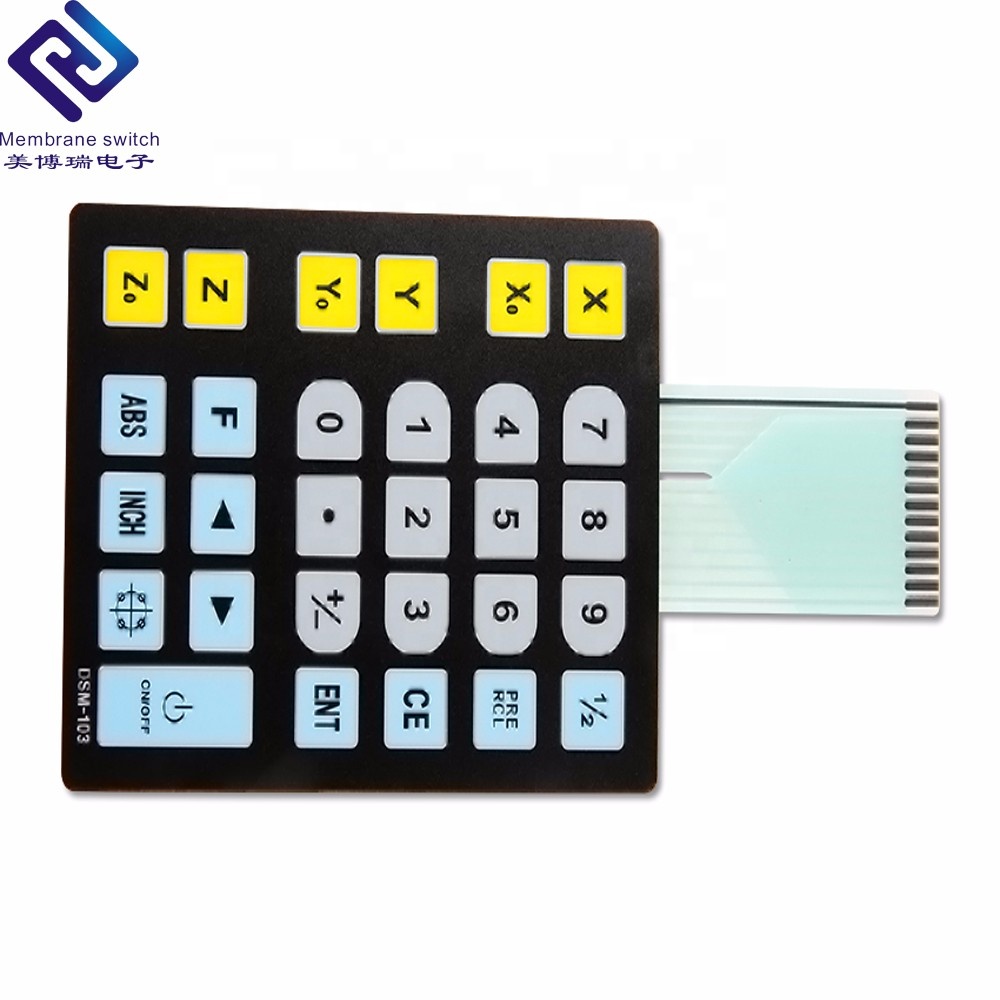
MBR High Quality IP67 Waterproof 3M Adhesive Flexible Cable Membrane Keypad PVC/PET/PC Dome Buttons Telecommunication Keypad
IP67 Waterproof
3M VHB Backing
Gold Plating
Precision-manufactured interface solutions built for high-salinity resistance, continuous UV exposure, ingress protection, and tactile mechanical durability in marine navigation, port equipment, and maritime vessel telecommunications.
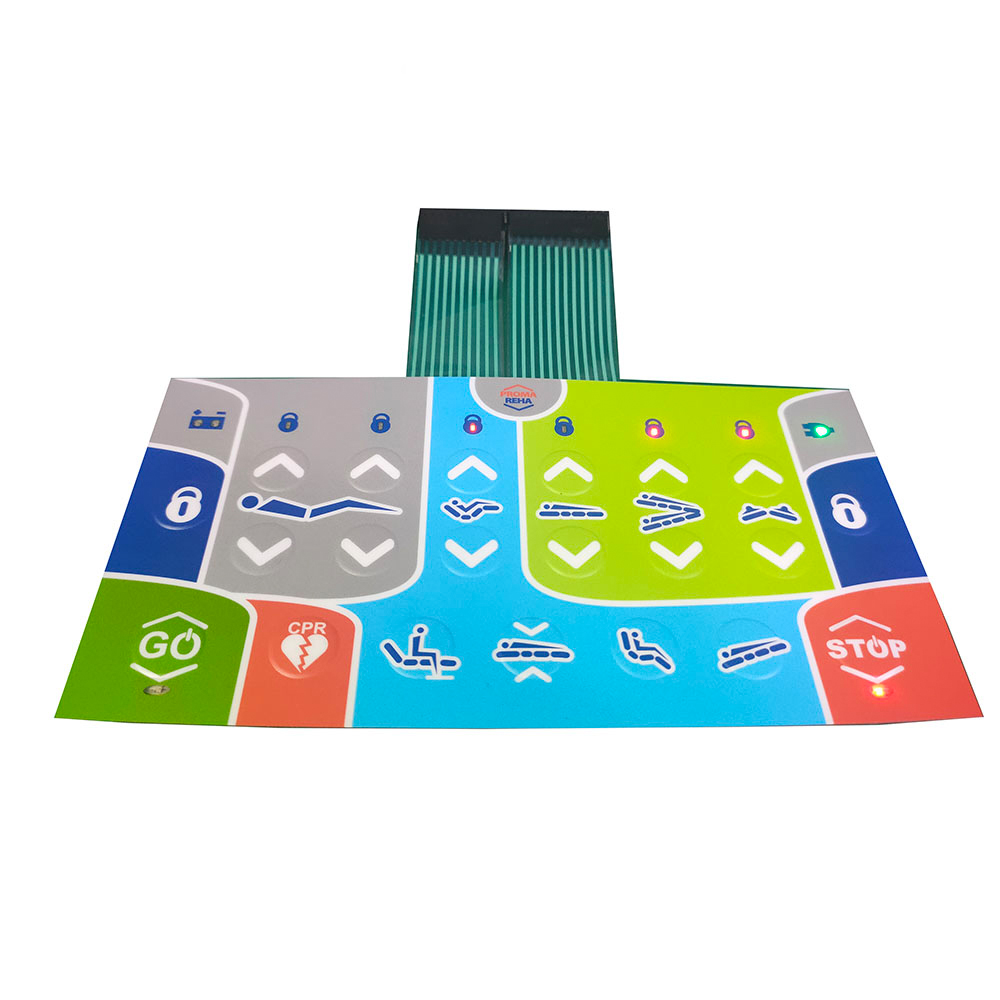
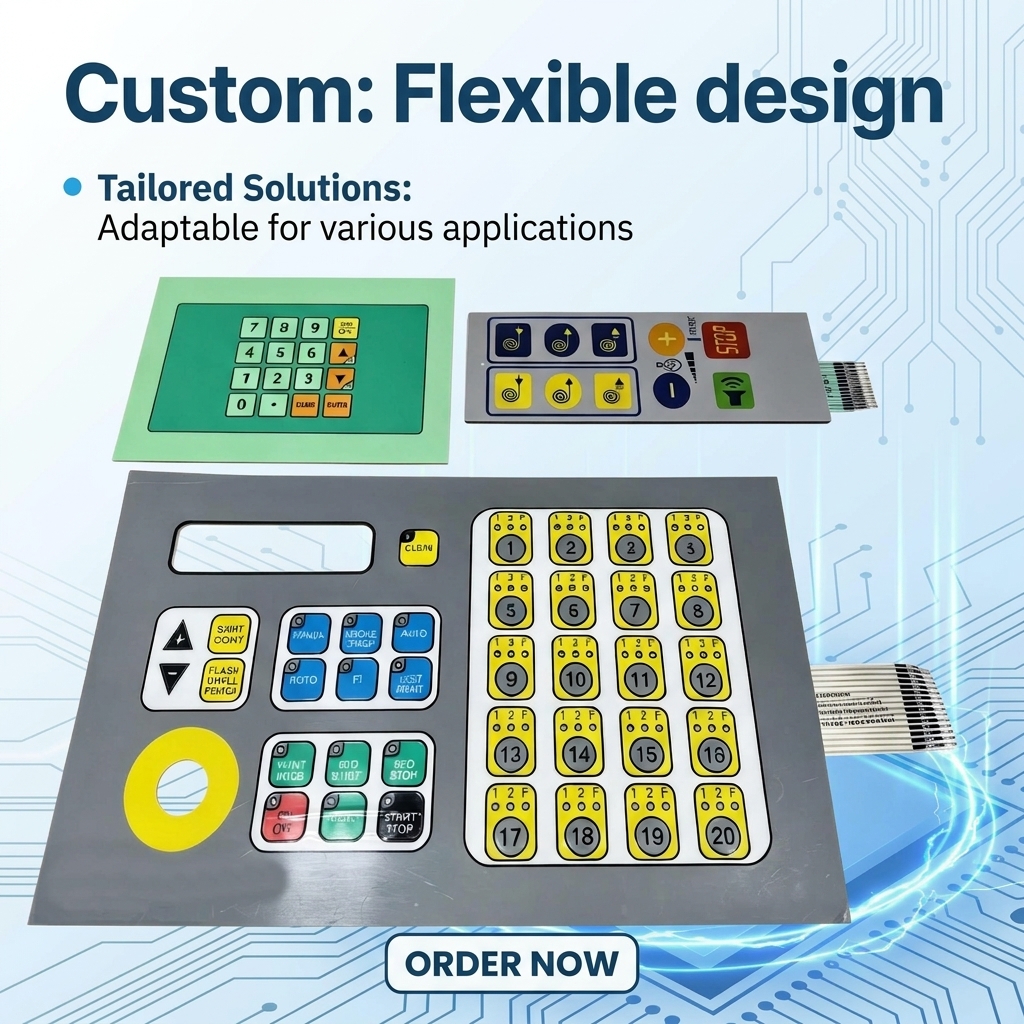
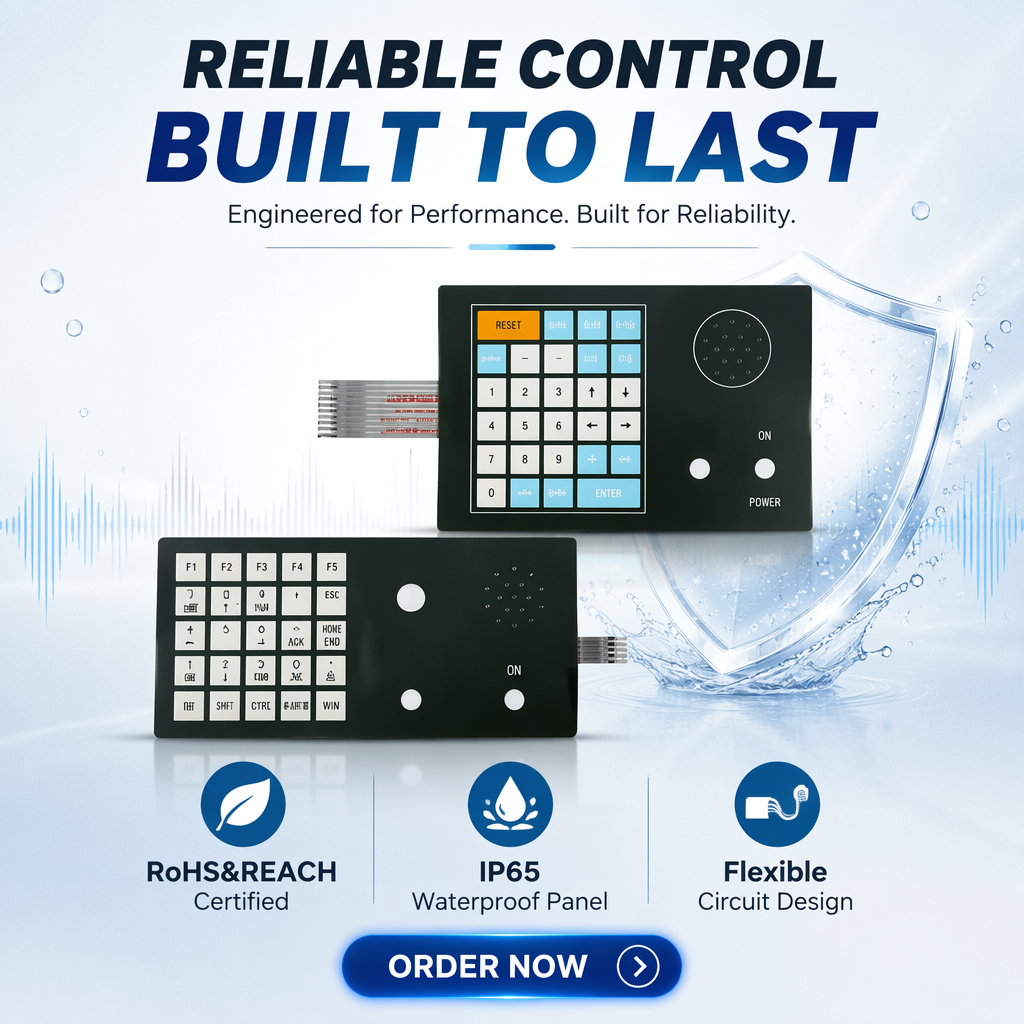
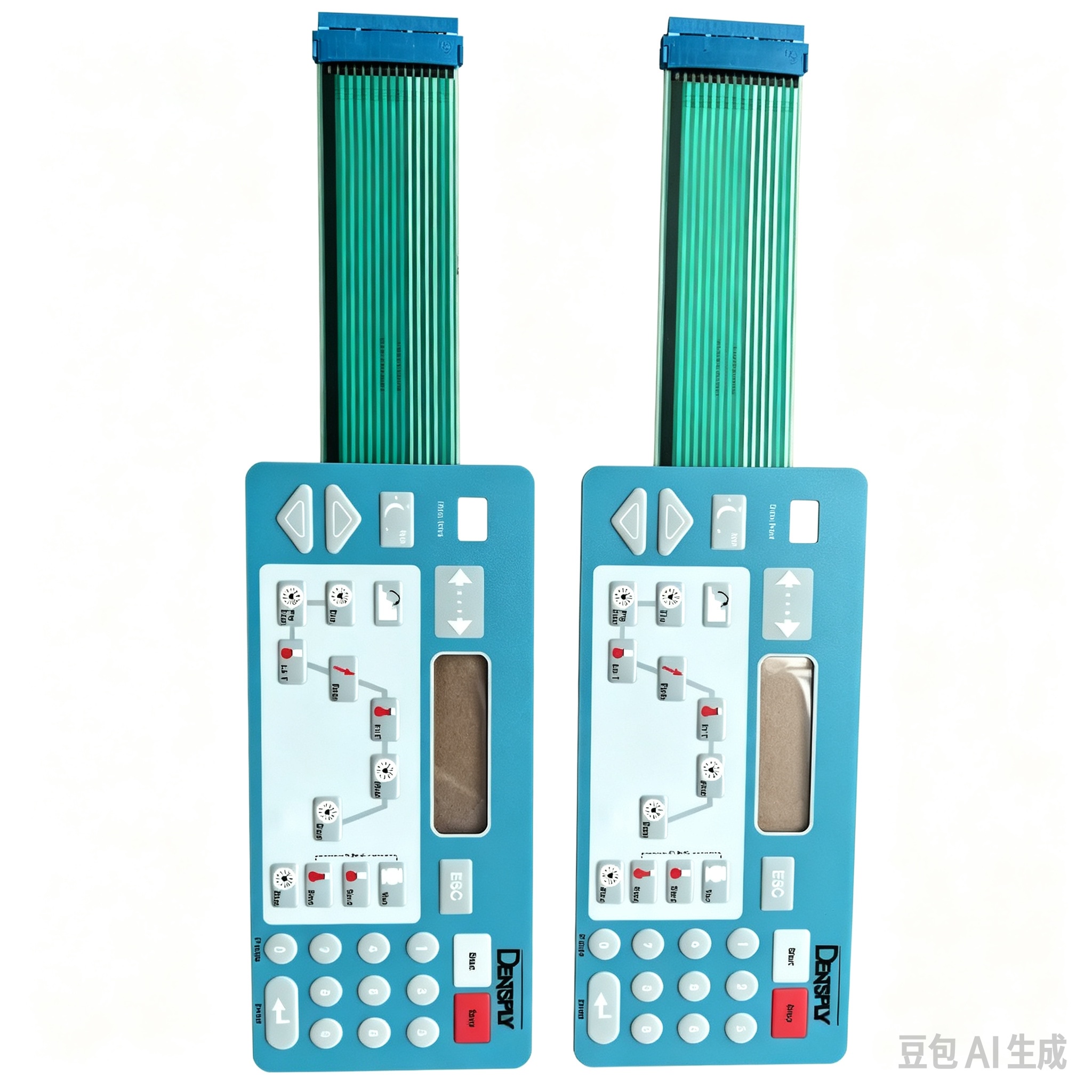
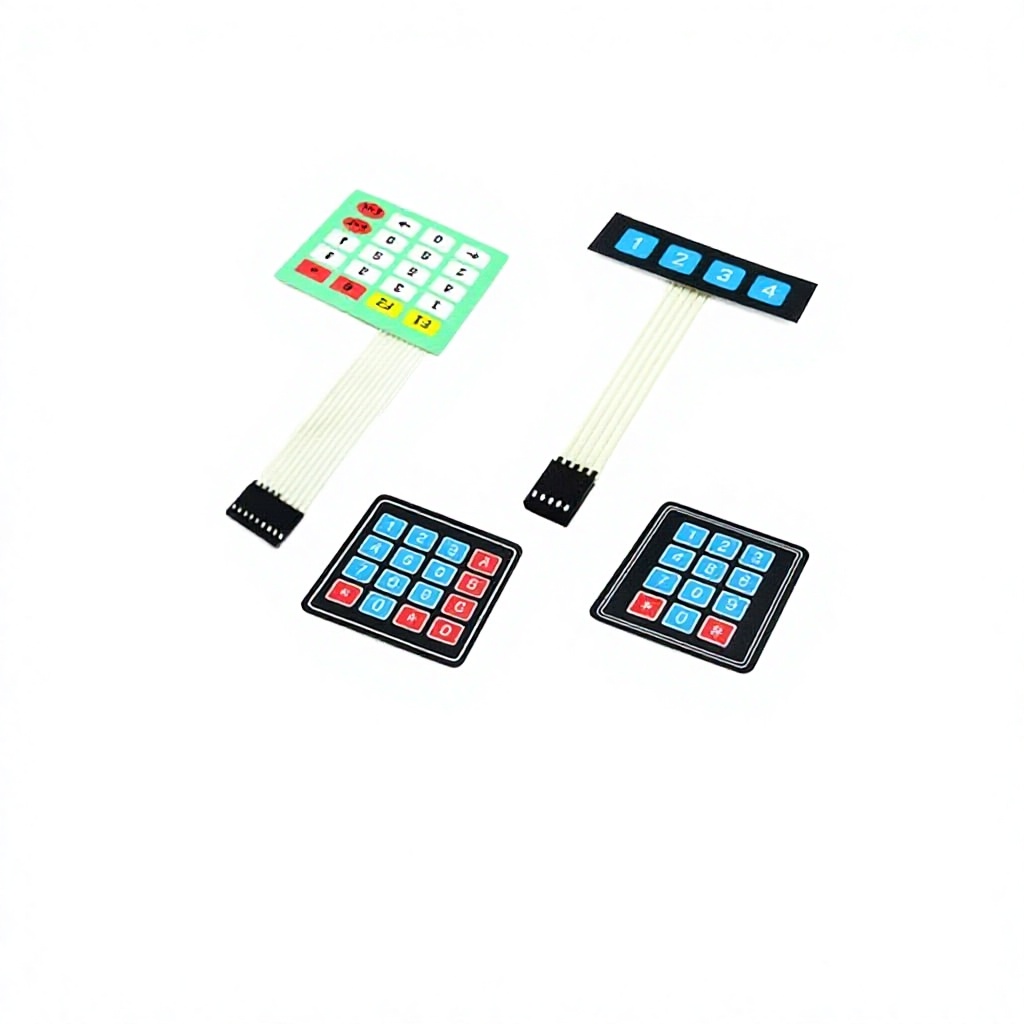
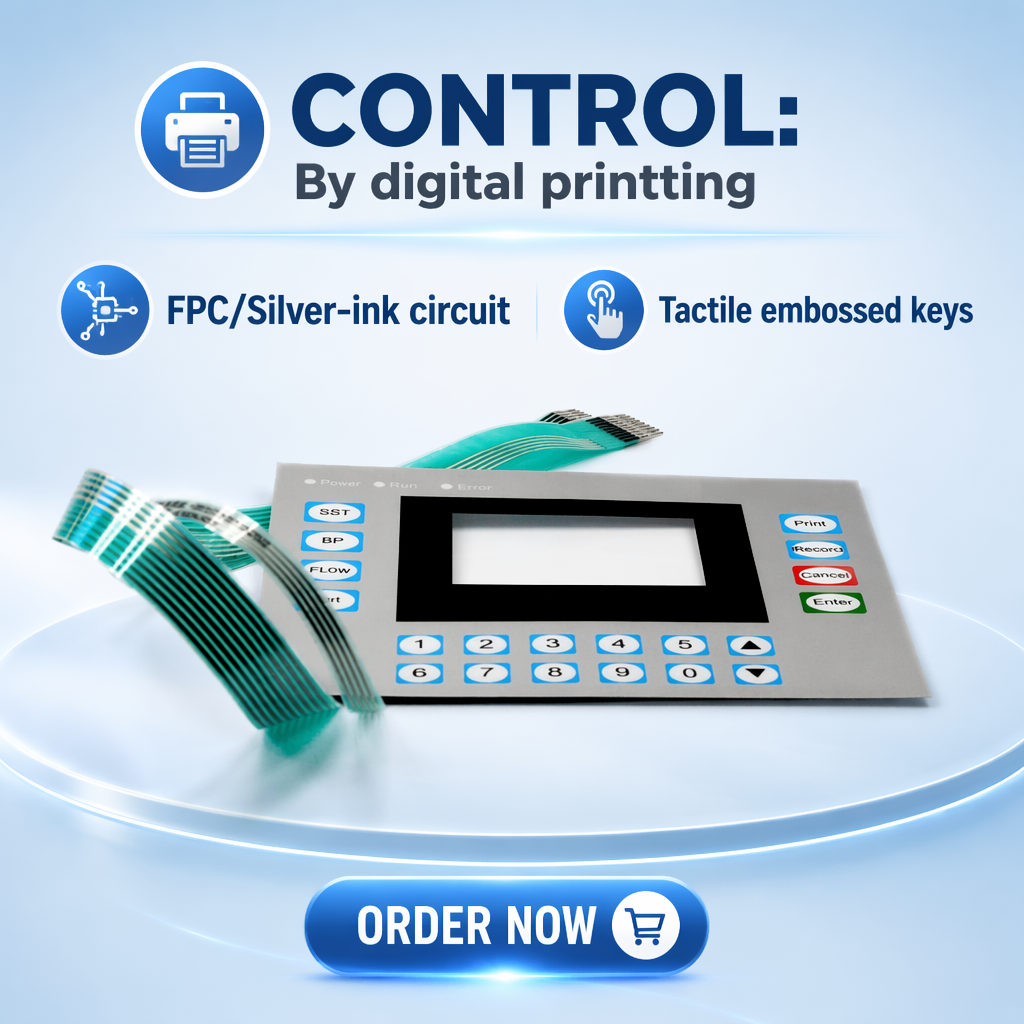
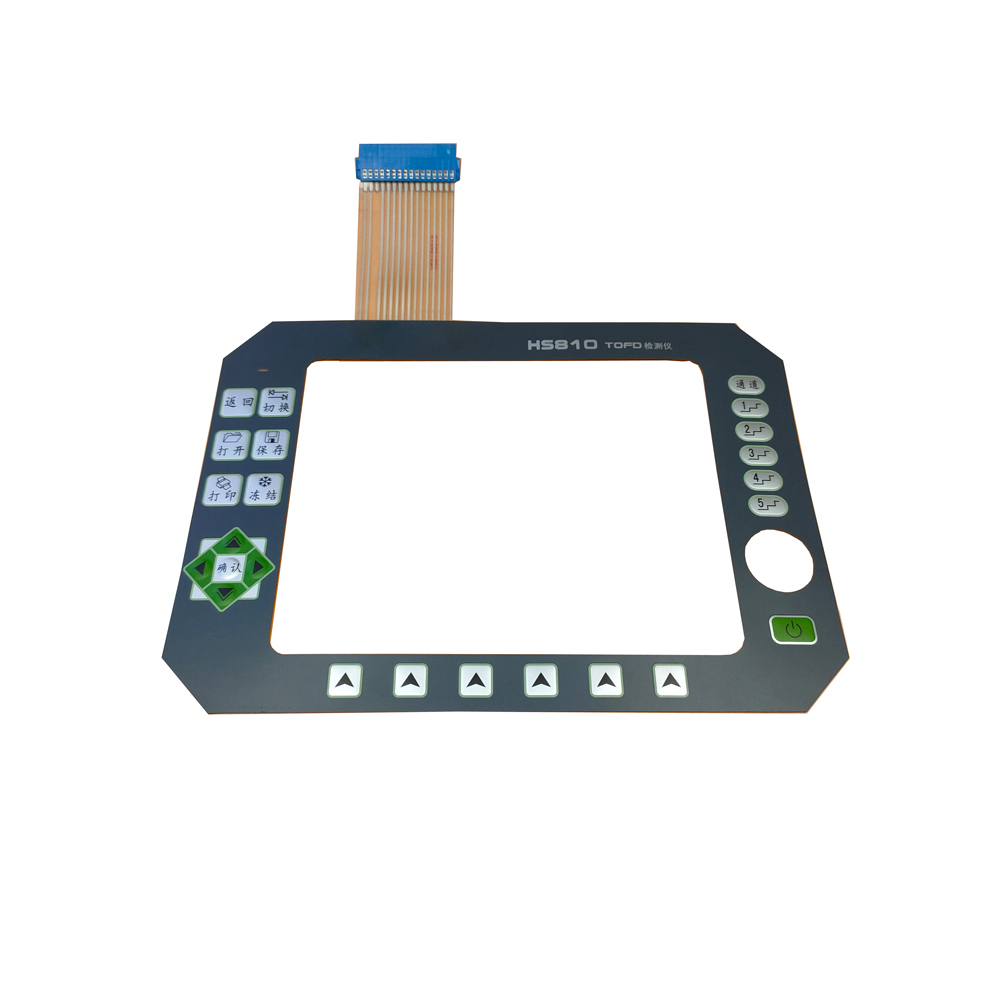
Operating industrial marine hardware within the Central American corridor introduces demanding environmental challenges. Equipment deploying out of Guatemala City—the primary commercial command center servicing major littoral gateways such as Puerto Quetzal on the Pacific and Puerto Santo Tomás de Castilla on the Atlantic—experiences relentless atmospheric stressors. These include sustained relative humidity exceeding 85%, dense airborne salt aerosols, and aggressive UV solar degradation.
Standard commercial-grade human-machine interfaces quickly suffer silver migration, delamination, and adhesive failure under these maritime conditions. As an established OEM manufacturer, our custom marine membrane switch production adopts an aerospace-grade multi-layer hermetic sealing strategy. By deploying premium biaxially oriented polyethylene terephthalate (Autotype MacDermid Autotex PET) and hard-coated polycarbonate graphic overlays with internal UV blockers, our panels resist optical yellowing and brittle fracturing. Electrical conductors utilize high-density polymer thick film silver inks passivated by carbon or dielectric coatings, or alternately, rolled-annealed polyimide flexible printed circuits (FPC) with nickel-immersion gold contacts to completely neutralize oxidation risks caused by chloride ion ingress.
| Engineering Parameter | Marine Standard Specification | Validation / Test Protocol |
|---|---|---|
| Ingress Protection | IP67 / IP68 Hermetically Sealed Perimeter Gasket | IEC 60529 Submersion Tank Test |
| Salt Fog & Corrosion | ASTM B117 Neutral Salt Spray Resistance: 96 to 240 Hours | Automatic Salt Fog Environmental Chamber |
| Switch Mechanical Actuation | Stainless Steel Domes (SUS301) rated for > 1,000,000 cycles | Automated Button Life-Cycle Pneumatic Tester |
| Thermal Cycling Range | Operational: -40°C to +85°C; Storage: up to +95°C | Programmable Humidity & Thermal Chamber |
| Substrate Chemistry | Hard-Coated Marine PET / Optical PC / Polyimide FPC | Xenon Arc Accelerated Weathering Aging Chamber |
| Structural Adhesives | 3M 200MP (3M 467MP / 468MP) or 3M 300LSE for LSE Plastics | Dynamic Shear & 90-Degree Peel Adhesion Protocols |
While oceanic transit occurs directly on the coastlines, Guatemala City functions as the centralized engineering, purchasing, and system integration nucleus for maritime fleets, cargo transport, and processing infrastructure throughout Central America. Our OEM custom marine membrane switch assemblies serve several critical regional implementations:
Integrated switch matrices built with blind-touch embossing, embedded LED light-guide film (LGF) illumination, and dimmable night-vision backlighting for bridge steering panels, throttle controls, and nautical chart display frames.
Sealed numeric keyboards, radio transceiver interfaces, and acoustic fish-finder control pads capable of surviving direct salt spray, engine vibration, and aggressive diesel-cleaning washdowns without internal contact oxidation.
Packaging and cryogenic blast-freezer control panels deployed along Escuintla and Izabal regional supply lines, demanding rapid thermal swing resistance and impervious seals against chemical washdowns.
As Central America expands its regional nearshoring manufacturing capabilities, OEMs based in Guatemala City are progressively upgrading equipment specifications. Three strategic manufacturing evolutions are dominating current procurement orders:
1. Convergence from Electro-Mechanical Switches to Flat Integrated HMIs: Traditional mechanical push buttons pose significant vulnerability to salt incrustation, gasket dry-rot, and fluid migration. Guatemalan boatbuilders, port equipment rehabilitators, and industrial automation firms are standardizing on sealed membrane panels that combine graphic overlays, circuit traces, tactile domes, and display windows into an ultrathin, flush-mounted envelope.
2. Migration to Copper Flexible Circuits (FPC) and Rigid Backers: While screen-printed silver ink remains cost-effective for static indoor keypads, marine applications in high-vibration engine bays require polyimide-backed copper FPCs. Integrating rigid 1.5mm to 3.0mm CNC-milled aluminum or FR4 backer plates provides structural integrity, EMI/RFI grounding shields, and threaded studs for secure mechanical fastening against pounding wave impact.
3. Demands for Advanced Optoelectronic Bonding (OCA): With tropical sunlight causing severe glare on maritime displays, system designers are opting for optically clear adhesive (OCA) window bonding, UV-cured anti-glare textured textures, and dead-front indicators that stay invisible until lit, ensuring crisp operational clarity under direct tropical sunlight.
Direct industrial-scale fabrication, vertically integrated engineering, and comprehensive ISO 9001 certified quality control validated by on-site Intertek audits.
Every step—including CAD drawings, film plotting, 37 silkscreen printers, 4 Mimaki digital UV flatbeds, 18 laser cutters, 60 CNC mold-making setups, embossing, and automated cleanroom assembly—is conducted in-house to protect intellectual property and eliminate third-party markup delays.
Dual manufacturing infrastructure spanning Langfang (Robot Industry Port, Hebei) and Huizhou (Guangdong). Workload capacity is dynamically balanced, ensuring emergency supply continuity, reliable raw-material inventory buffers, and fast-turn sample delivery for regional Central American projects.
Sustained technological collaboration with European membrane switch engineers. In-house verification features computer circuit testers, button actuation life cyclers, programmable temperature/humidity chambers, xenon arc aging equipment, and salt fog testing.
Direct technical, logistics, and supply chain answers for hardware developers, procurement directors, and marine system integrators.
Connect directly with our senior application engineers. We evaluate your mechanical CAD files, optimize schematics for salt-fog survivability, match Pantone references, and provide direct factory pricing for the Guatemala City and broader Central American market.