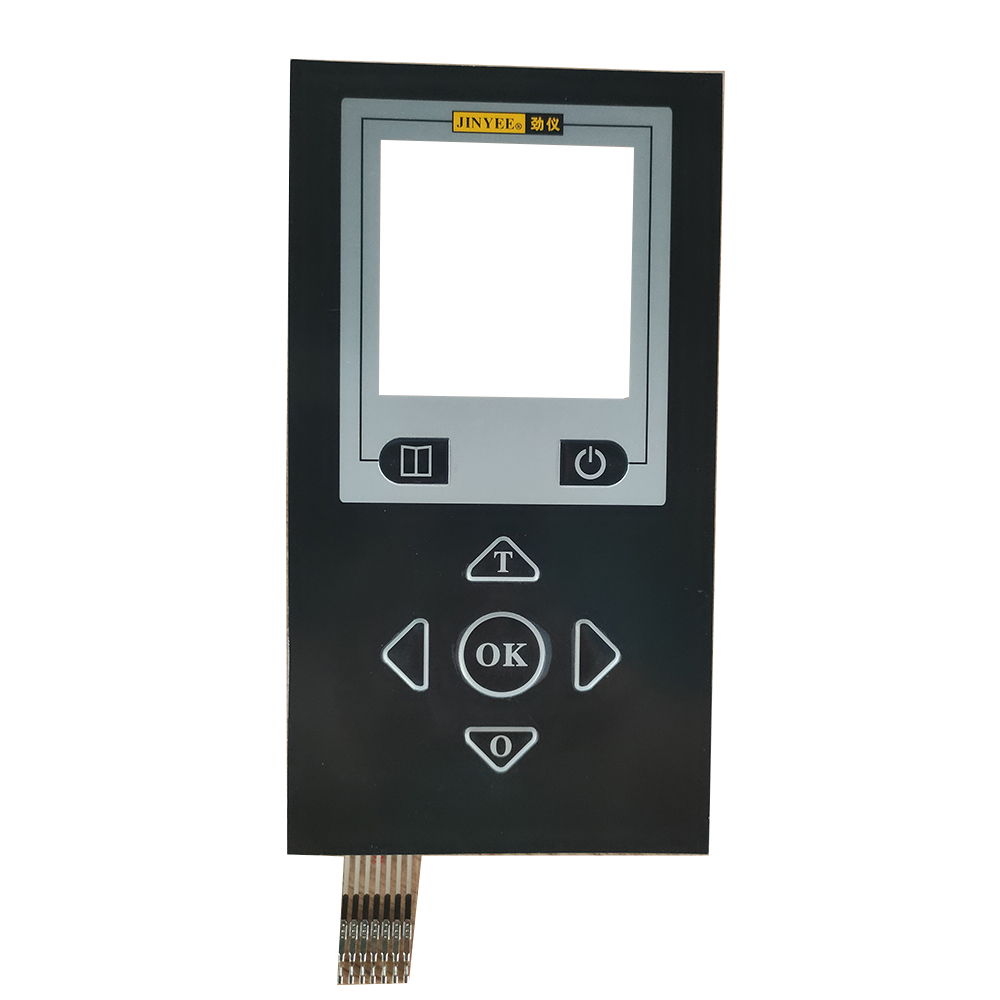
MBR IP67 Waterproof Industrial Membrane Keyboard with PET Overlay
IP67 Ingress
Telecom Grade
Poly Dome
View Specifications
Engineered to survive exposure to hydraulic fluids, sub-zero Scandinavian outdoor environments, and intensive tactile actuation cycles across industrial controllers, marine equipment, and healthcare monitors.
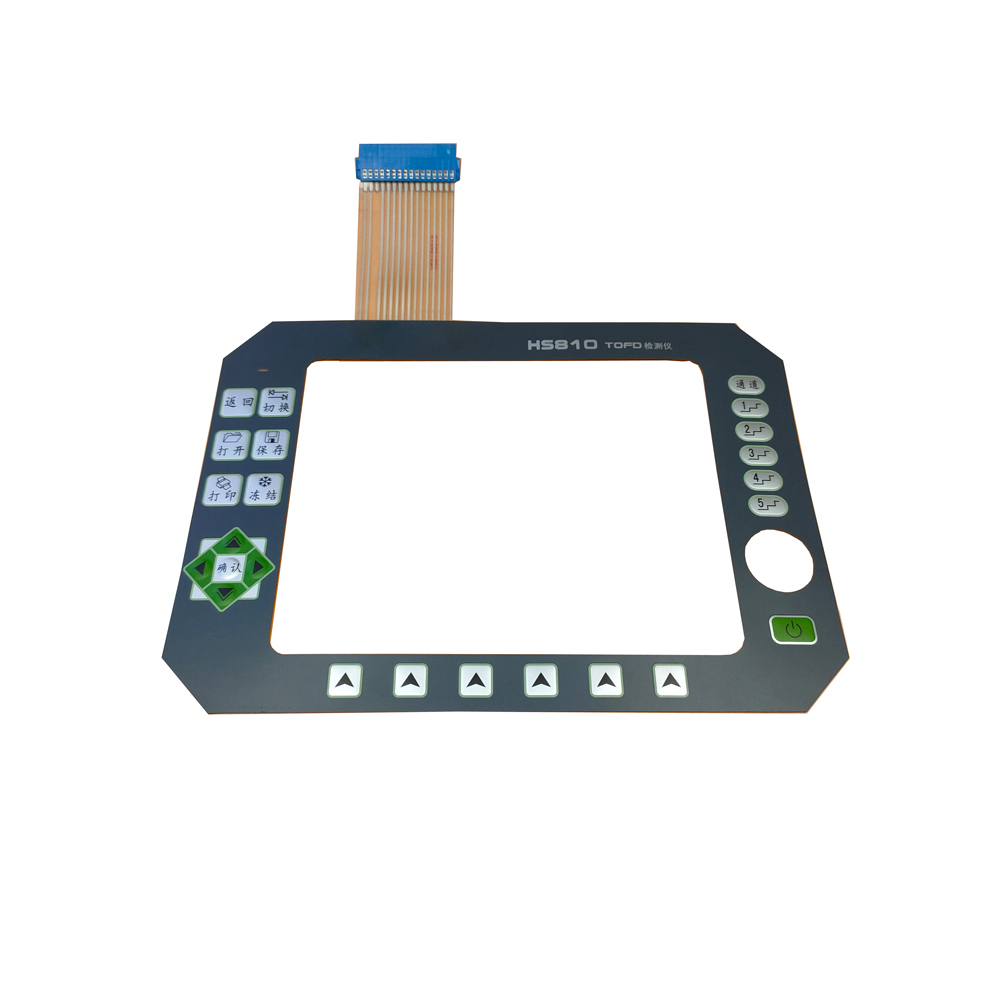
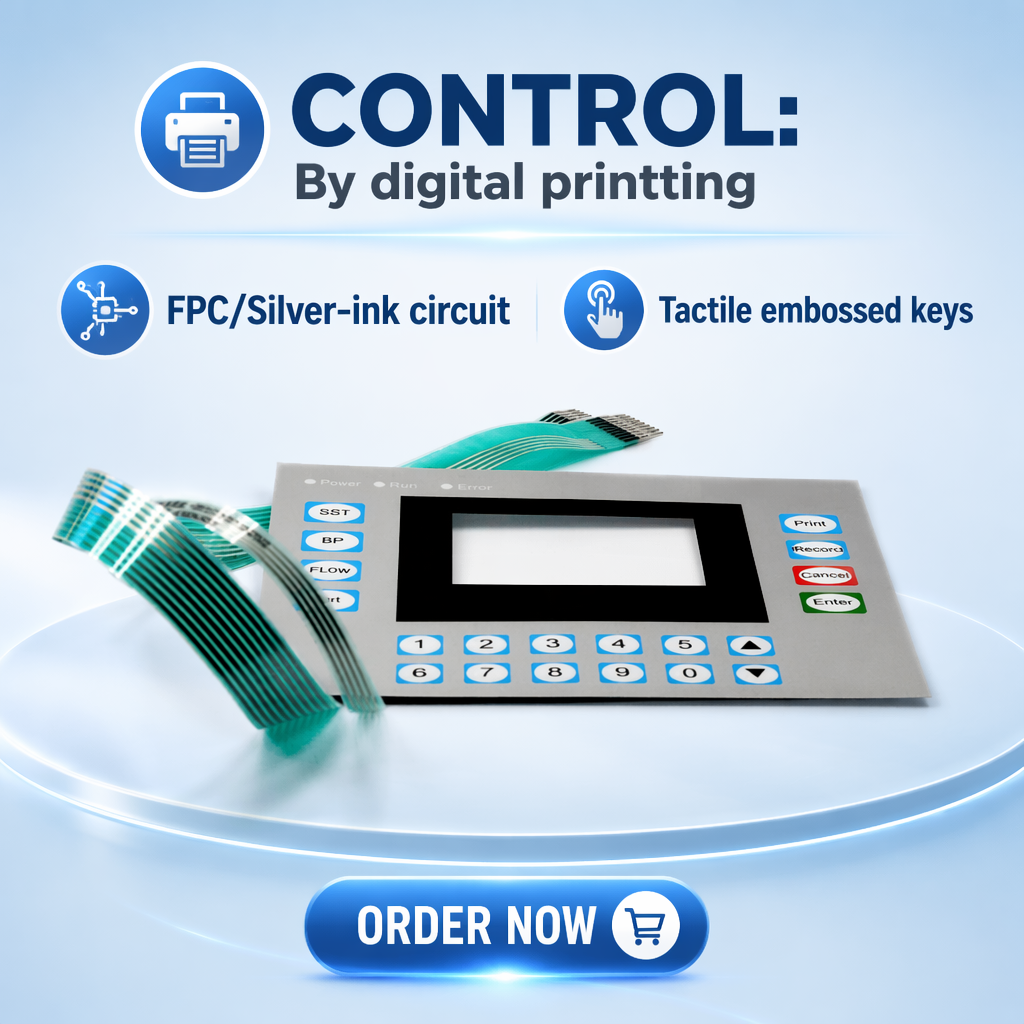
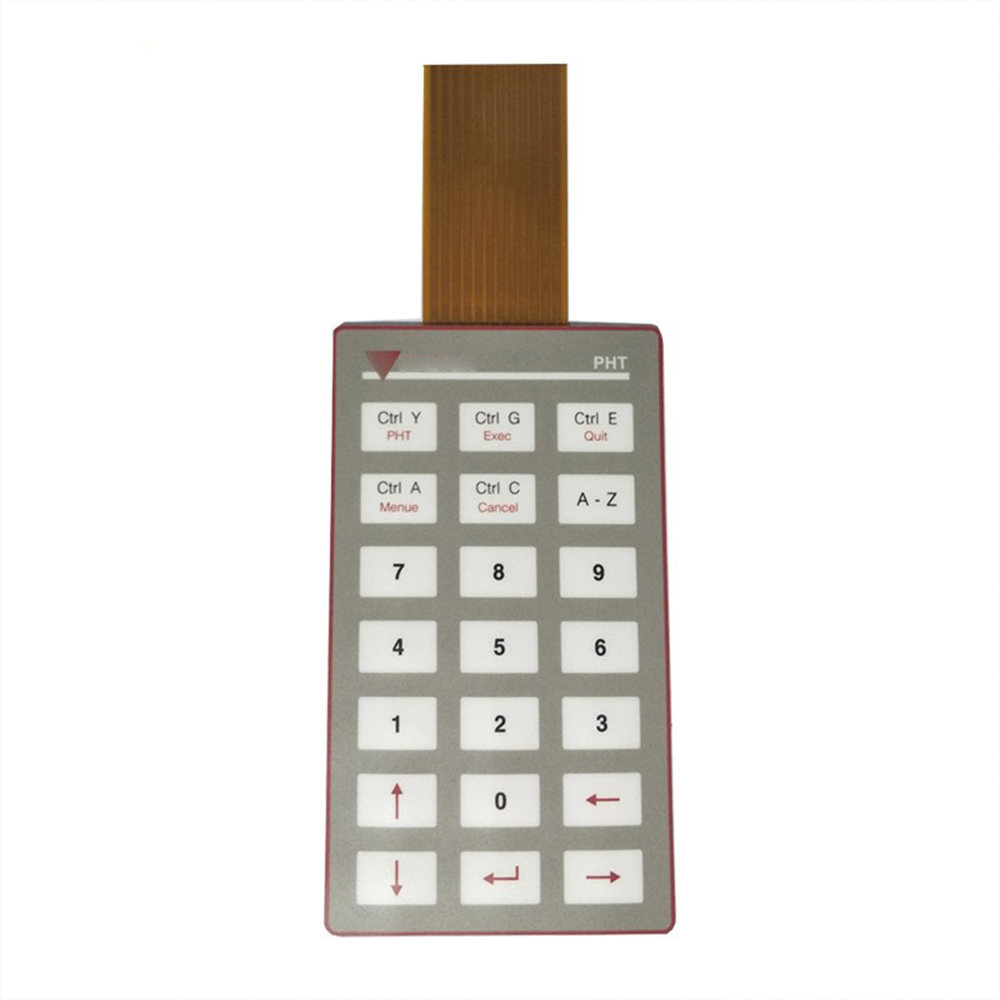
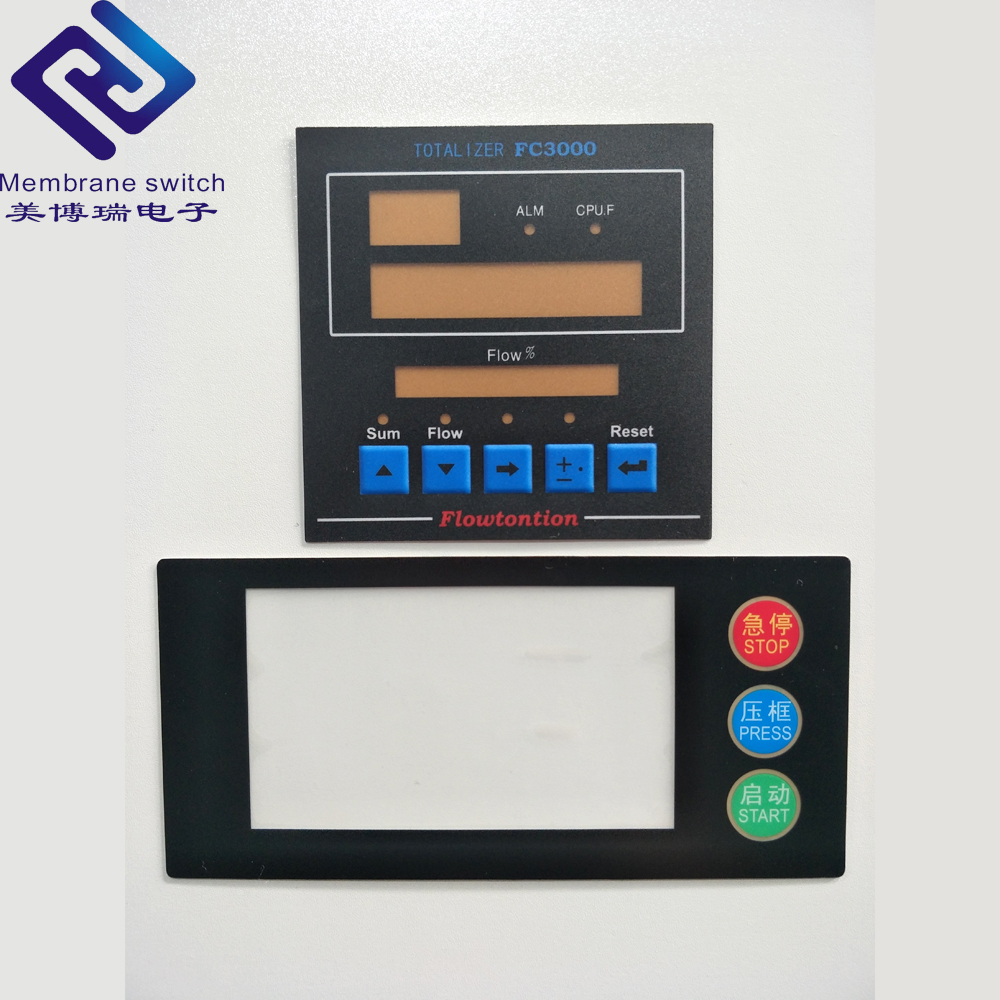
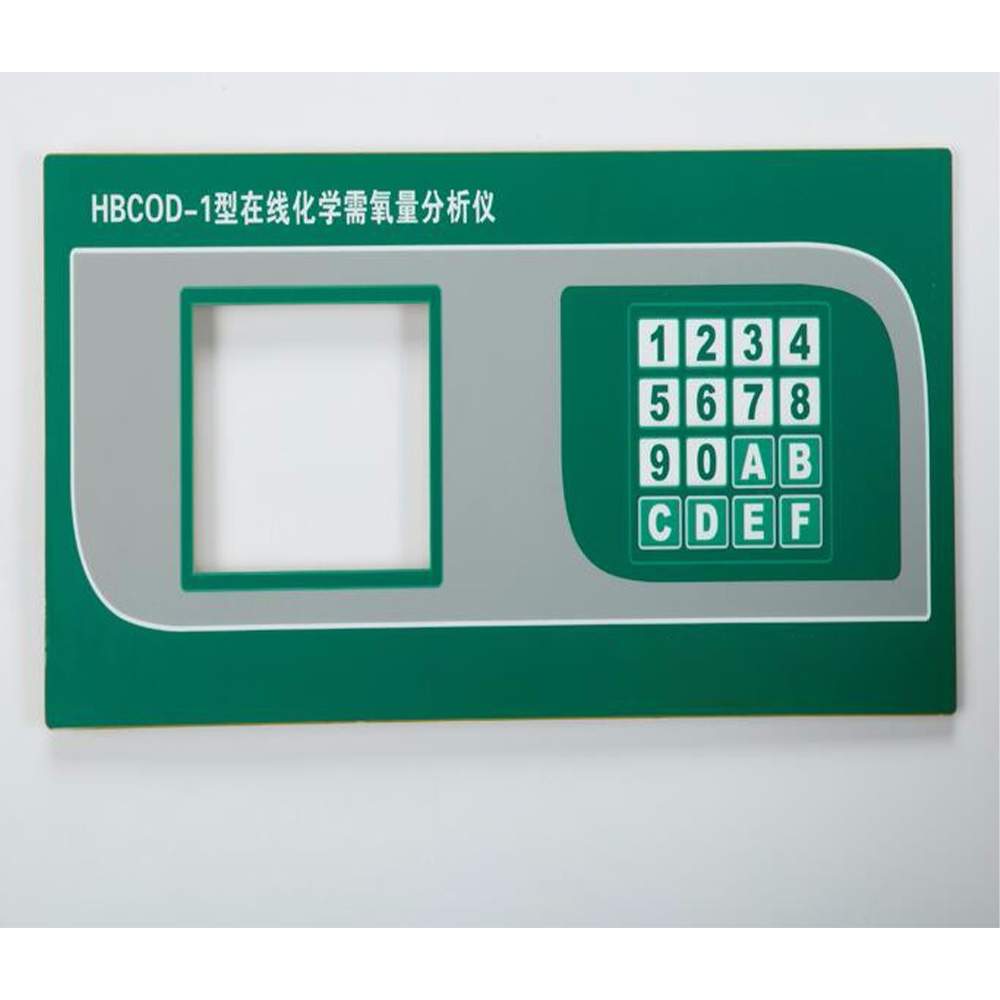
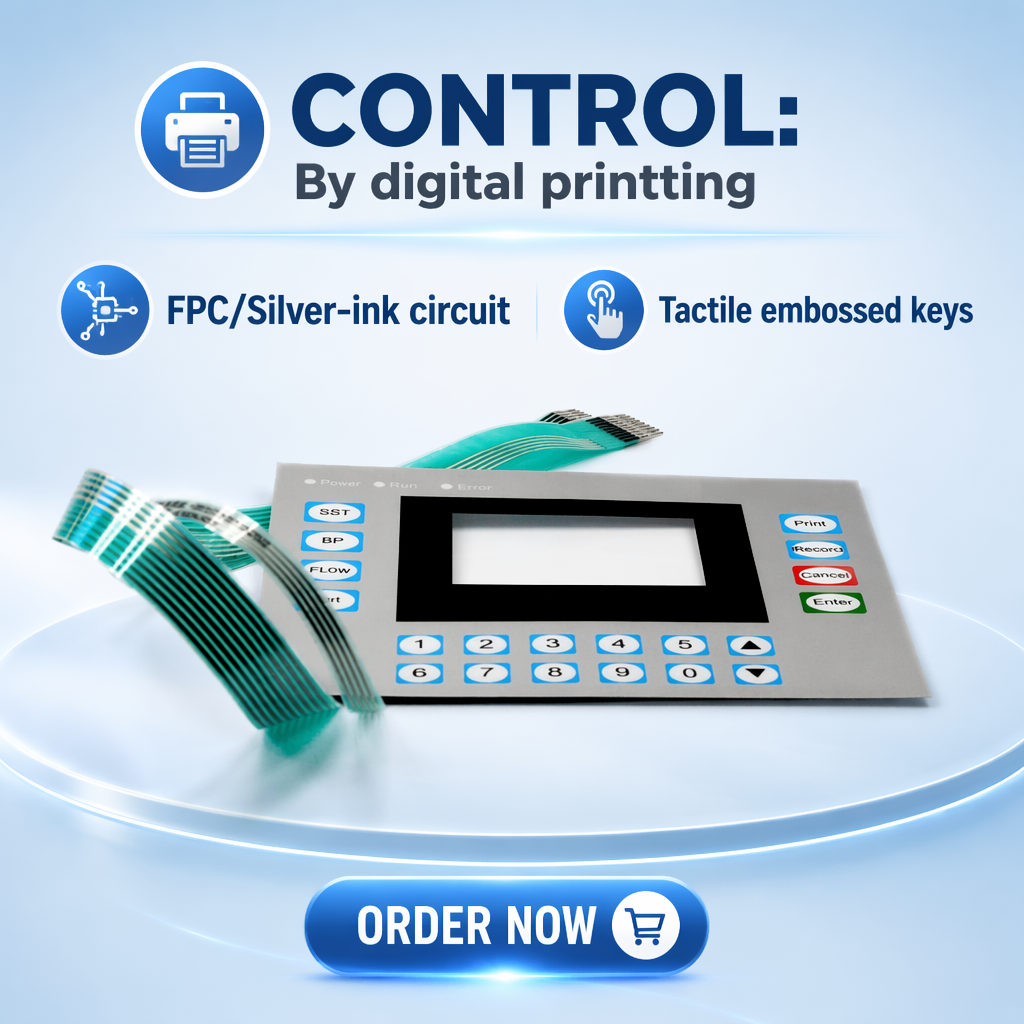
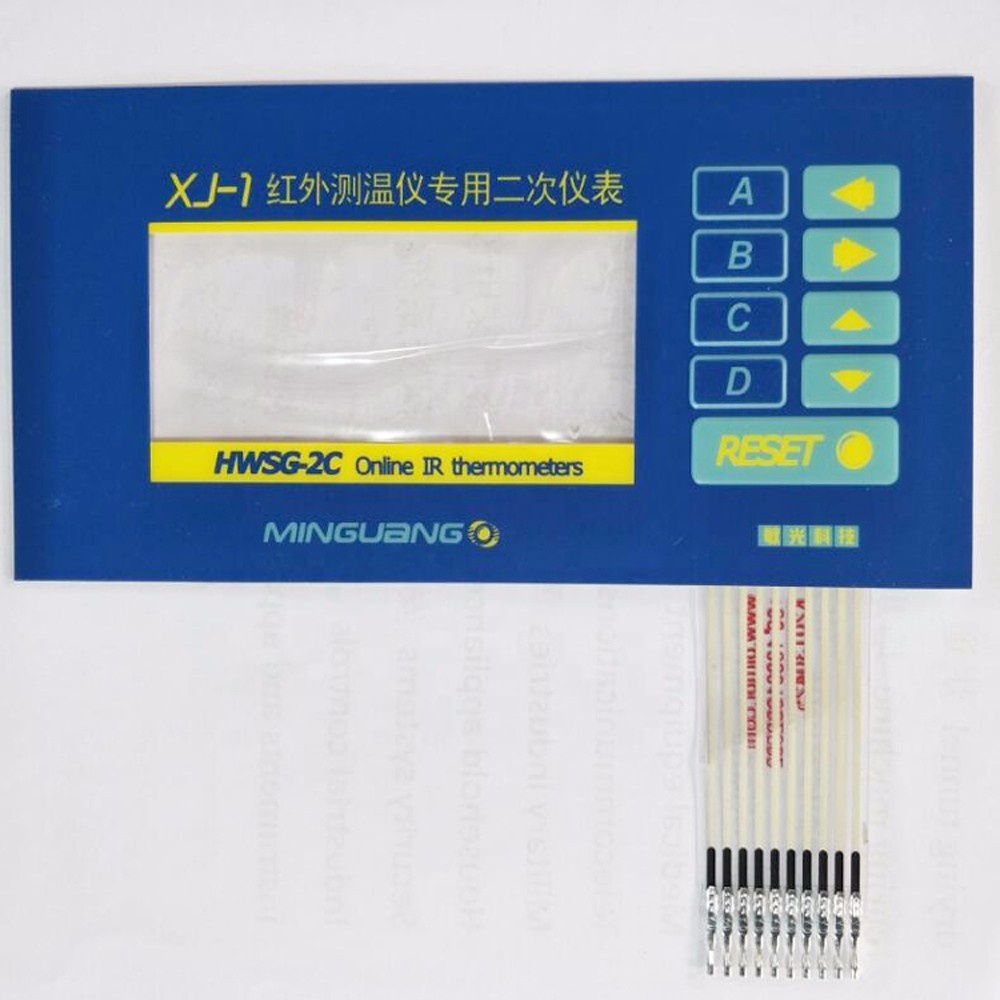
A rigorous examination of polymer performance, optical bonding integrity, and mechanical resilience under harsh Nordic operational stresses.
For mechanical design engineers and sourcing directors in Finland's renowned manufacturing centers—spanning Espoo, Tampere, Oulu, Vantaa, and Turku—specifying Human-Machine Interface (HMI) front panels presents unique material science challenges. Operating environments across forestry harvesting machinery, Arctic maritime navigation, telecommunications base stations, and cleanroom bio-instrumentation demand surface overlays capable of withstanding extreme thermal deltas, high-dose UV radiation, and rigorous caustic washdowns without optical distortion or switch failure.
When engineering custom graphic overlays, the selection between Polycarbonate (Lexan™, Makrofol®) and Polyester (Autotype MacDermid) hinges on environmental factors. Polycarbonate is structurally isotropic and delivers superior optical clarity, high impact strength (unnotched Izod prevents brittle failure at temperatures sinking below -40°C), and effortless three-dimensional thermoforming characteristics. This makes it the premier substrate for deep pillow embossing, rim embossing, and thick dead-front indicator windows.
In Finnish heavy industries—such as mining apparatus engineered in North Karelia or timber handling loaders deployed in Lapland—polycarbonate panels provide the dimensional rigidity required to support structural metal backplates and silicone elastomer keypads while preventing adhesive creep caused by severe thermal contraction.
| Engineering Property | Standard Polycarbonate (PC) | Hard-Coated Polycarbonate | Biaxially Oriented PET | Nordic Application Suitability |
|---|---|---|---|---|
| Low-Temp Brittleness | -40°C Glass Transition | -40°C Glass Transition | -20°C Micro-cracking risk | Hard-Coated PC preferred for Arctic exterior HMIs |
| Abrasion Resistance | Standard (1H Pencil) | Exceptional (≥ 3H Pencil) | Good (2H Pencil) | Hard-coat required for glove-wearing field operators |
| Chemical Resistance | Susceptible to aromatic solvents | Resistant to alcohols, oils, fuels | Superior chemical immunity | Hard-coat PC or PET required for factory washdowns |
| Embossing Flexibility | High formability, sharp corners | Moderate formability | Requires high heat, limited relief | PC enables ergonomic deep-draw tactile buttons |
| Optical Clarity / Transmission | 88% - 91% (Glass like) | 89% - 92% (Anti-glare textured) | 86% - 89% (Slight haze) | Clear PC windows optimized for OLED/TFT display displays |
To deliver complete surface protection, all graphic markings, legends, corporate logos, and Pantone/RAL color codes are printed in reverse order on the sub-surface (second surface) of the optical-grade polycarbonate film. The user never touches the functional ink deposits, guaranteeing that abrasive scrub tests, aggressive cleaning chemicals, ethanol sterilizers, and mineral oils cannot degrade the printed legends over millions of actuations.
Our manufacturing facility incorporates class 10,000 cleanrooms where digital UV curable inks and specialized screen-printing solvent formulations are applied with micro-metric registration tolerances (±0.05mm). Following print cure, advanced adhesive gaskets—primarily 3M 467MP, 3M 468MP, or 3M 300LSE series—are laminator-applied under controlled atmospheric pressure to eliminate micro-voids, delivering airtight IP67 and IP68 seals against condensation ingress.
Engineered to satisfy specific CE, RoHS, and WEEE requirements across the Nordic industrial ecosystem.
Finland’s timber harvesters and earth-moving machinery operate under severe vibration, hydraulic oil mist, and temperatures dropping to -35°C. Our polycarbonate control overlays utilize heavy-duty 3M 300LSE adhesive to chemically bond to powder-coated cast aluminum housings, resisting diesel splashing, UV chalking, and repetitive heavy-glove impact.
Vessels sailing the Gulf of Bothnia and Baltic commercial routes face continuous corrosive salt spray and dense condensation cycles. By integrating automated salt-fog-tested seals, hydrophobic coatings, and anti-reflective display windows with UV inhibitors, our overlay assemblies prevent yellowing, delamination, and silver circuit migration under damp conditions.
Helsinki's expanding biomedical industry demands interface surfaces that resist aggressive hospital disinfectants such as isopropyl alcohol, sodium hypochlorite, and hydrogen peroxide. Textured, chemically inert hard-coated front panels offer continuous, smooth, crevice-free surfaces that eliminate microbial traps and facilitate swift clinical sterilization.
Meeting the evolving standards of Northern European equipment designers over the coming decade.
Finnish enterprises are pioneering sustainability initiatives in alignment with stringent EU circular economy regulations. We address this transition by utilizing solventless UV inks, halogen-free polycarbonates, and modular mechanical layering configurations that allow easy component separation and clean recyclability at end-of-lifecycle teardown.
While consumer electronics rely heavily on capacitive touch, industrial operators working outdoors in Finnish winters cannot operate pure touchscreens while wearing thick thermal protective gloves. The market trend leans toward hybrid interfaces: sleek capacitive sliding surfaces framed by physically embossed, high-snap metal dome switches.
High-end machine instrumentation increasingly specifies "dead-front" polycarbonate windows—symbols that remain invisible until back-illuminated by embedded SMD LEDs coupled with ultra-thin Light Guide Film (LGF). This eliminates visual clutter in low-light Arctic environments, illuminating warnings and operational indicators only when active.
End-to-end in-house production control from raw film treatment to reliability qualification testing.
Over three decades of concentrated engineering research in membrane switches, rigid backer panels, and precision polycarbonate graphic overlays, serving global industry leaders like Siemens and ABB.
Our manufacturing and testing protocols are structured through long-term technical partnerships with German membrane switch factories, ensuring European engineering tolerance and documentation standards.
Production facilities in Xianghe Robot Industry Port (Hebei) and Huizhou (Guangdong) cover 2,219+ m² with 111+ verified technical personnel, balancing rapid turnaround prototyping with high-volume runs.
Zero outsourced critical operations: 37 silkscreen printers, 4 Mimaki heat-setting digital UV presses, 60 CNC mold-making setups, 18 laser cutters, and 7 high-speed digital engraving centers.
To guarantee zero field defects for critical projects across Europe, every batch undergoes comprehensive quality evaluation:
Critical considerations on tooling, lead times, international delivery terms, and environmental certifications.
Consult directly with our mechanical HMI engineering team. Upload your DXF/AI specifications today to receive a comprehensive DFM assessment, material recommendation, and factory-direct quotation tailored for the Finnish market.
Get Catalog