Featured Rigid PCB & Membrane Interface Assemblies
Explore our verified product lines manufactured to exact electrical tolerances, high-impact mechanical strength, and marine-climate durability.
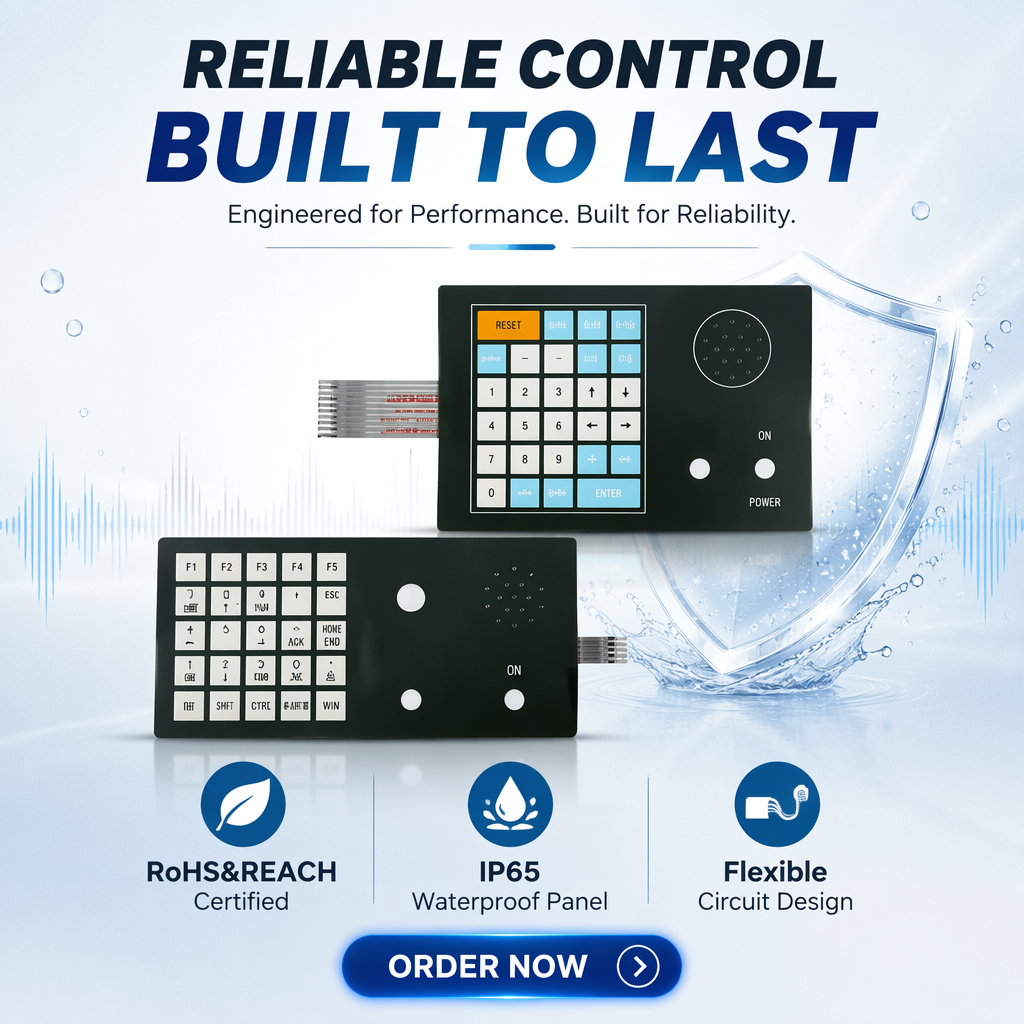
3x4 3*4 12 Key PET Matrix Array Membrane Button Switch Keyboard Keypad Waterproof Eco-friendly for Home Appliance
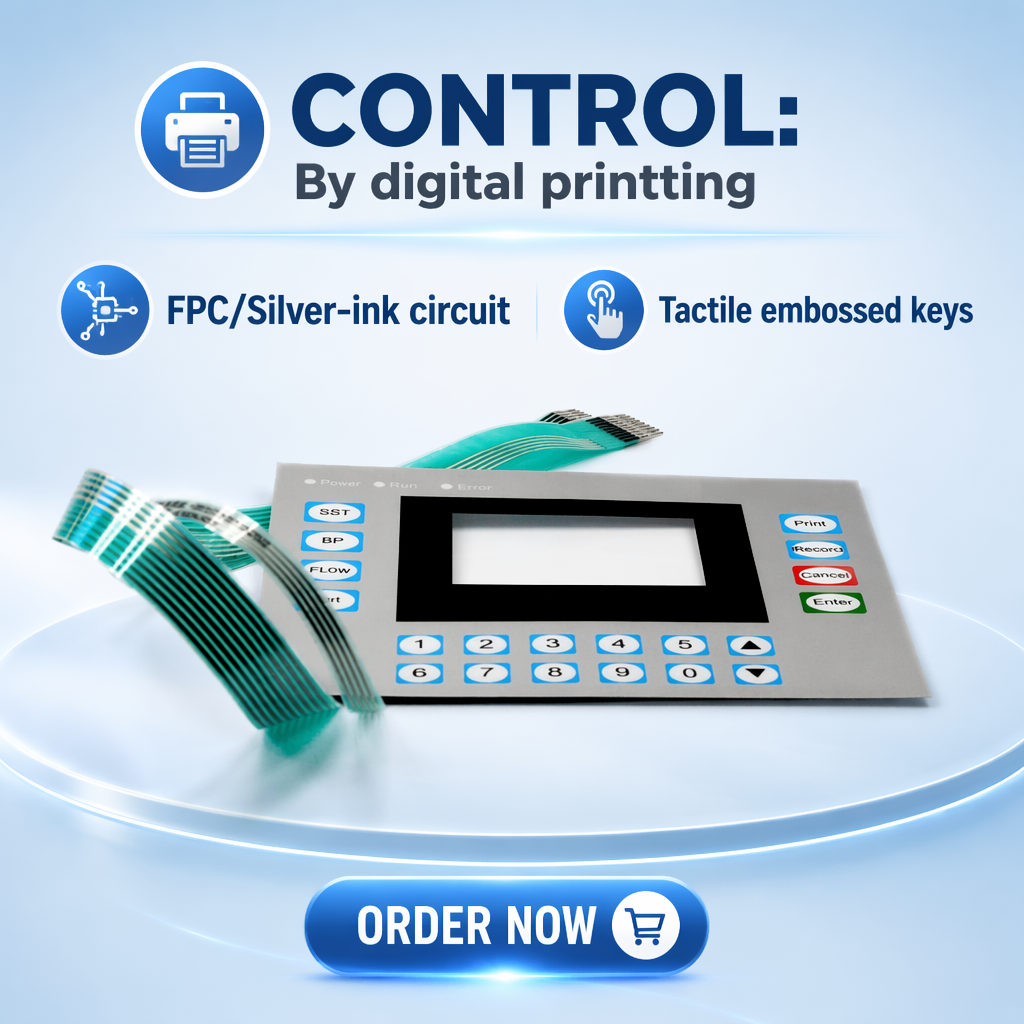
Custom FPC Membrane Switch With Embedded LED Backlight Flexible Circuit Keypad for Smart Home Appliance Control OEM
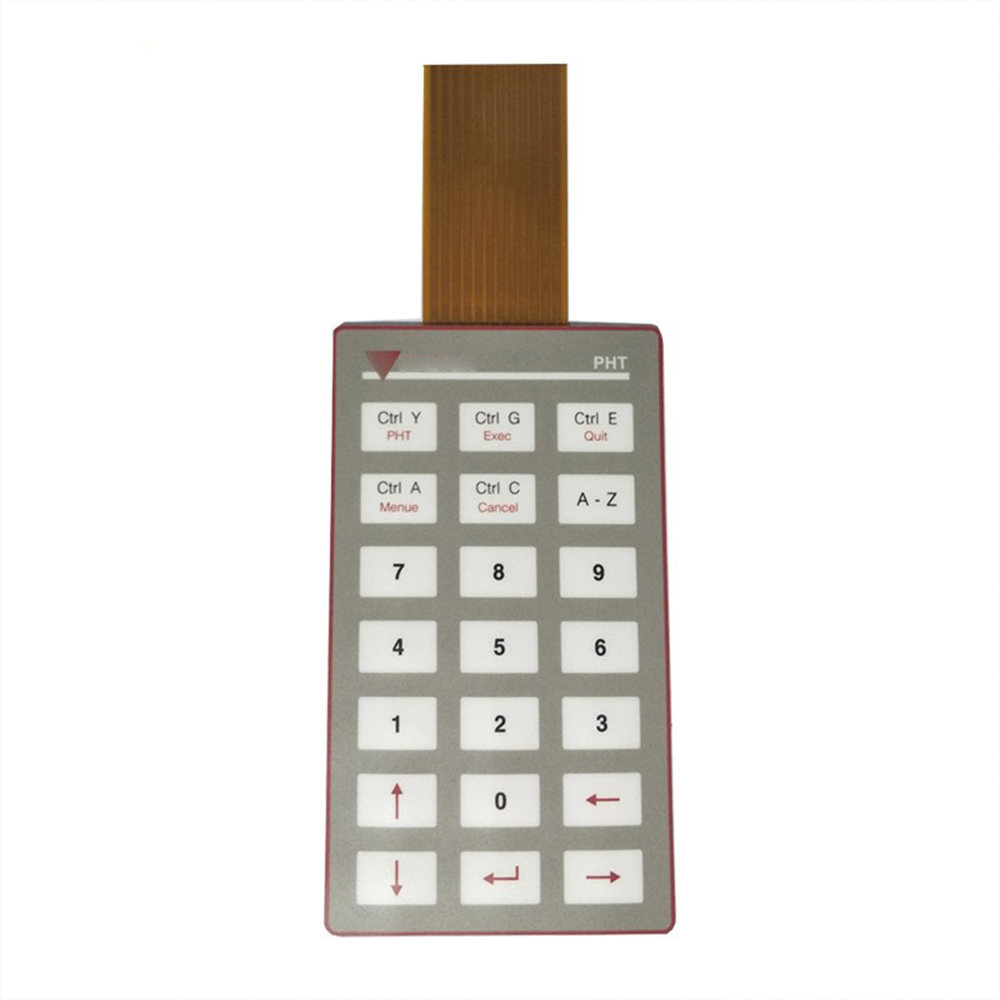
Computer Keyboard Membrane Panel Temperature Control Keypad Touch Switch Waterproof Eco-friendly PET/PC Material Customized
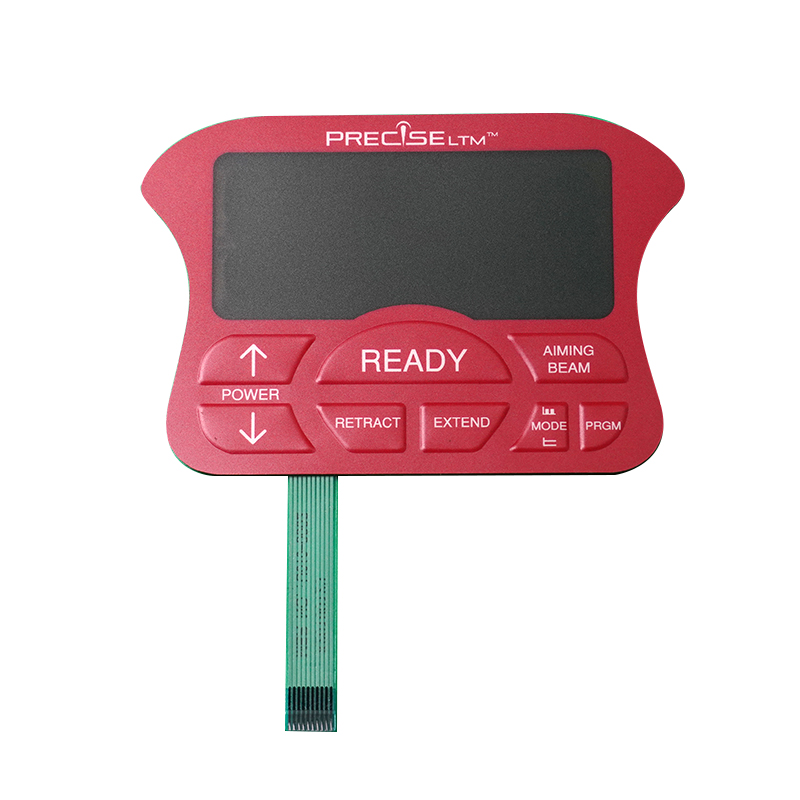
Anti-interference Locomotive Membrane Control Panel High Temperature Resistant PET Keypad Waterproof Durable Eco-friendly
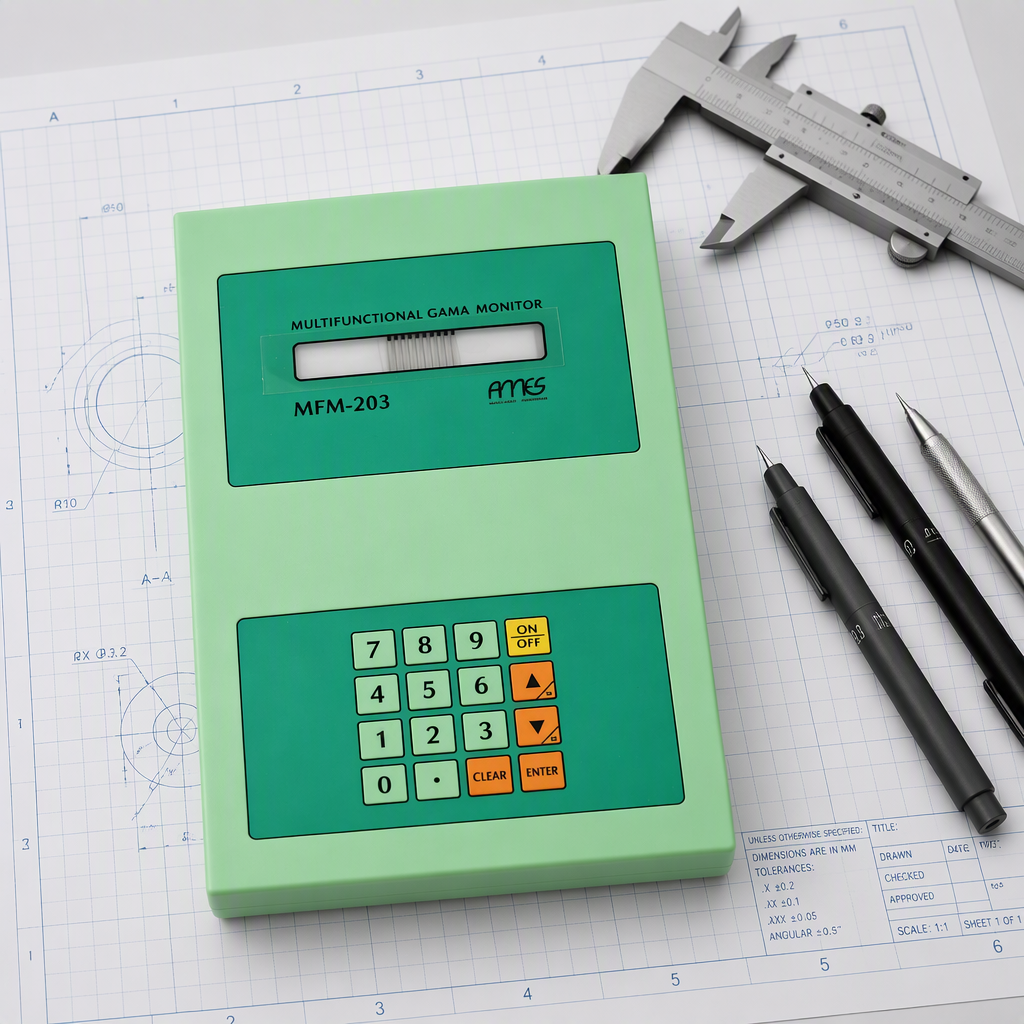
MEIBORUI Fast Turnaround Membrane Keyboard Prototyping Service PET/PVC Materials Custom Colors Sizes ISO Certified Sample Orders
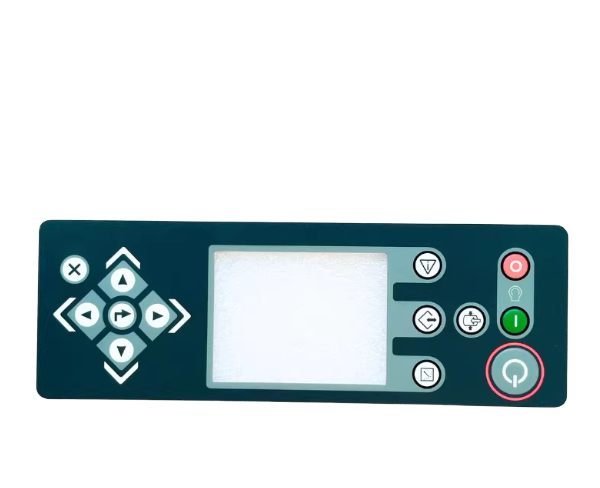
Custom Flexible Temperature Touch Control Keypad Membrane Panel Clear Transparent Window Waterproof Eco-friendly PET HMI
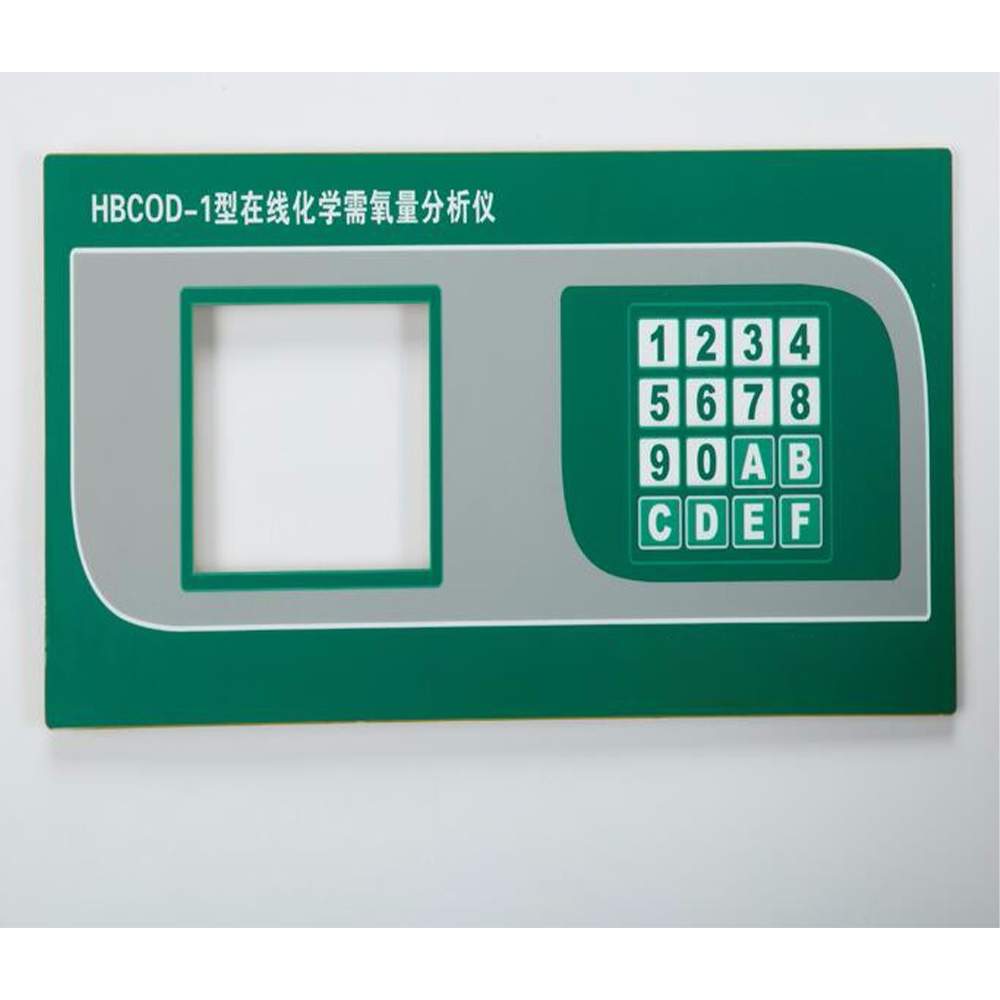
High Quality PET PC Membrane Keyboard Custom Logo Customized Color/Size Fast Delivery MBR Meiborui
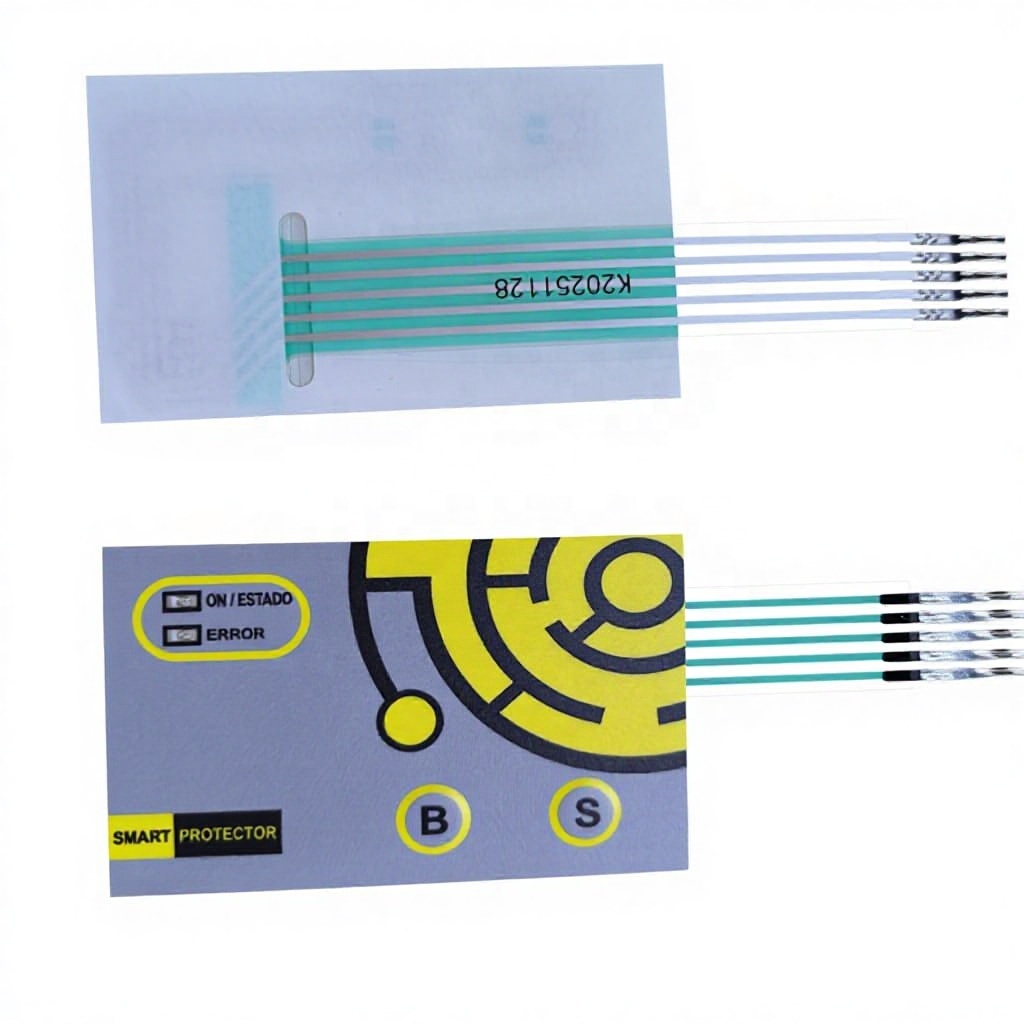
Fast Delivery OEM Waterproof Membrane Keyboard PBT Keyboard Cap Mechanical Switch Compatible Factory Direct Supply Free Sample
Structural Architecture of Custom Rigid PCB Membrane Switches
Delivering mechanical rigidity, dense SMT component integration, and complete environmental sealing for high-stress industrial applications.
For industrial automation designers, commercial equipment engineers, and electronics distributors operating in Portmore, equipment reliability depends heavily on the interface between operator and machine. While traditional flexible membrane switches printed on silver conductive polyester (PET) traces remain effective for consumer electronics, harsh operating conditions demand structural stability. A Rigid PCB Membrane Switch utilizes an engineered FR-4 glass-reinforced epoxy laminate or aluminum core backer as the primary circuit layer, bridging the physical gap between standard printed circuit boards and graphic overlays.
This design architecture replaces screen-printed conductive silver inks with high-conductivity etched copper traces, finished with Electroless Nickel Immersion Gold (ENIG) or hard gold electroplating. The structural stability of the rigid FR-4 core eliminates common failure modes found in flex-only switches, such as trace micro-fractures under mechanical stress, conductor delamination, and silver migration triggered by tropical ambient moisture.
| Performance Characteristic | Rigid PCB Membrane Switch (FR-4) | Standard Flexible Silver PET Switch | Molded Silicone Rubber Keypad |
|---|---|---|---|
| Trace Material & Plating | Etched Copper Foil with ENIG (Gold over Nickel) | Screen-printed Silver/Carbon conductive paste | Conductive carbon pills or gold pills |
| Trace Resistance | Extremely Low (< 0.05 Ω/sq), ideal for high current | Moderate to High (> 20 - 100 Ω/sq) | 100 - 200 Ω per contact point |
| Direct Component SMT | Direct soldering of LEDs, MCUs, resistors, sensors | Conductive epoxy bonding (fragile under vibration) | Requires secondary PCB beneath rubber |
| Silver Migration Risk | Zero (copper traces sealed under solder mask) | Moderate to severe in humid, tropical coastal air | Non-applicable (passive actuator) |
| Mounting Hardware Integration | Integrated press-fit PEM studs, standoffs, blind holes | Requires auxiliary metal backing plate | Requires external plastic bezel housing |
| Actuation Lifespan | > 1,000,000 to 5,000,000 cycles (stainless snap domes) | 500,000 to 1,000,000 cycles | 500,000 to 2,000,000 cycles |
| Ingress Protection Rating | IP65, IP67, up to IP68 with peripheral gasket seal | IP65 standard; edges vulnerable to vapor ingress | IP65 when coupled with continuous perimeter rim |
By leveraging an FR-4 backing board ranging from 0.4mm to 3.2mm in thickness, engineering teams can populate surface mount devices (SMD) directly onto the rear or internal layers of the switch. This eliminates separate display driver boards, reduces wire harnesses, and simplifies the assembly of complex human-machine interfaces into a single panel module ready for drop-in installation.
Deploying Custom Rigid PCB Switches in Portmore & Southern Jamaica
Engineering HMI solutions tailored to withstand maritime air salinity, high relative humidity, and heavy commercial utilization.
Portmore is known as a dynamic urban hub within the parish of St. Catherine, serving as an essential commercial and light manufacturing link to the Kingston logistics corridor. With close proximity to Kingston Harbour, Hunts Bay, and the Caribbean Sea, industrial electronics in Portmore face severe environmental stresses: airborne chloride salts, constant relative humidity fluctuating between 70% and 92%, and intense tropical UV exposure. Standard electronics degrade quickly if unshielded, suffering from dendritic silver short-circuits and adhesive breakdown.
Port Facilities & Marine Logistics
Container handling hubs, freight transit facilities, and warehousing clusters along the Portmore-Kingston corridor utilize ruggedized terminal entry systems, dock lift panels, and weigh-scale interfaces. Our rigid PCB switches incorporate UV-stabilized Autotex fine-grit polyester graphic overlays, chemically inert 3M acrylic transfer adhesives (467MP/468MP), and solid FR-4 baseboards that resist salt-fog corrosion (ASTM B117 tested).
Agro-Processing & Cold Storage
St. Catherine's agricultural belt relies heavily on automated packaging, industrial sugar refining, citrus sorting machinery, and temperature-controlled cold storages in the Portmore industrial outskirts. Our rigid PCB keypad modules function reliably across a wide temperature spectrum (-20°C to +75°C), featuring sealed IP67 tactile dome arrays that resist daily washdown chemicals, food-grade steam cleaning, and acidic sanitizers.
Solar & Microgrid Infrastructure
Jamaica's push toward renewable power has accelerated rooftop commercial solar, inverter control installations, and municipal battery storage stations throughout Portmore. We provide custom rigid switches integrated with anti-reflective LCD display windows, high-brightness surface-mount diagnostic LEDs, and backer-mounted terminal headers, ensuring trouble-free maintenance in outdoor inverter enclosures.
HMI Sourcing Trends Driving Portmore's Manufacturing Modernization
How regional electronics buyers are adapting procurement strategies to mitigate supply chain volatility and ensure operational longevity.
As Jamaica continues to expand as a regional logistics and services hub in the Caribbean Basin, engineering and procurement managers in Portmore are rethinking their HMI sourcing frameworks. Three notable trends define this shift:
1. Shift from Multi-Piece Mechanical Assemblies to Monolithic Sealed Modules: Historically, Jamaican plant engineers relied on discrete push-buttons, plastic bezels, and complex wiring looms mounted inside steel enclosures. In humid marine environments, corrosion quickly attacks exposed push-button contacts. Modern OEM designs consolidate control logic, switching elements, status indicators, and mounting studs into a single rigid PCB switch module, drastically reducing installation time and eliminating failure points.
2. Direct OEM Manufacturer Sourcing vs. Intermediary Stockists: Procuring custom industrial components through third-party regional intermediaries often leads to inflated costs, limited CAD design feedback, and prolonged lead times. OEMs across St. Catherine are partnering directly with verified primary manufacturers capable of rapid CAD-to-prototype turnover, direct DFM (Design for Manufacturability) analysis, and flexible production volumes without punitive minimum order quantities (MOQs).
3. Advanced Display & Capacitive Touch Convergence: Equipment operators increasingly expect consumer-grade usability coupled with heavy-industrial ruggedness. This has created a surge in demand for hybrid HMI assemblies that combine physical tactile feedback—essential when operators wear heavy gloves in warehouse or utility operations—with optical clear windows bonded via Optically Clear Adhesive (OCA) to TFT or OLED digital readouts, eliminating condensation and internal fogging.
Engineering Mastery & Certified Manufacturing Infrastructure
Decades of proven precision manufacturing, backed by German technical collaboration and internationally audited facilities.
Tracing our heritage in the human-machine interface sector back to 1990, we have spent more than 34 years refining the art and science of custom membrane switches, rigid backer assemblies, and flexible printed circuitry. Serving global leaders like Siemens, ABB, and Haier, our systems operate reliably in mission-critical applications ranging from high-speed railway locomotive consoles to deep-sea hydro installations and aerospace instruments.
Dual-Plant Production Footprint
Our primary facility operates in the Robot Industry Port of Xianghe Economic and Technological Development Zone, Hebei, complemented by our secondary volume production center in Huizhou, Guangdong. Spanning 2,219 square meters of verified cleanrooms, our dual-plant configuration guarantees uninterrupted production scheduling and rapid logistics capacity allocation.
German Technical Collaboration & ISO 9001
Through ongoing technical partnerships with precision German membrane switch toolmakers, our manufacturing lines integrate high-precision CNC mold tooling, laser cutting workstations, and Mimaki high-definition UV digital printers alongside 37 precision silkscreen lines. Onsite facility operations are rigorously assessed and certified by Intertek and operate under strict ISO 9001 quality management.
Rigorous In-House Environmental Lab
Every rigid PCB switch design undergoes destructive and environmental validation inside our in-house testing laboratory: computer-controlled trace continuity testing, automated 1,000,000+ cycle button actuation endurance, programmable humidity and temperature chambers (-40°C to +125°C), xenon lamp UV aging chambers, and continuous salt-fog corrosion chambers.
Frequently Asked Questions for Portmore Buyers
Clear, direct answers for Jamaican electronics engineers, automation integrators, and sourcing specialists.
Why is a Rigid PCB membrane switch superior to standard PET flex circuits in Portmore?
Portmore experiences warm, salt-laden marine air originating from Kingston Harbour and the Caribbean coastline. Standard printed silver conductive traces on PET film are susceptible to silver dendrite migration when moisture enters micro-pinholes in the adhesive or overlay. Rigid PCB switches use etched copper traces plated with ENIG gold, protected underneath a high-grade solder mask, completely preventing dendritic growth, trace shorts, and mechanical flex degradation.
What engineering documentation is required to receive an accurate OEM quotation?
To initiate design review and quotation, provide your front panel graphic artwork with Pantone (PMS) or RAL color specifications in vector formats (Adobe Illustrator .AI, CorelDRAW .CDR, or vector .PDF). For the circuit layer, provide an electrical schematic, connector pin-out assignment, and PCB Gerber files or DXF dimension outlines showing switch locations, LED polarities, cutout dimensions, and mounting stud positions.
How do you handle shipping, customs paperwork, and delivery timelines to Jamaica?
We support FOB, CFR, CIF, and EXW terms, working directly with international couriers (DHL, FedEx, UPS) and major sea-freight freight forwarders serving the Port of Kingston. Prototype air-express shipments arrive in Jamaica within 4 to 7 business days following manufacturing completion. Volume sea freight containers are routed directly to Kingston Container Terminal (KCT) for straightforward customs clearance through the Jamaica Customs Agency (JCA).
What are the minimum order quantities (MOQ) for custom prototypes and pilot production runs?
Unlike commodity manufacturers who require runs of 1,000+ units, we support engineering innovation in emerging manufacturing markets like Portmore with flexible MOQs. Rapid engineering prototypes and pilot verification batches can be supplied in lots as small as 5 to 50 pieces, allowing your team to test tactile feel, backlighting brightness, and dimensional housing fit prior to committing to mass production tooling.
Can you assemble surface-mount components, buzzers, and connectors directly on the PCB?
Yes. Our SMT pick-and-place lines populate miniature components directly onto the FR-4 backing board, including single and multi-color chip LEDs, current-limiting resistors, transient voltage suppression (TVS) diodes for ESD protection, active buzzer elements, and through-hole or surface-mount terminal connectors (Molex, JST, AMP, or Berg-style locking headers).
How is tactile response calibrated for operators wearing protective gloves?
Tactile feedback is engineered by selecting stainless steel snap domes matched to actuation force curves. For heavy-gloved industrial environments, such as logistics loading bays and manufacturing plants in Portmore, we recommend dome actuation forces between 350 grams and 500 grams with a minimum 12mm to 16mm key pad diameter, often accompanied by raised graphic embossing (rim or pillow emboss) to allow operators to feel positive tactile feedback without false triggering.