High-Reliability OEM Keypads & Tactile Interfaces
Engineered to withstand rigorous continuous duty cycles, chemical washes, vibration, and extreme temperature variations in demanding Midwest industrial environments.
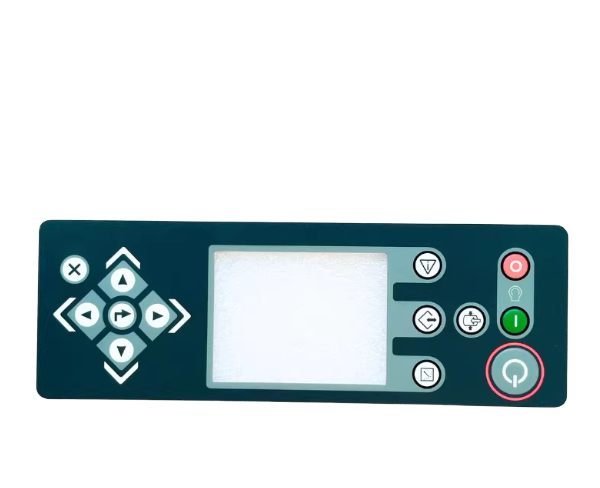
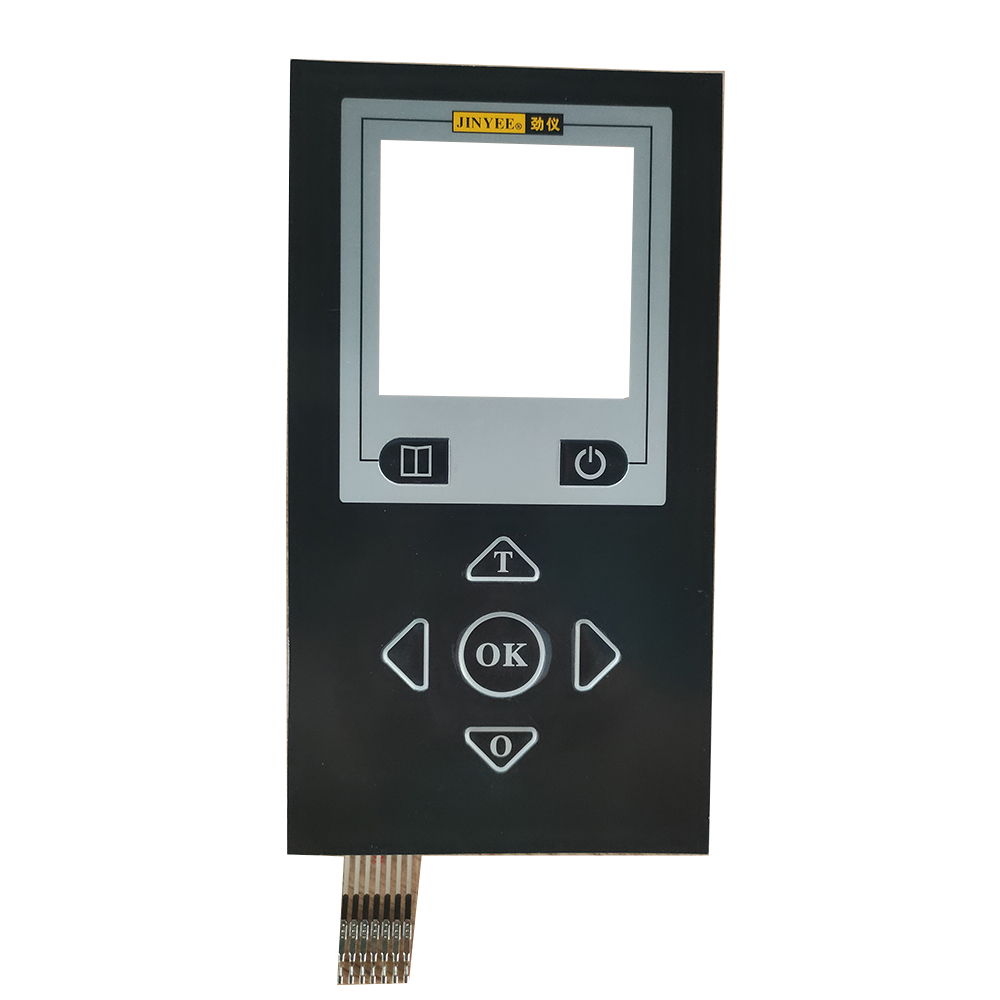
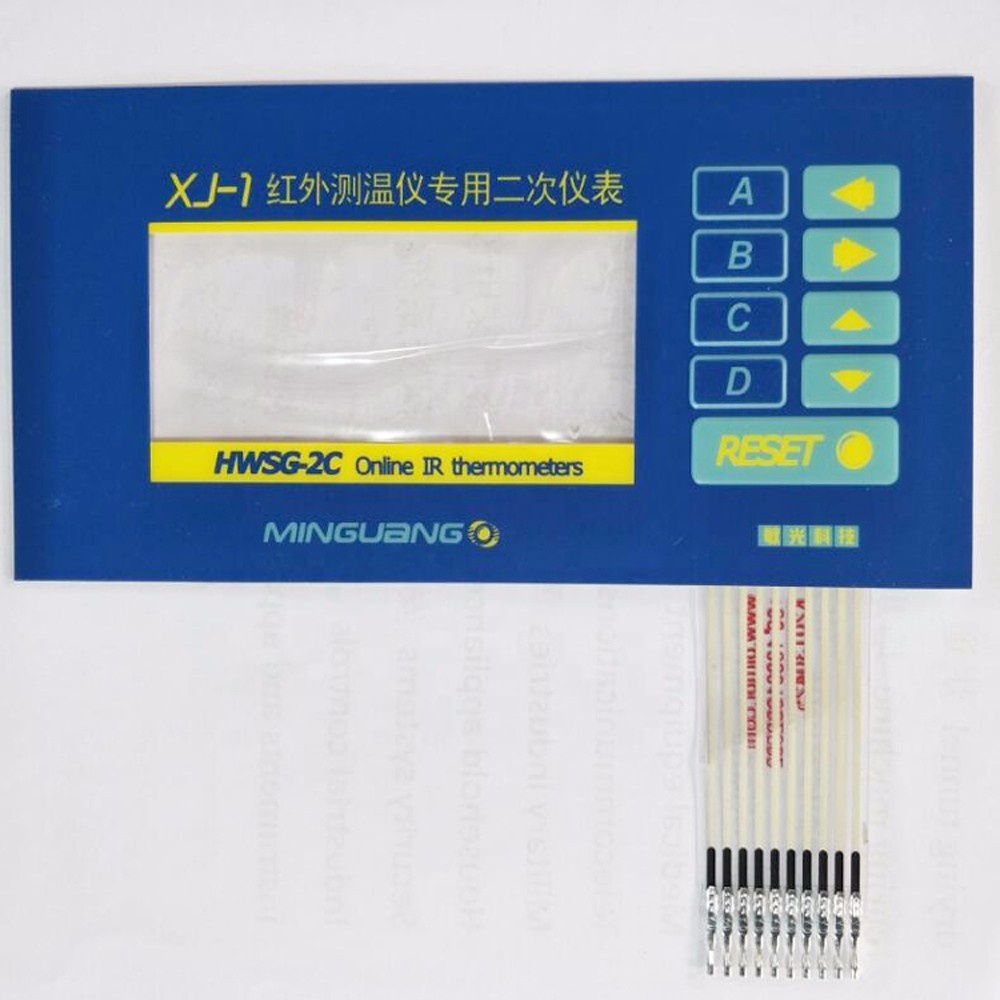
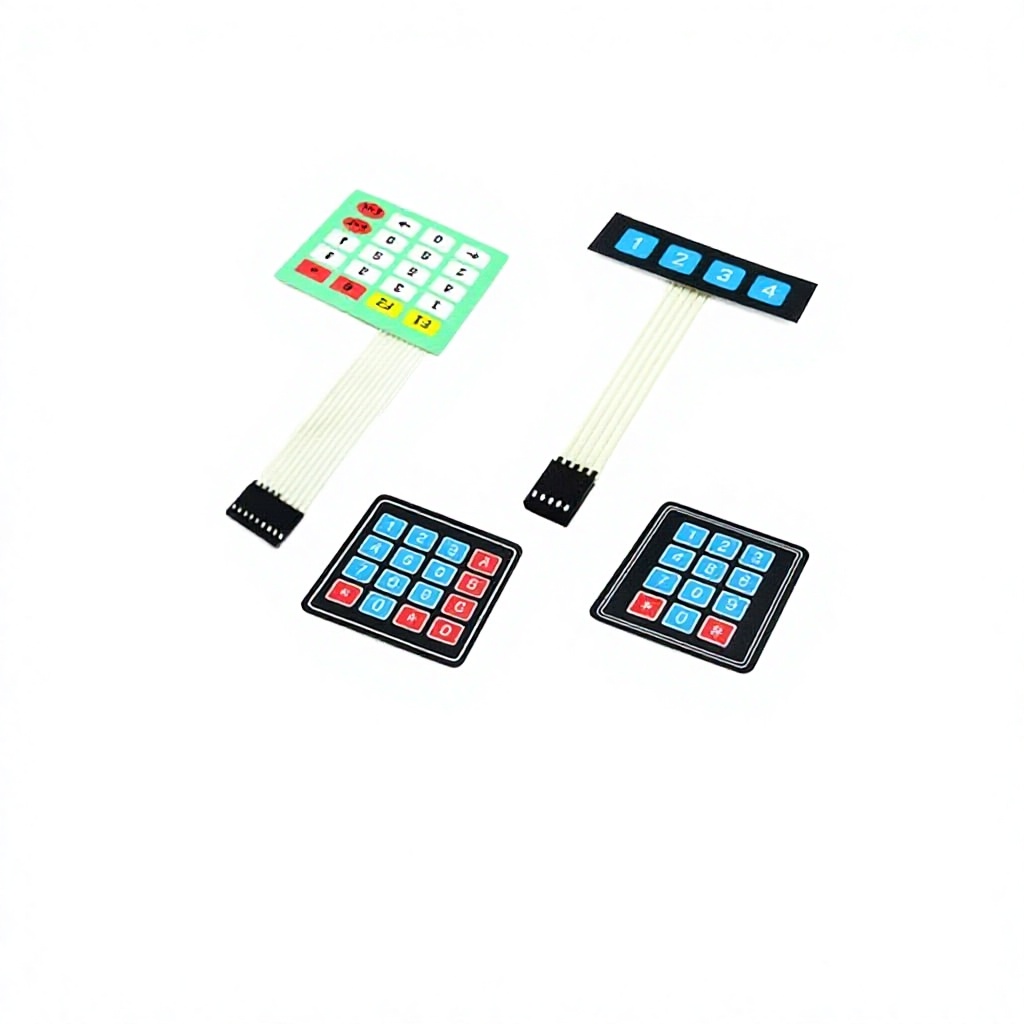
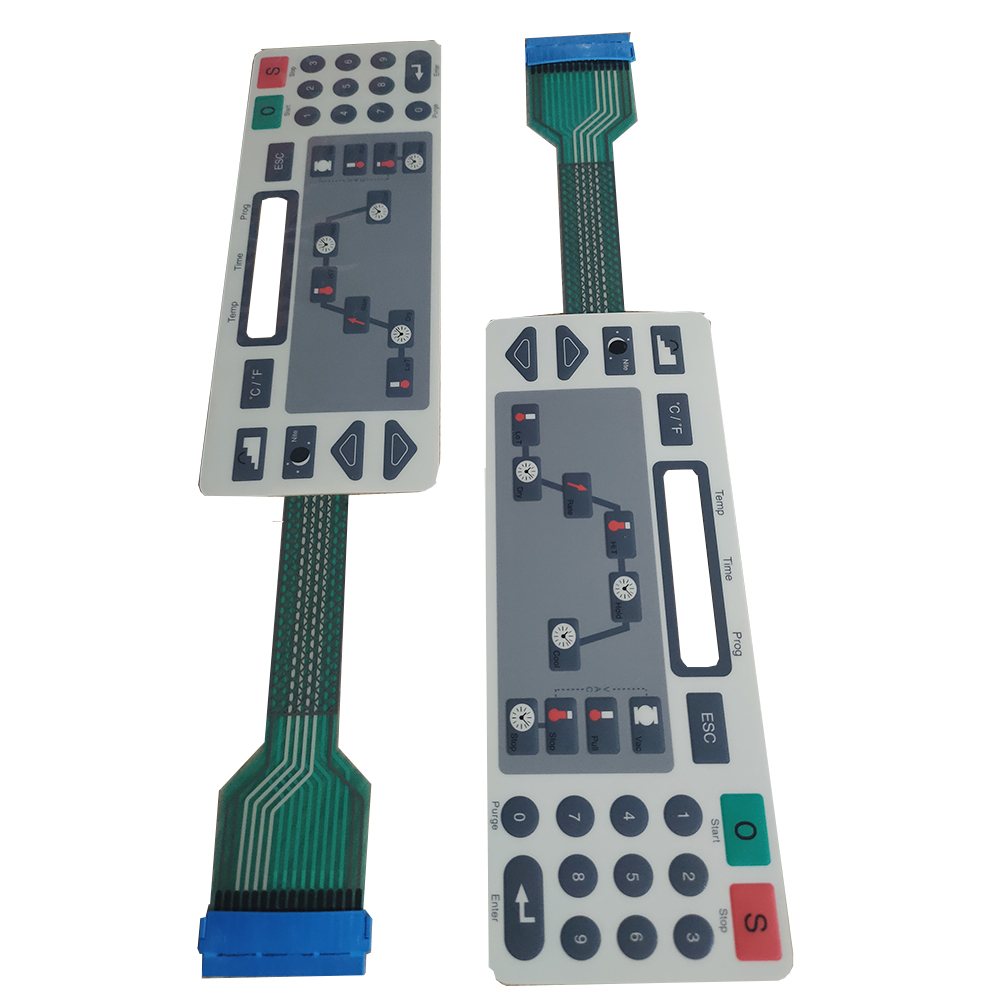
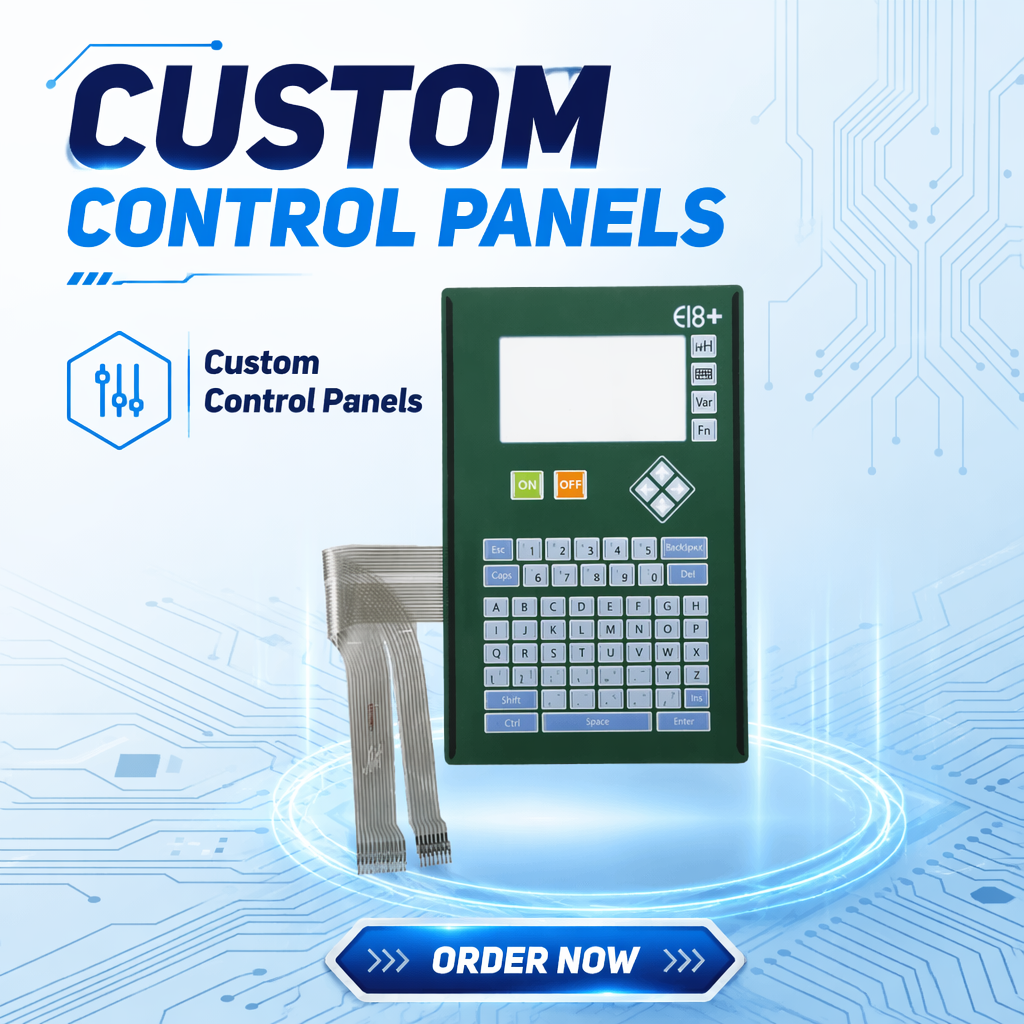
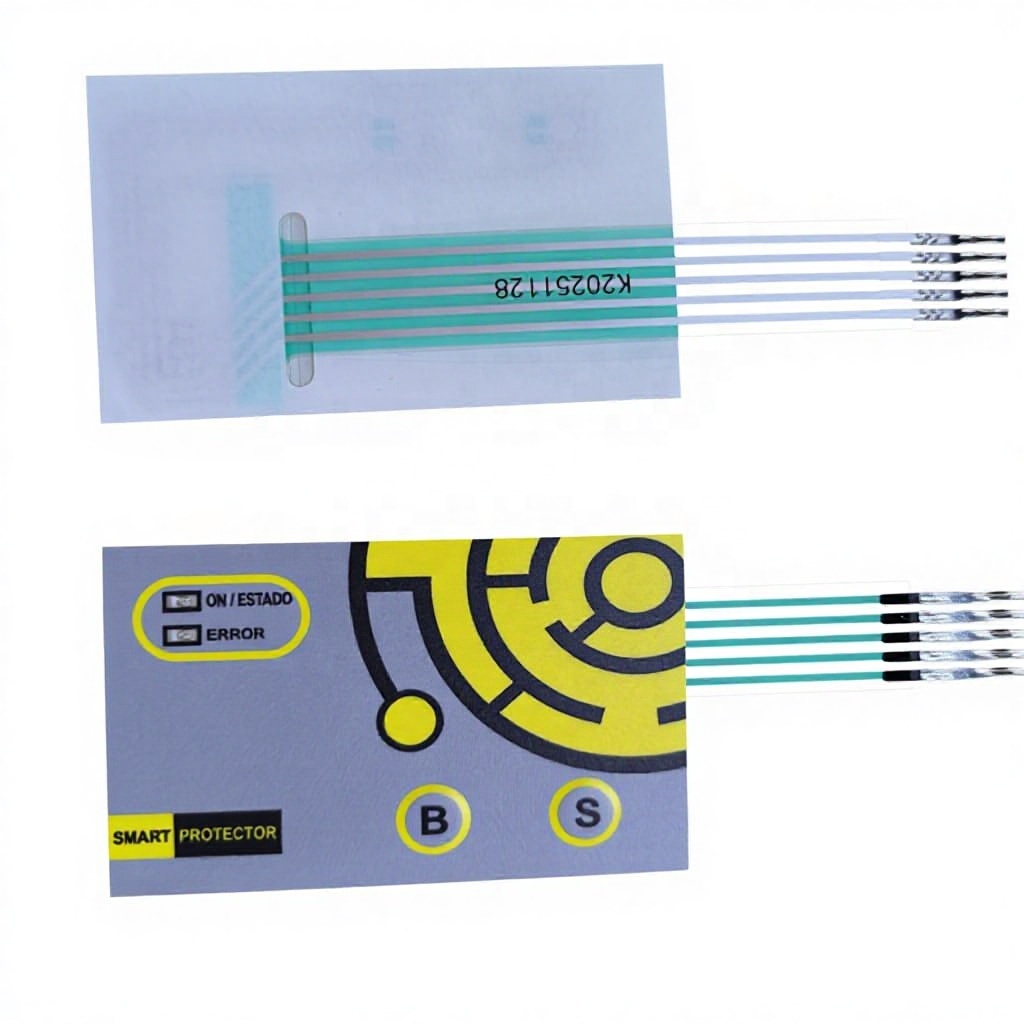
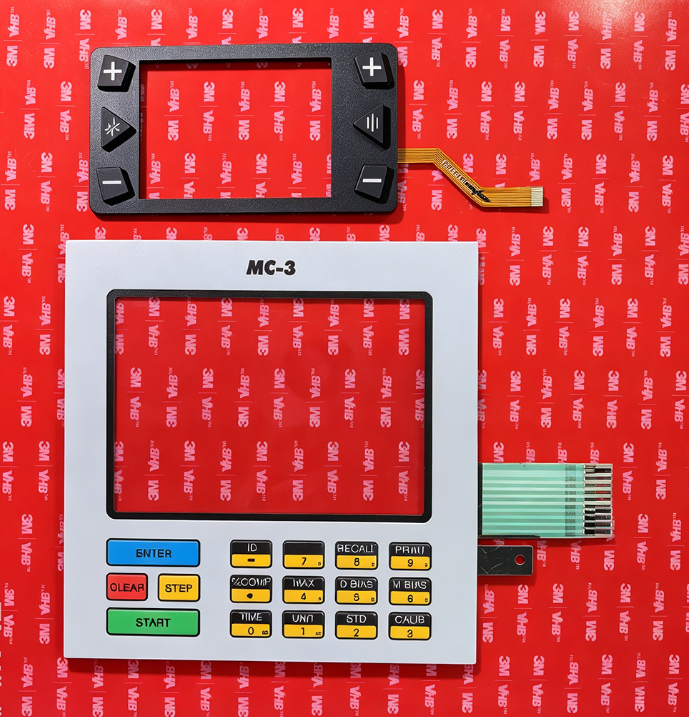
Tactile Button Membrane Switch Architecture: Physical Feedback Meets Severe Environments
For design engineers in Chicagoland's industrial automation hubs, heavy machinery corridors, and food processing plants, user input systems cannot rely solely on delicate capacitive touchscreens. In harsh environments characterized by washdown chemicals, heavy vibration, grease, and operators wearing thick protective work gloves, the custom tactile button membrane switch remains the premier interface standard. By uniting positive tactile snap feedback with hermetically sealed surface materials, tactile switches deliver absolute actuation certainty without compromising ingress integrity.
At TAVO, tactile button membrane switches are engineered using high-grade stainless steel metal domes (four-leg, round, or oblong configurations) positioned precisely above conductive circuits. When depressed, the dome inverts with crisp snap actuation, bridging the circuit gap between concentric conductor rings on a screen-printed conductive silver ink layer or a chemically etched polyimide Flexible Printed Circuit (FPC). This collapse delivers instantaneous physical feedback to the operator's fingertip, confirming command execution without the necessity of visual display confirmation.
"Tactile response is not merely a tactile preference; in safety-critical automated manufacturing, tactile snap ratio (typically 40% to 65%) prevents operator fatigue, double-tapping errors, and accidental machine triggering."
Our graphic overlays utilize premium autoclaved or hard-coated polyesters (such as Autotex PET) and treated polycarbonates. These surface layers undergo sub-surface graphic printing—depositing ink on the reverse side of the transparent substrate. This ensures that harsh solvents, industrial cleaning detergents, oil mist, and physical scratching will never abrade legends, functional icons, or company branding.
| Performance Parameter | Standard Silver Ink PET Substrate | Advanced Copper Flex (FPC) Circuit | Rigid PCB Backed Configuration |
|---|---|---|---|
| Operating Force (Actuation) | 220g to 450g (±30g customizable) | 180g to 500g (Wide dome options) | 250g to 600g (Heavy duty) |
| Switch Life Rating | > 1,000,000 cycles | > 3,000,000 to 5,000,000 cycles | > 5,000,000 cycles |
| Circuit Contact Resistance | < 100 Ω (dependent on tail length) | < 1.0 Ω (Ultra-low loop resistance) | < 0.5 Ω (Direct SMT trace) |
| Environmental Sealing | IP65 to IP67 (Peripheral gasket adhesive) | IP67 to IP68 hermetic seal | IP67 / NEMA 4X / NEMA 12 compliant |
| Operating Temperature | -20°C to +70°C (-4°F to 158°F) | -40°C to +85°C (-40°F to 185°F) | -40°C to +105°C (-40°F to 221°F) |
| Dielectric Breakdown Voltage | 1,500 VDC | 2,500 VDC | 3,000 VDC |
Localized Applications in Chicago's Premier Manufacturing Corridors
From the industrial machine builders of Elk Grove Village to the bioscience corridors of Lake County, Illinois, TAVO switches drive reliable hardware execution.
CNC Machinery & Metal Forming
The Greater Chicago metropolitan area is the historical engine of American precision machining, stamping, and metal fabrication. Operators work in environments saturated with coolant mist, cutting oils, metal shavings, and vibration. TAVO tactile button membrane switches bonded to rigid aluminum backer plates survive continuous oil mist exposure while providing distinct tactile detents that operators can depress while wearing Kevlar-reinforced gloves.
Automated Food Processing & Packaging
Chicago's extensive food packaging, candy manufacturing, and cold-storage processing sectors require IP67 and IP69K washdown compliance. Chemical cleaning agents such as caustic soda, chlorine sanitizer solutions, and high-pressure steam destroy unsealed keyboards. Our chemically resistant polyester graphic overlays combined with 3M 300LSE adhesive gaskets prevent moisture ingress, enabling zero bacterial traps and smooth wipe-down sanitization.
Medical Diagnostic & Lab Instruments
Centering around the North Shore medical device cluster, diagnostic instruments require sterile, easy-to-clean interfaces with antimicrobial surfaces and zero button-rim crevices. TAVO designs tactile switches with integrated clear LCD/OLED windows bonded via optically clear adhesives (OCA), antimicrobial PET overlays, and gentle tactile dome actuation that provides tactile confirmation without alarming patients.
Intermodal Rail & Logistics Infrastructure
Chicago stands as the largest rail gateway in North America. Trackside signalling consoles, freight locomotive diagnostics, and intermodal crane cabs face harsh winter freezing down to -30°F and scorching summer heat over 100°F. With proven operating ranges of -40°C to +85°C, FPC-based copper circuits, and UV-stabilized anti-glare graphic films, our tactile panels withstand extreme thermal cycling and UV radiation without delamination.
Key Procurement & Engineering Trends across Illinois Industrial Buyers
How progressive Midwest OEMs are evolving their HMI architectures to balance cost, performance, and supply chain resilience.
1. Shift from Pure Capacitive Glass to Hybrid HMI Panels: While capacitive multi-touch screens dominate smartphones, industrial machinery builders in Illinois are learning the limitations of pure glass in industrial setups. Accidental actuations caused by fluid splatter, electrostatic discharge (ESD), or condensation lead to hazardous false triggers. The prevailing trend is a hybrid interface: an optical display bounded by physical tactile membrane buttons for safety stop, reset, jogging, and menu navigation.
2. Integration of LGF (Light Guide Film) Uniform Backlighting: Traditional EL backlighting suffers from high voltage inverter requirements and short half-lives, while point LEDs produce unappealing "hot spots." Midwestern instrument makers increasingly specify thin Light Guide Film (LGF) structures that direct side-firing surface mount LEDs into a razor-thin optical foil, providing uniform luminescence behind symbols and legends with minimal power consumption.
3. Upgrading from Silver Ink to Flexible Copper Circuits (FPC): As control cabinets incorporate sophisticated microcontrollers and high-density I/O connectors, silver migration risks in humid Midwest summers become a warranty concern. Sourcing teams are transitioning mission-critical assemblies to flexible copper circuits with gold-plated ZIF contacts, eliminating conductivity degradation and enabling high-density surface mount LED packaging.
End-to-End In-House Manufacturing Capabilities
Eliminating subcontracting bottlenecks. From custom CAD tooling to automated cleanroom assembly, we guarantee comprehensive process control.
Dual-Factory Manufacturing Redundancy
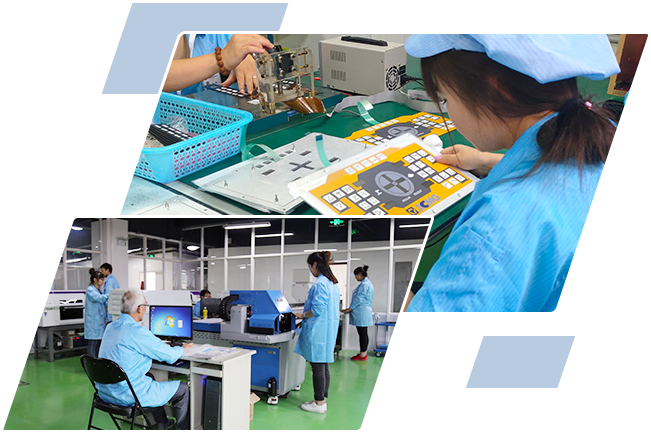
Operating advanced production bases in the Xianghe Robot Industry Port (Hebei) and Huizhou (Guangdong), TAVO provides unmatched scale and risk mitigation. Workloads are dynamically scheduled across facilities, protecting your delivery schedules against regional supply disruptions or peak capacity crunches.
Advanced In-House Tooling & Printing Fleet
With 60 CNC mold-making units, 37 precision screen printing systems, 4 Mimaki digital UV printers, 18 laser cutters, and 7 digital engraving machines, every stage—from film creation and embossing to final laser contouring—happens under our direct roof. Zero third-party handoffs.
Rigorous Quality Control & Testing Lab
Reliability is validated through computer circuit continuity testing, automated button life-cycle testers (up to 5M actuations), programmable temperature & humidity chambers (-40°C to 150°C), xenon lamp UV aging testers, and salt fog corrosion chambers. Onsite verified by Intertek and certified to ISO 9001.
Midwest Time-Zone Engineering Support
Our dedicated 20-person international trade department and 10-person CAD engineering team coordinate with North American procurement schedules. We support rapid DFM (Design for Manufacturability) analysis, CAD file translations (DXF, STEP, Gerber, AI), and prompt sample turnaround.
Frequently Asked Questions for Chicago & Midwest Buyers
Direct technical and commercial answers addressing prototyping, tariffs, tooling lead times, and extreme environment specifications.
How fast can TAVO deliver prototype samples to our facility in the Chicago area?
Can your tactile button membrane switches withstand extreme Midwest winter conditions?
What trade terms, shipping methods, and tariff handling do you support for US orders?
How do you guarantee IP67 waterproof sealing for food processing washdown applications?
What CAD files and engineering documentation are needed to provide a firm quotation?
Do you offer Non-Disclosure Agreements (NDAs) to protect proprietary machinery designs?
Accelerate Your Custom HMI Project Today
Connect with our senior engineering team for complete DFM feedback, material recommendations, and a direct factory quotation tailored to your Midwest operational requirements.