High Demand
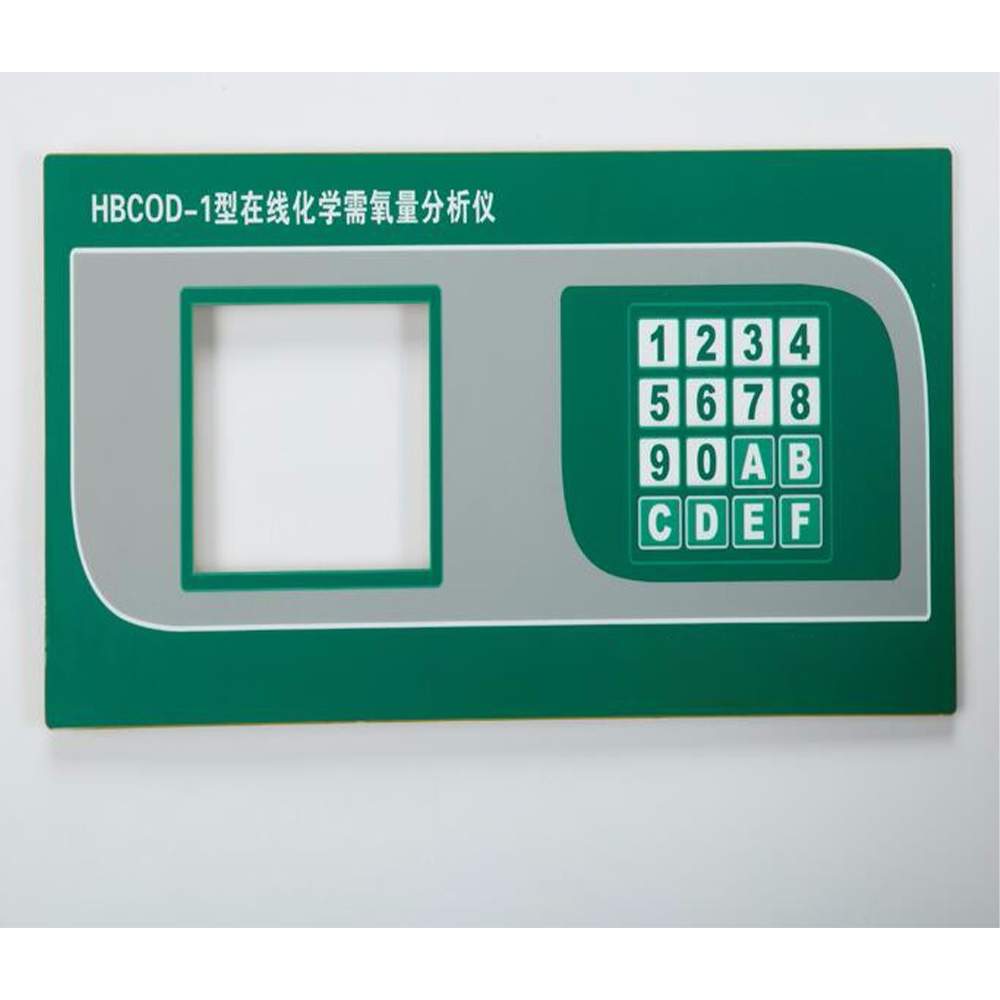
Industrial-Grade Precision Human-Machine Interface Solutions, High-Durability Subsurface Printing, and Hermetically Sealed Control Panels for Elite Institutional, Museum & Architectural Systems.
Engineered to exact OEM mechanical tolerances, our membrane interfaces and graphic overlays provide anti-glare readability, IP67 environmental sealing, and millions of actuation cycles under rigorous commercial and archival conditions.
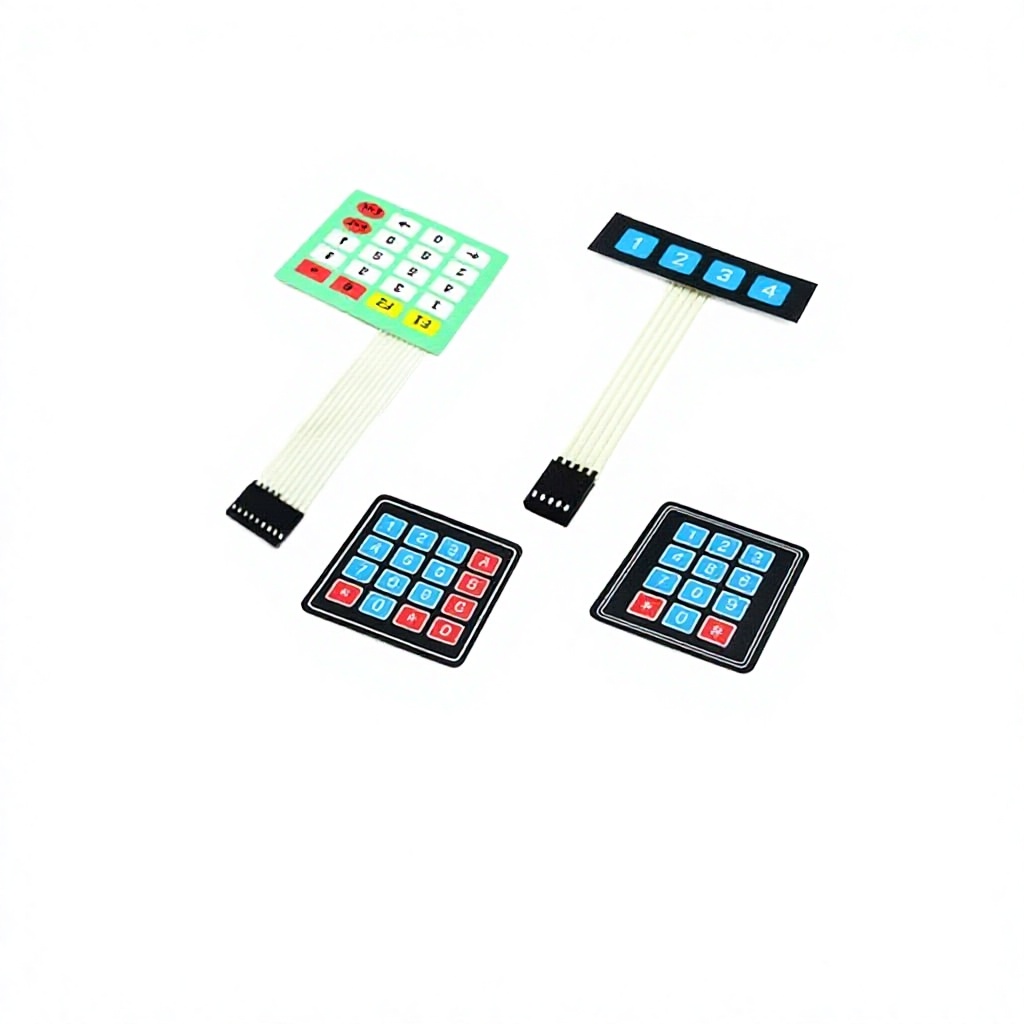
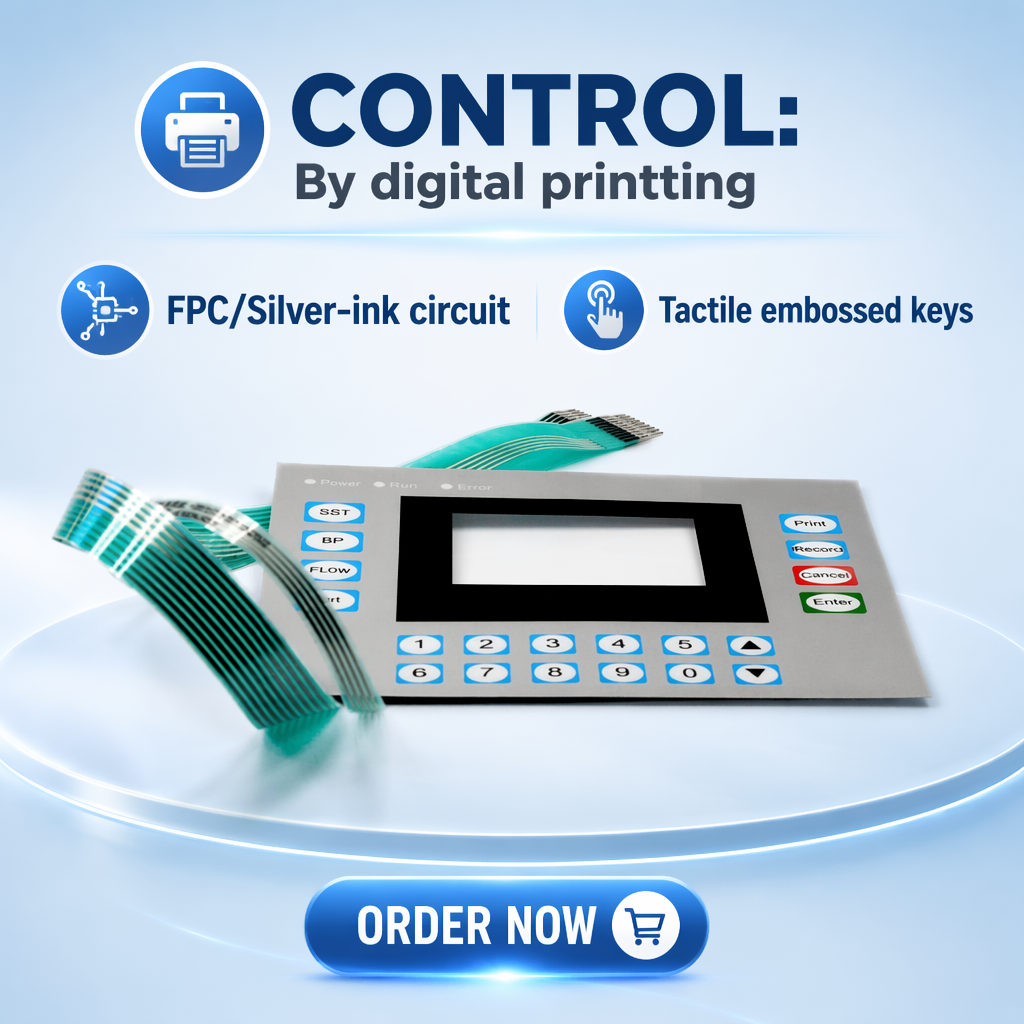
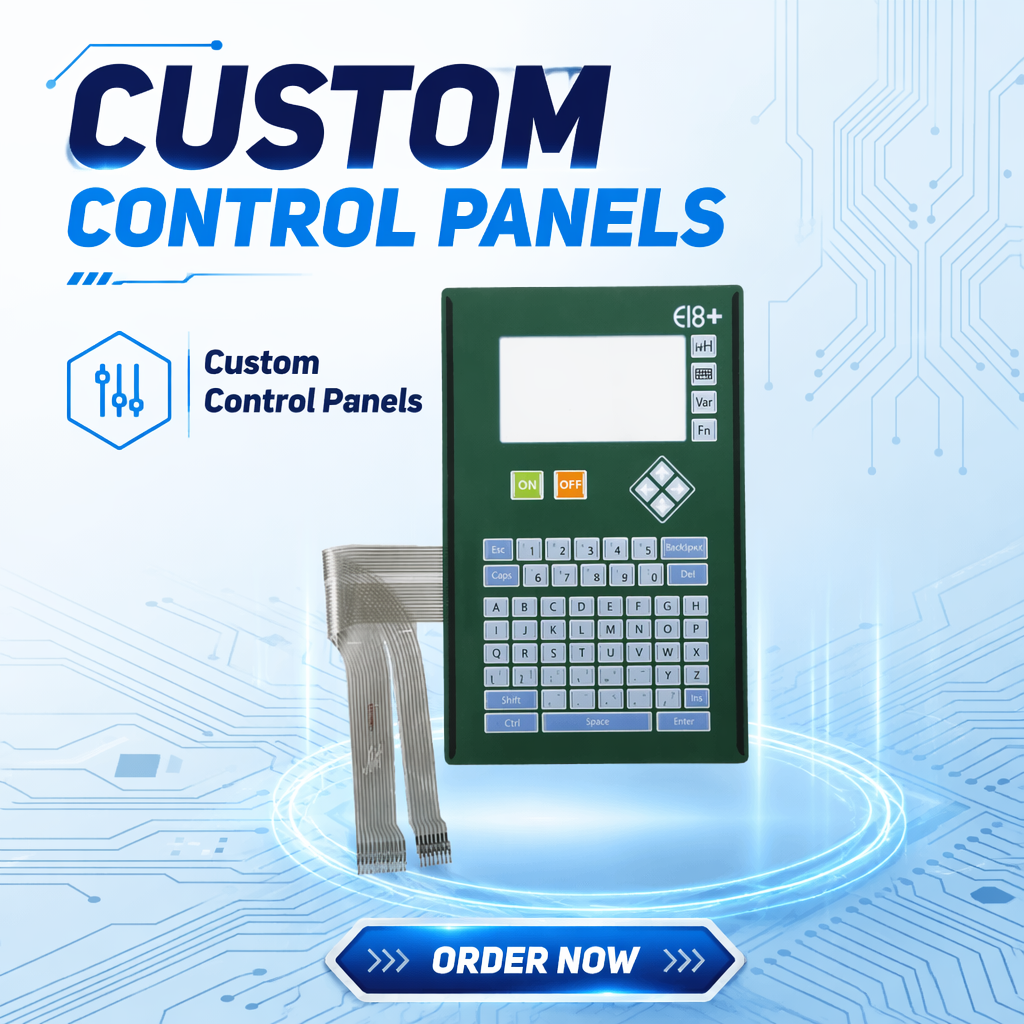
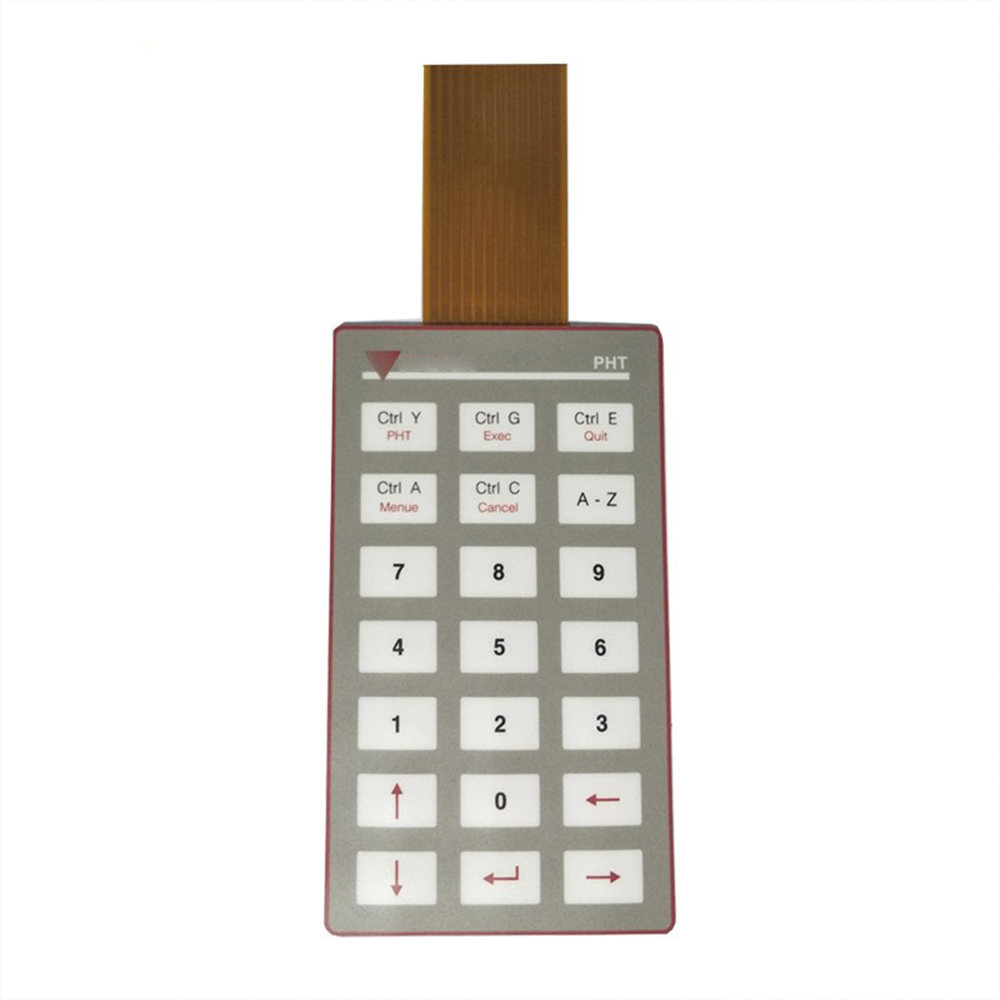
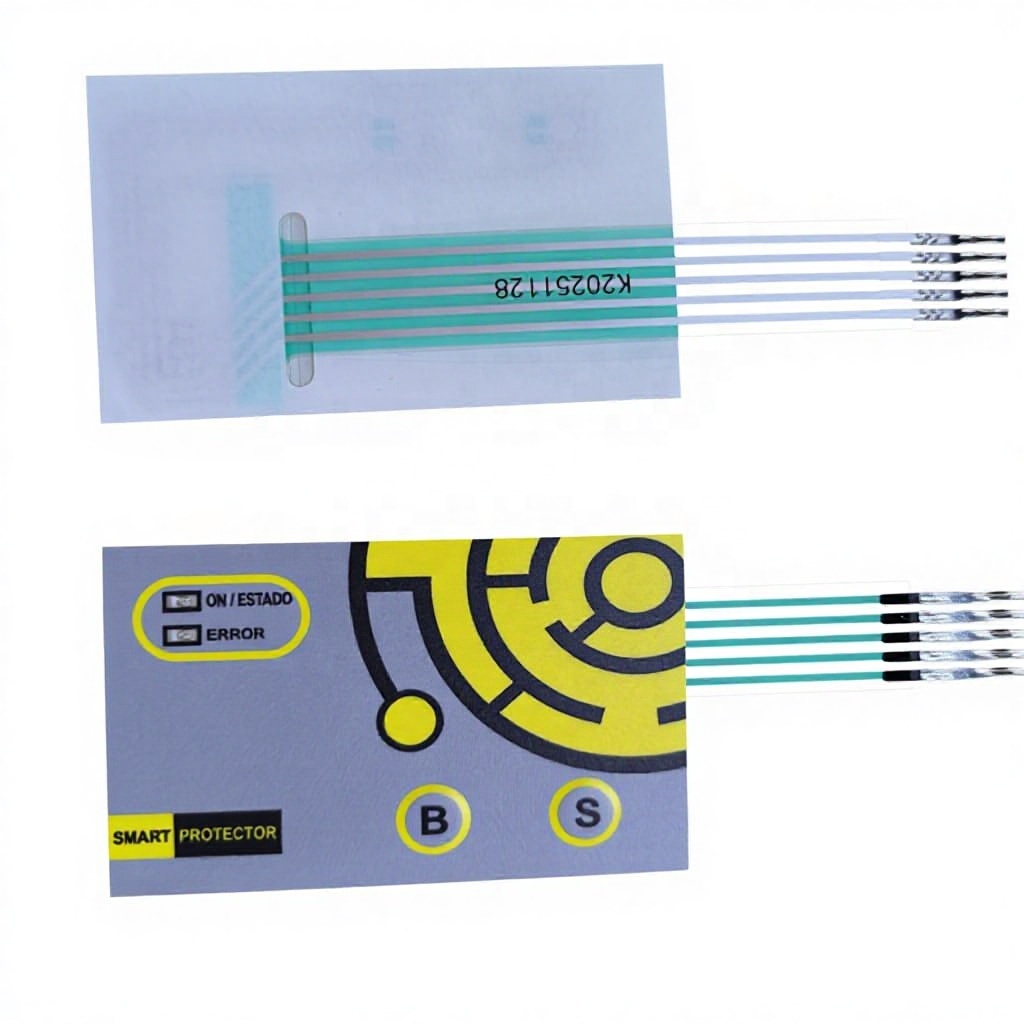
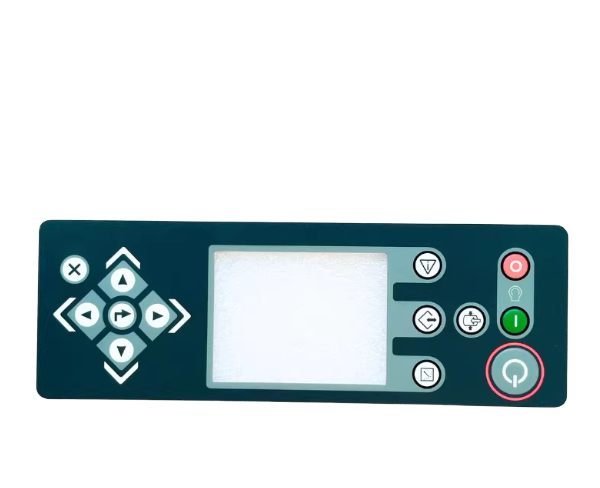
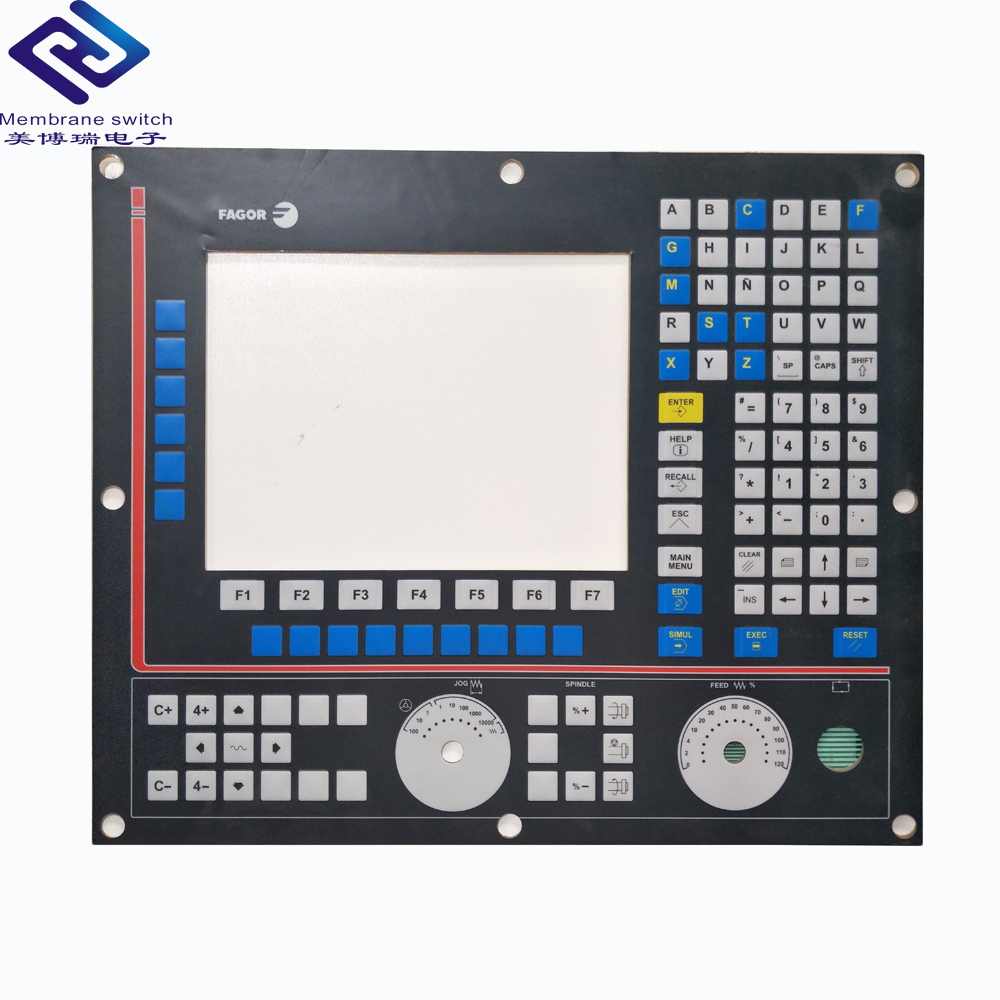
A comprehensive technical analysis on integrating modern human-machine interface technologies into micro-climate-controlled heritage architecture, museum exhibition controls, and secure papal administrative infrastructures.
In high-specification installations across Vatican City—ranging from climate management consoles within the Vatican Apostolic Archives and Secret Archives to automated illumination controls within the Papal Basilicas—human-machine interfaces face rigorous environmental demands. Traditional surface-printed fascia panels suffer accelerated legend degradation caused by frequent abrasive cleaning, contact skin oils, and ambient halogen or UV radiation. As an ISO 9001-certified export manufacturer, TAVO solves this interface degradation through reverse subsurface digital UV inkjet printing executed on high-performance polycarbonate (Makrofol®) and optical-grade biaxially oriented polyethylene terephthalate (Autotex® PET films).
By jetting UV-curable polymeric inks on the reverse (second surface) of clear textured or antiglare films, the graphics, iconography, and multi-lingual institutional designations remain completely shielded behind an impenetrable substrate barrier. The exterior face sustains continuous contact, alcohol-based sanitization wipes, and environmental pollutants without losing chromatic fidelity or legibility.
Serving Vatican City demands strict alignment with both modern functional ergonomics and classical architectural aesthetics. Interface hardware supplied to entities operating in and around the Holy See frequently operates within specialized environments:
1. Museum Environmental & Lighting Enclosures: The Vatican Museums (Musei Vaticani) maintain precise micro-climatic control systems to safeguard Renaissance frescoes, marble statuary, and delicate textiles. Our graphic overlays are integrated into localized environmental sensor pods, featuring selectively textured non-glare display windows bonded with optically clear adhesives (OCA) to prevent internal condensation and light refraction under high-lux gallery lighting.
2. Secure Institutional Access Panels: Administrative offices of the Roman Curia and the Governorate of Vatican City utilize discrete keypads engineered with tactile stainless steel snap domes. The overlays incorporate conductive silver circuits with carbon-graphite overprinting to ensure spark-free, low-resistance switching contacts rated for upwards of 1,000,000 continuous operations without mechanical fatigue.
3. Specialized Liturgical Audio-Visual Interfaces: In St. Peter’s Basilica and the Paul VI Audience Hall, sound reinforcement, multi-camera broadcasting, and automated acoustic dampening arrays require discrete, backlit console panels. TAVO engineers Light Guide Film (LGF) backlit overlays that direct uniform LED light strictly through translucent legend legends, eliminating light pollution and maintaining reverent decorum during ceremonies.
The convergence of building management automation (BMS), Internet of Things (IoT) sensors, and heritage conservation in the Vatican jurisdiction has triggered a major shift away from bulky mechanical switchboards toward hermetically sealed membrane consoles. Key technological vectors include:
Anti-Microbial PET Functionalization: Following elevated institutional health standards, graphic overlays specified for public kiosks and Vatican post offices incorporate chemically embedded microbicidal silver-ion agents within the hard-coat PET matrix, preventing bacterial colony propagation on continuous contact surfaces.
Capacitive Touch Fusion: Replacing protruding tactile buttons with planar capacitive touch surfaces allows seamless cleaning and produces a modern, flush aesthetic that can be laminated directly behind architectural brass, stone veneers, or glass facades.
Hybrid Rigid-Flex Stackups (FPC with FR4 Backers): In constrained control housings located within historic masonry, traditional wiring harnesses are replaced with polyimide Flexible Printed Circuits (FPC) with stiffened terminal zones that slide effortlessly into zero-insertion-force (ZIF) connectors, cutting installation depth by up to 60%.
Utilizing high-cohesion 3M 467MP/468MP acrylic adhesive transfer tapes, our overlays form moisture and gas-tight IP67 perimeters, safeguarding underlying electronics against damp basements and Italian summer humidity.
Dead-front display windows remain invisible until backlit by status LEDs. Subsurface textured coatings diffuse overhead lighting, ensuring critical telemetry can be verified from steep oblique angles.
Full resistance to common chemical cleaners, including bleach, quaternary ammonium, and ethyl alcohol solutions. Polycarbonate and PET front layers withstand physical scuffing and impact.
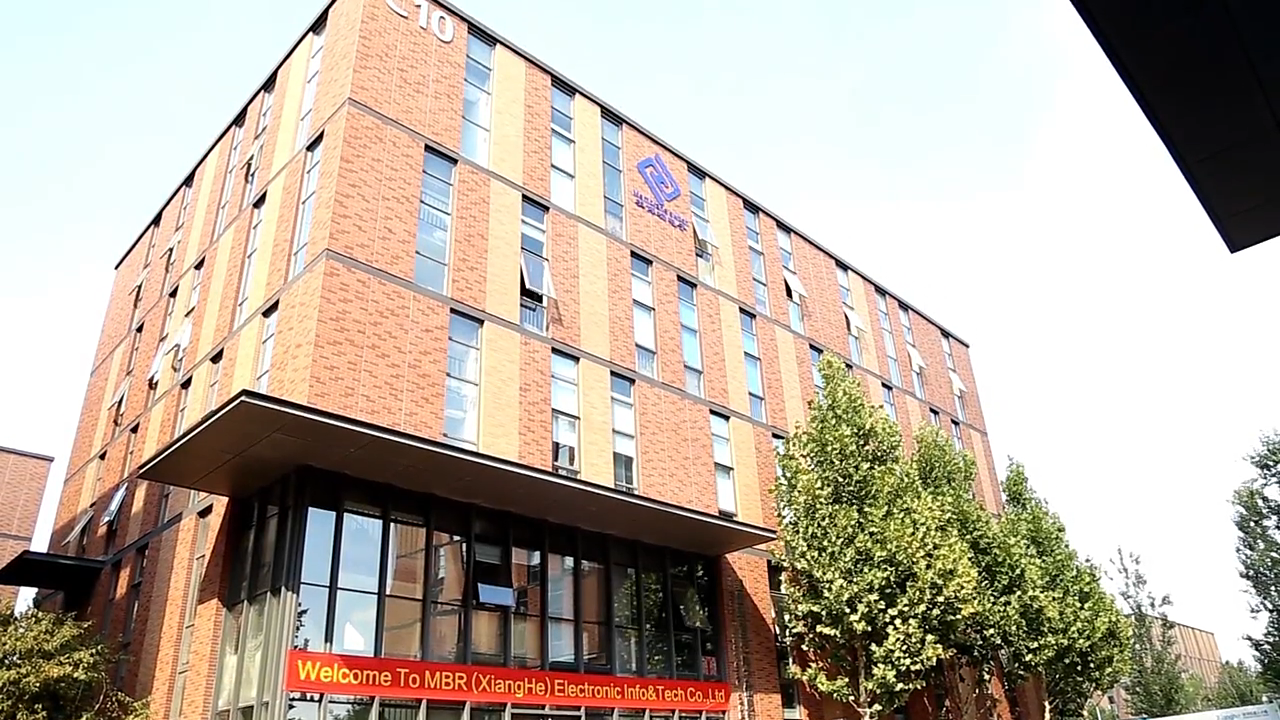
TAVO Electronic Information Technology Co., Ltd. operates state-of-the-art facilities in the Robot Industry Port of Xianghe Development Zone (Langfang, Hebei) alongside an advanced manufacturing base in Huizhou, Guangdong. By unifying engineering design, digital imaging, screen printing, embossing, laser cutting, and final electrical QA under a single roof, we eliminate overseas supply bottlenecks.
Our operational management strictly adheres to ISO 9001 quality guidelines and has undergone verified onsite auditing by Intertek. We combine three decades of manufacturing mastery with high-tech partnerships aligned with German industrial standards.
Every graphic overlay and membrane switch exported to international clients undergoes exhaustive mechanical, electrical, and environmental stress profiling.
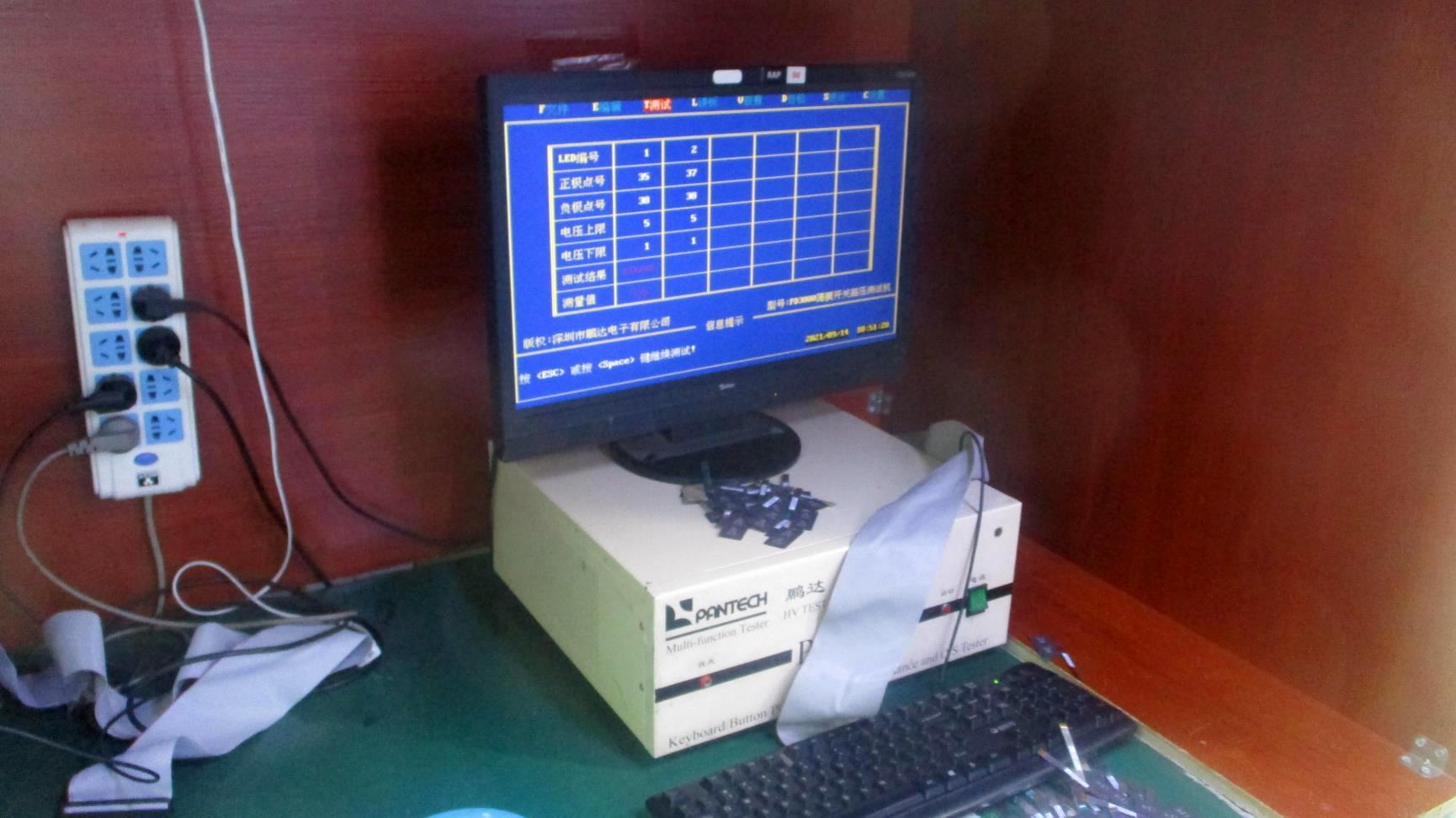 Computer Circuit Loop Tester
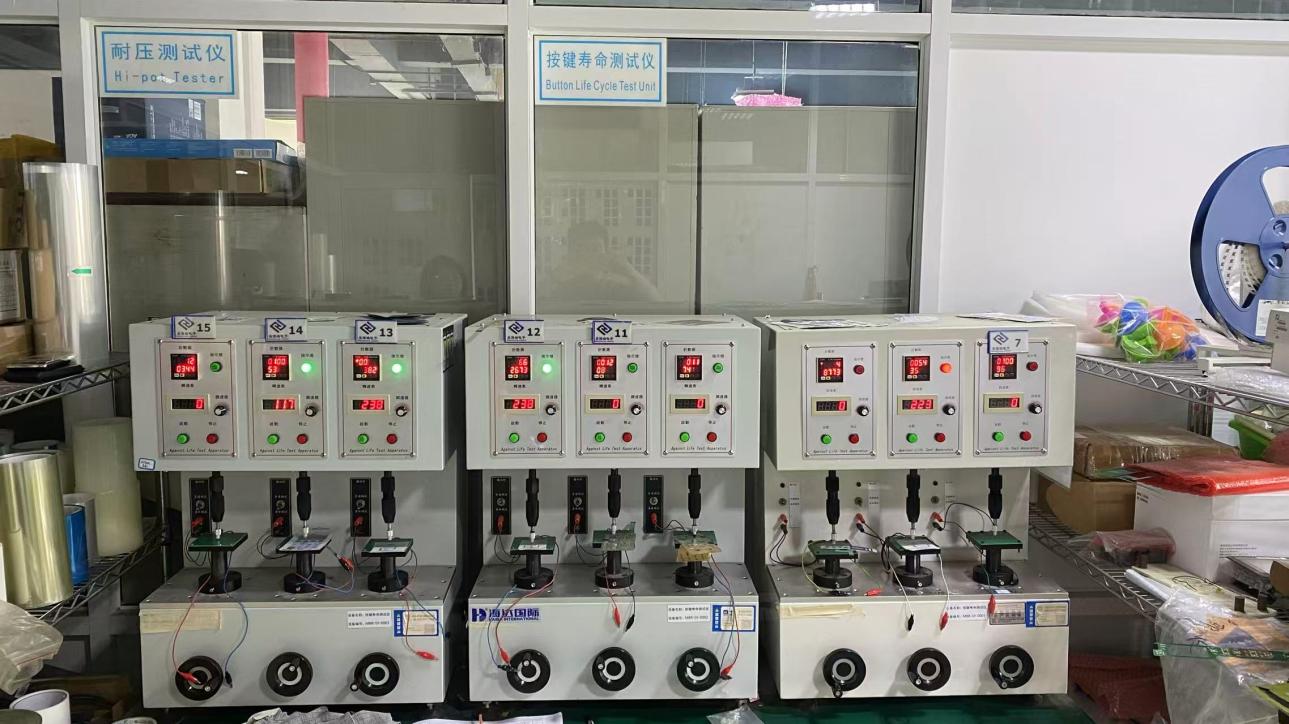 Actuation Fatigue Test Station
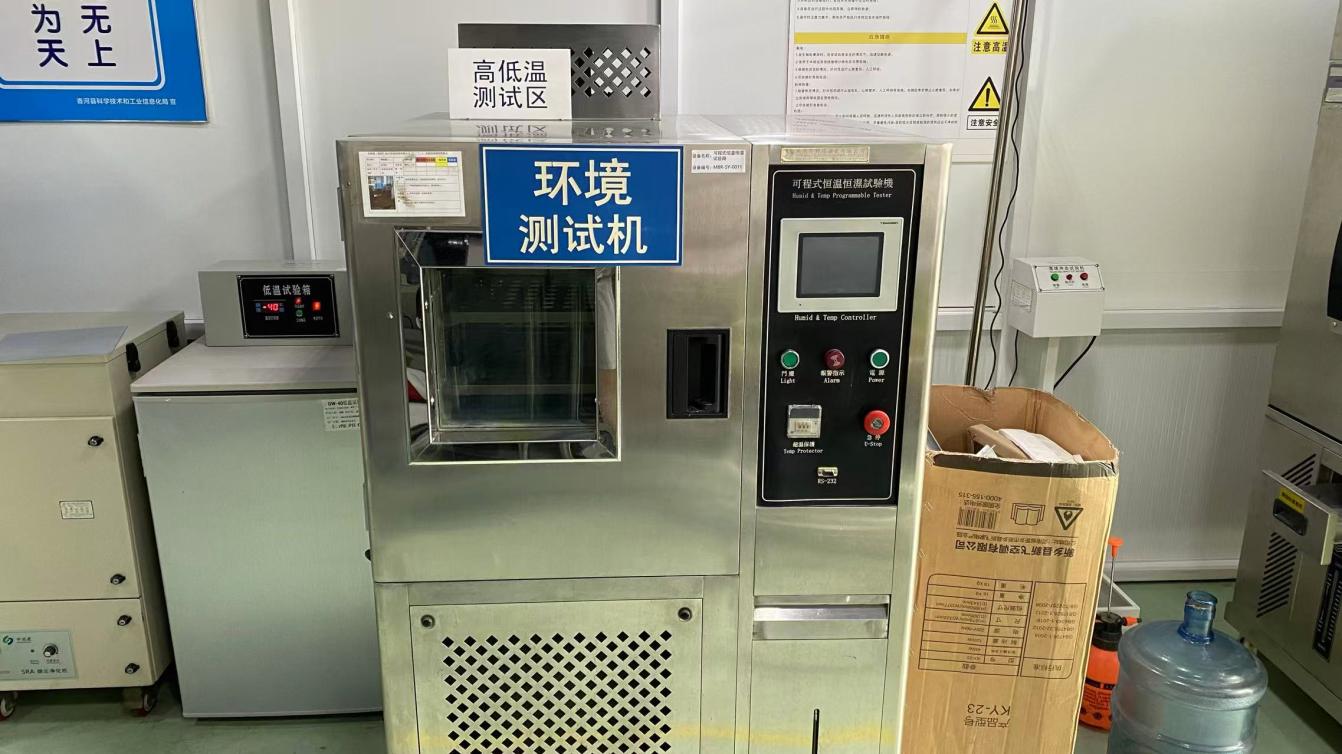 Thermo-Hygrometric Chamber
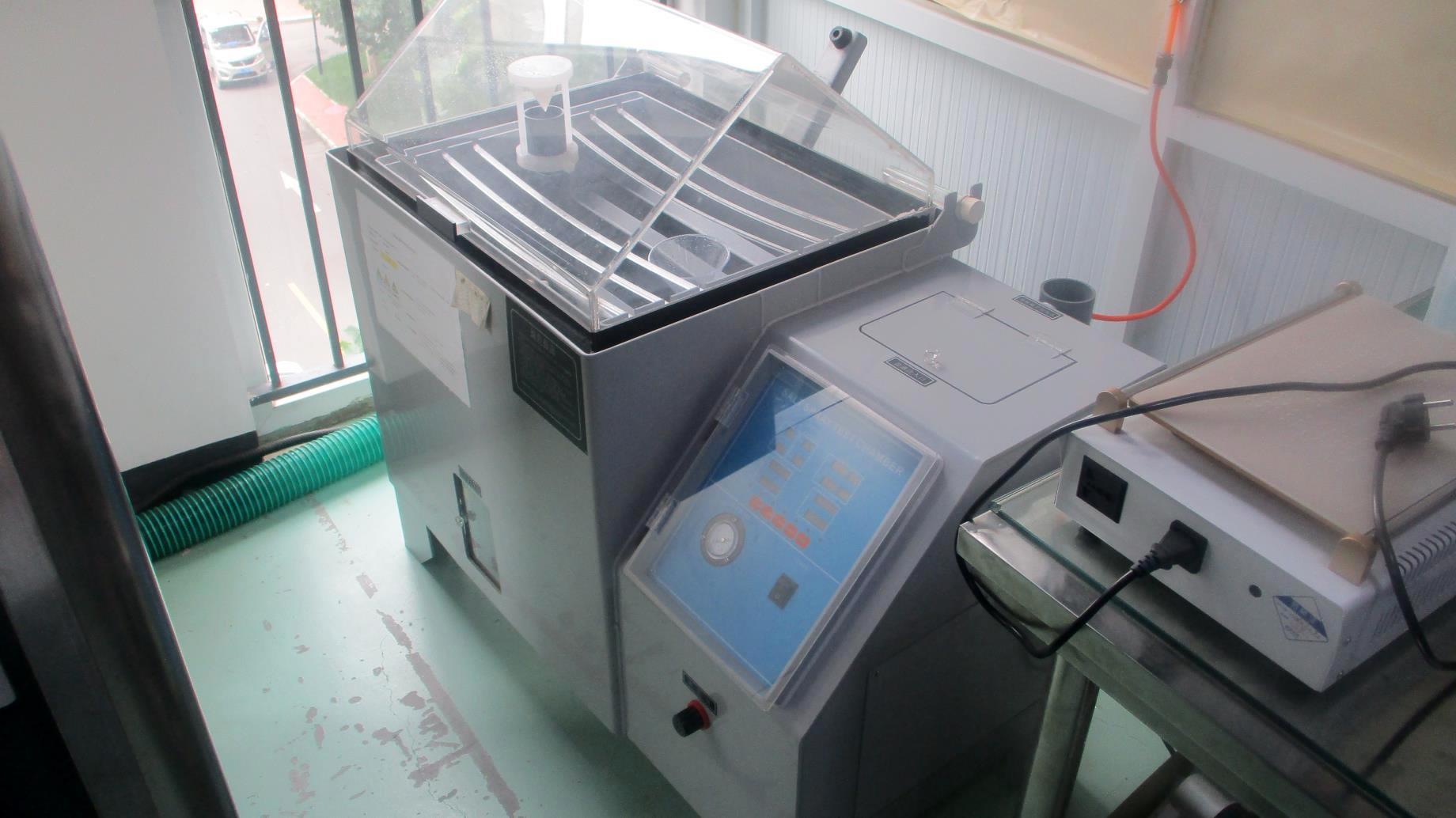 Salt Fog Anti-Corrosion Chamber
Addressing engineering specifications, small-batch bespoke fabrication, and import logistics for projects located in Vatican City and European enclaves.
Collaborate directly with our experienced HMI engineering department. Share your vector design, dimensions, and operational environment for a rapid manufacturability review and competitive quotation within 24 hours.